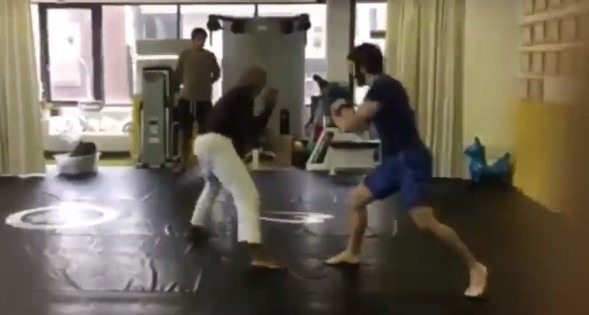
European guy shows up at our CTC, Gracie Jiu-Jitsu Osaka, in Japan. After his first Gracie Combatives class, he reveals that he’s an experienced boxer and questions whether or not jiu-jitsu would work on him if he were throwing punches.
One of the instructors, Tyrone Bess accepts the challenge…twice. After 25 years of @UFC you wouldn’t expect these people to exist anymore, but they do, and the reaction is always the same: After the first loss, let me try that again. After the second loss, where do I sign up?
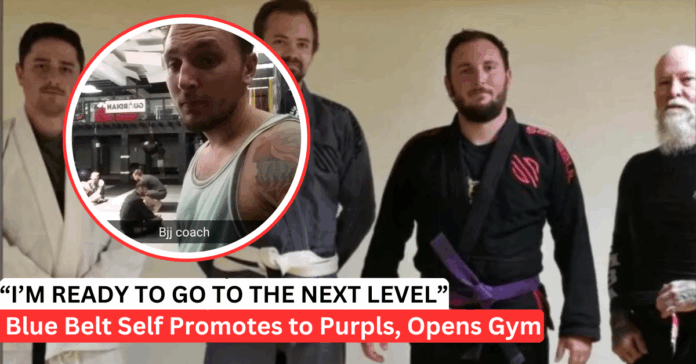
A blue belt’s decision to self-promote to purple has stirred intense debate.
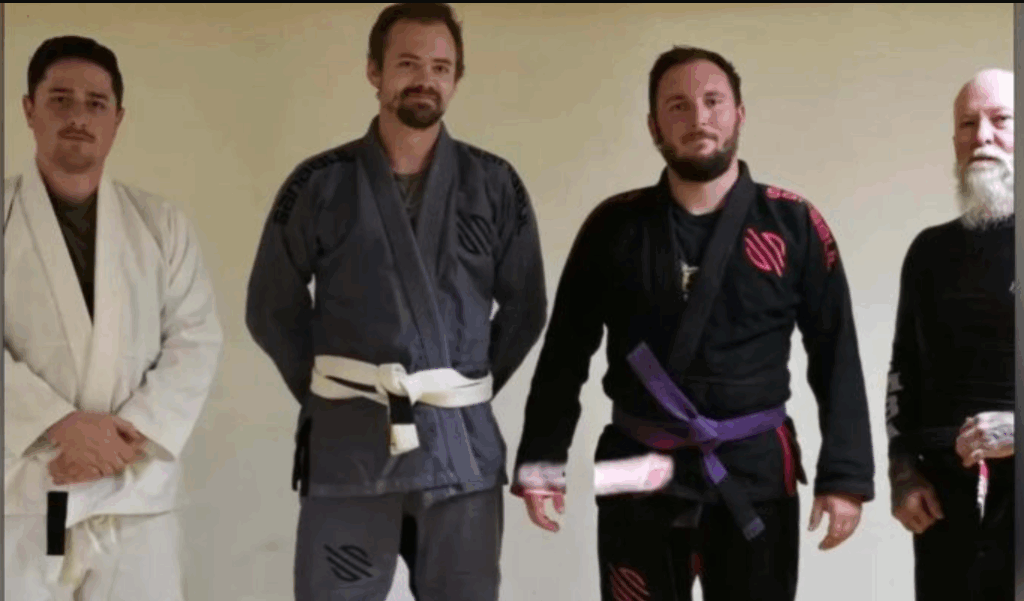
Jessie Miller, promoted himself to purple belt, gave himself a belt gauntlet, and opened his own academy.
The incident has reignited discussion about tradition, respect, and authority in Brazilian Jiu-Jitsu.
While some defend the move as independence, most see it as breaking a core cultural code.
Belt Self Promotion in BJJ — A Negative Trend Gaining Momentum
In a move that set off an online firestorm, a BJJ blue belt recently announced they had promoted themselves from blue to purple belt—without coach approval, a grading ceremony, or any formal recognition.
The announcement, followed by the opening of a new academy, became a lightning rod for discussion about the sanctity of rank in Brazilian Jiu-Jitsu.
For most practitioners, rank isn’t just a colored strip of fabric—it’s a public acknowledgment of time, skill, and adherence to a school’s culture. Belt self promotion in BJJ, by contrast, bypasses that process entirely, leaving many to question whether it undermines the art’s entire progression system.
A Belt Pinned Without Permission: Jessie Miller’s Controversial Story
In traditional BJJ culture, promotions come from instructors who have tracked a student’s development over years. Skipping that approval isn’t just frowned upon—it’s seen as a breach of etiquette that devalues the work of both the practitioner and their training partners.
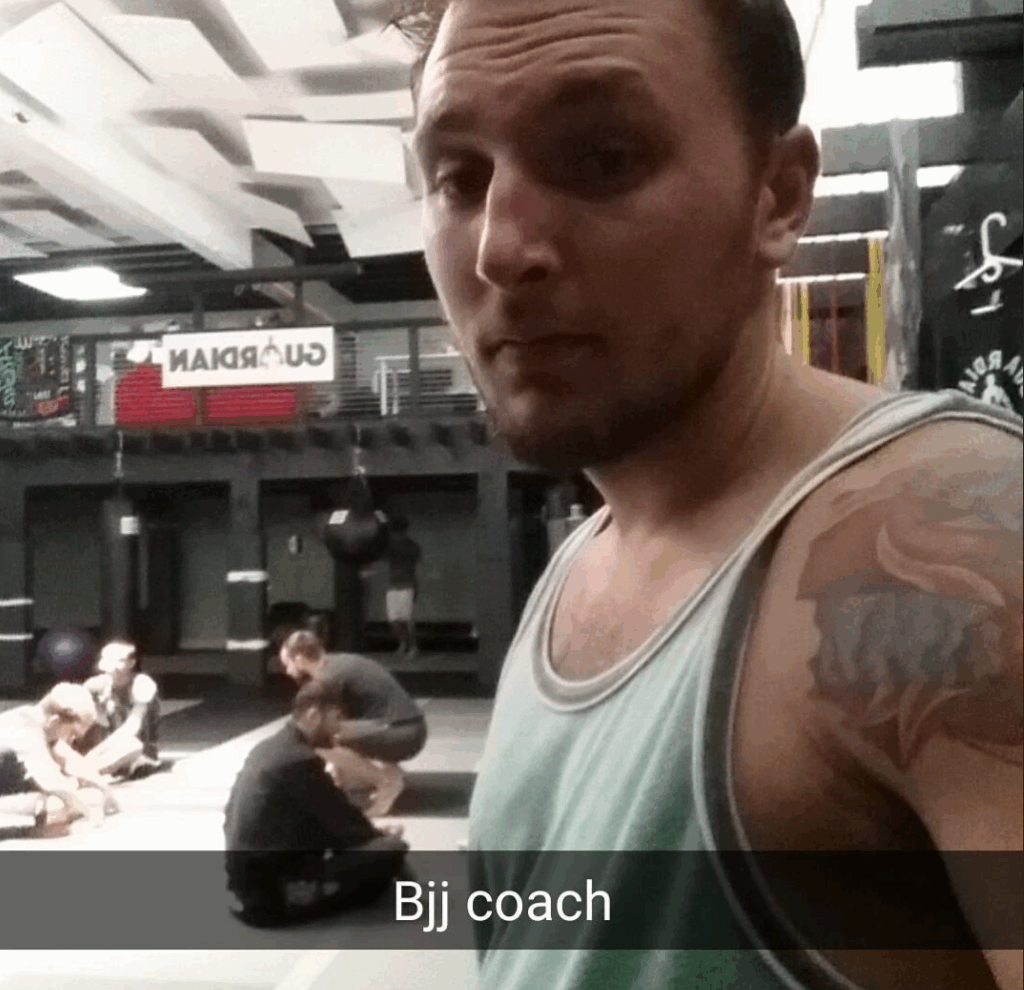
In this case, the story is not anonymous—Jesse Miller, once a blue belt for just three months, not only declared himself a purple belt but also opened his own training facility in Lebanon, formerly under a recognized affiliation.
In a video, Miller sat on the mats and calmly announced before declaring himself a three-stripe purple belt:
“I’ve been training really hard and I think I’m ready to go to the next level.” – Jessie Miller –
He even staged his own gauntlet walk, hitting himself with his own belt—a dramatic, self-orchestrated nod to BJJ tradition gone rogue.
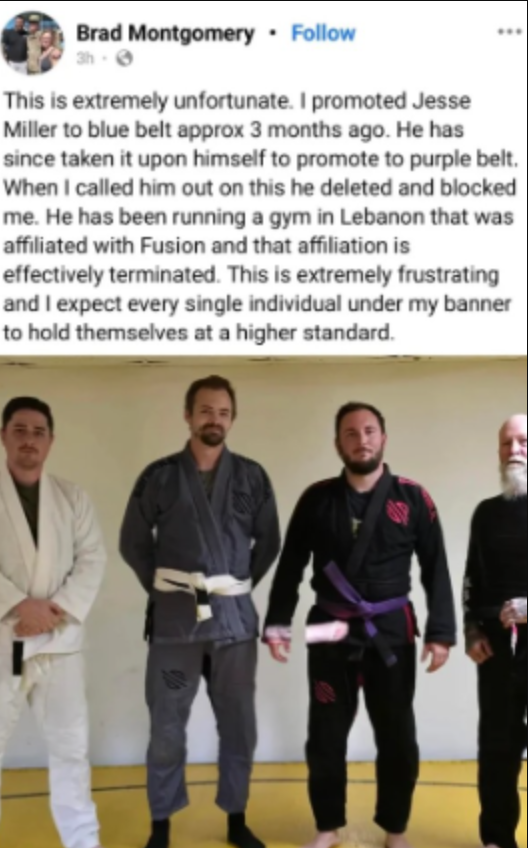
His former instructor, Brad Montgomery, took swift action: publicly denouncing the self-promotion, cutting ties with Miller’s new gym, and ending its affiliation with the Fusion network.
Montgomery revealed Miller even blocked contact after being questioned about bypassing standard protocol and opting for an unauthorized belt promotion.
““This is extremely unfortunate. I promoted Jesse Miller to blue belt approx 3 months ago. He has been running a gym in Lebanon that was affiliated with Fusion, and that affiliation is effectively terminated, and I expect every single individual under my banner to hold themselves at a higher standard.” – Brad Montgomery –
The reaction to this belt self promotion in BJJ has been far from uniform. On forums and social media, many practitioners accused the new purple belt of disrespect and ego.
Others took a more sympathetic view, suggesting that in rare cases—like a lack of access to qualified instructors or clear bias from a coach—self-promotion might be justified.
Why Promotion Is More Than a Belt Color
Promotion in BJJ is a ritual that reinforces the values of perseverance, humility, and technical growth. Stripes and belts mark progress, but they also acknowledge the sacrifices—early mornings, injuries, and hundreds of hours spent drilling and rolling.
Skipping that shared journey for a self-awarded promotion risks hollowing out the meaning behind the achievement.
It also sends a message to newer students that rank can be taken, not earned. In a sport that thrives on mutual respect, this is why belt self promotion in BJJ hits such a nerve.
Beyond the online debate, incidents like this can have tangible effects in the local BJJ ecosystem. When someone promotes themselves and opens a gym, it raises concerns for potential students who may not understand the backstory.
Parents signing up their kids or newcomers looking for their first class might assume the rank is legitimate and equivalent to other purple belts in the area.
This misunderstanding can have knock-on effects: rival schools may distance themselves from the new academy, seminars and cross-training invitations may dry up, and tournament organizers might quietly avoid offering the individual teaching opportunities.
Over time, this can isolate both the instructor and their students from the wider BJJ community.
It’s a reminder that in Brazilian Jiu-Jitsu, reputation is currency. A single decision—like belt self promotion in BJJ—can influence not just one’s personal standing, but the trust and cooperation that underpins an entire local training network.
Where This Leaves the Tradition
The uproar over this single BJJ belt promotion shows just how deeply rank identity is woven into Brazilian Jiu-Jitsu’s culture. Even in an era where online instruction and competition footage can develop a fighter’s game outside the gym, the belt still represents something more personal—a nod from those who’ve seen the work firsthand.
Whether this incident becomes a cautionary tale or a precedent for more self-promotions remains to be seen. But one thing is clear: every time a belt changes color without the nod of a coach, the discussion about what rank really means in BJJ will flare up again.
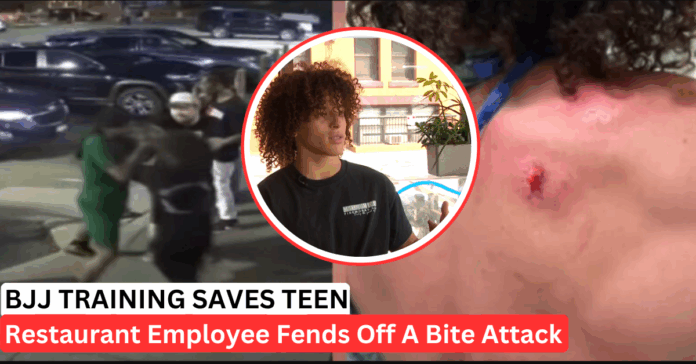
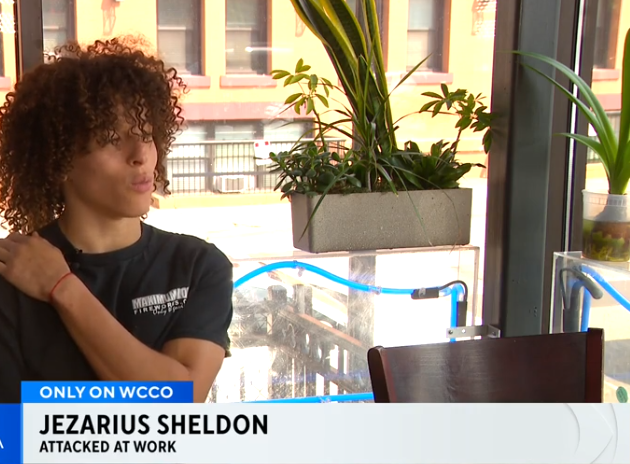
A 19‑year‑old restaurant worker uses Jiu‑Jitsu to fight off an aggressive stranger while taking out the trash in Minneapolis, relying on his Brazilian Jiu‑Jitsu and wrestling experience.
The attacker repeatedly tried to bite the teenager during the struggle, leaving him with multiple bite wounds on his shoulder and chest.
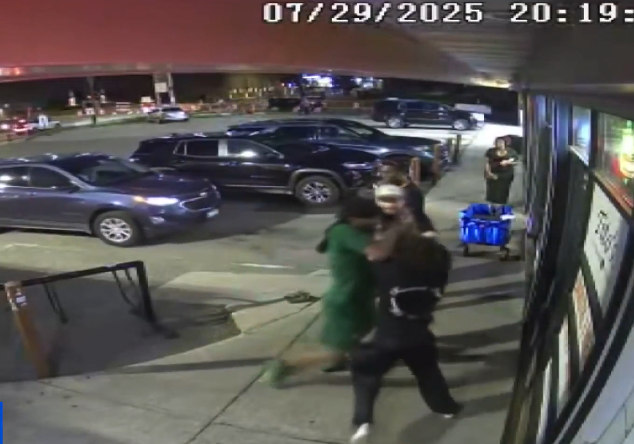
Surveillance footage shows bystanders watching the altercation before stepping in; the attacker fled, and police are still searching for him.
Co‑owner Yoom Nguyen called on the community and city officials to address rising crime in downtown Minneapolis.
Trash Duty Turns Violent on a Minneapolis Sidewalk
For teenage restaurant worker Jezarious Sheldon, taking out the garbage was a routine part of his job at the Lotus restaurant.
On a recent evening, however, that ordinary task turned into a harrowing confrontation when a man approached and began hurling insults. Within minutes, the encounter escalated to physical violence.
The attacker—described as tall and agitated—pushed Sheldon against a nearby window and attempted to drag him to the ground. Bystanders captured the scene on surveillance cameras, footage that later went viral and introduced the phrase teen restaurant worker uses Jiu‑Jitsu to news headlines.
Sheldon, who has trained in Brazilian Jiu‑Jitsu and wrestled in high school, instinctively applied techniques to control his assailant. He later recalled that the man taunted him as the situation unfolded:
“There was a lady watching and she watched everything happen and he looks at the lady and he said: ‘Watch what I’m about to do to this b‑word,’ and that’s when he started pushing me against the window and then that’s when it turned into self‑defense.” – Jezarious Sheldon
Witnesses remained on the sidelines at first, uncertain whether to intervene. Sheldon grappled with the attacker alone, picking him up and attempting to pin him safely until police could arrive.
Over and over, he used takedowns and positional control—skills learned on the mat—to neutralise the threat without causing permanent harm.
Quick‑Thinking Teen Restaurant Worker Uses Jiu‑Jitsu Against Violent Biter
Reports describe the assailant as over six feet tall and much heavier than the 19‑year‑old. During the struggle, the man resorted to biting, latching onto Sheldon’s shoulder and chest whenever he was taken down.
Sheldon later showed six bite marks across his torso and arms. He explained how his training allowed him to maintain composure even as he was injured:
“Every time I would pick him up and have him in the air—he was what, like 6′2″—so he had a lot of room. He would latch onto my shoulder while I was taking him down and every time I would have him on the ground he would bite my chest.” – Jezarious Sheldon
The attacker’s biting forced Sheldon to adjust. He kept his weight centred, controlled the attacker’s wrists and used knee‑on‑belly positions to maintain distance from the man’s mouth.
Observers said the teenager’s movements were methodical, reflecting hours spent drilling escapes and holds. Eventually, other employees and bystanders stepped in to separate the two.
Despite being momentarily restrained, the attacker lunged again, underscoring the chaotic nature of street confrontations and the need for continuous awareness—even after a fight seems over.
After the assailant fled, Sheldon assessed his injuries. Bite wounds can transmit bacteria, and he required medical treatment and antibiotics. Yet he expressed relief that his training prevented greater harm.
The teen restaurant worker uses Jiu‑Jitsu story is sensational in its own, but the deeper narrative is really about a young person applying calm under pressure to protect himself.
Bitten, Bloodied, but Not Powerless—Why This Teen’s Story Won’t Be the Last
The attack did not end when the stranger vanished into the night. Video of the incident circulated widely, spurring discussions about safety in downtown Minneapolis.
Lotus co‑owner Yoom Nguyen, whose family has run the restaurant since 1984, lamented the decline in the neighbourhood’s sense of security. He argued that empty streets and limited police presence contribute to emboldened criminals.
In an interview he said:
“I think safety is a huge issue here. People don’t tend to come out anymore to dine because they don’t feel safe, I think that’s the biggest thing.” – Yoom Nguyen
Nguyen praised Sheldon’s poise but noted that restaurateurs shouldn’t rely on teenagers to fend off attackers. He called for more patrols, better lighting, and community engagement to deter violent behaviour.
Police are still searching for the assailant, who faces potential felony assault charges. Investigators hope surveillance video and witness statements will lead to an arrest.
Meanwhile, the incident serves as both a cautionary tale and an inspiration for those considering self‑defense training. For many observers the phrase teen restaurant worker uses Jiu‑Jitsu is a powerful reminder that preparedness can make the difference between panic and protection.
How Jiu-Jitsu Training Showed Up When It Counted
Self‑defense advocates often say that the best fight is the one you avoid. Yet when avoidance isn’t possible, training can reduce harm. Sheldon credited his BJJ and wrestling background for giving him confidence and a plan under pressure.
The viral footage has sparked renewed interest in martial arts among Minneapolis residents. The teen restaurant worker uses Jiu‑Jitsu narrative has thus become both a cautionary story about urban violence and a case study in the value of training.
Sheldon’s injuries will heal, but the lessons linger. His experience shows that a calm mind and technical knowledge can neutralise an assault even when an attacker resorts to biting.
It also highlights the importance of supporting workers and creating safer environments. In the wake of this incident, Minneapolis diners and restaurateurs have an opportunity to reclaim their streets, while practitioners across the nation can look to Sheldon’s example as proof that perseverance and preparation matter.
A driver slammed into Caio Terra Academy in San Jose, causing extensive property damage but, thankfully, no injuries.
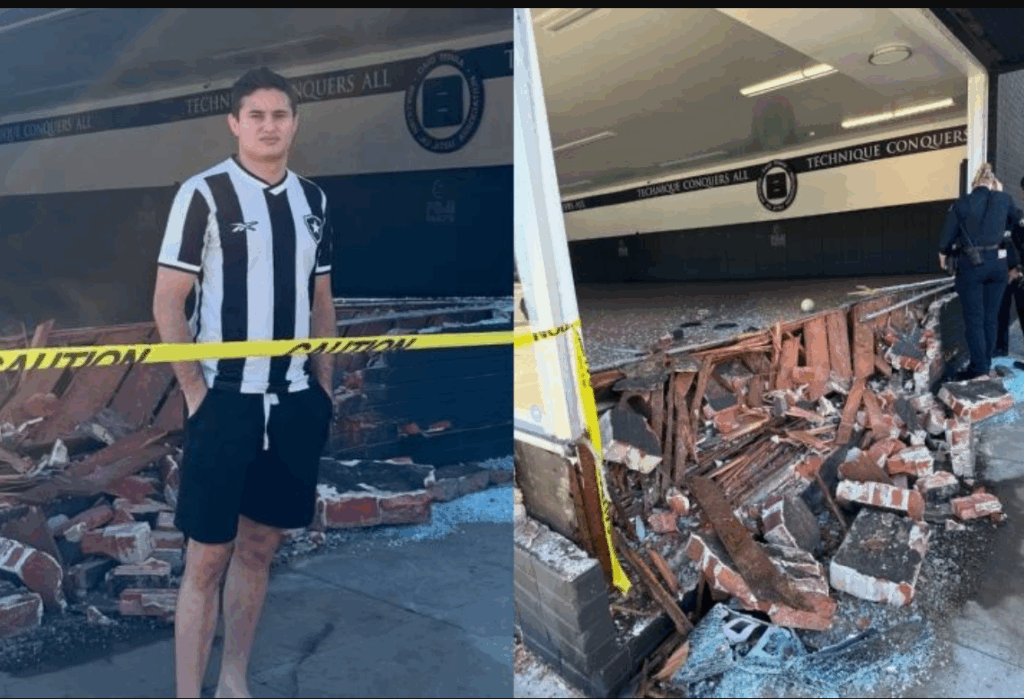
The Caio Terra Academy car crash left the facility’s entrance in ruins, with shattered glass and debris scattered around the lobby.
The unidentified driver fled the scene; police have license plate information and surveillance footage to aid their investigation.
World champion coach Caio Terra vowed to rebuild and thanked students and responders for their immediate support.
Chaos in San Jose: Caio Terra Academy Car Crash Incident
On a quiet August morning in San Jose, a screech of tires and the thunder of collapsing drywall shattered the calm of one of Brazilian Jiu‑Jitsu’s most respected schools.
A vehicle careened off the street and ploughed straight into the front of Caio Terra Academy, leaving a gaping hole where hours earlier, students had passed through to train. Photos from the scene show broken glass, mangled metal, and mats littered with debris.
Yet amid the chaos, no one was hurt—a stroke of luck that allowed the narrative to shift quickly from catastrophe to recovery. “Sometimes in life things go your way, and sometimes someone crashes a car through your dream,” Terra quipped in an Instagram update. The line went viral, encapsulating both shock and stoicism.
News outlets soon seized on the story of the Caio Terra Academy car crash, and the wider grappling world asked: how did a routine day at a martial arts studio turn into a scene out of an action film?
Students who arrived minutes after the collision described a surreal sight: the nose of a sedan jutting through the academy’s glass facade, airbags deployed, and no driver in sight. Police later confirmed it was a hit‑and‑run.
Officers collected security footage and retrieved the car’s license plate, giving them a head start on identifying the culprit. But while detectives pieced together the events, Terra and his team were already sweeping up shards and planning their comeback.
Caio Terra’s World‑Class Grappling Den in San Jose
The building now requiring repairs isn’t just any gym; it’s the flagship of a global network helmed by one of BJJ’s most accomplished technicians.
Caio Terra earned his black belt in record time and went on to win multiple IBJJF world championships in both Gi and No‑Gi divisions. After retiring from competition, he poured his energy into coaching, mentoring elite athletes like Mikey Musumeci, Yuri Simoes, and Mason Fowler.
The San Jose academy is the crown jewel of his association—a hub where hobbyists drill alongside world champions, and where a culture of precision and mutual respect has flourished.
Damage to such a place stings not just because of the cost—reports estimate repairs will exceed $50,000—but because of the disruption to routine. For many students, the space represents a sanctuary from everyday stress.
The Caio Terra Academy car crash forced classes to be relocated, interrupting training cycles and preparation for upcoming tournaments. Yet Terra’s leadership, honed through years of adapting on competition mats, shone through.
Shattered Walls, Unbroken Spirit
According to eyewitness accounts and police statements, the collision occurred in broad daylight. A car travelling along the busy thoroughfare in front of the academy suddenly veered off course, surging over the curb and into the studio’s glass front.
The hit‑and‑run driver—described only as a man wearing a baseball cap—jumped out, glanced around and ran. Within minutes, law enforcement cordoned off the area as firefighters assessed structural damage.
Investigators haven’t yet released a motive; it’s unclear whether the crash resulted from reckless driving, mechanical failure or something more sinister. Regardless, the Caio Terra Academy car crash has become a hit‑and‑run case.
Terra noted online that authorities have the license number and clear video evidence:
“It’s only a matter of time before they catch him!” –Caio Terra –
That combination of professionalism and humour helped diffuse tensions. In one post, he thanked San Jose police for their “amazing job,” emphasising cooperation rather than anger.
His students echoed that tone, expressing relief that the crash occurred during off‑hours and no one, including nearby pedestrians, was harmed. Still, the incident has prompted discussions about safety measures—ranging from reinforced barriers to parking‑lot design—at training centres nationwide.
Gyms often prioritize mats and lockers but neglect structural fortifications. The Caio Terra Academy car crash serves as an unusual reminder that physical safety extends beyond avoiding injuries on the mat.
Rebuilding Begins Immediately — Everyone’s on Board
As word spread of the Caio Terra Academy car crash, local students and members of the global BJJ community mobilised. Volunteers arrived with brooms, gloves, and wheelbarrows to clear debris; others offered temporary mat space. On social media, Terra expressed gratitude:
“Thanks to everyone who came out to help clean up and to @pdsanjose for doing an amazing job.” –Caio Terra –
His optimism was contagious. Within 48 hours of the accident, classes resumed at neighbouring academies, and a fundraising effort was underway to cover repair costs not handled by insurance.
Terra has promised to rebuild stronger than before, hinting at potential renovations that may improve the facility. His approach reflects a mindset common in Jiu‑Jitsu: when an opponent passes your guard, you recover, adjust, and come back better. The Caio Terra Academy car crash is not just an isolated incident but a real‑world application of that philosophy.
Marcelo Garcia was no doubt one of the best grapplers to grace Jiu-Jitsu. His smooth transitions, focus on submissions and humble personality have endeared him to all.
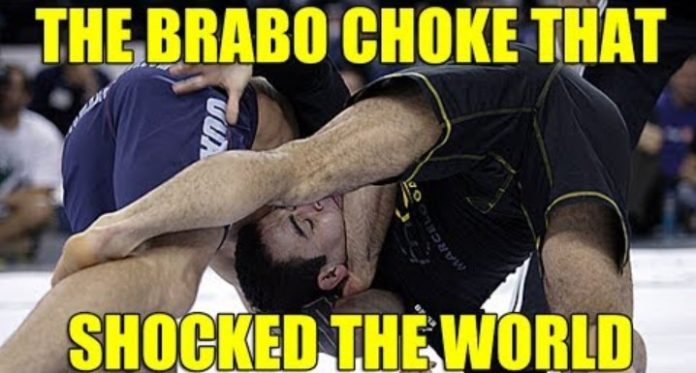
That is what made the super-fast Robert Drysdale Brabo Choke submission finish at the 2007 ADCC all the more impressive. Not many people have managed to submit Garcia ever, let alone in his prime, and the Darce or Brabo choke that Robert used is one that was heard around the BJJ world back then.
I remember watching the match between Robert Drysdale and Marcelo Garcia from the mat side and being in awe of how quickly he dispatched Garcia with the Brabo Choke. While we all knew Drysdale to be a great submission hunter, nobody really gave him a chance to finish the GOAT Marcelo, which ended up working in Rober’s favor.
He is their full (very short) ADCC 2007 match. The choke starts at the 2:20 mark for those with limited patience:
The Brabo Choke BJJ Submission
The Brabo choke, as referred to by Brazilians, or the Darce choke, as it is more commonly known among grapplers is an arm triangle choke done from the front. Mechanically speaking it requires a head and arm control, just like any triangle, as the opponent’s own shoulder is essential for the choke.
Commonly, people look for the Brabo choke from the front headlock position, from standing, half kneeling, kneeling, and often against a turtled-up opponent. One hand goes around the head, underneath your armpit while the other goes under the opposite side armpit, trapping the opponent’s arm.
The choking pressure comes from tightening the structure by grabbing your own biceps behind the opponent’s head in a figure 4 grip. This is the distinction between the Brabo and anaconda, which has you grabbing the biceps on the opposite side, under the armpit.
For the finish itself, you can be on top or underneath an opponent. In most cases, you’ll probably have to hold on as they roll, waiting until they settle before figuring out your best positioning for the finish.
The Robert Drysdale Brabo Choke that Tapped Marcelo Garcia
The Robert Drysdale Brabo choke that finished Marcelo was a picture-perfect example of how this choke works, with several key details demonstrated by Drysdale which he goes over in this video:
Distance Mangement: A key aspect of even thinking about setting up the Brabro choke, according to Robert Drysadle is chest-to-chest contact. The choke setup won’t work if you’re too far away.
Whizzer Control: Another key component of chasing Darce chokes is keeping a tight overhook control, often known as the Whizzer., The deeper your arm is under the opponent’s armpit, the better the choke will be. This arm is also a lot more crucial than the one going around the head/neck.
Posture Break: An invaluable step in the Brabo choke setup is using your arm to pull on the back of the head, bearing posture, and making enough room to position the second arm behind the neck.
Fast Grips: Once you have your overhook arm threaded deep, nobody is going to allow you to stay there for long, so getting the biceps grip for that figure 4 configuration quickly is essential to success.
Finishing Mechanics: The Brabo finish is a pressure choke, so instead of thinking about squeezing your arms think rather about placing your weight on top of your opponent and turning the forearm of the choking arm.
How He Used it Against Marcelo
Let’s take a second look at the match between Robert Drysdale and Marcelo Garcia to see how heart up the choke using his cornerstone principles:
Whizzer Control: After a double leg shot by Marcelo, which Robert countered by sprawling, he inserted an overhook deep behind Marcelo’s reaching arm. Which provided the crucial initial connection.
Fast Grips: Once he released his leg, Rober immediately laid to the mats, aiming to thread the overhook arm as deep as possible and closing a lighting fast figure four grip. Being with his back to the mats didn’t matter, as long as he got the grip in.
Posture Break: The grips allowed Drysdale to break Marcelo’s posture as he went to the mats, completely taking away any chances he had of popping his head out of the choke.
Distance Mangement: As Marcelo thrashed around trying to get out of the Brabo choke, Robert Drysdale did not try and finish, but rather focused on getting a a chest-to-chest connection from both bottom and top.
Finishing Mechanics: Robert started to apply pressure from the bottom, but eventually ended up on top while managing distance. This gave him the perfect opportunity to put his body weight on top of Marcelo and twist his forearm getting that famous tap.
Many of you will be surprised to hear that Robert e doesn’t even consider it a choke. He definitely shares a a few gold nuggets in the video above that will completely change your understanding of the technique, and help you finish it faster!
Key Takeaways
Watch old matches. Especially focus on those that feature underdogs that manage to beat big name grapplers, like Tuotolo’s Darce against Tonon or Ffion’s armbar against Bea Mesquita. There is quite a long list, but you get my point.
While not everyone might do breakdowns of their winning moves like the Robert Drysdale Brabo Choke explanation, you can learn a ton by slowing down those matches and analyzing them. If it worked for them it will most certainly work for you gym nemesis the next time you encounter them at open mat.
You can’t wrestle? If you want to change that, you don’t have to pick up wrestling. All you need is to understand how some of the most commonly used positions in standing grappling exchanges relate to one another. Once you do, you can chain them together into a system that’s easy to follow, even under immense stress.
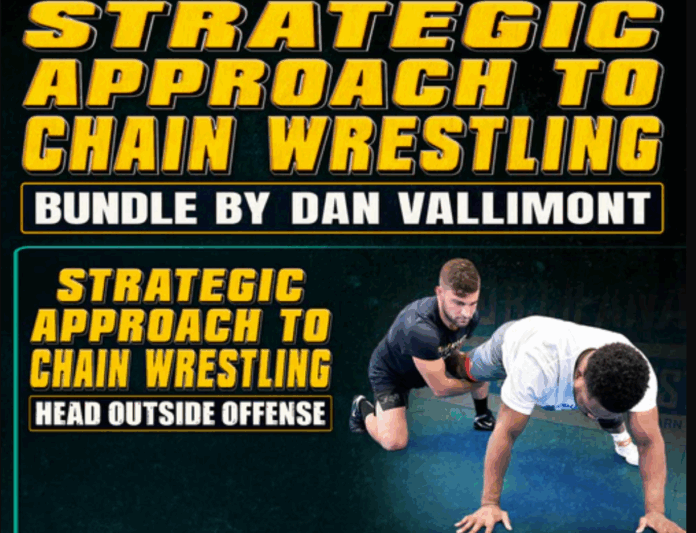
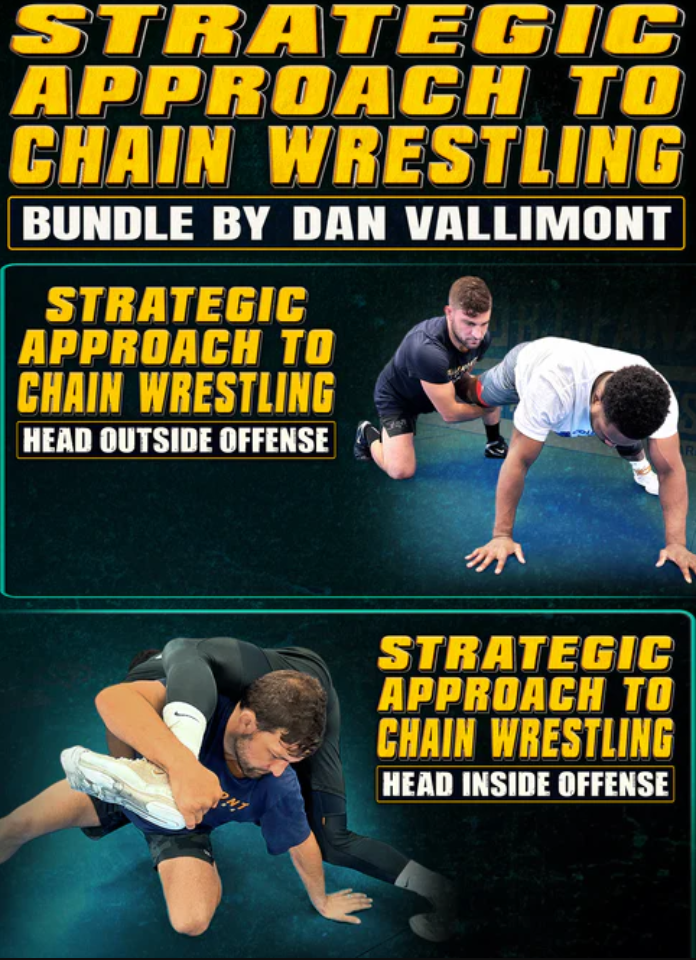
Building these chains is actually the hard part, which is where the Chain Wrestling Dan Vallimont DVD Bundle comes in. It delivers all the bits and pieces you need to figure out a chain wrestling system of your own. The best part? You can still pull guard at any moment you want to, but I doubt you’ll want to.
NCAA All-American Dan Vallimont
Wrestling for BJJ or MMA comes back to just plain old wrestling, and when you need to figure that out, you need to turn to proven wrestling coaches. One such coach is double NCAA All-American Dan Vallimont, who holds the fort at Penn State these days.
Vallimont captained the Penn State team to two state titles in his competitive days, and later found his spot on Team USA as a top freestyle wrestling talent. On top of conquering the NCAA two times, Dan also holds a degree in architectural engineering — further accolades that make him such a great grappling coach.
As a coach, he has helped plenty of UFC fighters dominate in the cage, including Dustin Poirier and Yves Edwards. Now, you get to pick up on key bits and pieces, too, from Dan’s extensive wrestling experience via his Chain Wrestling Dan Vallimont DVD Bundle.
Chain Wrestling Dan Vallimont DVD Bundle Review — All the Details
Chain Wrestling Dan Vallimont DVD Bundle delivers more than just random wrestling techniques — it provides the blueprint for stringing attacks together until you make it to the mats.
Opening the account in the Chain Wrestling Dan Vallimont DVD Bundle is an instructional that focuses on outside head placement during standing exchanges, and the opportunities (and pitfalls) it provides.
Key Points Covered:
Chain wrestling is an easy concept to understand, but it is one of the most chaotic things to try live in grappling. Dan makes sense of it all by delivering precise information on your positioning, starting with the head on the outside of the opponent’s body.
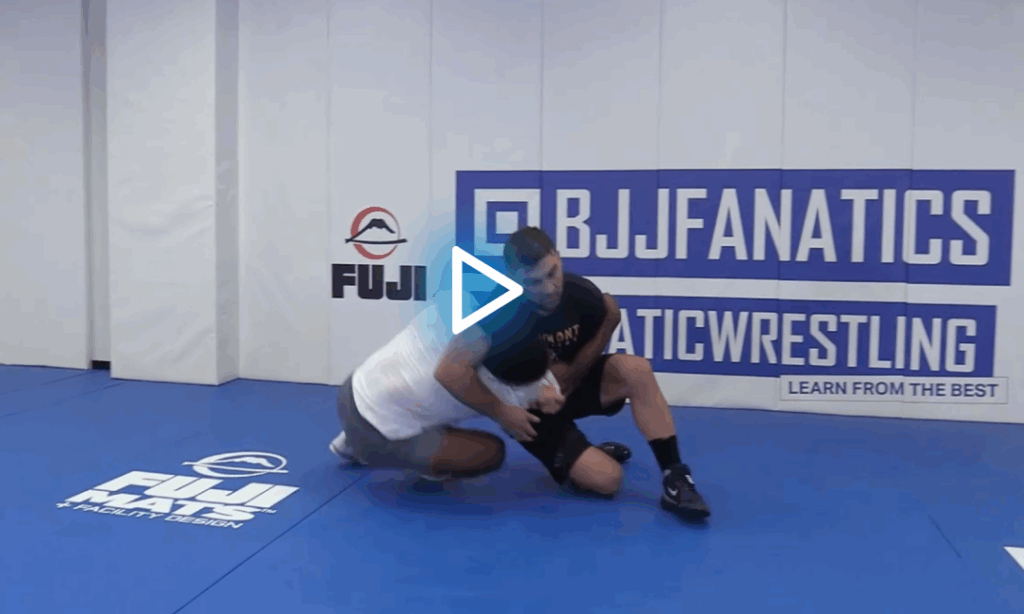
As the first part of the Dan Vallimont Chain Wrestling Bundle demonstrates, this position provides plenty of takedown opportunities (singles, doubles, high crotch, etc.), diversifying attacks across the entire body. The front headlock is a big part of this system, with slide-bys, duck unders, arm drags, and snap downs creating plenty of shots to take it to the mats.
Technical DVD Specifications:
Dan uses three volumes to create a pattern in the material that is both progressive and easy to follow. He delivers information that will benefit complete newbies and seasoned wrestlers alike, offering roughly two hours of material.
In this instructional, Dan’s focus is on the alternative head position — inside the body — with a whole new set of options from a position revered by many to be the better of the two.
Key Points Covered:
The second half of the Dan Vallimont Chain Wrestling Bundle goes into more leg attacks for takedowns, this time initiating from the head-inside position. Setups involve 2-on-1 grips for the most part, and lots of Fireman Carries to complement the usual leg takedown culprits.
Front headlocks feature again, this time paired with cradle takedowns and a bunch of super-quick ankle picks. Dan finishes with some hip toss work that is not seen too often in wrestling, combined beautifully with inside trips and body locks.
Technical DVD Specifications:
This Chain Wrestling Dan Vallimont DVD Bundle instructional has four volumes, each catering to a different subject of the system. It takes Vallimont about two hours to present his case on chain wrestling with the head on the inside.
A Strategic Approach to Chain Wrestling
The moment you figure out that wrestling only works when you combine things together, your stand-up is going to change forever. The bad news is that understanding this concept is much easier than actually putting it to use on the mats.
Given the explosive nature and speed of wrestling, going for one move only is not going to cut it. You’ll need to be aware of where the exchange is going to place you if (or, better said, once) the initial move fails so that you can keep going, chaining other moves to the inertia of the original one.
The main difference between this and hunting for sequences in BJJ is the speed at which it happens. Jiu-Jitsu allows us to take our time, while in wrestling, chains need to flow; otherwise, they’re useless. Factor in some counter-wrestling, and you have a recipe for success — the blueprint featured in the Chain Wrestling Dan Vallimont DVD Bundle.
The closest you’ll get to controlling a wrestling exchange on the feet is chaining moves together until you either end up on the mats in top position or you and your opponent disengage completely. Since the first of these two outcomes is what we’re after, the Chain Wrestling Dan Vallimont DVD Bundle is a great way to set them up systematically. It definitely beats trying to figure stuff out on your own.
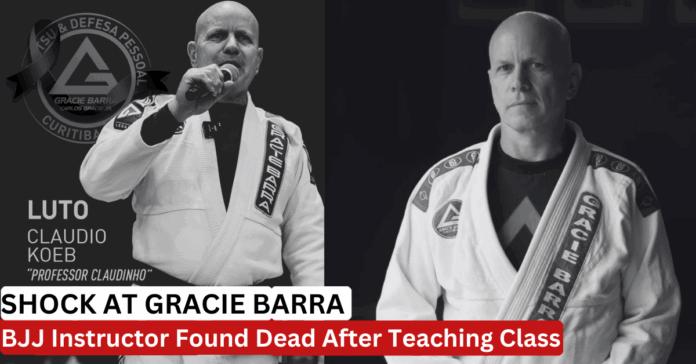
Brazilian Jiu‑Jitsu coach Claudio “Claudinho” Koeb was discovered unresponsive inside his Gracie Barra academy in Araucária on Friday, sending shockwaves through the global BJJ community.
The 58‑year‑old 3rd‑degree black belt BJJ instructor found dead was last seen teaching an afternoon class; he stopped responding to messages and was later found by worried students.
Preliminary reports indicate Koeb suffered a sudden cardiac arrest, though the Civil Police continue to investigate.
Koeb’s two‑decade journey from doting father to revered instructor turned him into a pillar of the Gracie Barra Araucária community and a mentor to countless students.
A Life on the Mats: Who was Claudinho Koeb?
The viral headline about the BJJ instructor found dead doesn’t convey the depth of Claudio Koeb’s life. In the early 2000s, he wasn’t even planning to train—Koeb was simply a father accompanying his son to Brazilian Jiu‑Jitsu classes when an instructor suggested he try a session himself.
That first step onto the mats sparked a passion that would carry him through the next two decades. By 2006, he was teaching from his own home, and by 2012, he had joined the Gracie Barra Cabral team in Curitiba.
Three years later, he opened his own academy in Araucária’s Fazenda Velha neighborhood, creating a haven where students learned not only techniques but also discipline, respect, and community.
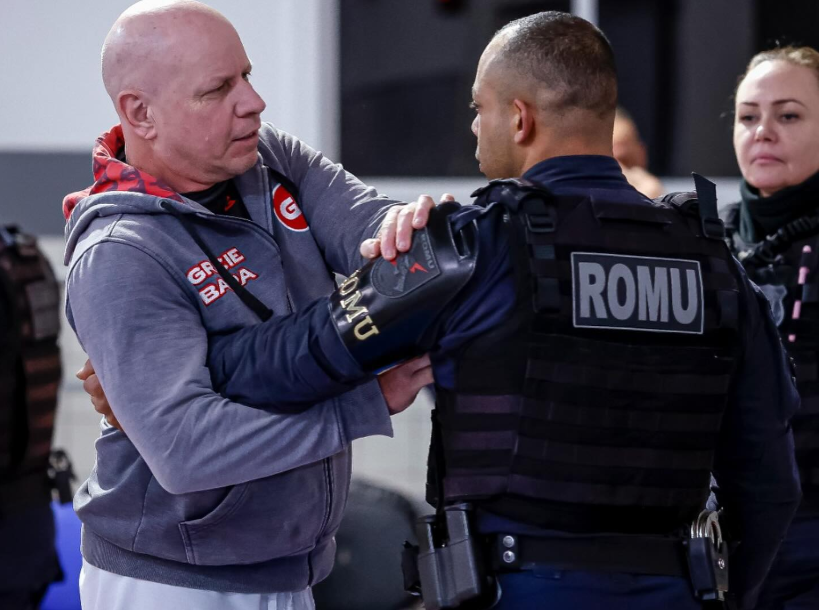
Koeb’s influence spread far beyond the gym’s padded walls. He trained dozens of students to black belt, offered self‑defense seminars for local security forces such as ROMU and RONE, and engaged in social projects to make Jiu‑Jitsu accessible to underprivileged youth.
Colleagues and students remember him as a patient teacher with an infectious enthusiasm for the gentle art; his ability to connect on a personal level turned the academy into a second home for many.
That sense of belonging is one reason the news that a BJJ instructor found dead inside the very place he built hit his community so hard.
A Tragic Day at Gracie Barra
On Friday afternoon, Koeb wrapped up his noon class as usual and told students he would see them later. He never made it back.
Throughout the afternoon he stopped replying to messages—a red flag for someone known for his reliability. Worried students decided to check on him at the academy.
Inside a break room on Agrimensor Carlos Hasselmann Street, they discovered their coach unresponsive. Emergency medical personnel confirmed that the BJJ instructor found dead had passed several hours earlier.
Preliminary investigations suggest that the 58‑year‑old suffered a massive heart attack, leading to cardiorespiratory arrest. There were no signs of violence or struggle, and the Civil Police are awaiting official autopsy results to confirm the exact cause.
The suddenness of his death—coming after an intense training session earlier in the day—underscored the silent risks that high‑intensity sports pose to older practitioners. It also left many grapplers reflecting on their own health routines and the physical stress of teaching multiple classes while maintaining personal training schedules.
Heart Health Concerns in Combat Sports
Although Brazilian Jiu‑Jitsu is often celebrated for its adaptability across age groups, Koeb’s passing illustrates that longevity in combat sports isn’t guaranteed.
After news spread that a Gracie Barra BJJ instructor found dead in his own gym had likely suffered a heart attack, conversations arose about the cardiovascular toll of years on the mats.
Instructors often push themselves as hard as their competitive students—sometimes harder—yet rarely undergo the same periodic medical check‑ups required for active athletes. This oversight can be fatal when undiagnosed heart conditions lurk beneath a façade of fitness.
Experts recommend regular cardiovascular screening for athletes over 40, especially those engaged in high‑intensity disciplines.
That advice is particularly pertinent for coaches like Koeb, who juggle teaching with personal training, administrative tasks, and the emotional labour of supporting an entire team.
By building his academy around inclusivity and community, Koeb set an example of selfless dedication; his story now serves as a reminder that even the most seasoned practitioners should prioritize their health as they age.
The day after the BJJ instructor found dead, mourners gathered at Chapel 3 of Unilutus in Curitiba to pay respects. Friends, students and family shared stories of a mentor who invested not only in submissions and guard passes but in personal growth.
The procession to Santa Cândida Municipal Cemetery was long, testament to the number of lives Koeb touched over two decades. On social media, tributes poured in—from photos of belt graduations to heartfelt messages about how he helped someone through a difficult time.
While no article can fully capture a life, telling the story of a BJJ instructor found dead inside his own academy reveals both the fragility of our physical bodies and the enduring strength of community.
Claudio “Claudinho” Koeb’s legacy lives on through his students, his family, and the lessons he imparted on and off the mats.
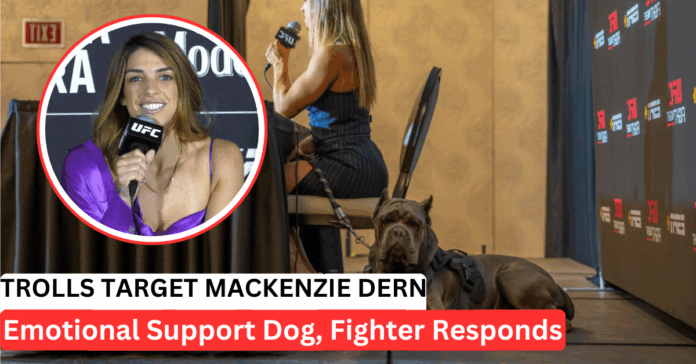
Mackenzie Dern emotional support dog became a hot topic when she brought her Italian Mastiff, Mack, to UFC media day and tried to include him in her walkout, sparking debate about mental readiness in MMA.
The Brazilian‑American strawweight star says her dog provides security and calm; all the fights where he’s present she’s won, and she credits him for helping her treat fight night like a training session.
The athletic commission denied her request to have the dog accompany her to the cage, suggesting needing a pet to compete shows she isn’t ready; Dern disagrees and believes emotional support animals have a place in sports.
Social media reactions ranged from support to mockery, with trolls even joking about the dog’s “accent”; fans argued whether the animal is a secret weapon or a distraction.
Why Mackenzie Dern’s Emotional Support Dog Caused a Stir
When Mackenzie Dern strode into the UFC Apex for media day ahead of UFC Vegas 101, she didn’t just bring gloves and a game face—she brought her 1½‑year‑old Italian Mastiff, Mack.
The hulking dog padded around the press event, drawing cameras and questions. Dern later revealed that she’d also asked Nevada’s athletic commission to allow her dog to accompany her during her walkout, but the request was denied.
The commission’s terse response, according to multiple reports, was that if a fighter can’t enter the cage without their animal, it calls into question whether they’re mentally prepared for professional combat.
That denial immediately turned the Mackenzie Dern emotional support dog into a talking point across MMA media.
Dern isn’t shy about her reliance on her pets. She told reporters she owns multiple dogs, including an American bulldog and the imposing Cane Corso‑mix Mack, and that they’re more than just companions. During a podcast appearance she joked that her dog’s attendance correlates directly with her success:
“All the fights that she’s gone, I’ve won. And all the fights she hasn’t gone, I’ve lost.” – Mackenzie Dern –
The superstition might sound playful, but Dern speaks seriously about the psychological relief her animals provide.
By bringing Mack to media day and, if allowed, into the spotlight of a walkout, she hoped to recreate the calm of a training session. The Mackenzie Dern emotional support dog incident isn’t about spectacle—at least in her view—but about creating the conditions for peak performance.
Four‑Legged Cornerstones: How Animals Anchor Fighter Psychology
Athletes in high‑pressure sports have long turned to emotional support animals, but rarely has a fighter done it as publicly as Dern. Sitting at No. 6 in the strawweight rankings, she knows what is at stake: a rematch with Amanda Ribas, the woman who handed her her first professional loss.
To prepare, she has prioritized composure over pure aggression.
“He helps me a lot just being comfortable and I’m kind of trying to stay as calm as I can. I think what I’m most needing in my fights is composure, and to kind of just go into the Apex one more time and feel like it’s a training session.” – Mackenzie Dern –
Dern’s comments highlight a broader theme in MMA: elite fighters are embracing mental‑health tools, from breathing exercises to therapy. For her, an emotional support dog is both security and training partner.
Mack attends her gym sessions, provides a sense of routine, and, as she noted, will be present alongside her five‑year‑old daughter Moa during fight week. The Mackenzie Dern emotional support dog story illustrates how athletes weave their personal lives into performance.
Dern juggles motherhood with world‑class training, and the giant dog at her side helps her shift between those roles. By normalizing emotional support animals in this context, she adds to the conversation about how fighters protect their mental health in a sport that often prizes toughness over vulnerability.
Commission Concerns — When Pet Companionship Meets Professional Standards
Not everyone is convinced that pets belong cage‑side. Athletic commissions exist to enforce safety and regulatory standards, and officials were swift to block Dern’s walkout request.
Their reasoning centred on mental readiness: needing a dog to compete implies an overreliance that might be detrimental under the intense pressure of a fight. While emotional support animals are common in everyday settings, the octagon is a high‑stakes environment with strict protocols.
The commission’s position reflects a belief that fighters must demonstrate independence and self‑confidence without external crutches.
That stance raises tricky questions. If a fighter performs better knowing their child is in the front row, is that different from wanting a dog nearby?
Where should regulators draw the line between reasonable accommodation and potential distractions or hazards? In Dern’s case, the commission decided the line stops at the entrance to the cage.
She accepted the ruling but disagreed with its implication. In a podcast interview, she laughed off concerns about Mack’s temperament:
“He’s good at protection, but man, he’s kind of like a big baby.” – Mackenzie Dern –
Nevertheless, the Mackenzie Dern emotional support dog controversy is likely to be cited in future debates over how promotions handle requests for emotional support animals. As other athletes watch, they may either temper their expectations or push for more flexible policies.
Fans, Trolls, and Narratives
Beyond regulatory red tape, the discourse around the Mackenzie Dern emotional support dog reveals as much about the culture of MMA fandom as it does about Dern herself. On social media, fans oscillated between admiration and ridicule.
Some praised Dern for openly addressing mental health, while others mocked her for needing what they saw as a “security blanket” before a fight. A few joked about whether the dog barked with an American or Brazilian accent, riffing on long‑running jokes about Dern’s own bilingual speech patterns.
In comment sections, bettors speculated that bringing a dog signaled weakness and advised gambling on her opponent. Others simply marveled at the dog’s size and the fact that a strawweight fighter could own a 50‑kilogram Mastiff.
Whether the Mackenzie Dern emotional support dog becomes a charm or a cautionary tale, it has already expanded the conversation about mental health, superstition, and professionalism in MMA.
Danielle Kelly ONE Championship release was a mutual decision driven by long stretches of inactivity and a lack of clear plans for her competition schedule.
Kelly signed with ONE in late 2022, won two submission matches and captured the atomweight submission grappling title before losing it in 2024.
She grew frustrated that promised opportunities—four or five matches per year—did not materialize and that she felt pressured into taking a rematch she didn’t want.
The Danielle Kelly ONE Championship release raises questions about how major promotions handle women’s grappling and may signal opportunities for other organizations to sign a high‑profile free agent.
From Champion to Free Agent — Why Danielle Kelly and ONE Championship split
When news broke on July 24 that former atomweight submission grappling champion Danielle Kelly was no longer on ONE Championship’s roster, fans wondered whether back‑to‑back decision losses to Mayssa Bastos had sealed her fate.
Less than two weeks later, Kelly released a vlog explaining that the Danielle Kelly ONE Championship release was not a punitive cut but a mutual decision. Her departure, she said, stemmed from long periods without matches and a feeling that the promotion no longer had a roadmap for her career.
Kelly joined ONE in December 2022 amid a concerted push to build a world‑class No‑Gi division. She quickly lived up to the hype, submitting veteran opponents and collecting performance bonuses.
Her win over IBJJF world champion Jessa Khan in September 2023 made her the inaugural atomweight champion and signaled that the promotion was serious about showcasing elite grappling. Even after dropping the title to Bastos in August 2024 and losing a rematch later that year, the promotion continued marketing her as a cornerstone of its grappling brand.
That’s why the Danielle Kelly ONE Championship release came as such a surprise: champions don’t usually become free agents less than a year after carrying a division.
How Kelly Helped Build ONE’s Women’s Grappling Division
Kelly’s signing was as much a statement of intent for ONE as it was a career milestone for her. An American black belt known for aggressive guard play and ruthless back takes, she brought name recognition and legitimacy to a division the promotion was creating from scratch.
In her first year, she scored submission wins against veteran grapplers and pocketed $50,000 performance bonuses, becoming a fan favorite and a benchmark for the division.
She was also the first woman to headline a submission grappling bout in ONE, attracting viewers who had never watched No‑Gi matches. For a while, the marriage looked perfect: the promotion needed star power and Kelly needed exposure.
However, even as she celebrated early success, Kelly hinted that the schedule was thinner than promised. Her contract included expectations of four or five matches per year, but after her title loss she went six to seven months without a booking.
For someone in her athletic prime, that’s an eternity. Meanwhile, ONE was making bold moves—adding UFC Fight Pass events, launching a reality show—and juggling dozens of fighters.
In that context, Kelly may have been de‑prioritized while matchmakers focused on other divisions. The Danielle Kelly ONE Championship release underscores how quickly promotional priorities can shift and how little control athletes have over their activity levels.
Danielle Kelly’s Account of the Release
In her vlog, Kelly addressed rumors head‑on and offered a detailed timeline. She said she began her stint with ONE content:
“In the beginning, I did. You know, I was really happy and satisfied,” – Danielle Kelly –
But as months passed, the promised competition schedule evaporated. She felt the organization slowed her momentum, despite her willingness to fight anyone. Kelly recounted how matchmakers pushed her into a Bastos rematch by implying she would face an indefinite layoff if she declined:
“I was kind of like talked into taking the match because it was brought to me from the matchmaker saying if I didn’t take the match, I wouldn’t know when the next time I was competing,” – Danielle Kelly –
After the rematch, she still went more than half a year without a fight and began receiving offers from other promotions. When she asked ONE about future plans and heard none, she and her manager requested a release.
Kelly also rejected the narrative that she was cut because of losses. She said the organization continued to support her financially and that she left on good terms:
“I was still being taken care of… so, it wasn’t just right after that I had gotten cut,” – Danielle Kelly –
The key line explaining the Danielle Kelly ONE Championship release was her admission that she initiated the conversation:
“When I asked for matches and they were making decisions of my grappling career and getting offers from other promotions, I asked when I was competing next, and they apparently had no plans. So we only suggested a release,” – Danielle Kelly –
In other words, she chose agency over waiting indefinitely. Her comments also shed light on the pressure athletes feel to accept unfavorable matchups. Being told to accept a rematch or sit on the sidelines left Kelly with little leverage.
These behind‑the‑scenes details make the Danielle Kelly ONE Championship release more than a simple transaction; it is a case study in the tensions between athlete autonomy and promotional control.
Who Will Snap Up Danielle Kelly After ONE?
With her contract terminated, Kelly becomes the most sought‑after grappling free agent in submission grappling. She has already indicated that she plans to “showcase my Jiu‑Jitsu and put on exciting matches” wherever she lands next.
Promotions such as UFC BJJ, the Craig Jones Invitational and Polaris are expanding their women’s grappling division roster and would benefit from signing a former ONE champion who still commands a following. The Danielle Kelly ONE Championship release could accelerate the talent arms race among organizations vying for streaming rights and spectatorship.
ONE made history by creating an atomweight division and paying grapplers performance bonuses, yet it could not keep its most marketable champion active. If athletes feel they must ask for releases to get fights, the system needs recalibration!
Have you ever tried doing EBI rounds in your gym? They’re fun (that’s one thing), but they also open your eyes to how far defense can take you. For most people, tapping out happens a lot when they try these rounds, but that quickly changes once they get more comfortable.
Defense is at the core of EBI overtime rounds, and they are invaluable in turning you into a better submission finisher and a slick submission escape artist. Developing both of these abilities is within your reach—just get the EBI Overtime Nick Rodriguez DVD Bundle.
No-Gi Jiu-Jitsu Specialist Nicky Rod
Everyone likes to be like Nicky Rod—well, that’s not going to happen. For most people reading this, achieving even a fraction of what Nicky has done in Brazilian Jiu-Jitsu is just about as impossible as getting a title shot in the UFC.
Nicky has spent more hours putting in specific grappling work than most people alive. The Craig Jones black belt is the man to beat after the inaugural CJI, and he is also one of the few to give Gordon Ryan trouble—albeit all that allegedly happened in training.
While athleticism (and a strong wrestling background) play a very important part in Nicky Rod’s success, his game plan is what carries him through for the most part. Influenced by Danaher, Ryan, Jones, and a bunch of other killers at B-Team, Nicky has lots to teach—especially for No-Gi rulesets.
This makes the Nick Rodriguez EBI Overtime Bundle a must-have for anyone involved in No-Gi grappling. Even if you’re never going to try your hand at an EBI rules competition, you’ll end up with better Jiu-Jitsu after putting this bundle to use.
EBI Overtime Nick Rodriguez DVD Bundle Review — The Details
The EBI Overtime Nick Rodriguez DVD Bundle contains three instructionals, each covering a different aspect of the two positions used to determine a winner in Eddie Bravo’s unique competition format.
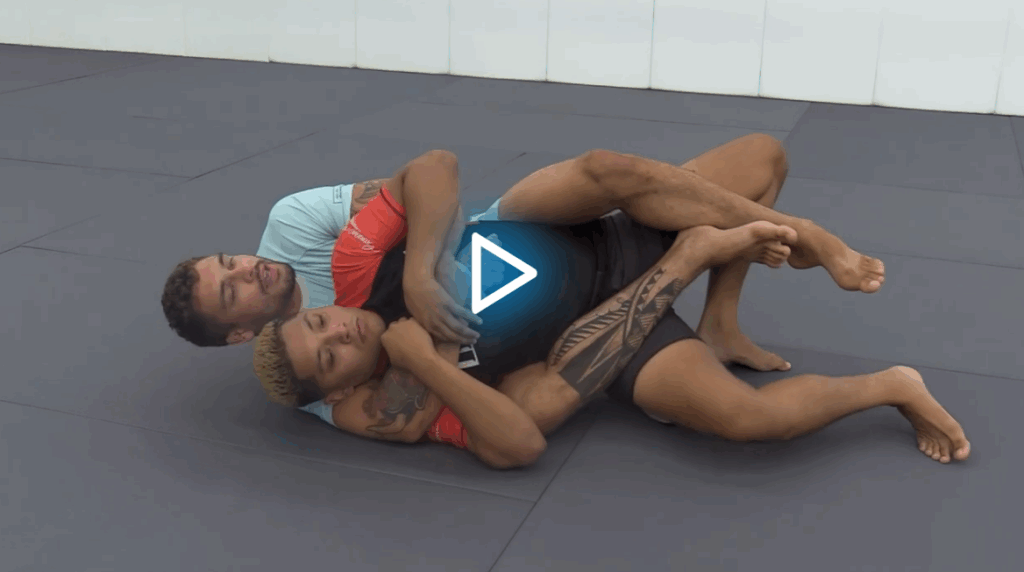
The Nick Rodriguez EBI Overtime Bundle begins with an offensive instructional that aims to provide you with the best possible back attacks leading up to a strangle without losing the position.
Key Points Covered:
This opening DVD of the Nicky Rod bundle is the only offensive one of the pack. It features a back attack system that has elements of all the people who have coached Nicky throughout the years.
Rodriguez keeps it simple, starting with a few bits and pieces about the EBI ruleset regarding back control and defining your goals based on it. He then moves on to the starting position, covering optimal positioning that opens up different finishing sequences.
The rest of the material in this DVD is all about these sequences, which include the highest-percentage finishing scenarios possible. Whether you need to hand fight, finish belly down, or battle to retain the back before you submit, you’ll find answers here.
Technical DVD specifications:
The first part of the EBI Overtime Nick Rodriguez DVD Bundle contains just over an hour and a half of material, including narrated rolls. It is a No-Gi instructional organized into four volumes.
The second part of the EBI Overtime Nick Rodriguez DVD Bundle turns to escape tactics, demonstrating how to deal with armbar attacks from a fully locked-on Spiderweb position.
Key Points Covered:
This second member of the EBI Overtime Nick Rodriguez DVD Bundle also begins with an EBI rules and format breakdown, this time presented from an armbar perspective. Nicky immediately follows up with early-stage escapes, offering four different ways out of the Spiderweb armbar.
The hitchhiker escape, along with the reverse hitchhiker, are the first two late-stage escape methods covered by Rodriguez in this DVD. He also goes over other late defense options, such as the Vagner Rocha escape and rolling escape.
Nicky also talks about understanding the goals while scrambling to beat an armbar live, offering lots of situational training and narrated rolling to capture the point.
Technical DVD specifications:
Another four-part DVD in the Nicky Rod bundle, delivering a further hour and a half of material. The blueprint for escapes begins with positional information, and moves from early to late stage and even “Hail Mary” escapes as it progresses.
The final part of the bundle by Nicky Rod is another defense and escape guide, this time explaining how to get out of the back mount—fast.
Key Points Covered:
Rounding off the Nick Rodriguez EBI Overtime Bundle is Nicky’s recipe for dealing with back control, something we’ve seen him use over and over again. EBI rules regarding the position, including escape time tactics, kick this DVD into life.
Nick then talks about the one thing everyone struggles with in BJJ—the body triangle from the back. His methods for beating it include all possible variations, from topside to belly down.
Instead of complicating hand fighting, Rodriguez makes it simple here—he’s got methods to deal with overhooks and underhooks, depending on which one is dominating the exchange. All options feature top and bottom escapes, ending with a full sequence and the super-useful narrated rolls.
Technical DVD specifications:
More of the same here in the final part of the EBI Overtime Nick Rodriguez DVD Bundle, as Nicky delivers another hour and a half of top-level tactical solutions for the back mount. He makes the most out of four different volumes to organize the material in a way that’s easy to understand, and even easier to browse.
Beating the Toughest Ruleset in Grappling
There aren’t many rulesets in BJJ that end up with a certain winner while sticking to a submission-only, no points format. In fact, I think the EBI is the only one of its kind, even though it hasn’t really caught on as much as I would’ve preferred it to.
Eddie Bravo’s system is all about action and is probably the only one in existence that can land you a win via defensive Jiu-Jitsu and escape strategies. It really does provide grapplers with more than one way to win, and never fails to produce a winner.
In short, EBI overtime rounds happen when the two competitors fail to get a submission in a regular 10-minute round. Several overtime rounds follow, with the competitors picking whether they begin on the back or in the spiderweb position.
The way to win is to strangle or armbar the other person before they escape. After three rounds, whoever had the only (or more) submissions wins. If nobody got a sub, the grappler who had the fastest escape time wins.
Not an overly complicated system, but one that definitely makes sense and allows athletes to showcase all their Jiu-Jitsu skills, offensive and defensive. That’s why the EBI Overtime Nick Rodriguez DVD Bundle is a great resource to use—it covers both these aspects.
Being super proficient in EBI overtime rounds is a great way to improve your overall BJJ game, particularly your defensive skills. The EBI Overtime Nick Rodriguez DVD Bundle delivers tested strategies and moves that are not only based on Nicky’s athleticism, but rather stuff anyone can do. A watch well worth your time.