



Top 14 Jiu-Jitsu Movies To Watch In 2023

Top 14 Jiu-Jitsu Movies To Watch In 2023

Are you a fan of Jiu-Jitsu? Do you enjoy watching martial arts films that showcase the skill and technique of this ancient fighting style? If so, you’re in luck! In 2023, there are several Jiu-Jitsu movies that you need to add to your watchlist if you haven’t already. From classic documentaries to newer cinematic releases, these films are sure to inspire and entertain.

Jiu-Jitsu On The Big Screen

The sport’s increasing popularity has led to several films being made about it, both in the form of Hollywood-produced movies and documentaries. These films showcase the technical skill, athleticism, and cultural significance of Jiu-Jitsu.

In Hollywood-produced movies, Jiu-Jitsu is often used as a form of action and is frequently seen in fight scenes. The portrayal of Jiu-Jitsu in these films is usually highly stylized, with exaggerated movements and techniques that may not be practical in real life.

On the other hand, Jiu-Jitsu documentaries often focus on the history and culture of the martial art. They delve into the origins of Jiu-Jitsu and its development over time, highlighting the impact it has had on martial arts as a whole.

While Hollywood-produced Jiu-Jitsu movies and documentaries both contribute to the popularization of Jiu-Jitsu, their approaches and aims are vastly different. However, both forms of media contribute to the growth and evolution of the sport, showcasing its beauty and significance on the big screen.

Hollywood-Produced Jiu-Jitsu Movies

Hollywood-produced Jiu-Jitsu films typically focus on the sport’s action and fight scenes. The filmmakers aim to entertain the audience with intense fight scenes that showcase the physicality and technical skill of Jiu-Jitsu. These films often feature dramatic storylines that follow a protagonist’s journey as they strive to become a Jiu-Jitsu champion or deal with injustice and turbulence off the mats.

In the iconic action film “Lethal Weapon 1,” Mel Gibson’s character Martin Riggs uses a triangle choke to subdue Joshua (played by Gary Busey) in the final fight scene of the movie. The move is executed with precision and was the first showcase of BJJ on the big screen, courtesy of Rorion |gracie being a consultant for the fight choreography of the flick

From there on, Holywood kept releasing Jiu-Jitsu movies, although not at the rate we would all like. Here are some great examples:

1. Warrior (2011)

Warrior is a Hollywood film that tells the story of two estranged brothers who compete in a mixed martial arts tournament. The film showcases several different fighting styles, including Jiu-Jitsu, and features some impressive fight choreography.

2. Never Back Down 1 & 2 (2008 & 2011)

Both of these films follow young fighters as they train and compete in mixed martial arts tournaments. While not exclusively focused on Jiu-Jitsu, the films feature some impressive fight scenes that showcase the martial art.

3. Born A Champion (2021)

Born A Champion is a martial arts drama featuring Sean Patrick Flanery as a Jiu-Jitsu fighter. It tells the story of a retired Jiu-Jitsu champion who returns to competition after several years away from competitive apperances. The film features some impressive fight scenes that highlight the technical skill and physicality of Jiu-Jitsu.

4. Bruised (2021)

Bruised is a Hollywood film that stars Halle Berry as a washed-up MMA fighter who returns to the cage to prove herself as a mother and fighter, confronting her past and fighting for redemption. The film features some intense fight scenes, including Jiu-Jitsu, and showcases the emotional journey of its protagonist. Brian “T-city” Ortega taught Halle Berry Jiu-Jitsu for this particular movie.

5. Tokyo Zombie (2005)

This 2005 Japanese film is a unique take on the zombie genre, featuring two Jiu-Jitsu enthusiasts who must fend off hordes of the undead using their martial arts skills. The movie is a fun and quirky addition to the Jiu-Jitsu film canon.

6. Red Belt (2008)

A drama film that follows the story of Mike Terry (Chiwetel Ejiofor), a Jiu-Jitsu instructor who faces a series of challenges, both in and out of the ring. The film features several notable Jiu-Jitsu practitioners, including Renato Magno and John Machado, and showcases the technical aspects of the martial art in a more realistic and grounded manner than some other Hollywood-produced films.

Documentary Jiu-Jitsu Movies

Jiu-Jitsu documentaries, on the other hand, typically focus on the history, culture, and technique of the sport. These Jiu-JItsu movies provide an insight into the lives of BJJ practitioners, their training routines, and the philosophy behind the martial art. The filmmakers aim to educate the audience about the sport’s cultural significance and its impact on society.

Check out some great examples of documentary Jiu-Jitsu movies to binge on.

7. Choke (1999)

Choke is a documentary film that follows the journey of Brazilian Jiu-Jitsu legend Rickson Gracie as he prepares for a Vale Tudo match in Japan. The film provides an intimate look into Gracie’s life, training regimen, and his family’s legacy in the martial arts world. Directed by Robert Raphael Goodman, Choke is a must-watch for any Jiu-Jitsu fan.

8. The Gracies and the Birth of Vale Tudo (2010)

The Gracies and the Birth of Vale Tudo is a documentary that explores the history of Brazilian Jiu-Jitsu and its roots in the Gracie family. The film features interviews with several members of the Gracie family and provides a fascinating insight into their journey from Japan to Brazil and their eventual rise to prominence in the martial arts world.

9. Renzo Gracie Legacy (2008)

Renzo Gracie Legacy is a documentary film that follows Renzo Gracie as he reflects on his family’s legacy in the martial arts world. The film features interviews with Renzo’s peers and family members, providing a comprehensive look into the Gracie family’s impact on the sport of Jiu-Jitsu.

10. Roll: Jiu-Jitsu in SoCal (2016)

Roll: Jiu-Jitsu in SoCal is a documentary that follows Jiu-Jitsu practitioners in Southern California and high-profile coaches that have schools in the area as they train, compete, and navigate the ups and downs of their personal lives. The film provides an honest and relatable look at the Jiu-Jitsu community and its culture in that part of the world.

11. Arte Suave (2001)

Arte Suave is a two-part documentary film that provides an in-depth look into the world of Brazilian Jiu-Jitsu during the early days of the sport in Brazil. The film features interviews with several top practitioners of the sport and provides insight into their training methods, philosophy, and values.

12. Jiu-Jitsu Vs. The World (2015)

Jiu-Jitsu Vs. The World is a documentary film that explores the rise of Brazilian Jiu-Jitsu as a global phenomenon. The film features interviews with top Jiu-Jitsu practitioners from around the world, providing a glimpse into the sport’s impact on their lives and the broader culture.

13. Gracie Jiu-Jitsu in Action (1994)

Gracie Jiu-Jitsu in Action is a documentary film that showcases the Gracie family’s rise and dominance in the early days of the UFC. The film features archival footage and interviews, with Gracie family members, providing a sense of the impact that Brazilian Jiu-Jitsu had on the world of mixed martial arts.

https://www.youtube.com/watch?v=N2j0u4AQrIE

14. Eddie Bravo: Building an Empire (2013)

Eddie Bravo: Building an Empire is a documentary that profiles Jiu-Jitsu pioneer Eddie Bravo and his rise to prominence in the BJJ world. The film showcases Bravo’s innovative approach to the sport and his development of the 10th Planet Jiu-Jitsu system.

Comparisons

Hollywood-produced Jiu-Jitsu movies and documentaries differ in their approach to the sport.

One of the key differences between Hollywood-produced Jiu-Jitsu movies and documentaries is the level of authenticity. Hollywood films often feature highly choreographed fight scenes that may not accurately represent Jiu-Jitsu’s techniques and style. In contrast, documentaries showcase real-life Jiu-Jitsu practitioners and provide insight into their training methods and techniques.

Another difference is the audience’s perspective. Hollywood-produced Jiu-Jitsu movies are typically aimed at a mainstream audience and aim to entertain with dramatic storylines and intense fight scenes. Documentaries, on the other hand, are aimed at Jiu-Jitsu practitioners and fans who want to learn more about the sport’s history, culture, and technique.

Jiu-Jitsu’s Impact On Pop Culture

The portrayal of Jiu-Jitsu in Hollywood films has had a significant impact on the martial art’s popularity. As more people have been exposed to Jiu-Jitsu through films and television shows, the art has become more mainstream.

In addition, the portrayal of Jiu-Jitsu in Hollywood has helped to dispel some of the myths surrounding the art. In the past, Jiu-Jitsu was often portrayed as a dangerous and exotic martial art that was practiced only by villains. However, the accurate portrayal of Jiu-Jitsu in Hollywood films has helped to demonstrate that it is a practical and effective martial art that can be practiced by anyone.

In fact, nowadays a huge part of the A-list celebrities from Holywood train BJJ as a primary way of staying in shape as opposed to only learning it for the requirements of their rolls.

Conclusion

The evolution of Jiu-Jitsu in Hollywood films has been a long and interesting journey. From its early appearances as an exotic martial art practiced by villains to its current status as a mainstream martial art, Jiu-Jitsu has come a long way. While Hollywood-produced Jiu-Jitsu movies focus on action and drama, documentaries delve deeper into the sport’s technique, culture, and philosophy. Both forms of media have their merits and appeal to different audiences.

So grab some popcorn, get comfortable, and prepare to be amazed by the power and grace of Jiu-Jitsu on the big screen.
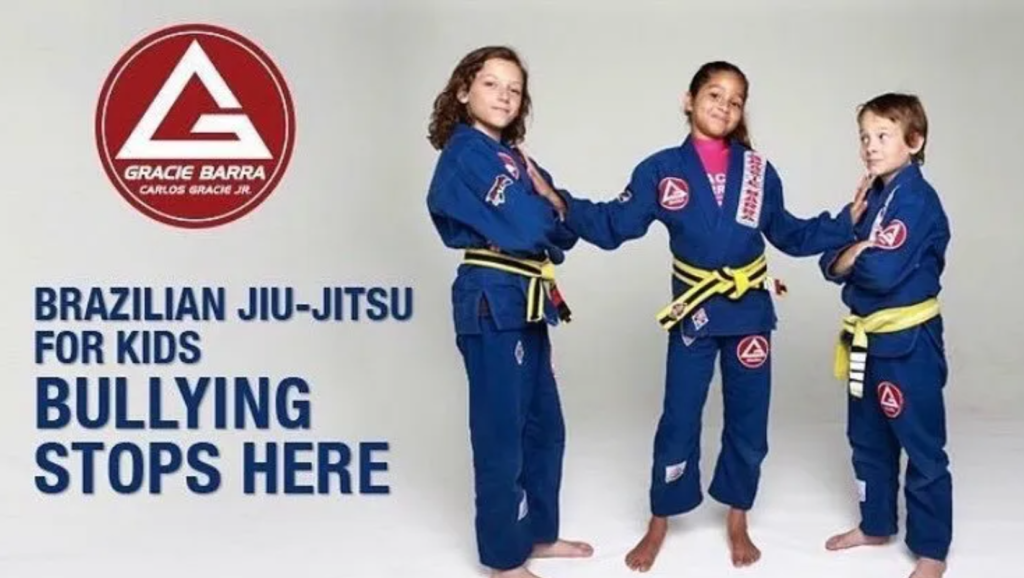
Bullyproof Your Child: Best Kids Martial Arts to Prevent Bullying

Bullyproof Your Child: Best Kids Martial Arts to Prevent Bullying

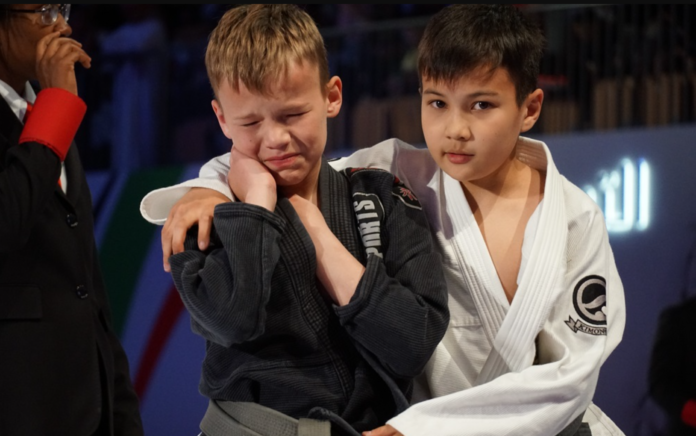
Bullying is a serious problem that affects many children and can have long-term negative effects on their physical and emotional well-being. However, martial arts training can help prevent bullying by building confidence, self-esteem, and social skills, as well as teaching self-defense techniques. Knowing the best kids’ martial arts is going to help you make an informed decision and bullyproof your child while also providing them with a fun and engaging activity to do.

How Martial Arts Help Prevent Bullying

In addition to physical self-defense techniques, the best kids martial arts also teach important conflict-resolution skills. Children learn how to communicate assertively, listen actively, and find common ground in order to resolve conflicts peacefully. They learn how to identify and respond to bullying behavior, which helps them avoid becoming targets of bullies.

Martial arts training also helps children develop mental toughness and resilience. They learn to persevere through challenges and setbacks, building their confidence and sense of self-worth. This resilience helps them cope with the emotional impact of bullying, reducing the likelihood of long-term psychological harm.

Furthermore, martial arts training promotes discipline and respect, both for themselves and for others. This helps children develop a positive attitude and approach to life, which translates into all areas of their lives. They learn to take responsibility for their actions, which helps them avoid being seen as an easy targets for bullies.

BJJ for bullyproofing your children

The Best Kids Martial Arts for Bully Prevention

Martial arts can be an effective tool for preventing bullying in children. By learning self-defense techniques, children can develop the confidence and skills to stand up for themselves and others. Preventing bullying is a crucial consideration for parents when choosing a martial art program for their children. Here are some of the best kids martial arts styles that are effective for bully prevention:
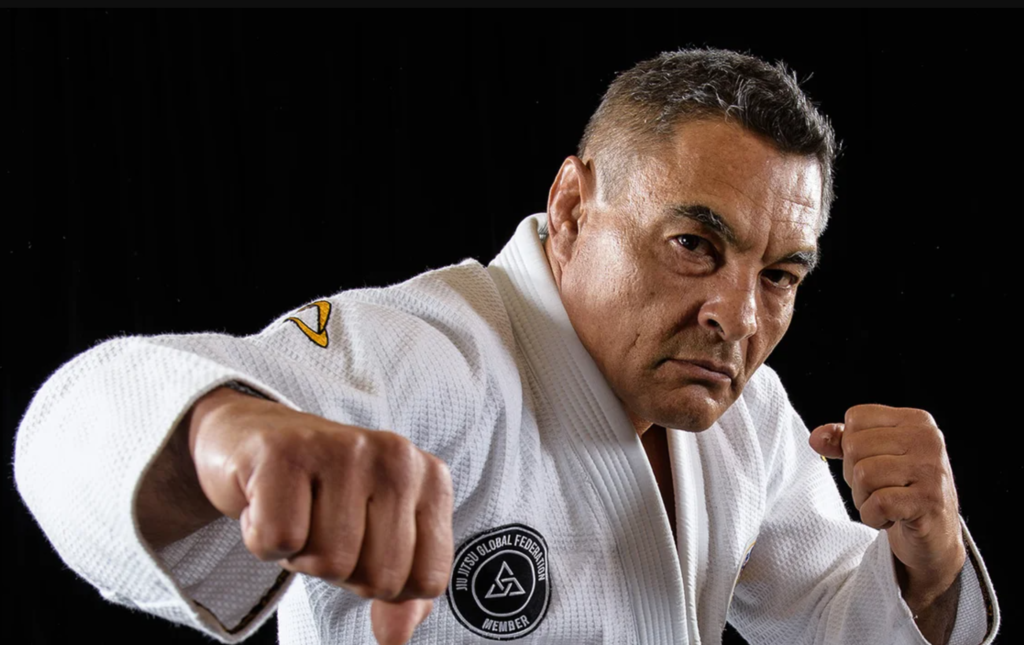
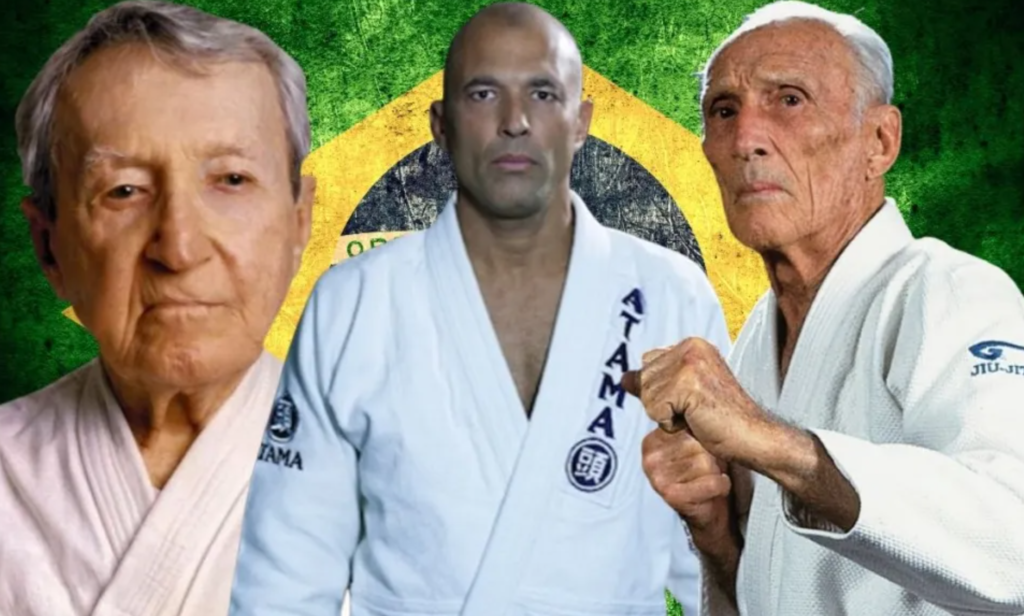
Brazilian Jiu-Jitsu

BJJ is a grappling martial art that focuses on ground fighting. It teaches children how to take their opponents to the ground, control them, and apply submission holds. BJJ is particularly effective in bullying situations because it allows smaller, weaker children to control larger, stronger bullies without hurting them. The emphasis on technique and leverage means that BJJ practitioners can subdue opponents without relying on brute force.

Wrestling

Wrestling is another grappling martial art that emphasizes takedowns and pins. It is an excellent martial art for bully prevention because it teaches children how to use leverage and technique to control their opponents. Wrestling also teaches children how to fall safely, which can prevent injuries in bullying situations. Because wrestling is a sport practiced in schools, it can also be a more accessible option for children who want to try a martial art.

Judo

Judo is a Japanese martial art that emphasizes throws and takedowns. It teaches children how to use their opponent’s momentum against them, making it an effective martial art for bullying situations. Judo also teaches children how to fall safely, which can prevent injuries. Judo emphasizes discipline, respect, and self-control, which can help children avoid conflicts and handle bullying situations with a calm and level-headed approach.

Muay Thai

Muay Thai is a striking martial art that focuses on punches, kicks, knees, and elbows. It is an excellent martial art for bully prevention because it teaches children how to defend themselves against strikes and how to use strikes effectively in self-defense situations. Muay Thai practitioners learn how to generate power and speed with their strikes, which can help them overcome larger, stronger opponents.

Mixed Martial Arts (MMA)

MMA is a full-contact combat sport that combines various martial arts styles, including BJJ, wrestling, Judo, and Muay Thai. It is an excellent martial art for bully prevention because it teaches children how to use a variety of techniques to defend themselves effectively. MMA also emphasizes physical fitness, mental toughness, and discipline, which can benefit children in all areas of their lives.

Martial arts to prevent bullying

How To Choose The Best Kids Martial Arts Program For Your Child

When it comes to choosing the right martial arts program for your child, there are several factors to consider that can impact their experience and progress. As you search for the best program, keep in mind the following tips to help you make an informed decision.

Instructor’s Qualifications And Experience

One of the most important factors to consider is the instructor’s qualifications and experience. Look for a program with instructors who have the proper certifications, experience, and expertise to teach children. A good instructor will be able to create a safe and supportive learning environment that promotes growth and progress.

When evaluating instructors, ask about their credentials and experience working with children. Look for programs that have instructors with a track record of producing successful students who have gone on to achieve their goals in martial arts.

Age-Appropriate Curriculum

Another important factor to consider is whether the program offers an age-appropriate curriculum. Children have different physical and cognitive abilities at different stages of development, so it’s important to choose a program that is tailored to their age group.

Make sure the program you choose has a curriculum that is challenging but not overwhelming for your child. This will ensure that they stay engaged and motivated while making progress at their own pace. The best kids martial arts have this aspect covered by offering dedicated classes for kids of different ages.

Class Size

Class size is another important factor to consider when choosing a martial arts program for your child. Look for a program that has small class sizes to ensure your child receives personalized attention from the instructor.

In smaller classes, instructors can provide more individualized feedback and support, which can help your child progress more quickly and effectively. It can also help them build closer relationships with their instructor and classmates, fostering a sense of community and support.

Safety And Cleanliness

Finally, prioritize safety and cleanliness when choosing a martial arts program for your child. Look for a program with well-maintained facilities and equipment, and a focus on hygiene and cleanliness.

Make sure the program has safety protocols in place to minimize the risk of injury during training. This can include using appropriate safety equipment and training techniques and having qualified instructors who can monitor and manage risk.

By considering these factors, you can find best kids martial arts program that is safe, effective, and enjoyable for your child. This can help them develop the confidence, discipline, and self-defense skills they need to succeed both in martial arts and in life.

Jiu-Jitsu classes for bully prevention

Bullyproof Your Child at Home

Bully prevention isn’t just about what happens in the gym; it’s also about what happens at home. As a parent, you can play a vital role in helping your child develop the confidence and skills they need to stand up to bullies. Here are some tips for parents:

Encourage Confidence And Assertiveness

One of the best ways to prevent bullying is to encourage your child to be confident and assertive. Teach them to stand up for themselves and others and to be assertive when necessary. Praise them when they show confidence and assertiveness in their daily lives, whether it’s at school or at home. This will help them build a strong sense of self-worth and empower them to take control of their lives.

Teach Conflict Resolution Skills

Conflict resolution is an essential life skill that can help your child resolve disputes peacefully and effectively. Teach your child how to listen actively, compromise, and find common ground with others. Encourage them to express their feelings calmly and respectfully, and to be open to different perspectives.

Practice Role-Playing Scenarios

Role-playing bullying scenarios with your child can help them develop the skills they need to stand up to bullies. You can take turns playing the bully and the victim, and encourage your child to practice assertive communication and conflict resolution skills. This will help your child feel more confident and prepared to handle real-life situations.

Encourage Physical Fitness

Physical fitness is not only important for your child’s physical health but also for their mental health and confidence. Encourage your child to engage in regular physical activity and develop healthy habits, such as eating a balanced diet and getting enough sleep. This will help them build self-esteem, reduce stress, and feel more confident in their abilities.

Model Positive Behavior

Children learn by example, and as a parent, you are your child’s most important role model. Model positive behavior by treating others with respect, kindness, and empathy. Show your child how to stand up for themselves and others when necessary and how to resolve conflicts peacefully. By modeling positive behavior, you can help your child develop the skills and confidence they need to be bullyproof.

Stop bullying through martial arts training Bullyproof Your Child

Conclusion

Bullying is a serious problem that can have lasting effects on a child’s mental and physical health. Enrolling your child in a martial arts program can help them develop the confidence, discipline, and self-defense skills they need to prevent bullying. When choosing a martial arts program, consider the qualifications of the instructors, the age-appropriate curriculum, class size, safety and cleanliness, and overall atmosphere.

Remember, bully prevention isn’t just about what happens in the dojo; it’s also about what happens at home. Encourage your child to be confident and assertive, teach them conflict resolution skills, and model positive behavior. With one of the best kids martial arts programs and support at home, you can help your child become bullyproof and thrive in all areas of their life.

Vale Tudo History And The Controversies Surrounding It

Vale Tudo: A Look at the Sport's History

Vale Tudo, which means “anything goes” in Portuguese, is a combat sport that originated in Brazil in the early 20th century. This no-holds-barred style of fighting involves striking, grappling, and submissions and has a controversial history due to its brutal and often violent nature. Vale Tudo was initially seen as a way to settle disputes and determine the best fighter, but as the sport gained popularity, it became more regulated, and rules were introduced.

The Early Days of Vale Tudo

Vale Tudo, which translates to “anything goes,” was a form of combat sport that emerged in Brazil in the early 20th century. The origins of Vale Tudo can be traced back to the Gracie family. Early matches were initially used to showcase the effectiveness of Brazilian Jiu-Jitsu against other fighting styles.

No-Holds-Barred Fights

In its early days, Vale Tudo was a no-holds-barred form of combat sport, which meant that anything goes. There were no rules, weight classes, or time limits, and fighters could use any technique they wanted to defeat their opponents. Fighters were also not required to wear protective gear, making the sport even more dangerous. This lack of regulation led to many injuries, and even deaths, which resulted in the sport being banned in Brazil for a period of time.

Vale Tudo was a brutal sport that involved striking, grappling, and submissions. Fighters would often engage in violent brawls that could last for hours, with no clear winner emerging. The violent nature of the sport attracted many spectators, who would bet on the outcome of matches. However, the sport’s brutality also led to many controversies, with critics arguing that it promoted violence and had no place in a civilized society.

Early No Rules Vale Tudo

Controversies Surrounding Vale Tudo

Vale Tudo, originating in Brazil, has been a source of controversy since its inception. Critics have raised concerns about the safety of fighters, the questionable ethics of the sport, and its impact on society as a whole.

Safety Concerns

One of the biggest controversies surrounding Vale Tudo is the safety of fighters. In its early days, the sport had no rules, weight classes, or protective gear, which resulted in many injuries and even deaths. Even with the introduction of rules and regulations, this combat art remains a dangerous sport, with fighters at risk of serious injuries such as concussions, broken bones, and torn ligaments. Some people argue that the sport promotes mindless, chaotic violence and should be banned.

The Questionable Ethics of Vale Tudo

Another controversy surrounding Vale Tudo is the questionable ethics of the sport. Matches usually involved violent brawls, with fighters engaging in brutal and often bloody fights. The sport was been criticized for promoting violence and having no place in a civilized society. Some argue that the sport dehumanizes fighters and turns them into objects of entertainment.

The Impact of Vale Tudo on Society

The impact of Vale Tudo on society is another source of controversy. Some argue that the sport promotes violence and has a negative influence on young people. Others believe that it promotes discipline, respect, and physical fitness.

Despite the controversies surrounding it, the sport has had a significant impact on the world of combat sports, leading to the evolution of mixed martial arts and the creation of organizations such as the UFC.

Origins of MMA: The Art of Anything Goes

Vale Tudo’s Evolution

Vale Tudo has come a long way since its early days as a no-holds-barred combat sport. The introduction of rules and regulations has transformed the sport into a more regulated and safer form of combat.

The Introduction Of Rules

One of the biggest changes to Vale Tudo was the introduction of rules and regulations. In the early days of the sport, anything went, and fighters could use any technique or move to defeat their opponents. However, with the introduction of rules, fighters were limited in the techniques they could use, and protective gear was introduced to reduce the risk of serious injuries.

The introduction of rules and regulations transformed Vale Tudo into a more regulated and safer sport.

The Growth Of Vale Tudo As A Sport

As Vale Tudo became more regulated, its popularity grew, both in Brazil and around the world. With the introduction of weight classes and protective gear, matches became more accessible to a wider audience, and the sport’s fan base began to grow.

In the 1990s, Vale Tudo gained even more popularity with the creation of organizations such as the International Vale Tudo Championship and the Pride Fighting Championships.

Vale Tudo’s Influence on MMA

Vale Tudo’s influence on mixed martial arts cannot be overstated. Many of the techniques used in modern MMA, such as striking, grappling, and ground fighting, and most importantly, the integration of them all, were first used in Vale Tudo matches.

Popular fighters coming form this early combat sport, such as Royce Gracie and Marco Ruas later helped to popularize Brazilian Jiu-Jitsu and revolutionize the world of MMA. The rules and regulations introduced in Vale Tudo’s matches also laid the groundwork for the early versions of what we now know as the modern MMA ruleset.

Vale Tudo Rules

Speaking of rules, Vale Tudo began as a no-holds-barred fighting sport, with virtually no rules or regulations in place. This led to a lot of criticism, particularly from those who were concerned about the safety of the fighters. Over time, however, rules began to be introduced to make the sport safer and more fair.

One of the key developments in this regard was the establishment of the Unified Rules of Vale Tudo, which were first introduced in the 1990s. These rules introduced a range of safety measures, such as weight classes and mandatory gloves, and banned certain techniques, such as headbutts and groin strikes.

The introduction of rules helped to make Vale Tudo more mainstream and acceptable as a sport, but it also sparked controversy among some traditionalists who felt that the sport was losing its original rawness and brutality.

Despite this, the rules have continued to evolve over time, with many promotions now having their own specific regulations in place. This has helped to create a more consistent and standardized approach to Vale Tudo, which has allowed it to continue to grow in popularity around the world.

No Holds Barred Fighting Brazila

Vale Tudo vs MMA

MMA) and Vale Tudo share a similar history and have many similarities in terms of rules and techniques. However, there are also some significant differences between the two that have led to some friction over the years.

The Similarities And Differences Between Vale Tudo And MMA

Both Vale Tudo and MMA are full-contact combat sports that allow fighters to use a wide range of techniques, including striking, grappling, and submissions.

However, Vale Tudo typically involves fewer rules and restrictions than MMA, with no weight classes, no gloves, and few time limits. In contrast, MMA has evolved to include a standardized set of rules and regulations that aim to ensure the safety of the fighters and promote fair competition.

The Evolution Оf MMA From Vale Tudo

MMA has its roots in Vale Tudo, which was hugely popular in Brazil in the 1920s and 1930s. As the sport spread around the world, different organizations and promoters began to develop their own sets of rules and regulations, leading to the emergence of modern MMA. The Pride Fighting Championship was the thing that greatly popularized MMA on the basis set by Vale Tudo, as the Japanese were fascinated by the no-holds-barred approach.

The UFc, despite emerging initially as the American adaptation of Vale Tude and existing before Pride, did not catch on outside of Brazil due to the lack of rules. PRid, however, helped the UFC re-shape and re-organize into the leading promotion it is nowadays.

The Current State of Vale Tudo and MMA Competitions

Today, Vale Tudo competitions are relatively rare, and the sport has largely been eclipsed by MMA. However, there are still some practitioners of the sport who continue to promote the sport and compete in non-regulated events.

MMA, on the other hand, has exploded in popularity and is one of the fastest-growing and most-followed sports in the world. MMA events are now held all over the world, and the sport has produced some of the biggest stars in combat sports history.

Vale Tudo Vs BJJ

Vale Tudo vs BJJ

Vale Tudo and Brazilian Jiu-Jitsu both share a similar history and a portion of the techniques. While they are similar in many ways, there are some notable differences between the two combat sports, as well as a complicated relationship.

Vale Tudo and BJJ share a common history as they both originated in Brazil. In the early days, Brazilian fighters who practiced various martial arts styles such as Judo, Boxing, and Capoeira would often compete against each other.

However, BJJ, quickly became a dominant force in Vale Tudo as they were able to defeat opponents from other styles with their ground fighting techniques. Eventually, Jiu-Jitsu took over the popularity of Vale Tudo mainly due to the fact it was organized as a sport and not a blood sport.

BJJ athletes in Brazil nowadays look down on Vale Tudo’s fighters as not technical fighters that rely on strength and chance a lot more than refined technique, timing and tactics.

The Future Of Vale Tudo

As Vale Tudo continues to evolve, however slowly and isolated, it faces a number of challenges, but also exciting opportunities. In this section, we take a closer look at the state of the sport in modern times, the challenges facing the sport, and its prospects for the future.

Vale Tudo remains a popular combat sport in Brazil, where it originated, as well as in other parts of the world. In Brazil, it continues to be practiced both professionally and as a recreational sport. However, the sport has struggled to gain mainstream acceptance in some parts of the world, due to its violent nature and lack of regulation.

One of the biggest challenges it faces is the need for greater regulation and safety measures. While the sport has come a long way in terms of introducing rules and protective gear, there is still more that can be done to reduce the risk of serious injury to fighters.

Another challenge is the need to improve the public perception of the sport. Many people still associate the sport with brutality and violence, which can make it difficult to attract sponsors and mainstream media coverage.

Despite the challenges facing Vale Tudo, there are also exciting opportunities for the sport in the future. With the right regulations and safety measures in place, Vale Tudo could potentially become a popular and respected combat sport around the world.

No Rules Fighting Grappling

Conclusion

Vale Tudo is a sport with a rich and controversial history. From its origins as a no-holds-barred fight to the introduction of rules and its evolution into MMA, this combat art has faced numerous controversies including safety concerns and questionable ethics. It has also had a significant impact on society and the world of combat sports. Understanding the controversies surrounding Vale Tudo is essential to appreciate the sport’s history fully.

Kettlebell Shoulder Workout & How it Prevents Injuries in BJJ

kettlebell shoulder workout for BJJ and MMA shoulder health and stability

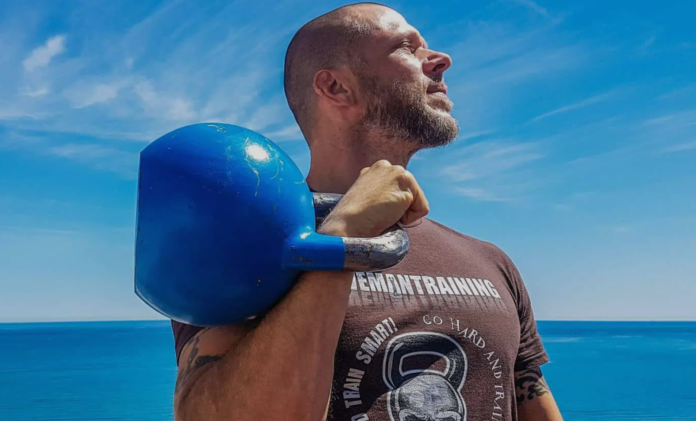
Brazilian Jiu-Jitsu is a grappling martial art that requires a great deal of strength, flexibility, and endurance, especially in the shoulders. Due to the nature of the sport, BJJ athletes are prone to shoulder injuries such as rotator cuff tears, shoulder impingement, and dislocations. Therefore, it is essential for BJJ athletes to focus on shoulder strength and injury prevention in their training. One way to achieve this is through a dedicated kettlebell shoulder workout routine. Kettlebells are versatile equipment that can help improve shoulder mobility, stability, and strength, ultimately reducing the risk of shoulder injuries in BJJ and MMA athletes.

Common Shoulder Injuries in BJJ

Common shoulder injuries are prevalent among Brazilian Jiu-Jitsu (BJJ) athletes due to the intense physical demands of the sport. Some of the most common shoulder injuries that BJJ athletes experience include rotator cuff tears, shoulder impingement, and dislocations.

  • A rotator cuff tear can occur when the rotator cuff muscles, which are responsible for stabilizing the shoulder joint, become overstretched or torn.
  • Shoulder impingement is another common injury that can result from the rotator cuff or bursa becoming pinched between the shoulder blade and humerus bone.
  • Shoulder dislocations, on the other hand, can occur when the humerus bone pops out of the shoulder socket due to a sudden impact or fall.

These shoulder injuries can occur during BJJ training due to the nature of the sport, which involves a lot of grappling, throwing, and joint manipulation. These movements put a significant amount of stress on the shoulder joint, which can lead to injury if proper precautions are not taken. Additionally, grapplers and MMAfighters may also experience shoulder injuries due to overuse or repetitive strain from training too frequently or improperly.

To prevent shoulder injuries in BJJ, athletes should focus on building strength, mobility, and stability in their shoulder joints. This is where kettlebell workouts come in handy.

Common Shoulder Injuries in BJJ

How Kettlebell Workouts Can Prevent Shoulder Injuries in BJJ

By incorporating kettlebell exercises into your training routine, you can improve your shoulder strength and stability, ultimately reducing your risk of shoulder injuries.

Improved shoulder strength and stability can prevent injuries during BJJ training by increasing the athlete’s ability to maintain proper technique and form. When a grappler’s shoulders are weak or unstable, they are more susceptible to incorrect positioning or overextension, leading to strain or injury.

A kettlebell workout can help you maintain proper form, reducing the risk of injury during training and competition. There are several specific kettlebell exercises that can help with injury prevention in BJJ.

The 5 Best Shoulder Exercises With A Kettlebell

The top exercises you can use to put together a kettlebell shoulder workout for Jiu-Jitsu and MMA are a blend of strength and mobility exercises, done with one or two kettlebells. The following 5 are your best bet, but you don’t have to use all of them in every workout you do using a kettlebell.

1. One Arm Kettlebell Swing

The one-arm kettlebell swing is a popular exercise among these athletes due to its ability to develop full-body strength and explosive power. It should be a staple in any kettlebell shoulder workout for combat athletes.

  • What Are Kettlebell Swings?

Kettlebell swings are a dynamic exercise that involves swinging a kettlebell between the legs and up to chest height. This exercise targets the posterior chain muscles, including the glutes, hamstrings, and lower back, while also engaging the shoulders, core, and grip strength.

  • Kettlebell Swing Benefits

The one-arm kettlebell swing offers numerous benefits for grappling and MMA athletes. It helps to improve the explosive power of the shoulders and hips, which is essential for throwing opponents and executing takedowns. Additionally, the exercise improves grip strength.

  • How to do the One Arm Kettlebell Swing?
  1. To perform the one-arm kettlebell swing, start by standing with your feet shoulder-width apart and the kettlebell on the ground in front of you.
  2. Hinge at the hips and grasp the kettlebell with one hand, keeping your arm straight and shoulder blades retracted.
  3. Engage your glutes and hamstrings, and use your momentum to swing the kettlebell between your legs, then explosively extend your hips and swing the kettlebell up to chest height.
  4. Lower the kettlebell back down between your legs and repeat for the desired number of repetitions.
  • Variations of Kettlebell Swing

There are several variations of the kettlebell swing that athletes can incorporate into their training routine for additional challenge and variety.

  • The double kettlebell swing involves using two kettlebells, one in each hand, to increase the load and challenge the core and grip strength.
  • The alternating kettlebell swing involves using one kettlebell, switching the hand that controls it at the highest portion of the swing, developing hand-eye coordination and speed.

2. Kettlebell Halos

One exercise that’s particularly effective for targeting the shoulders is the kettlebell halo. It is low-impact and one of the best mobility and strength exercises for shoulder development.

  • What Are Kettlebell Halos?

The kettlebell halo is a shoulder exercise that involves holding a kettlebell upside down by the handle and moving it around your head in a circular motion. This exercise targets the shoulders, upper back, and core, and it’s particularly effective for improving shoulder mobility and stability.

  • Kettlebell Halo Benefits

The kettlebell halo offers several benefits for grappling and MMA athletes. It improves shoulder mobility and flexibility, as well as targeting the muscles of the upper back, which are important for maintaining good posture during grappling exchanges. The kettlebell halo also helps increase shoulder stability, which is essential for preventing injuries during training and competition.

  • How to do the Kettlebell Halo?
  1. To perform the kettlebell halo, start by holding the kettlebell upside down by the handle with both hands.
  2. Stand with your feet shoulder-width apart and engage your core.
  3. Move the kettlebell in a circular motion around your head, making sure to keep your elbows close to your body and your shoulders relaxed.
  4. Complete the desired number of repetitions in one direction before switching to the other direction.
  • Variations of Kettlebell Halos

There are several variations of the kettlebell halo that can challenge your shoulder stability and mobility in different ways.

  • One variation is to perform the exercise while kneeling, which can increase the demands on your core and upper back muscles.
  • Another variation is to perform the exercise with one arm at a time, which can help to improve shoulder asymmetry and balance.
  • Finally, you can add a press at the top of the halo motion to make the exercise more challenging and improve shoulder strength and power.

3. Kettlebell Windmills

The windmill is truly an irreplaceable exercise when it comes to a kettlebell shoulder workout for functional strength and improved upper body performance.

  • What Are Kettlebell Windmills?

The kettlebell windmill is a shoulder exercise that targets the shoulders, upper back, and core. It involves holding a kettlebell above your head with one arm while simultaneously bending at the waist and lowering the opposite hand toward the ground. This exercise is particularly effective for improving shoulder mobility and stability.

  • Kettlebell Windmills Benefits

The kettlebell windmill offers several benefits for grappling and MMA athletes.

It improves shoulder mobility, which is crucial for executing throws, takedowns, and submissions. it also helps develop upper body balance in a wide range of angles, as the range of motion of this exercise is pretty big.

  • How to do Kettlebell Windmills?

To perform the kettlebell windmill, start by standing with your feet shoulder-width apart and holding a kettlebell in your right hand above your head.

  1. Rotate your left foot outwards slightly and bend your left knee while keeping your right leg straight.
  2. Slowly hinge at your hips and lower your left hand towards the ground while keeping your eyes on the kettlebell.
  3. Pause briefly at the bottom of the movement before returning to the starting position.
  4. Complete the desired number of repetitions before switching to the other side.
  • Variations of Kettlebell Windmills

One variation is to perform the exercise with two kettlebells, holding the second one in the arm that goes to reach toward the ground.

Another variation is to perform the exercise with a slightly wider stance to increase your hip mobility and range of motion.

4. Kettlebell Bottoms-Up Press

The Kettlebell Bottoms-Up Press is a challenging exercise that targets the shoulders, triceps, and core. This exercise involves holding the kettlebell upside-down, with the bottom of the kettlebell facing up, and pressing it overhead. It requires a lot of shoulder stability and control to keep the kettlebell from flipping over.

  • What Are Kettlebell Bottoms-Up Presses?

Kettlebell Bottoms-Up Presses are a variation of the traditional overhead press exercise. The difference is that the kettlebell is held upside-down, with the bottom facing up, and the handle is gripped tightly to prevent it from flipping over. It can be done with one or two kettlebells, depending on your strength level and training goals.

  • Kettlebell Bottoms-Up Press Benefits

The Kettlebell Bottoms-Up Press offers a number of benefits for grappling and MMA athletes. This exercise primarily helps improve shoulder strength and stability, which can help prevent injuries during training and competition. It also requires a lot of grip strength,

  • How to do the Kettlebell Bottoms-Up Press?

To perform the Kettlebell Bottoms-Up Press, start by holding the kettlebell upside-down, with the bottom facing up and the handle gripped tightly.

  1. Press the kettlebell overhead, keeping it upside-down and stable throughout the movement.
  2. Lower the kettlebell back down to the starting position and repeat for the desired number of repetitions.
  3. It’s important to maintain proper form throughout the exercise and to start with a lighter weight to build up strength and stability.
  • Variations of Kettlebell Bottoms-Up Press

There are several variations of the Kettlebell Bottoms-Up Press that athletes can try to challenge themselves and target different areas of the shoulders and core.

  • One variation is the Half-Kneeling Bottoms-Up Press, which involves performing the exercise in a half-kneeling position to challenge core stability and balance.
  • Another variation is the One-Arm Bottoms-Up Press, which involves performing the exercise with one arm at a time to focus on unilateral strength and stability.

5. Kettlebell Armbar

The kettlebell armbar is an exercise that can help build shoulder strength, and stability. This exercise involves lifting a kettlebell from a supine position while keeping the arm completely straight and turning to your side as if you were going to perform a Turkish get-up.

  • What Are Kettlebell Armbars?

Kettlebell armbars are a type of kettlebell exercise that focuses on building shoulder stability. The naming, as you might’ve guessed, is down to the similarity between the final position for finishing a BJJ armbar and the arm position during this exercise.

  • Kettlebell Armbar Benefits

Kettlebell armbars are a highly effective exercise for improving shoulder and stability. This exercise targets the rotator cuff muscles, which are essential for shoulder health and injury prevention.

  • How to do the Kettlebell Armbar?

To perform the kettlebell armbar, lie on your back with your legs straight.

  1. Hold the kettlebell in one hand with your arm extended completely as if bench pressing.
  2. Bend the leg on the side where you’re holding the kettlebell and extend the free arm over your head.
  3. Push with the bent leg so that you turn sideways, transferring the leg in front of you when you’re tilted 90 degrees in regard to the starting position.
  4. Hold the position with the arm outstretched for a desired amount of time.
  5. Get back to the starting position.
  6. Repeat on the other side.
  • Variations of Kettlebell Armbars

The kettlebell armbar also works great if you hold the kettlebell upside down, like for the Bottoms-Up press. Be mindful, though, that this is a much more difficult variation of the exercise and only introduce it into your kettlebell shoulder workout when you’ve mastered the basic one.

Specific Kettlebell Shoulder Workout for BJJ

If you’re looking to prevent shoulder injuries in BJJ, incorporating a kettlebell shoulder workout into your training routine can be a great way to build strength and stability in your shoulders. Here’s a sample circuit kettlebell shoulder workout you can try involving some of the exercises above:

When incorporating these exercises into your training routine, start with a weight that you can manage with good form and gradually increase the weight as you get stronger. Aim to do this workout 2-3 times per week in addition to your regular BJJ training. By building strength and stability in your shoulders with a kettlebell shoulder workout, you can help prevent injuries and improve your performance on the mat.

Kettlebell Jiu-Jitsu FAQ

  • Are kettlebells good for BJJ?

Yes, kettlebells can be good for BJJ as they can improve overall strength, mobility, and endurance, which are all beneficial for BJJ practitioners.

  • Are kettlebells good for shoulders?

Yes, kettlebells can be good for shoulders as they can improve shoulder strength, stability, and mobility, reducing the risk of shoulder injuries.

  • Are kettlebell swings good for shoulders?

Also yes, kettlebell swings can be good for shoulders as they can improve shoulder strength, power, and endurance.

  • Are kettlebells good for martial arts?

Yes, kettlebells can be good for martial arts as they can improve overall strength, mobility, and endurance, which are all beneficial for martial artists.

  • Can you build big shoulders with kettlebell?

Yes, you can build big shoulders with kettlebells by doing exercises that target the deltoids, such as overhead presses, lateral raises, and front raises, with heavy kettlebells.

  • Is it OK to do kettlebells everyday?

It depends on your fitness level and goals. It is generally recommended to have at least one rest day between kettlebell workouts to allow for recovery.

  • How heavy should my kettlebell be?

The weight of your kettlebell depends on your fitness level, goals, and the exercise you are doing. As a general guideline, beginners can start with a 8-12 kg kettlebell for upper body exercises and 12-16 kg for lower body exercises.

  • Are weights good for BJJ?

Weights can be good for BJJ as they can improve overall strength and conditioning, which can enhance BJJ performance and reduce the risk of injuries.

  • Why do fighters use kettlebells?

Fighters use kettlebells because they can improve overall strength, power, and endurance, which are all important for combat sports performance.

  • Is a kettlebell better than a barbell for MMA?

It depends on the exercise and the individual’s goals. Kettlebells can be a great tool for MMA training as they can improve functional strength, power, and endurance, but barbells can also be useful for strength training.

Conclusion

Shoulder strength and injury prevention are essential for BJJ athletes to perform at their best and avoid potential injuries. A kettlebell shoulder workout is an effective way to target the shoulder muscles and prevent injuries in BJJ and MMA. By incorporating kettlebell exercises into a training routine, you can greatly improve your performance and reduce the risk of shoulder injuries. Remember to always use proper form and consult with a trainer or healthcare professional before starting any new exercise routine. 

Watch 13-Year-Old Girl Use BJJ to Beat School Bully Twice Her Size!

13-Year-Old Jiu-Jitsu Wizard Apolonia Nuncio Submits School Bully

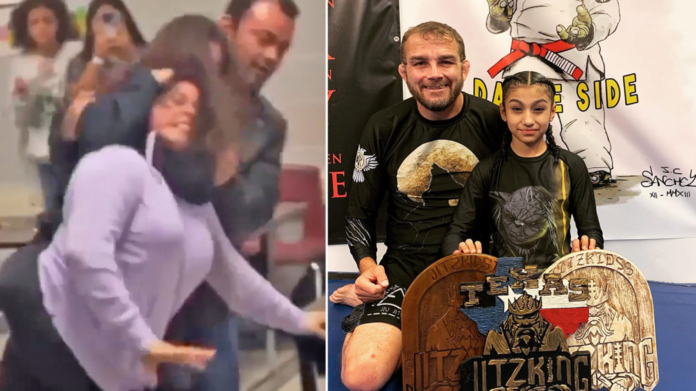
In a small town in Texas, a 13-year-old girl named Apolonia Nuncio has made headlines after standing up to her school bully using Brazilian Jiu-Jitsu to control and choke/armbar a girl twice her size. Nuncio’s story has garnered widespread attention and praise for her bravery and the importance of self-defense.

Apolonia Nuncio Vs. School Bully

According to Nuncio, the bullying had been going on for months, and she had tried various methods to stop it, including ignoring the bully and telling a teacher. However, nothing seemed to work, and the situation continued to escalate.

The opportunity presented itself when Apolonia Nuncio encountered her bully in the schoolyard. Using her BJJ training, she confronted the bully and set in a standing rear naked choke, before using the position to get her to the ground and transitioning into a tight belly-down armbar.

The bully quickly tapped out, and Nuncio professionally released the hold.

Nuncio’s father expressed his pride in his daughter’s ability to defend herself, saying, “We don’t condone violence, but we do condone self-defense.” He also emphasized the importance of using martial arts for self-defense rather than aggression.

Since Nuncio’s story went viral, many people have praised her for her courage and used her experience to raise awareness about the issue of bullying. Nuncio hopes that her story will inspire other kids who are being bullied to stand up for themselves and seek help.

The school district has also taken notice of the incident and has emphasized its commitment to providing a safe and inclusive environment for all students. They encourage students to report bullying incidents and seek help from teachers or counselors.

A 13-Year-Old Jiu-Jitsu Wizard

Nuncio’s father, Gilbert Nuncio, noticed that his daughter was coming home upset when she was 9 and decided to take action. He enrolled Nuncio in a Brazilian Jiu-Jitsu academy in San Antonio (10th Planet ATX) to help her deal with bullying at school.

Apolonia’s BJJ journey was not simple though. She had a tough time on the mats during her first months and even lost her first “street fight” after attempting to use Jiu-Jitsu with a year of training under her belt.

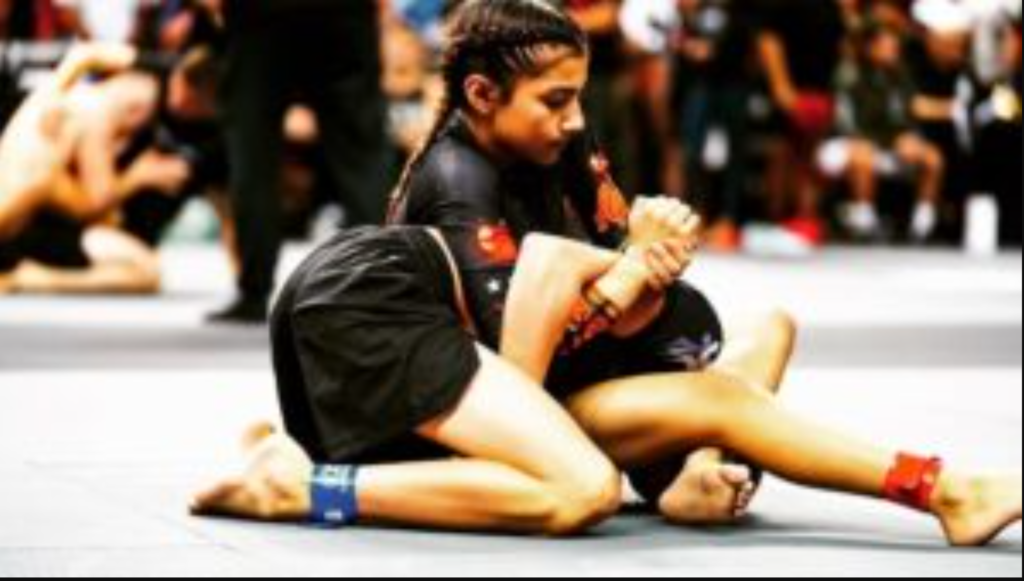
She has advanced in leaps and bounds since, though, after starting to compete. Even then, aged 9, she was considered a BJJ prodigy, stringing together an incredible series of wins, with even boys falling victim to her ruthlessly effective technical Jiu-Jitsu.

My fighting nickname is Apolonia: The Mayan Warrior,” explained Apolonia Nuncio. “Where we got Mayan from – it’s from my culture. And warrior, because I’m a warrior.

Currently, Nuncio is the “Pound for pound #1 13yr old under 80 pounds” as per her Instagram account.

Apolonia Nuncio #1 pound for pound 13-year-old grappler

Jiu-JItsu For Self-Defense Against Bullies

Nuncio’s story has also caught the attention of the BJJ community, with many instructors highlighting the benefits of martial arts training for self-defense and confidence-building.

Tom Deblass, who has celebrity status in the BJJ community, has been particularly vocal about it lately, offering free training to kids that are victims of bullying and eventually opting to form a non-profit called “Buddies over Bullies” in order to help as many kids as he can.

I can’t even understand the level of meanness,” said DeBlass, 40, in an exclusive interview with the New York Post. “I always want to help, but I am getting sick of saying I am sick of bullying. I said I have to do something about this.”

Conclusion

In conclusion, the story of Apolonia Nuncio serves as a reminder of the importance of self-defense and standing up to bullies. Her courage and bravery have inspired many and sparked a much-needed conversation about bullying and self-defense.

Learn Everything You Can Do With The Figure Four Grip In BJJ

Evertyhing About The Figure Four Grip In BJJ

Are you looking to improve your Brazilian Jiu-Jitsu game? One technique that you should definitely have in your arsenal is the figure four grip. It is a versatile grip that can give you increased control over your opponent, allowing you to set up various submission techniques and transition to other positions. Here today, we’ll take an in-depth look at the figure four grip in BJJ and explore its different applications, benefits, and variations. We’ll also provide step-by-step guides on how to execute various figure four submission holds and share tips on how to defend against them.

The Figure Four Grip in BJJ

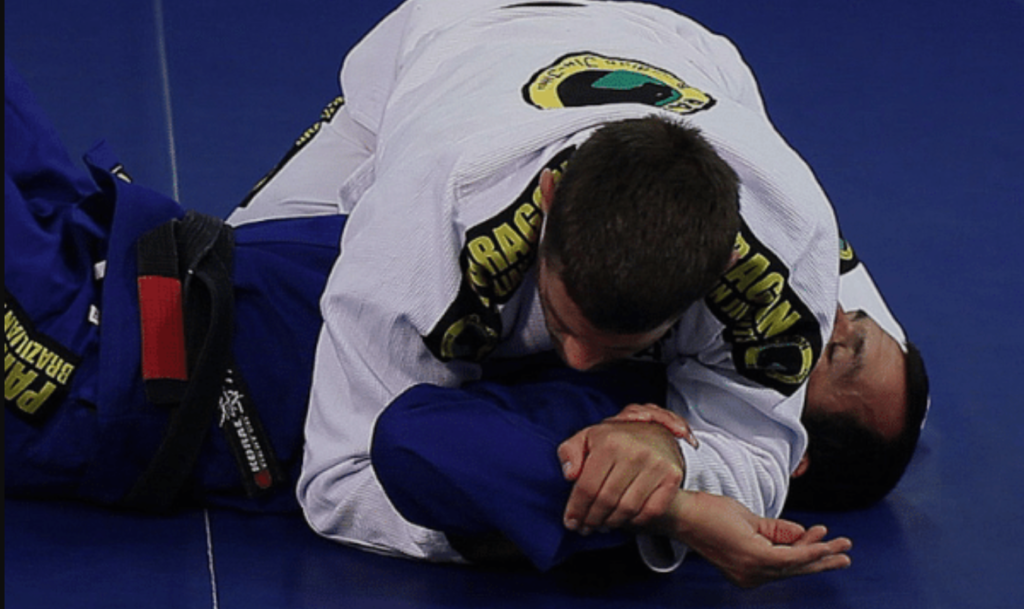
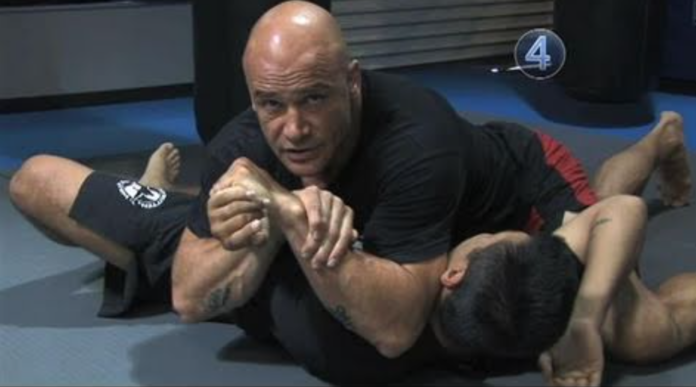
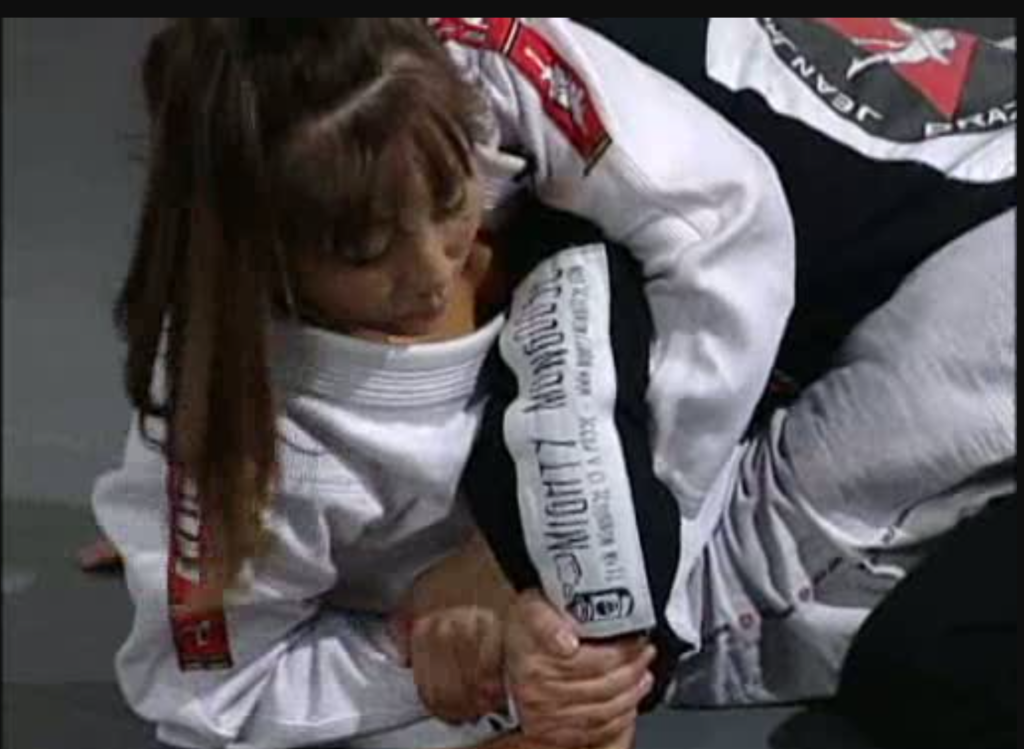
The figure four grip is a hand placement configuration where one hand is wrapped around the other hand and wrist to form a “figure four” shape. This grip is commonly used to control an opponent’s arm, leg, or neck. The grip is very versatile and can be used in both standing and ground positions.

Figure Four Grip Set Up

To perform the figure four grip, one hand should grab the wrist of the other hand. The second hand should wrap around a part of the opponent’s body, whether is a limb or the neck, thus creating a “figure four” shape. The grip should be tight and secure to maintain control, which is mainly done via elbow extension and/or flexion.

Basic Applications

The figure four grip can be used to set up submissions, such as armlocks and leglocks. For example, the figure four grip can be used to secure your opponent’s arm and set up a direct Kimura, or indirect armbar submission. It can also be used to control your opponent’s leg and set up a toe hold submission. In terms of chokes, everything done with the arms and without the Gi comes down to some form of figure four (RN, Darce, Anaconda…).

The possibilities are endless when it comes to using the figure four grip in BJJ.

Advanced Applications

The figure four grip is an excellent technique for controlling your opponent’s movements. When used correctly, it can prevent them from posturing up or escaping a guard, or enhance pinning from top positions like side control. It can also be used to set up sweeps, as it allows you to shift your opponent’s weight distribution.

The figure four grip on the arms is the commonly used control form from the closed guard, and half guard, but it can be used from almost all top and bottom positions when you’re using the grip to get a hold of other body parts as well.

Defending figure four arm locks

The Benefits of the Figure Four Grip in BJJ

The benefits of the grip are mostly in the form of energy efficiency. With the figure 4 grip, you can set up submissions, transition in between positions, and finish submissions without using the power of your muscles and spending energy to achieve your goals. Of course, understanding the mechanics of the grip is a huge condition to make it al work so “effortlessly”.

Increased Control Over Opponent

The figure four grip can provide increased control over an opponent by immobilizing their arm or leg.  By locking it in, a practitioner can restrict the range of motion of the opponent’s limb which is under control. This relates to limiting the opponent’s movement capabilities and shutting down a big part of their game just by gripping and holding on.

Many Submission Options

This grip is also useful for setting up various submission techniques. For example, by locking in the figure four grip on an opponent’s arm, a practitioner can set up an armbar or a shoulder lock. Similarly, by using the figure four grip on an opponent’s leg, a practitioner can set up a toe hold or even something more sinister, like the Estima lock.

Transitioning Between BJJ Positions

This versatile grip can also be used to transition to other positions in Brazilian Jiu-Jitsu. For example, a practitioner can use the figure four grip to transition from side control to the back via a Kimura grip or pass a guard by going for a toe hold. The best part is that you do not lose any control when transitioning due to the powerful mechanics of the grip configuration.

Different Types Of Figure Four Submission Holds In BJJ

The figure four is mostly used to finish submissions on every possible part of the body, from joint locks to chokes. Let’s take a look at an example for each, and how the grip allows you to combine them together.

Basic Mechanics

To perform a figure four submission hold, you need to utilize the mechanical advantage the grip provides. This usually means twisting, pulling, and pushing with your arms all at once, which comes pretty naturally and instinctively anyway.

Variations And Modifications

There are several variations of the figure four, the most obvious one being the rear naked choke where the second gripping arm is placed higher on the first arm, at biceps or shoulder level, rather than the usual writ level connection of both your arms.

there is also a reverse figure four grip modification where the hands connect to each other in an opposite manner to the usual one.

How To Finish Figure Four Submission Holds

The key point is to always include a pushing motion to amplify the effects of the twisting one which is usually the predominant motion when using figure four submission holds.

Figure Four Leg Lock(s)

Stuck in someone’s half-guard? Don’t fuss with passing, but rather turn to see where the foot of their top leg is. If yo can reach it with the same side arm to grip your toes, you can do a toe hold. Once the first grip is on, use the second arm to go around their ankle and connect the figure four, Then, make their toes touch their butt.

Common mistakes to avoid

Some common mistakes to avoid when executing the toe hold are holding the controlling position (having a figure four grip, but not applying braking pressure yet) too loose. Once you get a toe hold grip on, ensure that you bend the opponent’s knee as much possible to prevent them from kicking out and extending their leg.

Figure Four Arm Lock(s)

The Kimura and Americana are picture-perfect examples of setting up the immediate figure four submission holds. For either, you need control of the opponent’s wrist first. The free arm then goes over (Kimura) or under (Americana) the upper arm of the opponent in order to connect for the figure four configuration.

Pulling the elbow of the secondary results in really powerful submissions, particularly when you also introduce a twisting motion.

Common mistakes to avoid

Some common mistakes to avoid when executing the Figure Four Arm Lock include failing to extend your elbows. The more your elbows are bent in figure four, the more slack there is for an opponent to maneuver out. Keep the elbows straight and stiff right up until the moment of applying braking pressure.

Figure Four Choke(s)

The rear naked choke is one great example that everyone knows. Instead of exploring it again, I’ll focus on a Darce variation called the short-arm Darce choke.

From top side control, you sneak in the near side arm under the opponent’s top armpit, as they’re facing you. As the arm emerges behind their neck, your aim is to use it to grab the biceps of your free arm, but that can sometimes be hard if you have short arms or are grappling a massive opponent.

Instead, place the grip on the forearm of the arm that’s going across the neck and you’ll easily choke out even the most broad-shouldered person in your gym.

Common mistakes to avoid

Some common mistakes to avoid when executing the Figure Four Choke include not securing the grip properly. Sqeezing for a choke, especially Darce variations without a strong figure four is waste of time and your muscle power.

How To Defend Against The Figure Four

The figure four grip can be a hard one to beat, particularly n the form of submission holds, but it’s not invincible. Here are some tips on how you can set up to defend against it:

Breaking The Figure Four Grip

The first step in defending against the figure grip is to weaken the opponent’s wrists. you won’t be able to break the grip unless you bend one, preferably both of their wrists so that you can use your elbow to drive in a direction that is impossible to hold.

Also, focus on using your free arm to try and control the arm going around your upper arm/ankle in order to off-set any immediate breaking threat.

Escaping A Figure Four Hold

Getting out will require you to free the elbow or heel (arm and leg locks). Moving your elbow so that it is stuck to your ribs, and the mats, if possible, does the trick when it comes to weakening the figure four significantly enough to get out of arm locks.

In a toe hold, try to glue your heel to the opponent’s hips in order to challenge the mechanics of the grip.

Braking out of both requires you to extend the limb in question forcefully and completely.

Beating chokes is a bit more difficult and requires a complete article in itself. In short, the goal is to make space by turning your neck, so that you gain access to the elbow of either arm, in order to weaken the hold, before twisting some more to get out.

Conclusion

The figure four grip is a valuable technique that can greatly enhance your BJJ game. With its ability to provide increased control over your opponent, set up various submissions, and transition to other positions, mastering this grip can be a game-changer. By understanding the basic mechanics of the figure four hold, its variations, and how to execute and defend against different types of figure four submission holds, you can quickly and easily take your BJJ skills to the next level.

42 Best Jiu-JItsu Games For Kids To Keep Them Motivated

42 Best Jiu-JItsu Games For Kids To Keep Them Motivated

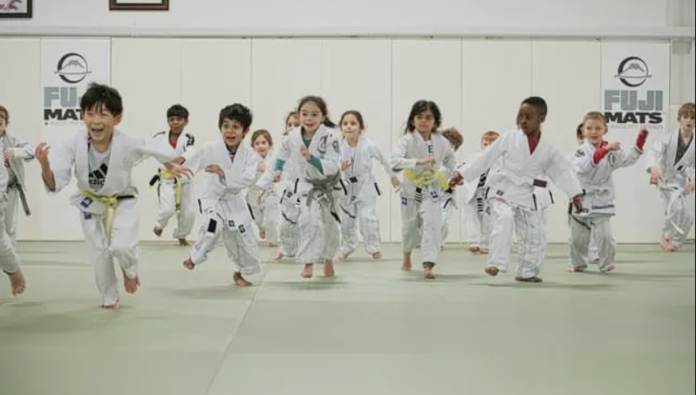
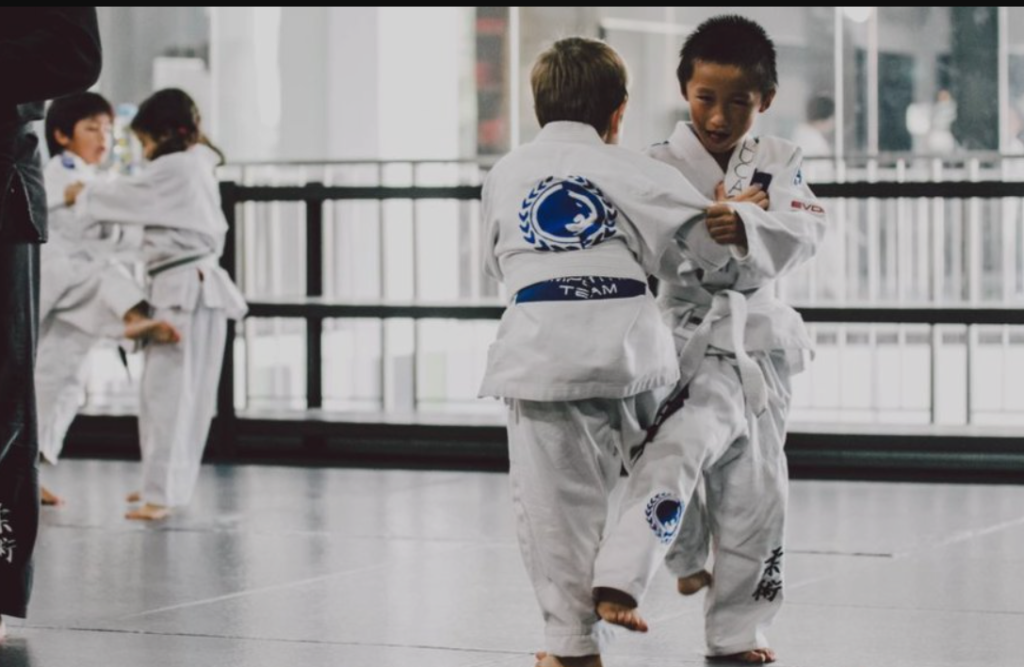
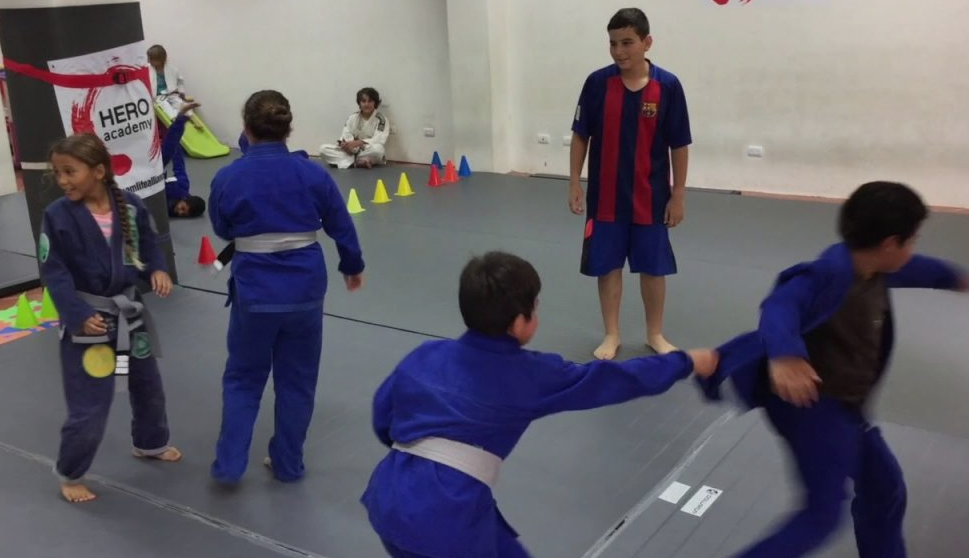
Brazilian Jiu-Jitsu is a martial art that has gained popularity among kids in recent years. It’s an effective way to improve fitness, build self-confidence, and learn self-defense skills. However, Jiu-Jitsu training can sometimes be challenging for kids, and they may lose interest or become discouraged. That’s where Jiu-Jitsu games come in. These games are fun, engaging, and help kids develop their technique and skill in a supportive environment. In this article, we’ll explore the benefits of BJJ games for kids and provide tips on how to play them effectively.

The 42 Best Jiu-Jitsu Games For Kids

1. Dodge Ball

This is a fun game that can improve kinesthetic awareness and keep kids interested in physical activity. The game involves throwing a ball at other players, who must either avoid getting hit or catch the ball. Players who get hit are out of the game, but if the person who got them out gets hit later, they can come back in. Dodge Ball can also help develop mobility skills and requires players to pay attention to who gets them out.

2. Red Light-Green Light

A game that can be played while standing or crawling. Using the commands “go” and “freeze,” players must freeze or move forward depending on the direction given. This game can help improve reaction time and listening skills.

3. Clothes Pin Grab

Players try to grab clothes pins off of each other’s backs. If someone gets your clothes pin, you’re out of the game. This game can teach players to stay face to face with each other and to practice gripping techniques by placing the clothes pins on different parts of the body.

4. Tail Belt Grab

Is a game where players remove their belts and stick them in the back of their pants like a tail. The goal is to grab other players’ belts and pull them off. If your belt is pulled off, you’re out of the game. This game can improve agility and reflexes.

5. Sumo

In this game players use belts tied together to create a ring. The objective is to push or pull opponents out of bounds or down to their knees. This game can teach players about balance and momentum while also providing a fun and engaging way to stay active.

6. Freeze Tag

Players have to run from one side to the other, while one person is chosen to be “it” and stays in the middle. If the “it” person touches a player, that player is frozen and cannot move until someone crawls under their legs or performs a specific BJJ move move to unfreeze them.

7. Crab Roll

For older kids, the game involves crawling from one side to the other, but if a player gets rolled and pinned by another player, they are out of the game.

8. Circle Of Knowledge

one of the most important Jiu-Jitsu games for kids, players make a big circle and jog in place while a BJJ-related question is asked, such as “Who founded Jiu-Jitsu?” or “What does Kimura mean?” Players who answer correctly get to stay in the game or move to the front of the line, while those who answer incorrectly must do pushups or situps.

9. Dice Roll

This game involves using fluffy dice with numbers and Brazilian Jiu-Jitsu techniques printed on them. Players roll the dice and then perform the corresponding number of pushups or the technique indicated by the dice.

10. Simon Says

Is played with a game structure, where players follow the leader’s movements. The movements may include hands and knees, break falls, shrimping, bridging, roll over, technical stand up, sit outs, and sit cross-legged. The pace gradually increases to get the players sweaty.

11. Belt Hide and Seek

Divide into two teams and have them sit facing each other on the mat. One team will have a belt or ball and secretly hide it on one of their members. The other team must try to get the person with the hidden item to cross over to their side safely while only using crab or butt scooting. The team with the hidden item can try to trick the other team by pretending that someone else has the item.

12. Butt Ball

Form teams and use a light or heavy ball to try and get it over to the other side while only using butt scooting. Players can roll the ball on the floor but cannot throw it.

13. Snake Tag

Have everyone form a long line holding the waist or belt of the person in front of them. One person is left off the line and faces the first person in the line. The kid off the line tries to touch the last person in the snake line, while the others move to protect the “tail of the snake”. Switch the kid who is off the line when they succeed or after two minutes.

14. Reverse Crab Crawl

Crawl up and down the floor on hands and feet, going backward and forward. Players should switch between bear walk and crab crawl by replacing diagonal hands and feet. When advancing, players should always be in bear walk position, and crab crawl is only used for transitioning.

15. Centipede

Group 2 or 3 kids (or more) together and sit one behind the other. Players should hold the ankles of the person behind them and scoot on their butt up and down the mat. Players can also play Snake Tag in this format.

16. Chicken Fight

Everyone gets a partner. One person piggybacks on the other, and each pair has to knock the other pairs off the back of their partners. The last pair left standing wins.

bjj games for kids chicken

17. Whip Belt

Everyone gets a partner. One person takes off their belt, and the other lays down flat on their back. The person with the belt tries to hit the person on the floor (not too hard), and the person on the floor has to roll out of the way and then roll back into the initial position. The standing person tries to fake and the person on the floor tries to read their body movements.

18. Belt Jump Rope

Assign partners and have them take off their belts. Tie the belts together and use them as a jump rope. One person starts, and then the partner tries to jump in as the rope is moving.

19. Floor Rope Climb

Get a partner and take off your belts. One person lies flat on their back with their legs in the air, holding one end of the belt with their head facing their sitting partner. The sitting partner sits with their legs spread, facing the person on the floor.

The person on the floor pulls themselves towards the sitting partner by hand over hand on the belt without using their legs for help. The sitting kid can wrap one end of the belt around their waist for support if needed. Then switch and have the sitting partner pull the person on their back towards them.

20. Mountain Climb

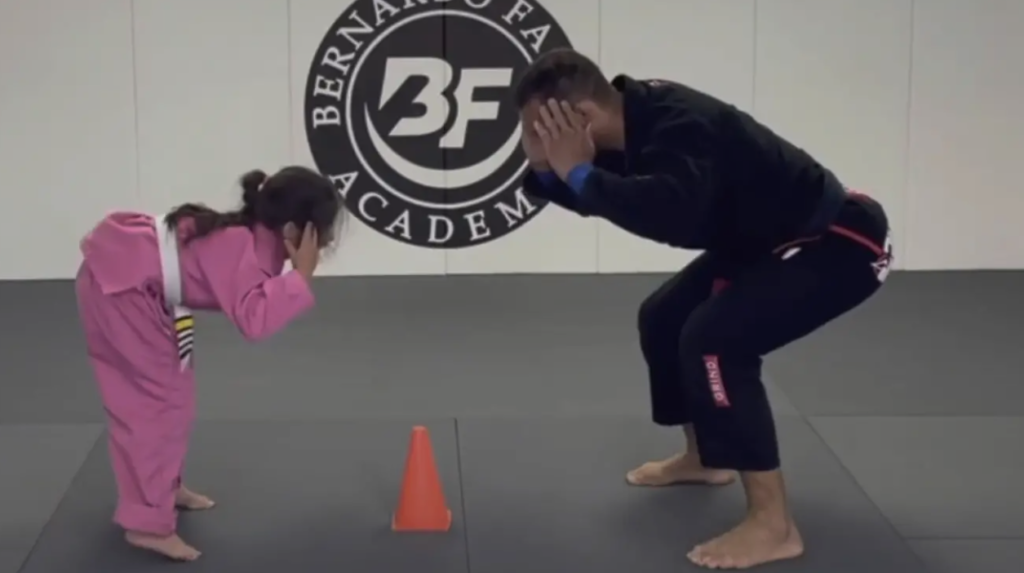
A partner exercise suitable for two adults or older children. They face each other and interlock their arms by placing their hands on the other person’s shoulders. They bend their knees and lower their heads, so they resemble sumo wrestlers looking down at the ground.

The first participant in the line then jumps onto the back of “Mountainside 1” and attempts to move around the side of the mountain, using hand grips and feet positions, without touching the floor until they return to the starting position, on Mountainside 1’s back. This exercise can also be performed by going over the mountain.

Begin by jumping onto Mountainside 1’s back, pulling yourself up until you’re on top of the mountain, then go down headfirst on Mountainside 2’s back and up under their legs until you’re looking up at the two holders’ faces. Finally, go up in between Mountainside 1’s legs and back into the original position on their back.

21. Shoulder Touches

One person sits in a Judo guard position on the ground, while the other stands in front of them. The standing person’s objective is to touch the shoulders of the person on the ground, while the person on the ground must use their legs and butt to face the standing person and prevent them from touching their shoulders.

22. Blind Push Balance Exercise

Form groups of five individuals. One person stands in the middle with their eyes closed, while the other four people surround them, creating four walls. The four individuals in the outer circle firmly push the person in the middle, and the person in the middle must regain their balance and square up to the person who pushed them with their hands up in a fighting position. Start with open eyes and progress to closed eyes.

23. Ankle Flip

This game is for adults and older kids. Find a partner and stand facing forward. One partner does a handstand close to the other partner, ending up back to back, with the other partner standing. The standing partner then grabs the ankles of the handstanding partner.

The handstanding partner, with their partner gripping their ankles, performs a sit-up and flips over their partner’s back, landing on their feet on the mat in front of their partner. Ensure that the partner standing is stable and leaning forward to avoid falling backward. The ceiling should be high enough, and mats should be used.

24. Pushup Tunnel

All the kids get in a pushup position next to each other, facing the same direction. They raise their butts in the air, and the last person in line crawls under everyone to the other side and assumes the pushup position to keep the tunnel the same length. one fo the best strength and conditioning Jiu-Jitsu games for kids that the children love doing.

25. Leap Frog Exercise

In this game, partners leapfrog down the mats. They can also perform static leaps over their partners while their partner is bent over, and the partner stands up while they crawl under their legs. The entire class can also form a continuous moving circle. Everyone gets in a leapfrog position in a circle, either standing and bent at the waist or sitting in a ball for younger kids. The person on the end gets up and leapfrogs over the next person, and this continues until they have gone over everyone. After the first person goes, the person they first jumped over goes, and so on.

26. Crash Mat Flip

In the game, a crash mat is used to hold the kids by their lapels while they lean back as if they are going to fall on the crash mat on their backs. Once they are in position, let go of them, and they will spin and land on their forearms on the crash mat. For younger children or those doing it for the first time, it’s important to let them know when you’ll let go so they can be prepared.

27. Animal Cards

A game where cards with pictures of animals (such as tigers, snakes, monkeys, and cranes) are used. Half of the group looks at the card, while the other half picks one of the cards and has to run to the person who acts like the animal on their card. Alternatively, all the participants can be assigned a certain animal and they have to try to find others who have the same animal.

28. Speed Tag

The objective here is to run and tag as many people as possible. The instructor will tell the players which body part to tag (e.g. right shoulder, left knee, right thigh) and they need to try to tag as many people as they can.

29. Wheel Barrel

This is a game where one person gets down on the floor in a push-up position while the second person comes from behind and picks up their feet. The person on the floor moves forward on their arms while the other person holds their feet.

30. Obstacle Mitts

Mitts are placed on the floor to create an obstacle course. Participants need to touch specific mitts with certain body parts (e.g. right elbow to red mitts, jump over blue mitts) in order to complete the course.

31. Run and Collect

The objective of the game is to collect as many ropes as possible without losing one’s own rope.

32. Black/White Catch Game

Is a game where everyone lies in the middle of the hall, head to head. When black is called, the black team needs to run to the safety area as soon as possible, while the white team tries to catch the black team members.

33. Rock/Paper/Scissors

In it, there are two teams. Each team decides on three selections and comes together. The winning team then tries to catch the losing team.

34. Dice

The game involves each team rolling a die at each corner and doing the specified movement that fits the die to the next corner. For example, 1 could mean a forward stance, 2 could mean a forward stance and lower block, and 6 could mean a jump back sidekick. The higher the value on the die, the more difficult the movement. The team that gets to a certain value, such as exactly 15, is the winner.

35. Atom Split

In this game, one person catches the second person, the second person catches the third person, and the third person catches the fourth person. Then the group splits into two groups of two, and they run together while holding hands.

36. Steal Belts

A game where the objective is to take your partner’s belt away from them while on the mats.

37. Quick Slap

In quick slap, hands are placed over a partner’s hands, and the objective is to try to slap the top of the partner’s hand with your right hand while they try to move their hand out of the way.

38. Pushing Fake

For this one, participants are in a rectangular stance facing their partner. The objective is to try to take the other person off balance using a combination of slaps, pushes, and fakes.

39. Face Slapping

In the game, participants work with a partner, with one person slapping (ina controlled way) and the other moving their head in the direction of the force of the slap.

40. Vertical Rope Swing

The game involves standing facing your partner and swinging your belt vertically at your partner’s head, while they move out of the way by pivoting their head. The game can also be played horizontally, with participants ducking and jumping, and can be done with a tambo as well.

41. Monkey In The Middle

This activity involves a person in the center who must run to partner 1, execute a judo throw or self-defense technique, and then run back to partner 2 to repeat the same process. The goal is to get them moving while performing self-defense or judo techniques, increasing their cardio workout.

42. The Technician

The final in our list of Jiu-Jitsu games for kids is a game played with a group of three, where one person is the technician, and the other two are robots. The technician’s objective is to direct the robots back to the same starting point. For example, if the technician touches the robot’s right shoulder, it must turn right by 90 degrees and perform a lower block. Similarly, if the technician touches the left shoulder, the robot must turn left by 90 degrees and execute a left lower block, and so on.

Benefits Of Jiu-Jitsu Games For Kids

Jiu-Jitsu games provide a fun and engaging way for kids to develop their technique and skill in a supportive environment. These games also help kids enhance their problem-solving abilities, improve timing and reaction, build self-confidence and self-esteem, and foster teamwork and social skills.

Develop Technique And Skill

BJJ games also provide a fun and interactive way for kids to practice their techniques and skills. By including games into their training, kids can improve their movement, coordination, and timing while having fun. This can help them build a solid foundation for their jiu-jitsu practice and make progress more quickly.

Enhance Problem-Solving Abilities

Grappling games often require kids to think creatively and solve problems. By facing different challenges and situations, they learn to adapt and find solutions to overcome obstacles. This can help them develop critical thinking skills that are useful not only in Jiu-Jitsu but also in other areas of their lives.

Jiu-Jitsu games To Improve Timing And Reaction

Timing and reaction are essential skills in Jiu-Jitsu. Games that focus on these skills can help kids improve their reflexes and response time. This can make them more effective in their Jiu-Jitsu practice and also help them react more quickly to unexpected situations in their daily lives.

Build Self-Confidence And Self-Esteem

Jiu-Jitsu games can help kids build their self-confidence and self-esteem. By succeeding in different challenges and games, kids learn to believe in themselves and their abilities. This can translate into other areas of their lives, where they may feel more confident and capable, like fending off bullies.

Foster Teamwork And Social Skills

Participating in certain Jiu-Jitsu games requires kids to work together as a team. This can help them develop social skills such as communication, cooperation, and respect for others. It also creates a supportive and encouraging environment where kids can make friends and learn from each other.

42 games for kids in Brazilian Jiu-Jitsu

How To Play Jiu-Jitsu Games With Kids

Jiu-Jitsu games can be a great way to keep kids interested and motivated in their training while having fun at the same time. However, it’s important to understand the rules of the game, create a safe environment, and adjust the difficulty level to match the kids’ skill level to ensure a positive experience.

Understanding The Rules Of The Game

Before playing any Jiu-Jitsu game with kids, it’s essential to explain the rules and objectives clearly. This helps kids understand what they need to do and how to play the game. It also ensures that everyone is on the same page and can play the game safely and effectively.

Creating A Safe Environment

Safety should always be a top priority when playing Jiu-Jitsu games with kids. Make sure that the area is free from hazards and that the kids have appropriate protective gear. You should also supervise the games to ensure that everyone is playing safely and following the rules.

Keeping Jiu-Jitsu Games Fun And Engaging

Jiu-Jitsu games should be fun and engaging to keep kids motivated and interested. Try to choose games that are challenging but not too tricky, and incorporate different elements of play such as competition, cooperation, and creativity.

Adjusting The Level Of Difficulty

It’s important to choose games that match the kids’ skill level. If the games are too easy, they may become bored, and if they are too difficult, they may become discouraged. Try to choose games that challenge them while still allowing them to succeed and improve their skills.

Incorporating Games Into Regular Jiu-Jitsu Training For Kids

Incorporating games into regular Jiu-Jitsu classes for kids can make the training more fun and engaging. It can help kids develop their technique and skill while enjoying themselves. Games can also provide a break from traditional training methods and keep kids motivated and interested in their BJJ practice.

BJJ kids games

Conclusion

These 42 best Jiu-Jitsu games for kids offer a fun and interactive way to learn the art while also benefiting from the many advantages of gameplay. From enhancing problem-solving abilities and reaction timing to building self-confidence and teamwork skills, Jiu-Jitsu games provide numerous benefits for young practitioners. To ensure the best possible experience, it’s important to understand the rules of each game and create a safe environment for your child to play in. Additionally, keeping the games fun and engaging while adjusting the level of difficulty and incorporating them into regular training sessions can help maximize their effectiveness.

Maximize Your BJJ Performance: Introducing The 5/3/1 Program

Maximize Your BJJ Performance: Introducing The 5/3/1 Program

BJJ, or Brazilian Jiu Jitsu, is a martial art that requires strength, endurance, and technique. While mastering techniques is crucial, it’s equally important to have a solid foundation of strength and conditioning. This is where the 5/3/1 program comes in. The 5/3/1 program is a strength training program designed to increase strength and power. It’s a popular program among athletes, including those in the BJJ community. In this article, we’ll discuss the importance of strength training in BJJ, explain the 5/3/1 program, and explore how it can benefit BJJ practitioners. Whether you’re a beginner or a seasoned practitioner, this article will provide valuable insights into the 5/3/1 program and how it can take your BJJ game to the next level.

Strength Training For BJJ

Strength training is a crucial aspect of Brazilian Jiu-Jitsu that can enhance overall performance and reduce the risk of injury. Incorporating strength training exercises into your BJJ training routine can provide numerous benefits, from increased power and explosiveness to improved grip strength and flexibility.

Physical Demands Of BJJ

BJJ is a martial art that requires significant physical demands. Practitioners need to have strength, endurance, and agility to perform the various techniques and movements. While many focus on mastering techniques, it’s equally important to have a solid foundation of strength and conditioning to improve performance and prevent injuries. This is where the 5/3/1 program comes in.

Benefits Of Strength Training For BJJ

There are numerous benefits to incorporating strength training into BJJ training, and the 5/3/1 program can help practitioners achieve these benefits. First, strength training can help BJJ practitioners prevent injuries by improving the strength of the muscles and joints used in BJJ movements. Second, it can improve overall performance by increasing strength and power, allowing practitioners to execute techniques with more force and speed. Third, strength training can enhance endurance, which is essential in BJJ where matches can last from 5 minutes to over 20 minutes.

Strength Training For BJJ

The 5/3/1 Program Explained

The 5/3/1 program is a strength training program that focuses on increasing strength and power. It’s a popular program among athletes, including BJJ practitioners. The program is designed to be simple and straightforward, making it easy to follow for beginners and seasoned athletes alike.

What Is The 5/3/1 Program?

In essence, it’s a training program designed to increase strength and power by focusing on multi-joint lifts, such as squats, deadlifts, and bench press. The program is based on the principle of progressive overload, which means that the weight lifted is gradually increased over time to challenge the muscles and promote strength gains.

The 5/3/1 Method Training Cycle

The 5/3/1 method is a training cycle that is typically run over a four-week period. During the first three weeks, the athlete performs the same exercises with gradually increasing weights. The cycle includes a deload week (the fourth week), during which the weight is reduced to allow for recovery and to prevent injury. The program is designed to be flexible, allowing athletes to customize it to their individual needs and goals.

How Much Weight To Lift In The 5/3/1 Program

One of the key components of the 5/3/1 program is determining how much weight to lift. This is based on the athlete’s one-rep max, or the maximum weight they can lift for one repetition. The program is structured around a specific percentage of the one-rep max, with different percentages used for different cycles. In other words you’ll need to figure out your one-rep max for the lifts you’ll use and do some simple math to see the program up.

How to Use the 5/3/1 Method

Basic Multi-Joint Lifts

The program should focus on basic multi-joint lifts, which are the most effective for building strength and power. These are the bench press, deadlift and back squat.

Starting Light

Even if you are an experienced lifter, it’s essential to start with light weights and focus on proper form and technique when you’re attempting a 5/3/1/ cycle for the first time. This is especially important for beginners who are just starting with the program.

Progress Slowly

Using the 5/3/1 method is straightforward, but it’s important to follow some basic guidelines. It is crucial not to rush adding weight, but rather progress slowly over time, gradually increasing the weight to avoid injury and allow the body to adapt. There is no need to try and load the bar with big increments every time you start a new cycle. Even the slightest increase in weight is going to be enough to make you better.

The 5/3/1 Program Explained

Why The 5/3/1 Program Is Effective

The program is an effective strength training program for BJJ athletes because it is simple, can be done in any commercial gym and it focuses on using many muscles during a single lift. It is also very time-efficient and proven to increase strength and power in a short time. However, it’s important to consider that the program does not only have benefits, but also some limitations, which can be customized to reflect the needs and goals of grapplers.

The Benefits Of The 5/3/1 Program For BJJ

5/3/1 is beneficial for making grapplers functionally stronger and reducing the risk of injury in BJJ athletes. The program prioritizes proper form and technique over lifting heavy weights, which minimizes the chances of injury caused by incorrect movements.

Additionally, the program includes assistance work such as pull-ups, chin-ups, and dips, which helps to develop the stabilizing muscles and promote joint health. As a result, BJJ athletes who follow the 5/3/1 program can experience improved joint stability and mobility, leading to a lower risk of injury during training and competition.

Increased Strength

One of the primary benefits of the 5/3/1 program is increased strength. By focusing on multi-joint lifts and gradually increasing weight, the program helps to build muscle mass and increase strength. This increased strength can translate to better grappling techniques, improved takedowns, and better control over opponents.

Improved Endurance

Another key benefit of the 5/3/1 program is improved endurance. The program is designed to challenge the body and promote adaptation, leading to better overall fitness and endurance. This can be especially beneficial for BJJ athletes, who need to maintain their endurance, changing the power output many times throughout a match.

Reduced Risk Of Injury

The 5/3/1 program can also help reduce the risk of injury for BJJ athletes. By focusing on proper form and technique, athletes can minimize the risk of injury during training and competition. Additionally, the program includes a deload week to allow for recovery and prevent overtraining, which can lead to injury.

What are 5/3/1’s Limitations For BJJ Athletes

While the 5/3/1 program offers many benefits, it’s important to note that it does have some limitations for BJJ athletes. They are easy to address though, as grapplers do not need to train the same as powerlifters or bodybuilders, and with slight adjustments, the program can do wonders for everyone.

Too Much Training Volume Per Week

One limitation is that the program is originally designed for four training sessions per week, which may be excessive for some athletes. Training BJJ 3-5 times a week and lifting weights for 4 days a week is too much even for professional athletes. Luckily, there are easy adaptations of the program that make ti great for Jiu-Jitsu, like organizing it into two sessions per week.

No Specific Speed Training

Additionally, the program does not include specific speed training, which are both important components of BJJ performance. That said, the stronger you get, the easier it is to incorporate speed training, and the program’s founder, Jim Wendler, has some versions of the program that account for the lack of speed training in the original few templates of the program.

JIm Wendler 5/3/1 Program Effective

The 5/3/1 Program For Jiu-Jitsu

Setting up the 5/3/1 program for Brazilian Jiu-Jitsu is pretty straightforward, but does require a bit of math and a realistic estimate of what you can actually pull off. in the following section of the article we’ll provide a sample training program design and schedule which is just a recommendation. If you truly want to understand how the program works, you should read Jim Wendler’s books on it.

How to Set Up the Program

To set up the 5/3/1 program for Jiu-Jitsu, you first need to determine your one-rep max (1RM) for each lift you plan to incorporate into your training program. Once you have established your 1RM, you can use a 5/3/1 calculator to determine the weight to use for each set. The program consists of four main lifts – squat, bench press, deadlift, and overhead press – and you will perform each lift on a different day of the week.

Sample Training Program Design And Schedule

Day 1: Squat & Bench Press

  • Warm-up: 5 minutes of cardio.
  • Squat: 5 sets of 65%, 75%, 85%, 5+ (as many reps as possible at 95% of 1RM).
  • Bench Press: 5 sets of 65%, 75%, 85%, 5+ (as many reps as possible at 95% of 1RM).
  • Accessory work for squats (pick two): Leg press, leg curls, calf raises.
  • Accessory work for bench (pick two): Dumbbell rows, tricep extensions, bicep curls.

Days 2&3: Rest Days (from lifting)

Day 4: Deadlift & Overhead Press

  • Warm-up: 5 minutes of cardio.
  • Deadlift: 5 sets of 65%, 75%, 85%, 5+ (as many reps as possible at 95% of 1RM).
  • Overhead Press: 5 sets of 65%, 75%, 85%, 5+ (as many reps as possible at 95% of 1RM).
  • Accessory work for deadlift (pick two): Pull-ups, leg curls, calf raises.
  • Accessory work for overhead press (pick two): Dumbbell rows, lateral raises, bicep curls.

Day 5-7: Rest Days (from lifting)

Common Mistakes to Avoid With The 5/3/1 Program

In order to achieve optimal results with the 5/3/1, it is crucial to avoid common mistakes and follow some tips for using the 5/3/1 method. These are the things you do not want to do while using Jim Wendler’s popular training method for strength and power:

  1. Overtraining: Overtraining can lead to injury and burnout. Make sure to follow the program’s prescribed rest days and listen to your body’s signals.
  2. Ignoring Mobility Work: Mobility work is crucial for BJJ athletes to maintain proper range of motion and prevent injury. Don’t overlook mobility exercises in your training program.
  3. Not Tracking Progress: Keep track of your progress, such as your weight lifted and reps completed. This will help you adjust your training program as needed and stay motivated.
  4. Don’t Customize: The 5/3/1 program is designed to be followed as written. Don’t try to customize the program to fit your needs or goals without understanding its underlying principles.
  5. Take It Easy with Assistance Work: Assistance exercises can help you build strength in specific areas, but don’t overdo it. Stick to the prescribed exercises and reps and avoid adding too much assistance work.
  6. Start with the Right Weights: Start with weights that are challenging but manageable. Overestimating your strength can lead to injury and frustration.
  7. Progress Slowly: Progress slowly with the weights and don’t try to rush through the program. Building strength takes time and patience.

Tips for Using the 5/3/1 Method

  1. Focus on Multi-Joint Lifts: The 5/3/1 program focuses on multi-joint lifts such as squats, deadlifts, and bench press. These exercises recruit more muscle fibers and are more effective at building overall strength.
  2. Follow the Training Cycle: The 5/3/1 program consists of four-week training cycles. Stick to the prescribed reps and weights for each week of the cycle.
  3. Start Light: The first week of each cycle is designed to be a deload week to allow your body to recover. Start with lighter weights and work your way up.
  4. Use Proper Form: Use proper form and technique when performing each exercise. Poor form can lead to injury and reduce the effectiveness of the exercise.

By avoiding common mistakes and following these tips, you can maximize the benefits of the 5/3/1 program for BJJ athletes. The program is designed to build overall strength and improve performance, but it requires patience, discipline, and proper execution.

Everything you need to know about the 5/3/1 prgoramfor BJJ

5/3/1 FAQ

The 5/3/1 program has gained significant popularity over the years as an effective strength training program. But, with its popularity comes a lot of questions from curious individuals. Below are some frequently asked questions about the 5/3/1 program.

How do I calculate my 1RM?

Your 1RM or one-rep max is the maximum amount of weight that you can lift for one repetition. It’s important to know your 1RM to determine the correct weights to use in the 5/3/1 program. To calculate your 1RM, you can use a 1RM calculator or perform a 1RM test. However, it’s important to note that performing a 1RM test can be risky and should only be done with proper supervision.

Who is the 5/3/1 program good for?

The 5/3/1 program is suitable for individuals who want to increase their strength and overall fitness levels. It’s especially useful for powerlifters, athletes, and people who engage in combat sports like BJJ. However, it’s important to note that the program may not be suitable for beginners as it requires some level of experience with lifting weights.

Is the 5/3/1 program good for beginners?

The 5/3/1 program may not be suitable for beginners as it requires some level of experience with lifting weights. Beginners should start with a simpler program and gradually work their way up to more advanced programs like the 5/3/1 program.

Is the 5/3/1 program good for BJJ?

Yes, the 5/3/1 program can be beneficial for BJJ practitioners as it helps to increase strength, improve endurance, and reduce the risk of injury. However, it’s important to note that the program should be complemented with BJJ training and mobility work.

What is the 5/3/1 Jim Wendler program?

The 5/3/1 Jim Wendler program is a strength training program developed by Jim Wendler. It’s based on the 5/3/1 program principles and focuses on the four main lifts: the bench press, squat, deadlift, and overhead press.

What is a 5/3/1 program example?

A 5/3/1 program example involves performing the four main lifts (bench press, squat, deadlift, and overhead press) using the 5/3/1 program principles. For example, on week one, you would perform three sets of five reps at 75% of your 1RM, followed by three sets of three reps at 85% of your 1RM, and one set of five reps at 65% of your 1RM.

Conclusion

To make the most of the 5/3/1 program for BJJ, it is important to set it up correctly and avoid common mistakes, such as overtraining, ignoring mobility work, and not tracking progress. By starting with the right weights and progressing slowly, BJJ practitioners can achieve their strength training goals while avoiding injury.

The Top Competitions for Blue Belt Jiu-Jitsu Athletes to Attend

Top Competitions for Blue Belt Jiu-Jitsu Athletes to Attend

Welcome to our guide on the top competitions for blue belt Jiu Jitsu athletes to attend. As an intermediate-level practitioners in Jiu-Jitsu, blue belts have typically mastered the fundamentals of the art and are ready to take on more challenges. Competitions offer a valuable opportunity for blue belt Jiu-Jitsu athletes to test their skills against other practitioners from around the world and gain valuable experience.

The purpose of this article is to provide blue belt Jiu-Jitsu athletes with a list of the top competitions they can attend to further develop their skills and gain experience. We will highlight the key features of each competition and what makes them worth attending, so you can make an informed decision on which events to prioritize.

Overview Of Top Competitions

In Jiu-Jitsu, competition is not only important for testing one’s skills, but it also offers the chance to learn from other practitioners and improve overall. Blue belt Jiu-Jitsu athletes who compete regularly tend to have better technique, sharper strategy, and more experience handling pressure than those who do not compete.

Explanation Of Top Competitions

There are numerous Jiu-Jitsu competitions worldwide, but some stand out from the rest. These competitions attract top-level athletes from around the world and provide an excellent opportunity for blue belt athletes to showcase their skills. Some of the top competitions for blue belt Jiu-Jitsu athletes include the IBJJF World Championships, the Pan Jiu-Jitsu Championships, and the Abu Dhabi World Professional Jiu-Jitsu Championship.

Benefits Of Attending Top Competitions

Attending top-level competitions provides a host of benefits for blue belt Jiu-Jitsu athletes. Competing against high-level opponents will push you to improve your skills and techniques. Additionally, attending these competitions will allow you to learn from some of the best athletes in the sport and make important connections with others in the Jiu-Jitsu community.

Types Of Competitions

Jiu Jitsu competitions come in various formats, including Gi and No-Gi tournaments, and can be held as single or double-elimination tournaments. The IBJJF World Championships, for example, are held in a Gi format and consist of a double-elimination tournament. The Abu Dhabi World Professional Jiu-Jitsu Championship is held in both Gi and No-Gi formats and is a single-elimination tournament.

Competition #1: IBJJF Pan American Championships

The number 1 continental competition in the world, the IBJJF pans attract competitors of all levels from around the world, coming in second only to the IBJJF worlds. For a short while, this competition was lagging behind the IBJJF Europeans but has surpassed its counterpart from across the Atlantic in recent years.

Overview Of The Competition

The International Brazilian Jiu-Jitsu Federation (IBJJF) Pan American Championships is one of the most prestigious Jiu-Jitsu competitions in the world, and it’s a great opportunity for blue belt Jiu-Jitsu athletes to test their skills. Held annually in March in California, the competition attracts top-notch Jiu-Jitsu competitors from all over the world.

Eligibility And Rules

To be eligible to participate in this competition, blue belt athletes must have earned their belt at least one year before the competition date, and they must be at least 16 years old. The competition follows the IBJJF rules, and competitors must wear the appropriate uniform.

Top competitions for blue belts: IBJJF Pan American Championships

Previous Champions

In previous years, some of the most successful blue belt competitors in this competition have been Levi Jones-Leary, Mikey Musumeci, and Pedro Dias. Winning this competition is a significant accomplishment for any blue belt athlete and can lead to greater opportunities and recognition in the Jiu-Jitsu community.

Competition #2: IBJJF World Championships

The IBJJF World Championships is considered the pinnacle of Jiu-Jitsu competition and attracts thousands of competitors from around the world. As a blue belt, competing at the World Championships can be a major milestone in your Jiu-Jitsu journey.

Overview Of The Competition

The IBJJF World Championships is held annually in California and is considered the most prestigious competition in the sport. Competitors from all over the world gather to compete in their respective weight classes and experience the highest level of competition in Jiu-Jitsu.

IBJJF World Championships for Blue Belts

Eligibility And Rules

To compete in the IBJJF World Championships, athletes must qualify through regional and national tournaments. You also need to an have active IBJJF membership under your current belt and academy to register. tournament is open to all blue belt competitors who meet the IBJJF’s eligibility requirements. The competition follows standard IBJJF rules and regulations.

Previous Champions

The IBJJF World Championships has produced many legends in the sport, including current UFC champion Demian Maia and multiple-time World Champion Marcelo Garcia. As a blue belt, competing at the World Championships can be a great opportunity to test your skills against the best in the world and potentially earn a spot in Jiu-Jitsu history.

Competition #3: NAGA

The NAGA (North American Grappling Association) is one of the most popular Jiu-Jitsu competitions in the United States. The competition is open to competitors of all belt levels and age groups, making it an ideal option for blue belt Jiu-Jitsu athletes looking to test their skills against a variety of opponents.

Overview Of The Competition

NAGA offers a wide range of divisions, including Gi and No-Gi events, making it an excellent opportunity for blue belt athletes to gain experience in both disciplines. The competition is also known for its well-organized and professional atmosphere, attracting some of the best competitors from around the country.

Eligibility And Rules

To compete at NAGA, athletes must be registered members of the organization and meet the eligibility requirements for their respective divisions. The rules of the competition follow the standard Jiu-Jitsu ruleset, with some modifications based on the division.

Previous Champions

Over the years, many notable blue belt competitors have won at NAGA, including Jonathan Torres, Rafael Lovato Jr., and Andre Galvao. Winning at NAGA can be a significant milestone in a blue belt athlete’s career, as it demonstrates their ability to perform under pressure and compete against top-level opponents.

NAGA competition, blue belt division

Competition #4: Grappling Industries

Overview Of The Competition

Grappling Industries is a submission-only tournament circuit that provides a platform for blue belt Jiu-Jitsu athletes to showcase their skills. The tournament series began in Canada in 2011 and has since expanded to include events across North America, Europe, and Australia. Grappling Industries has gained a reputation for its fair and professional approach to tournament organization and is known for its well-run events.

Eligibility And Rules

Grappling Industries tournaments are open to all blue belt Jiu-Jjitsu athletes, regardless of age or gender. The tournament operates a weight class system, with athletes matched against others of a similar size. The competition rules follow the traditional BJJ rules, with athletes winning matches by achieving a submission or scoring more points than their opponent within a set time limit. A difference in relation to IBJJF and UAEJJF rules is the absence of advantages.

Previous Champions

Grappling Industries has crowned numerous blue belt Jiu-Jitsu champions over the years, with many going on to become successful competitors in higher belt categories. Some of the notable past champions include Rafael Lovato Jr, the former Bellator middleweight champion, and world-renowned jiu-jitsu competitors such as Keenan Cornelius and Rafael Mendes.

Grappling Industries Tournament, blue belt Gi division

Competition #5: UAEJJF World Championship

The UAEJJF World Championship is one of the most prestigious Brazilian Jiu-Jitsu competitions in the world. It is organized by the United Arab Emirates Jiu-Jitsu Federation and attracts top-level competitors from around the globe. The event features both Gi and No-Gi divisions and offers significant cash prizes to the winners, making it a highly anticipated event in the BJJ community.

Overview Of The Competition

The UAEJJF World Championship is one of the most prestigious Jiu-Jitsu tournaments in the world, attracting elite competitors from all over the globe. This tournament, organized by the UAEJJF and held in Abu Dhabi in November of each year and is open to all belt levels and age categories.

Eligibility And Rules

To compete at the UAEJJF World Championship, athletes must first qualify by earning points at UAEJJF-sanctioned events throughout the year. The tournament features several different divisions, including weight classes and age groups, allowing athletes to compete against others of similar size and experience. The competition follows the standard IBJJF rules, with matches lasting up to 6 minutes for adults and up to 4 minutes for juveniles.

Previous Champions

Many top Jiu-Jitsu competitors have won the UAEJJF World Championship, including multiple-time world champions like Marcus Almeida, Rafael Mendes, and Rodolfo Vieira. In the blue belt Jiu-Jitsu division, past champions have gone on to have successful careers at higher belt levels, making this tournament an excellent opportunity for up-and-coming blue belt athletes to make their mark on the sport.

Blue belts competing at UAEJJF Worlds in Abu Dhabi

Conclusion

Blue belt Jiu-Jitsu athletes have a plethora of competition options to choose from in order to showcase their skills and test themselves against other top competitors. Attending these competitions not only allows athletes to improve their skills and gain experience but also provides an opportunity to meet other athletes and build relationships within the Jiu-Jitsu community.

The Rise Of The Gracies BJJ Brand: History, Evolution, and Legacy

The Rise Of The Gracies BJJ Brand:

Gracie BJJ, also known as Brazilian Jiu-Jitsu, is a martial art form that has gained significant popularity worldwide over the last few decades. The Gracie family is credited with creating and evolving this unique form of martial arts through their Gracies BJJ brand From the early days of BJJ to its current mainstream popularity, the Gracies have left an indelible mark on the martial arts community. This article explores the history, evolution, and legacy of the Gracies BJJ brand, and how it has become a global phenomenon.

The Early Days Of The Gracies BJJ Brand

The Gracies BJJ brand has a rich history that dates back to the early 20th century. It all started when Carlos Gracie learned traditional Japanese Jiu-Jitsu in the early 1900s and later passed on his knowledge to his brothers, including Helio Gracie. The Gracies have since become legendary in the martial arts world and have continued to influence BJJ to this day, with the Gracies BJJ brand being one of the most recognized and respected in the industry.

The Origins Of Gracie Jiu-Jitsu

Gracie Jiu-Jitsu was founded in Brazil by Carlos Gracie, who learned traditional Japanese Jiu-Jitsu techniques from a Japanese Judoka named Mitsuo Maeda. The Gracie family later re-purposed and adapted a lot of these Japanese techniques to suit their strengths, making them a lot more practical for real-world self-defense situations and creating a style that would turn out to be a world-famous family brand.

The Gracie Family’s Innovations In BJJ

The Gracie family emphasized the use of leverage and technique, in their distinct style, rather than brute strength, which made BJJ a highly effective martial art form. They also developed new techniques and strategies, such as the use of the guard position and the triangle choke, which are now staples of BJJ.

These positions were not used before due to the unified belief in martial arts that people could not effectively fight off their backs. The Gracies changed all of that with their innovative brand of Jiu-Jitsu.

The Gracies BJJ Brand

The Evolution of The Gracies BJJ Brand: Training Methods

The Gracie family innovated by developing their own unique style of Jiu-Jitsu. It meant developing completely new techniques and strategies, like guard positions and using the Gi to emphasize control from basically every position possible. This innovative approach also meant they developed original training methods that they used when teaching in their academies, which is how the Gracies BJJ brand got started.

The Introduction Of Gracie Academies

The Gracie family opened the first Gracie Jiu-Jitsu Academy in Brazil in 1925. The “Gracie Barra” academy in Rio was popular in its early days, but nowhere near as famous as it is today. Nowadays, there are over 50 Gracie Academies around the world, providing training in Gracie BJJ to students of all ages and skill levels.

The Creation Of The Gracies BJJ Curriculum

Another thing that really helped develop the Gracies BJJ brand further was the creation of a structured curriculum for Gracie Jiu-Jitsu that provides students with a clear path to progress through the ranks. The curriculum covers all aspects of Gracie BJJ, from the basic techniques to advanced strategies, and is still in use today, being revised and modernized from time to time as the sport evolves.

The Gracies BJJ curriculum still has a heavy emphasis on using Brazilian Jiu-Jitsu for self-defense.

The Role Gracies BJJ In Competitions And Sport Jiu-Jitsu

The Gracie family were responsible for developing the very first BJJ competitions in Brazil in the 1960s. These competitions provided a platform for BJJ practitioners to test their skills against other practitioners.

Today, there are numerous BJJ competitions and different organizations that promote and organize them around the world. The two most popular tournaments are the prestigious Abu Dhabi World Pro and the IBJJF World Championship, the latter of which is a direct product of the Gracies BJJ brand and is considered to be the golden standard in measuring the status of grappling athletes.

Migrating BJJ To The USA

Gracie BJJ was introduced to the United States in the 1980s, with Rorion Gracie opening the first Gracie Jiu-Jitsu Academy in California. These days, the USA is second only to Brazil in terms of the popularity of Brazilian Jiu-Jitsu. Everyone from the regular Joe to A-list celebrities are now practicing Gentle Art, as a direct result of the Gracies marketing of their brand.

In fact, BJJ has evolved so much as a result of the efforts of American grapplers, that there is now a stream of people claiming that modern Jiu-Jitsu is now just Jiu-Jitsu, downplaying the importance of the original Gracies BJJ approach.

Gracie JIu-JItsu

The Gracies BJJ Brand

The Gracies BJJ Legacy is a story of a family’s contribution to martial arts and combat sports. For over 100 years, the Gracie family has been perfecting their Brazilian Jiu-Jitsu techniques and creating a brand that is synonymous with excellence in the world of martial arts. The legacy of Gracie BJJ extends beyond the development of a highly effective combat style, as it has also become a way of life for its practitioners.

The Gracie Family’s Contributions to Modern MMA

The Gracie family’s contributions to modern mixed martial arts cannot be overstated. The Gracie Challenges, a tradition started by Helio Gracie, where the Gracies would challenge any martial artist to a fight to prove the superiority of Gracie Jiu-Jitsu (BJJ), is considered the starting point of modern MMA.

The Gracie Challenge eventually led to the creation of the Ultimate Fighting Championship after the Gracies BJJ brand moved to the USA. The rise of the UFC in the early 1990s was largely due to the Gracie family’s dominance in the early days of the sport. The Gracies showcased the effectiveness of BJJ, and their success paved the way for the development of modern MMA.

The Role Of Gracie Jiu-Jitsu In Self-Defense Training

Gracie BJJ is widely regarded as one of the most effective martial arts for self-defense. The Gracies BJJ brand with a strong emphasis on practical techniques and real-life scenarios has made BJJ a popular choice for people looking to learn self-defense.

The focus on leverage and technique rather than strength has made BJJ accessible to people of all ages and physical abilities. The Gracie Combatives program, developed by the Gracie Academy, teaches the essential techniques of BJJ for self-defense, making it an excellent option for anyone looking to learn practical self-defense skills.

The Role Of Gracie BJJ In Competitive Jiu-Jitsu

Gracie Jiu-Jitsu has had a significant impact on the competitive aspect of Brazilian Jiu-Jitsu as a sport.

Today, many of the techniques used in competitive Jiu-Jitsu have their roots in Gracie BJJ. The sport has evolved significantly since the early days of the Gracie Challenge, with the introduction of weight classes, various time limits, and different rule sets in modern professional Jiu-Jitsu tournaments.

Despite these changes, Gracie BJJ remains a dominant force in competitive Jiu-Jitsu, with many of the sport’s top athletes coming from Gracie lineages.

Going Mainstream: The Growth of BJJ Worldwide:

In recent years, BJJ has experienced explosive growth worldwide. The establishment of Gracie Academies around the world has made BJJ more accessible than ever before. Gracie BJJ competitions, such as the Gracie Worlds and the Abu Dhabi World Professional Jiu-Jitsu Championship, have become some of the largest and most prestigious tournaments in the world.

Gracie BJJ IMpact On MMA

The Legacy Of The Gracies BJJ Brand

The Gracies BJJ brand has become synonymous with high-quality training, world-class competition, and a deep understanding of the art of Jiu-Jitsu. From its early days in Brazil to its global presence today, the Gracies BJJ brand has left an indelible mark on the world of martial arts, and its legacy continues to inspire and influence practitioners around the world.

The Original Gracie Jiu-Jitsu System

The Gracie Jiu-Jitsu system is taught at Gracie Academies around the world, and its techniques are widely used in MMA and other combat sports. Their reality-based approach to training and the Gracie Challenges which were used to prove that BJJ can defeat any other fighter trained in any other martial art are still accomplishments that nobody has matched.

The original Gracies BJJ style is still the number one method of self-defense in one-on-one, unarmed situations, due to the fact that there is no striking involved, while at the same time, offering incredible amounts of control over an opponent.

The IBJJF

The International Brazilian Jiu-Jitsu Federation (IBJJF) was created by the Gracies as the governing body for organizing and overseeing competitions. The Federation grew to extend its reach globally, making BJJ competitions available to everyone in the world, if not in their home town, then certainly in their own country. In short, they paved the way for BJJ to become the full-blown sport it is today.

Professional Jiu-Jitsu

The Gracies were also the first to launch an invitation-only, professional Jiu-Jitsu tournament in Metamoris. A lot has changed in such tournaments since then, from the ruleset to the dress code for grappling athletes, but the all-important first step in this direction was made by the Gracies BJJ brand.

The Gracie Diet

The Gracie family’s commitment to health and wellness is reflected in their approach to nutrition. The Gracie Diet is a system of eating that focuses on whole, unprocessed foods and the careful combination of nutrients to optimize health and athletic performance. The Gracie Diet has been embraced by athletes and health enthusiasts around the world, and its principles have been adopted by some nutrition experts.

History, Evolution and Legacy Of Gracies BJJ

The Future of Gracies BJJ Brand

Gracie BJJ will likely continue to be a major player in the global BJJ scene from every point of view and will continue to shape the way grappling arts are taught and practiced worldwide. As the Gracies BJJ brand continues to evolve, it is sure to inspire future generations of grapplers to continue to innovate and push the boundaries of what is possible in the world of martial arts.

The Continued Growth and Evolution of Gracie Jiu-Jitsu

The Gracie family’s legacy in BJJ continues to this day, with many of their family members still involved in the sport. The Gracie BJJ brand has grown to include academies worldwide, and many instructors have developed their own variations of the Gracie system.

The Future Of Gracie BJJ In Competitions

Gracie BJJ has a strong presence in the world of competitive BJJ, with many of the original moves and techniques still being the staples everyone is after. As the sport continues to grow, Gracie Jiu-Jitsu will continue to be a big part of the competitive scene, but it will only remain so if it adopts to include the emerging new directions and styles that have grown from it.

The Importance of The Gracie BJJ Brand in the Martial Arts World

The Gracie family and their brand of Jiu-Jitsu has had a significant impact on the martial arts world, not only in BJJ but in other martial arts disciplines as well. Their focus on practical self-defense techniques and their success in early MMA competitions have helped to shape the way martial arts are taught and practiced.

The Gracies BJJ brand has also inspired other martial artists to develop their own systems and techniques, creating a diverse and vibrant martial arts community.

Conclusion

The Gracies BJJ brand has a rich history and legacy that has made it one of the most recognized and respected martial arts in the world. The Gracies’ contribution to the development of BJJ techniques, training methods, and competitions has been pivotal in the sport’s growth and mainstream success. As the sport continues to grow, the Gracie BJJ brand’s importance in the martial arts world cannot be ignored or forgotten.