


The Price Tag Of Excellence: How Much Are Jiu-Jitsu Classes?

How Much Are Jiu-Jitsu Classes?


Brazilian Jiu-Jitsu has become increasingly popular around the world as a form of self-defense, sport, and physical pass-time. However, one of the main concerns for those interested in pursuing BJJ is the cost. BJJ classes can range from affordable to quite expensive, depending on the gym and location. In this article, we will explore how much are Jiu-Jitsu classes in detail, including gym fees, essential gear, accessories, additional classes, and competition fees. We will also provide tips on how to reduce the cost of BJJ classes without sacrificing the quality of training.

How Much Are Jiu-Jitsu Classes?

If you’re considering starting BJJ, one of the first questions on your mind might be: how much are Jiu-Jitsu classes? The answer, like most things in life, depends on a variety of factors. BJJ is typically taught at specialized academies, and the cost of training can vary based on location, instructor experience, and class frequency. Some academies offer monthly memberships, while others charge per class. It’s also worth noting that there may be additional costs for gear such as uniforms or protective equipment.

When it comes to choosing an academy, it’s important to consider the quality of instruction and the overall atmosphere of the gym. While it may be tempting to choose the cheapest option, remember that you’re investing in your own health and well-being. Look for academies with experienced instructors who prioritize safety and have a track record of producing skilled athletes. Additionally, try attending a few trial classes to get a feel for the culture and community at each gym.
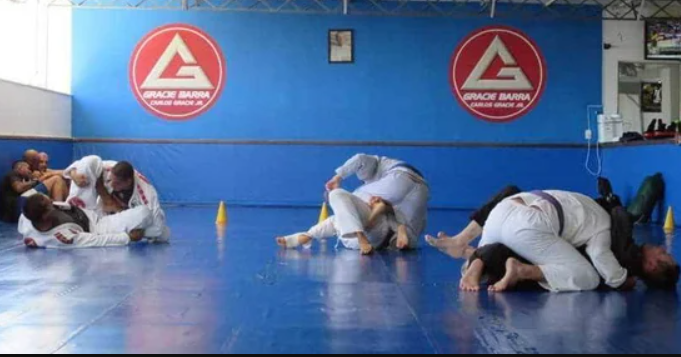
Average monthly cost of training BJJ

Average Cost Of BJJ Classes

Generally speaking, BJJ classes are priced similarly to other fitness classes or martial arts programs. You can expect to pay anywhere from $100 to $200 per month for unlimited access to classes, with additional fees for private lessons or specialty workshops. Some academies offer discounts for students or those who commit to long-term memberships. If you’re on a tight budget, it’s worth considering community centers or recreation departments that offer BJJ classes at a lower cost.

BJJ Gym Fees: What You Need to Know

How much Jiu-Jitsu classes cost is going to depend on the average monthly prices at the academy regarding its size (small, average-sized, or renowned BJJ academy). There are also extra fees that you might encounter when signing up for a BJJ gym and should be aware of them.

How Much Are Jiu-Jitsu Classes On Average Per Month?

The cost of BJJ classes can vary widely depending on the location, instructor experience, and the size of the academy. On average, you can expect to pay between $100 to $300 per month but that can vary significantly as there’s no unified price set for BJJ classes. Let’s take a closer look at the average monthly prices for BJJ classes at small, average-sized, and renowned BJJ academies.

  • Small BJJ School

A small BJJ school may have fewer students and less equipment, but it can still provide high-quality instruction. Monthly fees at a small BJJ school may range from $70 to $150 per month.

  • Average-Size Jiu-Jitsu Academy

An average-sized BJJ academy may have more students and equipment, and may offer a wider variety of classes. Monthly fees at an average-sized academy may range from $100 to $200 per month.

  • Renowned BJJ Academies

Renowned BJJ academies are often led by famous instructors or have a strong track record of producing skilled athletes. Monthly fees at renowned BJJ academies can range from $200 to $300 per month.
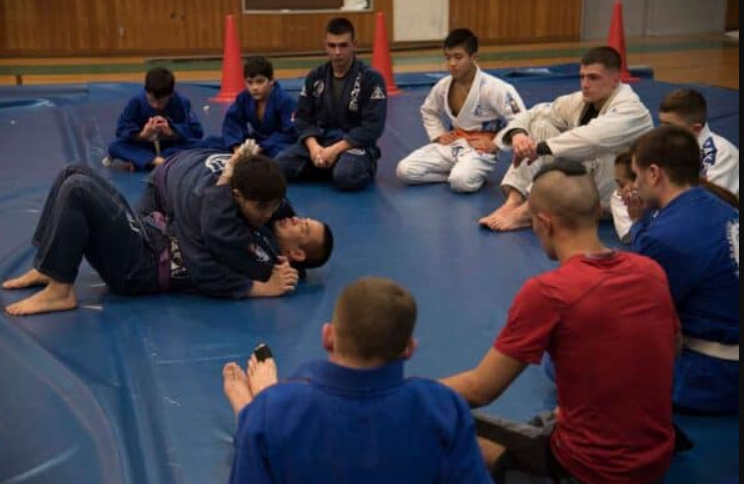
Small BJJ academy class prices

Extra BJJ Gym Fees

In addition to monthly class fees, there may be some extra fees associated with training at a BJJ gym. These fees can include:

  1. Gear: You’ll need to purchase a Gi (uniform), a mouthguard, and possibly other protective gear such as shin guards. These costs can add up, so it’s important to factor them into your budget when considering the total cost of BJJ training.
  2. Seminars and workshops: Some gyms may offer seminars or workshops with guest instructors, which can be an additional expense.
  3. Private lessons: If you want to work one-on-one with an instructor, you may need to pay for private lessons.
  4. Belt promotions: When you’re ready to advance to the next belt level, you may need to pay a fee for the belt promotion.

Cost of Essential Brazilian Jiu Jitsu Gear

If you’re interested in learning Brazilian Jiu Jitsu, one of the first things you’ll need to consider is the cost of essential BJJ gear. In this article, we’ll explore the cost of some of the most important items of BJJ gear, including gis, rash guards, shorts, and belts.

  • Cost Of A Gi

A Gi is a BJJ training uniform that consists of a jacket, pants, and a belt. Gis can vary in price depending on the brand and the quality of the materials. On average, you can expect to pay between $80 to $200 for a BJJ gi. Higher-end Gis made from premium materials can cost upwards of $300 or more. It’s important to choose a Gi that fits well and is made from durable materials to ensure it lasts for a long time.

  • Cost Of A Rash Guard

A rash guard is a tight-fitting shirt that’s worn under the Gi. It’s designed to protect the skin from mat burns and prevent sweat from soaking through to the Gi. Rash guards can be made from a variety of materials, such as spandex or nylon, and can range in price from $20 to $80. Higher-end rash guards made from premium materials can cost upwards of $100 or more.

  • Cost Of BJJ Shorts

BJJ shorts are designed to be lightweight and flexible, allowing for a full range of motion during training. They’re typically made from materials like polyester or spandex and can cost between $30 to $80. Some BJJ shorts may have additional features such as reinforced stitching or ventilation panels, which can increase the price.

  • Cost Of A BJJ Belt

BJJ belts indicate a student’s level of expertise. Belt colors include white, blue, purple, brown, and black. Belt prices can vary depending on the color and the brand, but on average, you can expect to pay between $10 to $40 for a BJJ belt.
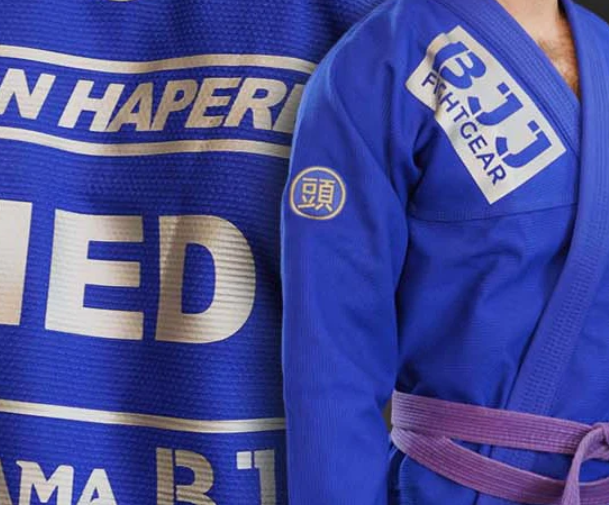
Cost of BJJ Gear

Cost of BJJ Accessories

When it calculating exactly how much are Jiu-JItsu classes, you need to factor in that having the right accessories can make a big difference in your performance and safety. In that regard, we’ll take a look at two important BJJ accessories and their cost: mouth guards and finger tape.

Mouth Guard

A mouth guard is a crucial piece of protective gear for BJJ practitioners. It helps prevent dental injuries and can reduce the risk of concussions by cushioning impacts to the jaw. Mouth guards can be custom-fitted by a dentist, or you can purchase boil-and-bite versions from sporting goods stores. The cost of a mouth guard can range from $5 to $50, depending on the brand and quality.

Finger Tape

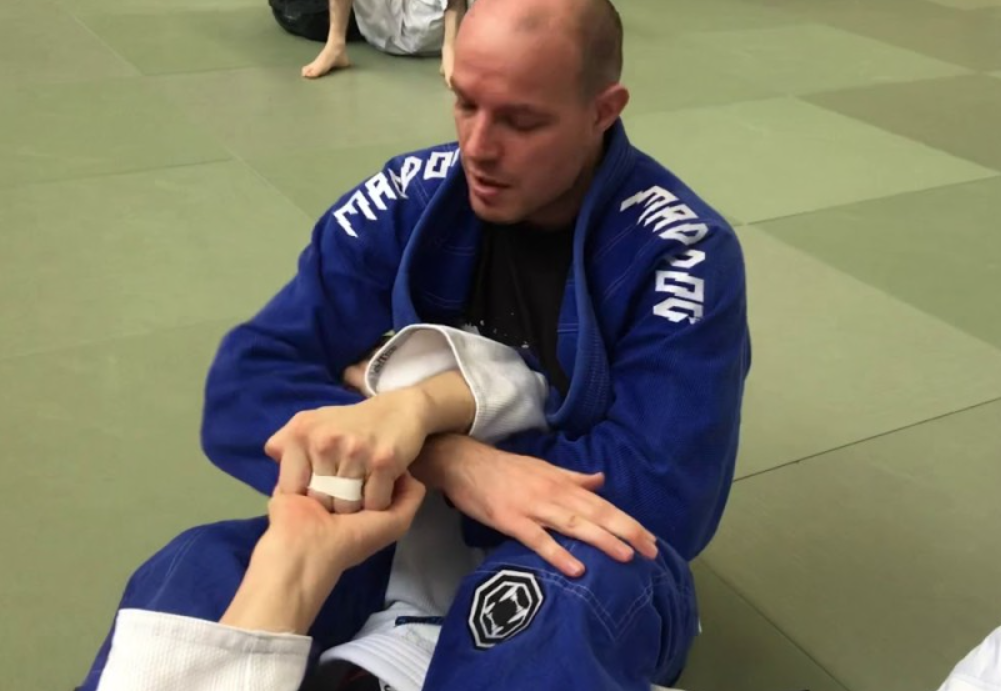
BJJ can be tough on your hands and fingers, and that’s where finger tape comes in. It can help protect your fingers from cuts, scrapes, and sprains. Finger tape can be purchased at sporting goods stores or online, and the cost is usually around $5 to $10 per roll.

How Much Are Jiu-Jitsu Classes? Additional BJJ Classes Costs

In addition to expenses tied to regular BJJ classes, there are other activities that are incremental to learning Jiu-Jitsu quickly and have to be taken into account. The two most important are tournaments and privates which play a huge role in the answer to the question how much are Jiu-Jitsu classes?

Competition

Competing in BJJ tournaments can be a great way to test your skills and gain valuable experience. Entry fees for tournaments can vary depending on the level of competition, the location, and the number of divisions you enter. On average, you can expect to pay around $50 to $100 per competition.

Private Classes

Private Brazilian Jiu-Jitsu classes can be a great way to get one-on-one instruction and personalized feedback from an experienced instructor. The cost of private classes can vary depending on the instructor’s experience and location. On average, you can expect to pay around $80 to $150 per hour for private BJJ instruction.
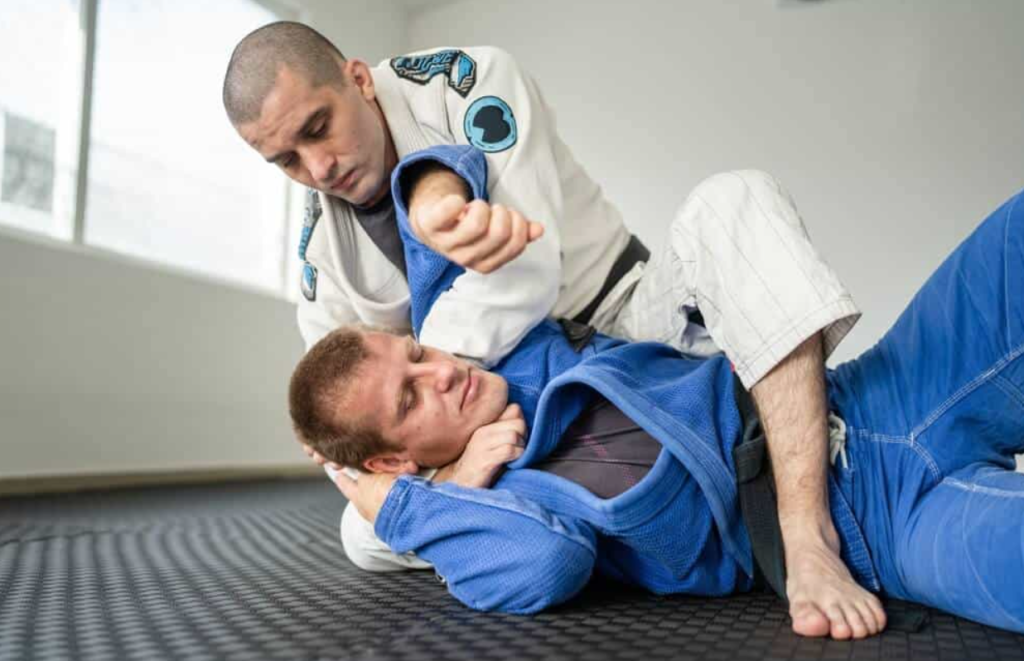
How Much Are Jiu-Jitsu Private Classes?

Why Are BJJ Gyms So Expensive?

BJJ gym fees can sometimes be relatively expensive compared to other types of martial arts. There are several reasons why BJJ gyms may have higher fees, including:

  1. Expertise of the instructors: BJJ requires a high level of expertise and experience from instructors, which can drive up the cost of instruction.
  2. Equipment and facilities: BJJ gyms require specialized equipment and facilities, such as mats and grappling dummies, which can be expensive to maintain and upgrade.
  3. Size of the gym: BJJ gyms may have smaller class sizes to allow for more personalized instruction, which can lead to higher fees per student.
  4. Class frequency: BJJ classes typically have a higher frequency of classes per week, which can lead to higher fees.

Overall, how much are Jiu-Jitsu classes in a given gym can be attributed to the specialized knowledge and equipment required to provide quality instruction and training.

Is Jiu-Jitsu Worth The Money?

As with any form of training, after learning how much are Jiu-Jitsu classes, many people may wonder if it is worth the investment. Here are four reasons why Brazilian Jiu-Jitsu is more than worth the money:

  1. Learn self-defense: Jiu-Jitsu is a practical self-defense system that can teach you how to defend yourself against attackers, even if they are larger and stronger than you. By learning the techniques and strategies of Jiu-Jitsu, you can feel more confident and prepared to handle dangerous situations.
  2. Get in shape: BJJ is also a full-body workout that can help you get in shape and improve your overall health. The training can increase your strength, flexibility, and cardio fitness, as well as help you lose weight and build some muscle mass
  3. Develop problem-solving skills: Brazilian Jiu-Jitsu requires a high level of mental engagement, as practitioners need to strategize and adapt to different opponents and situations. Through training, you can develop problem-solving skills, improve your critical thinking abilities, and enhance your overall cognitive function.
  4. Join a unique community: Jiu-Jitsu is more than just a martial art; it’s a community of people who share a passion for training and self-improvement. By joining a BJJgym, you can meet new people, make friends, and become part of a world-wide supportive community.

What Is The Most Expensive BJJ Gym In The World?

While some BJJ gyms may offer affordable membership fees, others come with a hefty price tag. The most expensive BJJ gym in the world for serious training is Atos Jiu-Jitsu, located in San Diego, California, USA.

Atos Jiu-Jitsu is known for producing some of the world’s best BJJ athletes and has become a household name in the BJJ community. However, the gym’s success and reputation come at a cost. The gym’s monthly membership fee starts at $300, making it one of the most expensive BJJ gyms in the world.

So, what makes Atos Jiu-Jitsu so expensive? For one, it has a team of world-class instructors, including the legendary Andre Galvao, who is a multiple-time BJJ world champion. The gym also boasts top-of-the-line facilities, including a large training area, an outdoor training space, and a recovery center with a sauna, cold plunge, and massage therapy.

Despite the high fees, Atos Jiu-Jitsu has a loyal following of members who are willing to pay a premium for quality instruction and training. The gym has produced several BJJ world champions and continues to attract top-level competitors from around the world.

Atos Jiu-Jitsu is the most expensive BJJ gym in the world, with a monthly membership fee of $300.

Another Jiu-Jitsu academy from California, located in Beverly Hills, called Exclusive Jiu-Jitsu. 3 classes per week cost a whopping $960 per month! Privates in this gym, frequented by A-list celebrities and the wealthiest people in the world, cost a $500 fee for a single private class!

How To Reduce The Cost Of Brazilian Jiu-Jitsu Classes

The cost of BJJ classes can sometimes be a barrier for some people. However, how much are Jiu-Jitsu classes does not have to affect whether you can train or not. There are several ways to reduce the cost of BJJ classes without compromising on the quality of training. Here are three ways to save money while learning BJJ:

  • Learn from YouTube: Many BJJ instructors and practitioners share their knowledge on YouTube, providing a wealth of free resources for those looking to learn the basics or improve their skills. By following instructional videos and tutorials, you can learn at your own pace and avoid paying for expensive classes.
  • Roll with someone who knows grappling: One of the best ways to learn BJJ is by rolling (sparring) with someone who has experience in grappling. This could be a friend, training partner, or even a more experienced student at your gym. By practicing with someone who knows what they are doing on your own, you can improve your technique and get valuable feedback without paying for formal classes.
  • Pay-per-class and join open mats: If you cannot afford to pay for regular classes, consider paying for individual classes or joining open mats. Open mats are typically less structured than formal classes, but they provide an opportunity to practice with other students and get feedback from instructors. By paying for classes as you go, you can save money and still receive valuable training.

In Conclusion

Wrapping up, the cost of practicing BJJ can vary depending on several factors, but it is possible to pursue this martial art without breaking the bank. By understanding the various costs associated with BJJ, you can budget accordingly and make informed decisions. It’s also important to remember that the benefits of practicing BJJ extends beyond the mat, including learning self-defense, getting in shape, developing problem-solving skills, and joining a unique community.

With these benefits in mind, it’s worth considering how much are Jiu-Jitsu classes and whether they are worth it for you. Finally, by following tips such as learning from YouTube, rolling with someone who knows grappling, and paying for individual classes or joining open mats, you can reduce the cost of BJJ classes and continue your BJJ journey.
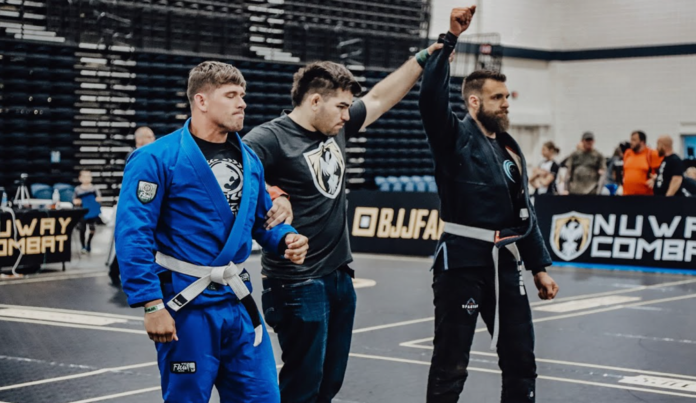
8 Simple Moves To Win Every BJJ Fight As A White Belt

Simple Moves To Win Every BJJ Fight As A White Belt

As a white belt, it can be challenging to win Jiu-Jitsu matches, especially against more experienced opponents. However, with the right techniques, mindset, and training, it is possible to come out on top. In this article, we will discuss some simple moves to win every BJJ fight as a white belt, tips on how to win a BJJ match, and how to win your first BJJ competition. We’ll also share some expert advice on how to win a Jiu-Jitsu tournament.

How To Win A BJJ Match

Whether you’re new to BJJ or a seasoned practitioner, winning a BJJ match takes skill, tactical thinking, and mental toughness. Victory comes mostly by outscoring or submitting an opponent, but it does it is not always so straightforward. The more you stick to simple moves that have been proven to work, the easier a winning outcome will be.

Tip #1: Establish Dominant Position

One of the most important things you can do in a BJJ match is to establish a dominant position early on. This means getting your opponent on the ground and taking control of their body. This could mean getting into the mount position, taking their back, or securing a side control position. The see positions also score points, so you’ll be dominant position-wise and have a scoring advantage over your opponent. Easy, right?

Tip #2: Keep Your Composure

BJJ matches can be intense and physically demanding, and it’s important to keep your composure throughout the match. Don’t let your emotions get the best of you, and try to stay calm and focused. This will help you make better decisions and avoid making mistakes that could cost you the match.

Tip #3: Use Simple Moves That Work

BJJ is a complex martial art with a wide range of techniques and strategies. To win a match, it’s important to use simple moves that are appropriate for your level, the opponent and the situation. This could mean using submission holds, sweeps, or transitions to gain an advantage.

Tip #4: Stay Active and Aggressive

In BJJ, the person who is more active and aggressive is usually the one who wins, even if the scoring is at a stalemate. Don’t be passive and wait for your opponent to make a move – be proactive and look for opportunities to attack. This could mean going for a submission hold, attempting a sweep, or transitioning to a more dominant position, even if you fail to achieve it completely.

How Do You Win Your First BJJ Competition?

If you’re new to BJJ, competing in your first BJJ tournament can be a daunting experience. With the right preparation and techniques, though, you can increase your chances of success. The following simple moves work from white to black belt, but if you master them as a beginner, you’ll hardly be in trouble in any BJJ fight during your white belt period.

Gripping Correctly

Gripping correctly is one of the most important aspects of BJJ. Proper grip placement and control can make all the difference in a match. One of the best ways to get a good grip is to grab your opponent’s lapel and sleeve. This will allow you to control their body and limit their movement.

You can also use your legs to control your opponent’s arms or legs, which will help you maintain control and position.

Pull Guard

Pulling guard is a common technique used in BJJ, especially for beginners. This involves sitting down and pulling your opponent into your guard. From this position, you can work on submissions and sweeps. However, pulling guard can be risky, as it can put you in a vulnerable position if your opponent is able to pass your guard. SO pulling guard won’t be enough and you’ll need to reinforce it with a strong closed guard game.

Pull Guard simple moves to win JIu-Jitsu matches

Armbar From Guard

The armbar from guard is a classic BJJ move that can be very effective in a competition. To execute it precisely, you’ll need to secure your opponent’s arm from the shoulder to the wrist and then extend your hips to put pressure on their elbow joint. The armbar from guard can be a great way to finish a match quickly and decisively.

Scissor Sweep

Get on top whenever you can. The scissor sweep is another of those simple moves in BJJ  that can be used to gain an advantage over an opponent at every level of the sport. To perform this move, you’ll need to control your opponent’s sleeve and collar, and then use your legs to sweep them off their feet. The position of the legs includes you lying on your side, with the shin of the top leg across the opponent’s belly, and the bottom one acting as a sickle. This will allow you to take a dominant position and control the match.

Standing Guard Pass

The standing guard pass is the single most useful technique for getting past your opponent’s closed guard and gaining a dominant position. Standing up in someone’s closed guard is difficult as a movement, but you can master it extremely quickly. Once you know how to stand up, there are several different ways to open and pass the legs.

Rear-Naked Choke

The rear-naked choke is arguably the most powerful submission in grappling. To execute it, you’ll need to get to the back mount first. You’ll then use your arms to dig in for the choke position, wrapping one arm around the neck and using the other to lock the choking arm into place.

Cross Choke From Mount

The cross choke from mount is another classic BJJ move that can be very effective in a competition. To perform this signature Roger Gracie Gi submission, you’ll need to secure a mount position on your opponent and then use your arms to grip the collars of the gi on each side. You need to cross your arms as you do so, hence the name. One of the most simple moves in BJJ yet it helped the aforementioned Roger Gracie to beat everyone he faced on his way to winning a BJJ World Title at black belt.

Side Control Escapes

A must for your life as Jiu-Jitsu white belt. It’s essential to know how to escape from side control, a skill you’ll use every time you train and often when you compete. Bridging your hips to create space between you and your opponent to re-guard is a classic but there are a bunch of other side control escapes to experiment with in order to make sure you’re difficult to pin down.

Side Control Escapes For White Belt Competitors

A Few Pro Tips For Winning A Jiu-Jitsu Tournament

Winning a Jiu-Jitsu tournament requires a combination of physical and mental abilities, along with specific techniques and strategies. The following pro tips on how to increase your chances of winning a Jiu-Jitsu tournament are based on lots of experience and white belt match analysis.

Relax And Listen

One of the most common mistakes that beginners make in Jiu-Jitsu is being too tense and nervous during a competition. This can cause them to become exhausted quickly and make poor decisions. It is essential to relax and focus on your breathing to conserve your energy and clear your mind. Listening to your coach’s advice and your corner’s instructions can also help you make better decisions during the match.

Act First

In BJJ, being the first to act can often give you an advantage. This means that you should try to initiate moves and take control of the match as soon as possible. Being on the defensive can make you more vulnerable to your opponent’s attacks, and it can be challenging to recover from that position. Therefore, being proactive and taking the initiative can give you an edge over your opponent.

Play To Your Strengths

Every grappler has their own unique style and strengths. Even at white belt, some prefer to focus on submissions, while others prefer takedowns and guard passing. It is crucial to play to your strengths and use simple moves that you are comfortable with during the match. This will help you drag the opponent into your domain, and increase your chances of winning.

Keep Moving

Staying active and moving around the mat is essential in Brazilian Jiu-Jitsu. This can help you avoid being trapped in a bad position and prevent your opponent from gaining control. Moving around the mat can also tire out your opponent and create opportunities for you to attack. However, it is essential to maintain control and purpose of your movements and avoid being too frantic, which can lead to mistakes.

Apply Time-Based Tactics

In a BJJ fight, there is a preset time limit, which for white belts is usually 5 minutes. It is crucial to use the time to your advantage by applying time-based tactics. For example, if you are leading on points, you can try to stall or maintain a defensive position to run out the clock. Alternatively, if you are losing, you have to become more aggressive and take risks to score points or submit your opponent.

During a stalemate, the final minute of a match is when you should go all out, as opposed to trying to go at a high pace for the duration of the entire 5 minutes.

8 Simple Moves To Win JIu-JItsu tournaments

In Conclusion

Winning a BJJ fight or tournament is not an easy feat, but it’s not impossible either. By mastering fundamental simple moves, developing a strategic mindset, and staying focused, you can increase your chances of success. Remember to stay consistent in your training, listen to your coach, and have fun. With dedication and hard work, you can become a formidable BJJ practitioner and achieve greatness at every belt level.

Secrets Of Shoot Boxing And The Illustrious Chute Boxe Academy

Secrets Of Shoot Boxing And The Chute Boxe Academy

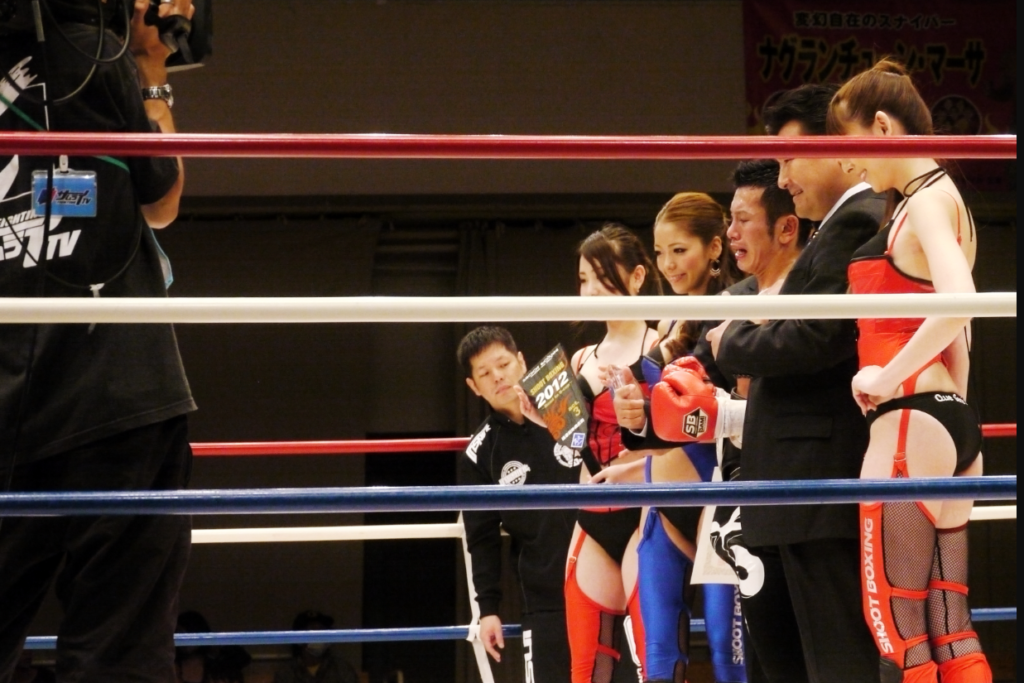
Shoot boxing is a hybrid martial art combining kickboxing, Muay Thai, and wrestling elements. It was first introduced in Japan in the late 1980s and has since spread to various countries around the world. In this article, we will look at the history of shoot boxing, its rules, weight classes, scoring system, matches, and championships. We will also take a closer look at the legendary Chute Boxe Academy in Curitiba, Brazil, and how it impacted the development of other combat sports like MMA and Vale Tudo.

What Is Shoot Boxing

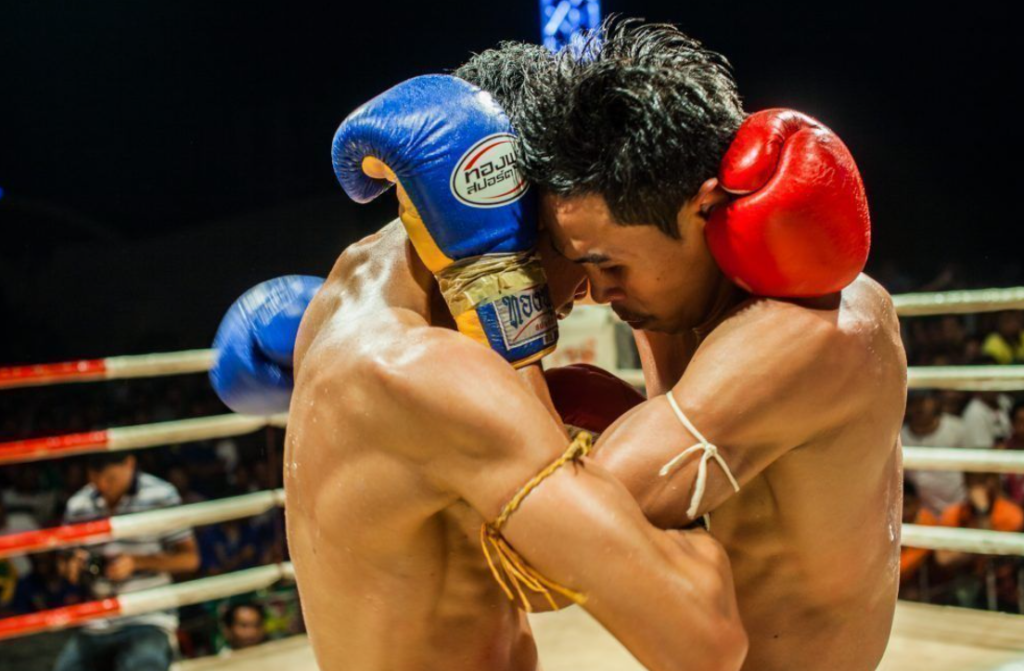
Shoot boxing is a hybrid combat sport that originated in Japan in the early 1980s. It combines elements of kickboxing, Muay Thai, and grappling, with an emphasis on striking and throwing techniques. Unlike traditional kickboxing, shoot allows fighters to throw their opponents to the mat and follow up with ground-and-pound techniques.

The rules of shoot boxing are similar to those of kickboxing, with fighters wearing gloves and competing in a ring. However, in shoot, fighters are allowed to clinch and throw their opponents to the mat. Once a fighter has thrown their opponent, they can follow up with punches, kicks, or knee strikes. That said, fighters are not allowed to continue striking their opponent once they are on the ground.

Another unique aspect of shoot boxing is the use of standing submissions. This means that fighters can attempt submission holds, such as arm bars and chokes, while their opponent is still standing. If the fighter successfully executes a standing submission, the opponent must submit or be thrown to the mat.

One of the most well-known promotions is the Shoot Boxing World Tournament, which features top fighters from around the world competing for a cash prize. The tournament is held annually and attracts a large following of combat sports fans.

What Is Shoot Boxing

History Of Shoot Boxe

Where did shoot boxing come from, and how has it evolved over time?

Shoot boxing was created in Japan in the early 1980s by a professional wrestler named Satoru Sayama, who was also the founder of the shoot-style wrestling organization, Universal Wrestling Federation (UWF). Sayama wanted to create a new combat sport that would incorporate elements of grappling and striking, while also emphasizing the importance of technique and strategy.

The first shoot boxing event was held in 1985, and it quickly gained popularity in Japan. In the early years, the sport was seen as an extension of kickboxing, with many of the same rules and regulations. It quickly developed its own unique style, with an emphasis on throwing and submission techniques.

In the early 1990s, shoot boxing began to attract top fighters from around the world. One of the most well-known fighters in the early days of shoot boxe was Andy Hug, a Swiss kickboxer who won the Shoot Boxing World Tournament in 1993. Hug’s success helped to raise the profile of the sport and attract more international fighters.

Over the years, this combat sport has continued to evolve, with new techniques and strategies being developed by fighters and coaches. In 2003, shoot boxing introduced a new rule that allowed fighters to attempt submissions while standing, adding an extra layer of strategy and excitement to the sport.

Today, shoot boxing is a popular combat sport in Japan and is gaining a following in other parts of the world. One of the most well-known promotions is the Shoot Boxing World Tournament, which features top fighters from around the world competing for a cash prize.

What Are The Shoot Boxing Rules?

Shoot boxing is similar to kickboxing in that fighters wear gloves and compete in a ring. Still, there are some key differences that give shoot its originality. Fighters are allowed, and even tactically encouraged, to clinch and throw their opponents to the mat. Once a fighter has thrown their opponent, they can follow up with punches, kicks, or knee strikes. However, fighters are not allowed to continue striking their opponent once they are on the ground.

Weight Classes

Like most combat sports, shoot boxing has weight classes to ensure that fighters are competing against opponents of a similar size and weight. There are currently six weight classes:

  1. Flyweight: Up to 53 kg
  2. Featherweight: 53.1 to 56 kg
  3. Lightweight: 56.1 to 60 kg
  4. Welterweight: 60.1 to 65 kg
  5. Middleweight: 65.1 to 70 kg
  6. Heavyweight: Over 70 kg

Scoring System

The scoring system in shoot boxing is similar to that of kickboxing. Fighters score points by landing strikes on their opponent, including punches, kicks, and knee strikes.

The number of points awarded depends on the type of strike and the effectiveness of the strike. For example, a clean punch to the face will score more points than a glancing kick to the leg.

In addition to strikes, fighters can also score points by throwing their opponent to the mat and following up with strikes. However, as mentioned earlier, fighters are not allowed to continue striking their opponent once they are on the ground.

Submissions are also an option for victory but are only allowed while both fighters are standing.

Shoot Boxing Matches

Shoot boxing matches consist of three rounds, with each round lasting three minutes. Fighters are allowed one minute of rest between rounds. If a fighter is knocked down, the referee will begin a standing eight-count. If the fighter is unable to continue after the count, the match is over.

Championships

One of the most prestigious championship is the Shoot Boxing World Tournament. This annual event features top fighters from around the world competing for a cash prize. The tournament consists of a series of elimination matches, with the winners advancing to the next round. The final match is a five-round fight, with the winner being crowned the Shoot Boxing World Champion.

Some other notable championships include:

  1. Japan Super Championship
  2. RISE World Series
  3. Road to Glory Japan
  1. Shoot Boxing Girls oot-fightingip-shS-Cup Championship

What Is The Chute Boxe Academy?

The Chute Boxe Academy is a legendary Brazilian mixed martial arts team known for producing some of the most fearsome fighters in MMA history. It was based out of Curitiba, Brazil, under the guidance of Rudimar and Rafael Fedrigo.

The Legendary Chute Boxe Team

The Chute Boxe Academy was founded in 1978 by brothers Rudimar and Rafael Fedrigo in Curitiba, Brazil. The gym quickly gained a reputation for producing some of the best strikers in the world, with Chute Boxe fighters like Wanderlei Silva, Mauricio “Shogun” Rua, and Anderson Silva becoming household names in the MMA world.

The Academy was known for its aggressive fighting style, with an emphasis on Muay Thai and boxing techniques. Fighters from Chute Boxe were known for their devastating knee strikes, which often ended fights in spectacular fashion.

There is still the aura of mystery regarding the team’s notoriously difficult sparring sessions, which multiple team members that turned into UFC champions described as being a lot more difficult (and dangerous) than the actual fights.

The Chute Boxe Academy vs Brazilian Top Team Rivalry

One of the most famous rivalries in Brazilian MMA history was between the Chute Boxe Academy and the Brazilian Top Team (BTT). The two teams had a heated rivalry that lasted for years, with both sides producing some of the best fighters in the sport.

The rivalry between Chute Boxe and BTT reached its peak in 2003 when Wanderlei Silva, a Chute Boxe fighter, faced off against Ricardo Arona, a BTT fighter, in the finals of the Pride Middleweight Grand Prix. The fight was a classic, with Silva ultimately winning by knockout in the third round.

Downfall Of The Chute Boxe Academy

Despite its success in the early years of MMA, the Chute Boxe Academy began to decline in the late 2000s. Many of its top fighters either retired or left the gym for other teams, and the gym struggled to produce new talent.

The downfall of the Chute Boxe Academy can be attributed to a number of factors, including changes in the sport of MMA and increased competition from other gyms. However, the legacy of the Chute Boxe Academy lives on, with many of its fighters considered legends of the sport.

Is Shoot Boxing Effective For Self-Defense?

Shoot boxing has gained popularity among martial arts enthusiasts for its fast-paced and intense fighting style. But can it be effective for self-defense if you’re not at the same level as the bests from the Chute Boxe Academy? Let’s take a careful look at the advantages and disadvantages of using shoot for self-defense.

Advantages of Shoot Boxing for Self-Defense

  • Striking Techniques: Shoot boxing is known for its striking techniques, which include punches, kicks, and knee strikes. These techniques can be highly effective in defending oneself against an attacker.
  • Clinch Work: Shoot also incorporates clinch work, which involves close-range fighting and grappling. This can be useful in situations where an attacker is in close proximity.
  • Fitness: Training in shootboxing can improve your overall fitness level, which can increase your chances of successfully defending yourself in a physical confrontation.

Disadvantages of Shoot Boxing for Self-Defense

  1. Ruleset: Shoot boxing has specific rules and limitations that may not apply in a real-life self-defense situation. For example, certain strikes, such as headbutts and groin strikes, are not allowed in shoot.
  2. Ground Fighting: Shoot boxing does not emphasize ground fighting, which can be a disadvantage in self-defense situations where the attacker takes the fight to the ground.
  3. Multiple Attackers: Self-defense situations often involve multiple attackers, which can make it difficult to apply shoot techniques effectively.

Shoot Boxing Selfoot-boxing Defense

Shoot Boxing vs. MMA

Shoot boxing MMA are two combat sports that share many similarities but also have distinct differences.

The rules of shoot boxing and MMA are quite different.

The effectiveness of shoot boxe and MMA as combat sports is a topic of debate among martial arts enthusiasts.

  • MMA is often considered to be more effective in a real-life self-defense situation due to its inclusion of grappling and ground fighting techniques.
  • Shoot boxing, on the other hand, is seen as more focused on striking and may be less effective in close-quarters combat.
  • it’s important to note that both sports require a high level of skill and physical conditioning to be effective in combat. The best approach to self-defense is to train in a variety of martial arts and combat sports, including shoot boxing and MMA, to develop a well-rounded skill set.

What Is The Difference Between Shootboxing And Vale Tudo?

Shoot boxing and Vale Tudo are combat sports with distinct differences in rules, techniques, and overall approach to fighting.

Rules of shoot boxing and Vale Tudo differ significantly.

  • Shoot boxing is a hybrid combat sport that combines elements of kickboxing, Muay Thai, and grappling, but does not allow ground fighting or submissions.
  • Vale Tudo, on the other hand, is a combat sport that allows for striking, grappling, and submissions, with few rules and limited protective gear.

The approach to fighting in shoot boxing and Vale Tudo is also quite different.

  • Shoot boxing is a fast-paced and intense combat sport that emphasizes striking and clinching techniques. It requires a high level of athleticism, speed, and precision.
  • Vale Tudo, on the other hand, is a more brutal and aggressive combat sport that emphasizes both striking and grappling techniques. It requires a high level of physical strength, endurance, and technical skill.

Conclusion

Shoot Boxing is a unique and very dynamic combat sport that combines striking and grappling techniques to create a fast-paced and exciting experience for both fighters and spectators. It has a rich history and continues to evolve as a sport with its own set of rules, weight classes, scoring system, matches, and championships.

Solutions For A Sore Forearm From BJJ: Best Practices And Stretches

Solutions For A Sore Forearm From BJJ: Best Practices And Stretches

BJJ is an exciting and challenging sport and not one without its risks. One of the most common complaints among BJJ practitioners is sore forearms. Forearm pain can range from a dull ache to a sharp burning sensation, and it can significantly impact your ability to train effectively. Today we’ll discuss the case of a sore forearm (or two), exploring the causes of forearm pain in BJJ, how to prevent it, and how to relieve it if you do experience it.

Why Do You Get Sore Forearms From BJJ?

If you practice BJJ, you may experience sore forearms, which can be uncomfortable and even debilitating. The stress on the forearms is pretty significant during grappling, with all the grabbing, pulling, twisting, and rotating we do with our arms. Forearm pain is not something that is too dangerous, but it shouldn’t be taken lightly either.

What is Forearm Pain?

Forearm pain is a common condition that affects many people, especially those who perform repetitive activities that involve the wrists and arms (like grapplers). The pain can be felt anywhere from the wrist to the elbow and can range from mild discomfort to severe pain. Forearm pain can be caused by various factors, including overuse, injury, and pre-existing medical conditions.

What Causes Forearm Pain?

There are several factors that can cause forearm pain in BJJ practitioners. One of the most common causes is overuse of the forearm muscles. When you train BJJ regularly, your forearms are constantly engaged, which can lead to inflammation and soreness.

Another cause of forearm pain is improper technique. If you’re using less than optimal mechanics when performing BJJ techniques, you are most likely putting undue stress on your forearms. This can lead to strains, sprains, and other injuries which are very uncomfortable for a few days.

Other factors that can contribute to a sore forearm and localized pain in BJJ include:

  1. Poor conditioning of the forearm muscles.
  2. Lack of proper warm-up and cool-down exercises.
  3. Inadequate rest and recovery time between training sessions.
  4. Using a grip that is too strong or too weak.
  5. Excessive gripping or holding during training.

Forearm pain and soreness in JIu-JItsu

How to Prevent A Sore Forearm And Forearm Pain in BJJ?

Fortunately, there are several steps you can take to prevent forearm pain in BJJ.

  1. Conditioning. First and foremost, it’s important to properly condition your forearm muscles. This can be achieved by performing specific exercises that target the forearm muscles, such as wrist curls, reverse wrist curls, and grip strength exercises.
  2. Mobility. Additionally, incorporating proper warm-up and cool-down exercises into your training routine can help prevent forearm pain. Stretching and foam rolling will help increase blood flow and reduce inflammation in the forearms.
  3. Technique. Proper technique is also crucial in preventing forearm pain. Make sure you’re using mechanics as opposed to strength when performing BJJ techniques, in order to avoid overusing your forearms. Be sure to take breaks when needed and avoid excessive gripping or holding during training.
  4. Nutrition. Eating a healthy, balanced diet and staying hydrated can help to prevent muscle fatigue and soreness. It’s recommended to consume a diet rich in protein, complex carbohydrates, and healthy fats to support muscle growth and repair.

How Do You Soothe A Sore Forearm?

Sore forearms can be a real pain, especially if you engage in activities that require repetitive arm movements, such as grappling or MMA. Gi Jiu-Jitsu is particularly taxing on the forearms. Fortunately, there are effective massages and stretches that can help soothe a sore forearm and promote faster recovery.

Massages To Relieve Pressure

Massages can help alleviate pressure and tension in the forearm muscles, allowing for better blood flow and faster recovery. Here are some effective massages to try:

Barbell Massage: Using the thick part of a barbell, roll the forearm muscles from the elbow to the wrist. Apply moderate pressure and focus on the areas that feel the most tender or sore.

Dumbbell Forearm Massage: Using the end part of a dumbbell, roll the forearm muscles from the elbow to the wrist, applying pressure. This massage is especially effective for targeting the extensor muscles in the forearm.

Lacross Ball Self Myofascial Release: Place a lacrosse ball on a flat surface and roll the forearm muscles over it, applying pressure as needed. This massage is ideal for targeting specific trigger points.

Self-Applied Pressure Point Massage: Apply pressure with your fingers or thumb to the tender areas in your forearm muscles. Hold the pressure for a few seconds, release, and repeat as needed.

Self Myofascial Release With Joint Flossing Technique: Use a foam roller or a massage ball to release tension in the forearm muscles. Prior to rolling tie the forearm with a specialized flossing band to restrict blood flow.

Stretching To Relieve Pressure

Stretching is another effective way to relieve pressure and tension in the forearm muscles and get rid of a sore forearm from grappling. Here are some useful stretches to try:

  1. Wrist Extensor Stretches: Place your arm straight in front of you with your palm facing down. Use your other hand to gently pull your fingers back towards your wrist until you feel a stretch in your forearm muscles.
  2. Wrist Flexor Stretches: Place your arm straight in front of you with your palm facing up. Use your other hand to gently push your fingers down towards your wrist until you feel a stretch in your forearm muscles.
  3. Wrist Pronator Stretch: Place your arm straight in front of you with your palm facing down. Use your other hand to gently rotate your forearm towards your body until you feel a stretch in your forearm muscles.
  4. Wrist Supinator Stretch: Place your arm straight in front of you with your palm facing up. Use your other hand to gently rotate your forearm away from your body until you feel a stretch in your forearm muscles.

How To Strengthen Your Forearms For Grappling

If you’re a grappler, having a strong grip and forearms can be a game-changer. It can help you dominate your opponent, maintain control, and prevent injuries. Here are five of the best Jiu-Jitsu grip and forearm exercises to help you improve your grappling game.

  • Farmer’s Walks

Farmer’s walks are a great exercise for building grip strength and overall forearm endurance. To perform this exercise, grab a pair of heavy dumbbells or kettlebells and walk a set distance, keeping your shoulders back and your core engaged.

  • Plate Pinches

Plate pinches are another fantastic grip and forearm exercise that can be done with any weighted plate. Simply grab the plate with your fingertips, hold it for a set amount of time, and then release. Increase the weight and duration over time to continue building strength.

  • Pull-Ups

Pull-ups are a classic exercise that can improve your grip and forearm strength. Not only do pull-ups work your back and biceps, but they also engage your forearms as you grip the bar.

  • Reverse Barbell Curls

Reverse barbell curls specifically target your forearm muscles, including your wrist extensors. To perform this exercise, grip a barbell with an overhand grip and curl it up towards your shoulders.

  • Gripping a Gi

One of the most effective ways to strengthen your grip and forearms for grappling is to practice gripping a Gi. Grab onto your partner’s Gi during training and hold on tight. Focus on using your fingertips and keeping your grip firm and steady.

Incorporating these exercises into your training routine can help you improve your grip and forearm strength, giving you a significant advantage in Jiu-Jitsu and other grappling sports. Remember to start with lighter weights and gradually increase the intensity over time to prevent injury and maximize results.

Forearm and grip strengthening excises for BJJ

How Long Does A Sore Forearm Take To Heal?

Sore forearms can be a common complaint among athletes, especially grapplers, weightlifters, and individuals who perform repetitive arm movements. The amount of time it takes for a sore forearm to heal depends on the severity of the injury, the individual’s overall health, and their adherence to proper treatment and rehabilitation methods.

Mild cases of forearm soreness caused by overuse or minor strain can heal within a few days to a week with proper rest, ice, compression, and elevation.

More severe cases of forearm pain, such as those caused by a fracture or torn muscle, can take several weeks or even months to heal fully.

To speed up the healing process, it’s essential to avoid activities that aggravate the injury and focus on rest and proper rehabilitation. This may include stretching, massage, physical therapy, or other forms of treatment recommended by a healthcare professional.

It’s crucial to note that returning to regular activities too quickly can further damage the forearm muscles and prolong the healing process. It’s essential to listen to your body and consult with a healthcare professional to determine the appropriate timeline for returning to your regular activities.

Conclusion

Forearm pain is a common issue for BJJ practitioners, but it doesn’t have to be a hindrance to your training. By understanding the causes of forearm pain, how to prevent it, and how to soothe it if you do experience it, you can continue to train effectively and improve your grappling game. Strengthening your forearms with the five best Jiu-Jitsu grip and forearm exercises can also help prevent future injuries and give you a significant advantage on the mat.

Craig Jones “Just Stand Up” BJJ DVD Review

REVIEW: Craig Jones "Just Stand Up" BJJ DVD

Craig Jones is emerging as one of the better coaches in Jiu-Jitsu, on top of being the best second-rated grappler in the world under many different rulesets. The charismatic and increasingly eccentric Aussie now treats us with a look into his wrestling from the bottom approach through the new instructional Just Stand Up by Craig Jones.

ON SALE HERE:

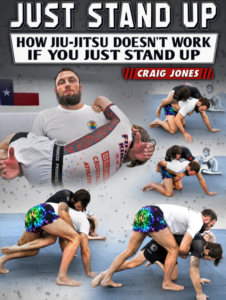
Craig Jones "Just Stand Up" BJJ DVD cover front
Techniques List and More Info

Overview

Just Stand Up is another one of Craig Jones’ jokingly named BJJ DVD instructional which delivers excellent content. With the rise of wrestling in Jiu-Jitsu, and particularly No-Gi, this one is straight down Craig Jones’ alley. 

Just Stand Up by Craig Jones is an instructional focusing on escaping in a nontraditional way when it comes to BJJ. A wrestling staple is to try and get to your feet when in trouble, and Craig demonstrates how those principles can carry over to BJJ.

Craig does not only offer ways out of traditional Brazilian Jiu-Jitsu pins but also shows how you can improve the ways you pin and hold people down. His approach will help you deal with wresters and explosive fighters both in a defensive and offensive manner.

Instructor Background

There’s not much left to discover about Craig Jones as he is one of the most famous personalities in Jiu-Jitsu. The Aussie leaped into the spotlight during a legendary performance at EBI, ending with a near finish of an armbar against Gordon Ryan in the finals.

Craig, learning BJJ under the tutelage of Lachlan Giles, emerged as a leg locker who took a different approach to the then-dominating Danaher Death Squad, and made it work at the highest levels of grappling.

Jones has not left the spotlight since, dominating in plenty of pro-grappling performances, issuing numerous BJJ instructional and launching his own gym and team in B-Team, after the public split from the DDS which he joined not long after his legendary meet with Ryan in EBI.

Just Stand Up is the latest in a series of Craig Jones BJJ DVD instructionals which amass to a whooping 16 instructionals.

Subject

The subject of Just Stand Up by Craig Jones is about the fallacies Jiu-Jitsu has in the department of pinning, both offensively and defensively, and how the lesson learned early in wrestling about standing up is widely applicable to BJJ. Craig uses the turtle position to get his point across.

Craig also uses upper body controls like underhooks and crossfaces and leg rides like the Turk to provide a different perspective to offensive pinning in BJJ. Jones also includes submissions and some staple wrestling moves named after wrestling greats.

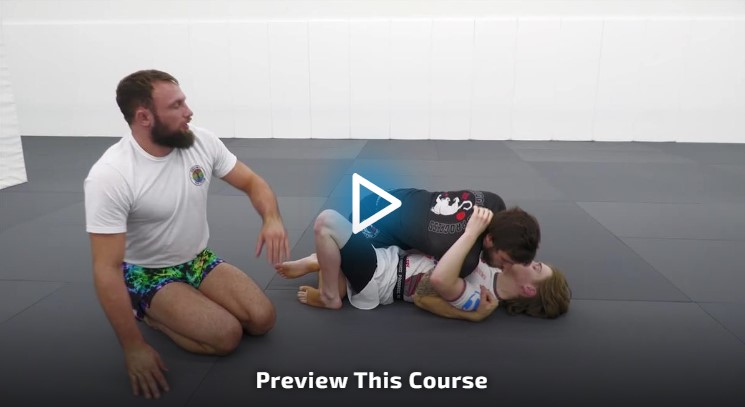
Craig Jones Just Stand Up Preview

Complexity

Craig is an excellent coach and gets to the bottom of every subject covered in distinct chapters, but the subject matter itself requires at least some rudimentary background in wrestling or at least a working knowledge of some of the key movement patterns in grappling, like Granby rolls, front headlock, sit-outs and similar.

The complexity level of Just Stand Up by Craig Jones is intermediate.

Technical Details

The camera work and sound quality are at the usual standard expected by an instructor from the BJJ Fanatics production.

Content-wise, the DVD follows the usual four-volume release, with half (two DVDs) covering pinning escapes, while the final two focus on pinning and controlling people that are hard to keep a hold of.

Each of the four parts of this Craig Jones DVD lasts around an hour, bringing the total running time of the instructional to just above 4 hours.

The release is available in both DVD and digital formats.

Detailed Analysis

Craig Jones "Just Stand Up" BJJ DVD Techniques

DVD #1

Craig starts this instructional by pointing out common mistakes we do in BJJ when it comes to pinning and how most people in Jiu-Jitsu pin themselves, hence the easy dominance wrestlers have over Jiu-Jitsu athletes.

Craig goes on to portray the principle taught to wrestlers about standing up, opening up the eyes of BJJ folk through the example of the turtle. He shares a new and updated version of the turtle, focusing on tucking the elbows and specific foot positioning that allows you to move out of the turtle in a vertical manner, hence scuppering any back take or front headlock attacks.

The first volume of Just Stand Up also covers hand fighting from the turtle, Granbying out, and building height when standing.

DVD #2

The second portion of the DVD focuses on the one seat belt and uses a simple motion like the hip sit to control everything, from the power half, to turtled-up opponents and even ways of dealing with bodylocks.

Towards the end of this volume, Jones introduces the Turk, a wrestling leg ride that is a real turtle killer and an incredible way of pinning people using only one leg and your body weight.

DVD #3

The offensive aspects of Just Stand Up by Craig Jones begin with the leg rides at the end of the second volume and extend to cover pinning via staples, crossfacing, and the heavy use of underhooks we’re used to seeing in wrestling.

The real turning point is the way Jones combines together upper body controls (underhooks and crossface) with the leg rides (Turk) to burrow through any defense, at the very least forcing half guard from opponents.

He wraps this portion up by exploring submissions as potential pinning positions and gives a new approach to finishing the arm triangle with lots of details.

DVD #4

The final portion of the instructional covers the craziest stuff, as is the expectation from a Craig Jones DVD. 

Unorthodox setups, North-South attacks, and some interesting insights on the front headlock position dominate the first half of this volume. The cherry on top is the so-called Sucker Drag, along with the Barrel Roll and bonus Shultz choke and Saitiev Reversal to further spice this DVD up with some wrestling magic. 

How We Grade BJJ Instructional Just Stand Up by Craig Jones

Considering Craig Jones’ Just Stand Up instructional DVD’s technical aspects and quality of content, we come to an overall score for this instructional that I’ll deliberate in short below.

Technical Quality: 10/10

From the audio, video, and format aspects to the organization of material, camera work, and delivery of the information, there is no technical aspect of the Just Stand Up DVD that is below par. 

Quality of Content: 9/10

The only reason we dock a point in terms of the quality of content is the intermediate level of the material outlined in the instructional, as well as the fact that Craig favors No-Gi and the entire instructional is delivered in such a fashion.

Overall: 9/10

Beginners and intermediate grapplers will get a lot of technical ideas on how to approach pinning in Jiu-Jitsu, while seasoned, advanced grapplers are going to get a complete change of perspective on the subject by integrating these wrestling principles. 

Wrap Up

Just Stand Up by Craig Jones is a grappling DVD more than worth having in your collection. Instead of trying to learn wrestling on your own outside of Jiu-Jitsu, why not get a digested version of very specific aspects of wrestling from BJJ from the best second-place grappler in the world himself?

ON SALE HERE:

Craig Jones "Just Stand Up" BJJ DVD cover front
Techniques List and More Info

Full-Body Plate Workout Circuits for Jiu-Jitsu Strength and Conditioning

Full-Body Plate Workout Circuits for Jiu-Jitsu Strength and Conditioning

Jiu-Jitsu is a physically demanding sport that requires strength, endurance, and agility. To improve their performance on the mat, many BJJ athletes incorporate weight training into their training regimen. One piece of equipment that has become increasingly popular for BJJ conditioning is the weighted plate. A weighted plate workout can be used in a variety of ways that help to build strength, stability, and explosive power, all of which are essential for grappling.

Benefits Of Using A Weighted Plate For Weight Training For Jiu-Jitsu

As a Jiu-Jitsu athlete, incorporating weight training into your routine can help improve your overall performance on the mat. While traditional free weights such as dumbbells and barbells are effective, using a weighted plate can offer unique benefits that can enhance your training.

Increases Grip Strength

One of the most significant benefits of using a weighted plate for strength training is that it can help to increase your grip strength. When performing exercises such as plate pinches or farmer’s walks, the smooth surface of the plate can be challenging to hold onto, forcing you to use more grip strength to maintain control. Improved grip strength can be especially beneficial in Jiu-Jitsu, where controlling your opponent and maintaining a strong grip is essential.

Enhances Core Stability

Another benefit of using a weighted plate is that it can enhance your core stability. Exercises such as plate twists and overhead presses can help to engage your core muscles, promoting better balance and stability. This can be especially beneficial in Brazilian Jiu-Jitsu, where a strong core is essential for maintaining proper posture and control during takedowns and grappling.

Offers Versatility

Weighted plates can be used in a wide variety of exercises, making them a versatile tool for your weight training routine. Whether you’re performing squats, lunges, or overhead presses, incorporating a weighted plate can add an extra challenge to your workout. Additionally, weighted plates come in a range of sizes and weights, allowing you to increase the resistance as you become stronger and more advanced in your training.

Promotes Joint Health

Using a weighted plate workout can also promote joint health. Exercises such as plate squats and lunges can help to strengthen the muscles around your knees and ankles, promoting better stability and reducing the risk of injury. This can be especially important for BJJ athletes, who rely heavily on their lower body strength during takedowns and ground work.

Incorporating A Weighted Plate Workout Into Your Weight Training Routine

To incorporate a weighted plate workout into your weight training routine for Jiu-Jitsu, start with simple exercises such as plate pinches and farmer’s walks. From there, you can progress to more advanced exercises such as plate twists, overhead presses, and lunges. Be sure to start with a lighter weight and focus on proper form and technique to prevent injury. Gradually increase the resistance as you become stronger and more comfortable with the movements.

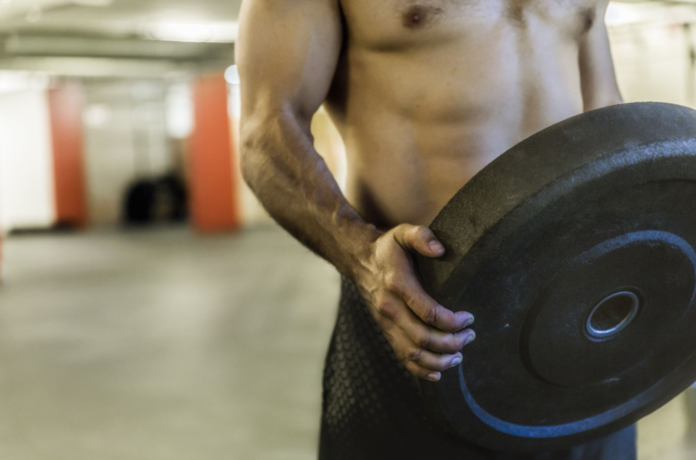
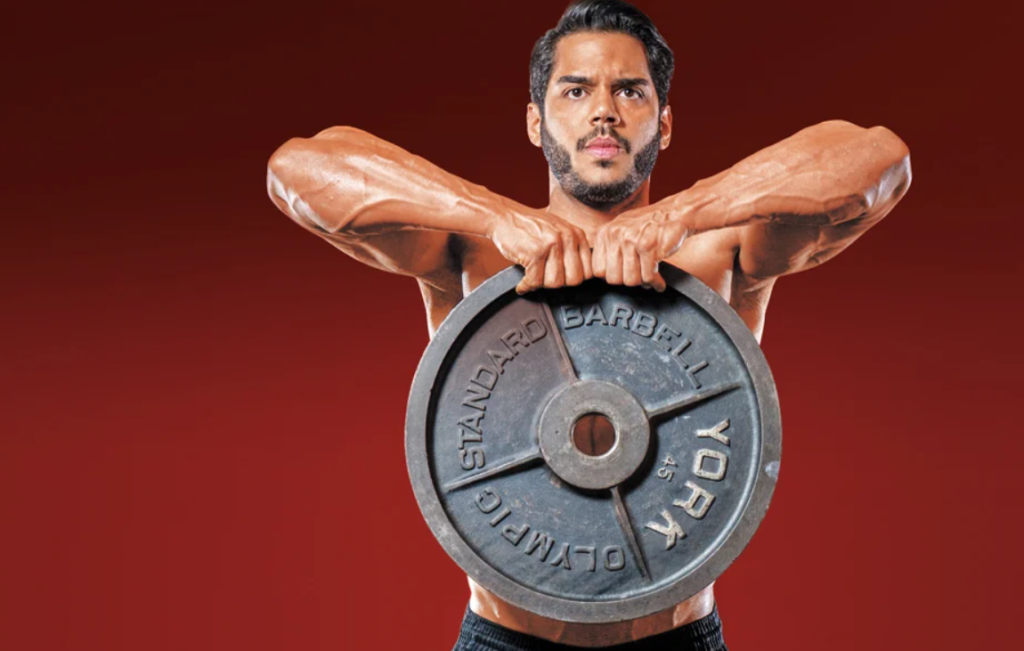
Weighted plate training

The 10 Best Exercises To Do With A Weight Plate

Weight plates offer a versatile tool for exercises that work for multiple muscle groups simultaneously, helping to build functional strength that translates well to the mats. The following 10 exercises are particularly helpful for grapplers to do.

  1. Plate Loaded Squats: Load a weight plate onto your back, or hold it in front of your chest, holding it in place with your hands. Squat down and then stand back up, engaging your core and leg muscles.
  2. Russian Twist: Sit on the floor with your knees bent, holding a weight plate with both hands in front of your chest. Lean back slightly and twist your torso from side to side, engaging your oblique muscles.
  3. Plate Loaded Lunges: Hold a weight plate at your chest or overhead while performing lunges, alternating legs to work both sides.
  4. Overhead Plate Press: Hold the weight plate overhead, then press it up towards the ceiling, engaging your shoulders, arms, and upper back.
  5. Plate Loaded Deadlifts: Place a weight plate on the ground, then stand with your feet shoulder-width apart, gripping the edges of the plate. Hinge at the hips and lift the plate off the ground, engaging your glutes and hamstrings.
  6. Plate Loaded Bent Over Rows: Hold a weight plate with both hands and hinge forward at the hips. Keeping your elbows tucked in, pull the plate towards your chest, engaging your upper back and biceps.
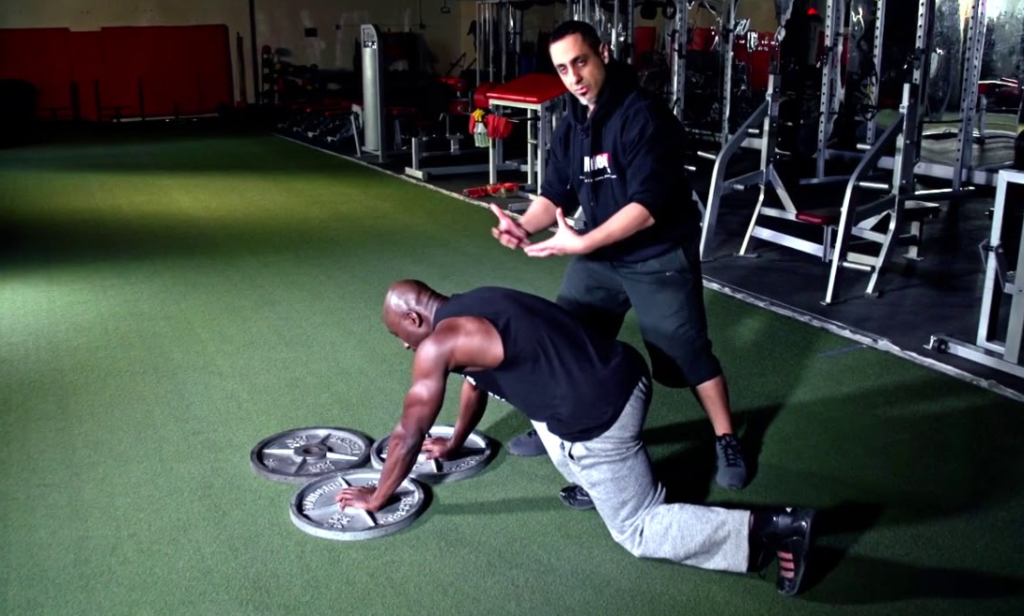
  7. Plate Loaded Plank Rows: Place a weight plate on the ground and get into a plank position with your hands on the plate. Alternating sides, lift the plate off the ground and row it towards your ribcage, engaging your core and upper back.
  8. Plate Loaded Sit-Ups: Hold a weight plate against your chest while performing sit-ups, engaging your core and abs.
  9. Plate Loaded Push-Ups: Place a weight plate on the ground and perform push-ups with your hands on the plate, engaging your chest and triceps.
  10. Plate Loaded Thrusters: Hold a weight plate at your chest and perform a squat, then stand up and press the plate overhead, engaging your legs, core, and shoulders.

Incorporating these 10 exercises into your training routine can help you build strength, power, and functional fitness that translates well to the mats.

Plate Workout for Jiu-Jitsu

Full-Body Weight Plate Workout Circuit For Grappling Strength

If you’re looking for a full-body workout that can help you improve your grappling strength, look no further than the weight plate circuit workout. With this routine, you’ll work multiple muscle groups at once, using a simple and versatile piece of equipment.

Here’s how to do the full-body weight plate circuit workout for grappling strength:

  1. Overhead Press: Start by holding a weight plate with both hands, with your arms fully extended overhead. Slowly lower the weight down towards your shoulders, then press it back up to the starting position. Repeat for 10-12 reps.
  2. Weighted Lunges: Hold the weight plate at your chest, with your elbows tucked in. Step forward with one foot, bending both knees to lower into a lunge. Push back up to standing and repeat on the other side. Do 10-12 reps on each leg.
  3. Weighted Sit-Ups: Hold the weight plate at your chest as you do a sit-up. Lower yourself back down and repeat for 10-12 reps.
  4. Bent Over Rows: Hold the weight plate with both hands, and hinge forward at the hips so your back is parallel to the floor. Keeping your arms close to your sides, pull the weight up towards your chest, squeezing your shoulder blades together. Lower the weight back down and repeat for 10-12 reps.
  5. Russian Twists: Sit on the floor with your knees bent and feet flat on the ground. Hold the weight plate with both hands, and lean back slightly. Twist your torso to the right, tapping the weight on the ground, then twist to the left and tap the weight on the ground. Repeat for 10-12 reps on each side.
  6. Squat Press: Hold the weight plate at your chest, and lower down into a squat. As you stand back up, press the weight overhead. Lower the weight back down and repeat for 10-12 reps.
  7. Plank Drags: Start in a plank position with the weight plate beside you. Use one hand to drag the weight plate towards your other hand, then switch sides and repeat. Do 10-12 reps on each side.

Repeat the entire circuit 2-3 times, with a 60-second rest between circuits. This workout will target your shoulders, chest, back, core, and legs, making it the perfect total-body routine for improving your grappling strength.

Plate Circuits

BJJ Conditioning Plate Workout Circuit

Weight plates, in particular, are great for building stamina, cardio, and endurance. The following BJJ conditioning plate workout circuit will help you drastically increase your gas tank and endurance.

  1. Plate Squats: Begin with the plate squats. Stand with your feet shoulder-width apart, holding the plate at chest level. Lower yourself into a squat, keeping your back straight and your knees over your toes. Once you reach the bottom of the squat, push back up to standing. Do the exercise for 60 seconds, before moving on to the next.
  2. Plate Lunges: Next up is the plate lunges. Stand with your feet shoulder-width apart, holding the plate at chest level. Take a big step forward with your right foot, bending both knees until your back knee is just above the ground. Push back up to standing and repeat with your left foot. Do the exercise for 60 seconds, 30 seconds per leg, before moving on to the next.
  3. Plate Overhead Presses: For the plate overhead presses, stand with your feet shoulder-width apart, holding the plate at chest level. Press the plate overhead, extending your arms fully. Lower the plate back down to chest level and repeat as many times as possible in 60 seconds.
  4. Plate Rows: To do the plate rows, stand with your feet shoulder-width apart, holding the plate in front of you. Bend your knees slightly and hinge forward at the hips, keeping your back straight. Pull the plate towards your chest, squeezing your shoulder blades together. Lower the plate back down and repeat for 60 seconds.
  5. Plate Russian Twists: Finally, finish off with the plate twists. Sit on the ground with your knees bent, holding the plate in front of your chest. Lean back slightly, engaging your core. Twist to the right and touch the plate to the ground next to your right hip. Twist to the left and touch the plate to the ground next to your left hip. Do the exercise for 60 seconds.

After you go through the exercises back-to-back without rest, allow for 3 minutes to catch your breath and do the entire circuit two more times. Do this workout circuit two to three times per week, with at least one day of rest in between sessions. Remember to always start with a light weight and work your way up gradually to avoid injury.

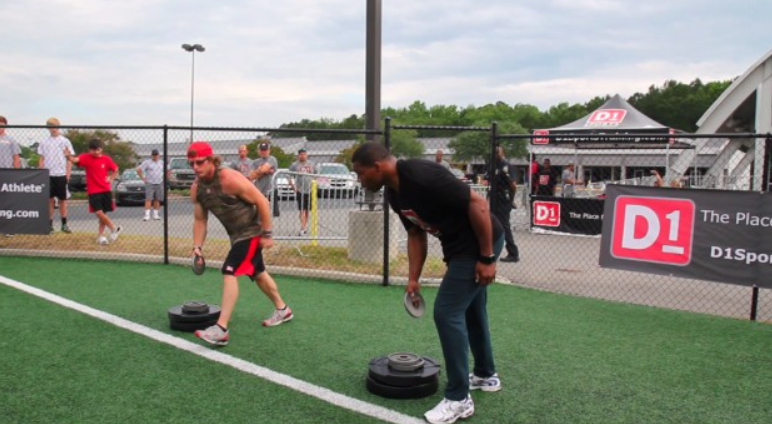
Plate Training for grappling and MMA

In Conclusion

Incorporating a weighted plate into your BJJ training regimen can help you to improve your performance on the mat. Not only does it help to build strength, stability, and explosive power, but it also provides a unique challenge that can help to keep your workouts interesting and engaging, as well as take your BJJ conditioning to the next level.

Building Your K Guard System: Essential Tips for BJJ Competitors

Building Your K Guard System: Essential Tips for BJJ Competitors

The K Guard is a popular and effective position in Brazilian Jiu-Jitsu that has been utilized by some of the best modern-day competitors in the sport. Although a relatively new invention, the K Guard has already evolved and now plays a significant role in modern-day BJJ. This comprehensive guide aims to provide you with a complete understanding of the K Guard in BJJ, covering everything from its history and advantages to its techniques and how to deal with it.

What Is The K Guard In BJJ?

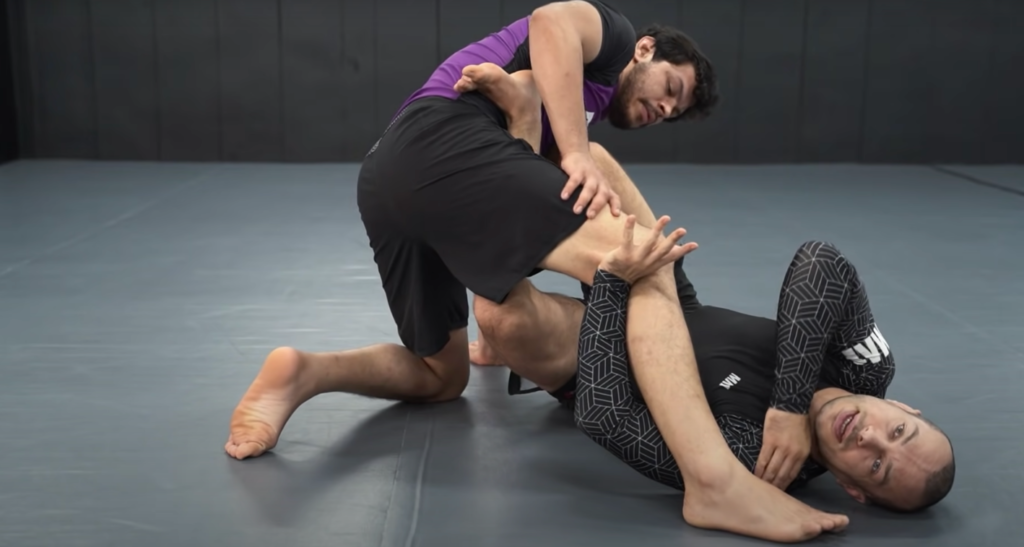
The K Guard is a BJJ guard position where the bottom player has the shin of one leg in between their hips and the hips of an opponent. That leg is placed with the knee on the mats, and the sole of the foot pointing towards the ceiling. This leg has the goal of creating and keeping distance, and healing you stay attached to your opponent.

The other leg acts as a support to the bottom leg with the knee touching the first leg’s ankle. The shin of the second leg goes on the opponent’s chest.

The grips are the key part of the position, clasped together in a gable grip behind the opponent’s leg.

This position creates a “K” shape, hence the name K Guard.

The K Guard is an excellent position to control your opponent’s movement and prevent them from escaping or advancing their position. It also provides a great platform to execute sweeps and take your opponent to the ground. You can use the K Guard to transition into other positions like the X Guard or the butterfly guard to create different sweeping options.

The K Guard is also great for multiple submission opportunities like the triangle choke, the Omoplata, the armbar, and many different leg locks.

Who Invented the Jiu-Jitsu K Guard?

The story of the K Guard is an interesting one. People know more about the person who made the position famous, which is Lachlan Giles as opposed to the people behind it. Interestingly enough, there are two people behind the initial K guard, and they both developed parts of it independently of one another. Those are Neil Melanson and Aaron Millam.

It took Lachaln though, to merge what they both developed,d and introduce a few his own thoughts into the mix to create the perfect position to play guard from, whether you’re a beginner or an expert, with or without a Gi.

Advantages Of Playing K Guard

Control of Your Opponent

The combination of the Gable grips and the unique frame created with the legs are what give this guard its power. It is very easy to get to and offers extreme amounts of control. It also prevents lots of passes while requiring next to no energy to maintain. The guard is easy to learn and will benefit lower belts who are trying to deal with upper belts, and even some black belts.

Versatile Attacking Position

The K Guard offers a wide range of attacking options. Once you have your opponent trapped in it, you can use a variety of techniques to submit them. For example, you can set up arm locks, chokes, and leglocks, or decide to go on top by using sweeps.

Easy Retention

The K Guard is also an effective defensive position. If your opponent is on top of you and trying to pass your guard, you can use the K Guard to prevent them from doing so. The position allows you to greatly restrict their movement, making it difficult for them to disengage from the legs in order to achieve a pass or even attempt one.

Branching Out

It is easy to link the K guard with other guards, ranging from the fundamental positions like the closed guard to modern-day guards like the 50/50 and lapel guards. It is also a very useful position to open up back attacks.

Dynamic K Guard Entry Options

To get into the K Guard, you need to know the proper entry techniques. There are various ways to enter the guard, mostly from other guards as means of retaining an offensive and effective open guard when opponents beat some initial guard positions like the half guard, butterfly guard, closed guard, De la Riva, etc.

Closed Guard

One of the most popular ways to enter the K Guard is through the closed guard. Any time the top person tries to execute a standing pass, all you need to do is drop one knee to the mats and establish the Gable grip. As the opponent is forced to come back to the mats, you can use the second leg to block them from smashing you and start attacking.

Single Leg X Guard

Another effective way to enter the K Guard is through the Single Leg X Guard. This technique involves trapping your opponent’s free leg with your arms, prior to releasing the X guard leg to enter into the K guard on the opposite side.

De La Riva Guard To K Guard

Finally, you can also enter the K Guard from the De La Riva guard position. This technique involves releasing the DE La Riva hook and using that leg to establish the first leg position of the K guard. Adding the grip makes the position stable, and introducing the second leg means you can start attacking.

Essential K Guard Tips

K Guard Attacks

The submission options from the K guard are versatile, offering all types of submissions. From a points-scoring standpoint, sweeps are the next best thing, with back takes also available, after some repositioning and work.

K Guard Sweeps

Shoulder Crunch Sweep

If you’re playing the K guard against a kneeling opponent, yo can use the same grip on the opponent’s shoulder rather than the leg. The first leg then goes on the opponent’s same side knee, pushing as you turn towards the shoulder you’re crunching for a very easy sweep.

Pendulum Sweep

The Pendulum sweep is a powerful sweep that can catch your opponent off guard. To execute the Pendulum sweep, you need to let go of the Gable grip with the top arm and grab the opponent’s collar, blocking their far side arm.

From there, you need to swing your legs to the side, creating a pendulum-like motion. As your legs swing back towards your opponent, you can use your feet to kick their leg out from under them, causing them to fall onto their back.

K Guard Armbar

To execute an armbar from the K Guard position, you need to open up the second leg wide so that to have space to trap the opponent’s far side arm in between your legs. Then you simply get that second leg back, placing it across the head for a very tight armlock finish.

K Guard Triangle

The triangle and armbar work closely together from the K as well as from the closed guard. From the same setup as before, keeping the second leg wide, if you can’t sneak the opponent’s arm in for an armbar, you can simply get the second leg over their shoulder, and do a triangle choke instead. The other leg is already in place via the K-guard structure.

K Guard Leg Locks

To execute a leg lock from the K Guard position, you need to first establish an Ashi Garami position. There is a multitude of those available straight from the K guard, depending on whether an opponent is standing or kneeling.

The easiest way to get to leg locks is to swing the second leg over the leg you’re controlling with the first leg and the Gable grip. This gets you into the 50/50 which offers an array of different leg locking options, most of the heel hook variety.

Kneebars are also really easy to get from the K guard, particularly against standing opponents. all you need to do is go for the same swinging motion with the second leg over the leg you’re controlling.

K Guard Back Takes

The back is relatively easily available from the K guard, particularly when you connect it with leg locks. If the opponent manages to get the leg you’re controlling with the guard on the opposite side ofyour torso, they’ve given you easy access to their back. Just secure a rear body lock with your arms around their waist to make sure you have enough time and control to get the hooks in.

How To Deal With The K Guard

Getting out of the K guard is not easy, and passing it can be even harder, particularly with the Gi. There are ways to deal with it but you have to remember that you have to neutralize the structure of the guard first, otherwise you’re just playing in the traps set by the bottom person.

BJJ K Guard Counters

There is a slick little counter to the K guard, but it is based on timing. If you can slide the knee of your free leg on the opponent’s first leg, you can kill the guard, but only if you can do this before the Gable grip is set.

If you are late, you’ll only fall prey to sweeps and most likely, leg locks by attempting this against a fully locked-in K guard.

BJJ K Guard Passing

There is a pass that works against the guard, but it is a bit risky. To open up space for it, you have to try and get the opponent’s second leg across their body, which puts them in the position for leg locks and back takes.

However, if you time it right, you can use your free leg, and place the Achilles tendon behind the knee of the opponent’s first leg. A Grip on the rim of the pants will Open up a leg drag-like position for you that can lead to a pass or a direct back take.

Building A K Guard System For BJJ

The K guard is so easy to introduce into your game, that you can actually build an entire system around it, and have an easy solution when it comes to your bottom game for both Gi and No-Gi Jiu-Jitsu.

1: Understand The Basics Of The K Guard

Before you can build a full K Guard system, you need to have a solid understanding of the basics of the position. Focus on figuring out the angles of the legs, and how to keep the palms together in the Gable grip. From this position, you can control your opponent’s posture, set up sweeps, and attack with submissions.

2: Develop Your Sweeps

The first step in building a full K Guard system is to develop your sweeps. Sweeps are a crucial part of the K Guard game and can be used to off-balance your opponent and take them down to the ground. Practice sweeps like the pendulum sweep and shoulder crunch sweep, to build a double-trouble threat for your K Guard game.

3: Incorporate Submissions

Once you have a solid base of sweeps, it’s time to incorporate submissions into your K Guard game. The triangle choke, armbar, and leg locks are all effective submissions from the K Guard position. Chaing them together from the same position is rarely possible in JIu-Jitsu which is why this guard variation has so much value and potential.

4: Learn to Transition to Other Positions

While the K Guard is a powerful position in its own right, it’s important to learn how to transition to other positions as well. Practice transitioning to the butterfly guard, X Guard, or single-leg X Guard to keep your opponent guessing and create more opportunities for attacks.

5: Drill Your System

The key to building a full K Guard system is to drill your techniques regularly. Spend time every training session practicing your sweeps, submissions, and transitions to build muscle memory and refine your technique. Drill with a partner or on your own with a grappling dummy to get the most out of your training.

6: Experiment with Variations

As you become more comfortable with the K Guard position, don’t be afraid to experiment with variations. Try variations like the reverse K Guard or the K Spider Guard to find new ways to control your opponent and set up attacks.

7: Train with Higher-Level Partners

To truly build a full K Guard system, you need to train with higher-level partners during the rolling. Seek out training partners who have a deep understanding of the position and can offer you feedback and advice on how to improve.

K guard BJJ gameplan

Conclusion

The K Guard is a highly effective position in BJJ that offers a wide range of offensive and defensive options. By understanding its basics, advantages, and techniques, you can add it to your arsenal of BJJ skills and become a more well-rounded competitor. With the knowledge and techniques provided in this guide, you’ll be well on your way to mastering the K Guard and improving your overall BJJ skills.

The Brazilian Tap In Jiu-Jitsu: Disrespectful To The Sport And Yourself

The Brazilian Tap In Jiu-Jitsu: Disrespectful To The Sport And Yourself

Brazilian Jiu-Jitsu is a highly respected martial art that requires a lot of discipline and mental toughness. However, as with any other sport, there are certain unethical practices that can harm the integrity of the sport and the flow of the game. One such practice is the “Brazilian Tap,” which is considered highly disrespectful and can even be dangerous. In this article, we will examine the negative impact of using the Brazilian tap in BJJ, both in the gym and in Jiu-Jitsu tournaments, as well as ways to deal with people using it.

What is a Brazilian Tap in BJJ?

A Brazilian tap is a deceptive move in grappling and combat sports that employ tapping out, during which a practitioner pretends to tap out or signals submission when they are not in any actual danger. The goal is to make their opponent release their hold, thinking that they have won the match, only for the person faking the tap to resume fighting.

This tactic is usually employed to gain an unfair advantage over the opponent and is widely considered a disrespectful and unethical practice.

Where Does The Term Come From?

The term “Brazilian tap” is relatively new and has emerged with the increasing popularity of BJJ. It is not a term that is commonly used in other grappling or combat sports, which suggests that its origins are closely tied to Brazilian Jiu-Jitsu.

The exact origin of the term “Brazilian tap” is unclear, but it is believed to have originated in the BJJ community, most likely in Brazil, as the name suggests. Some sources point out that the term was coined by Brazilian Jiu-Jitsu practitioners who were frustrated by the use of this deceptive tactic in the sport. The term quickly gained notoriety within the BJJ community, and it is now widely recognized although it is something that is heavily frowned upon.

MMA Brazilian tap

Using The Brazilian Tap

The Brazilian tap is a deceptive tactic in which a practitioner pretends to tap out or signals submission when they are not in any actual danger. The goal is to make their opponent release their hold, thinking that they have won the match, only for the person faking the tap to resume fighting. The use of the Brazilian tap goes against the core values of the sport of BJJ, but still makes an occurrence here and there, especially among lower belts.

In The Gym

The gym is a space where BJJ practitioners can train and hone their skills in a safe and supportive environment. However, the use of the Brazilian tap can create a hostile and potentially dangerous atmosphere between training partners. It can lead to mistrust and resentment between practitioners, which can undermine the core values of the sport and create a negative training environment.

The use of the Brazilian tap can also be dangerous, as it may cause the opponent to release their hold prematurely (during transitions and scrambles), potentially causing injury to the person faking the tap. It also disrupts the flow of training and wastes valuable time that could be spent on more productive training techniques. Moreover, it creates distrust between training partners and might lead to people cranking and executing submissions in a much more aggressive manner against someone who is known to utilize fake taps.

Brazilian tap cheating tactics in Jiu-Jitsu

In Jiu-Jitsu Tournaments

In Jiu-Jitsu tournaments, the use of the Brazilian tap is especially egregious. It can lead to mistrust and controversy, and it undermines the integrity of the competition. Obviously, it creates an unfair advantage for the person using it, and it can cause resentment and anger in other competitors.

Moreover, the use of the fake tap in Jiu-Jitsu tournaments can also reflect poorly on the sport as a whole. It can create a negative image of the sport, and it can deter potential new practitioners from joining the BJJ community.

The Brazilian tap is not defined as illegal, and while referees might give a verbal warning to someone using it, it won’t get a person disqualified and can greatly influence the outcome of a match.

Why The Fake Tap is Disrespectful

The use of the fake tap in BJJ is considered disrespectful because it goes against the core values of the sport, which include respect, trust, and integrity. The use of deceptive tactics like the Brazilian tap creates a negative image of the sport and leads to mistrust and controversy within the BJJ community. You also don’t want to be tagged as being the person that fakes taps to get out of stuff.

Degrading The Sport

The use of the Brazilian tap in BJJ first and foremost degrades the sport by undermining the principles of fair playfulness and respect. It can create a hostile and potentially dangerous environment, with the person faking taps oftentimes begin a target of overly aggressive finishes and, understandably, injuries. It can also lead to controversy and negative publicity, which can ultimately harm the reputation of the sport, or a gym containing people that use it on a regular basis.

Moreover, the use of the fake tap can create an unfair advantage, which goes against the spirit of competition. It is a blatant form of cheating, which is unacceptable in any sport, and it can cause resentment and anger in other competitors.

Bad Personal “Karma”

The use of the Brazilian tap can also affect personal karma. In BJJ, the principles of respect and discipline are paramount, and practitioners who use deceptive tactics like the fake tap can damage their own reputation and karma. It can create negative energy and lead to a sense of guilt or shame, which can ultimately impact personal growth and development.

Moreover, the negative reputation that someone who uses fake taps can impact their relationships with other practitioners and coaches. It can also undermine the trust and respect that other practitioners have for them, which can ultimately limit their potential for progress in the sport. I guess it can also get someone thrown out of a gym if done often enough.

How To Deal With The Fake Tap?

If you roll with someone that is using the Brazilian tap during training or competition, it’s important to stay composed and focused. Do not release your hold until you are sure that your opponent has truly submitted. If you suspect that someone is using the Brazilian tap, it’s important to bring it to the attention of the coach or referee.

Stay Calm and Maintain Composure

The first step in dealing with the fake tap is to stay calm and maintain composure. It’s important to not get emotional or react impulsively to the situation. Instead, take a deep breath, refocus your attention, and continue with the match. Remember, the Brazilian tap is a cheating tactic, and reacting impulsively can play right into the faker’s hands.

Communicate

If you suspect that your opponent is using a Brazilian tap, it’s important to communicate with them in a respectful and professional manner. Let them know that you’re aware of the tactic and that it’s not acceptable. If they continue to employ the fake tap, consider speaking with your coach or a tournament official to address the issue.

Focus on Fundamentals and Positioning

One effective way to counteract the Brazilian tap is to focus on fundamentals and positioning. By maintaining proper positioning and executing fundamental techniques, you can reduce the likelihood of falling for deceptive tactics like the fake tap. Staying focused on the fundamentals allows you to effectively defend against deceptive tactics and maintain control of the match.

Feeling vs. Seeing The Tap

Finally, it’s important to trust your instincts when dealing with the fake tap. If something feels off or your opponent’s behavior seems suspicious, it’s likely that they’re employing a deceptive tactic like the Brazilian tap.

Simply put, wait until you see the partner tap in rolling, or the referee stops the match in a competition. This does not give you the license to crank and go all the way on submissions, but you should definitely tighten them up and let the other person know that you can cause them serious injury if they are not playing by the rules.

Fake Taps in BJJ - don't be that guy

Conclusion

The Brazilian tap is a deceptive tactic that can be used in Brazilian Jiu-Jitsu to gain an unfair advantage over opponents. While the origins of the term are not clear, it is widely recognized as an unethical tactic that goes against the principles of the sport. If you find yourself facing a Brazilian tap, the best approach is to remain calm, communicate with your opponent and coaches/referees, and stay focused on fundamentals and positioning.

Ultimately, it is up to all of us as practitioners of Brazilian Jiu-Jitsu to uphold the values of the sport, at least at the moment.

The Ultimate Guide To Folkstyle Wrestling: Moves, Rules And Uses

The Ultimate Guide To Folkstyle Wrestling: Moves, Rules And Uses

Folkstyle wrestling is one of the three main styles of wrestling, alongside freestyle and Greco-Roman wrestling. It is primarily practiced in the United States and is widely popular at the college and high school levels. It is known for its intense and physical nature, requiring wrestlers to use a combination of strength, technique, and strategy to defeat their opponents. In this guide, we’ll cover the history of folkstyle wrestling, the main moves used, the rules of college wrestling, and how you can integrate it into BJJ.

History Of Folkstyle Wrestling

Folkstyle wrestling has a rich history in the United States, with roots dating back to colonial times. The sport was initially developed as a way for colonists to defend themselves and their communities.

It has its roots in catch wrestling, which was popular in the late 19th and early 20th centuries. It was originally practiced in carnivals and fairs throughout the United States, and eventually evolved into a more organized sport. Over time, this type of wrestling became a popular pastime and was eventually incorporated into schools and universities as a competitive sport.

The first intercollegiate wrestling competition was held in 1850 between Yale and Columbia. Since 1912 folkstyle wrestling has been an NCAA-sanctioned sport.

Main Folkstyle Wrestling Moves

Folkstyle wrestling is an intense and exciting sport that requires a combination of strength, technique, and strategy. The four main categories of moves used in the modern version of this type of wrestling include takedowns, escapes, pins, and reversals.

wrestling takedowns

Takedowns

Takedowns are one of the most essential moves in wrestling. They involve taking your opponent down to the mat, gaining control to keep them there, and attempting to score points.

The most common takedowns include the single-leg, double-leg, and high-crotch takedowns.

Escapes

Escapes are used when a wrestler is on the bottom and wants to get back to a standing position. They involve breaking free from an opponent’s hold and, ideally, reversing the position. Some common escapes easily recognizable from this style of wrestling include the stand-up, sit-out, and hip switch.

Pins

Pins are used to win a wrestling match by holding an opponent’s shoulders to the mat for a certain amount of time (usually around three seconds). Wrestlers can use various moves to pin their opponents, such as the cradle, half-nelson, and bar arm.

Reversals

Reversals are used to escape from a disadvantageous position and gain control of the match. They involve reversing the position of an opponent who has taken control. Common reversals include the Peterson roll and the Granby roll.

Rules Of College Wrestling

College wrestling adheres to a strict set of rules which have been well-established, given that the majority of practitioners are high school and college students, and the need for safety is paramount.

Weight Classes

College wrestling has ten weight classes, ranging from 125 pounds to 285 pounds. Wrestlers compete against opponents in their weight class, ensuring fair competition.

Scoring

Points are awarded for various moves and positions in college wrestling. Takedowns are worth two points, escapes and reversals are worth one point, and pins result in an immediate win. Points are also awarded for near-falls, where a wrestler almost pins their opponent.

Time Limits

Folkstyle wrestling matches consist of three periods, each lasting two minutes. The wrestler with the most points at the end of the match wins.

wrestling pin

What Is The Difference Between Folkstyle And Freestyle Wrestling?

Two of the most wrestling popular styles, especially in western countries, are folkstyle and freestyle wrestling. While both styles share similarities, they also have significant differences that make them unique.

The main difference between folkstyle and freestyle wrestling is the set of rules that govern each sport. In folkstyle wrestling, wrestlers score points for takedowns, escapes, and pins, and are penalized for infractions such as stalling. The objective is to gain control over your opponent and pin them to the mat.

In freestyle wrestling, wrestlers also score points for takedowns, escapes, and pins, but the rules are more liberal, and wrestlers are encouraged to use more dynamic and explosive techniques. Wrestlers are allowed to use their legs to trip or throw their opponent, and are not penalized for stalling.

Another key difference between the two sports is the type of mat used. In folkstyle, the mat is typically made of foam or rubber, while in freestyle wrestling, the mat is made of a harder, more durable material that is designed to provide better traction and support.

What is Folkstyle Wrestling?

Folkstyle wrestling, also known as collegiate wrestling, is a popular style of wrestling in the United States. It is typically practiced at the high school and college levels. The goal of folkstyle wrestling is to pin your opponent’s shoulders to the mat for a set amount of time, or to score points through takedowns, escapes, and reversals.

What is Freestyle Wrestling?

Freestyle wrestling is a style of wrestling that is popular around the world, including at the Olympic level. Unlike folkstyle wrestling, the goal of freestyle wrestling is to score points through takedowns, throws, and exposure to your opponent’s back. Freestyle wrestling also has different weight classes and time limits than folkstyle wrestling.

Key Differences

  • Scoring – In folkstyle, points are awarded for takedowns, escapes, reversals, and pins. In freestyle wrestling, points are awarded for takedowns, throws, and exposure to the opponent’s back.
  • Time limits – In folkstyle wrestling, there are three periods of wrestling, each lasting two minutes. In freestyle, there are two periods, each lasting three minutes.
  • Weight classes – The weight classes in freestyle wrestling are different than those in folkstyle wrestling. For example, the lightest weight class in freestyle wrestling is 57 kg, while in folkstyle, the lightest weight class is 106 lbs.
  • Rules – There are different rules in folkstyle and freestyle wrestling. For example, in freestyle wrestling, a wrestler can win by technical superiority if they are ahead by 10 or more points. In folkstyle wrestling, the point differential must be at least 15 points to win by technical superiority.

differences between folkstyle wrestling and freestyle wrestling

How Folkstyle Wrestling Can Benefit Your BJJ Training

Folkstyle wrestling is a grappling sport that has many benefits for Brazilian Jiu-Jitsu practitioners. The techniques and principles learned in folkstyle wrestling can greatly enhance your BJJ learning curve, through the mastery of better takedowns, improved control and pressure on the ground, increased stamina and conditioning, and the “feel” for effective transitioning.

Whether you are a beginner or an experienced practitioner, adding certain aspects of folkstyle wrestling to your training regimen can help you take your game to the next level.

Better Takedowns

Folkstyle wrestling is well-known for its focus on takedowns. Unlike BJJ, which starts on the ground, folkstyle is all about getting your opponent to the mat. This means that wrestlers develop a wide range of takedown techniques, including singles, doubles, high crotches, and more.

By learning and practicing these takedowns, you can improve your standing game and take your opponents down more easily, effectively and safely. This not only puts you in a dominant position but also makes it easier to apply BJJ submissions and control.

Increased Control and Pressure

Folkstyle wrestling places a lot of emphasis on controlling one’s opponent on the mat. This involves using the directional placement of your own body weight and leverage to apply pressure and limit the opponent’s movement. By mastering these techniques, wrestlers can effectively control and dominate their opponents.

In BJJ, the ability to control and pressure opponents is also crucial, particularly when it comes to maintaining dominant (scoring) positions and eventually applying submissions. By incorporating folkstyle techniques into your BJJ training, you can develop a far more dominant ground game than by only training Jiu-Jitsu.

Improved Stamina and Conditioning

Wrestling, especially folkstyle, is an incredibly demanding sport that requires a high level of fitness and conditioning. Wrestlers must be able to maintain their energy and focus for extended periods, even during the most grueling matches.

By practicing folkstyle in addition to Jiu-Jitsu, submission grapplers can improve their fight-specific conditioning, allowing them to last longer and perform better during rolling sessions and competitions. This can also help to prevent fatigue-related injuries, which are the main cause of injuries in BJJ athletes.

Effective Transitioning

Transitioning is a critical aspect of both folkstyle wrestling and BJJ. In folkstyle, transitions are all about moving between different positions and techniques in a seamless and effective way. In BJJ, transitions involve slower movement between submissions, sweeps, and positional changes, which is how improved positional control connects to its aspect of dynamic grappling.

By training in both folkstyle wrestling and BJJ, you can develop a more effective and versatile transitional game. You can learn how to anticipate and respond to your opponent’s movements and take advantage of openings to gain dominant positions and apply submissions.

How to use Folkstyle wrestling for BJJ

Conclusion

In conclusion, folkstyle wrestling is a rich and vibrant sport with a long and storied history. It is a sport that requires discipline, strength, and perseverance, and it has a variety of benefits that extend beyond the mat. The main moves, including takedowns, escapes, pins, and reversals, are essential techniques that are fundamental to a wrestler’s success. If you are a BJJ practitioner looking to improve your takedowns, control, stamina, and transitioning, incorporating this wrestling style into your training regimen can be incredibly beneficial.

15 Best Drills To Maximize Your Guard Passing Skills

15 Best Drills To Maximize Your Guard Passing Skills

Guard passing is a critical component of Brazilian Jiu-Jitsu that requires a combination of technique, strength, and strategy. The ability to pass the guard is a key factor in determining the outcome of a BJJ match, given that success with a pass is rewarded 3 points. It is a skill that takes time and effort to master. In this article, we’ll explore the best drills for improving your guard passing skills.

Why Drilling Is Important For Guard Passing

Drilling is essential to BJJ training and is one of the best ways to improve your guard passing skills. By repeating specific techniques and movements over and over again, you can develop muscle memory and fine-tune your form and timing. In addition, drilling allows you to train in a controlled environment, where you can focus on specific skills and receive feedback from your training partners.

Drilling allows your body to repeat patterns and motions, while getting no, or very controlled resistance. The more repetitions of drills you perform, the more automatically you’ll be able to do the actual passes in rolling or matches under extreme pressure.

The 15 best drills for guard passing in BJJ will help you achieve all of this in record time if you start doing them today.

Best Drills For Improving Guard Passing

The best way to do BJJ drills is to do them. It does not matter if you do them for reps or time, as long s you put in the work and do them deliberately and with focus, instead of just going through the motions.

The best drills for passing guards include BOTH solo and partner drills, so make time to integrate both into your training routines and schedule.

Partner Drills To Accelerate Your Guard Passing Progress

Drilling with a partner is invaluable in actually learning how to use passing in relation to another person. Start by having the partner aid in your movement, and later, you can instruct them to add just a bit of resistance to give your drills a dose of reality.

Remember the best drills for passing are just that – drills, not positional sparring, so make sure you don’t go overboard with the level of resistance.

The Toreando Pass Drill

The Toreando pass is a fundamental and widely utilized guard passing technique in BJJ Gi training. In order to master this technique and improve your guard passing skills, it is essential to practice it through various drills.

The drill involves your partner lying on the mats in a guard position. You set up grips on their Gi pants at the knee point and throw past their legs on either side in a repetitive motion while stepping so that your feet end up by their hips on each repetition.

Drill Execution Tips: 
  1. Start with your partner lying supine with bent knees;
  2. Grab the Gi at the side of both knees;
  3. Push the legs to one side to open up space;
  4. Move your body to the other using side-stepping to pass the legs;
  5. Place the shoulder on to the partner’s belly;
  6. Repeat this drill on both sides.

The Leg Drag Pass Drill

The leg drag is a more advanced technique that involves controlling an opponent’s hips via just one leg. It starts similarly to the Torreando pass, but instead of controlling both legs, you focus only on dragging one across your belly, creating support using your lead leg for their leg to rest on.

The key to success in this technique is to keep the opponent’s leg near while maintaining control of the tight space and applying weight.

Drill Execution Tips: 
  1. Start with your partner lying supine with bent knees;
  2. Set up the grips on the shin and side of the knee;
  3. Drag the leg on the shelf position for hip control;
  4. Step in to apply pressure and change the level to complete the pass;
  5. Repeat this drill on both sides.

The Over-Under Pass Drill

The over-under pass drill is one of the best drills for developing the skills and techniques required to pass any opponent’s guard. This technique is highly effective in preventing an opponent from re-establishing their guard, making it one of the best guard passing options.

Drill Execution Tips: 
  1. Start in your opponent’s guard;
  2. Place your  arms in the over-under position to control their hips;
  3. Put pressure forward, raising your butt towards the ceiling;
  4. Step over to get to side control;https://www.youtube.com/watch?v=-AgSbTYn8PM
  5. Repeat this drill on both sides.


The Double Under Pass Drill

The double under pass drill is a powerful drill that helps you to develop the strength and technique required to pass your opponent’s closed guard. This fundamental move enables you to bypass the opponent’s legs and is utilized by everyone from white to black belts.

Drill Execution Tips: 
  1. Start in your partner’s guard;
  2. Open the closed guard by using your preferred method;
  3. Place both arms behind the partner’s knees (and level change if standing)
  4. Put your body in a push-up position to place pressure on the partner;
  5. Circle to a side of your choosing to finish in side control;
  6. Repeat this drill on both sides.

The Staple Back Step Pass Drill

The leg staple is a basic guard pass that is widely taught in Jiu-Jitsu. To perform this technique, you will control their lower body first, before switching to upper body control to complete the pass. It is a great option to use against both closed and open guards, making this one of the very best drills for passers:

Drill Execution Tips: 
  1. Start in the staple position, with your shin across one of the partner’s thighs;
  2. Hug their free leg with your arms to establish complete hip dominance;
  3. Drop the hips to the mats towards the stapled leg;
  4. Use your free leg to backstep in a wide motion and control the partner’s head;
  5. Repeat this drill on both sides.

Solo Drills To Become a Guard Passing Pro

Solo drills work best when you don’t have a partner, but they are also a crucial component of training, as they will teach you motion and develop all-important muscle memory that will only make your partner drills a much more useful tool for improving guard passing skills.

The following 10 drills are the very best drills for passing guard that you can do solo:

Deep Squats

Holding the deep quat position with flat feet is essential to developing flexibility and dexterity needed for guard passing.

Drill Execution Tips:
  1. Squat as low as you can;
  2. Keep your knees over your ankles as much as possible:
  3. Move around in the deep squat position, left and right;
  4. Spend as much time as possible holding the position.

Cossack Squats

Cossack squats are one of the best drills for guard passing because they provide you with a side-to-side motion that also features dexterity and flexibility, as well as training balance.

Drill Execution Tips:
  1. Start with straight legs placed wider than hip-width apart;
  2. Bend one knee to go low to one side, keeping the foot flat and the other leg extended;
  3. Switch to the other side by trying to avoid going completely back u to the starting position;
  4. Alternate sides.

The 1-2 Step

An essential motion for guard passers, the 1-2 drill is an entry motion into a variety of different guard passes. If you don’t have a stability ball you can use a chair or whatever else can give you an anchor for your arms.

Drill Execution Tips:
  1. Start in front of the ball, both palms resting on it;
  2. Step to the side, leading with the leg further to the direction you’re going;
  3. After stepping across with one leg, follow up with the other:
  4. Get back into the starting position in reverse (cross-stepping again);
  5. Alternate sides.

The Shuffle Step

The Shuffle Step gets you to the side of an opponent’s guard quicker than the 1-2, but it is easier to counter for guard players. the key with this one is speed, so once you get the hang of it, make sure you execute the drill as fast as possible. Again, use a stability ball or chair or whatever you can find.

Drill Execution Tips:
  1. Start in front of the ball, both palms resting on it;
  2. Step to the side, leading with the leg closer to the direction you’re going;
  3. As it lands, shuffle the other leg as well to end up on the side of the ball;
  4. Get back the same way, leading with the closer leg;
  5. Alternate sides.

Leg And Arm Shuffle

Another version of the leg shuffle, this is one of the best drills simply because it will allow you to be comfortable when you lose balance, or opponents try to sweep you as you pass. You’re simply adding the use of your arms to the leg shuffle.

Drill Execution Tips:
  1. Start in front of the ball, both palms resting on it;
  2. Step to the side, leading with the leg closer to the direction you’re going;
  3. As it lands, place the same side arm on the mats, like doing a pushup;
  4. Get back to the starting position;
  5. Alternate sides.

The Step And Kick

An essential way of passing open guards with the Gi is to use the X-pass. A slight drawback is that it requires you to balance on one leg for a short while. This drill will help you master the balancing and dexterity aspects of it, as well as switching your weight from one leg to another.

Drill Execution Tips:
  1. Start in front of the ball, both palms resting on it;
  2. Step to the side, leading with the leg closer to the direction you’re going;
  3. As it lands, placekick back with the other leg, extending it behind you and keeping it off the ground;
  4. Lift the arm opposite of the leg that is extended backward off the ball;
  5. Get back to the starting position;
  6. Alternate sides.

Long Step

You won’t need any props for this one. Once again a motion that is crucial to developing a diverse guard passing game and one of the best drills you can do to ensure you’re never swept.

Drill Execution Tips:
  1. Start on your knees and elbows;
  2. Lift one leg behind you and allow it to fall backward over the other leg;
  3. As your foot lands on the ground, lift the opposite side arm off the ground so your hip can fall on the mats as well;
  4. Get back to the starting position;
  5. Alternate sides.

Knee Drops

Whether you like to do knee slices, staple passes or knee smashes, this drill is going to be invaluable in providing you with both speed and knee stability for those types of techniques.

Drill Execution Tips:
  1. Start with your feet and palms on the ground and your butt in the air (bear walk position);
  2. Drop the knee of one leg to the mats, sliding it sideways in toward the foot of the planted leg;
  3. As you execute the motion, lift the opposite side arm off the ground;
  4. Get back to the starting position;
  5. Alternate sides.

Hop Over Drill

A fun-looking, seemingly daunting but easy-to-perform drill that is a must for anyone interested in using pressure passing as the centerpiece of their guard passing game.

Drill Execution Tips:
  1. Start on all fours, with the top of your head planned on the mats;
  2. Use both arms for added balance, by placing them extended on both sides of the head;
  3. kick your legs up, so that you’re balancing only on your head and arms;
  4. Shift both legs to one side, touching the ground with the cross leg;
  5. Alternate sides.

Elbow Cartwheel

The most advanced solo drill on the list but one of the best drills if you truly want to become a proficient guard passer in BJJ. Cartwheeling on your elbows is a lot safer, quicker, and much more applicable in passing than doing gymnastic-style cartwheels.

Drill Execution Tips:
  1. Start on your knees;
  2. Bend your arms at the elbows and place one forearm on the mats, swinging for momentum beforehand;
  3. Follow the momentum with your body, lifting the legs so that you cartwheel;
  4. Land on your knees on the other side;
  5. Alternate sides.

Conclusion

In conclusion, guard passing is a critical component of BJJ, and drilling is one of the best ways to improve your skills. Whether you’re a beginner or an experienced practitioner, these select solo and partner best drills will help you to develop your guard passing abilities and take your game to the next level. By incorporating these drills into your training regimen, you can become a more effective guard passer and achieve greater success on the mat.