



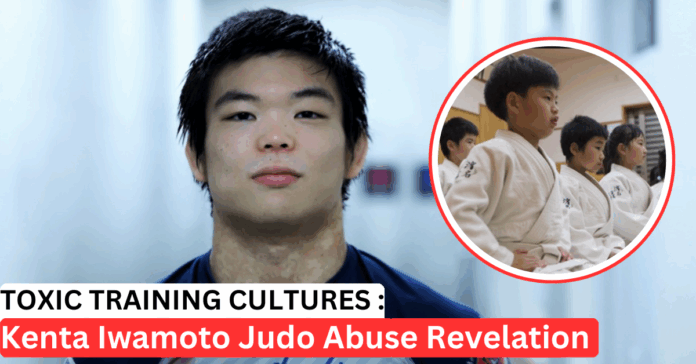
“He Would Choke Me Out”: Kenta Iwamoto Judo Abuse Experience

“He Would Choke Me Out”: Kenta Iwamoto Judo Abuse Experience
  • Rising B-Team standout Kenta Iwamoto revealed disturbing memories of judo abuse in his youth.
  • Iwamoto claims his childhood coach regularly choked him unconscious during sparring sessions.
  • The Kenta Iwamoto Judo abuse expereince sheds light on toxic martial arts cultures that still go unchecked today.
  • Iwamoto now thrives in Brazilian Jiu-Jitsu, but the trauma of his early training remains.

“He Would Just Choke Me Out”: Kenta Iwamoto Judo Abuse Story

For many martial artists, their first coach is a mentor. For Kenta Iwamoto, that figure was something else entirely. In a recent interview, the B-Team athlete recounted how his childhood judo coach routinely used brutal and unsafe methods to “discipline” students.

The most chilling of these? Being choked unconscious during live sparring—while still a child.

My judo coach would just choke me out in sparring, and I would wake up not knowing what happened.
– Kenta Iwamoto –

The judo coach abuse practice wasn’t a one-time event. It happened often enough that Iwamoto, who began judo at age six, associated the mat not with growth—but fear. His coach, he said, used submissions not to teach, but to control.

These aren’t isolated accusations. In the full interview, Iwamoto alludes to a wider culture of normalized brutality that existed in the dojo system. “It was just how things were done,” he said. “You didn’t question it.”
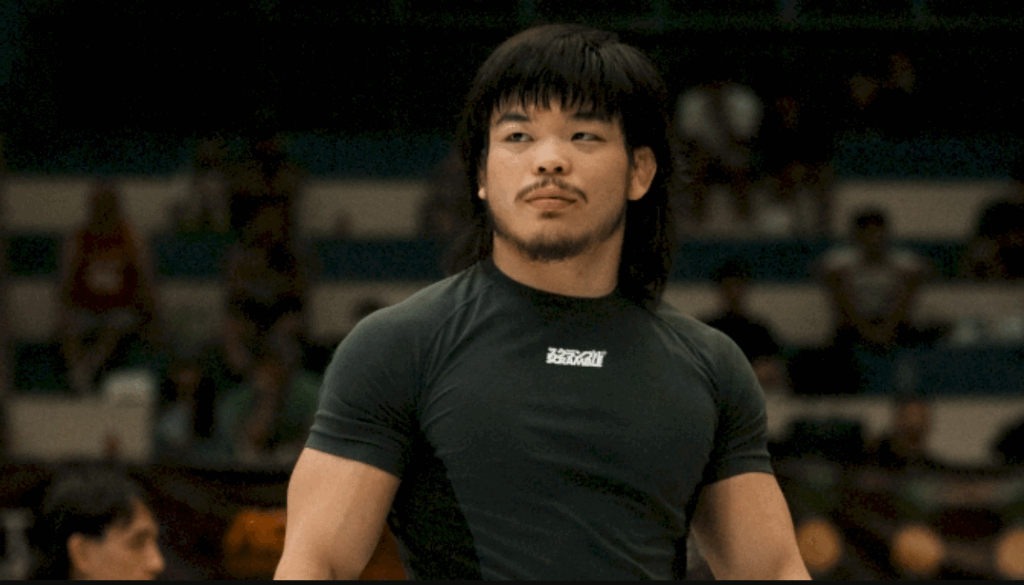
B-Team Kenta Iwamoto

Why Judo’s Harsh Culture Still Escapes Scrutiny

The Kenta Iwamoto judo abuse story forces martial arts communities to confront a longstanding elephant in the room: how many of these environments still blur the line between tough training and trauma?

While judo is revered globally for its discipline and Olympic pedigree, stories like Iwamoto’s echo a troubling reality—particularly in countries like Japan, where deference to authority often discourages speaking out.

This isn’t the first time the sport has faced scrutiny. Over the years, Japanese judo programs have drawn criticism for hazing, corporal punishment, and even deaths related to negligence. But few athletes of Iwamoto’s stature have opened up so candidly.

We were just kids. We didn’t understand that it wasn’t normal.
– Kenta Iwamoto –

Beyond Japan, similar patterns have emerged in dojos around the world, where a culture of silence and reverence for lineage often shields abusive practices from criticism.

Coaches are rarely vetted beyond technical credentials, and the absence of formal oversight bodies leaves young athletes vulnerable.

When abuse is discovered, it’s often brushed off as part of a “warrior mentality” or dismissed as a necessary rite of passage—creating a cycle that discourages victims from speaking up.

Iwamoto’s Rise at B-Team Jiu-Jitsu

Despite the dark start to his martial arts journey, Iwamoto didn’t walk away from grappling altogether. He transitioned to Brazilian Jiu-Jitsu and, eventually, joined B-Team Jiu-Jitsu, one of the most competitive no-gi academies in the world.

Today, he competes at the highest levels of submission grappling, known for his slick guard work and ability to adapt to modern meta-games. In contrast to his judo past, BJJ offered an environment rooted in learning, autonomy, and mutual respect.

While he rarely discusses his upbringing publicly, the Kenta Iwamoto judo abuse story adds depth to his quiet intensity on the mats. Every medal he wins now seems to carry more weight—not just competitive, but emotional.

The Long-Term Cost of Early Abuse

Even with his success in jiu-jitsu, the emotional scars of his early judo years remain. Stories like Iwamoto’s matter because they don’t just recount trauma—they remind us of the environments we still allow to flourish under the guise of Judodiscipline.

This isn’t just about me. A lot of kids went through the same thing. Some never came back to training at all.
– Kenta Iwamoto –

The Kenta Iwamoto judo abuse story isn’t just a condemnation of one coach—it’s a call to the broader martial arts community to protect its most vulnerable students. It’s also a reminder that success doesn’t always come from the right path—it sometimes comes in spite of it.

Overhook From Everywhere Adele Fornarino DVD Review [2025]

Overhook From Everywhere Adele Fornarino DVD Review

Key Takeaways

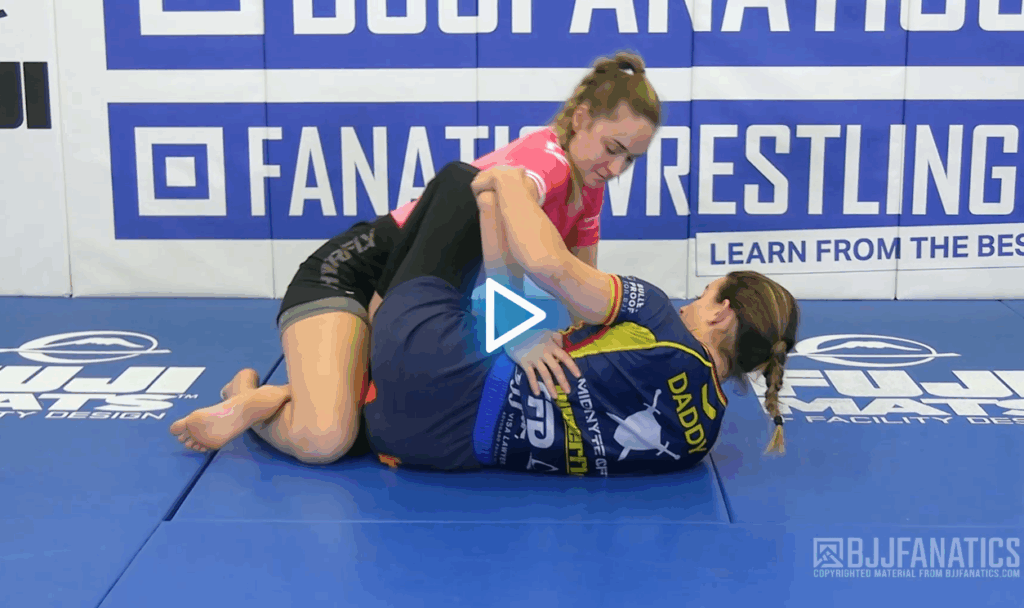
  • A No-Gi BJJ DVD exploring all the positions where an overhook will make you dominant.
  • Covers many guarded situations, along with standing applications and scramble solutions featuring overhooks. 
  • Delivers an easy-to-follow system that will take you from standing to tapping someone out using only one attachment.  
  • BJJ World Expert Rating: 8.5 out of 10. 

OVERHOOK FROM EVERYWHERE ADELE FORNARINO DVD GET HERE

Explore overhooks from more than just the closed guard with the Overhook From Everywhere Adele Fornarino DVD.
Fornarino knows how to clam up and control people from any position, especially in guarded situations.

For those who have trouble figuring out attachments and grip placement in No-Gi, this is the instructional you absolutely need to get. It is fast-paced but fits all levels, and will surely improve your guard, standing, and scramble outcomes using just one move—the overhook.

Over or Under? 

If you’ve been rolling for a year or more, you are probably already contemplating a classic grappling dilemma—overhooks or underhooks. I had the same troubles, and they still tend to appear in specific positions to this day, some 15 years after I discovered them.

There is no wrong or right answer here—it all depends on your goals, the opponent, and the situation you’re in. For the most part, I avoided underhooks for years since I love Darces. That means when someone places an underhook on me, it means I get a free choke. In fact, that’s how I discovered the overhook.

That said, overhooks are not the winner in this dilemma. Underhooks have their place too, working as the better solution in many standing, guarded, and top pinning situations. I’d say use both, but if you’re new to grappling or not sure where to start, focus on the overhook first. The Overhook From Everywhere Adele Fornarino DVD will guide you.

Adele Fornarino – One of the Biggest Names in Women’s Grappling

Wherever you turn these days, the name Adele Fornarino pops up. As we anticipate her performances in the four-bracket women’s CJI2 tournament, after seeing her lose a close match to Ffion Davies on UFC Fight Pass, we’re seeing lots of Adele lately—and for good reason.

The Australian-born grappler has been doing all the right things these past few years. She had a great run at the 2024 ADCC, beating everyone to the title, after previously conquering the Pans, Europeans, and winning the GrappleFest U60 kg title. Since then, she’s had mostly superfights, so seeing her in tournament format again is going to be interesting.

Since her ADCC triumph, Adele has provided several glimpses into her game via BJJ DVDs. Her latest instructional, focusing on one of her favorite grip positions, is the Adele Fornarino Overhook DVD—and it’s definitely worth exploring.

Overhook From Everywhere Adele Fornarino DVD Review

In just over three hours, the Overhook From Everywhere Adele Fornarino DVD will show you everything you need to know about using overhooks to become super annoying from a bunch of positions in No-Gi. The material is spread out over four volumes for optimal organization.

Part 1 – Getting the Overhook

First up in the Overhook From Everywhere Adele Fornarino DVD is how to get into the position. You already know what an overhook is, but you probably have no idea why you’re failing at it.

Adele explains how to use the overhook in combination with Jedi Mind Tricks and dilemmas while reinforcing it with the knee shield. She also shares tactics to deal with overly defensive opponents, as well as those who try to smash you from the top.

Part 2 – The Clam

Arguably, the most valuable mini-system delivered in this Overhook From Everywhere Adele Fornarino DVD is the clam concept from the second volume. Once again, you’ve probably heard or seen iterations of it, but none come even close to the effectiveness of this one.

The reason for that is that Adele uses the overhook to get people trapped into the clam, but she also has her signature Chopstick Guard mixed into the system. This introduces an element of surprise to an already sticky situation, allowing you to sweep, triangle, Omoplata, or wrestle-up in various ways.

Part 3 – The Half Butterfly Overhook Game

This is where things go deep into the rabbit hole. Adele provides one of the best instructionals for the half butterfly guard in just one volume of the Adele Fornarino Overhook DVD, while focusing mostly on the overhook.

Starting from the relation (and ways to switch) between the half butterfly and knee shield, she launches into a submission-heavy system, shedding light on why her No-Gi game is so successful on the biggest stage. Fornarino offers chokes, sweeps, and armbars from the half butterfly before she turns to the turtle.

Attacking the turtle with overhooks is very innovative and effective, as the chapters on submissions, mat breakdowns, and pin setups clearly demonstrate. In the final couple of chapters, Adele also covers the dogfight position and how to win when you’re the one with the overhook.

Part 4 – Standing Overhooks

The last part of this Overhook From Everywhere Adele Fornarino DVD offers a way to set up your standing game using mostly overhooks. She provides options to launch super high-percentage Judo throws from the overhook, mixed in with a few wrestling classics like the Fireman’s Carry and the Front Headlock.

Saving the best for last, Adele Fornarino wraps up this instructional with a couple of flying submissions from the overhook, in the form of armbars and triangles.

Effective Attachments in Grappling

Depending on your goals, you’ll need to attach to folks if you have any hope of making BJJ techniques work. For the leg lockers out there, feel free to skip to a different DVD instructional. For everyone else, let’s talk overhooks more.

Attaching to the arms allows you access to the upper body, which provides chokes and armlocks as your main submission options, but also creates off-balancing opportunities that lead to sweeps. The question of where to attach on the arm is not one that can be answered with certainty, nor will you be able to get a specific attachment with every attempt.

That said, I personally prefer shoulder-level attachments for control and elbow-level attachments for attacking. A good overhook goes somewhere in between these two joints, which is why it is so powerful—you can switch effortlessly between control and attack—like in the Overhook Adele Fornarino DVD.

Overhook From Everywhere Adele Fornarino DVD Free Sample

SEE A FREE SAMPLE: Overhook From Everywhere Adele Fornarino DVD

DOWNLOAD : OVERHOOK FROM EVERYWHERE ADELE FORNARINO DVD

Get Over It! 

Next time you find yourself in guard, especially closed guard, slap an overhook on your partner. Then, try to keep it for as long as you can – after a while, it’ll feel like they’re giving you stuff just to get out of it. Now imagine what a tried and tested system, such as the one in the Overhook From Everywhere Adele Fornarino DVD can do for you.

Mark Kerr Gi Jiu-Jitsu Lesson: Why He Walked Away After One Roll

Mark Kerr Gi Jiu-Jitsu Lesson: Why He Walked Away After One Roll
  • Mark Kerr Gi Jiu-Jitsu experience lasted exactly one session—against Rigan Machado.
  • The ADCC and UFC legend swore off the Gi forever after that roll.
  • Despite being one of America’s most dominant No-Gi grapplers, Kerr never looked back.
  • The Mark Kerr Gi Jiu-Jitsu story sheds light on the stylistic clashes between elite wrestlers and traditional BJJ.

The One-Time Gi Roll That Changed Everything

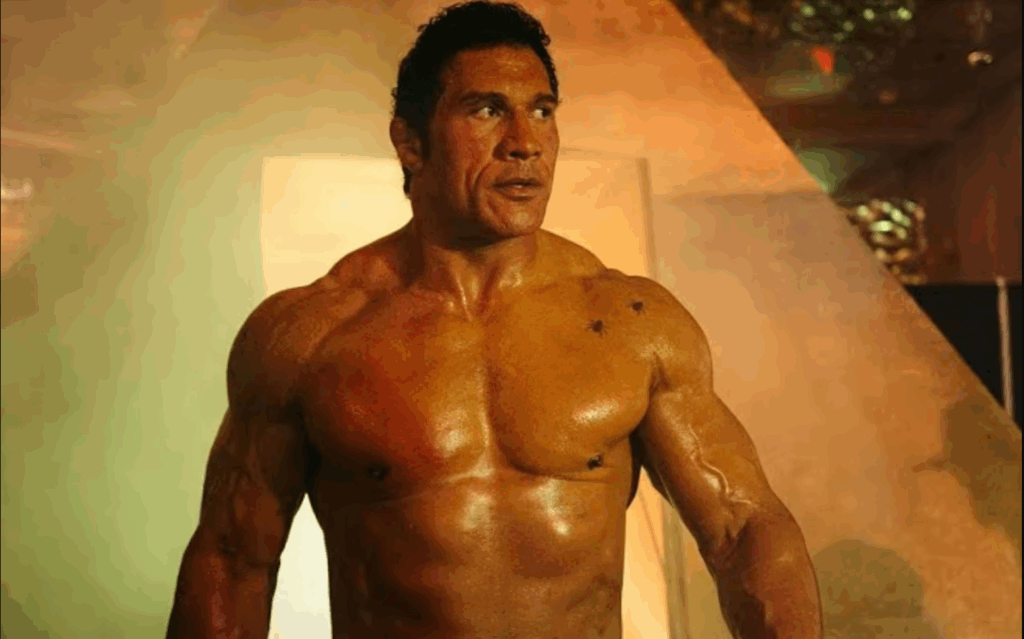
Mark Kerr is known as one of the most dominant No-Gi grapplers in American history. A former NCAA Division I wrestling champion, UFC tournament winner, and two-time ADCC absolute champion, Kerr’s name is etched into the legacy of modern grappling. But there’s one surface he never warmed to: the Gi.

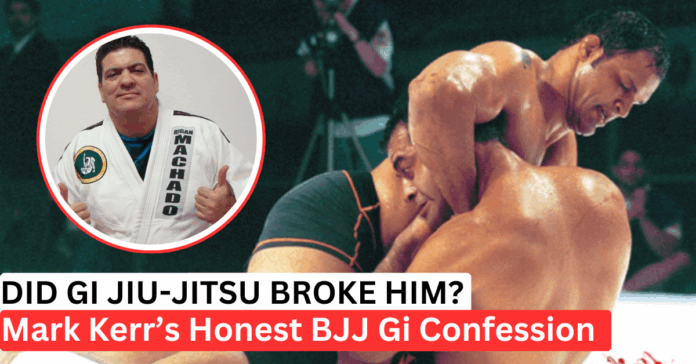
In a recent resurfaced interview, Kerr opened up about his first—and only—Gi Jiu-Jitsu session. The setting? A roll with none other than Rigan Machado, a coral belt and one of the most decorated BJJ instructors alive.

I did Gi Jiu-Jitsu once with Rigan Machado. And I went, ‘I’m never doing this again.’
– Mark Kerr –

For someone as athletically dominant as Kerr, the gi presented a very different kind of problem. While No-Gi grappling relies heavily on movement, athleticism, and slippery escapes, the Gi slows everything down.

Grips become handles. Explosiveness becomes entrapment. The Mark Kerr Gi Jiu-Jitsu experience felt like stepping into quicksand for the UFC legend—and Rigan Machado made sure he felt every thread of it.

Mark Kerr Fighter

From ADCC Gold to Gi Disillusionment

In No-Gi competition, Kerr was a wrecking ball. He captured both the +99kg and absolute divisions at the 1999 ADCC World Championships and was considered the most accomplished American grappler at the time.

Yet his Mark Kerr Gi Jiu-Jitsu journey started and stopped within one afternoon.

I was like, ‘You guys do this every day? This is horrible!’
– Mark Kerr

Kerr’s reaction was not rooted in disrespect—he frequently acknowledged the technical depth and positional control offered by the Gi.

But for someone who thrived in the fast-twitch, power-heavy world of wrestling and MMA, the grips and friction of Gi Jiu-Jitsu felt foreign and restrictive.

For traditional BJJ practitioners, this friction is precisely what gives the Gi its depth. But for Kerr, it was simply too far removed from the combat instincts he’d built over decades.

Gi vs No-Gi Jiu-Jitsu: A Story of Two Worlds

The Mark Kerr Gi Jiu-Jitsu episode is a case study in specialization. It illustrates a broader truth in grappling: excellence in one format doesn’t always translate to comfort in another.

Wrestlers often excel in No-Gi because of shared mechanics—takedowns, control, explosive scrambles. The Gi, however, introduces a different chessboard. While some elite competitors have successfully transitioned—think Gordon Ryan (No-Gi) to Nicholas Meregali (Gi)—others choose to specialize. And Kerr made his choice quickly.

What makes this story resonate isn’t that Kerr hated the Gi. It’s that even one of the most physically dominant athletes to ever step on the mat had to admit: this wasn’t his game.

It also speaks to the humility required in Jiu-Jitsu. Kerr could’ve muscled through, trained for months, tried to “solve” the Gi. Instead, he recognized the depth of the style and bowed out—an unusual decision in a sport filled with ego.

The Gi Didn’t Beat Him—It Just Wasn’t His Fight

Kerr’s legendary status in ADCC and MMA remains untouched. But his quick exit from Gi Jiu-Jitsu reveals something rare: honesty in grappling preference. He wasn’t afraid to admit discomfort, or to walk away from something that didn’t feel right.

I knew I was going to get tied up. I had zero chance.
– Mark Kerr –

In the end, the Mark Kerr Gi Jiu-Jitsu experiment lasted just one day. But the story lives on, a reminder that success in one arena doesn’t require mastery of them all. Kerr knew what made him great—and the Gi wasn’t it.

For grapplers torn between Gi and No-Gi, the story serves as a reminder: choose the style that speaks to your strengths, but respect both. And if you ever find yourself across the mat from a Machado in full Gi BJJ grips—you might understand exactly what Kerr felt.

Anatomy And Self Treatment Scott Georgaklis DVD Review [2025]

Anatomy And Self Treatment Scott Georgaklis DVD Review

Key Takeaways

  • A movement DVD that teaches you how to get your body working for grappling again, even if you’re recovering from an injury. 
  • Covers all key areas of the body, such as neck and shoulders, knees, ankles, hips, lower back, and arms.    
  • Features dedicated sections for resolving issues with the ribcage — something no other DVD covers. 
  • BJJ World Expert Rating: 8 out of 10. 

ANATOMY AND SELF TREATMENT SCOTT GEORGAKLIS DVD GET HERE

Would you ever dare to try and fix yourself after an injury sustained in Brazilian Jiu-Jitsu?
If the answer is yes, then the Anatomy and Self Treatment Scott Georgaklis DVD is exactly what you need—you don’t even need to finish the review, just get it.

If you’re more cautious and would like to avoid going to movement specialists, but you have no idea where to start, then keep reading. By the end, you’ll understand exactly why this instructional might be your best chance at getting back to the mats and staying on them without re-injuring yourself.

Self Treatment Techniques For Combat Sports

The moment you read this, you are either extremely hopeful or just as extremely doubtful about whether you should proceed with reading. The first category mostly features freshly injured or recovering grapplers, while the latter consists of those who were injured, tried to fix themselves, and made it worse.

I’ve been in both those camps. Neither is fun. However, looking for professional help to recover from a grappling injury is not always an option. It may be too expensive, it may be someone who gives out generic advice like “you’ll have to stop training,” or it simply may be a person who has no idea what they’re doing.

In each of these situations, it would be better to help yourself rather than get more angry about your injury by turning to specialists. The main problem is that you have no idea how to fix yourself. I know—I’ve been there. But that’s no longer the case—the Scott Georgaklis Combat Athletes Self Treatment DVD can help—for real!

Functional Strength Coach Scott Georgaklis

What we need in BJJ is more people who train grappling and have detailed knowledge about human movement. Movement specialists, massage therapists, functional coaches, and physios all fit this description. If only more of them rolled so they could understand grapplers better when they’re trying to fix them.

In a somewhat crazy but surprisingly effective attempt to provide grappling athletes with a way to skip these types of specialists altogether, Scott Georgaklis has come up with a very interesting instructional. Experienced in grappling, striking, kettlebells, and wilderness survival, Scott is uniquely positioned to provide such a guide.

Having worked extensively with grappling athletes, including the U.S. Olympic Judo team and Travis Stevens, Scott now provides an interesting system to help you heal your own body.

As long as you are not seriously crippled, the Anatomy and Self Treatment Scott Georgaklis DVD will make a difference in your grappling without having to explain to physios that you don’t want to take time off the mats.

Anatomy And Self Treatment Scott Georgaklis DVD Review

The Anatomy and Self Treatment Scott Georgaklis DVD is a three-part instructional containing treatment techniques and anatomical guidelines for self-recovery after a grappling injury, and for prehab to keep you from getting injured. The material lasts over two hours and is spread out over the course of three volumes.


Part 1 – Neck and Shoulders 

As a BJJ black belt with no background in physical therapy or movement, I feel a bit underqualified to review this instructional. However, I convinced myself that the sheer number of injuries I carry—or, more precisely, the aftereffects of injuries—makes me exactly the person to gauge the effectiveness of the Anatomy and Self Treatment Scott Georgaklis DVD.

Mr. Georgaklis begins with one of the two most abused areas in grappling—the neck and shoulders. Suffering from two neck hernias, a very battered trap muscle, and a torn shoulder, I could immediately see that most of the proposed moves in the DVD will work for you.

How do I know that? I’ve done them as part of recovery, and they did wonders for me. What Scott did is filter out the stuff that doesn’t do anything, leaving you with moves that will actually help you recover—within the limits of reality, though—he is not Joe Rogan.

Part 2 – Hips

I don’t have too much input about this part of the Scott Georgaklis Self Treatment DVD, seeing as I am the guy who always annoyed folks with guards as a result of my hip flexibility. They still work (I have no idea how), and so I’ve never done any maintenance or improvement work.

Georgaklis keeps delivering information in a similar manner to the previous volume, extending the range of exercises to the lower back as well, which I know is an area most grapplers will benefit from paying more attention to.

Part 3 – Lower Arms & Legs

The third volume of the Anatomy and Self Treatment Scott Georgaklis DVD leads us through self-therapy options for the lower arms and legs. The second most affected area of the body for grapplers is the knees, so this is yet another resource of very useful information.

While I was not too surprised by the exercises and methods Scott shares about the knees and ankles (done them already, just like with the neck), he got me with the section on ribs.

We’ve all been there, and he has some great ways of getting back into rolling mode a lot faster than usual. It seems I missed another high-risk area for grapplers—the ribcage.

Can You Treat Yourself?

It seems you can. The Scott Georgaklis Combat Athletes Self Treatment DVD is a testament that you can apply smart prehab and even rehab methods to nurse yourself back to rolling health—because that’s the limit we’re after, right?

I’ve always been the one who avoided doctors, physios, and the like as much as possible. In terms of self-treatment, I’ve done lots, and most of it has worked out. Whether my body just managed to deal with it, or my attempts contributed to healing, I could roll again.

However, I’ve had a few instances where I’ve made things worse and had to go to specialists. In all honesty, I lacked any real guidance from someone who knows both grappling and injuries to formulate a plan for my recovery, so it’s no wonder I failed. With Scott’s help, you won’t have to go through the same.

Anatomy And Self Treatment Scott Georgaklis DVD Free Sample

FREE DVD SAMPLE: Anatomy And Self Treatment Scott Georgaklis DVD

DOWNLOAD HERE: SELF TREATMENT SCOTT GEORGAKLIS DVD

Get Healthy! 

It sounds like too good to be true, right? Well, it’s possible and it won’t require you to give up grappling for something much less exciting, like hiking, for example. The Anatomy and Self Treatment Scott Georgaklis DVD is a one-of-a-kind resource to help you both get healthy fast and avoid going to therapy professionals who have no idea what grappling is.

When Play Turns Real: Untrained Girlfriend Submits MMA Fighter in Viral BJJ Clip

When Play Turns Real: Untrained Girlfriend Submits MMA Fighter in Viral BJJ Clip
  • An untrained girlfriend submits MMA fighter: a viral video shows PFL’s Alexei Pergande getting tapped out by his fiancée.
  • The scene, though playful, sparked heated debates across the BJJ and MMA communities.
  • Pergande started in a fully compromised back control position—clearly allowing the setup.
  • While some called it a fun stunt, others questioned whether it misleads the public about technique and resistance.

A Viral Tap Sparks Questions—and Laughter

Alexei Pergande, an undefeated 6–0 PFL prospect from Tennessee, recently shared a clip that turned heads in both MMA and Brazilian Jiu-Jitsu circles.

In the TikTok grappling clip, Pergande’s untrained fiancée locks in a rear-naked choke from back control—arguably the most dominant position in grappling—and gets a tap from the pro fighter.

At first glance, the untrained girlfriend submits MMA fighter viral video is jarring: a professional athlete with years of experience succumbing to someone with no formal martial arts training.

But beneath the surface, the context reveals far more nuance—and a dose of good-natured play.

Untrained Girlfriend Submits MMA Fighter

The Setup: Staged, but Tactically Curious

Pergande doesn’t just allow the position—he gifts it. His fiancée begins with hooks in and full back control while he sits casually on a sofa. There’s no posture, no hand fighting, and no urgency in defense. To the trained eye, it’s clear: Pergande wasn’t trying to win—he was trying to entertain.

Still, the video hit a nerve.

What happens when technique (even improvised) meets compliance?

The idea of staging a submission—even for fun—tapped into a broader martial arts conversation: how far can you blur the line between demonstration and misrepresentation without confusing casual fans?

Understanding the Power of Back Control

In Brazilian Jiu-Jitsu, back control is often referred to as the “king of positions.” With both hooks in and the opponent’s back exposed, the dominant grappler has unmatched leverage to attack chokes.

Even at the highest levels of competition, fighters who lose back control often lose the match. That’s why Pergande allowing this position was so striking — he voluntarily gave up a spot where most fights are decided.

For casual fans unfamiliar with BJJ strategy, the untrained girlfriend submits MMA fighter video might appear to show a real upset. But seasoned practitioners recognized it as a rare moment where technique took a back seat to playfulness and relatability.

Alexei Pergande isn’t just any fighter. With a 6–0 professional record under the PFL banner, he’s a serious contender with a bright future.

His undefeated status made the instant submission—even in jest—more headline-worthy. Fans and pundits noted that few rising stars would willingly post themselves tapping, even for laughs.

That boldness may be why the video resonated so widely. It challenged traditional MMA machismo and replaced it with a kind of emotional vulnerability that rarely goes public in this sport.

Video of Untrained Girlfriend Submits MMA Fighter Goes Viral

The online response was swift. Some fans celebrated the clip as a charming display of relationship chemistry and humility from a rising star. Others were less amused.

Critics noted the lack of resistance and accused Pergande of “playing nice” for the camera. In forums and comment sections, the terms compliant drilling, theatrics, and Instagram Jiu-Jitsu popped up frequently.

Still, the intention behind the untrained girlfriend submits MMA fighter video was hard to miss.

Pergande appeared more focused on entertaining his followers—and maybe giving his partner a win for the ‘gram.

This isn’t the first time a lighthearted grappling clip has gone viral. Past videos have shown parents being tapped by their children, influencers trying out Jiu-Jitsu, and even staged belt promotions going sideways.

In every case, the goal is engagement—not realism. Pergande’s clip fits neatly into that tradition.

It also raises a question for today’s combat sports ecosystem: when fighters create content, are they representing technique—or just building their brand? In this instance, Pergande may have done both.

Technique Still Matters—Even When It’s Play

Yes, Pergande let it happen. But the clip still speaks to BJJ’s foundational principle: position over power. Even a beginner—placed in the right spot—can finish a choke. That’s not a threat to legitimacy; it’s a testament to why grappling works.

Whether it was a real contest or a staged bit of fun, untrained girlfriend submits MMA fighter makes for a memorable headline—and an even better reminder that sometimes the best tapouts happen off the mats.

Head and Arm Mastery Luke Martin DVD Review [2025]

Head and Arm Mastery Luke Martin DVD Review

Key Takeaways

  • A No-Gi Jiu-Jitsu DVD that presents the head and arm position as more than just a strangling technique.
  • Offers head and arm basics, as well as setups and transitions from the top and bottom when attacking or defending.    
  • Features all chokes you’d expect, like the Darce and Anaconda, and some you never thought of before, like the Schultz and Makhachev finishes. 
  • BJJ World Expert Rating: 8.5 out of 10. 

HEAD AND ARM MASTERY LUKE MARTIN DVD GET HERE

It’s been a while since the last time I was paying lots of attention to head and arm chokes. I was quite happy to look deeper into the Head and Arm Mastery Luke Martin DVD, as it brought back great memories of me strangling people with Darces and Anacondas.

As it turns out, this DVD goes beyond just this sadistic application of the Kata Gatame. Don’t get me wrong—chokes feature heavily—but Luke Martin manages to show the true potential and power of the head and arm position in grappling. An excellent choice for any No-Gi grappler out there.

More Than Just a Choke

Yeah, you can choke someone from a Darce position. After all, the move we call Darce is a choke, right? Yes, but it is not just a choke. From there, you can hit a guillotine, a Mizzou choke, a bunch of neckties (Japanese and Peruvian spring to mind), or you can go all the way to the other side into Anacondas.

As you can see, the Darce is part of a complex system of attacks that transcends the strangle submission category. It is a gateway to using a bunch of different strangling attacks that easily double as strong pinning positions as well.

There is also another side to head and arm chokes—they can help you achieve plenty of transitions. They work from the front, but they also work great from most top positions, some guards, as escapes, and even as takedowns. Most of these applications are covered in the Luke Martin Head and Arm DVD.

No-Gi Specialist Luke Martin

There is something about Australia and top-level grapplers. It seems that several things really thrive Down Under—poisonous creatures, great surfing waves, and game-changing grappling minds. Luke Martin is yet another representative of this last category.

The Sydney-born black belt decided that No-Gi is the way forward and transitioned his entire academy, Sydney West Martial Arts, to grappling without the Gi. Understandably, folks like Lachlan and Danaher greatly affected his decision, but it definitely turned out to be the right one.

Luke is also known for making online private lessons work—something not many people have been able to pull off in the BJJ world. Heavily influenced by John Danaher, Luke teaches in a way that definitely holds more apparent enthusiasm than the grappling mastermind we all struggle to listen to for longer than 30 minutes.

The Head and Arm Mastery Luke Martin DVD is a great instructional on a specific subject that won’t bore you to death and will still deliver super high-quality information. It’s a huge step in the right direction for anyone grappling exclusively in No-Gi.

Head and Arm Mastery Luke Martin DVD Review

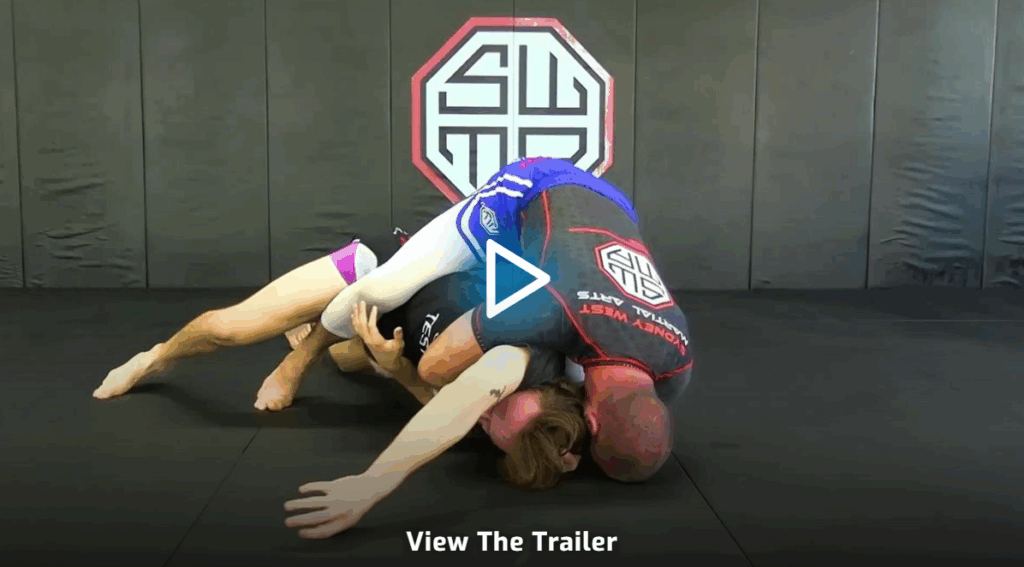
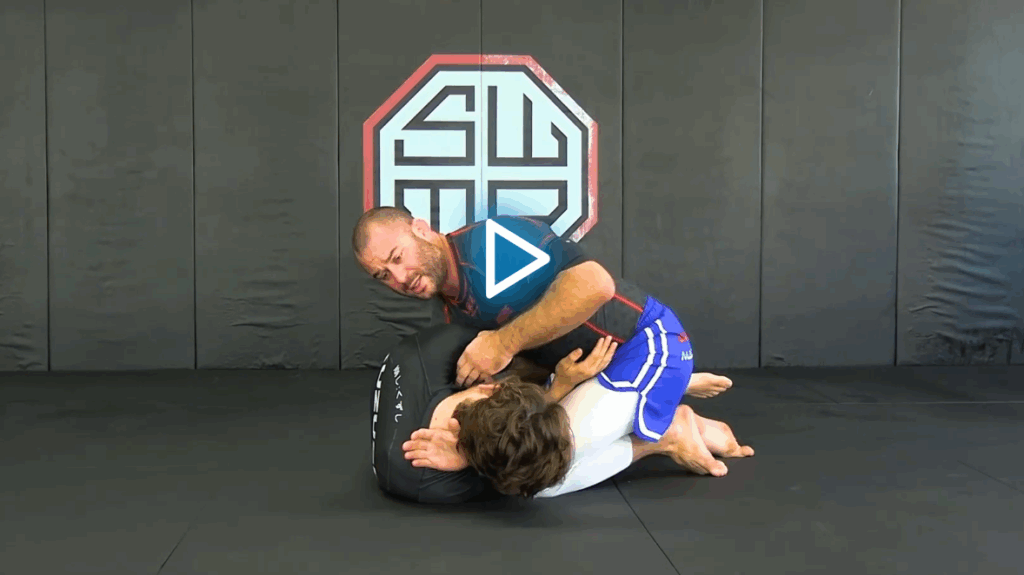
The Head and Arm Mastery Luke Martin DVD is a No-Gi instructional that covers many different applications of the position that go beyond just chokes. It has four volumes that contain around two and a half hours of material.

Part 1 – Top Position Head & Arm Chokes

The Head and Arm Mastery Luke Martin DVD starts off with Danaher-like systematization (no surprise there) as Luke covers some crucial positional mechanics and goals. His focus in the opening salvo of the instructional is on top positions, allowing you to figure things out from the most dominant position available.

Before talking about finishing mechanics in greater detail, he talks about beating common defenses from top positions such as mount and Twister side control. He covers passing the elbows, beating thumb posts, and how to prevent turnovers and turnouts.

Choke-wise, he covers what you’d expect—the arm triangle, the Anaconda, and the Darce—but does so with much more context than other, detail-stuffed instructionals.

Part 2 – Kata Gatame from Guards

Those who like the Brabo guard are used to head and arm chokes from the bottom, but in No-Gi, these kinds of attacks are rare. Well, they were rare, as the Luke Martin Head and Arm DVD now offers viable evidence to change this perception.

Some interesting variations, such as the Reverse Darce, the Makhachev finish, and the pinch headlock, seem to work well from the bottom—particularly open guards like the butterfly or everyone’s favorite: the half guard.

This volume also offers more side control options, top and bottom, featuring mostly Darces in different scenarios. Wrestle-ups, turn-ins, and underhooks all provide opportunities to set up a head and arm choke.

Part 3 – Front Headlock

A staple position for strangling from the front, which is often underutilized in the sense of head and arm chokes. The third part of the Head and Arm Mastery Luke Martin DVD addresses some incredible chokes that originate in wrestling and are rarely used in BJJ.

One of my favorites—the Schultz choke—gets a lot of attention, with the Anaconda and the Olympic roll not far behind. This part became my favorite from the very first chapter.

Martin talks a lot about countering common front headlock escapes with Kata Gatame chokes, going through turnbacks, elbow slips, forward bridges, etc. Some more guard options appear toward the end, albeit this time from a passing-with-headlocks perspective.

Part 4 – Cool Back Mount Finishes

As we reach the end of the Luke Martin Kata Gatame DVD, he signs off with a very unusual position for setting up head and arm chokes—the back mount. This 10-minute-long volume mostly looks into setting up reverse Darces and Anacondas against common back escapes.

Unleashing the Power of Kata Gatame

Trap systems are some of the best positional systems in BJJ. They beat traditional dominant positioning like mount and back simply because of the fact that they are closer to a submission finish than any of those positions.

The Kimura trap and Ashi Garami are two of the most common examples of trap systems that can take you through almost any position in BJJ while still allowing you to keep a very threatening attachment to your opponent. Well, there’s more.

While most people perceive the head and arm position simply as a choking mechanic, it is actually crucial in controlling most of those dominant, scoring positions we have in BJJ. Just think about what you’re doing from the mount, back, and closed guard as your first step, and you’ll see what I mean.

Or, better yet, pick up the Head and Arm Mastery Luke Martin DVD and start using head and arm chokes intentionally and with great effect.

DOWNLOAD HERE: HEAD AND ARM MASTERY LUKE MARTIN DVD

Master Control From Everywhere! 

No more lost positions—whenever you have no idea what to do, go for a head and arm. I’ve actually shouted this more than anything as a cornerman for countless combat athletes during scramble situations in matches. The Head and Arm Mastery Luke Martin DVD has no shouting, but the contents are no less important.

Outside Ashi Garami Firas Zahabi DVD Review [2025]

Outside Ashi Garami Firas Zahabi DVD Review

Key Takeaways

  • A wrestling for BJJ DVD covering the fundamentals of defensive wrestling in an efficient and no-nonsense way.
  • Delivers solutions to standing ties, leg takedown attacks, and front headlock counters.   
  • Features a lot of information on preventing and countering mat returns for BJJ purposes. 
  • BJJ World Expert Rating: 8.5 out of 10.

OUTSIDE ASHI GARAMI FIRAS ZAHABI DVD GET HERE

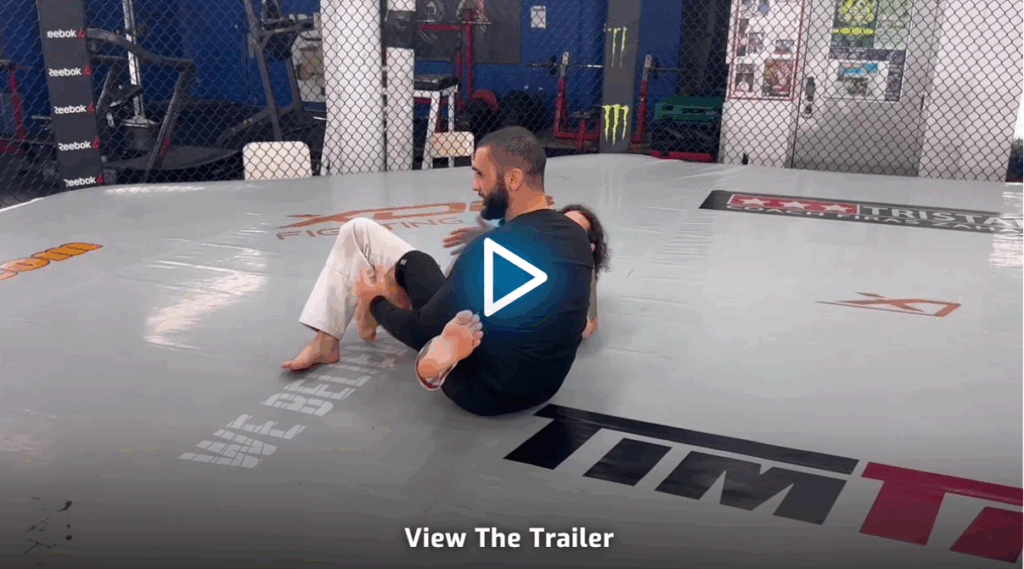
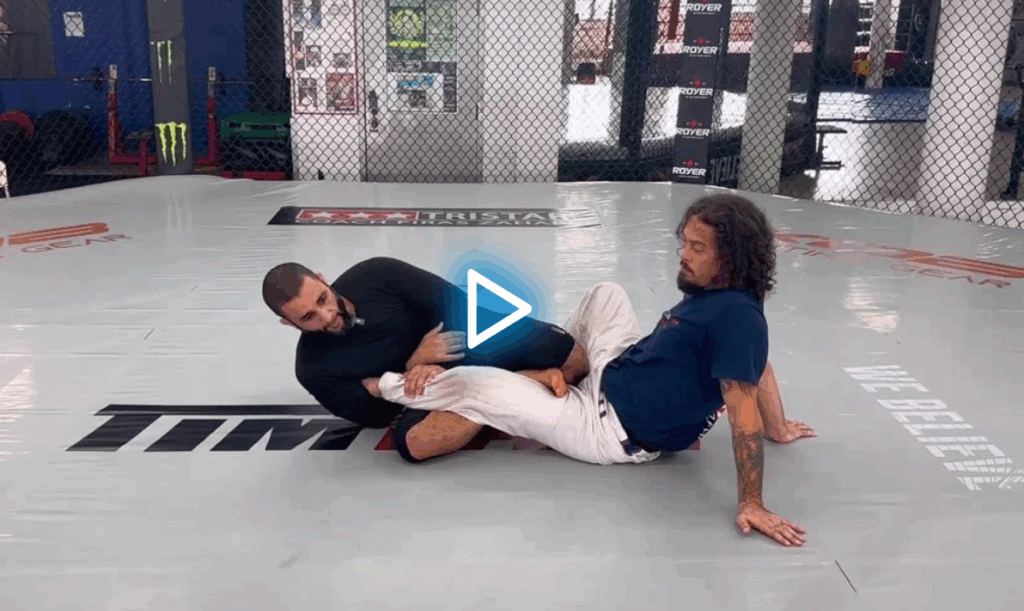
Outside Ashi Garami Firas Zahabi DVD Preview
FULL TRAILER: Outside Ashi Garami Firas Zahabi DVD

Firas Zaahbi is undoubtedly one of the best grappling coaches in the world. He has been immersed in the sport for more than two decades and has had the opportunity to test everything with world-class athletes such as GSP, Rory MacDonald, Matt Serra, John Danaher, and Gordon Ryan.

Clearly, this is exactly the man you should be learning Jiu-Jitsu from. Sadly, since most people reading this are not based in Monteral, the next best thing is trying to figure out stuff using his instructionals. Firas has several of them out, with the Outside Ashi Garami Firas Zahabi DVD the latest to land on our hands for a review.

Navigating Leg Entanglements in BJJ

If you’re just picking up on leg locks, you’re effectively screwed. There is no way for you to catch up on the last decade of advancements and hop to hang on the mats with people who have been using them since day one.

However, there is a way to enter the world of BJJ leg locks while still keeping your Jiu-Jitsu game largely intact. Instead of trying to figure out leg locks in full, focus on effective positions that will deliver a finish, without worrying about possible follow-ups or over-complicated entries.

Picking a position can be a nightmare in itself, but if you’re new, or injured, or old, or very small, or feel you’re the underdog for whatever reason, go with the Outside Ashi. You can pick it up fast, you have several different finishes available, and it’s not that different from a guard. Just take a look at the Firas Zahabi Outside Ashi DVD.

Firas Zahabi – Canada’s Top Grappling Mind

You know who Firas is, even if you don’t really know much about the legacy of Georges St. Pierre. Firas Zahabi is the man who brought BJJ to Montreal, or at least BJJ as it should be practiced. Even though he wasn’t the first grappler in town, he definitely is the best.

Born in Quebec, Firas grew up with football and martial arts, picking up BJJ as a teenager and revelling in it to this day. He did crazy long trips from Montral to NYC just to train with Danaher, who eventually awarded him a black belt, some 13 years after his first training session.

Coaching actively since he was a blue belt, a rank that Zahabi achieved with only six months of training, he has been researching grappling from the moment he got involved. Now, you get to benefit from all those decades of knowledge – the Outside Ashi Garami Firas Zahabi DVD sheds lots of light on one of the best leg engagements in the sport.

Outside Ashi Garami Firas Zahabi DVD Review

The Outside Ashi Garami Firas Zahabi DVD is a very concise No-Gi DVD, with nearly two hours of material, delivered in three volumes. It holds exactly what you need to become a master of the position without unnecessarily complicating things.

Part 1 – The Big 3

A Firas Zahabi DVD is always a fun watch, even if it is a subject you’re not currently too involved in. Since everyone is crazy about leg locks (still), the Firas Zahabi Outside Ashi DVD is one you don’t want to miss.

The instructional begins with a disclaimer about safely training leg locks, which also contains some ground rules so that you can really train them live. Immediately following it are the big three submissions you can pull off from the position — outside heel hooks, straight ankle locks, and Aoki locks.

Firas goes over each one, delivering incredible finishing details, some of which I’ve never seen before, particularly about the Aoki Lock. Tactical advice revolves mainly around gripping, and when and how to switch up your grips in order to force the finish.

Part 2 – Attacking Different Levels

Most people are afraid that they’ll expose their back if they play the Outside Ashi. Well, Firas will show you how to instill this fear in the top person, with a very slick back take that opens the second part of the Outside Ashi Garami Firas Zahabi DVD.

Next up are some interesting transitions featuring the reverse Ashi, a position that doubles what you can do. All of this material serves as the base for delivering strategies for tapping kneeling and standing opponents with one of the Big 3, regardless of what they try and do.

Part 3 – Counters 

For me, this was the part that really makes the Firas Zahabi Outside Ashi DVD stand out from other leg lock instructionals. The outside Ashi is vulnerable to specific moves from the top, or at least, it was before this instructional.

Now, Firas shares how to stop back steps, counter the limp leg, and deal with the dreaded hop over escape that used to blow the Outside Ashi wide open. Cool moves such as Estima sweeps, back takes, guard recovers, and of course, finishes featuring the Big 3 represent the end ranges of these counters.

Ashi Garami Made Simple

The Outside Ashi Garami is arguably the simplest leg entanglement position in Jiu-Jitsu. It is also one of the most effective, which usually doesn’t go with the simplicity part. As such, it is mind-boggling why most people aren’t using it, but that’s just another advantage for you if you have the Outside Ashi Garami Firas Zahabi DVD.

Even Danaher himself has a version of a Hail Mary leg lock flow that ends with an outside heel hook finish from the Outside Ashi position. We saw Eddie Cummings do wonders with it in the earliest days of leg locking, and it is still just as effective, if not more, these days.

It is true that some of the other positions, such as Inside Senkaku, and perhaps the 50/50, offer more control and more powerful finishing options. However, they have their drawback, mostly in being too complicated to get to, or difficult to transition out of.

After all, a six-shooter can do the same job as a Desert Eagle — you just have to know how to shoot.

Outside Ashi Garami Firas Zahabi DVD Free Sample
CHECK OUT A SAMPLE: Outside Ashi Garami Firas Zahabi DVD

DOWNLOAD HERE: OUTSIDE ASHI GARAMI FIRAS ZAHABI DVD

Simple Leg Locks

Bite the hip, sink your grips on the ankle or foot, and go for one of the Big 3. That is the gist of the Outside Ashi Garami Firas Zahabi DVD, and what it will allow you to accomplish. Simple, right? On top of all that, you’ll know exactly how to hold it, how to make the submissions tighter, and how to counter everything the top person attempts.

Outside Ashi Reloaded Jason Rau DVD Review [2025]

Cross Ashi Garami Firas Zahabi DVD Review [2025]

Review: Cross My Heart And Hope To Ashi DVD By Kade Tsitos

Gordon Ryan Academy Dress Code Under Fire – The “King” Responds

Gordon responds to Kingsway dress code critics
  • Gordon Ryan introduced a new Gordon Ryan academy dress code at Kingsway, requiring white Gis for non-black belts and strict black/white No‑Gi kits.
  • The policy triggered backlash, with critics calling it elitist and preferential.
  • Ryan defended the rules as practical for sponsorship and social media branding.
  • What started as a simple gym policy has turned into a broader discussion about tradition, branding, and identity in Brazilian Jiu-Jitsu.

No Frills, No Color: The Uniform Policy That Stirred the BJJ World

The Gordon Ryan academy dress code spells out very specific guidelines for how students at Kingsway Jiu-Jitsu are expected to show up to train:

  • No-Gi: All gear must be at least 80% black or white, regardless of belt level. Logos are acceptable.
  • Gi: White Gis are mandatory for brown belts and below. Black belts may wear either black or white Gis.

No branding required: There’s no mandate to wear Kingsway-branded apparel.

While these rules may sound familiar to anyone from a traditional BJJ academy, it was the tone of Ryan’s delivery and the clarity of enforcement that made headlines.

Some practitioners felt it was refreshing to see high standards clearly posted, while others accused the policy of elitism or unnecessary rigidity.

“The uniform must be at least 80% white or black… belts rank allowed white gis; black belts allowed white or black. No Kingsway gear required.”
– Gordon Ryan, Instagram –

The image of the rules, which Ryan posted to his Instagram account, was enough to set social media ablaze—especially in a community where gym policies are often looser and vibe-driven.

Backlash Online: Is It About the Clothes, or the Culture?

The internet response to the Gordon Ryan academy dress code was predictably polarized. Critics felt the black-and-white-only rules stripped the sport of its creativity.

BJJ, especially in its modern form, has long embraced personal expression through rash guard art, flashy spats, and colorful BJJ Gis. Ryan’s rules were seen by some as a clampdown on that spirit.

Supporters, however, pushed back, arguing that the Kingsway policy is no different from what many high-level academies enforce, especially in competition-focused programs. In their eyes, discipline and cohesion are hallmarks of elite teams.

“The code doesn’t force anyone to buy his gear. He just wants discipline on the mats. Don’t see the big deal.”
– Reddit commenter –

Others noted the irony that Ryan—who often brands himself as a rebel or provocateur—would take such a traditional stance on uniforms. But perhaps that, too, is part of the message: true professionalism doesn’t have to look flashy.

Branding, Control, and the Gordon Ryan Effect

This isn’t just about clothing. For many observers, the Gordon Ryan academy dress code is a window into a broader trend: the professionalization (and corporatization) of jiu-jitsu culture. And as arguably the most influential grappler alive, Ryan’s approach carries weight.

Kingsway Jiu-Jitsu was founded as a rebrand of New Wave, and everything from its logo to its uniform rules reflects a refined identity.

While Ryan clarified that students aren’t required to wear his branded gear, the monochrome policy adds to the academy’s strong visual identity—one that sets it apart in an increasingly chaotic no-gi landscape.

“If you don’t like it, don’t train there. That’s the freedom part people forget.”
– Instagram commenter –

It’s not unlike what John Danaher established at Renzo Gracie Academy: subdued, professional, and streamlined gear standards that match the tone of high-level instruction. The Kingsway Jiu-Jitsu rules follow that tradition, but with Ryan’s characteristic edge.

Gordon Ryan Academy Dress Code responses

Why the Gordon Ryan Academy Dress Code Actually Matters

At first glance, the Gordon Ryan academy dress code might seem like a minor issue. But its ripple effect across the jiu-jitsu world reveals just how divided the community remains on questions of culture, authority, and the direction the sport is heading.

The real conversation isn’t about black or white rash guards—it’s about how jiu-jitsu presents itself. Should it lean more into its roots as a martial art with strict hierarchy and aesthetics?

Or should it embrace its modern identity as a sport that allows personal expression? The Kingsway Jiu-Jitsu policy doesn’t answer that question—but it definitely forces the discussion.

It’s also worth noting that Ryan’s enforcement of the code didn’t come with any marketing push or product launch. In fact, he clarified that athletes can wear any brand, as long as it adheres to the guidelines.

For a figure known for turning everything into a business opportunity, that restraint might be the most surprising element of all.

Bottom Work Tutorial Jacob Howland DVD Review [2025]

Bottom Work Tutorial Jacob Howland DVD Review

Key Takeaways

  • A wrestling for BJJ instructional that shares top tips on how to perform reversals when on all fours. 
  • Delivers tactical solutions for getting out that include lots of Granby and Shrug rolls.   
  • Features a system of stand ups, changeovers, and switches that you can apply in many different situations.  
  • BJJ World Expert Rating: 8.5 out of 10. 

BOTTOM WORK TUTORIAL JACOB HOWLAND DVD GET HERE

The line between offense and defense is getting blurrier each day in submission grappling. A lot of the blame for that lies in the integration of wrestling into BJJ, which has been happening at lightning speed for the past few years.

Being in “bad spots” is no longer the Boogeyman of grappling, like it was 15 years ago. Now, it just means you’re using different tactics to win. The Bottom Work Jacob Howland DVD delivers a few of those wrestling-rooted ideas on how to always be the one on top when you start on all fours.

Controlling From Defense

Well, I wouldn’t really call the all-fours position defensive per se, nor the turtle, but let’s go with it because it’s easier to cover things that way. Whenever you find yourself in a turtle situation, or something similar in BJJ, the main thing to remember is that you don’t only have defense as your option.

We saw a guy use the turtle to get 7 or 8 leg lock finishes in a tournament a few years back. It was just one example of how you can surprise people from a position that makes them feel in control. It takes a bit of practice and experimentation, but at the end of the day, you can attack very effectively from the turtle.

In fact, you can attack with a lot more options than just leg locks. Back in the day, Eduardo Telles had the turtle guard, which offered plenty of triangle and head-and-arm options. From wrestling, you have a bunch of reversals that can reel your opponent in and land you on top in one swift move.

The best way to do it—combine all of these, and even add more. Of course, we’re talking about a full game here, which means dedicated resources for each aspect. The Bottom Work Tutorial Jacob Howland DVD covers the wrestling portion very well.

Jacob ‘Juggernaut’ Howland

Some people just know how to power through. Jacob “Juggernaut” Howland, or JJ Howland as most people know him, is a wrestler and an MMA fighter who is not just an incredible source of grappling knowledge—he also serves as an inspiration for life.

The Marine Corps veteran knows all about adversity and overcoming it. From war zones to the mats, and most importantly, in his daily life, JJ Howland has lived through more than most people will.

Overcoming addiction and reeling himself back from being homeless to creating a safe space for young athletes, where he teaches wrestling, is as incredible as real success stories get! Now, you can get a slice of that JJ Howland grappling wisdom as well through his Jacob Howland Bottom Work DVD.

Bottom Work Tutorial Jacob Howland DVD Review

Three volumes, no Gi required, and only straight-up useful info, without any fluff—that’s what the Bottom Work Tutorial Jacob Howland DVD delivers in just under two hours.

Part 1 – Slides & Stand Ups

In the first part of the Bottom Work Tutorial Jacob Howland DVD, JJ focuses on the cornerstone stuff you can do from the referee’s position, a.k.a. all fours, to reverse your fortunes.

First up, he shares a few drills to help you develop the necessary skills, presented through interesting concepts. Next, he goes into the basic grips that will allow you to turn the tables without giving even more away and ending up pinned.

Stand-ups based on sit-outs, power smashing, and chops feature first, followed by an array of slides set up by cradle baits, knee posts, and changeovers. A few bits of tactical advice on defending the switch, stand-up, and changeover round off this opening volume.

Part 2 – Granby Rolls

For all the BJJ folks salivating when they read “Granby Rolls,” these are not the rolls you’re thinking of. Most of the work here refers to the original, wrestling-inspired Granby roll and its applications.

The idea here is to get out from underneath and get the top position using the Granby. JJ Howland walks us through how to do the standard Granby roll, but also variations like the smash Granby, changeovers, and the standing Granby.

The moves in this part of the Bottom Work Tutorial Jacob Howland DVD are tailor-made for BJJ, especially for those finding themselves stuck in the turtle. While originally intended for No-Gi, these moves work perfectly in the Gi too, given the added grip options.

Part 3 – Shrug Rolls

Another type of roll that’s scarcely, if at all, used in Jiu-Jitsu and is a staple of wrestling counter moves is the shrug roll. The Juggernaut ties it to changeovers, stand-ups, and sit-outs again, providing even more routes to get back on top.

Variations include the Wayne’s roll, the Force roll, and the step-behind roll, as well as an interesting explanation of why the Peterson roll is missing. A few super-effective gripping hacks, such as the claw ride and wrist control, take us to the end of the Jacob Howland Bottom Work DVD.

Turning the Tables

One of the best tactical moves you can pull off is to use compromising positions as traps. Before people go wild about my use of the word “compromising” here, I’m noting that I didn’t use it as an absolute.

With that out of the way, let’s talk reversals. Getting out of a bad spot and on top is a reversal and, as such, doesn’t earn any points (a topic for another article), but it delivers something better—psychological advantage. Imagine holding someone down and not being able to finish them, only to end up as the person on the bottom and on defense.

Well, that’s exactly what you’re doing to your opponent when you go for offensive turtle tactics. You might not win any points for the initial move that gets you on top (depends on what you do), but you’ll certainly win the match. The Bottom Work Tutorial Jacob Howland DVD offers plenty of ideas on how.

DOWNLOAD HERE: BOTTOM WORK TUTORIAL JACOB HOWLAND DVD

Flip ‘Em! 

No more panic when people force you to turtle up—you’ll just accept with a smile on your face and still end up on top. Actually, after going through the Bottom Work Tutorial Jacob Howland DVD, you’ll be going into the turtle intentionally, baiting people to follow you so you can flip ’em!

Late Starter Hacks Tim Rennick DVD Review [2025]

Late Starter Hacks Tim Rennick DVD Review

Key Takeaways

  • A Jiu-Jitsu for old guys DVD that shares incredibly effective tactics for dominating from everywhere.
  • Contains standing tactics based on luring people into takedowns using backward movement and arm drags.   
  • Features sneaky submissions, cool pinning options, and a mental model for setting up your game as an OG. 
  • BJJ World Expert Rating: 9 out of 10. 

LATE STARTER HACKS TIM RENNICK DVD GET HERE

Walk into any BJJ gym around the world. I guarantee that you’ll see at least one older person around 50, giving the young athletes all kinds of problems during rolls. If that’s who you want to be when you reach 50 (be it in a year or 15 years from now), then the Late Starter Hacks Tim Rennick DVD is for you.

There is a structure and tactics to what you can do in BJJ once you are past your physical prime. One thing to come to terms with is that your options will be much more limited—but that doesn’t mean they won’t be fun! All it takes is putting together a sneaky game that shifts the advantage over to you.

Turning 50 Doesn’t Mean You’re Done 

They say that Helio Gracie rolled until he was past 80. While it may just be a story, the fact remains that in BJJ, you’re not bound by the age limits that we see in most other competitive sports. You can’t really cut it playing football or in MMA after you pass the 40-year-old mark.

However, in BJJ, you can still train, spar, compete, and even win world championships well over 50. In fact, many people who have discovered Jiu-Jitsu at a later age thrive when they’re over 50, just like Tim Rennick does.

Granted, you can’t really train the same way young people train, and you might not even be able to do much of the stuff taught in classes. That doesn’t mean you can’t develop a super effective game, though—there are always alternative sources to learn from, such as the Late Starter Tim Rennick DVD.

A BJJ Success Story – Tim Rennick

There are plenty of “BJJ saved my life” stories out there, and most of them are crap. However, there is the occasional story that truly inspires, and Tim Rennick’s is definitely one of them.

Looking for something to do to stay in shape while learning self-defense, Rennick stumbled onto Jiu-Jitsu after an unexpected street altercation. Fifty pounds lighter and a few world championships later, Rennick is a BJJ black belt, gym owner, and instructor who has dedicated his life to the Gentle Art.

Along with his wife LaCheri, who also rolls, Tim heads the Jiu-Jitsu Wildomar Academy, serving as an inspiration to folks—especially those past 40—that you can pick up BJJ late and still become a world champion. The Tim Rennick Late Starter Hacks DVD shows the way.

Late Starter Hacks Tim Rennick DVD Review

The Tim Rennick Late Starter Hacks DVD is a Gi and No-Gi instructional (he puts a Gi jacket and belt on for certain moves) that holds loads of great advice on setting up a grappling game past your physical prime. It contains just under two hours of material.

Part 1 – Back Stepping Takedowns

Tim definitely starts this instructional off with a bang—and a loud one. It is a top-level hack that shows OGs how to set up super effective takedowns by not charging mindlessly forward. In fact, he encourages people to go backward and lure the opponent into sneaky takedowns.

Using back-stepping as a takedown setup tactic is nothing short of genius. What you can expect to pick up from the opening volume of the Late Starter Hacks Tim Rennick DVD are double leg and single leg setups while backpedaling, as well as some sneaky collar drag downs and trips.

Part 2 – Arm Drags

Part two still focuses on standing, with arm drags now entering the system. They simply offer another layer of hacks to use with the moves already presented, providing another way to get double legs and trips.

This volume of the Tim Rennick Late Starter Hacks DVD also addresses underhooks and the front headlock, showing you how to get the 10-finger guillotine fast. An inverted triangle is also in here for the more adventurous older grapplers, as well as a great way to recover from messing up chokes.

Part 3 – Kimura Traps

As we reach the Late Starter Hacks Tim Rennick DVD, the focus is all on sneaky stuff. Rennick begins with a turtle attack that shows the corkscrew Kimura, which he later uses to counter defenses, pass, or set up unusual strangles like the scissor choke.

Even more sneaky stuff appears from top side control, with the hip cross-face control and the biceps slicer emerging as my personal favorites. All in all, this instructional really delivers all the hacks that it promises in the title.

“Beware of the Old Person”… 

“…In a sport where men die young.” You’ve heard the quote, and if you’ve rolled with a 45-and-over master’s competitor that has a purple belt or higher, you know exactly what it means. So, how about learning from these OGs and setting yourself up for success later on?

The things you can pick up from folks like Tim Rennick, who have been around the block more than a few times, are priceless. Not every one of the OGs you might have access to is at the same level as Tim, but they undoubtedly have their own formula for surviving on the mats “past their expiration date.”

OGs are not just about old man strength either. It is all about cunning, guile, and experience versus the power and athleticism of young bucks. This means more thinking and tactics than winging it, hoping to win a scramble. The Late Starter Hacks Tim Rennick DVD offers some truly amazing and super useful tactics for folks past their prime.

DOWNLOAD HERE: LATE STARTER HACKS TIM RENNICK DVD

Dominance at 50 (and Beyond) 

Drop the self-pity and the excuses, and pick up the Late Starter Hacks Tim Rennick DVD. For Gi and No-Gi, it will help you figure out exactly what the weak spots in your game are and how to solve them using hacks and shortcuts rather than having to relearn BJJ. I bet even Helio would’ve bought this instructional if he could.