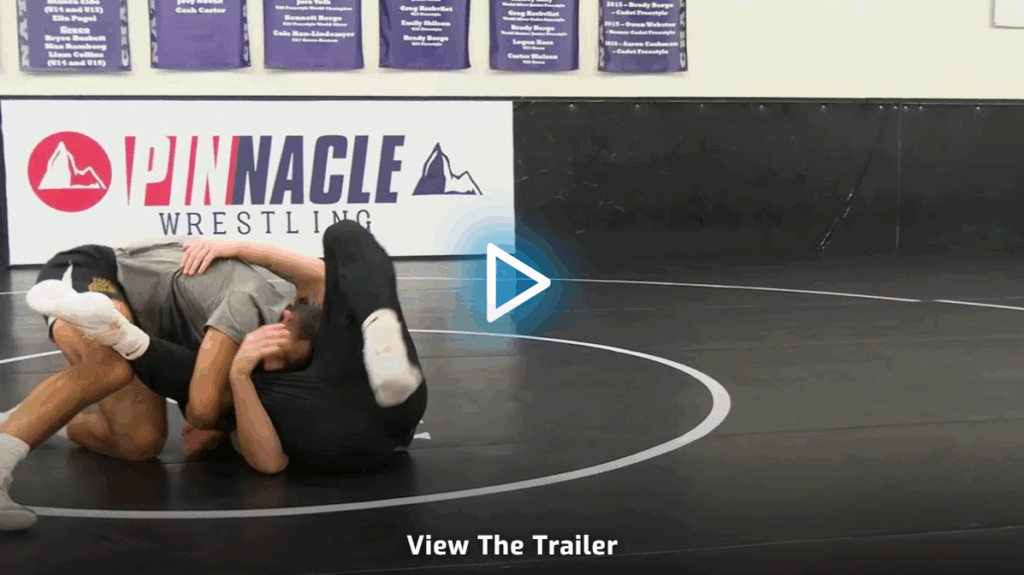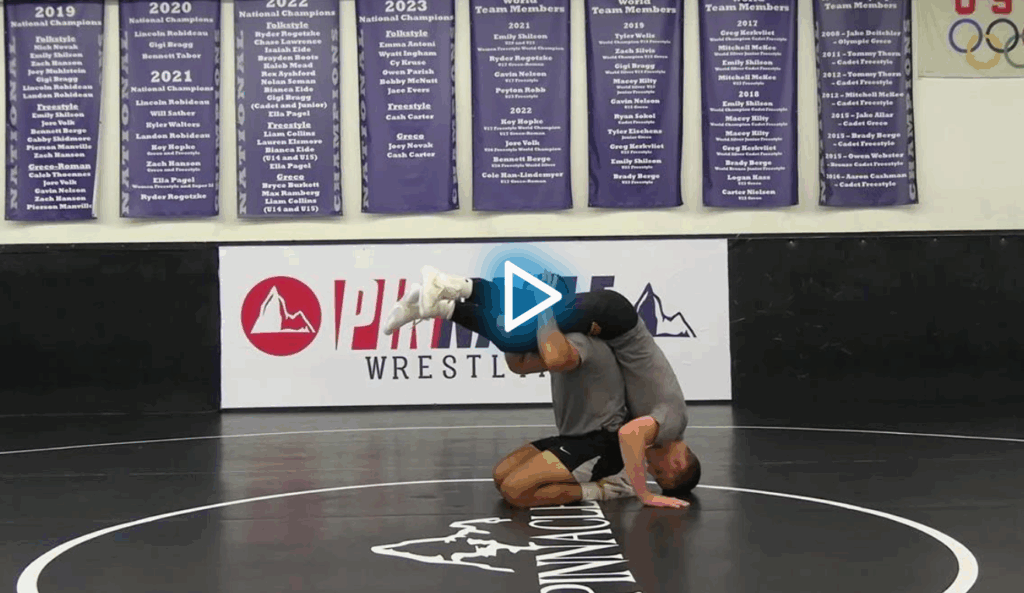





The Arm Drag Attack System Dan Vallimont DVD Review [2025]

The Arm Drag Attack System Dan Vallimont DVD Review

Key Takeaways

  • Tight, system-based approach to arm drags that links setups, finishes, and counters into one roadmap.
  • Strong focus on hand fighting and positional discipline that transfers well to wrestling and Jiu-Jitsu stand-up.
  • Clean progression from basics to advanced chains; the defensive volume makes the system feel complete.
  • Production and structure are straightforward and easy to navigate, though some sections rush past finer details.
  • Best for grapplers who already have basic stance and motion; true beginners may need to pause and drill a lot.
  • Rating: 9/10

ARM DRAG ATTACK SYSTEM DAN VALLIMONT DVD DOWNLOAD
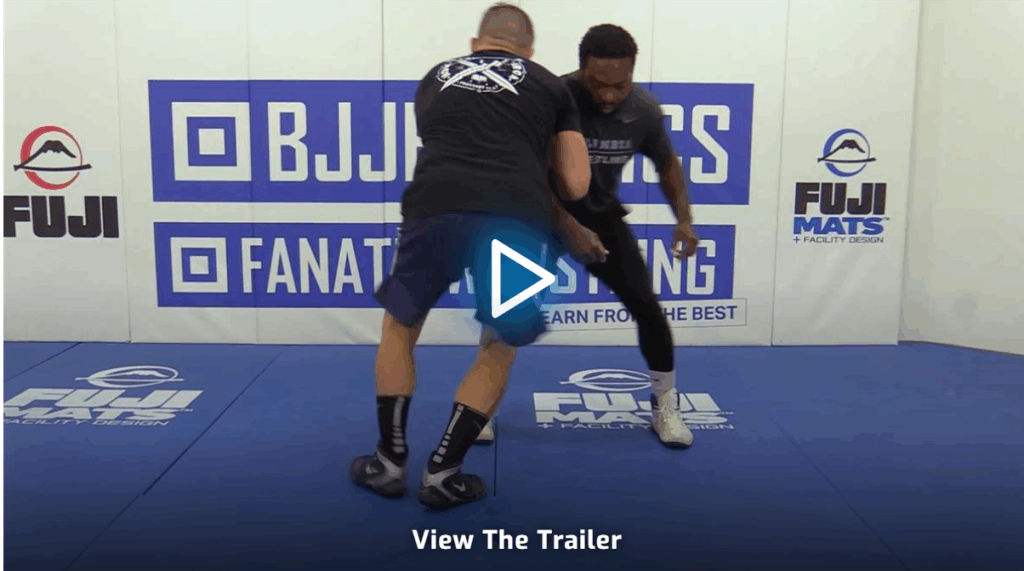
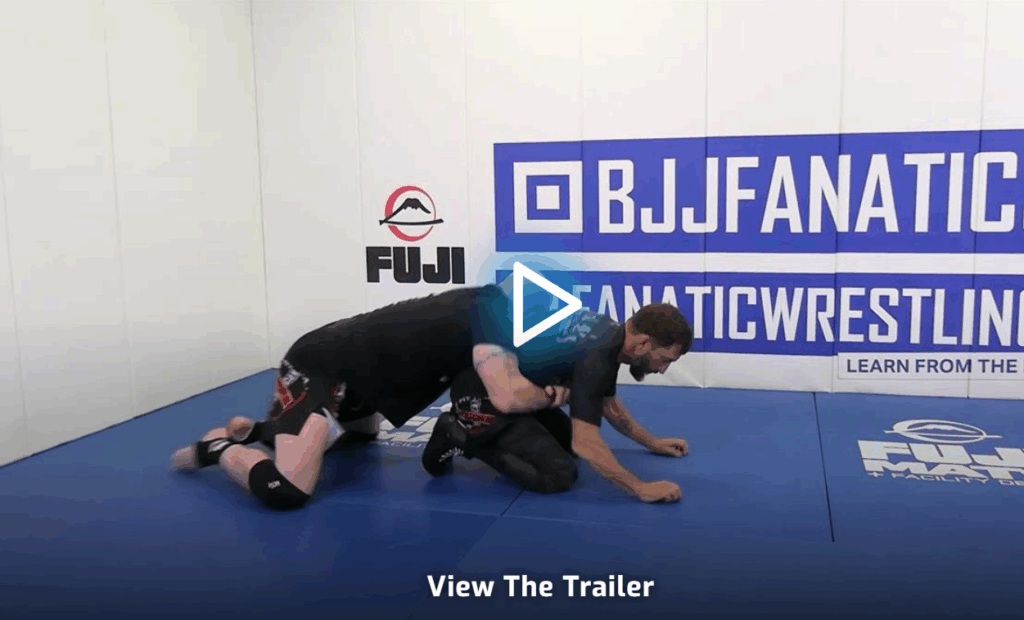
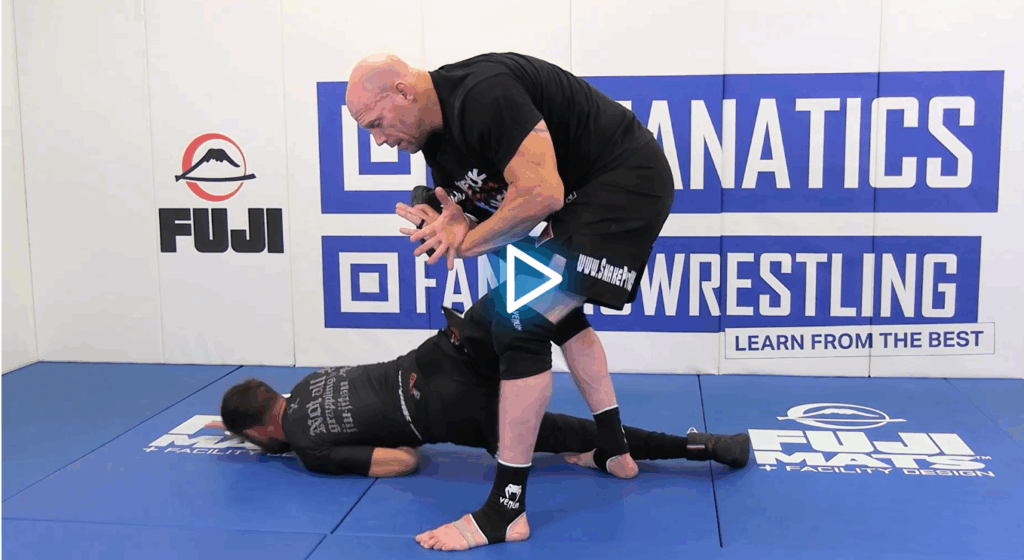
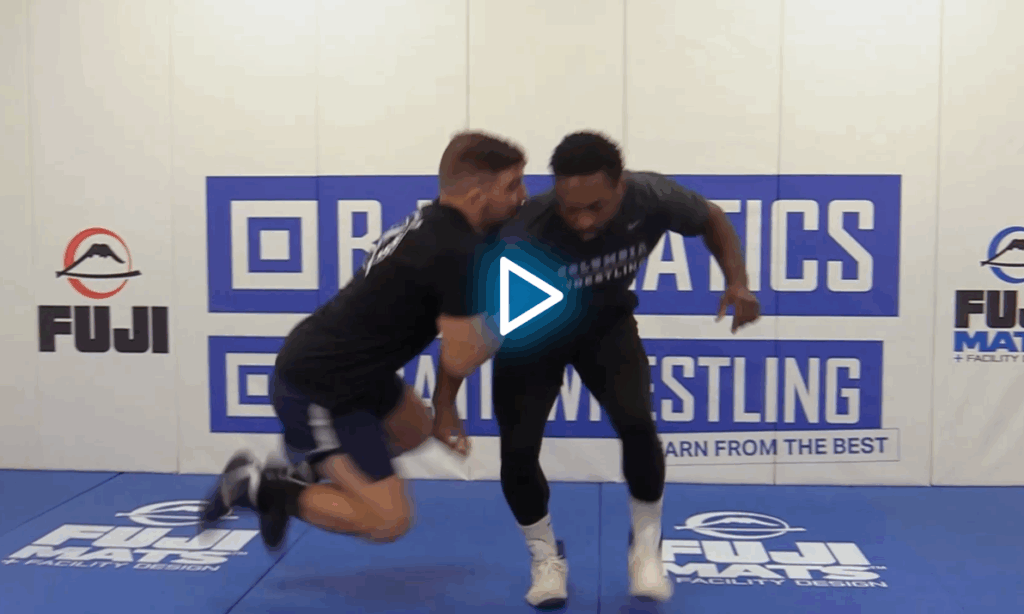
The Arm Drag Attack System Dan Vallimont DVD is all about turning one of wrestling’s most reliable ties into a full-blown gameplan. Rather than treating the arm drag as a single move, Vallimont uses this instructional to show how it can become the centre of your neutral strategy, from first contact all the way to scoring and finishing.

You get three volumes that move in a logical sequence: first, earning the drag and controlling ties; second, converting those positions into takedowns; and third, dealing with opponents who try to drag you or counter your entries. It’s presented as a wrestling instructional, but a lot of what’s here is directly useful for Jiu-Jitsu and No-Gi takedown work, especially if you favour back takes or chain wrestling into leg attacks.

This Dan Vallimont DVD Review walks through the structure of the series, looks at how it fits into modern grappling, and helps you decide if it deserves a spot in your training rotation.

The Art of Kuzushi Using the Torso

Arm drags live in that sweet spot between safety and aggression. You’re not diving underneath someone or giving up position; you’re off-balancing them, opening angles, and forcing reactions without overcommitting.

In broad BJJ terms, you can think of the drag as a standing kuzushi tool. From collar ties, wrist control, or 2-on-1s, you’re constantly trying to move the other person out of their stance, expose their back, or create a path to the hips.

A good drag doesn’t just “pull the arm”; it shifts their weight, turns their shoulders, and puts you on the better angle—exactly what you want before a takedown or back take. An instructional like the Arm Drag Attack System Dan Vallimont DVD shines because it doesn’t just show isolated moves.

It digs into how to earn the position in the first place, how to manage wrist control battles, and how to connect your drags to doubles, singles, fireman’s carries, ankle picks, and more. For Jiu-Jitsu athletes used to collar ties and over-unders, that kind of structured neutral game can be a big upgrade over “just shoot a double”.

Penn State Captain Dan Vallimont

Dan Vallimont isn’t just a coach who likes arm drags—he has the competitive résumé to back up a system-heavy approach. He was a two-time NCAA Division I All-American for Penn State, taking third in 2008 and making the NCAA finals in 2010 at 165 pounds, and across four NCAA Championship appearances, he never finished lower than the round of 12.

Before that, he was a standout at Jefferson Township High School in New Jersey, where he became a two-time state champion and posted a 134–9 high-school record while also serving as a multi-year team captain.

At Penn State, Dan Vallimont captained the Nittany Lions for two seasons, graduating with a degree in architectural engineering—so you’re getting a system from someone who literally thinks in structures.

After college, Vallimont stayed on the competitive path, making Team USA’s World Cup freestyle squad in 2014 and collecting solid results at senior-level events like the US Open and international tournaments.

Alongside competing, he built a serious coaching résumé, spending years as an assistant and head assistant coach at Hofstra before taking on roles with programs like Penn and the Pennsylvania RTC.

The emphasis on fundamentals, positional discipline, and clear drilling sequences is very much in line with his other instructionals, and it’s easy to see how the lessons in the Arm Drag Attack System Dan Vallimont DVD have been pressure-tested at NCAA and international levels.

Complete Arm Drag Attack System Dan Vallimont DVD Review

The Arm Drag Attack System Dan Vallimont DVD is structured as three volumes that move from foundations, to offensive conversions, to defensive drags and counters. Each volume covers a specific phase of the game, but they’re clearly designed to feed into each other so that the arm drag never exists in isolation.

Volume 1 – Getting to the Arm Drag

Volume 1 is all about earning the arm drag and getting comfortable living in those ties. Vallimont opens with an introduction and then goes straight into the basics of positioning and entries, which is exactly what you’d hope for: stance, distance, and the mechanics of how to control an arm rather than just grabbing and yanking.

From there, he layers in various drills that help you feel how to move an opponent’s weight without blowing your own base. The wrist-control chapters are a big highlight. They show how to navigate those mini-battles that happen before any big move—how to recover when your opponent has your wrist, how to use their grip against them, and how to re-establish your own preferred ties.

The Arm Drag Attack System Dan Vallimont DVD really leans on these details, because if you can’t win the wrist fight, you’ll rarely earn a clean drag in live resistance. From there, Vallimont moves into variations like the “Underhook Drag”, “Over-Tie Drag”, and 2-on-1 options to both the near and far side.

Volume 2 – Arm Drag Attacks

If Volume 1 builds the frame, Volume 2 is where you start cashing it in for points. It kicks off with arm drag takedowns, immediately connecting your drag to a scoring position where you’re behind your opponent with your hips close. A couple of hip drags show different ways to finish when your partner is trying to stay upright or lean away.

As the volume progresses, Vallimont mixes classic finishes with drag-based entries: back finishes off the sag, ankle picks, outside-step fakes into drags, doubles, traditional fireman’s carries, and sweep singles.

There’s a nice sense of chain wrestling here—if they post, you go one way; if they square up, you have another option; if they try to limp arm out, you’re already transitioning to a different finish.

The later chapters continue this theme with sequences like drag to 2-on-1,  the Sag Head Lock, and arm spin, along with far-side options including ankle picks, fireman’s carries, and sweep singles. This middle portion of the Arm Drag Attack System Dan Vallimont DVD feels the most directly “plug and play” for competitive grapplers.

Volume 3 – Drag Defense

The final part flips the script: instead of being the one doing all the dragging, you’re often the one being dragged—or at least being attacked from the front headlock and similar positions. It opens with headlock defense, immediately addressing a common fear in both wrestling and Jiu-Jitsu: getting stuck underneath after a failed attack or being yanked into a front headlock.

Volume 3 of the Arm Drag Attack System Dan Vallimont DVD shows how to use those situations to create your own drags and takedowns instead of just defending. It covers a series of defensive drag” chapters that answer specific scenarios: front headlock escapes, counters to failed fireman’s carries, and high-crotch counters.

The idea is that whenever someone tries to run you into a bad position, you’re ready with a drag of your own. The Re-Drag material closes the loop nicely, reinforcing the idea that arm drags are a two-way weapon: if they drag, you drag back and reclaim the initiative. I

Early Back Exposure in Grappling

From a practical standpoint, the system is very drill-friendly. Volume 1 gives you specific partner drills for earning the drag, winning wrist control, and feeling how to pull someone out of stance without chasing.

You can plug those reps into warm-ups or specific training rounds, especially if you’re trying to build better hand fighting into your Jiu-Jitsu stand-up or wrestling classes.

Volume 2 is ideal for sparring scenarios: pick one or two finishes—say, drag to double and drag to ankle pick—and run constrained rounds where you’re only allowed to score from those options. Over time, you start to feel how to steer ties so that those finishes naturally present themselves, rather than forcing them from bad angles.

The Arm Drag Attack System Dan Vallimont DVD gives you a focused blueprint for turning collar ties, wrist grabs, and 2-on-1s into back exposure or leg attacks. Grapplers who like to play guard can also benefit by using the same concepts when coming up on singles or chasing the back from seated guard, since the off-balancing and angle changes are essentially the same.
ORDER HERE ARM DRAG ATTACK SYSTEM DAN VALLIMONT DVD

Who Is This For?

The Arm Drag System Dan Vallimont DVD is best suited to grapplers who already understand basic stance, motion, and level changes, and who want a more organised neutral game. If you’ve been hand-fighting for years but mostly looking for single doubles without a clear tie-up strategy, this series can give you a solid backbone for your stand-up.

Intermediate and advanced grapplers will probably get the most out of it, since the pace assumes you’re comfortable with common finishes and can visualise how they plug into live matches. For experienced Jiu-Jitsu players who cross-train wrestling or No-Gi, it’s a great way to sharpen the tie-up phases that often get neglected in typical Jiu-Jitsu warm-ups.

Beginners can still use it, but they’ll need to pause frequently and spend extra time on the fundamentals shown in Volume 1 before trying to run the full chains from Volume 2 and 3. For absolute newcomers, the Dan Vallimont Arm Drag DVD is more of a roadmap for where you want your neutral game to end up rather than a true “day one” starting point.

Pros & Potential Drawbacks

Pros:

  • Clear, logical structure from basics to advanced chains, making it easy to build a full arm drag game.
  • Strong emphasis on hand fighting, wrist control, and positioning that translates well to both wrestling and Jiu-Jitsu.
  • Wide variety of finishes from the same core tie, including doubles, singles, fireman’s carries, ankle picks, and inside trips.
  • Defensive volume rounds out the system by covering front headlocks, failed attacks, and re-drags.
  • Production quality is straightforward and functional: the chapter list is detailed, navigation is simple, and the pacing keeps you engaged.

Potential Drawbacks:

  • True beginners may find the volume of material overwhelming without a coach to guide which pieces to prioritise.
  • Some sections move quickly over fine grip details that more methodical learners might want broken down even further.
  • If you’re looking for extensive mat-wrestling or par terre work, this series stays firmly focused on the neutral game.

Snap ‘N’ Drag

Dan Vallimont has put together a well-structured look at one of grappling’s most versatile tools. The series takes you from earning the drag to converting it into high-percentage takedowns, to surviving and countering when opponents try to drag you instead. For wrestlers and Jiu-Jitsu athletes who want a clear, repeatable plan from neutral, it offers a lot of value.

Overall, the Arm Drag Attack System Dan Vallimont DVD earns its place as a specialized tool in a grappler’s library—especially if you care about building a reliable, angle-based stand-up game that works in both wrestling and Jiu-Jitsu contexts.
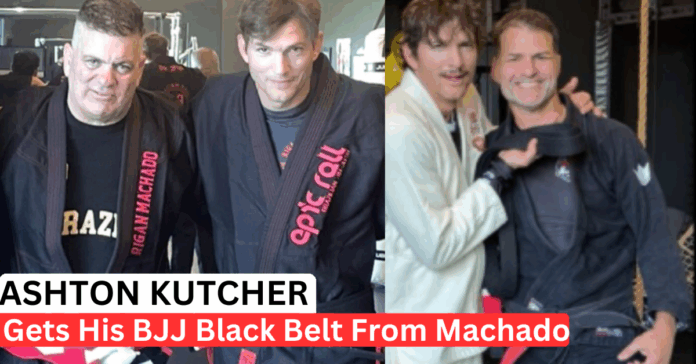
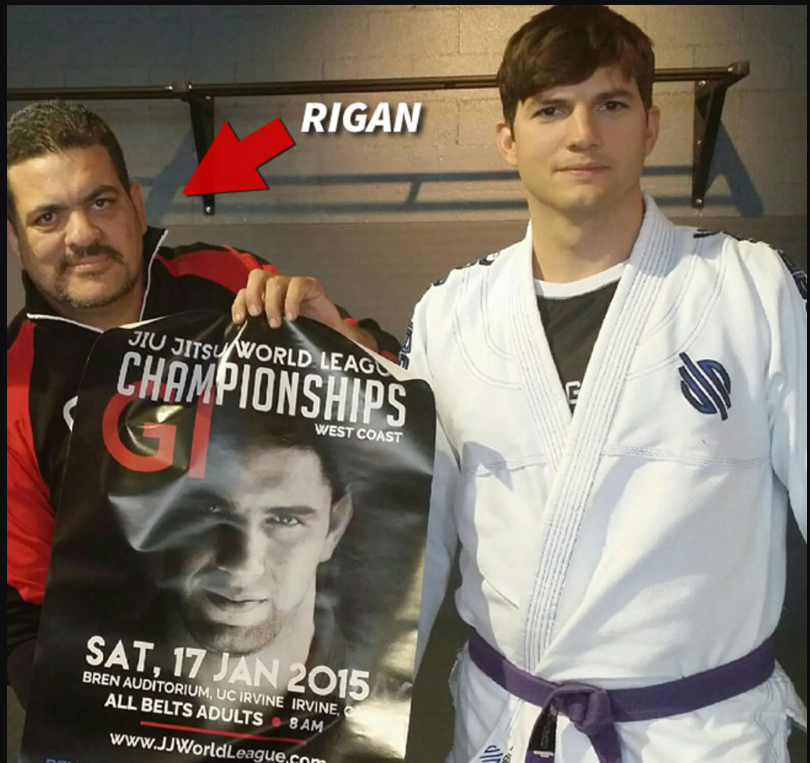
Ashton Kutcher BJJ Black Belt Journey: 12 Years, Health Scares And Dawn Sessions

Ashton Kutcher BJJ Black Belt Journey: 12 Years, Health Scares And Dawn Sessions
  • Ashton Kutcher has been promoted to BJJ black belt under Rigan Machado after more than a decade on the mats.
  • The journey started in 2012 in Brazil, ran through fast early belt promotions, and included years of pre-dawn training around a hectic Hollywood schedule.
  • Machado and Joe Rogan have both publicly defended his skills and legitimacy, even as some fans question any celebrity BJJ black belts.
  • Reports differ slightly on the exact length of his training—some say “more than 12 years,” others “around 15”—but all agree he’s been consistent for over a decade.
  • Beyond the headlines, the Ashton Kutcher BJJ black belt promotion shows how long-term commitment can coexist with family life, health issues, and an A-list career.

How Ashton Kutcher Fell In Love With Brazilian Jiu-Jitsu

Ashton Kutcher’s relationship with Brazilian jiu-jitsu didn’t start as a vanity project. According to long-form breakdowns of his Kutcher BJJ journey, he first tried BJJ in 2012 while in São Paulo, Brazil, during a fashion campaign.

Training at Ricardo De La Riva’s academy, he wanted a tougher way to stay in shape and quickly gravitated toward grappling, helped by a background in Iowa high-school wrestling.

That early exposure stuck. Once back in the United States, he settled under Rigan Machado BJJ, joining the network of celebrity students who sneak in sessions before sunrise to make training work around filming schedules and family life.

From the beginning, this wasn’t a casual hobby. Sources describe Kutcher routinely fitting in warm-ups, technical drilling, and live sparring, even when he could have just coasted on private “light” sessions.

Over time, Ashton Kutcher Brazilian jiu-jitsu stopped being just conditioning for acting and became a core part of his day-to-day identity.

Ashton Kutcher BJJ Black Belt Journey: 12 Years

Timeline: Ashton Kutcher BJJ Black Belt Journey

Pinning down the exact length of his training is where the numbers start to diverge. Detailed timelines put his BJJ start in 2012, with work under De La Riva in Brazil before fully moving under Machado.

From there, things moved quickly: a blue belt in early 2014 and a purple belt by the end of the same year.

That rapid rise raised eyebrows across the community. Yet even back then, Machado pushed back, pointing to Kutcher’s wrestling base and commitment on the mats. In one widely reported comment, he said his famous student was effectively his top pupil and backed Kutcher to become a serious problem in jiu-jitsu.

Kutcher’s progress slowed to a more familiar pace at the higher belts. He earned his brown belt in 2019 after roughly five years at purple, and from there settled into the long grind toward black.

Some outlets now describe the newly minted Ashton Kutcher BJJ black belt as the product of “more than 12 years” of training, while others note he’s been on the mats for “around 15 years.”

Either way, this wasn’t a weekend crash course—it’s over a decade of consistent work.

Inside Rigan Machado’s Celebrity BJJ Room

To understand the promotion, you have to understand the room. Machado has long been the go-to coach for high-profile clients, building a training model around early-morning privates and even house calls so actors can train before their kids wake up or they head to set.

On the Combat Base podcast, Machado described how Kutcher and other students hit the mats before 8:00 a.m. because after that, family and business demands take over.

He praised Kutcher and his wife for refusing full-time babysitters so they could stay immersed in their children’s daily routines, noting that a lot of the training happens around school runs and practices.

This “Flow Jiu-Jitsu” environment does cater to busy celebrities, but Kutcher hasn’t been insulated from real resistance.

He has spent mat time with high-level names, including Craig Jones rolling with Ashton Kutcher in rounds that made BJJ news sites precisely because Jones treated him like a proper training partner, not a prop.

Along the way, he also pushed through serious health issues. Craig Jones has spoken about Kutcher suffering a major medical condition that left one side of his body barely working, yet still finding ways to get back on the mats.

That doesn’t automatically earn anyone a black belt—but it does tell you a lot about his persistence.

Is Ashton Kutcher’s Black Belt Legit? What The Evidence Says

The legitimacy question was inevitable. Celebrity BJJ black belts always attract scrutiny, and the Reddit thread around his promotion is already full of debate.

So what does the evidence actually say about whether this Ashton Kutcher BJJ black belt is legit?

First, the timeline: more than a decade of continuous training with documented belt promotions in 2014 (blue and purple), 2019 (brown), and 2025 (black) lines up with what most serious practitioners would call a reasonable, if accelerated, path—especially for someone who came in with a wrestling base and access to daily coaching.

Second, the technical endorsements are unusually strong. Years ago, Joe Rogan—himself a long-time black belt—set the tone with a simple verdict on his purple belt:

If Ashton Kutcher got a purple belt from Rigan Machado, that shit is legit.
– Joe Rogan –

Machado has been equally clear for years, publicly calling Kutcher his number one student and backing him even in hypothetical grappling match-ups against elite fighters.

Third, the training conditions. Far from attending the occasional photo-op seminar, Kutcher’s BJJ black belt promotion comes after years of early-morning work, private technical sessions, and rounds with top-level grapplers.

He doesn’t compete—sources point to injury risk and the reality that a serious tournament injury could derail his acting career—but competition has never been a strict requirement for rank in most academies.

Put together, the picture leans more toward Ashton Kutcher black belt legit than “paid-for celebrity stripe.” You don’t have to love every aspect of celebrity training culture to acknowledge that the receipts here look solid.

Why This Celebrity BJJ Black Belt Actually Matters For The Sport

It’s easy to roll your eyes at celebrity BJJ black belts, but this one is bigger than a quick headline. Kutcher’s promotion will blast Brazilian Jiu-Jitsu into mainstream feeds that normally never mention closed guards, ADCC, or IBJJF brackets.

Some of those people will Google gyms in their area. Some of their kids will end up in your kids’ class. That matters.

At the same time, the scrutiny around Ashton Kutcher BJJ black belt is healthy for the sport. The debates force coaches to think about what their black belt represents and remind fans that rank is earned on the mats, not on the red carpet.

When a promotion like this stands up to that level of inspection, it quietly reinforces what a BJJ black belt is supposed to mean.

Kutcher’s story also sends a useful message to older, busier beginners: you don’t need to be a full-time competitor to chase high-level jiu-jitsu. You can be a parent, run a demanding career, fight through health scares, and still build a legitimate Kutcher BJJ journey all the way to black—if you’re willing to show up for more than a decade.

Gi Or No-Gi For Real-World Self-Defence? Jordan’s Street Clothes Experiment

Gi Or No-Gi For Real-World Self-Defence? Jordan’s Street Clothes Experiment
  • YouTuber Jordan Teaches Jiujitsu rolled in street clothes – t-shirts, hoodies, dress shirts, a security uniform and a suit – to stress-test BJJ for real fights.
  • His takeaway: everyday outfits created Gi-style grips and friction, pushing the needle toward Gi training when you ask Gi or No-Gi for real-world self-defence.
  • Clothes made collar chokes nastier and escapes harder, but also raised questions about ripping, heat and awkward fits.
  • No-Gi coaches still argue their case: attackers won’t be in Gis, sweat and speed are closer to fights, and limb control works on any outfit.
  • The online verdict: Jordan’s video is strong evidence, not a final answer — you probably need both.

Gi or No-Gi For Real-World Self-Defence – Inside The YouTube Experiment

For years, BJJ Reddit has argued about Gi or No-Gi for real-world self-defence. Then Jordan Teaches Jiujitsu walked into his gym wearing… basically everything in his wardrobe.

In his viral video, Jordan and training partners rolled rounds in:

  • Simple t-shirts.
  • Hoodies and sweatpants.
  • A button-up dress shirt.
  • A security-style uniform.
  • Even a full suit with a tie and a pocket square.

The idea was simple: if a fight breaks out in what you actually wear to work or the bar, does it feel more like a Gi round or a No-Gi round?

By the end, he wasn’t shy about his conclusion.

“Rolling in street clothes didn’t invalidate Gi jiu-jitsu. It reinforced it.”
– Jordan Teaches Jiujitsu –

T-Shirts, Hoodies And Suits: What Jordan Actually Tested

The fun part of the Gi or No-Gi for real-world self-defence experiment is watching each outfit change the game.

In regular t-shirts, grips were everywhere. Material bunched up in the hands, and quick collar-style strangles were on the menu.

Hoodies turned things up again: thick hoods became handles, sleeves gave instant pulling power, and a basic slide-by could snowball into a choke just from how the fabric twisted around the neck.

Dress shirts and a security uniform added another twist. Buttons popped, seams complained, but they still provided lapel-like collars and sleeves to hang on to.

In the full suit, everything went extreme: the jacket was a Gi top, the tie turned into a rope, and the pocket square became a prop for wrist ties and traps.

Jordan’s rounds showed that, for the first frantic minutes of a scuffle, most clothes don’t disintegrate immediately. They hold long enough to grab, pull, and choke – exactly what Gi players are used to.

Why The Experiment Nudged The Needle Toward Gi

When you freeze-frame the key exchanges, it’s easy to see why so many took the video as a big win for the Gi side of Gi or No-Gi for real-world self-defence.

BJJ in street clothes worked for Jordan:

  1. Collar-like chokes with t-shirts and hoodies,
  2. Strong sleeve and pant grips to break posture or sweep,
  3. Extra friction made hip escapes and leg pummelling harder to pull off cleanly.

He summed it up with another neat line.

“Most people don’t compete without clothes.”
– Jordan Teaches Jiujitsu –

That sounds obvious, but it cuts straight to the heart of the argument. If your opponent is almost certainly wearing something you can grab, then Gi reps – learning to use fabric to off-balance, slow, and strangle – look very transferable.

Some traditionalists took it further, calling the Gi or No-Gi for real-world self-defence video proof that Gi BJJ is more “street realistic” than people want to admit.

If jeans and hoodies behave like a messy Gi for the first couple of minutes, the skills you build in pyjamas suddenly feel a lot less theoretical.

The Case For No-Gi In Real-World Self-Defence

Of course, the other side of the Gi or No-Gi for real-world self-defence question didn’t just pack up and go home.

No-Gi coaches and 10th Planet-style gyms point out that clothes rip, summer fights often involve shorts and tank tops, and sweaty, fabric-light scenarios are closer to what you see in MMA. Their pitch is simple: learn to control the body, not the jacket.

One No-Gi self-defence article puts it like this:

“In a self-defence situation, an assailant is unlikely to be wearing a Gi. No-Gi Jiu-Jitsu teaches techniques that are adaptable to any attire.”
– 10th Planet Banbury –

The focus there is on underhooks and overhooks instead of cuffs and collars, head-and-arm control, wrist control and clinch work, faster scrambles, get-ups and escapes from headlocks and bear hugs.

That argument hits especially hard for anyone with MMA or security goals. If you care about sweat, speed and strikes, you’re going to ask at some point: is No-Gi better for self-defence in the kind of stripped-down, shirt-off chaos you see outside clubs or at parties?

What The Debate Really Misses

If you dive into the BJJ Reddit thread that’s literally titled “Gi Oor No-Gi for real-world self-defence?”, you quickly see a pattern: almost everyone eventually lands on context and balance, not a one-word answer.

One user nails the Gi side in a line that could sit under Jordan’s video:

“Gi teaches you to grab clothes. People wear clothes.”
– Reddit user –

Others push back, pointing out that hot climates and “t-shirt only” settings favour No-Gi skills, grips can fail or tear, and at the end of the day, running, awareness and good decision-making matter more than lapel tricks.

The real takeaway from Jordan’s self-defence experiment isn’t that one side “won forever.”

It’s that, in the Gi or No-Gi for real-world self-defence debate, we finally have a clean, visual test that shows how much clothing can matter – without pretending that every fight looks like a winter jacket and hoodie choke demo.

If you train Gi, the message is: your collar and sleeve work probably helps more on the street than your No-Gi friends claim.

If you train No-Gi, the message is: your body-control tools still apply no matter what someone’s wearing – and you’d better be ready when the hoodie rips.

The smartest answer, as usual, is boring: train both, stay honest about your goals, and remember that arguments are easier on Reddit than they are in a car park at 2 am.

[VIDEO] Leandro Lo Shooting Acquittal Latest: Officer’s Public Apology Angres The BJJ World

[VIDEO] Leandro Lo Shooting Acquittal Latest: Officer’s Public Apology Angres The BJJ World
  • Military police lieutenant Henrique Velozo has issued a public video apology to the family of Brazilian jiu-jitsu champion Leandro Lo after his controversial acquittal.
  • The Leandro Lo shooting acquittal came after a São Paulo jury accepted his self-defense claim over the 2022 nightclub killing.
  • Lo’s mother, Fátima, has condemned the verdict as unjust and is preparing an appeal, pointing to medical and visual evidence she says contradicts the officer’s story.
  • The apology – delivered while Velozo still insists he “preserved” his life – has only deepened outrage and debate across the global BJJ community.

How The Leandro Lo Shooting Unfolded At Clube Sírio Nightclub

Before the Leandro Lo shooting acquittal and the officer’s apology, there was the August 7, 2022 confrontation that ended one of Brazilian jiu-jitsu’s greatest competitive careers.

Eight-time world champion Leandro Lo, 33, was at a music event inside the Clube Sírio in São Paulo’s Indianópolis neighborhood when an encounter with off-duty military police officer Henrique Otávio Oliveira Velozo escalated.

According to prosecutors, Velozo approached the table where Lo sat with friends and provoked a confrontation. The situation turned physical when Lo, a celebrated Brazilian jiu-jitsu champion, used a grappling restraint to control the officer.

After being released, prosecutors say Velozo returned, fired a single shot toward Lo’s head, and even kicked him after pulling the trigger. Lo was rushed to hospital but did not survive.

The defense has always painted a radically different picture of the Leandro Lo shooting. Velozo’s legal team argued that he was confronted by Lo’s group, pushed by one of the champion’s companions, and taken down.

They claim that after identifying himself as a police officer and drawing his firearm, he faced Lo advancing again while another person tried to grab the weapon, leading to the fatal shot.

These competing narratives – ambush versus desperate self-defense inside the Clube Sírio nightclub – set the stage for a trial that would grip Brazil and the wider grappling world.

Inside The Barra Funda Courtroom And The Leandro Lo Shooting Acquittal

More than three years after the killing, the case reached a jury at the Barra Funda Criminal Forum in São Paulo. Over three days of testimony, a panel of five women and two men heard from nine witnesses, including friends of Lo, a defense witness, and Velozo himself.

Prosecutors pushed for a conviction on triple-qualified homicide charges, citing base motives, treacherous methods, and ambush, with a requested sentence of at least 20 years.

Despite that, at least four jurors sided with the officer’s argument that he acted to protect his own life.

The Leandro Lo shooting acquittal was read out by Judge Fernanda Jacomini of the 1st Jury Court, allowing Velozo to walk free after more than three years and three months in custody at the Romão Gomes military prison.

Defense attorney Cláudio Dalledone Jr. hailed the outcome in emphatic terms:

Justice has prevailed and arbitrariness was set aside
– Cláudio Dalledone Jr. –

From the other side, outrage was immediate. Lead prosecutor João Carlos Calsavara described the trial as “complicated” and flagged what he considered serious flaws, stating his belief that the verdict could be overturned on appeal.

The jury decision, reinstatement of Velozo to the police force, and the Henrique Velozo verdict as a whole already had the BJJ world on edge. The officer’s next move – a public apology video – was never going to land in neutral territory.

Lo Family Set to Appeal

Lo’s mother, Fátima Lo, made her stance crystal clear in the hours after the Leandro Lo shooting acquittal.

We will appeal, yes, because there was no justice
– Fátima Lo –

Speaking in an emotional video message, she described the verdict as reliving her son’s death:

Yesterday I buried Leandro for the second time
– Fátima Lo –

Fátima has vowed a Lo family appeal, arguing that crucial evidence was mishandled or misrepresented. She pointed to medical findings showing no injuries on Velozo’s body, which she believes undercuts his self-defense narrative.

Her frustration extends to what she views as a system that allows defendants to construct a story over time:

The defendant can lie, the justice system allows the defendant to lie. So he lied a lot. He invented his story there, guided by his defense.
– Fátima Lo –

Prosecutors echo her concerns, highlighting procedural issues and vowing to pursue avenues to challenge the Henrique Velozo verdict. In the meantime, the BJJ world has reacted with visible anger.

Reports describe a global community “crying” with the family and furious at what many see as impunity after the death of a generational talent.

Henrique Velozo Verdict, Public Apology, And What Justice Means For BJJ

Against that backdrop, Velozo’s recent video message – the first major public statement from him since his acquittal – landed like a grenade. In it, the officer directly addresses Lo’s loved ones and supporters:

I need to make a request for forgiveness to the family members, the mother, the father, the sister, the friends, and to all the people who loved Leandro Lo
– Henrique Velozo –

He notes that he spent “three years and three months” incarcerated awaiting judgment, framing the verdict as the culmination of a long ordeal. But in the same breath, he doubles down on his claim that he was backed into a corner that night.

I was placed at a limit, a limit that I would not like to be, where I unfortunately had to dirty my hands with blood to be able to preserve my life
– Henrique Velozo –

For critics of the Leandro Lo shooting acquittal, that framing is exactly the problem. The apology acknowledges Lo’s family and the pain of his supporters, but it does not concede wrongdoing.

Instead, it reinforces the self-defense story that the Lo family and prosecution insist is incompatible with the evidence they presented at the Barra Funda Criminal Forum.

In the BJJ community, the reaction has been raw. Many see Lo’s eight world titles and status as one of the sport’s greatest ever competitors as part of a legacy that deserves more than what they view as a technical victory in court for a state agent

For Brazilian Jiu-Jitsu, this story won’t just be another headline from outside the mats. It’s a test of how a tight-knit global community responds when questions of violence, policing, and accountability collide with the death of one of its greatest champions – and when the only official closure comes in the form of a verdict and an apology many simply cannot accept.

In that sense, the Leandro Lo shooting acquittal will keep echoing far beyond the courtroom, long after the cameras stop replaying Velozo’s words.

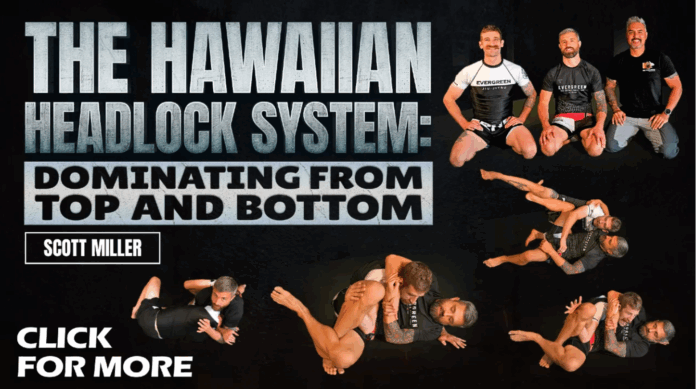
The Hawaiian Headlock System Scott Miller DVD Review [2025]

The Hawaiian Headlock System Scott Miller DVD Review

Key Takeaways

  • A modern, system-based approach to headlocks that goes far beyond basic head-and-arm control.
  • Strong blend of wrestling-style pressure with buggy choke and triangle mechanics for creative finishes.
  • Clear two-volume structure: top-control headlocks first, then side buggy chokes, escapes, and bottom attacks.
  • Excellent for grapplers who frequently end up in scrambles and odd head-and-arm positions.
  • Slight learning curve for pure beginners and for people who dislike unconventional positions.
  • Rating: 7/10

HAWAIIAN HEADLOCK SYSTEM SCOTT MILLER DVD GET HERE

Headlocks are one of those positions everyone meets early in Jiu-Jitsu, yet most people either treat them as “dirty wrestling” or abandon them once they get deeper into the art. Scott Miller takes the opposite approach and builds an entire attacking web around them.

In this Hawaiian Headlock System Scott Miller DVD review, we’re looking at how his system reframes the headlock from something crude into a legitimate, technical pathway to chokes, submissions, and strong pins.

The result is a series that feels modern but is still grounded in positional fundamentals. If you’ve seen any other Scott Miller DVD instructionals, this one stands out as particularly playful while still very deliberate in how it builds the system.

No Points but Strong Control – Front Headlocks in BJJ

In Jiu-Jitsu, headlocks can be polarising. Done badly, they feel like neck cranks and burn out your arms. Done well, they become powerful control tools that lead to arm triangles, transitions to the back, and nasty pressure that forces opponents into predictable reactions.

When you look at the material in the Hawaiian Headlock System Scott Miller DVD Review context, you can see that Miller’s core goal is to clean up the mechanics so headlocks become safe for training partners yet brutally effective in live rounds.

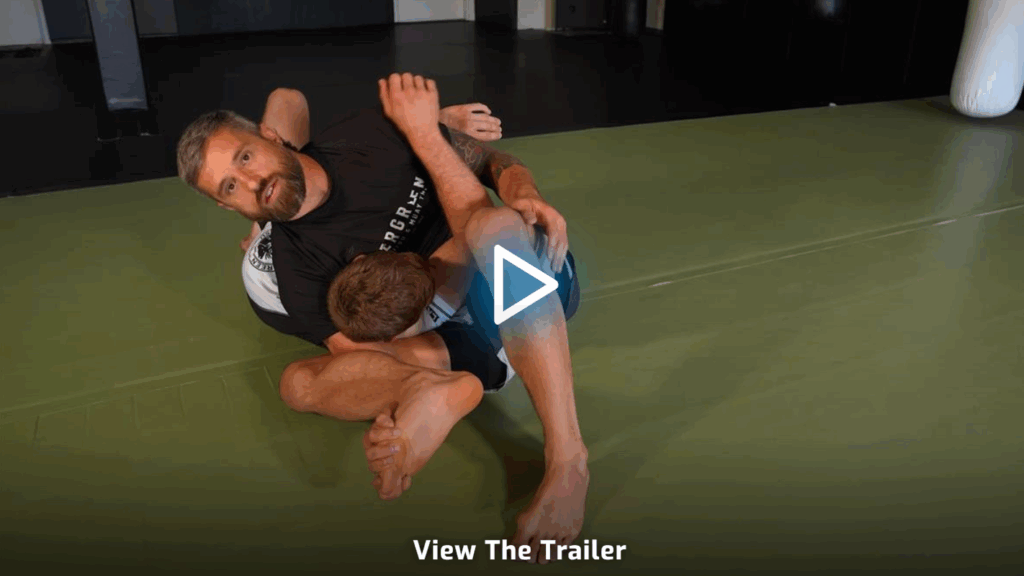
The instructional heavily emphasises control first, then submission. Using concepts inspired by buggy chokes and triangle structures, he shows how to keep the opponent stuck in a kind of “web” where their head and arm are trapped and their hips are compromised.

That’s a big step away from the classic idea of simply squeezing the head and hoping for the tap. Instead, Miller treats the headlock like a positional family: scarfhold-style top control, pinned shoulders, off-balancing sweeps, and transitions into arm attacks and chokes.

Evergreen Jiu-Jitsu Coach Scott Miller

Scott Miller brings serious grappling mileage to this project. He’s a 3rd-degree Brazilian Jiu-Jitsu black belt based out of Evergreen, Colorado, with decades of mat time behind him and a long history in both wrestling and Jiu-Jitsu.

Long before his black belt, he started wrestling as a kid and eventually qualified for Nationals at the collegiate level, which explains the strong wrestling flavour you see throughout his teaching. That wrestling base, combined with over a decade and a half in Jiu-Jitsu, gives his headlock game an authenticity that’s hard to fake.

Today Scott runs Evergreen Jiu-Jitsu, where he coaches everyone from brand-new students to high-level competitors and UFC athletes. His public coaching persona, including what you see on his social media, leans into clear, concept-driven instruction rather than flashy one-off moves.

He often focuses on blending wrestling-style pressure and Jiu-Jitsu guard work, with a particular emphasis on making awkward positions feel systematic rather than chaotic. Understanding who he is helps frame this Hawaiian Headlock System Scott Miller DVD because the system looks exactly like something built by a lifelong wrestler who fell in love with Jiu-Jitsu.

Full Hawaiian Headlock System Scott Miller DVD Review

The Scott Miller Hawaiian Headlock System DVD is organised into two volumes that mirror the way most grapplers actually experience headlocks in live training. Volume 1 is anchored around top control: Hawaiian headlocks, scarfhold variations, and transitions into submissions and dominant pins.

Volume 2 shifts the lens to more unusual but increasingly common positions—side buggy chokes, bottom attacks, and escape sequences that flip bad spots into strong finishing chains. Structurally, the Hawaiian Headlock System Scott Miller DVD Review material feels like a true “system” rather than a random playlist of techniques.

Volume 1 – Headlock Basics

Volume 1 is where the Hawaiian Headlock System Scott Miller DVD really lays its base. It starts with an introduction and then moves straight into the “Hawaiian Headlock and Sneaky Pete Americana module, which sets up the primary configuration and explains how to use the Americana as both a threat and a structural tool.

From there, Miller addresses how to avoid getting “handcuffed” by the opponent’s grips and how to close off corners so they can’t simply scramble free. The middle of the volume is dedicated to turning that control into tangible outcomes.

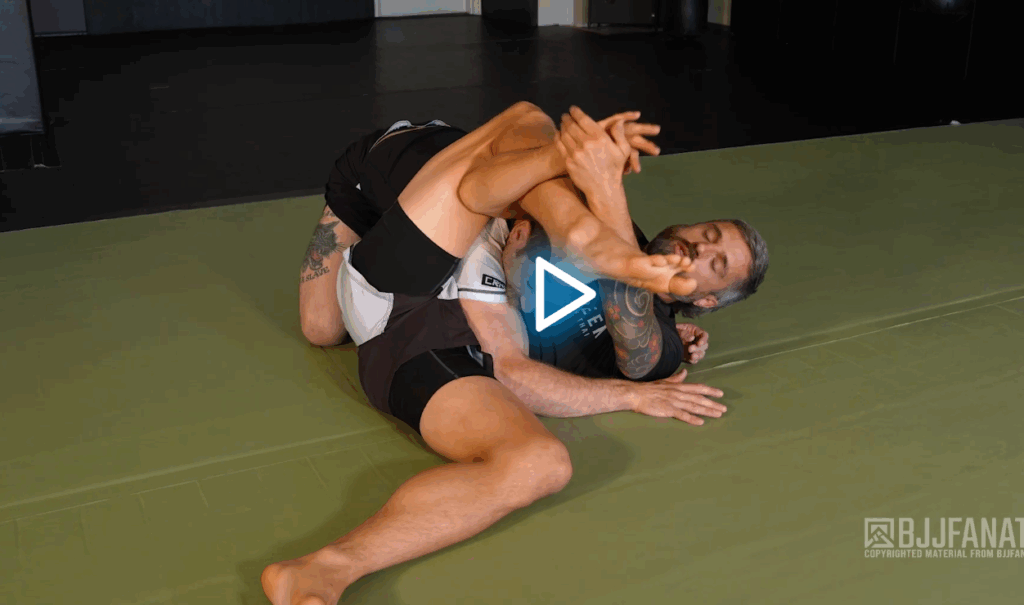
The sequence covering the belly-down finish, the schoolyard sweep, and top scarfhold submissions shows how you can cycle between off-balancing the opponent, landing on top, and finishing without giving up head-and-arm dominance.

Later in the volume, Miller zooms out to troubleshoot the position as a whole. Segments on positional details, defending the back take, and troubleshooting top scarfhold all focus on the common escape routes people use against basic headlocks and scarfhold pins.

He then adds a Darce finish and shows the transition to top side control, tying the system back into classic Jiu-Jitsu landmarks. By the end of this volume of the Hawaiian Headlock System Scott Miller DVD, you’re not just holding a headlock—you have a map of how to maintain it, attack from it, and move on when the opponent finally scrambles.

Volume 2 – Hi Mom & Buggy Chokes

If Volume 1 is about building a rock-solid top game, Volume 2 is where things get creative. It opens with the Hi Mom submission and a series of side buggy choke variations, all of which lean heavily on modern buggy choke mechanics but adapted to head-and-arm scenarios.

The original “Hi Mom” sequence sets the tone: you’re dealing with positions that often arise when you’re off to the side or slightly underneath, and instead of bailing out, you’re encouraged to turn them into serious submission threats.

The side buggy choke chapters layer in more nuance—standard side buggy choke, a sweep from that configuration, and a gable grip variation that gives you different finishing angles.

These aren’t just “cool tricks”; they’re presented as follow-ups to the situations created in the first part, especially when opponents fight hard to come up or roll out of your top pressure. The back half of this portion of the Hawaiian Headlock System Scott Miller DVD shifts toward more classic defensive work, including a basic knee elbow escape, rolling through to re-guard, and finally a bottom sankaku triangle and finish.

Becoming Unpredictable

Instructionals only really shine when they translate into better rounds on the mat, and this is where Miller’s system has clear practical value. The material is built around sequences, so it lends itself naturally to partner drilling.

One effective way to approach it is to pick a single chain—say, Hawaiian headlock to Sneaky Pete Americana to Kesa Salami—and run it repeatedly with increasing resistance before letting your partner choose their own escape and adjusting in real time.

In practical terms, the Hawaiian Headlock System Scott Miller DVD becomes most useful when you make its positions part of your regular positional sparring. Start rounds from scarfhold, head-and-arm control, or semi-buggy setups and give yourself permission to stay there instead of bailing to side control right away.

Focus on the details Miller emphasises: sealing corners, keeping your base stable, and transitioning calmly when the opponent turns into you or tries to sit up.

Safety is also a big consideration with headlocks. The series implicitly encourages clean choking pressure over rough neck cranks, which is important if you’re training long term.

DOWNLOAD HAWAIIAN HEADLOCK SYSTEM SCOTT MILLER DVD

Who Is This For?

From a buyer’s standpoint, this is not a “day one in the Gi” fundamentals course. It’s much better suited to grapplers who already understand base positions like side control, scarfhold, and basic arm triangle mechanics.

From a belt perspective, late white belts with good coaching could start to use the basics, but the sweet spot is probably blue to brown belt—people who know the standard escapes and are ready to experiment with a more specialised game.

From a buyer’s perspective, the Hawaiian Headlock System Scott Miller DVD Review makes the most sense for grapplers who routinely find themselves in head-and-arm scrambles, whether through takedowns, wrestling-style tie-ups, or half-finished guard passes.

Wrestlers crossing over to Jiu-Jitsu will feel very at home with the pressure and body positioning, while pure Jiu-Jitsu players get a structured way to add wrestling-style control without abandoning good choking mechanics.

It’s also a strong pick for coaches. If your room has a lot of MMA-minded athletes or competitors who like upper-body ties, this system gives you a coherent language to teach from, rather than piecing together random scarfhold and buggy choke clips.

Pros & Potential Drawbacks

Pros:

  • System-based approach that connects top headlocks, scarfhold pins, sweeps, and modern buggy-style chokes into one coherent framework.
  • Strong influence from wrestling, which makes the control sequences feel tight, realistic, and very applicable to scrambly situations.
  • Works in both Gi and No-Gi, with concepts that transfer well to MMA-style grappling and self-defence contexts.
  • Scott’s calm, methodical teaching style suits analytical students who like understanding why a position works, not just how.

Seen as a complete package, the Hawaiian Headlock System Scott Miller DVD gives you a clear roadmap for turning an often-overlooked family of positions into genuine A-game material. Rather than offering a single “secret move”, it encourages you to think of headlocks as a hub from which you can attack, transition, or safely reset.

Potential Drawbacks:

  • The material assumes you already have basic positional awareness; absolute beginners may find it dense without prior instruction.
  • Some of the buggy-style setups in Volume 2 can be demanding on flexibility and comfort in unusual positions.
  • If your personal game is heavily guard-focused and you rarely engage in upper-body tie-ups, you may need to consciously seek out the positions to get value.

Turn Scrambles Into Submissions! 

Headlocks have long been treated as either a beginner’s crutch or a rough wrestling move better left out of refined Jiu-Jitsu exchanges. Scott Miller challenges that idea by showing how, with the right structure and mechanics, they can become some of the most reliable pathways to control and submission on the mat.

Throughout this project, you see the fingerprints of a lifelong grappler who understands both the pressure of wrestling and the technical demands of modern Jiu-Jitsu. As a Scott Miller Headlock DVD, it sits nicely between fundamentals and experimentation.

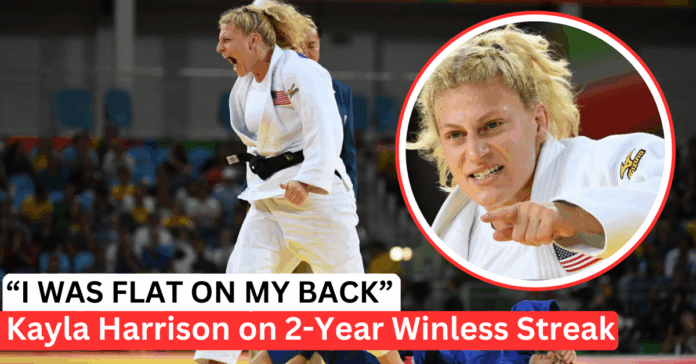
Kayla Harrison Didn’t Win A Tournament For Two Years – Now She’s A UFC Champion

Kayla Harrison Didn’t Win A Tournament For Two Years – Now She’s A UFC Champion
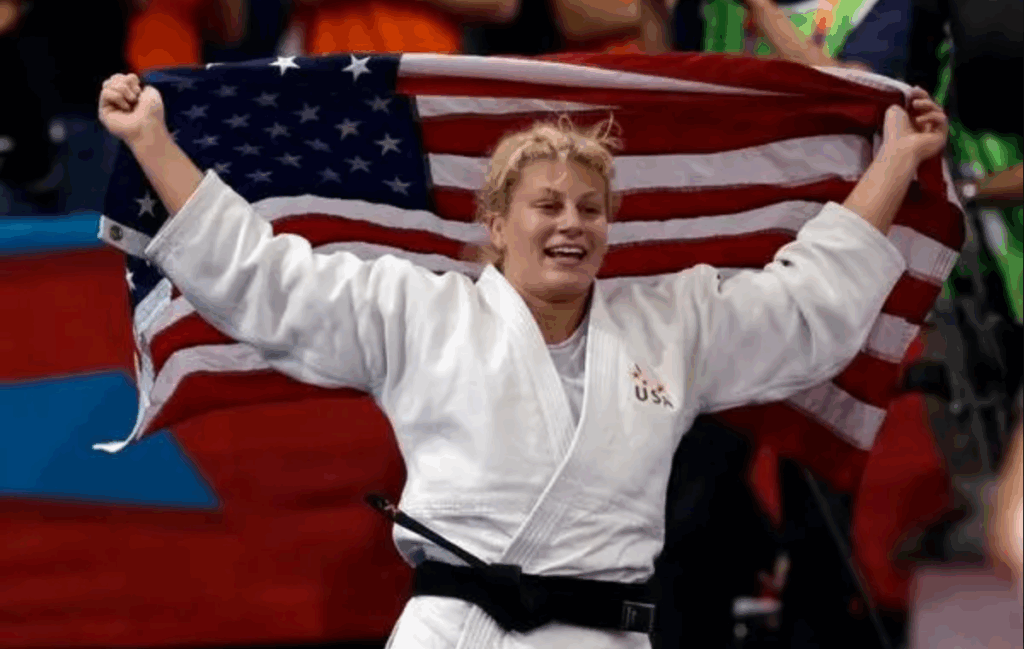
  • Kayla Harrison didn’t win a tournament for two years when she first started judo as a kid.
  • Her debut match lasted about 15 seconds before she was flat on her back.
  • She stuck with it out of pure stubbornness, eventually becoming a two-time Olympic gold medallist in Judo.
  • That same mindset pushed her from Middletown, Ohio, to UFC bantamweight champion – and she’s still using the story to talk about resilience and early failure.

Kayla Harrison Didn’t Win A Tournament For Two Years – Here’s How It Started

Before the belts, medals and UFC walkouts, Kayla Harrison didn’t win a tournament for two years.

She was a little kid from Middletown, Ohio, thrown into judo by her stepdad and coach, Dan Doyle. The first trip to a local competition didn’t exactly scream “future Olympic champion” – it was over almost before it started.

“I went to my first competition and like 15 seconds in I was flat on my back.”
– Kayla Harrison –

Most kids would have cried, quit or at least taken a long break after that kind of introduction. Instead, Harrison just kept going back, losing and learning while her record stayed stubbornly empty in the win column.

“Fifteen Seconds In, I Was Flat On My Back”

The opening loss wasn’t a one-off. Those early years were full of long drives, short days on the mat and coming home without a medal.

By her own account, Kayla Harrison didn’t win a tournament for two years – an eternity when you’re a young competitor standing next to kids who seem to be collecting trophies every weekend.

“I didn’t win a tournament for the first two years of doing judo.”
– Kayla Harrison –

What kept her there? Not some instant love affair with the sport, not a clear sense she was destined for greatness. It was something much simpler.

“I’m stubborn.”
– Kayla Harrison –

That single word explains a lot: why she kept suiting up despite the losses, why she stayed through brutal training blocks, and why the phrase Kayla Harrison didn’t win a tournament for two years now sounds more like a warning label than an excuse.

From Middletown Mats To Double Olympic Gold

Fast-forward and the kid who couldn’t buy a win became the first American to win Olympic judo gold, doing it not once but twice.

From local tournaments to the Games in London and Rio, Harrison turned those early beatings into fuel.

Her official bio doesn’t shy away from the rough parts of the journey – from personal trauma to the grind of elite training – but the through-line is always the same: she had to keep showing up long before anyone called her special.

“I’m a fighter in every sense of the word.”
– Kayla Harrison –

Back home in Middletown, people watched the same girl who used to come back from kids’ tournaments empty-handed step onto the biggest stage in the world and dominate.

By then, the fact that Kayla Harrison didn’t win a tournament for two years had turned from a painful stat into part of the legend.

The Same Stubborn Kid Who Became A UFC Champion

If you’ve seen Harrison fight in MMA, the link is obvious. The same stubbornness that kept a losing kid in judo is what dragged her through PFL tournaments, straight into the UFC and all the way to a world title.

The style hasn’t changed much: relentless takedowns, top pressure, and a refusal to accept “no” as an answer.

When she talks about her UFC run – walking into huge cards, calling out big names and insisting the division has to deal with her – it’s just the grown-up version of that kid who refused to quit after being tossed in 15 seconds.

Those early years, when Kayla Harrison didn’t win a tournament for two years, are the lens she uses now whenever someone asks about hype, doubt or pressure.

Compared to going months and months without a single gold medal as a child, main events and media days are just another set of rounds to get through.

Kayla Harrison Didn’t Win A Tournament For Two Years

Kayla Harrison Didn’t Win A Tournament For Two Years – So Why Are You Worried? 

On paper, “Kayla Harrison didn’t win a tournament for two years” sounds like a reason to tap out on a sport, not a prelude to Olympic and UFC gold. That’s exactly why she keeps repeating it.

For parents panicking about their kid losing early, for hobbyists who feel behind, for anyone who thinks slow starts mean they’re not “talented enough,” her story is a direct rebuttal. The first chapters can look ugly.

Progress is often invisible for a long time. And sometimes the only difference between the kid who becomes a champion and the kid who disappears is one thing: who keeps turning up.

Harrison’s career is built on the part of the story most people would have edited out. She didn’t. She turned it into a headline – Kayla Harrison didn’t win a tournament for two years – and then spent the rest of her life proving how misleading it turned out to be.

Legendary Leglocks Joel Bane DVD Review [2025]

Legendary Leglocks Joel Bane DVD Review

Key Takeaways

  • Big, 10-volume leg lock system built on Catch Wrestling and Luta Livre rather than modern lapel-and-berimbolo meta.
  • Heavy focus on principles: control before submission, hook mechanics, and structured entries from takedowns, turtle, mount, and guard.
  • Strong emphasis on making leg locks feel “wrestler-tight” instead of loose, spinny hunting for heels.
  • Very detailed, sometimes dense – best suited to patient grapplers willing to pause, drill, and rewatch.
  • Great fit if you want leg locks that plug into both Gi and No-Gi, especially for pressure-heavy games.
  • Rating: 8.5/10

LEGENDARY LEGLOCKS JOEL BANE DVD DOWNLOAD HERE

If you’ve been looking for a leg lock resource that feels more “catch room” than “Instagram highlight reel”, this Legendary Leglocks Joel Bane DVD Review will walk you through what you’re actually getting for your time and money.

Rather than chasing the latest fad, this instructional leans into brutal fundamentals: pressure, control, and finishing mechanics that work across Jiu-Jitsu, MMA, and submission grappling.

In that sense, it stands apart from many leg lock instructionals that are almost entirely guard-based. This isn’t just another Joel Bane DVD Review that repeats the sales copy. The series is built as a complete lower-body submission system over ten volumes, starting from mindset and core principles and extending into very specific entries from turtle, mount, half guard, and standing.

Blending Grappling Styles

Before diving into the individual volumes, it’s worth looking at how this material fits into modern Jiu-Jitsu as a whole. Most leg lock systems today are presented through the lens of guards like K guard, outside ashi, and cross ashi, with a strong bias toward No-Gi competition.

Joel’s approach is different. He frames leg locks as an extension of wrestling-style control: you earn your submissions by dominating hips, knees, and alignment first, then finishing with minimal movement.

In this Legendary Leglocks Joel Bane DVD, that distinction really matters. A lot of the entries come from traditional wrestling-style positions: turtle, half guard, the mount, and top rides, plus old-school rolling knee bars and guard-breaking sequences.

This is hugely valuable if your Jiu-Jitsu already leans on pressure, passing, and pinning rather than pure guard play. You’re essentially adding a new layer of finishing options to positions you probably already use. Joel spends time defining what a “hook” is in Catch Wrestling terms and explaining the principles behind a devastating submission.

Joel Bane’s Catch Wrestling Perspective

Joel Bane comes into this project with serious credentials that cross multiple grappling and striking arts. He is the head instructor and head coach of Snake Pit U.S.A., a Catch Wrestling–focused mixed martial arts academy that doubles as a Rigan Machado Brazilian Jiu-Jitsu association school.

From the United World Muay Thai Association listings, he is presented as Head Instructor for Snake Pit USA with over two decades of experience in mixed martial arts, Brazilian Jiu-Jitsu, Judo, Catch Wrestling, amateur wrestling, boxing, and Muay Thai.

Technically, Joel holds a 2nd-degree black belt in Brazilian Jiu-Jitsu under Master Rigan Machado, which gives him deep roots in traditional Jiu-Jitsu as well as No-Gi. He’s also a black belt in Judo under John Saylor and has extensive competitive wrestling experience, including service-level achievements in the U.S. Air Force wrestling scene.

That blend of grappling styles shows clearly in how he prioritises takedowns, top control, and transitions in his leg lock game. Beyond belt ranks, he’s a fully certified Catch-as-Catch-Can Wrestling coach under Billy Robinson and has accumulated coaching and competition experience through the Snake Pit U.S.A. organisation, which has built a strong reputation in the Catch Wrestling community.

Detailed Legendary Leglocks Joel Bane DVD Review

The course is laid out over ten volumes, but the core structure is easy to follow: you move from principles and basic drills into increasingly specific positional systems. This Legendary Leglocks Joel Bane DVD Review will go volume by volume and highlight how the pieces connect in practice.

Along the way, there’s also a later volume that doubles down on ankle-to-ankle seated entries, half guard knee bars, butterfly attacks, and chained transitions between calf crushes, knee blocks, and heel hooks, giving the whole series a very complete feel.

Volume 1 – Control

Volume 1 sets the tone for everything that follows. After an introduction, Joel draws a clear line between transition into submission versus random hunting for legs. He spends time on misdirection vs problem solving, which is essentially about forcing predictable reactions rather than chasing whatever your opponent gives you.

That’s a big part of the Catch Wrestling mindset and plays into the way he structures his entries throughout the series. From there, he goes deep into controlling the hip ball joint, using a two-on-one grip on the thighs, and understanding his three cutting bones concept for finishing.

The part of the Legendary Leglocks Joel Bane DVD closes with basic inverted leg lock drills. The first two inverted drills are long, detailed sequences that make you comfortable being upside down and threaded through your opponent’s legs without losing control.

Volume 2 – Ankle Trap

Part two of this Joel Bane Leglocks DVD is dedicated to ankle trap drills and is surprisingly systematic. Joel introduces the ankle trap and drag as a concept rather than a single move. The first variation acts as your baseline: secure the ankle, drag, and settle into a dominant leg entanglement.

Subsequent variations add layers, taking you into the saddle/honeyhole and then an inverted saddle position that shifts your angle and finishing options. What stands out is how methodical the progression is. Each drill builds directly on the last, reinforcing your ability to keep the foot trapped while you adjust your body position.

The ankle trap series makes you address how well you control the far hip and knee before thinking about knee bar versus heel hook decisions. When you later plug these entries into passing, half guard, and turtle, the ankle trap work from Volume 2 keeps everything stable.

Volume 3 – Takedowns

The Legendary Leglocks Joel Bane DVD shifts the focus to takedown-based leg lock entries in the third portion. You start with an old-school rolling knee bar, then move through options like standing up from turtle into a four-point rolling knee bar and counters to single-leg attempts.

These aren’t flashy for the sake of it; they are structured ways to turn scrambles into direct leg attacks rather than settling into neutral positions. There’s a strong emphasis on linking rear bodylock situations, inside trips, and leg pendulum motions into outside leg scissors and inverted heel hooks.

For wrestlers crossing into Jiu-Jitsu, this is where you’ll feel at home. You’re not being asked to invert from guard as a first step; you’re transforming your strongest takedown chains into finishing sequences. Volume 3 is a standout if you compete in No-Gi or rule sets that reward aggressive takedowns.

Volume 4 – Saturday Night Ride

Volume 4 tackles guard scenarios, starting from positions like “Saturday Night Ride” in closed guard and moving into various guard breaks that lead naturally into leg laces and heel hooks.

Instead of treating guard passing and leg locks as separate phases of the game, Joel fuses them. Your guard breaks come with built-in leg entanglement options, so you’re attacking as you open the guard.

There’s a strong pressure first, submission later feeling to this volume. Using bodylocks, knee-in-tailbone guard breaks, and transitions into positions like the Samurai, you learn to combine posture breaks, hip control, and leg lace mechanics in one flow.

This helps prevent the common Jiu-Jitsu issue where you open the guard and then reset to a neutral headquarters without clear attacking options. It doesn’t replace your existing passing, but it gives you an extra branch: when you feel a guard break is exposing your opponent’s hips and knees, you can immediately convert that into a submission attempt.

Volume 5 – Reaping

One of the densest volumes in the Legendary Leglocks Joel Bane DVD and packed with details around open guard, reaping, and Achilles-style attacks. Starting from Saturday Night Ride (again) against open guard, Joel goes into Achilles lock details, different sural nerve pressure angles, and how to generate more power in your finishes.

There’s a whole segment on shin locks, basic calf crushes, and a four-toe-hold series that combines ball-and-chain grips with more familiar toe hold mechanics. You also see chains that start from Samurai-style positions and flow into knee bars, toe holds, and calf crush variations.

Volume 6 – Passing & Leglocks

Volume 6 is all bout attacking from headquarters, half X, mount, and reverse mount. Joel opens with calf crush and knee block attacks from headquarters, then moves into reverse knee-on-belly variations that include hands-free leg lock drills and toe hold transitions.

This volume rewards players who already favour heavy top positions and want to add leg submissions without abandoning pressure. A standout theme here is attacking from the mount using grapevine controls, hip locks, and old-school grapevine-style finishes. Joel also covers transitions through bicycle-down positions, reverse mount, and low side control leg lace attacks, making it clear how to adjust your hips and weight so your opponent can’t simply turn and free their legs.

Volume 7 – Turtle Breakdowns

Attacking the turtle is the main topic here, and it’s one of the most “Catch Wrestling” feeling volumes in the whole set. Joel starts with sequences featuring Karl Gotch and Frank Gotch-inspired toe holds, then layers in specific leg entry tilts, diving toe hold variations, and rolling attacks that flow directly into knee bars and calf crushes.

From there, he introduces ball-and-chain leg rides, cross-body rides, and calf crush breakdowns that keep your opponent’s hips pinned while you attack their legs. The idea is that once you’ve broken the turtle, you’re not just taking the back in classical Jiu-Jitsu fashion; you’re also threatening knee bars, toe holds, and heel hooks from positions that feel like wrestling rides.

Volume 8 – Cross Body Stuff

Volume 8 deepens the leg ride theme even further. You get cross-body and ball-and-chain leg ride combo attacks, with chains into hip locks, toe holds, and gable-grip calf crushes. Joel then transitions into top-ride leg submissions, emphasising how to maintain heavy chest-to-back or chest-to-hip pressure while isolating one or both legs.

A lot of the material here focuses on how to deal with broken-down opponents, especially from top ride situations. Entries from turtle and long sit-out positions flow into shin locks, knee bars, and extended heel hook series that keep you glued to your opponent’s hips.

If you play a lot of back attacks or ride-heavy styles in No-Gi, these sequences give you genuine finishing diversity. The rolling and monkey-roll style entries toward the end of the volume will appeal to more dynamic grapplers, but they’re still anchored in clear positional logic.

Volume 9 – Luta Livre

Part nine ties a lot of the system together by working from half mount, knee shield, butterfly guard, classic guard, and even an Imanari-style entry. Joel starts with rolling toe holds and knee bars against the knee shield, adds shoulder-roll calf crushes and heel hooks, and then shifts into high-leg knee bar and Achilles lock options.

These sequences make the knee shield far more dangerous for the person using it; mismanaging distance can get you caught fast. From there, he addresses S-grip and biceps-grip calf crushes and knee blocks, twisting heel hooks against knee shield, and a heel-and-collar-tie spin from butterfly guard into inverted twisting heel hooks.

Later in the volume, he introduces a Luta Livre–style guard module, including Judo-influenced guard work, priorities like wrestle up–submission–sweep–repeat, and entries such as omoplata/coil lock chains into heel hooks and toe holds.

A Leglock From Every Position

The big question with any massive instructional is how you actually use it in day-to-day training. This Legendary Leglocks Joel Bane DVD review would be incomplete without some practical guidance, because ten volumes of leg locks can easily become overwhelming. The good news is that the structure lends itself to phased learning.

A sensible approach is to start with the first volume and one or two of the early drilling sections from the second one. Treat the definitions of hooks, the four principles of a true finishing hold, and the inverted and ankle-trap drills as your non-negotiable foundation. Drill them in warm-ups or positional rounds until your entries feel automatic rather than improvised.

Next, pick one positional “hub” that fits your current game – for example, takedowns (Volume 3), guard breaks (Volume 4), or turtle (Volume 7). Build a small menu from that volume and test it in sparring under constrained rules: start in turtle, or from inside closed guard, or with your partner on a knee shield.

As your confidence grows, layer in details from related volumes so your transitions stay coherent rather than random. For long-term development, this course also encourages you to think about leg locks as part of your larger Jiu-Jitsu identity.

GET IT NOW: LEGENDARY LEGLOCKS JOEL BANE DVD 

Who Is This For?

This instructional is best suited to intermediate and advanced grapplers who already understand basic straight ankle locks, toe holds, and heel hooks, and who are ready to build a structured system around them.

White belts can still benefit from the conceptual pieces, but the sheer volume of material and the intensity of some of the finishes might be too much without strong coaching oversight.

Blue and purple belts who feel their leg locks lag behind the rest of their Jiu-Jitsu will probably get the most out of this Legendary Leglocks Joel Bane DVD. You have enough experience to understand positional context but still plenty of room to rewire your habits around entries, control, and safety.

Brown and black belts, especially those who coach, will appreciate the depth of the system and the way it integrates Catch Wrestling and Luta Livre ideas into a curriculum they can pass on.

Pros & Potential Drawbacks

Pros:

  • Extremely comprehensive system that covers leg locks from takedowns, turtle, mount, guard, and rides rather than just guard entanglements.
  • Strong emphasis on principles (hooks, control, finishing mechanics) that transfer well between Gi and No-Gi.
  • Clear Catch Wrestling and Luta Livre flavour, giving you a different lens from typical modern Jiu-Jitsu leg lock instructionals.
  • Great for wrestlers and pressure passers who want leg locks without abandoning their core style.
  • Volume structure makes it easier to build mini-curricula for classes or focused training blocks.
  • High production value and detailed breakdowns, with long segments dedicated to drilling and positional refinement.

Potential Drawbacks:

  • Sheer size and density can be overwhelming; without a plan, it’s easy to get lost in options.
  • Not ideal for total beginners who don’t yet have solid positional fundamentals or basic leg lock safety habits.
  • Some of the most powerful reaping and twisting heel hook material won’t be usable under stricter Gi competition rules.
  • The catch-style terminology and naming conventions may feel unfamiliar at first to pure Jiu-Jitsu practitioners.

Catch’ Em! 

Legendary Leglocks is a serious investment in time and focus, but it delivers a genuinely different take on lower-body submissions. Instead of building everything around modern guard configurations, Joel Bane starts from wrestling-style control, Catch Wrestling hooks, and Luta Livre fluidity, then plugs leg locks into almost every major position.

If you’re looking for a Catch Wrestling & Luta Livre Leglocks Joel Bane DVD that will reshape how you think about lower-body submissions, this one is a strong choice.

Khabib Says Michael Jordan Couldn’t Handle Dagestani Basketball – “You Can Wrestle, You Can Choke People”

Khabib Says Michael Jordan Couldn’t Handle Dagestani Basketball – “You Can Wrestle, You Can Choke People”
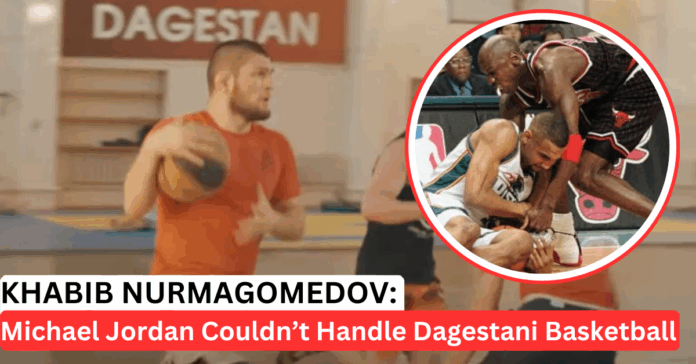
  • Khabib says Michael Jordan couldn’t handle Dagestani basketball, joking that the Bulls legend would struggle with the no-rules, full-contact version they play back home.
  • At a Chicago Q&A, he explained that in Dagestan hoops “you can wrestle, you can choke people” and do far more than just dribble and shoot.
  • The comments tie into Khabib’s long-running obsession with Jordan, from bingeing The Last Dance to saying he’d love to meet – and even fight – the NBA icon.
  • Fans have turned the clip into instant meme material: GOAT vs GOAT, but under Dagestani rules.

How The Khabib–Jordan Basketball Joke Started In Chicago

Only Khabib could turn a polite fan Q&A about no rules basketball in Dagestan into a mini crossover event.

On a recent visit to Chicago, the former UFC lightweight champion was asked about Michael Jordan and the legendary Bulls teams. Instead of just praising the six-time NBA champ, Khabib went straight to Dagestan.

That’s where the now-viral line landed: Khabib says Michael Jordan couldn’t handle Dagestani basketball – not because Jordan wasn’t great, but because we’re talking about a completely different sport once Dagestani rules kick in.

The crowd laughed, the clip hit social media, and within hours the quote was everywhere.

“Chicago Bulls, they have different rules, but in Dagestan basketball there are no rules. You can wrestle, you can choke people…”
– Khabib Nurmagomedov –

Delivered deadpan, it’s classic Khabib: half joke, half flex about just how rough things get on those village courts.

“You Can Wrestle, You Can Choke People”: Dagestani Basketball Explained

So what exactly is this thing Khabib keeps calling Dagestani basketball?

When Khabib says Michael Jordan couldn’t handle Dagestani basketball, he’s pointing to a version of the game that looks more like a takedown drill with a hoop somewhere in the background.

In clips and interviews where he’s talked about it before, Khabib describes a chaotic run of play: hard screens that turn into body locks, scrambles on the floor, and teammates who are just as happy to clinch as they are to cut backdoor.

He’s joked that in these games the ball is almost secondary. What really matters is toughness – staying on your feet, surviving contact, and not shying away when a sprint down the court suddenly becomes a wrestling exchange under the rim.

“I play basketball, but not like Michael Jordan.”
– Khabib Nurmagomedov –

It’s exaggeration with a truth baked in: Khabib grew up in a culture where combat sports are everywhere, and even “pickup basketball” ends up looking like MMA with a backboard.

Khabib Nurmagomedov On Michael Jordan: From Superfan To Fantasy Match-Up

The playful jab lands because Khabib is, by his own admission, a massive Jordan fan. He has said he only really learned about MJ properly when he watched The Last Dance, and it instantly hooked him.

“It was very impressive for me to watch, and I really want to meet this guy.”
– Khabib Nurmagomedov –

Since then, Jordan’s name has popped up more than once. Ahead of his UFC Hall of Fame induction, when asked which celebrity he’d fight if he could pick anyone, Khabib didn’t hesitate.

“Michael Jordan. I think I could take him down.”
– Khabib Nurmagomedov –

Put that next to a viral Chicago clip where Khabib says Michael Jordan couldn’t handle Dagestani basketball, and a running bit emerges: respect for the basketball GOAT, plus total confidence that under Khabib’s ruleset, things would look very different.

Why Khabib Says Michael Jordan Couldn’t Handle Dagestani Basketball

On paper, the line sounds wild – “Michael Jordan couldn’t handle” anything athletic is a big statement. But Khabib isn’t actually arguing about skill; he’s talking about rules.

Under NBA rules in the ’90s, Jordan thrived in a brutally physical league. Under Dagestani rules, Khabib insists, the sliders are turned even further up.

You’re not just absorbing hard fouls; you’re dealing with people who grew up wrestling on concrete and see a drive to the basket as a chance to shoot a double leg.

That’s the joke at the heart of the Khabib says Michael Jordan couldn’t handle Dagestani basketball clip: take the most competitive man in basketball history, drop him into a game where chokeholds are considered good defense, and suddenly the Bulls aren’t running the triangle – they’re fighting for underhooks.

“In Dagestan basketball, you can do whatever you want.”
– Khabib Nurmagomedov –

It’s less trash talk, more culture clash – and a neat way for Khabib to underline just how intense his home environment is.

From Dagestan To Chicago

The reason this one took off is simple: it’s prime crossover content. A UFC legend and a basketball icon in the same sentence is already headline bait. Add in Khabib’s matter-of-fact delivery and you’ve got a perfect social clip.

For MMA fans, the Khabib says Michael Jordan couldn’t handle Dagestani basketball line fits the image they already have of him – the guy who drags opponents into deep water and makes elite athletes look like they’ve never fought before.

For hoops fans, it’s a “what if?” scenario that’s too funny not to imagine: Jordan, Pippen and Rodman trying to run a fast break while wrestlers are jumping into body locks at half court.

Underneath the memes, though, the respect is obvious. Khabib still talks about wanting to meet Jordan, not clown him. The Dagestani basketball joke is just his way of saying: in my world, the rules are different – and even legends would have to adjust fast.


Robert Drysdale Ecological Approach Rant: “It’s Nothing New, Just Old Brazilian Jiu-Jitsu”

Robert Drysdale Ecological Approach Rant: “It’s Nothing New, Just Old Brazilian Jiu-Jitsu”
  • The Robert Drysdale ecological approach rant claims “eco” training is basically how Brazilians have trained for decades.
  • Drysdale says the so-called ecological system is just specific sparring and problem-solving, repackaged with a label.
  • He argues the “new” branding exists mainly so people can monetise and sell courses, not because the method is revolutionary.
  • The comments lit up BJJ circles, splitting coaches and hobbyists over whether eco training is genuine innovation or just clever marketing.

Robert Drysdale Ecological Approach Rant In A Nutshell

In a recent reel and interview, the Robert Drysdale ecological approach rant landed with both barrels. The ADCC champion and veteran coach didn’t tiptoe around the trend.

He opened by saying the “ecological” buzz isn’t some cutting-edge revolution – it’s essentially the way Brazilians have been training for years, just with a fancy name bolted on.

“Okay, so ecological is basically how Brazilian has been training forever. It’s nothing new. They just put a name to it.”
– Robert Drysdale –

The clip runs like a cold shower for anyone who thought they’d found a secret hack. Drysdale’s message is simple: stop pretending this is a brand-new discovery, and stop acting like you need to buy into a system to roll in a more alive, problem-solving way.

Robert Drysdale Says Ecological Approach Is Nothing New

“It’s How Brazilians Have Been Training Forever”

Once he’s warmed up, Drysdale leans into what he means by “nothing new.” For him, the core of ecological training – messy, live exchanges, constrained scenarios, and solving problems without rote step-by-step drilling – is just old-school Brazilian Jiu-Jitsu.

He describes the environment he grew up in: endless specific rounds from bad positions, positional sparring that starts in trouble, and coaches who care more about time on the mat than perfectly choreographed sequences.

In that setting, you naturally end up doing a lot of what eco advocates preach: reading reactions, adjusting on the fly, and learning the timing of moves under pressure.

The Robert Drysdale ecological approach critique, then, isn’t that live, constraint-based work is bad – it’s that it’s being presented as if nobody in Rio ever thought of it before.

Labels, Money, And The ECO Training Hype

From there, Drysdale goes after what he sees as the real engine behind the hype: branding and sales. Once you give an old idea a shiny new label, you can turn it into a product.

“And the interesting thing about labels is… you have to find a way to monetize everything.”
– Robert Drysdale –

He uses the analogy of taking a classic submission – like a kimura – renaming it something flashy, and then selling it as if it were discovered yesterday.

The point isn’t that details can’t improve or that coaching can’t evolve; it’s that the packaging often matters more than the substance when it hits social media.

In his view, the modern marketplace rewards anything marketed as “new” and “disruptive.”

That’s why the Robert Drysdale ecological approach rant keeps coming back to the same theme: you can’t just slap a buzzword on long-standing habits and pretend you’ve rewritten the sport.

“We also have this mentality of progress that old is bad, new is good. So anytime you have something that’s new, you can put a new label on it and sell it to the public.”
– Robert Drysdale –

Ecological Training In BJJ: What He Thinks It Really Is

To be clear, Drysdale isn’t speaking from complete ignorance of the theory. He says he’s spent time reading about the ecological system and what its advocates claim.

“I’ve done some reading on the ecological system… I don’t think it’s new. I think it’s just what everyone’s always been doing.”
– Robert Drysdale –

At a high level, ecological BJJ training pushes:

  • fewer dead-pattern drilling reps,
  • more live, constraint-based rounds,
  • using the environment and rules as “tasks” the athlete must solve,
  • and letting technique emerge from constant interaction rather than memorisation.

Drysdale’s position is not that this is useless – far from it. It’s that, in his experience, plenty of old-school rooms already tick those boxes.

The clash between ecological advocates and the Robert Drysdale ecological approach camp isn’t about whether live training is good; it’s about whether this needs to be treated like a proprietary method you have to buy into.

The Robert Drysdale Ecological Approach Critique Hits A Nerve

The reaction to his comments shows why this topic is so charged. In clips and threads, some coaches and students nodded along, saying their gyms have been doing “eco stuff” for years under different names: situational rounds, games, constraints, “just roll more.”

Others pushed back, arguing the framework still adds value by giving structure to how you design those drills and sessions.

Drysdale, though, keeps hammering the same core message about expectation and effort.

“If I told you, ‘Hey, listen, you just have to be accountable, show up, and learn,’ you can’t sell that. It’s too simple and not a product.”
– Robert Drysdale –

That line is the spine of the Robert Drysdale ecological approach critique. He’s not angry at people experimenting with new ways to teach. He’s frustrated with the idea that there’s a magic system waiting to fix all your problems if you just subscribe.

For Drysdale, the uncomfortable truth is that progress still comes down to the same boring formula as always: show up, train with intention, get reps in, and stop searching for a shortcut in the latest buzzword.

High Percentage Takedowns Michael Kemerer DVD Review [2025]

High Percentage Takedowns Michael Kemerer DVD Review

Key Takeaways

  • A clean, wrestler-friendly stand-up system that translates directly to Jiu-Jitsu
  • Clear progressions: high-crotch → crackdown tree → head-inside single finishes
  • Mat-specific finishing details (angles, hooks, “run-the-pipe” variants) that matter for BJJ
  • Practical coaching voice—no fluff, just what scores
  • Great for white–brown belts who want reliable takedowns without memorizing 100 moves
  • Rating: 9/10

HIGH PERCENTAGE TAKEDOWNS MICHAEL KEMERER DVD GET HERE

If you’ve been searching for a reliable, competition-tested takedown curriculum that plugs straight into your BJJ, High Percentage Takedowns Michael Kemerer DVD delivers exactly that. Kemerer organizes the series around three finish families, showing how to get from clean entries to points and control without burning energy.

The tone is direct and coach-like, and the emphasis is on details you can drill tonight and score with this month. Expect a wrestling backbone with Jiu-Jitsu-friendly finishes and top-position awareness throughout.

Wrestling Stand‑Up Dominance in BJJ

The biggest value here is structure. Instead of scattering unrelated shots, Kemerer groups finishes around positions you actually reach in live rounds: a strong high-crotch, a solid crackdown, and a head-inside single.

That makes the material easy to retain and even easier to troubleshoot—if your opponent whizzers, sprawl-beats, or sits to a leg, you know which sub-branch to follow. For BJJ athletes, that clarity means faster progress to top control, cleaner guard pass starts, and fewer scrambles.

Think of this as a “win the first exchange” blueprint rather than a highlight-reel hunt. As a Michael Kemerer DVD Review, the standout quality is how well the coaching cues survive the switch from folkstyle into submission grappling, where grips, stalling calls, and guard pulls change the rhythm of the stand-up phase.

Wrestling Hall of Famer Michael Kemerer

Michael Kemerer is a five-time NCAA All-American for the University of Iowa, a distinction that speaks to both longevity and consistency at the highest level. He earned a Big Ten title in 2021 and finished that season as the NCAA runner-up at 174 lbs, closing a 100–12 collegiate record against elite opposition.

Academic excellence ran in parallel, with multiple NWCA Scholar Athlete and Academic All-Big Ten honors. Post-competition, Kemerer moved into coaching, spending time at Spartan Combat RTC and Brown University before being hired as an assistant coach at the University of Minnesota in September 2024.

In his first season with the Gophers, he contributed to a breakout year for redshirt freshman Max McEnelly and a strong team showing at Big Tens and the NCAA Championships. The combination of high-level results and active coaching informs the clear, no-nonsense teaching style on this release.

Complete High Percentage Takedowns Michael Kemerer DVD Review

Rather than chase dozens of entries, the material in the High Percentage Takedowns Michael Kemerer DVD focuses on converting the leg you already have—then branching based on the most common reactions you’ll face in live rounds.

Expect clear cues on head position, angles, and grip transitions, with callouts for where to pause drills and add resistance. Read sequentially or jump to the subsection that solves your current sticking point.

Volume 1 – High Crotch

Volume 1 builds a robust high-crotch finishing tree. After the intro, Kemerer lays out the High Percentage Takedowns Michael Kemerer DVD approach: secure a strong high-crotch position and rotate through finishes based on the defender’s reaction.

You’ll see conventional high-crotch finishes and then a sequence of specific answers—knee-slide to the corner to win the angle, a cut-across when the leg line is available, and a low-knee finish when the opponent hides their hips.

Two “swim” segments refine how to clear stubborn tie-ups and recover position if you get stuck. The emphasis is less on flashy entries and more on converting the leg with disciplined footwork, head positioning, and shoulder drive—habits that hold up under pressure.

Volume 2 – Crackdown

With the crackdown, Kemerer shifts to a position wrestlers and BJJ players hit constantly when a single stalls on the mat. He coaches how to establish strong positioning when cracking down, then branches into scoring outside the leg, rolling into a cradle when the head/near-leg align, and stacking with a back-hook to flatten resistance.

Splitting the middle and jumping across give you options when the opponent builds height, and finding the Turk turns finishes into immediate control and back-exposure style pins—useful in BJJ for stabilizing top and launching into passes.

Throughout the chapter list of the Michael Kemerer High Percentage Takedowns DVD, the teaching focuses on small adjustments that prevent the stalemates that often burn clock in competition.

Volume 3 – Head Inside Single

The finale centers on head-inside single finishes, a staple in both wrestling and Jiu-Jitsu stand-up. Kemerer starts with building a strong head-inside position and then runs through chase-the-ankle, “out the back door,” and an explosive double-leg conversion when the angle opens.

He spends meaningful time beating the shin whizzer—both on the mat and back to the feet—since that’s a common BJJ counter that stalls singles. Two “run-the-pipe” variations (traditional and leg-on-the-outside) plus “splitting hands taking guy forward” and the golf swing finish round out the tree.

The mechanical clarity is the selling point: clear hip lines, shoulder pressure, and grip changes that make your single-leg feel inevitable rather than hopeful—exactly what high percentage should mean.

Competition-Proven Gameplans for Quick Progress

Treat this series like a stand-up playbook you can slot into regular BJJ classes. For drilling, pair the entries you already use (collar-tie snaps, wrist drags, footwork feints) with the finish families shown here: pick one from each volume and cycle them in five-minute blocks.

In sparring, start from neutral and restrict yourself to one tree per round (e.g., only high-crotch finishes), then graduate to live rounds where you flow from high-crotch → crackdown → head-inside single as the opponent counters.

The High Percentage Takedowns Michael Kemerer DVD also shines for coaches: assign Volume 1 for newer athletes to feel confident finishing a leg; use Volumes 2 and 3 with intermediates who struggle when singles die on the mat.

From a broader Jiu-Jitsu development lens, good takedown finishing changes everything: you start on top more often, your passing attempts happen earlier when opponents are still reorganizing, and you avoid the energy tax of prolonged hand fighting.

Build the habit of finishing toward your best passing side and landing with head-position control; you’ll see your No-Gi and Gi top game stabilize, your guard-pull “fallback” fade, and your scoring threat spike in both points matches and submission-only rounds.

DOWNLOAD HIGH PERCENTAGE TAKEDOWNS MICHAEL KEMERER DVD

Who Is This For?

White and blue belts who want a simple, durable stand-up plan will love the linear structure—three positions, multiple answers each. Purple belts who already shoot but stall on the mat will find the crackdown and shin-whizzer solutions worth the whole purchase.

Brown and black belts coaching rooms can turn this into a month-long curriculum with measurable progressions. If you’re a guard-pull-first athlete, this is a smart hedge: you don’t need 20 shots, just reliable finishes to win opening exchanges and dictate where the match happens.

As a Michael Kemerer Takedowns DVD, it’s built for grapplers who value efficiency over flash and want takedowns that directly lead to passing positions.

Pros & Potential Drawbacks

Pros:

  • Highly organized finish trees that reduce decision-making under fatigue.
  • BJJ-relevant details on whizzers, stacks, and mat finishes.
  • Clear coaching language; easy to convert into class plans.
  • Emphasis on angles and grips that scale from hobbyist to competitor.
  • Strong coverage of single-leg outcomes that most room rounds produce.
  • The High Percentage Takedowns Michael Kemerer DVD format makes revisiting specific sub-branches quick.

Potential Drawbacks:

  • If you expect a giant menu of exotic setups, this stays intentionally focused on high-percentage bread-and-butter.
  • Pure Judo players may want more collar/sleeve-specific tie-ins than a wrestling-first system provides

Go for Reliable Over Flashy

This is a smart, coach-driven release that helps BJJ athletes finish the shots they’re already getting to. The three-volume progression—high-crotch, crackdown, head-inside single—covers the exact forks that decide whether you land on top or get stuck in a scramble.

It teaches you how to angle, shelf, and convert without wasting motion, and those habits translate directly to stronger passing starts and calmer top control. For competitors and coaches alike, the High Percentage Takedowns Michael Kemerer DVD offers high leverage with minimal complexity.