




Key Takeaways
- Big, 10-volume leg lock system built on Catch Wrestling and Luta Livre rather than modern lapel-and-berimbolo meta.
- Heavy focus on principles: control before submission, hook mechanics, and structured entries from takedowns, turtle, mount, and guard.
- Strong emphasis on making leg locks feel “wrestler-tight” instead of loose, spinny hunting for heels.
- Very detailed, sometimes dense – best suited to patient grapplers willing to pause, drill, and rewatch.
- Great fit if you want leg locks that plug into both Gi and No-Gi, especially for pressure-heavy games.
- Rating: 8.5/10
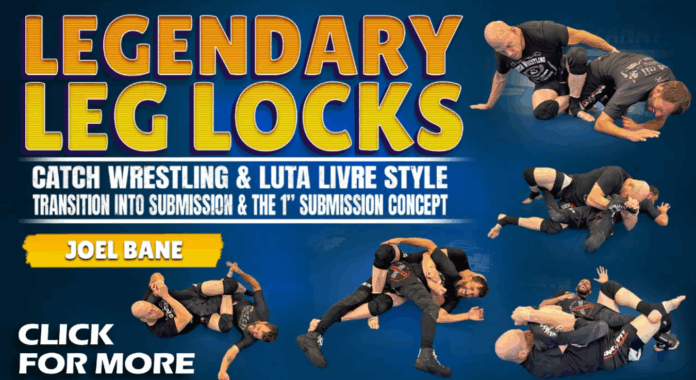
LEGENDARY LEGLOCKS JOEL BANE DVD DOWNLOAD HERE
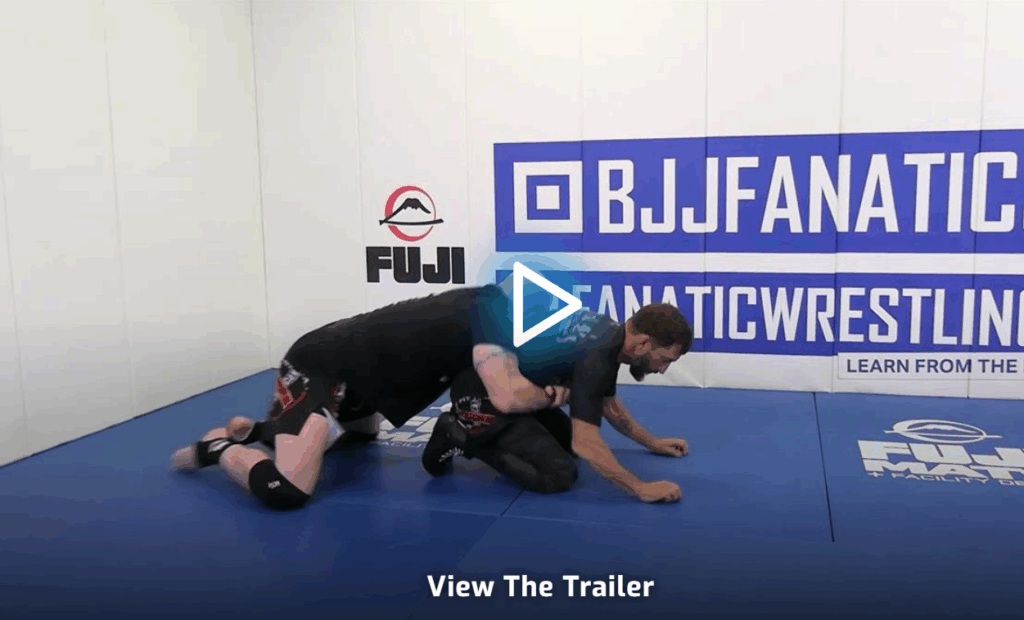
If you’ve been looking for a leg lock resource that feels more “catch room” than “Instagram highlight reel”, this Legendary Leglocks Joel Bane DVD Review will walk you through what you’re actually getting for your time and money.
Rather than chasing the latest fad, this instructional leans into brutal fundamentals: pressure, control, and finishing mechanics that work across Jiu-Jitsu, MMA, and submission grappling.
In that sense, it stands apart from many leg lock instructionals that are almost entirely guard-based. This isn’t just another Joel Bane DVD Review that repeats the sales copy. The series is built as a complete lower-body submission system over ten volumes, starting from mindset and core principles and extending into very specific entries from turtle, mount, half guard, and standing.
Blending Grappling Styles
Before diving into the individual volumes, it’s worth looking at how this material fits into modern Jiu-Jitsu as a whole. Most leg lock systems today are presented through the lens of guards like K guard, outside ashi, and cross ashi, with a strong bias toward No-Gi competition.
Joel’s approach is different. He frames leg locks as an extension of wrestling-style control: you earn your submissions by dominating hips, knees, and alignment first, then finishing with minimal movement.

In this Legendary Leglocks Joel Bane DVD, that distinction really matters. A lot of the entries come from traditional wrestling-style positions: turtle, half guard, the mount, and top rides, plus old-school rolling knee bars and guard-breaking sequences.
This is hugely valuable if your Jiu-Jitsu already leans on pressure, passing, and pinning rather than pure guard play. You’re essentially adding a new layer of finishing options to positions you probably already use. Joel spends time defining what a “hook” is in Catch Wrestling terms and explaining the principles behind a devastating submission.
Joel Bane’s Catch Wrestling Perspective
Joel Bane comes into this project with serious credentials that cross multiple grappling and striking arts. He is the head instructor and head coach of Snake Pit U.S.A., a Catch Wrestling–focused mixed martial arts academy that doubles as a Rigan Machado Brazilian Jiu-Jitsu association school.
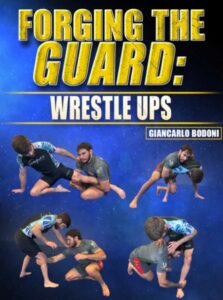
From the United World Muay Thai Association listings, he is presented as Head Instructor for Snake Pit USA with over two decades of experience in mixed martial arts, Brazilian Jiu-Jitsu, Judo, Catch Wrestling, amateur wrestling, boxing, and Muay Thai.
Technically, Joel holds a 2nd-degree black belt in Brazilian Jiu-Jitsu under Master Rigan Machado, which gives him deep roots in traditional Jiu-Jitsu as well as No-Gi. He’s also a black belt in Judo under John Saylor and has extensive competitive wrestling experience, including service-level achievements in the U.S. Air Force wrestling scene.
That blend of grappling styles shows clearly in how he prioritises takedowns, top control, and transitions in his leg lock game. Beyond belt ranks, he’s a fully certified Catch-as-Catch-Can Wrestling coach under Billy Robinson and has accumulated coaching and competition experience through the Snake Pit U.S.A. organisation, which has built a strong reputation in the Catch Wrestling community.
Detailed Legendary Leglocks Joel Bane DVD Review
The course is laid out over ten volumes, but the core structure is easy to follow: you move from principles and basic drills into increasingly specific positional systems. This Legendary Leglocks Joel Bane DVD Review will go volume by volume and highlight how the pieces connect in practice.
Along the way, there’s also a later volume that doubles down on ankle-to-ankle seated entries, half guard knee bars, butterfly attacks, and chained transitions between calf crushes, knee blocks, and heel hooks, giving the whole series a very complete feel.
Volume 1 – Control
Volume 1 sets the tone for everything that follows. After an introduction, Joel draws a clear line between transition into submission versus random hunting for legs. He spends time on misdirection vs problem solving, which is essentially about forcing predictable reactions rather than chasing whatever your opponent gives you.
That’s a big part of the Catch Wrestling mindset and plays into the way he structures his entries throughout the series. From there, he goes deep into controlling the hip ball joint, using a two-on-one grip on the thighs, and understanding his three cutting bones concept for finishing.
The part of the Legendary Leglocks Joel Bane DVD closes with basic inverted leg lock drills. The first two inverted drills are long, detailed sequences that make you comfortable being upside down and threaded through your opponent’s legs without losing control.
Volume 2 – Ankle Trap
Part two of this Joel Bane Leglocks DVD is dedicated to ankle trap drills and is surprisingly systematic. Joel introduces the ankle trap and drag as a concept rather than a single move. The first variation acts as your baseline: secure the ankle, drag, and settle into a dominant leg entanglement.
Subsequent variations add layers, taking you into the saddle/honeyhole and then an inverted saddle position that shifts your angle and finishing options. What stands out is how methodical the progression is. Each drill builds directly on the last, reinforcing your ability to keep the foot trapped while you adjust your body position.
The ankle trap series makes you address how well you control the far hip and knee before thinking about knee bar versus heel hook decisions. When you later plug these entries into passing, half guard, and turtle, the ankle trap work from Volume 2 keeps everything stable.
Volume 3 – Takedowns
The Legendary Leglocks Joel Bane DVD shifts the focus to takedown-based leg lock entries in the third portion. You start with an old-school rolling knee bar, then move through options like standing up from turtle into a four-point rolling knee bar and counters to single-leg attempts.
These aren’t flashy for the sake of it; they are structured ways to turn scrambles into direct leg attacks rather than settling into neutral positions. There’s a strong emphasis on linking rear bodylock situations, inside trips, and leg pendulum motions into outside leg scissors and inverted heel hooks.
For wrestlers crossing into Jiu-Jitsu, this is where you’ll feel at home. You’re not being asked to invert from guard as a first step; you’re transforming your strongest takedown chains into finishing sequences. Volume 3 is a standout if you compete in No-Gi or rule sets that reward aggressive takedowns.
Volume 4 – Saturday Night Ride
Volume 4 tackles guard scenarios, starting from positions like “Saturday Night Ride” in closed guard and moving into various guard breaks that lead naturally into leg laces and heel hooks.
Instead of treating guard passing and leg locks as separate phases of the game, Joel fuses them. Your guard breaks come with built-in leg entanglement options, so you’re attacking as you open the guard.
There’s a strong pressure first, submission later feeling to this volume. Using bodylocks, knee-in-tailbone guard breaks, and transitions into positions like the Samurai, you learn to combine posture breaks, hip control, and leg lace mechanics in one flow.
This helps prevent the common Jiu-Jitsu issue where you open the guard and then reset to a neutral headquarters without clear attacking options. It doesn’t replace your existing passing, but it gives you an extra branch: when you feel a guard break is exposing your opponent’s hips and knees, you can immediately convert that into a submission attempt.
Volume 5 – Reaping
One of the densest volumes in the Legendary Leglocks Joel Bane DVD and packed with details around open guard, reaping, and Achilles-style attacks. Starting from Saturday Night Ride (again) against open guard, Joel goes into Achilles lock details, different sural nerve pressure angles, and how to generate more power in your finishes.
There’s a whole segment on shin locks, basic calf crushes, and a four-toe-hold series that combines ball-and-chain grips with more familiar toe hold mechanics. You also see chains that start from Samurai-style positions and flow into knee bars, toe holds, and calf crush variations.
Volume 6 – Passing & Leglocks
Volume 6 is all bout attacking from headquarters, half X, mount, and reverse mount. Joel opens with calf crush and knee block attacks from headquarters, then moves into reverse knee-on-belly variations that include hands-free leg lock drills and toe hold transitions.
This volume rewards players who already favour heavy top positions and want to add leg submissions without abandoning pressure. A standout theme here is attacking from the mount using grapevine controls, hip locks, and old-school grapevine-style finishes. Joel also covers transitions through bicycle-down positions, reverse mount, and low side control leg lace attacks, making it clear how to adjust your hips and weight so your opponent can’t simply turn and free their legs.
Volume 7 – Turtle Breakdowns
Attacking the turtle is the main topic here, and it’s one of the most “Catch Wrestling” feeling volumes in the whole set. Joel starts with sequences featuring Karl Gotch and Frank Gotch-inspired toe holds, then layers in specific leg entry tilts, diving toe hold variations, and rolling attacks that flow directly into knee bars and calf crushes.
From there, he introduces ball-and-chain leg rides, cross-body rides, and calf crush breakdowns that keep your opponent’s hips pinned while you attack their legs. The idea is that once you’ve broken the turtle, you’re not just taking the back in classical Jiu-Jitsu fashion; you’re also threatening knee bars, toe holds, and heel hooks from positions that feel like wrestling rides.
Volume 8 – Cross Body Stuff
Volume 8 deepens the leg ride theme even further. You get cross-body and ball-and-chain leg ride combo attacks, with chains into hip locks, toe holds, and gable-grip calf crushes. Joel then transitions into top-ride leg submissions, emphasising how to maintain heavy chest-to-back or chest-to-hip pressure while isolating one or both legs.
A lot of the material here focuses on how to deal with broken-down opponents, especially from top ride situations. Entries from turtle and long sit-out positions flow into shin locks, knee bars, and extended heel hook series that keep you glued to your opponent’s hips.
If you play a lot of back attacks or ride-heavy styles in No-Gi, these sequences give you genuine finishing diversity. The rolling and monkey-roll style entries toward the end of the volume will appeal to more dynamic grapplers, but they’re still anchored in clear positional logic.
Volume 9 – Luta Livre
Part nine ties a lot of the system together by working from half mount, knee shield, butterfly guard, classic guard, and even an Imanari-style entry. Joel starts with rolling toe holds and knee bars against the knee shield, adds shoulder-roll calf crushes and heel hooks, and then shifts into high-leg knee bar and Achilles lock options.
These sequences make the knee shield far more dangerous for the person using it; mismanaging distance can get you caught fast. From there, he addresses S-grip and biceps-grip calf crushes and knee blocks, twisting heel hooks against knee shield, and a heel-and-collar-tie spin from butterfly guard into inverted twisting heel hooks.
Later in the volume, he introduces a Luta Livre–style guard module, including Judo-influenced guard work, priorities like wrestle up–submission–sweep–repeat, and entries such as omoplata/coil lock chains into heel hooks and toe holds.
A Leglock From Every Position
The big question with any massive instructional is how you actually use it in day-to-day training. This Legendary Leglocks Joel Bane DVD review would be incomplete without some practical guidance, because ten volumes of leg locks can easily become overwhelming. The good news is that the structure lends itself to phased learning.
A sensible approach is to start with the first volume and one or two of the early drilling sections from the second one. Treat the definitions of hooks, the four principles of a true finishing hold, and the inverted and ankle-trap drills as your non-negotiable foundation. Drill them in warm-ups or positional rounds until your entries feel automatic rather than improvised.
Next, pick one positional “hub” that fits your current game – for example, takedowns (Volume 3), guard breaks (Volume 4), or turtle (Volume 7). Build a small menu from that volume and test it in sparring under constrained rules: start in turtle, or from inside closed guard, or with your partner on a knee shield.
As your confidence grows, layer in details from related volumes so your transitions stay coherent rather than random. For long-term development, this course also encourages you to think about leg locks as part of your larger Jiu-Jitsu identity.
GET IT NOW: LEGENDARY LEGLOCKS JOEL BANE DVD
Who Is This For?
This instructional is best suited to intermediate and advanced grapplers who already understand basic straight ankle locks, toe holds, and heel hooks, and who are ready to build a structured system around them.
White belts can still benefit from the conceptual pieces, but the sheer volume of material and the intensity of some of the finishes might be too much without strong coaching oversight.
Blue and purple belts who feel their leg locks lag behind the rest of their Jiu-Jitsu will probably get the most out of this Legendary Leglocks Joel Bane DVD. You have enough experience to understand positional context but still plenty of room to rewire your habits around entries, control, and safety.
Brown and black belts, especially those who coach, will appreciate the depth of the system and the way it integrates Catch Wrestling and Luta Livre ideas into a curriculum they can pass on.
Pros & Potential Drawbacks
Pros:
- Extremely comprehensive system that covers leg locks from takedowns, turtle, mount, guard, and rides rather than just guard entanglements.
- Strong emphasis on principles (hooks, control, finishing mechanics) that transfer well between Gi and No-Gi.
- Clear Catch Wrestling and Luta Livre flavour, giving you a different lens from typical modern Jiu-Jitsu leg lock instructionals.
- Great for wrestlers and pressure passers who want leg locks without abandoning their core style.
- Volume structure makes it easier to build mini-curricula for classes or focused training blocks.
- High production value and detailed breakdowns, with long segments dedicated to drilling and positional refinement.
Potential Drawbacks:
- Sheer size and density can be overwhelming; without a plan, it’s easy to get lost in options.
- Not ideal for total beginners who don’t yet have solid positional fundamentals or basic leg lock safety habits.
- Some of the most powerful reaping and twisting heel hook material won’t be usable under stricter Gi competition rules.
- The catch-style terminology and naming conventions may feel unfamiliar at first to pure Jiu-Jitsu practitioners.
Catch’ Em!
Legendary Leglocks is a serious investment in time and focus, but it delivers a genuinely different take on lower-body submissions. Instead of building everything around modern guard configurations, Joel Bane starts from wrestling-style control, Catch Wrestling hooks, and Luta Livre fluidity, then plugs leg locks into almost every major position.
If you’re looking for a Catch Wrestling & Luta Livre Leglocks Joel Bane DVD that will reshape how you think about lower-body submissions, this one is a strong choice.