
Two Tom DeBlass Gym Rules for Visitors: What do Drop-Ins Owe a Grappling Room?

Two Tom DeBlass Gym Rules for Visitors: What do Drop-Ins Owe a Grappling Room?
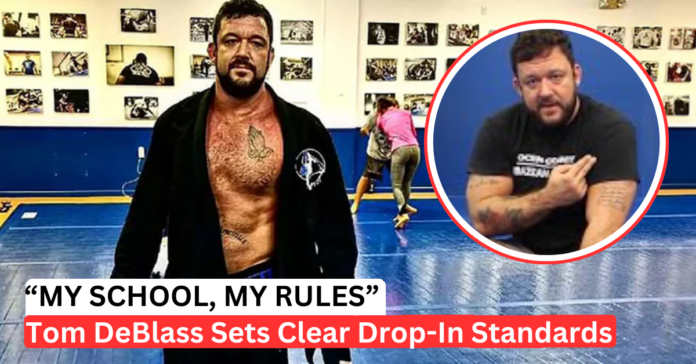
  • Tom DeBlass posted blunt “house rules” for visitors at his academy, triggering the usual internet split: “fair” vs “too much.”
  • Two rules were the main flashpoints: shorts over spats for men and a rash guard/shirt under the Gi.
  • The bigger takeaway isn’t the wording — it’s that drop-ins work best when expectations are clear before you step on the mat.
  • If you’re visiting a new room, treat it like someone else’s home: ask ahead, follow the rules, train clean, and don’t make it weird.

The Two Tom DeBlass Gym Rules for Visitors

In a recent social media post, DeBlass laid out what he says are his academy’s expectations for visitors, with an opening that’s hard to argue with: he wants people to feel welcome.

“I have had visitors at my Academy from all over the world. I welcome everyone, from all affiliations.”

Then came the part that lit up comment sections: two “main rules” directed at men who train No-Gi (or mix No-Gi with Gi rounds).

First: Shorts over spats.

“Just two main rules, men, you must wear shorts over your spatz.”

Second: A rash guard (or at least a shirt) under the Gi.

“Next, rash guard or shirt under the gi. My non competitors don’t want your sweaty man chest all over their face.”

He finished with the most old-school gym-owner sentiment imaginable — you don’t have to like it, but you do have to follow it if you want to train there.

“Needless to say, my school, my rules. Not really my concern if you agree or not.”

Whether you found the delivery funny, abrasive, or unnecessary, Tom DeBlass gym rules hit a nerve because they sit right on the line between personal preference and shared mat culture.

BJJ Gym Etiquette: What Visitors Actually Owe The Room

Drop-ins are one of the best things about Jiu-Jitsu. You travel, you train, you meet different styles, and you walk away sharper. But visiting a new academy is also a little like stepping into someone else’s kitchen mid-service: there’s a rhythm, there are standards, and there’s a way of doing things that isn’t up for debate in the moment.

At minimum, good BJJ gym etiquette looks like this:

  • Ask before you show up. A quick message solves 80% of misunderstandings.
  • Arrive early and introduce yourself. Don’t stroll in during warm-ups like you’re the headliner.
  • Train clean. Fresh Gi, clean rash guard, trimmed nails, deodorant — the basics.
  • Be a good partner. Match intensity, don’t crank subs, don’t “win practice.”
  • Respect mat fees and policies. If a gym charges, pay it without acting offended.
  • Follow the academy rules. Even if your home gym does the opposite.

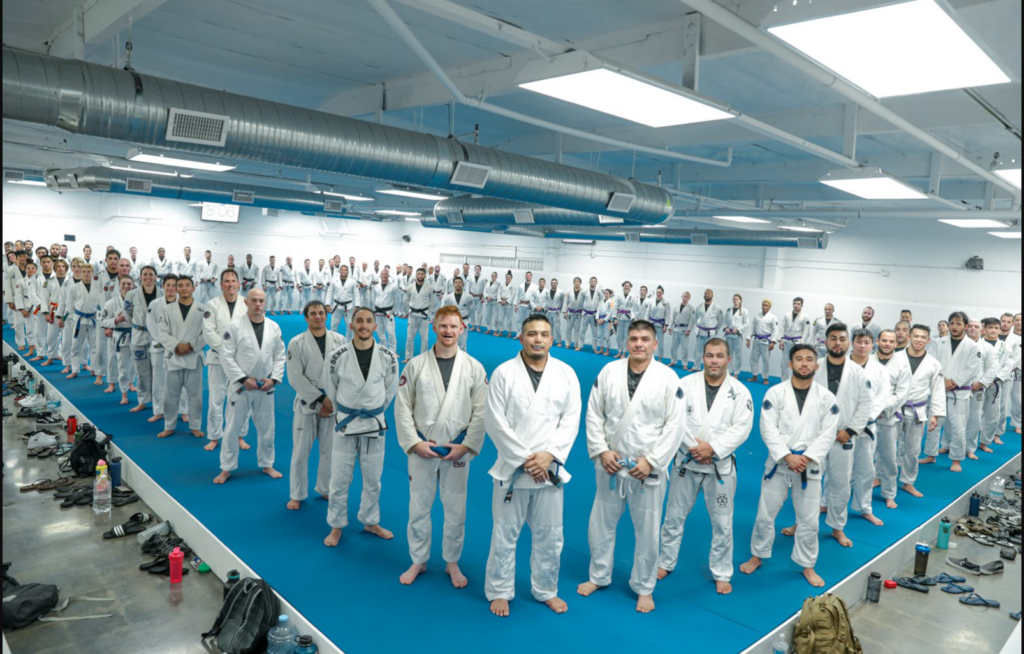
This is where Tom DeBlass gym rules become less about spats and more about a simple principle: the visitor adapts. The host sets the tone.

Shorts Over Spats, Rash Guards, And The Real Reason Gyms Get Strict

Let’s strip the drama out of it: the two rules DeBlass highlighted are not rare, and they’re not always about “morality” or “control.” Most gyms that enforce them do it for some combination of comfort, hygiene, and consistency.

Shorts over spats is usually about modesty and presentation. Spats-only can be pretty revealing on some body types, and not everyone wants to be the person explaining that to a brand-new hobbyist who wandered in for their first trial week. In mixed classes, it’s also an easy way to keep a baseline standard that doesn’t rely on awkward judgment calls.

Rash guard under the Gi is even easier to understand once you’ve rolled with enough people. Sweat happens. Chest hair happens. Skin-to-skin happens. Some gyms want to reduce that for comfort, hygiene, and just keeping training pleasant for the majority — especially if the room includes plenty of older hobbyists, newer students, or people who aren’t there to “tough it out.”

The truth is, Tom DeBlass gym rules aren’t revolutionary — the delivery is what made them viral. And delivery matters, because gyms aren’t just rules on a wall; they’re communities. The same policy can land totally differently depending on how it’s communicated.
Two Tom DeBlass Gym Rules for Visitors

Visiting A BJJ Academy Without Becoming “That Guy”

If you’re travelling and want to train, you can avoid almost every drop-in headache with one simple move: ask about the uniform rules before you pack your bag.

Here’s a practical checklist:

  1. Message the gym: “Hey, I’m in town. Any rules for drop-ins? Gi/No-Gi requirements?”
  2. Pack the safe options: shorts, spats, rash guard, and a spare T-shirt if needed.
  3. Bring tape and flip-flops: nobody wants bare feet in the bathroom situation.
  4. Don’t argue policies on arrival: if you don’t like the rules, quietly train elsewhere.
  5. Roll like a guest: flow first, then match intensity. Your goal is to be invited back.

That’s the clean version of what Tom DeBlass gym rules are really saying: don’t show up and turn someone else’s mat into a negotiation.

House Rules Are House Rules, But Culture Is A Choice

There are two truths that can exist at the same time.

A gym owner has every right to set standards. If a room wants shorts over spats and rash guards under the Gi, that’s not tyranny — it’s a dress code. And Tom DeBlass gym rules are, at their core, exactly that.

How you communicate those standards shapes your culture. Some people respond well to blunt, old-school leadership. Others don’t. In a sport that’s growing fast — with more beginners, more casual trainees, and more diverse rooms — the tone matters almost as much as the rule.

The best drop-in environments meet in the middle: visitors show respect and adapt, while hosts set expectations clearly (and ideally without turning it into a public shaming session).

If nothing else, this little flare-up is a reminder that Jiu-Jitsu doesn’t just happen on the mats — it happens in the tiny social contracts around them. And the easiest way to keep training drama-free is still the same: ask ahead, pack smart, and follow the room.
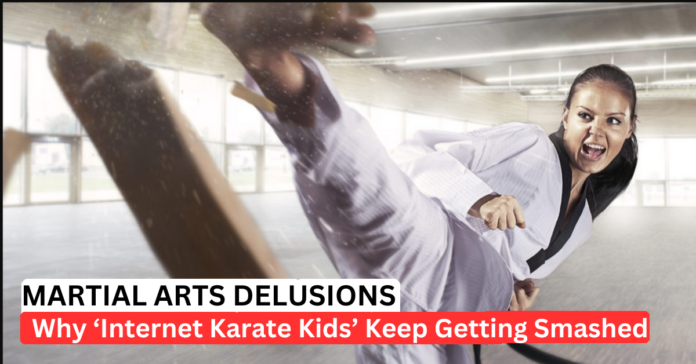
Aliveness vs Fantasy: How Real Training Exposes Martial Arts Delusion in MMA & BJJ

Aliveness vs Fantasy: How Real Training Exposes Martial Arts Delusion in MMA & BJJ
  • A viral “Internet Karate Kid” clip is a cartoonishly loud example of a very common quiet problem: martial arts delusion in MMA & BJJ.
  • Delusion often starts online, in echo chambers built from movie tropes, YouTube techniques, and no-contact “systems” with no real resistance.
  • Matt Thornton’s concept of “aliveness” explains why honest, resisting training partners act as a self-correcting filter for bad ideas long before anyone gets hurt.
  • Don Heatrick’s “Am I ready for my first fight?” framing shows what healthy self-testing looks like, grounded in preparation rather than ego.
  • Coaches and students can keep gyms safer by setting clear expectations, embracing humility, and treating delusion as a training problem to solve – not just a meme to laugh at.

Inside The ‘Internet Karate Kid’ Moment

If you’ve spent any time on fight Twitter, you’ve probably seen it: a young guy walks into an MMA gym, full of online clout and backyard credentials, and proceeds to “correct” the coach. Footwork, guard, striking mechanics – nothing is safe from his commentary.

Before long, the coach stops talking and starts sparring, and the clip turns into a live-action “find out” to match the “f**k around” bravado.

The “Internet Karate Kid” is an extreme case, but the underlying pattern is familiar to every instructor. Someone walks in convinced they already know how to fight, despite never having tested their skills against trained, resisting opponents.

When that confidence meets reality – in MMA or in a hard Jiu-Jitsu round – it collapses fast, often with a bruised ego and a sore neck. That’s martial arts delusion in MMA & BJJ in its purest, most viral form.

What makes this more than just a funny clip is that it shows what happens when fantasy is allowed to grow unchecked for too long.

By the time these students arrive at a legitimate gym, they’ve built an entire identity around being “dangerous” – and reality has a lot of catching up to do.

How Martial Arts Delusion in MMA Gyms Starts Online

Most of this delusion doesn’t start on the mats. It starts on screens.

Endless highlight reels, choreographed movie fights, and YouTube “street-defense systems” create a world where no-contact drills and cooperative demos are mistaken for proof.

Algorithms feed you more of what you already believe, and before long you’ve watched 200 hours of spinning elbow breakdowns and zero footage of yourself trying to land one on a fully resisting partner.

Add in online forums and comment sections and you get a perfect echo chamber. People trade stories about “one punch knockouts” and “secret techniques that don’t work in the cage because of rules,” reinforcing the idea that sport-based Jiu-Jitsu and MMA are somehow less “real” than what they’re doing in the dojo or in their bedroom shadowboxing sessions.

Fake martial arts self-defense systems thrive in exactly that gap between theory and testing.

By the time these students walk into a proper gym, they’re not blank slates. They’re convinced experts. That’s why martial arts delusion in MMA & BJJ feels so stubborn: you’re not just dealing with bad habits, you’re dealing with a narrative they’ve told themselves for years.

Aliveness, Self-Correction, And The Matt Thornton Filter

Coach Matt Thornton has spent decades arguing that the key difference between effective and ineffective martial arts isn’t style – it’s aliveness.

Alive training means timing, energy, and resistance: drilling with partners who are trying to stop you, adjusting on the fly, and constantly exposing ideas to failure.

In that environment, bad ideas don’t last. If your knife defense doesn’t work against a training partner actually trying to stab you with a rubber blade, you don’t need a YouTube comment to tell you – you feel it immediately.

If your takedown is built on fantasy, sparring partners will sprawl, counter, and put you on your back. The gym becomes a self-correcting lab.

Martial arts delusion in MMA & BJJ thrives where aliveness is missing. In no-contact dojos, purely theoretical “street only” systems, or highly choreographed drills with fixed outcomes, there’s no meaningful feedback loop. T

he student can train for years, collect ranks and titles in an isolated ecosystem, and never once experience a genuinely resisting opponent. The first live, honest round – often in an MMA or Jiu-Jitsu gym – is when the bill comes due.

From First Fight Readiness To Healthy Ego Checks

Contrast that with the mindset Don Heatrick pushes when he tackles the question: “Am I ready for my first fight?” He doesn’t talk about secret tricks or perfect performances.

He talks about comfort zones, the “104% rule,” and deliberately stepping just beyond what you can currently handle so you grow without getting wrecked.

That’s a completely different relationship to testing yourself. Instead of walking into a gym trying to teach the coach, you turn up acknowledging that you’re a beginner.

You expect to get tired, to get tagged, to be put in bad positions in Jiu-Jitsu. The goal isn’t to prove you’re already a killer; it’s to find out where you actually stand and how to move the needle.

A student who approaches their training this way is far less likely to fall into martial arts delusion in MMA & BJJ. They’re constantly collecting real feedback: from sparring rounds, from coaches, from competition, from honest self-reflection after a tough session. Ego still stings, but it doesn’t drive the bus.

That humility doesn’t just make them safer; it makes them much more dangerous in the long run – in the way that actually matters.

Keeping Jiu-Jitsu Gyms Safe From Delusion

So what can coaches and training partners do, beyond laughing at the latest “Internet Karate Kid” clip in the group chat?

First, set expectations early. New students should hear, clearly and kindly, that whatever experience they bring – from other arts, backyard brawls, or online tutorials – will be tested under pressure. That’s not disrespect; that’s exactly what they’re paying for.

Second, enforce boundaries. If someone starts “teaching” in their first week, cutting in with corrections mid-drill or trying to coach the coach, address it directly.

Calmly explain that the gym runs on a hierarchy of experience, not on self-declared expertise. A quick, controlled round can sometimes do what ten minutes of talking can’t – but it should be handled responsibly, not as a hazing ritual.

Third, build a culture of curiosity over certainty. Encourage questions, experimentation, and respectful disagreement – but always back it up with live training.

If someone has a “new move,” great: test it in positional sparring. If it works repeatedly against skilled resistance, it stays. If it doesn’t, it goes back to the lab.

In the end, martial arts delusion in MMA & BJJ isn’t just an internet meme for us to share. It’s a reminder of why alive training, honest feedback, and a bit of humility are non-negotiable. The goal isn’t to humiliate people who’ve been misled; it’s to give them a chance to finally align their self-image with reality – before reality does it for them.

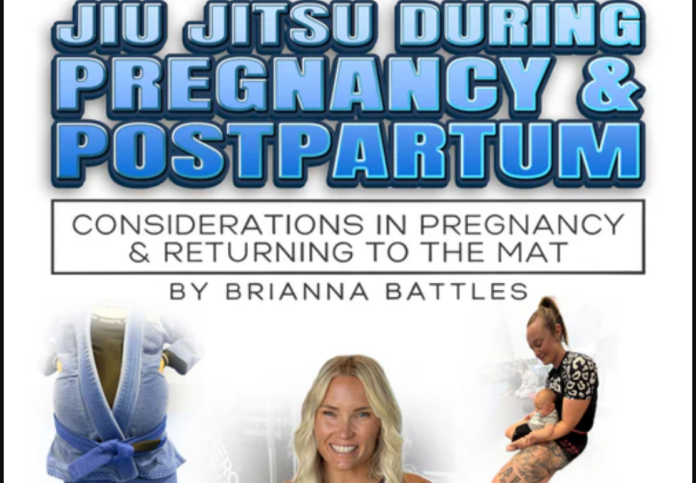
Jiu Jitsu During Pregnancy Brianna Battles DVD Review [2025]

Jiu Jitsu During Pregnancy Brianna Battles DVD Review

Key Takeaways

  • A niche, education-first course aimed at pregnant and postpartum grapplers rather than a “moves and drills” Jiu-Jitsu DVD.
  • Focuses on mindset, safety, and practical adjustments to rolling and drilling so women can stay on — or sensibly step off — the mats when needed.
  • Includes a structured return-to-BJJ framework, a case study, and a Q&A that address real-world concerns like FOMO, core and pelvic health, and coach communication.
  • Best suited to pregnant/postpartum athletes and coaches who want evidence-based guidance tailored to Jiu-Jitsu, not generic gym advice.
  • Limited appeal if you’re just looking for new techniques or competition strategy — this is about how to train, not what to submit people with.
  • Rating: 7.5/10

JIU JITSU DURING PREGNANCY BRIANNA BATTLES DVD DOWNLOAD

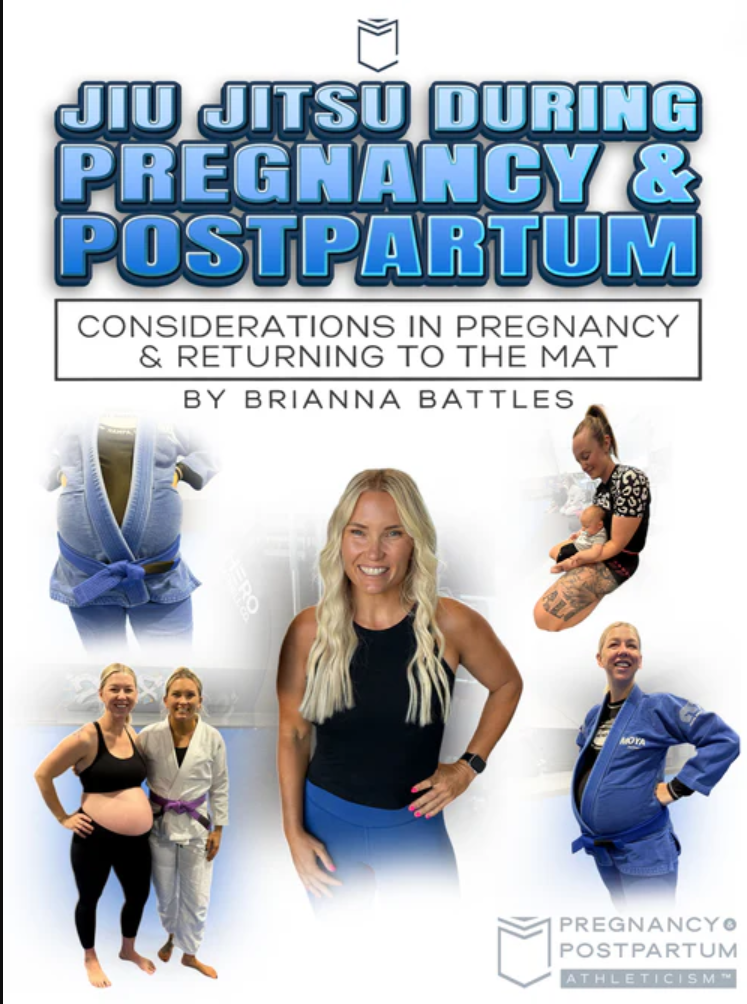
Training Jiu-Jitsu while you’re pregnant, or coming back after giving birth, sits in a weird grey area at most academies: everyone has opinions, but very few people have actual expertise. That’s the gap the Jiu Jitsu During Pregnancy Brianna Battles DVD tries to fill.

It’s a workshop-style instructional by Brianna Battles, a strength and conditioning coach, CEO and Founder of Pregnancy & Postpartum Athleticism, and a Jiu-Jitsu purple belt who lives in this niche full-time.

Instead of showing thirty new guard passes, this course is built around principles: mindset shifts, training adjustments, core and pelvic health considerations, and a sensible path back to sparring after pregnancy. If you’re expecting, recently postpartum, or coaching women who are, the Jiu Jitsu During Pregnancy Brianna Battles DVD might end up being more valuable than yet another leg-lock system.

Why Training Jiu-Jitsu Through Pregnancy Needs Its Own Playbook

Jiu-Jitsu is a contact sport. Even in a chill open mat, you’re dealing with pressure, rotation, sudden scrambles, and people’s full bodyweight landing in unpredictable places. During pregnancy and postpartum, those same stresses land on a changing body: shifting posture, joint laxity, a stretched abdominal wall, and a pelvic floor that is doing a lot of extra work.

Most gyms solve this with vibes: “Just flow roll”, “Tap early”, or “Train until you don’t feel like it anymore.” That’s not enough. Pregnant athletes need some form of pregnancy-safe Jiu-Jitsu training that respects both the demands of the sport and the realities of pregnancy and recovery.

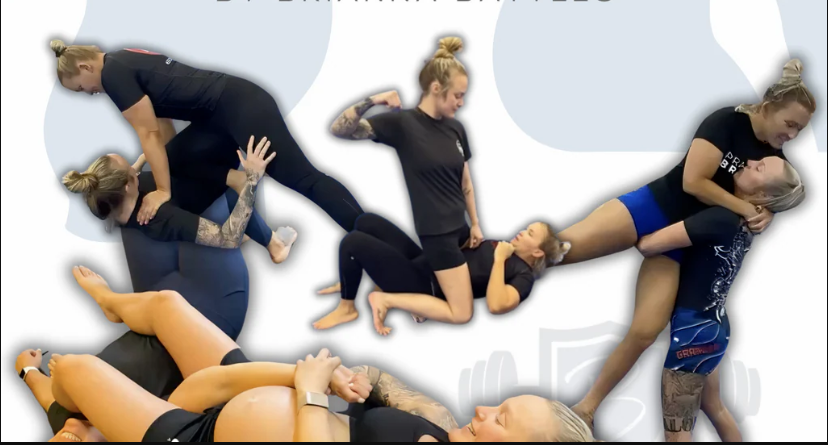
Battles leans into that tension rather than pretending it doesn’t exist. Her material speaks to classic BJJ problems — pressure passing, closed guard, scrambles, takedowns — but reframed through questions like:

  • How much direct belly pressure is appropriate for you right now?
  • Which directions of movement are irritating your core or pelvis?
  • Where do you draw the line between beneficial stress and “I’ll regret this tomorrow”?

The course makes it clear that “you can do something but your body isn’t ready for everything (yet),” a phrase she also repeats in her free resources for pregnant and postpartum athletes.

It’s not fearmongering, but it is a wake-up call for women used to just muscling through every round.

About Brianna Battles  MS, CSCS and BJJ Black Belt

Brianna Battles isn’t a random influencer who picked up a Gi last year. She’s a long-time strength and conditioning coach with formal degrees in coaching and kinesiology, and she built an entire business — Pregnancy & Postpartum Athleticism — around helping athletes and coaches navigate this exact phase of life.

On the mat, she’s a Jiu-Jitsu purple belt and co-runs Battles Jiu Jitsu with her husband Jared, who has been training for around 20 years and recently earned his black belt. Their family is very much “all in” on BJJ, which is why pregnancy and postpartum participation in the sport comes up so often in her podcast and coaching work.

Off the mats, Brianna Battles known for educating both athletes and other professionals: she offers online courses, runs the Practice Brave Podcast focused on pregnancy/postpartum athleticism, and has certified thousands of coaches on how to support women through these stages.

That combination — actual mat time plus deep women’s health and S&C experience — is what makes a Brianna Battles BJJ instructional on this topic worth taking seriously.

Inside the Jiu Jitsu During Pregnancy Brianna Battles DVD Review

The Jiu Jitsu During Pregnancy Brianna Battles DVD is structured more like a focused workshop than a sprawling multi-volume technique library. On BJJ Fanatics and her own Teachable platform, the course is broken into two main sections that mirror a live seminar: one focused on training during pregnancy, and one focused on the return to training postpartum, including a case study and Q&A.

Volume 1 – BJJ Considerations During Pregnancy

The first “volume” (labelled as Section I on the product page) opens with an overview of the workshop and big-picture BJJ considerations in pregnancy and returning to the mats. Battles lays out her credentials and athletic background, then shifts quickly into mindset and basic BJJ principles — things like base, posture, and pressure — and how they intersect with a pregnant body instead of an off-season competitor’s body.

From there, the Jiu Jitsu During Pregnancy Brianna Battles DVD digs into adjustments: which positions tend to be tolerable, which can become problematic as pregnancy progresses, and how to modify rolling intensity, partner selection, and drilling habits. Expect more conceptual coaching than hyper-technical breakdowns.

A lot of the value is in how she gets you to think about guard retention, takedown risk, and top pressure through the lens of breathing, pressure management, and pelvic health instead of ego and toughness. This section feels like a reality check for both athletes and coaches: you can keep training in many cases, but not in the exact same way you did before, and not at any cost.

Volume 2 – Returning to the Mats, Case Study, and Q&A

Section II acts as the postpartum roadmap. Battles outlines a “returning to BJJ program” that acknowledges there’s usually a big gap between being medically cleared for exercise and being genuinely ready for live rounds, takedowns, and high-pressure positions. She walks through a case study of Miranda Granger — a professional fighter who trained through pregnancy and came back to competition — to show how these principles play out in real life.

The Jiu Jitsu During Pregnancy Brianna Battles DVD also speaks directly to coaches and professors here: what they need to know about postpartum timelines, common symptoms (like coning, leaking, pain), and the kind of questions that should trigger a referral to a pelvic-health or medical professional rather than “just keep drilling”.

This is followed by closing thoughts, resources for further learning, and a Q&A that addresses the questions she hears most often from pregnant/postpartum grapplers — everything from FOMO and identity to when to bring back hard rounds. It’s not a “do these three exercises and you’re fine” vibe; it’s more about equipping you with a framework so you can make better decisions with your own healthcare team.

Practical Application

Because this isn’t a standard technique-heavy release, the way you use it matters a lot. The Jiu Jitsu During Pregnancy Brianna Battles DVD works best as a reference you come back to across trimesters and into postpartum rather than something you binge in one sitting and forget.

For pregnant athletes

Watching Volume 1 early on, then re-watching key sections as your body changes. Using her questions and red-flag examples to decide when to skip certain rounds, positions, or training days.

Pairing the course with your own rehab plan, whether that’s a pelvic-health PT, one of Battles’ broader exercise workshops, or another trusted professional.

For postpartum athletes

Volume 2 can serve as a reality check and pacing tool. It complements concepts like “you can do something, but not everything yet” with a Jiu-Jitsu-specific lens: how to step back into drilling, positional rounds, and eventually competition prep without treating childbirth like a minor off-season.

Coaches can treat the material as a BJJ coaches pregnancy guidelines primer. You’re not suddenly a medical professional after watching it, but you’ll be much better at recognizing when to modify training, when to suggest external help, and how to speak to pregnant/postpartum students without either dismissing their concerns or treating them like glass.

GET IT HERE JIU JITSU DURING PREGNANCY BRIANNA BATTLES DVD 

Who Is This For?

This course has a very specific lane, and that’s a good thing:

  • Pregnant Jiu-Jitsu athletes who want to keep training in some capacity and are willing to adjust expectations and intensity.
  • Postpartum grapplers looking for a structured, sport-specific way to rebuild their relationship with rolling, instead of going straight from six-week clearance to full rounds.
  • Coaches and academy owners who regularly work with women and want to make their space safer and more welcoming for women’s Jiu-Jitsu during pregnancy and postpartum.
  • Partners and teammates who may not need to watch every minute, but could benefit from better understanding what their training partners are dealing with.

It’s not ideal if:

  • You’re a male hobbyist just looking for more techniques to add to your game.
  • You want a competition strategy DVD — this won’t help you pass modern guards or refine your leg-lock entries.
  • You’re expecting a fully prescriptive rehab plan with sets, reps, and diagnostics; this is education, not a replacement for individualized medical care (and Battles is clear about that across her platforms).

Pros & Potential Drawbacks

Pros:

  • Highly niche and much-needed topic – Very few instructionals speak directly to pregnancy and postpartum in a combat-sports context, and almost none are BJJ-specific.
  • Instructor genuinely specialises in this area – Battles’ blend of coaching, kinesiology, and pregnancy/postpartum athleticism background makes her unusually qualified to tackle this subject for grapplers.
  • Clear, principle-driven framework – Instead of rigid rules, you get questions, red flags, and mindset shifts you can adapt to your own context.
  • Includes a real-world case study – Seeing how an athlete like Miranda Granger navigated pregnancy and a return to high-level combat sports helps make the ideas concrete.
  • Coach-friendly content – Specific sections on “what coaches and professors need to know” make this a valuable watch for instructors, not just athletes.
  • Integrates with her broader ecosystem – The themes line up with her free guide and courses, so if you’re already in that world, this slots in neatly as a Jiu-Jitsu-specific module.

Potential Drawbacks:

  • Very light on actual Jiu-Jitsu technique – If you’re hoping for new submissions, passes, or takedown entries, you’ll be disappointed; this is education about training, not new systems of attack.
  • Narrow target audience – It’s incredibly valuable if you’re pregnant, postpartum, or coaching women — but offers limited direct value if that’s not you.
  • Workshop feel may not suit everyone – The structure and pacing feel more like a seminar than a tightly edited technique series, which some viewers may find less engaging.
  • Still requires outside support – You’ll likely need to combine this with medical and rehab guidance; it won’t tell you everything you should do in the gym week by week.

Final Thoughts on Jiu Jitsu During Pregnancy Brianna Battles DVD

Overall, the Jiu Jitsu During Pregnancy Brianna Battles DVD fills a hole in the BJJ instructional landscape that has been empty for far too long. It doesn’t try to be all things to all people; instead, it speaks directly to pregnant and postpartum grapplers (and the coaches who train them) with practical, evidence-aware guidance and a realistic mindset about what training can and should look like in these seasons.

No Gi Worlds Coaches Brawl Erupts Matside During Juvenile Match—Coach Issues Public Apology

No-Gi Worlds Coaches Brawl Erupts Matside During Juvenile Match
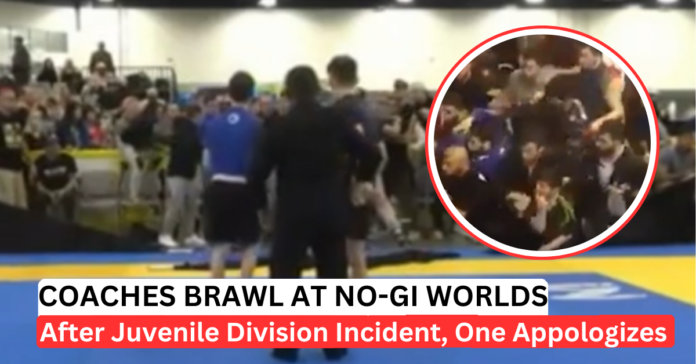
  • A No Gi Worlds coaches brawl broke out mat-side at the IBJJF No Gi World Championships on Saturday, December 13, 2025, during a juvenile division match area.
  • Coach Jeff Haddad says the incident happened near Mat 20, and he has since apologized directly to the IBJJF and publicly.
  • In his statement, Haddad took responsibility, saying he failed to act like a coach and that there were “no grounds” for his actions.
  • The situation has reignited debate around coach conduct—especially when kids and teens are competing on the sport’s biggest stages.

The Mat-Side Blowup At No Gi Worlds 2025

The IBJJF No Gi World Championships are supposed to be the cleanest showcase of Jiu-Jitsu competition: the best athletes, the highest stakes, and—ideally—the best behavior. But this year, one of the clips that traveled fastest wasn’t a slick guard pass or a last-second finish.

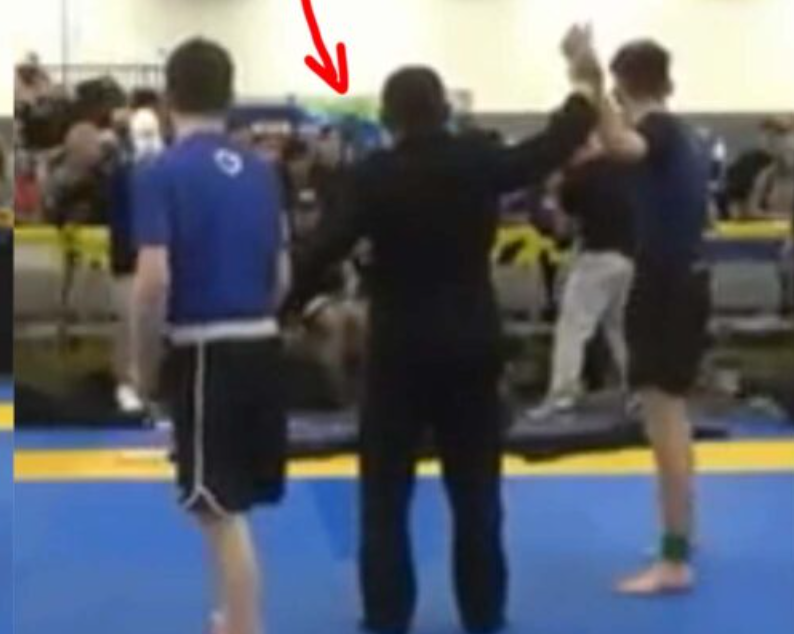
It was a No Gi Worlds coaches brawl that flared up during a juvenile match and spilled into the mat-side coaching area. Footage circulating from the venue shows coaches getting physical near the edge of the competition space as people rush in to separate them.

The optics are brutal no matter which “side” someone thinks they’re on—because the competitors involved were teenagers, and the adults were the ones who lost control.

What made this incident stick wasn’t just the video. It was the fact that one of the coaches involved, Jeff Haddad, followed up with a written coach apology and took ownership of the moment publicly.

No Gi Worlds Coaches Brawl: What Sparked It Near Mat 20

Based on Haddad’s own description, the incident took place near Mat 20 on Saturday, December 13, and it stemmed from an exchange after one of his athletes lost.

Haddad said another coach taunted his competitor—an athlete he describes as 16 years old—and that the tension escalated from there.

Even with that context, Haddad’s key point was simple: provocation doesn’t matter when you’re the adult with responsibility in the corner. In other words, you can’t claim “heat of the moment” as a pass when you’re coaching a kid at a world championship.

That’s the uncomfortable truth sitting underneath the meme-able headline. A No Gi Worlds coaches brawl in an adult match is already a bad look. In juvenile divisions, it’s worse—because it drags teenagers into adult ego, adult conflict, and adult consequences.

Coach Issues Public Apology After No-Gi Worlds Coaches Brawl

Jeff Haddad Statement: “I Am A Coach, And I Did Not Carry Myself As Such

Haddad’s apology wasn’t vague, and it wasn’t written in the classic “sorry if anyone was offended” tone. He framed it as a professional failure—something that reflected badly on him, his team, and the event itself.

I am a coach, and I did not carry myself as such. I carried myself as an irresponsible adult who did not control his actions.
– Jeff Haddad –

He also addressed the idea that taunting can “justify” anything physical—flatly rejecting it.

Taunting an athlete after a loss is not grounds to push someone. There are NO grounds in which I should have done that.
– Jeff Haddad –

One detail that stood out is how he described writing the apology: outside the venue, with the reality of the moment settling in. He also noted that he didn’t yet know what punishment—if any—would come from the IBJJF.

I am not sure when a decision will be made on what my punishment will be. However, I understand this behavior cannot and will not be tolerated at all.
– Jeff Haddad –

That last line is doing a lot of work. It’s not just regret; it’s an acknowledgment that the sport’s biggest organizations can’t afford coach-side chaos—especially in divisions where the athletes are minors.

Juvenile Divisions Make Coach Behavior A Bigger Deal

Most grapplers have seen it: corners getting loud, coaches barking, parents trying to “coach the coach,” and the tension that comes with a close match.

But juvenile divisions change the stakes because the athlete’s experience is still being shaped. Teens don’t just remember who won—they remember how the adults behaved when it mattered.

A No Gi Worlds coaches brawl in a juvenile setting raises questions that go beyond one bad decision:

  1. What message does it send to young athletes about “acceptable” conduct under pressure?
  2. What message does it send to newer families deciding whether Jiu-Jitsu culture is a good fit?
  3. And what message does it send to the broader combat sports world that already stereotypes grappling events as disorganized?

There’s also a competitive fairness angle. Corner interference and emotional escalation can affect referees, opponents, and the pace of a match day. Even if no athlete is directly harmed, the environment gets worse for everyone in the building.

The Real Fallout

For Haddad personally, the timing is rough. He’s not an anonymous spectator—he’s a visible figure in the competition scene and a listed founder of a Connecticut-based event platform, with notable competition credentials attached to his name.

That means the consequences of a No Gi Worlds coaches brawl don’t stop at a viral clip. They follow you into your academy culture, your athlete recruiting, and your wider reputation in the sport.

As of now, the most concrete “aftermath” is the apology itself: Haddad taking responsibility and emphasizing that the behavior shouldn’t be tolerated.

Whether the IBJJF issues a formal penalty is a separate question, and one the community will keep watching—because enforcement (or lack of it) sets precedent.

The bigger takeaway, though, is painfully simple: if Jiu-Jitsu wants to keep growing—especially for kids—then the adults have to act like adults. The athletes already carry enough pressure at Worlds. They shouldn’t have to carry their coaches’ too.

Felipe Pena – Complete Competitive Profile & Match History

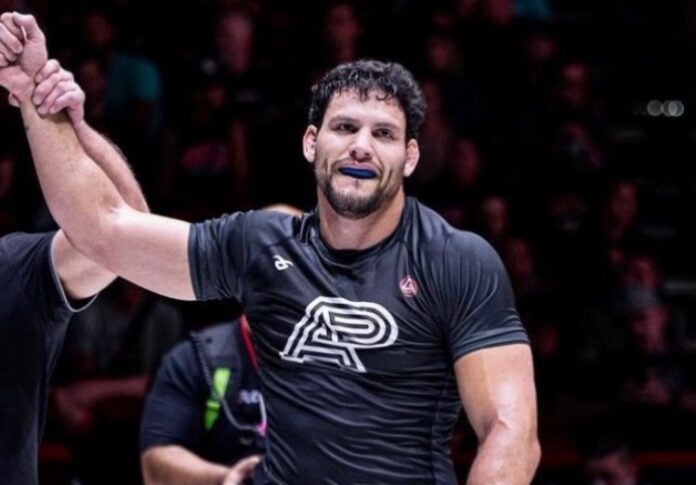
Felipe Pena

Overview

Felipe Pena, nicknamed “Preguiça,” is a Brazilian professional grappler widely regarded as one of the most technically complete athletes of the modern Brazilian Jiu-Jitsu era. Known for his elite guard systems, submission versatility, and consistent success against the highest level of opposition, Pena has achieved world championship results across both gi and no-gi competition.

Across more than a decade at the elite level, Pena has established himself as a rare guard-based competitor capable of winning under IBJJF and ADCC rule sets, including multiple high-profile victories over dominant champions of his era.


Early Life and Background

Felipe Pena was born on June 11, 1992, in Belo Horizonte, Minas Gerais, Brazil. He began training Brazilian Jiu-Jitsu as a teenager and quickly distinguished himself through exceptional flexibility, positional awareness, and composure under pressure.

From early in his career, Pena showed a preference for technical efficiency over physical dominance, a trait that would later define his competitive identity.


Introduction to Brazilian Jiu-Jitsu

During his progression through the colored belts, Pena became known for defeating physically stronger opponents through guard-based control, sweep chains, and submission setups rather than explosive movement.

His early competition career included consistent success at IBJJF events, where his technical approach translated effectively across multiple weight classes.


Black Belt Promotion and Lineage

Felipe Pena received his black belt under Marcelo Azevedo and was long associated with the Gracie Barra lineage during his early black belt career.

Lineage (commonly cited):
Carlos Gracie → Hélio Gracie → Carlos Gracie Jr. → Gracie Barra → Marcelo Azevedo → Felipe Pena

Throughout his career, Pena has competed under multiple banners, gradually emphasizing individual competitive identity over long-term team affiliation.


Breakthrough at Black Belt Level

Felipe Pena’s international breakthrough came at the IBJJF World Championships, where he established himself as one of the most dangerous guard players in gi competition.

His early world titles positioned him among the elite of his generation and laid the foundation for his later dominance in submission grappling and ADCC competition.


Major Achievements

IBJJF World Championship (Black Belt, Gi)

  • 🥇 Gold Medal – 2016
  • 🥇 Gold Medal – 2017

ADCC World Championship

  • 🥇 Gold Medal – 99 kg – 2017
  • 🥇 Gold Medal – 99 kg – 2024

IBJJF Pan Championship (Black Belt)

  • 🥇 Gold Medal – 2016
  • 🥈 Silver Medal – 2017

IBJJF European Championship (Black Belt)

  • 🥇 Gold Medal – 2016

Transition Across Rule Sets

While already an elite gi competitor, Felipe Pena successfully transitioned into no-gi competition without abandoning his guard-centric identity. His ability to adapt traditional guard principles to submission grappling rulesets became a defining feature of his career.


Notable Rivalries

Gordon Ryan

The rivalry between Felipe Pena and Gordon Ryan is one of the most significant matchups in modern submission grappling. Pena recorded multiple high-profile victories during the early stages of their rivalry, establishing himself as one of the few athletes capable of consistently challenging Ryan at the highest level of competition.


Competitive Style and Technical Identity

Felipe Pena is best described as a guard-oriented, submission-focused grappler with exceptional adaptability.

Signature Technical Traits

  • Elite closed guard and open guard systems
  • Strong triangle, armbar, and omoplata chains
  • High-level guard retention and sweep timing
  • Effective back-take sequences
  • Calm pacing and energy efficiency

Weight Classes and Competitive Range

Throughout his career, Felipe Pena has competed primarily in:

  • Middle-Heavy
  • Light-Heavy
  • ADCC 99 kg division
  • Absolute divisions

Career Summary

  • 100+ publicly recorded professional matches
  • Victories by submission and decision across gi and no-gi formats
  • Losses primarily against elite, championship-level opposition
  • Consistent participation at world championship-level events

Complete Professional Match Record

OpponentResultMethodEvent Weight ClassStageYear
Renato CardosoLPointsPan American88KGR12013
Alexandre CeconiWPts: 7x0Copa Podio88KGGP2013
Davi RamosWChoke from backCopa Podio88KGGP2013
Diogo SampaioWTriangleCopa Podio88KGGP2013
T. StevensWPts: 9x2Copa Podio88KGSF2013
Diogo SampaioWPts: 4x2Copa Podio88KGF2013
Murilo SantanaLArmbarBrasileiro CBJJE88KGNA2013
Diego GamonalWChoke from backRio Open88KGSF2013
Rodrigo FajardoWPts: 7x0Rio Open88KGF2013
Igor SilvaWChoke from backRio OpenABS4F2013
Leandro LoLPts: 0x0, AdvRio OpenABSSF2013
Kit DaleWRNCNoGi Worlds85KG4F2013
Carl OrtegaWRNCNoGi Worlds85KGSF2013
Eduardo TellesLPts: 2x0NoGi Worlds85KGF2013
UnknownWBow and arrowPan AmericanABSR22014
Jackson SousaWSubmissionPan AmericanABSR32014
Diego HertzogWPointsPan AmericanABS4F2014
Andre GalvaoLPts: 4x2Pan AmericanABSSF2014
N/AWChoke from backBrasileiroABSR12014
R. EvangelistaWChoke from backBrasileiroABS4F2014
Lucas LepriWPointsBrasileiroABSSF2014
Renato CardosoWAdvBrasileiro88KGF2014
Guto CamposWPts: 12x10Copa Podio88KGSPF2014
Giovanne DeallemaWChoke from backWorld Champ.ABSR22014
L. PanzaWReferee DecisionWorld Champ.ABSR32014
Marcus AlmeidaLFootlockWorld Champ.ABS4F2014
J. JordanWPts: 42x2World Champ.94KGRDS2014
N. OliveiraWTriangle/armbarWorld Champ.94KG4F2014
D. SouzaWChoke from backWorld Champ.94KGSF2014
A. GalvaoWPts: 6x4World Champ.94KGF2014
Gregor GracieWPts: 10x0Copa Podio85KGGP2014
Erberth S.WPts: 5x0Copa Podio85KGGP2014
Thiago SaWChoke from backCopa Podio85KGGP2014
Patrick GaudioWPts: 11x4Copa Podio85KGGP2014
Claudio CalasansWPts: 7x2Copa Podio85KGSF2014
Luiz PanzaWPts: 2x2, AdvCopa Podio85KGF2014
Marlon MorcegoWBotinhaThe Team85KGRR2014
Paulo CesarWRNCADCC RJ88KGR12015
Emanuel NetoWRNCADCC RJ88KGR22015
Marlon JoseWRNCADCC RJ88KG8F2015
Delson HelenoWRNCADCC RJ88KG4F2015
Victor EstimaWPts: 2x0ADCC RJ88KGSF2015
I. BahienseWRNCADCC RJ88KGF2015
Erberth SantosWPts: 7x2World Pro95KGR12015
Felipe MotaWTriangleWorld Pro95KG4F2015
Luiz PanzaWPts: 4x2World Pro95KGSF2015
Jackson SousaWPts: 8x2World Pro95KGF2015
Luiz PanzaWToe holdWorld ProABSR12015
Marcelo BernardoWPts: 0x0, AdvWorld ProABSR22015
Keenan CorneliusLPts: 2x2, AdvWorld ProABS4F2015
Maks WiśniewskiWChoke from backCopa Podio95KGGP2015
Eduardo InojosaWChoke from backCopa Podio95KGGP2015
Delson HelenoWPts: 7x3Copa Podio95KGGP2015
V. HonorioLPts: 0x0, AdvCopa Podio95KGGP2015
Tim SpriggsWPts: 2x0Copa Podio95KGSF2015
V. HonorioWChoke from backCopa Podio95KGF2015
Roberto AlencarWPts: 3x0ADCC99KGR12015
Jimmy FriedrichWReverse triangleADCC99KG4F2015
Joao AssisWPts: 9x0ADCC99KGSF2015
Rodolfo VieiraLReferee DecisionADCC99KGF2015
Roberto TorralbasWKneebarNoGi Worlds91KG4F2015
Arnaldo MaidanaWEzekielNoGi Worlds91KGSF2015
Jackson SousaWPts: 2x0NoGi Worlds91KGF2015
Wilson ReisWGuillotineNoGi WorldsABSR12015
Patrick GaudioWArmbarNoGi WorldsABSR22015
Arnaldo MaidanaWToe HoldNoGi WorldsABS4F2015
DJ JacksonWRNCNoGi WorldsABSSF2015
Matheus DinizWPts: 10x2NoGi WorldsABSF2015
Yuri SimoesWPts: 4x2Berkut 2ABSSPF2015
Josh HingerWChoke from backEuropean OpenABSR12016
M. NetoWChokeEuropean OpenABSR22016
Alan FinfouWChoke from backEuropean OpenABS4F2016
Erberth SantosWChoke from backEuropean OpenABSSF2016
Guilherme AugustoWPts: 2x0Marianas OpenABS4F2016
Terrence AflagueWArmbarMarianas OpenABSSF2016
Keenan CorneliusWPts: 4x2Marianas OpenABSF2016
Marcio AndreWPts: 4x0World ProABSR22016
Claudio CalasansWPts: 4x2World ProABS8F2016
Dany GerardWInjuryWorld ProABS4F2016
Alexander TransWPts: 2x0World ProABSSF2016
Jose JuniorWN/AWorld ProABSF2016
Alexandro CeconiWPts: 2x0World Pro94KG4F2016
Andre GalvaoWPts: 4x0World Pro94KGSF2016
Erberth SantosLPts: 7x2World Pro94KGF2016
Eduardo InojosaWN/AWorld Champ.94KGR12016
Jackson SousaLReferee DecisionWorld Champ.94KG4F2016
Many DiazWPts: 2x0World Champ.ABSR22016
Alexander TransWPts: 2x0World Champ.ABS8F2016
Marcus AlmeidaLArmbarWorld Champ.ABS4F2016
Joao RochaLPts: 4x4, AdvIBJJF Pro GPABS4F2016
Jackson SousaWChoke from backBerkut 3ABSSPF2016
P. GabrielWChoke from backBrasileiro Equipes94KGR12016
Alan FidelisWChoke from backGrand Slam TYO94KGSF2016
Alexandre RibeiroWPts: 4x2Grand Slam TYO94KGF2016
Igor MarquesWChoke from backGrand Slam RJ94KGR12016
Gustavo SaraivaWChoke from backGrand Slam RJ94KG4F2016
Marcus FernandesWBow and arrowGrand Slam RJ94KGSF2016
Alexandre RibeiroWPts: 2x0Grand Slam RJ94KGF2016
Samuel MoninWBow and arrowRoyal Rumble94KGSPF2016
Gordon RyanWRNCStudio 540 SPFABSSPF2016
Maciel TrindadeWChoke from backWP BR Qualifier94KG4F2017
Vicente CavalcantiWDarce chokeWP BR Qualifier94KGSF2017
Helton JoseWPts: 2x0WP BR Qualifier94KGF2017
Abdurakhman BilarovWPts: 8x2World Pro94KG4F2017
Alexandre RibeiroWPts: 0x0, AdvWorld Pro94KGSF2017
Adam WardzinskiWChoke from backWorld Pro94KGF2017
Jacob GuerreoWChokeMarianasO82KG4F2017
Tanner RiceWPts: 7x2MarianasO82KGSF2017
Nick CalvaneseWChoke from backMarianasO82KGF2017
Isaque BahienseWDarce chokeMarianasABSSPF2017
Igor SilvaWGuillotineACBJJ 595KG4F2017
Adam WardzinskiWPointsACBJJ 595KGSF2017
Erberth SantosWChoke from backACBJJ 595KGF2017
Henrique LimaWPts: 12x0World Champ.88KGR12017
Horlando MonteiroWBow and arrowWorld Champ.88KG8F2017
Renato CardosoWPts: 4x4, AdvWorld Champ.88KG4F2017
Andre GalvaoLPts: 2x0World Champ.88KGSF2017
Y. OzawaWArmbarADCC99KGE12017
Abdurakhman BilarovWPts: 5x0ADCC99KG4F2017
Rafael LovatoWReferee DecisionADCC99KGSF2017
Yuri SimoesLPts: 2x0ADCC99KGF2017
Celso ViniciusWPts: 6x0ADCCABSE12017
Victor HonorioWPts: 12x0ADCCABS4F2017
Marcus AlmeidaWRNCADCCABSSF2017
Gordon RyanWPts: 6x0ADCCABSF2017
Gutemberg PereiraWCalf slicerACB JJ 995KG4F2017
Lucas BarbosaWArm in guillotineACB JJ 995KGSF2017
Abdurakhman BilarovWArm in guillotineACB JJ 995KGF2017
Adam WardzinskiWBow and arrowACBJJ 1295KGSPF2018
Josh JeromeWArmbarMarianas Open100KG4F2018
Tanner RiceWPointsMarianas Open100KGSF2018
Jackson SousaWPts: 18x2Marianas Open100KGF2018
Joao ResendeWPts: 6x0WP Br Qualifier94KG4F2018
Matheus GodoyWChoke from backWP Br Qualifier94KGSF2018
Eduardo MachadoWReverse triangleWP Br Qualifier94KGF2018
Donghwa ChoiWCross chokeWorld Pro94KG4F2018
Helton JoseWPts: 6x0World Pro94KGSF2018
Adam WardzinskiWPts: 4x0World Pro94KGF2018
Adam WardzinskiWPts: 6x0World Champ.94KG8F2018
Alexandre RibeiroWPts: 2x0World Champ.94KG4F2018
Fellipe AndrewWPts: 14x6World Champ.94KGSF2018
Patrick GaudioWPts: 8x8, AdvWorld Champ.94KGF2018
C. KilyanWChoke from backWorld Champ.ABSRD2018
Igor SchneiderWMounted X chokeWorld Champ.ABS8F2018
Nicholas MeregaliLArm in EzekielWorld Champ.ABS4F2018
Erberth SantosWDQBJJ Stars100KGSPF2019
Valdir AraujoWPts: 2x1Kasai 593KGRR2019
Jackson SousaWPts: 3x0Kasai 593KGRR2019
Tex JohnsonLInside heel hookKasai 593KGRR2019
Diego GamonalWChoke from backWorld Champ.88KGR12019
Nisar LoynabWPts: 6x2World Champ.88KG4F2019
Matheus DinizWPts: 2x0World Champ.88KGSF2019
Gustavo BatistaWReferee DecisionWorld Champ.88KGF2019
Hygor BritoWChoke from backWorld Champ.ABSR12019
Igor SchneiderWChoke from backWorld Champ.ABSR22019
Marcus AlmeidaLReferee DecisionWorld Champ.ABS4F2019
Andre GalvaoLPts: 2x0ADCCABSSPF2019
Erberth SantosWVerbal tapBJJ Bet100KGSPF2020
Luiz PanzaWArm in guillotineBJJ Stars 596KG4F2021
Erich MunisWPts: 2x2, AdvBJJ Stars 596KGSF2021
Gutemberg PereiraWPts: 2x0BJJ Stars 596KGF2021
Patrick GaudioWChoke from backBJJ Stars94KGSPF2021
Arnaldo MaidanaWPts: 5x0World Champ.ABS8F2021
Max GimenisWChoke from backWorld Champ.ABS4F2021
Fellipe AndrewWPts: 4x2World Champ.ABSSF2021
Harryson PereiraWCross chokeWorld Champ.100KG4F2021
Erich MunisLPts: 2x2, AdvWorld Champ.100KGSF2021
Henrique CardosoWPenBJJ StarsO99KGSPF2022
Manoel PitaloWRNCHonor ChallengeABSSF2022
Vagner RochaWEBI/OTHonor ChallengeABSF2022
Gordon RyanLVerbal tapWNO 14ABSSPF2022
Josh SaundersWPts: 8x0ADCCO99KGR12022
Max GimenisWRNCADCCO99KG4F2022
Nick RodriguezLPts: 3x0ADCCO99KGSF2022
Roberto JimenezWPts: 13x2ADCCABS8F2022
Tye RuotoloLPts: 0x0, PenADCCABS4F2022
Nick RodriguezWReferee DecisionWNOABSSPF2023
Craig JonesLEBI/OTUFC FPI 4ABSSPF2023
Rida HaisamWRNCWNO 19ABSSPF2023
Nicholas MeregaliLRNCUFC FPI 5ABSSPF2023
Rafael LovatoWReferee DecisionWNO 23O93KGSPF2024
Brandon ReedWArmbarADCCO99KGR12024
John HansenWRNCADCCO99KG4F2024
Josh SaundersWPts: 0x0, PenADCCO99KGSF2024
Luke GriffithWRNCADCCO99KGF2024
Gordon RyanLPts: 2x0ADCCABSSPF2024
Declan MoodyWGuillotineWNO 25ABSSPF2024
Marcin MaciulewiczD---CJI 2ABSRDS2025
Luke GriffithWArmbarCJI 2ABSSF2025
Dorian OlivarezD---CJI 2ABSSF2025

Legacy and Influence

Felipe Pena’s legacy extends beyond medals and titles. He represents the effectiveness of guard-based grappling at the highest level and serves as a technical benchmark for athletes competing across both gi and no-gi formats.


Frequently Asked Questions

What is Felipe Pena’s nickname?
“Preguiça.”

Is Felipe Pena a gi or no-gi competitor?
He has achieved world championship success in both formats.

Did Felipe Pena defeat Gordon Ryan?
Yes, multiple times in high-profile competition.

Is Felipe Pena still active?
Yes. He continues to compete at the elite level.

Craig Jones – Complete Competitive Profile & Match History

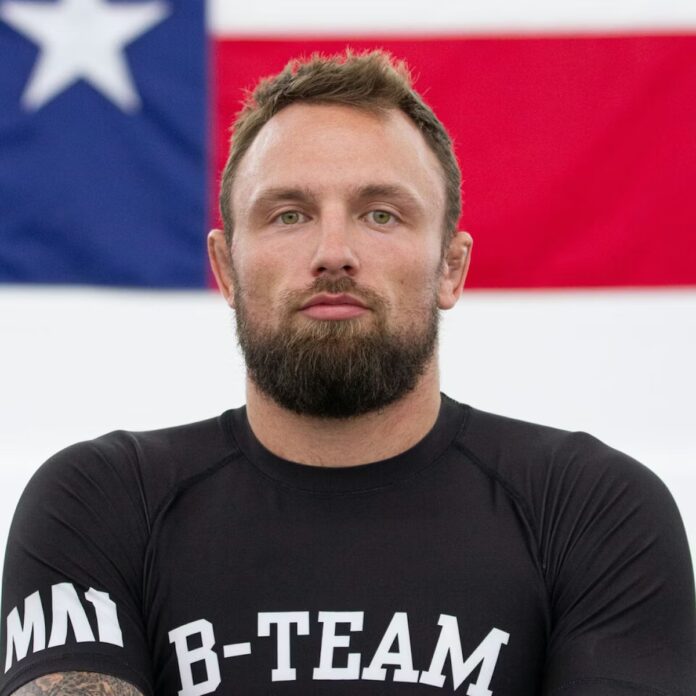
Craig Jones

Overview

Craig Jones is an Australian professional grappler and one of the most influential figures in modern no-gi Brazilian Jiu-Jitsu. Widely recognized for his innovative leg lock systems, composure under pressure, and consistent success against elite competition, Jones has played a defining role in the evolution of contemporary submission grappling.

Primarily competing in no-gi formats, Jones has achieved podium finishes and high-profile victories across the sport’s most prestigious events, establishing himself as both a top-level competitor and a technical reference point for modern leg lock-based grappling.


Early Life and Background

Craig Jones was born on June 17, 1991, in Adelaide, South Australia. Unlike many elite Brazilian Jiu-Jitsu athletes, he began training later than most of his peers, entering grappling without a long childhood background in the sport.

Prior to fully committing to jiu-jitsu, Jones explored various athletic pursuits. His analytical mindset and willingness to challenge conventional approaches would later become defining characteristics of his competitive style.


Introduction to Brazilian Jiu-Jitsu

Jones began training Brazilian Jiu-Jitsu in Australia, with an early emphasis on no-gi competition rather than traditional gi-based development. His initial progression focused on positional awareness, leg entanglements, and submission efficiency, rather than point-oriented strategies.

As he started competing internationally, Jones quickly gained recognition for defeating more experienced and higher-ranked opponents, particularly through leg lock attacks and transitional submissions.


Connection to John Danaher and the Danaher Death Squad

A major turning point in Craig Jones’ career occurred when he began training under John Danaher at the Renzo Gracie Academy in New York City.

Within this environment, Jones trained alongside several of the most influential no-gi grapplers of the era, including:

  • Gordon Ryan
  • Garry Tonon
  • Eddie Cummings
  • Nicky Ryan

This collective later became known as the Danaher Death Squad (DDS).

Under Danaher’s systemized coaching framework, Jones refined his leg lock entries, back attack transitions, and positional control, transforming from a dangerous submission specialist into a consistently elite-level competitor.


Danaher Death Squad Era

During his tenure with DDS, Craig Jones achieved widespread international recognition through repeated high-profile performances at major professional events, including ADCC, EBI, Quintet, and Kasai Pro.

This period established Jones as one of the most technically creative and strategically adaptable leg lock specialists in submission grappling, known not only for winning, but for consistently threatening submissions against the best competitors in the world.


Formation of B-Team Jiu-Jitsu

In 2021, John Danaher announced the dissolution of the Danaher Death Squad as a unified team. Shortly thereafter, Craig Jones became a founding member of B-Team Jiu-Jitsu, alongside athletes such as:

  • Nicky Rodriguez
  • Nicky Ryan
  • Ethan Crelinsten

The formation of B-Team marked a cultural and competitive shift, emphasizing experimentation, openness, and athlete individuality while maintaining elite competitive standards. Jones emerged as one of the team’s most recognizable figures and competitive leaders.


Competitive Style and Technical Identity

Craig Jones’ competitive style is defined by adaptability, creativity, and opportunistic submission attacks.

Signature Technical Traits

  • Elite leg lock entries and counters
  • Strong back-taking ability from scrambles
  • Calm defensive awareness under pressure
  • High submission threat from transitional positions

Rather than relying on rigid positional systems, Jones thrives in dynamic exchanges, frequently converting defensive moments into offensive opportunities.


Gi vs No-Gi Performance

Craig Jones is primarily known as a no-gi specialist.

  • No-Gi: World-class leg lock systems, transitional submissions, and submission-focused strategies
  • Gi: Limited competition compared to no-gi, with primary competitive focus remaining on submission grappling formats

His career is closely associated with the rise of professional no-gi competition.


Weight Classes and Competitive Range

Throughout his career, Craig Jones has competed successfully across multiple divisions, including:

  • 77 kg
  • 88 kg
  • 99 kg
  • Absolute (open weight)

His success across weight classes highlights both technical adaptability and the ability to compete effectively against larger opponents.


Major Achievements

ADCC World Championship

  • 🥈 Silver Medal – 88 kg (2019)
  • 🥉 Bronze Medal – Absolute (2019)
  • 🥉 Bronze Medal – 88 kg (2017)

Eddie Bravo Invitational (EBI)

  • 🥇 EBI Absolute Champion (2017)

Quintet

  • 🥇 Quintet 3 Champion – Team Australia (2018)

Kasai Pro

  • 🥇 Kasai Pro Champion (2017)

Who’s Number One (WNO)

  • 🏆 Multiple Superfight Victories (2020–2023)

Notable Rivalries

Gordon Ryan

One of the most discussed rivalries in modern no-gi grappling. While Ryan holds multiple victories, Jones has consistently challenged him at the highest level, particularly in leg lock exchanges and transitional positions.

Felipe Pena

A stylistic contrast between pressure-based control and dynamic leg lock attacks, producing several high-level encounters across major tournaments.


Career Summary

Based on publicly recorded professional competition data:

  • 90+ professional matches
  • Majority of victories by submission
  • Losses primarily against elite, championship-level opposition
  • Consistent submission threat regardless of match outcome

Jones’ career is characterized by creativity, adaptability, and long-term relevance at the highest level of submission grappling.


Complete Professional Match History

OpponentResultMethodEvent Weight ClassStageYear
Nathan OrchardWInside heel hookEBI 1177KGR12017
Darragh OConaillWKneebarEBI 1177KG4F2017
Vagner RochaLEBI/OTEBI 1177KGSF2017
Micah BrakefieldWRNCSUG 4N/ASPF2017
Leandro LoWRNCADCC88KGE12017
Murilo SantanaWFlying triangleADCC88KG4F2017
Keenan CorneliusLPts: 13x0ADCC88KGSF2017
Alexandre RibeiroLPts: 2x0ADCC88KG3RD2017
Chael SonnenWOutside heel hookADCCABSE12017
Gordon RyanLKatagatameADCCABS4F2017
Ben EgliWOutside heel hookSUG 588KGSPF2017
Bob FirasWHeel hookCoffs Harbour InvABSSPF2017
Andy BurkeWInside heel hookEBI 14ABSR12017
Marcel GoncalvesWInside heel hookEBI 14ABS4F2017
Tex JohnsonWInside heel hookEBI 14ABSSF2017
Gordon RyanLEBI/OTEBI 14ABSF2017
Murilo SantanaLPts: 4x4, PenKasai ProABSSPF2017
C. NegromonteLPts: 7x0NoGi Worlds85KG4F2017
Jake ShieldsWInside heel hookPolaris 684KGSPF2018
Mindas VerzbickasWKneebarQuintetABSRR2018
Sergei GrecichoD---QuintetABSRR2018
Marcos SouzaWKneebarQuintetABSRR2018
Nick CalvaneseWTriangleKasai Pro 284KGRR2018
Dante LeonWPts: 2x0Kasai Pro 284KGRR2018
Michael PerezLPts: 3x2Kasai Pro 284KGRR2018
Richie MartinezWInside heel hookKasai Pro 284KG3RD2018
Roberto FriasWPts: 7x0Boa Super 8ABS4F2018
Ben HodgkinsonWOutside heel hookBoa Super 8ABSSF2018
DJ JacksonLPts: 0x0, PenBoa Super 8ABSF2018
DJ JacksonLReferee DecisionSpider Inv. 4FO76KGSPF2018
Rousimar PalharesWReferee DecisionKasai Pro 3ABSSPF2018
Matheus DinizWReferee DecisionGrapple FestABSSPF2018
Richie MartinezWTerra footlockQuintet 3ABSSF2018
Adam SachnoffWRNCQuintet 3ABSSF2018
Antoine JaoudeWRNCQuintet 3ABSF2018
Gordon RyanLShort chokeQuintet 3ABSF2018
Keenan CorneliusWReferee DecisionPolaris 893KGSPF2018
Gabriel ArgesWRNCGrappleFest 4ABSSPF2019
Tim SpriggsWInside heel hookGrappling Ind.ABSSPF2019
Pedro MarinhoD---Kasai 593KGRR2019
Jon BlankWRNCKasai 593KGRR2019
Kaynan DuarteLShort chokeKasai 593KGRR2019
Jackson SousaWTerra footlockKasai 593KG3RD2019
Denis HallmanWToe holdSUG 888KGSPF2019
M. LutesWReferee DecisionPolaris 1085KGSPF2019
M. PerhavecWInside heel hookGrappleFest 588KGSPF2019
Matheus DinizLPointsThird Coast85KGSPF2019
Tex JohnsonWRNCKASAI SS Florida92KGSPF2019
Anthony JohnsonWInside heel hookSUG 9ABSSPF2019
Ben DysonWInside heel hookADCC88KGR12019
Mason FowlerWArm in guillotineADCC88KG4F2019
Jon BlankWRNCADCC88KGSF2019
Matheus DinizLPts: 2x0ADCC88KGF2019
Adam WardzinskiWReverse triangleGrappleFest 7100KGSPF2019
Fredson PaixaoWRNCQuintet UltraABSSPF2019
Gilbert BurnsWOutside heel hookSUG 1088KGSPF2019
Kevin CaseyWOutside heel hookSUG 12ABSSPF2020
Vinny MagalhaesWverbal tapSUG 13ABSSPF2020
Vagner RochaWEBI/OTSUG 1488KGSPF2020
Gabriel CheccoWEBI/OTSUG 15ABSSPF2020
Mason FowlerLEBI/OTSUG 16ABSSPF2020
Mason FowlerLEBI/OTSUG 17ABSSPF2020
Roberto JimenezWInside heel hookWNO 493KGSPF2020
Brent PrimusWRNCSUG 19ABSSPF2020
Satoshi IshiiWRNCSUG 20ABSSPF2020
Ronaldo JuniorWInside heel hookWNO 688KGSPF2021
Luiz PanzaWInside heel hookWNO 992KGSPF2021
Tye RuotoloWReferee DecisionWNO 1090KGSPF2021
Davi RamosWReferee DecisionPolaris 1785KGSPF2021
Sean BradyLReferee DecisionFury Pro90KGSPF2021
Pedro MarinhoLReferee DecisionWNO 1193KGSPF2022
Eldar SavidovWRNCAIGAABSSPF2022
Joao CostaWViolin armlockADCC99KGR12022
Kyle BoehmWGuillotineADCC99KG4F2022
Nicholas MeregaliWReferee DecisionADCC99KGSF2022
Kaynan DuarteLPts: 12x0ADCC99KGF2022
Felipe PenaWEBI/OTUFC FPI 4ABSSPF2023
Gregor GracieD---Quintet 4ABSNA2023
Richie MartinezWToe holdQuintet 4ABSNA2023
Geo MartinezWTriangle armlockQuintet 4ABSNA2023
Kyle BoehmD---Quintet 4ABSNA2023
Gerald MeerschaertWRNCPolaris 2693KGSPF2023
Rafael LovatoWInside heel hookUFC FP6ABSSPF2024
Rinat FakhretdinovWTriangleKarate CombatNASPF2024
Phil RoweWTriangleKarate KombatNASPF2024
Gabrielle GarciaWRNCCJINASPF2024
Chael SonnenWBuggy chokeCJI 2ABSSPF2025

Instructionals and Influence

Beyond competition, Craig Jones is one of the most influential instructional creators in modern grappling. His educational material emphasizes:

  • Leg lock systems
  • Escapes and counters
  • No-gi guard retention
  • Transitional submission chains

His teaching approach focuses on conceptual understanding rather than rigid sequences, influencing how modern no-gi grappling is studied and trained.


Legacy and Influence

Craig Jones’ impact on no-gi Brazilian Jiu-Jitsu extends beyond medals and titles. He represents a shift toward creativity, openness, and adaptive problem-solving within elite submission grappling.

As a competitor, teammate, and instructor, Jones continues to shape the technical and cultural direction of modern no-gi jiu-jitsu.


Frequently Asked Questions

Is Craig Jones primarily a gi or no-gi competitor?
Primarily no-gi.

Who has coached Craig Jones?
John Danaher (formerly), B-Team Jiu-Jitsu coaching collective.

What is Craig Jones best known for?
Leg lock innovation and elite submission grappling.

Is Craig Jones still active?
Yes. He continues to compete and teach internationally.

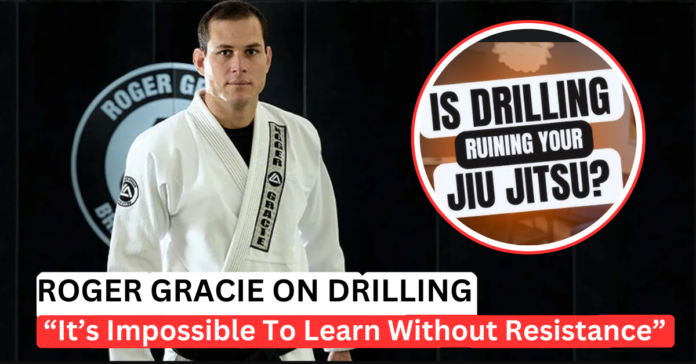
Roger Gracie Drilling Philosophy: Stop Repping Techniques, Drilling is Overrated

Roger Gracie Drilling Philosophy: Stop Repping Techniques, Drilling is Overrated
  • Roger Gracie has doubled down on his long-held view that drilling is overrated, arguing that ground techniques only really develop under resistance.
  • He prefers specific sparring over traditional “repeat the move 1000 times” drilling, saying improvement comes from solving the same live problem again and again.
  • His emphasis on resistance, task-based training and problem-solving closely mirrors today’s ecological / constraints-led approach to Jiu-Jitsu.
  • The message isn’t “never drill” – it’s “drill just enough to learn the mechanics, then shift quickly to positional sparring and live scenarios”.
  • For everyday students, his stance is a strong push to rethink class structure: more specific rounds, fewer zombie reps, and training that looks a lot more like the roll itself.

Roger Gracie Drilling Is Overrated: How His Training Philosophy Mirrors Ecological Jiu-Jitsu

When a ten-time world champion says “I’m not a believer of drilling,” the Jiu-Jitsu world pays attention.

Roger Gracie has been consistent for years: he’ll drill enough to understand the mechanics of a move, but once that’s in place, he believes endless repetitions without resistance are largely a waste of time.

That “Roger Gracie drilling is overrated” stance has resurfaced in a recent conversation with John Danaher and in an IBJJF Q&A clip – and it happens to line up almost perfectly with the modern ecological, constraints-led approach that’s now dominating coaching debates.

Instead of canned sequences, Roger talks about spending most of his mat time in specific sparring, solving live problems from defined positions. For him, that’s where real Jiu-Jitsu skill comes from: exposure, resistance and adaptation, not choreography.

Roger Gracie Drilling Is Overrated

Roger’s starting point is simple and brutally honest: once you understand what a move is supposed to do mechanically, blindly repeating it doesn’t magically turn it into a live skill.

I’m not a believer of drilling.
– Roger Gracie –

In his talks about training, he explains that there is a place for drilling – at the very beginning. You drill to learn the mechanics, to feel the movement and understand where your hips, grips and weight should be.

But once that basic map is clear, he doesn’t see value in running the same sequence a thousand times on a partner who never really fights back.

He often compares this to Judo. Standing throws, with their timing and explosive entries, do benefit from huge amounts of drilling reps.

On the ground, though, he argues that the chaos of real grappling – shifting weight, frames, reactions and scrambles – means you quickly hit a ceiling if your partner stays compliant.

That’s where specific sparring replaces rote drilling. Instead of running an armbar entry from closed guard 50 times, Roger would rather you spend rounds starting in closed guard, actively trying to set up that armbar against someone who is doing everything they can to stop you.

You’re still repeating the situation – but the repetitions are alive.

I don’t drill, but I am a huge fan of specific sparring. For me, specific sparring is where I make the most improvements and refine my technique.
– Roger Gracie –

Specific Sparring, Resistance And Ecological Jiu-Jitsu

In that IBJJF Q&A clip, Roger is introduced with the line: “It’s impossible to learn without resistance.” That one sentence might be the cleanest bridge between his ideas and the ecological Jiu-Jitsu approach everyone is arguing about online right now.

Ecological / constraints-led training basically says this:

  • Skills develop best in live, information-rich environments
  • You learn by solving problems that look like the real thing
  • Coaches should design tasks and constraints, not memorize-this-move scripts

That’s almost a textbook description of how Roger says he built his game. He talks about picking a position – say, escaping side control – and living there:

When you do this specific sparring, it’s the repetition that tells you what you’re doing wrong – even what you’re doing right – because when you go over the same movement over and over again with sparring, then you see… .
– Roger Gracie –

Modern ecological coaches use different language – “attuning to information”, “solving affordances”, “task design” – but the core looks very familiar to any old-school room that spent half the class in positional rounds. Some veterans even argue that ecological Jiu-Jitsu is just a fancy rebranding of how Brazilians used to train before the YouTube and DVD era.

When you put it in that light, the Roger Gracie drilling is overrated idea feels less like a hot take and more like a reminder: resistance and context have always been where real grappling skill lives.

Don’t be afraid to put yourself in tough situations. You learn every time you tap. Let go of your ego and watch your Jiu-Jitsu get better.
– Roger Gracie –

How This Challenges Traditional Jiu-Jitsu Classes

Most students know the classic format: warm-up, technique demo, drilling in pairs, then a few rounds of rolling. In that model, static drilling often eats the biggest chunk of class time.

Roger’s philosophy – and ecological thinking – quietly ask some uncomfortable questions:

  1. How many of those reps actually transfer to live rolling?
  2. Are students just memorizing steps, or are they learning to solve problems?
  3. Could you get better faster by sacrificing some drilling volume for more targeted, resistant rounds?

Crucially, the Roger Gracie drilling philosophy is not saying to delete drilling from the curriculum. He explicitly acknowledges its role in teaching basic mechanics. But he argues that once the move “exists” in your body, the training emphasis should shift fast – away from zombie reps and towards positional sparring and constrained games.

That’s straight out of the constraints-led playbook. Instead of “do this sweep 20 times each”, you get tasks like:

  • Start in side control bottom; top’s goal is to hold, bottom’s goal is to escape to guard or turtle.
  • Start in triangle; bottom finishes, top’s goal is to posture and escape.
  • Start with back control hooks in; one round only finishing, one round only escaping.

Every round becomes a live experiment. The technique you drilled is the hypothesis; specific sparring is the test.

For coaches, this forces a rethink: if Roger Gracie built one of the most efficient, high-percentage games in history with minimal drilling and tons of specific work, maybe the default class template isn’t as sacred as we assume.

What Roger Gracie’s Philosophy Means For Your Training

So what do you actually do with all this as an everyday student who hears that Roger Gracie drilling is overrated but still turns up to a normal class three times a week?

A few practical takeaways:

  • Use drilling as a short onboarding phase. When you learn something new, drill just enough that you feel the mechanics and can hit it without thinking – then politely steer your rounds toward that position.
  • Ask for or create specific rounds. Even in a traditional gym, you can say: “Can we start in closed guard so I can work this sweep?” or “Let’s do two minutes with you on my back.” That’s Roger’s model in mini-form.
  • Judge progress by problem-solving, not repetition count. If you drilled a pass 200 times but still can’t hit it on a resisting blue belt, that’s useful feedback: you need more live reps in that exact situation, not more air-reps.
  • Don’t throw out structure for the sake of it. Ecological Jiu-Jitsu isn’t a license to ignore basics or skip learning mechanics. It’s a call to connect those mechanics to resistance as quickly and intelligently as possible.

The deeper message behind Roger’s stance is less about being anti-drilling and more about being pro-results. Whether you call it specific sparring, constraints-led training or ecological Jiu-Jitsu, the core idea is the same: you learn Jiu-Jitsu by playing Jiu-Jitsu under pressure.

If the greatest heavyweight technician of his era is telling you that’s how he built his game, it’s probably worth listening – and maybe reshaping your own mat time around the kind of training that actually made him Roger Gracie.

Gordon Ryan – Biography, Record, Fight History & BJJ Statistics

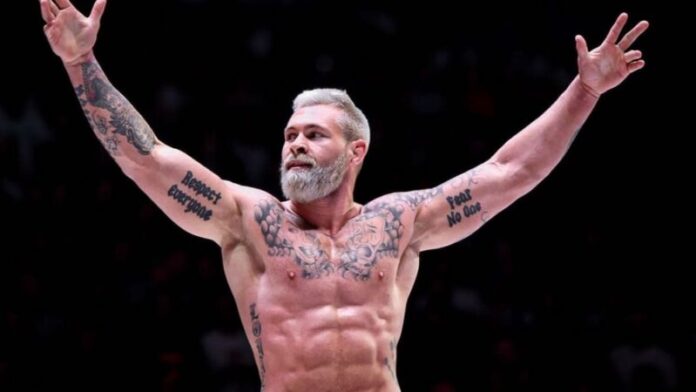
Gordon Ryan ADCC no gi grappling champion

Complete Biography, Record, Fight History & Rivalries

Gordon Ryan is an American professional submission grappler and widely regarded as the most dominant no-gi Brazilian Jiu-Jitsu athlete of all time. Known for his systematic approach to grappling, elite submission efficiency, and historic performances at ADCC, WNO, EBI, and other major events, Ryan has built a competitive résumé unmatched in modern submission grappling.

Search queries such as Gordon Ryan record, Gordon Ryan losses, Gordon Ryan vs Felipe Pena, Gordon Ryan vs Craig Jones, Gordon Ryan coach, and Gordon Ryan Danaher consistently rank among the most searched topics in no-gi jiu-jitsu. This page serves as a complete evergreen reference answering all of those questions in one place.


Early Life and Background

Gordon Ryan was born on July 8, 1995, in Monroe, New Jersey, United States. He began training Brazilian Jiu-Jitsu as a teenager, initially drawn to submission grappling and MMA-oriented training rather than traditional gi competition.

From the beginning of his career, Ryan showed a strong preference for no-gi grappling. Unlike many athletes who transition from gi to no-gi later in their careers, Ryan developed almost exclusively within no-gi environments, shaping a style optimized for professional submission-only formats.


Introduction to Tom DeBlass, Garry Tonon & John Danaher

Ryan’s early development took place under the guidance of Tom DeBlass, one of New Jersey’s most prominent grapplers. During this period, Ryan met Garry Tonon, who would become a crucial influence on his career.

Tonon, already an elite competitor, introduced Ryan to high-level no-gi systems and professional invitational competition. As Ryan progressed, he began traveling regularly to New York City to train at the Renzo Gracie Academy under John Danaher.

Danaher’s analytical coaching style played a decisive role in Ryan’s evolution. His emphasis on positional control, mechanical efficiency, and repeatable systems would later become defining characteristics of Ryan’s grappling philosophy.


Danaher Death Squad Era (DDS)

Training under John Danaher alongside Garry Tonon, Eddie Cummings, and other elite athletes, Gordon Ryan became a core member of the Danaher Death Squad (DDS).

During this era, Ryan rose to prominence in submission-only events such as:

  • EBI
  • Sapateiro Invitational
  • Kasai Pro
  • Metamoris
  • Fight to Win

This period established Ryan as one of the most dominant submission grapplers in the world, particularly known for:

  • Advanced leg lock systems
  • Back-attack sequences
  • Pressure-based positional control
  • High submission finishing rates

Black Belt Promotion and Lineage

Gordon Ryan received his black belt in February 2016. The promotion was awarded by Garry Tonon, with shared lineage recognition under John Danaher.

Lineage (Primary)

Carlos Gracie → Hélio Gracie → Carlos Gracie Jr → Renzo Gracie → John Danaher → Gordon Ryan

Lineage (Secondary)

Carlos Gracie → Hélio Gracie → Carlos Gracie Jr → Renzo Gracie → Ricardo Almeida → Tom DeBlass → Garry Tonon → Gordon Ryan


Competitive Style and Philosophy

Gordon Ryan’s grappling style is defined by control before submission. His matches follow a consistent structure:

  1. Neutralize opponent movement
  2. Secure dominant positional control
  3. Limit defensive options
  4. Apply high-percentage submissions

Rather than relying on explosiveness, Ryan emphasizes inevitability. His approach minimizes risk while maximizing control and finishing efficiency.

Signature Strengths

  • Rear-naked choke variations
  • Inside and outside heel hooks
  • Pressure-based guard passing
  • Back control dominance

Weight Classes and Physical Evolution

Throughout his career, Gordon Ryan has successfully competed across multiple weight divisions:

  • 77 kg
  • 88 kg
  • 99 kg
  • Absolute (open weight)

His ability to maintain technical dominance while moving up in weight is one of the defining aspects of his legacy, particularly in open-weight competition.


ADCC Career and Historic Achievements

Gordon Ryan’s ADCC career is considered one of the greatest in the history of the tournament.

In 2022, Ryan made history by:

  • Winning the +99 kg division
  • Winning the ADCC Absolute Superfight
  • Becoming the first athlete to win both titles in the same year

His ADCC performances cemented his status as the most dominant no-gi competitor of his generation.


Career Highlights and Major Achievements

  • ADCC World Champion (multiple divisions)
  • ADCC Absolute Superfight Champion
  • WNO Heavyweight Champion
  • IBJJF No-Gi World Champion
  • Quintet Champion
  • Multiple EBI Championships

Ryan has consistently defeated elite opponents across multiple rulesets and formats.


Rivalries and Notable Opponents

Felipe Pena

One of the most discussed rivalries in modern grappling history, defined by contrasting styles and high-stakes matches.

Craig Jones

Ryan holds multiple victories over Craig Jones across different events and formats, forming one of the most lopsided elite-level rivalries in no-gi grappling.

Other Notable Opponents

  • André Galvão
  • Yuri Simoes
  • Nick Rodriguez
  • Kaynan Duarte
  • Marcus Almeida
  • Lucas Barbosa

Head-to-Head Records (Most Searched)

  • Felipe Pena: 1 Win – 3 Losses
  • Craig Jones: 6 Wins – 0 Losses
  • Tex Johnson: 2 Wins – 1 Loss
  • Yuri Simoes: 4 Wins – 0 Losses
  • Lucas Barbosa: 2 Wins – 1 Loss
  • Nick Rodriguez: 2 Wins – 0 Losses
  • André Galvão: 1 Win – 0 Losses

Gordon Ryan Professional Record Summary

  • Total Matches: 107
  • Wins: 102
  • Losses: 5
  • Draws: 4
  • Submission Wins: 82 (approx. 80%)

Most common submissions:

  • Rear-Naked Choke
  • Inside Heel Hook
  • Triangle

Complete Professional Fight History

Below is Gordon Ryan’s complete professional match history, detailing opponents, results, submission methods, events, weight classes, and years.

Gordon Ryan Fight History

Below is a complete professional match history detailing Gordon Ryan’s wins, losses, opponents, methods, and events across major submission-grappling organizations.

OpponentResultMethodEvent Weight ClassStageYear
Tex JohnsonLPointsGrappling Ind.ABSF2016
Ian MurrayWInside heel hookSapateiro Inv.ABSR12016
Elliott HillWArmlockSapateiro Inv.ABS4F2016
PJ BarchWKneebarSapateiro Inv.ABSSF2016
Enrico CoccoWInside heel hookSapateiro Inv.ABSF2016
Pat SabatiniWInside heel hookGoodfight Pro77KGSF2016
Kevin BerbrichWChokeGoodfight Pro77KGF2016
Joshua BacallaoWInside heel hookPTL Sunday OpenABSSF2016
Nathan OrchardWReverse trianglePTL Sunday OpenABSSPF2016
James PartridgeWInside heel hookOnnit Inv. 2ABSSPF2016
Jacen FlynnWRNCEBI 6ABSR12016
Marcello SalazarWKneebarEBI 6ABS4F2016
Yuri SimoesWEBI/OTEBI 6ABSSF2016
Rustam ChsievWEBI/OTEBI 6ABSF2016
Keenan CorneliusWInside heel hookGrappling Ind.ABSSPF2016
Matt ArroyoWInside heel hookEBI 884KGR12016
Mike HillebrandWRNCEBI 884KG4F2016
Josh HaydenWEBI/OTEBI 884KGSF2016
Kyle GriffinWInside heel hookEBI 884KGF2016
Todd MueckemheimWKimuraSapateiro Inv.ABSSPF2016
Vagner RochaD---Sapateiro 2ABSSPF2016
Felipe PenaLRNCStudio 540 SPFABSSPF2016
Bryan BrownWRNCSapateiro 6ABSR12017
Antonio CarlosWReverse triangleSapateiro 6ABS4F2017
Jesseray ChildreyWRNCSapateiro 6ABSSF2017
Matthew TeslaWReverse triangleSapateiro 6ABSF2017
Joe BaizeWReverse triangleSUG 3ABSSPF2017
JP LebosnoyaniWRNCEBI 1177KGR12017
C. MacKarskiWArm in guillotineEBI 1177KG4F2017
Marcel GoncalvesWShort chokeEBI 1177KGSF2017
Vagner RochaWRNCEBI 1177KGF2017
Lucas BarbosaWReferee DecisionF2W 3092KGSPF2017
Leandro LoLPts: 4x0ADCC WC TrialsABSSPF2017
Eliot KellyWTriangle armbarF2W 34ABSSPF2017
M. JokmanovicWKimuraGrappling Ind.ABS4F2017
Tex JohnsonWReverse triangleGrappling Ind.ABSSF2017
D. JohnsonWRNCGrappling Ind.ABSF2017
Dillon DanisWReferee DecisionADCC88KGE12017
Romulo BarralWRNCADCC88KG4F2017
Alexandre RibeiroWReferee DecisionADCC88KGSF2017
Keenan CorneliusWMounted guillotineADCC88KGF2017
Roberto AbreuWInside heel hookADCCABSE12017
Craig JonesWKatagatameADCCABS4F2017
Mahamed AlyWHeel hookADCCABSSF2017
Felipe PenaLPts: 6x0ADCCABSF2017
Ralek GracieWReverse triangleMetamorisABSSPF2017
D. BorovicWOutside heel hookEBI 14ABSR12017
P. DonabedianWArmbarEBI 14ABS4F2017
C. HellenbergWEBI/OTEBI 14ABSSF2017
Craig JonesWEBI/OTEBI 14ABSF2017
Yuri SimoesWRNCKasai ProABSSPF2017
Vinny MagalhaesLPointsACBJJ 13O95KGSPF2018
Max GimenisWRNCNo Gi Pan Am.ABSSF2018
Kaynan DuarteWRNCNo Gi Pan Am.ABSF2018
Charles McGuireWTarikoplataNo Gi Pan Am.O97KGSF2018
Max GimenisWRNCNo Gi Pan Am.O97KGF2018
Josh BarnettWTriangleQuintet 3ABSSF2018
Marcos SouzaWRNCQuintet 3ABSSF2018
Roberto SatoshiD---Quintet 3ABSSF2018
Craig JonesWShort chokeQuintet 3ABSF2018
Vitor ShaolinWArmbarQuintet 3ABSF2018
Gregor GracieD---Quintet 3ABSF2018
Evangelous MoumtzisWArmbarNoGi WorldsO97KGR12018
Yuri SimoesWPts: 11x0NoGi WorldsO97KGSF2018
Roberto AbreuWDQNoGi WorldsO97KGF2018
Kalil FadlallahWChokeNoGi WorldsABSR12018
Vegard RandebergWRNCNoGi WorldsABSR22018
Patrick GaudioWPts: 4x4, AdvNoGi WorldsABS4F2018
Jackson SousaWRNCNoGi WorldsABSSF2018
Yuri SimoesWPts: 0x0, AdvNoGi WorldsABSF2018
Joao RochaWPts: 1x0Kasai Dallas120KGSPF2019
Gabriel CheccoWKimuraKinektic 1ABSR32019
Rafael DomingosWRNCKinektic 1ABSR42019
G. VasconcelosWArm in guillotineKinektic 1ABSR52019
Ben HodgkinsonWRNCADCC99KGR12019
Tim SpriggsWRNCADCC99KG4F2019
Lucas BarbosaWPts: 3x0ADCC99KGSF2019
Vinicius TratorWChokeADCC99KGF2019
Pedro MarinhoWOutside heel hookADCCABSR12019
Garry TononWChokeADCCABS4F2019
Lachlan GilesWRNCADCCABSSF2019
Marcus AlmeidaWPts: 0x0, PenADCCABSF2019
Rousimar PalharesWReferee DecisionWorld FestivalABSSPF2019
Bo NickalWTriangleThird Coast III94KGSPF2019
Aleksei OleinikWKneebarQuintet UltraABSSPF2019
Gabriel GonzagaWOutside heel hookSUG 10ABSSPF2019
Tex JohnsonWKatagatameSub StarsN/ASPF2020
Pat DowneyWVerbal tapBJJ Fanatics GPABSSPF2020
David NewtonWRNCGrappling Ind.ABSSPF2020
Abraham HallWTriangleGrappling Ind.ABSSPF2020
Benjamin DixonWRNCGrappling Ind.ABSSPF2020
Chad AllenWRNCGrappling Ind.ABSSPF2020
Austin TracyWRNCGrappling Ind.ABSSPF2020
Kyle BoehmWArmlockWNOABSSPF2020
Matheus DinizWInside heel hookWNO 4ABSSPF2020
Roberto JimenezWArmbarWNO 6ABSSPF2021
Vagner RochaWReverse triangleWNO 793KGSPF2021
Jacob CouchWPressureWNO 12O92KGSPF2022
Pedro MarinhoWRNCWNO 13O93KGSPF2022
Felipe PenaWVerbal tapWNO 14ABSSPF2022
Heikki JussilaWRNCADCCO99KGR12022
Victor HugoWPts: 8x0ADCCO99KG4F2022
Roosevelt SousaWOutside heel hookADCCO99KGSF2022
Nick RodriguezWOutside heel hookADCCO99KGF2022
Andre GalvaoWRNCADCCABSSPF2022
Nick RodriguezWEBI/OTUFC FP Inv.ABSSPF2022
Patrick GaudioWArmbarWNO 20ABSSPF2023
Josh SandersWOutside heel hookWNO 24O94KGSPF2024
Felipe PenaWPts: 2x0ADCCABSSPF2024
Yuri SimoesWPts: 21x0ADCCABSSPF2024

Legacy and Influence

Gordon Ryan’s influence on no-gi Brazilian Jiu-Jitsu extends far beyond his competitive record. His systematic approach, combined with John Danaher’s coaching philosophy, has reshaped modern submission grappling.

He is widely regarded as a reference point for how no-gi jiu-jitsu can be trained, taught, and executed as a structured, analytical system.


Frequently Asked Questions

Who is Gordon Ryan’s coach?
John Danaher.

Does Gordon Ryan compete in gi or no-gi?
Primarily no-gi.

Did Gordon Ryan train with Garry Tonon?
Yes, extensively during the Danaher Death Squad era.

What is Gordon Ryan best known for?
Submission efficiency, leg lock systems, and positional dominance.

Gina Carano MMA Comeback? Coach Says She’s ‘Got That Fire Lit’ And Is Training Every Day

Gina Carano MMA Comeback? Coach Says She’s ‘Got That Fire Lit’ And Is Training Every Day
  • Gina Carano is back in full-time MMA training at Syndicate MMA in Las Vegas, with coach John Wood saying she’s in the gym “every day” and working hard.
  • Talk of a Gina Carano MMA comeback has exploded, especially with Ronda Rousey also rumored to be plotting a return to combat sports.
  • Carano left MMA with a 7–1 record and helped carry women’s MMA into the mainstream before transitioning into a successful Hollywood career.
  • Away from the spotlight, she’s in a long-term relationship with former Muay Thai champion Kevin Ross, who helped start her journey in combat sports.
  • There is still no signed fight or official comeback announcement — but the way she’s training makes this feel more serious than a casual fitness kick.

Why The Gina Carano MMA Comeback Talk Just Got Real

Sixteen years after her last professional fight, Gina Carano is suddenly training like a serious contender again. Recent footage shows the 43-year-old working pads hard in Las Vegas, and her longtime coach John Wood has confirmed that this isn’t just a quick nostalgia visit to the gym.

She’s back in there every day. She’s got that fire lit and she’s training her butt off.
– John Wood –

That kind of language is exactly why talk of a Gina Carano MMA comeback has gone from fantasy match-making to a legitimate possibility.

Wood emphasizes that any decision to fight again is ultimately up to Carano, but he’s also clear that she still hits hard, looks sharp, and could “absolutely” compete if she chose to.

The timing has only poured fuel on the fire. Carano’s return to structured training has come just as Ronda Rousey is once again linked to a combat sports comeback of her own, including talk of potential boxing.

Fans immediately revived the long-discussed — but never realized — Carano vs Rousey superfight, whether in MMA or a crossover bout.

For now, though, the reality is simpler: Carano is in the gym, pushing herself, and the people holding pads for her believe she still has real fight left.

Gina Carano MMA Comeback

From Strikeforce Star To Women’s MMA Pioneer

Before anyone knew her from Star Wars or big-budget action movies, Gina Carano was one of the faces dragging women’s MMA into the mainstream. Competing from 2006 to 2009 in promotions like EliteXC and Strikeforce, she put together a 7–1 professional record and became a genuine crossover star.

Carano racked up wins over names like Julie Kedzie, Tonya Evinger, Kaitlin Young, and Kelly Kobold, showing clean Muay Thai, physical strength, and a willingness to trade in the pocket.

Her fights weren’t just competitive — they were often the most entertaining bouts on the card, earning “Fight of the Night” honors and television spotlight at a time when women’s MMA struggled for visibility.

The pinnacle came in August 2009, when she faced Cris Cyborg for the inaugural Strikeforce women’s featherweight title. It was the first time two women headlined a major MMA event, and while Carano was stopped by Cyborg via TKO at 4:59 of the first round, the bout cemented her place in history.

After that loss, Carano never fought again. There was no dramatic retirement speech; she simply drifted away from active competition as Hollywood opportunities began to stack up.

Yet for many fighters and fans, she remained the original gateway into women’s MMA — the person who proved that women could headline and sell big shows.

That legacy is a big part of what makes any Gina Carano MMA comeback feel bigger than just another veteran returning: it would be a pioneer stepping back into the world she helped build.

Inside The Gym: Gina Carano Coach John Wood On “That Fire Lit”

Carano is currently training at Syndicate MMA in Las Vegas, a room packed with active UFC and high-level fighters. According to John Wood, she hasn’t just dipped her toe back in; she’s shown up consistently over the last month or two and thrown herself into hard sessions.

She’s a legend in the sport, not just in women’s MMA but the sport in general… To have her in the gym and to be able to share time with her and Kevin Ross has been really, really cool.
– John Wood –

Wood makes it clear that there are no official fight contracts, no date, and no opponent locked in. But he also hints that people might “hear some things” down the line if Carano decides to follow through.

This is also where Carano’s personal life quietly blends with her training story. Wood mentions Kevin Ross — a decorated Muay Thai champion and Carano’s long-time partner — as part of the picture in the gym.

Ross was a key figure in getting her into Muay Thai in the first place, and the two now appear to be back in lockstep as she pushes herself again on the mats and in the ring.

With Ross’s striking pedigree and Wood’s MMA coaching, Carano’s current training environment is a far cry from a nostalgic “hit pads once for social media” session. It’s a structured camp setting, which is why observers are taking this phase so seriously.

Gina Carano Hollywood Career, Lawsuits, And Life Outside The Cage

When Carano walked away from competition after the Cyborg bout, she didn’t fade into obscurity — she jumped straight into Hollywood.

Her breakout lead role came in Haywire (2011), where her real-world fighting style made the action scenes feel unusually grounded compared to typical stunt-heavy movies. That led to roles in Fast & Furious 6 and Deadpool, cementing her status as an action star.

The biggest mainstream exposure came with The Mandalorian, where she played Cara Dune in the first two seasons of the mega-popular Star Wars series. That run ended in 2021, when controversial social media posts saw her dropped from the show.

Carano later built a new lane working on independent and politically charged projects, including Terror on the Prairie and My Son Hunter.

In 2024, she filed a high-profile lawsuit against Disney and Lucasfilm over her firing, claiming wrongful termination and discrimination, and that case was settled in 2025 with both sides signaling they were ready to move on.

Away from the legal headlines, her personal life has stayed relatively low-key. She has a long-term relationship with former Muay Thai and kickboxing champion Kevin “The Soul Assassin” Ross, a partnership that stretches back to the early days of her fighting career.

By all accounts, Ross has been both a technical influence and a grounding presence — exactly the kind of person you’d expect to see in her corner if a Gina Carano MMA comeback actually happened.

If Gina Carano Really Returns, What Does It Mean For Women’s MMA?

The big question is whether this flurry of pad work and “fire lit” talk actually turns into a signed bout sheet. At 43, with 16 years away from professional fighting and a body that’s been through both combat sports and stunt work, any comeback would come with serious physical questions.

There’s also the competitive reality: womens MMA has evolved massively since 2009. Athletes who grew up watching Carano are now title contenders and champions, with deeper skill sets and more complete games.

A returning legend would likely need a carefully chosen opponent and rule set, whether that’s MMA, boxing, or some kind of exhibition match.

Still, the symbolism would be huge. A genuine Gina Carano MMA comeback — even for one fight — would close a loop that never quite felt finished. She left after a single, brutal loss at the exact moment women’s MMA was about to explode.

Watching her step back into the arena now, with a full Hollywood career and public controversies behind her, would say something about resilience, reinvention, and unfinished business.

For the moment, the story is simple but compelling: Gina Carano is back in a real MMA gym, under a serious coach, pushing herself hard, and surrounded by people who believe she can still do damage.

Whether that leads to a walk to the cage, or just a healthier, more grounded version of herself, is a choice only she can make — but the combat sports world is already watching closely.

3 Distances One Passing System Marcos Tinoco DVD Review [2025]

3 Distances One Passing System Marcos Tinoco DVD Review

Key Takeaways

  • A conceptual passing system built around three distances: far, mid, and close.
  • Very structured coverage of passing open guard, seated guard, De La Riva-style guards, knee shields, half guard, and deep half.
  • Geared toward making you think in passing “phases” rather than collecting random techniques.
  • Strong fit for modern guard-heavy training rooms where you’re constantly dealing with seated and supine players.
  • Best for blue belts and up who already have basic balance and passing fundamentals.
  • Rating: 8/10

3 DISTANCES ONE PASSING SYSTEM MARCOS TINOCO DVD GET HERE

If you’ve ever felt overwhelmed trying to memorize a dozen different passes for every single guard variation, 3 Distances One Passing System Marcos Tinoco DVD goes in the opposite direction. Instead of adding more techniques to your plate, it gives you one structured framework built around three universal distances: around, over, and under.

World-class black belt Marcos “Lekinho” Tinoco uses this instructional to walk you through how he thinks about passing in real matches: where you stand in relation to the guard player, what threats you should respect at each range, and how to systematically move from one “distance” to another until the guard breaks.

The end result is a passing roadmap that’s designed to work in both Gi and No-Gi, with a clear bias toward simplicity and repeatability rather than flashy one-offs. In this review, we’ll break down who Tinoco is, how the three-distance system is structured across the volumes, what kind of grappler will benefit most, and where the instructional sits in the current landscape of passing-focused BJJ instructionals.

Figuring Out Distances When Passing 

Guard passing is one of those areas of Jiu-Jitsu that can easily spiral into chaos. You face spider guard one round, De La Riva the next, knee shield after that, and soon you feel like you’re studying five different sports at once. A distance-based framework, like the one behind 3 Distances One Passing System Marcos Tinoco DVD, tries to cut through that noise.

By categorizing engagements into far, mid, and close distance, you start from where you are in relation to the guard rather than which specific guard you’re in. That’s a big mental shift. Far distance means you’re mostly on your feet, dealing with open legs and frames. Mid-distance is where hooks, De La Riva, and knee shields come alive.

Close distance is when you’re chest-to-chest and trading underhooks, stacking, or smashing from half guard-style positions. When you view passing this way, guards stop being isolated problems.

Instead, they become variations inside one passing ecosystem. That’s the underlying promise of this Marcos Tinoco passing DVD: once you understand the three distances, you can adapt to new guard trends without having to rebuild your top game from scratch every time.

Who Is Marcos Tinoco?

Marcos Vinícius da Silva Tinoco, better known as “Lekinho”, is a Brazilian Jiu-Jitsu black belt under Marcelo Garcia and a long-time representative of the Alliance team. As BJJ Heroes notes, Tinoco is part of a stacked generation that bloomed under Marcelo’s coaching in New York, where he became known for a well-rounded, technically sharp game.

Tinoco racked up serious credentials on the world stage: CBJJ Brazilian Nationals champion, multiple-time IBJJF European Open champion, IBJJF New York Summer Open champion, and a World Championship silver and bronze medalist at black belt, along with No-Gi Pan titles and No-Gi Worlds medals.

These results make it clear he’s not just a competent passer – he’s proven himself against the best in both Gi and No-Gi across major IBJJF events. Tinoco now channels that experience into teaching kids and adults in the Boston area, with a strong emphasis on helping students reach their competitive and personal goals.

That teaching background shows in the way he structures this three-distance guard passing framework: methodical, progressive, and focused on making concepts stick for regular students, not just elite competitors.

Detailed 3 Distances One Passing System Marcos Tinoco DVD Review

The 3 Distances One Passing System Marcos Tinoco DVD instructional is organized into three volumes, each anchored to one of the core distances. That structure lines up nicely with how real rolls feel: you start at range dealing with open guard, get entangled in hooks and knee shields in the mid zone, and eventually have to smash or stack your way through half guard and deep half to actually score the pass. Let’s break down each volume.

Volume 1 – Far Distance

The first volume introduces the overall idea behind 3 Distances One Passing System Marcos Tinoco DVD, and immediately drops you into far-distance scenarios. You’re mostly standing while the opponent is open or seated, trying to control distance with their legs and grips.

Tinoco starts by passing open guard and even “tornado-style” scrambles without grips, which is a bold but very useful way to force you to rely on footwork, angles, and timing rather than clinging to the pants.

From there, he covers seated guard passing, showing how to approach and off-balance opponents who are scooting toward you and trying to get under your base. The X-pass features as a core tool here, acting as a bridge from a far distance into either mid or close distance, depending on how the bottom player responds.

Tinoco then looks into classic Gi-style open guards: lasso/spider and collar-sleeve. He doesn’t try to cover every tiny detail of each guard; instead, he shows how the same pass principles apply. You learn to step off center, clear hooks and frames, and commit to angles that make guard retention difficult, all while staying conscious of the opponent’s ability to swing into modern attacks.

Volume 2 – Mid Distance

Part two is where a lot of people will feel they’re finally getting answers to the guards that annoy them most. Mid-distance is where De La Riva, headquarters positions, knee shields, reverse De La Riva, and butterfly all come into play, and this volume is essentially Tinoco’s playbook for navigating that chaos.

He opens with De La Riva and headquarters, outlining how to pin the leg lines and upper body so the bottom player can’t freely invert or swing into leg entanglements. Knee shield passes and weave passes show up next, with a strong emphasis on when to prioritize smashing straight through versus when to redirect and circle.

The classic knee cut gets a lot of love, which will make any mid-range passer happy, but it’s framed inside the bigger pass over distance rather than as a random stand-alone move. Tinoco also addresses reverse De La Riva and butterfly guard, tying them back into the same themes: control the inside space, dictate which side the opponent can face, and force them into predictable reactions.

Volume 3 – Close Distance

The final part is all about close distance passing, where you’re chest-to-chest or heavily connected and trying to finish the job. Half guard is the central hub here: double underhook half guard passes, single underhook with lapel, and options when opponents dig into deep half.

Stack passing, over-under, and double-under passing are all treated as part of the same “pass under” universe. Rather than teaching them as disconnected systems, Tinoco explains how your upper-body position, head placement, and control of the hips and shoulder line interact across each variation.

That’s important for grapplers who struggle to decide which type of stack or over-under they should commit to in the moment. The volume concludes with single-underhook options, a set of dedicated passing drills, and an outro that reinforces how to tie all three distances together.

Learn While You Roll

On the mats, a system like this lives or dies based on how easy it is to remember and apply under pressure. The good news is that 3 Distances One Passing System Marcos Tinoco DVD is built to be drilled in chunks.

You can spend a week focusing only on far distance against open and seated guard, then gradually layer in mid-range sequences vs De La Riva and knee shield, and finally devote time to close-range half guard smashing and stack passing.

The volumes also lend themselves well to positional sparring. You can start rounds only from seated guard or headquarters and allow yourself to use only the tools from that distance. That makes it easy to collect enough reps in each scenario without getting derailed by a completely different position every thirty seconds.

DOWNLOAD 3 DISTANCES ONE PASSING SYSTEM MARCOS TINOCO DVD

Who Is This For?

This is not a day-one white belt DVD. Beginners can watch it, but they’ll get far more value if they already have basic balance, stance, and movement from the top. Realistically, blue belts and up will benefit most from 3 Distances One Passing System Marcos Tinoco DVD, especially those who are tired of collecting random passes and want a clearer conceptual map of the guard-passing problem.

Guard-oriented players who usually pull and stay on bottom can also gain a lot here, particularly if they’re trying to round out their game for competition. Seeing how a high-level Alliance New York guard passing DVD structures engagements from the top can help bottom players understand what their opponents are actually trying to achieve and what reactions their guards tend to trigger.

Pure No-Gi specialists will still find value – the concepts are universal and the product page explicitly emphasizes that the framework works in both settings – but visually, some sequences lean on Gi grips, especially in the collar-sleeve and lapel-based half guard entries. If you never train in the Gi, you’ll have to mentally translate a few sequences into wrist- or head-control versions.

Pros & Potential Drawbacks

Pros:

  • Clear three-distance framework – Organizing passing into far, mid, and close distance helps you make sense of a chaotic area of Jiu-Jitsu and reduces decision fatigue in live rolls.
  • Well-structured volumes – Each part focuses on a logical cluster of guards (open/seated, De La Riva and knee shield variations, half guard and stacks), making it easy to focus your drilling.
  • Gi and No-Gi friendly concepts – While some examples are Gi-specific, the underlying principles of angle creation, pressure, and shoulder-line control translate well to No-Gi.
  • Emphasis on drills and skill development – The inclusion of passing drills at the end of the instructional helps bridge the gap between “I watched it” and “I can actually do it.”
  • Instructor credibility – Tinoco’s major IBJJF titles and history under Marcelo Garcia and Alliance give weight to his ideas about high-level passing.

Potential Drawbacks:

  • Not ultra-beginner friendly – Brand-new white belts without solid base and posture may find the pacing fast and the positional context hard to follow.
  • Some Gi-heavy sequences – Players who are 100% No-Gi may wish there were more explicitly grip-agnostic demonstrations in positions like collar-sleeve and lapel half guard.
  • Less focus on entries to top – The instructional assumes you’re already on top; there’s minimal coverage of how to reliably get there from guard or stand-up, which some people might see as a gap.

Master the Distance – Master the Pass

Overall, 3 Distances One Passing System Marcos Tinoco DVD delivers exactly what the title promises: a unified passing framework that revolves around managing three core distances, rather than a grab-bag of techniques. If your current top game feels like a collection of isolated passes that don’t quite connect, Tinoco’s approach can give you the connective tissue you’ve been missing.