Legs or Hands: The Importance of Choosing the First Contact in Jiu-Jitsu

Legs or Hands: The Importance of Choosing the First Contact in Jiu-Jitsu

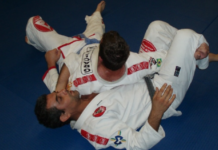
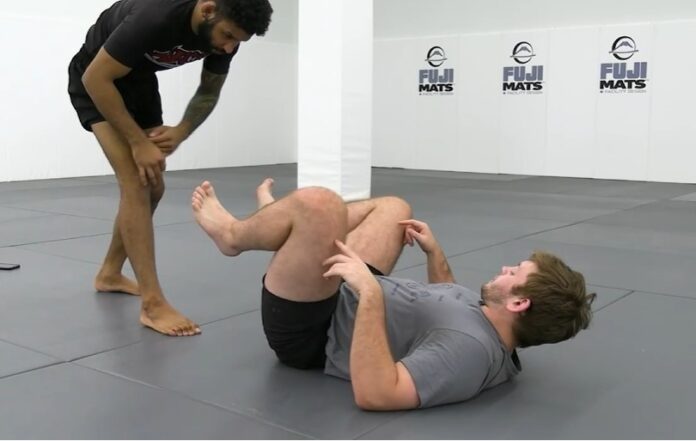
In jiu-jitsu and all grappling sports, the first contact often sets the tone for the fight and can be a decisive moment that shapes the outcome.

At the moment when you’re faced with the decision of whether to use your hands or feet to establish the first contact, understanding the dynamics of both options is crucial.

Given that grappling sports revolve around the concept of connection, how we initiate this vital contact is of utmost importance.

Whether you’re trying to establish control or aiming for submission, it all starts with deciding whether that contact will be made with the hands or feet.

What’s important to note that the first contact’s decision doesn’t depend on us but on our opponent. It relies on their position, movements, and intentions. Often, our choice depends on whether our opponent reveals any weaknesses in their movements.

In No-Gi grappling, where grips are limited compared to Gi grappling, we often establish the first contact with our feet, focusing on the ankles and knees. Then, the hands come into play, seeking grips on the wrists, collar, and elbows, depending on the situation and our opponent’s position.

All of this is aimed at establishing control and manipulation over our opponent.

Nicky Ryan is one of the competitors who pay special attention to the first contact with his feet because they provide him with signals about the opponent’s movements, which he then uses to execute his planned attacking techniques. Nicky has explained his entire Wrestle Up system in his instructional series called “Wrestle Up” where he explicitly uses his feet as the first contact, followed by his hands.

Just as we test the waters before diving in, the first contact is something that is extremely important and serves as a scouting mission. We test the opponent’s defense and vulnerabilities, and we check their tendencies and identify gaps in their game that we can exploit.

In the end, mastering the initial contact requires a deep understanding of the sport itself so that we know when to use our hands and when to use our feet. Improving that first contact will help us adapt more easily to our opponents and their intentions.

Think about this a bit more and plan for what you’ll establish first contact with each time. Practice different scenarios, and you’ll see how many quality follow-ups you create from different contacts, almost unconsciously.

Why Do White Belts Quit BJJ?

Why Do White Belts Quit in BJJ?

If you’ve been training Jiu-Jitsu for some time, you’ve probably noticed that many students who come to Jiu-Jitsu quickly quit. It makes people wonder why they even came if they give up after a short time without exploring the skill and never return.

The journey into Jiu-Jitsu starting with a white belt is very challenging for many, from many aspects, making it seem like an insurmountable mountain. New white belts can’t grasp that the Jiu-Jitsu journey is simple if you don’t try to master it instantly.

So why do people give up?

This is a question that many in BJJ ask every day, especially gym owners and coaches.

What particularly intrigues us is why some students who are very enthusiastic about training BJJ, in the beginning, quit long before reaching the blue belt.

Studying this phenomenon and talking to various professors, and students, and through various surveys, we have come to some conclusions that we think are the reasons.

Why do white belts quit?

If we ask how much time and training per week is needed for progress in Jiu-Jitsu, we can say that even one session a week is enough for progress. However, is one training session per week enough for progress compared to other students especially those who started training when you did? We can say that it isn’t.

Jiu-Jitsu requires a lot of time, and it’s not something everyone can keep up with. To maintain the will and desire to train, you need to invest at least 3 training sessions per week to progress enough for that progress to push you forward.

Here we have a vicious circle because if you spend much time somewhere where you don’t see progress, you lose interest in it. This problem happens to all white belts for whom everything in BJJ seems impossible to learn anyway. When we combine this with slow progress because some don’t have time for training, quitting training is the only logical sequence of events.

Furthermore, individuals starting BJJ have various goals. Some want to learn fighting skills, some want to learn self-defense, some want to raise their fitness level, and some want to socialize through sports. Considering the differences in the reasons for training, intensity varies from student to student, and therefore, some become discouraged by others and stop training.

Mental and Physical Barriers

Just knowing and understanding techniques in BJJ is one thing, but applying those techniques against sparring partners who resist using all their strength and knowledge is something completely different.

No matter how many times you practice a technique on a partner who doesn’t resist, you will never perform that same technique effortlessly on someone who resists.

The mechanics of each move differ greatly in sparring compared to drills, so each one requires going through sparring for our body to get used to and learn how to apply it in real situations. This is also why all self-defense skills don’t work in reality because they are only practiced and not applied in sparring and real situations.

Since BJJ is absolutely real in every aspect, and the training sessions themselves are based on real scenarios and fights, it often happens that white belts are discouraged by the “I don’t know anything” attitude and don’t give themselves time to learn how to apply things in real combat.

Wrong Environment

In many cases, the sense of camaraderie can significantly affect the decision whether to stay or leave BJJ. The approach to BJJ and especially sparring must be in the spirit of healthy competition. That’s precisely why BJJ is becoming an increasingly popular sport. Namely, absolutely everyone who understands how this sport works strives to maintain a positive sports spirit in the gyms.

This is one of the reasons why finding the right academy is very important. A place where everyone is geared towards victory, and submissions, and where they tally “victories” and “defeats” in sparring against each other is certainly not encouraging for white belts.

Wrong Mindset

Having a wrong mindset means we’ll face so many “problems” that aren’t problems but seem very large to white belts.

As a beginner in any sport, especially one with as many techniques and unknowns as Jiu-Jitsu, it is important for white belts to reconcile their lack of experience and unfamiliarity with techniques.

It is important not to let the fear of the unknown discourage you in your further training. As you know, every black belt was once a white belt. As we like to say in Jiu-Jitsu, every black belt is a white belt who never gave up.

What is important to accept is that BJJ is a sport that requires patience and perseverance no matter how slow progress may be sometimes.

What we know is that it is very important to set goals for ourselves and that we all have goals to achieve. Whether we reach our goals faster or slower doesn’t matter because every journey through Jiu-Jitsu is individual.

We all know that it is easiest to make excuses for not doing something and why something doesn’t work, however, the right approach is to seek solutions and ask as many questions as possible to your higher-ranked colleagues or coaches.

Setting Unrealistic Goals

One of the biggest reasons white belts quit BJJ is setting unrealistic goals. None of us experienced in the sport progressed overnight, so you won’t either. None of us were able to win every spar right from the start, so you won’t either.

This is the case in all sports, not just Jiu-Jitsu. In Jiu-Jitsu, you experience this “reality check” every training session, so it’s a little harder to take than in team sports where you can always blame someone else. And even in some other martial arts, it’s easier because you don’t have to spar every training session or attend sparring sessions. In BJJ, every training session involves sparring because no one will hurt you, and you can work at 100%, so there are no excuses for poor performance and “losing”. You simply have to accept reality and strive to be better, learning something from every subsequent training session.

Given all of the above, we conclude that it is most important to set realistic goals for yourself and accept reality as it is, real, as it is. It is very important not to compare ourselves to others because we don’t all have the same lives, the same time, the same affinities, or abilities.

Focus on mastering the basics, be consistent in training, and arm yourself with a lot of patience and practice, and the results will come sooner than you expect.

Mikey Musumeci Challenges Kade Ruotolo in Historic Title Fight

Mikey Musumeci Challenges Kade Ruotolo in Historic Title Fight

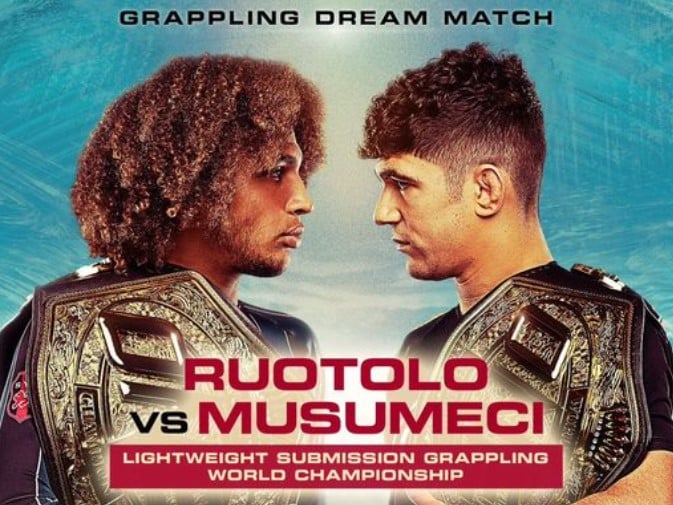
In one of the most anticipated matchups currently possible in the world of Jiu-Jitsu, we have the clash between two undefeated titans, Mikey Musumeci and Kade Ruotolo. The bout is scheduled for September 6th at the Ball Arena in Denver, Colorado.

Darth Rigatoni, Mikey Musumeci’s nickname in ONE Championship, has already notched up 6 consecutive victories against more or less elite opponents. But what Mikey is aiming for now are two belts in two weight classes that couldn’t be further apart. In this showdown, Mikey is prepared to move up three weight classes to challenge Kade Ruotolo for the ONE belt.

On the other hand, Kade Ruotolo is the current lightweight champion of ONE with an impressive score of 6-0 and at just 21 years old. Being the youngest ADCC champion ever, his skill is unquestionable at any given moment. Additionally, unlike Mikey, he’s accustomed to shaving weight to meet the challenge posed by Mikey.

Given that both fighters are at the pinnacle of the Jiu-Jitsu sport and practically untouchable in ONE, we can say that this matchup is a spectacle even before the fight itself. And it’s safe to predict that the fight itself will be one of the biggest spectacles in grappling history to date.

What’s certain is that fans eagerly anticipate this bout and the moment when Ruotolo and Musumeci will face each other on the big stage, thereby making history. For all updates regarding this fight, you can find them on onefc.com, the official website of ONE Championship.

Everything About Neck Bridges For Contact Sports

Everything About Neck Bridges For Contact Sports

Neck bridges are an exercise often associated with wrestling. They have been a staple of wrestling conditioning for ages, and other martial artists from grappling arts and MMA have turned to these exercises in the quest to build stronger and more stable neck muscles. However, even though the exercise helps achieve this, there are plenty of dangers that are associated with incorrectly doing neck bridges. In this article, you’ll learn everything you need to know about neck bridges.   

What Are Neck Bridges? 

Neck bridges are exercises that involve more of the neck muscles. To put the neck muscles to work with added weight, the position requires an athlete to lie supine on their back. From there, the goal is to lift the hips with the help of the legs, only the feet and the top of the head touching the floor. Think of it as a gymnastics bridge, just done with the head on the ground instead of the arms. 

Another version of neck bridges is to start on all fours, facing the ground. You then place the top of the head on the ground and straighten your legs, going into a tripod position with both your feet and your head acting as the three posts. 

From any of the aforementioned positions, you can rock forward and backward, placing more pressure on certain areas of the neck muscles to strengthen them. There’s also movement from side to side as well as isometric holds of the positions. 

In a more advanced version, people can keep their heads posted on the ground and flip their legs forward and backward in between the two positions discussed above, as well as do circular motions by moving the legs while keeping the head on the ground as the axis of the rotation. 

Why Neck Bridges Are Important For Combat Athletes?

Neck bridges allow you to work on the muscles of your neck and improve the posture of your shoulders. Strengthening the neck muscles is a must for all combat sports athletes, as well as athletes in any kind of contact or speed-based sport. 

While strengthening the muscles of the neck is a very important quality to have for grappling, where people are trying to choke you from different angles and you’re involved in fast-paced scrambles that often have you posting with your head, neck strength is also very important for strikers. having a strong neck means that you’re not suffering whiplash from strikes, which in turn significantly lower brain damage as a result of the counter-coup. 

For the general majority of people, the benefits of doing neck bridges have to do with posture and spinal alignment. In the modern-day age, sitting in front of a computer for extended periods results in a disrupted posture and a whole host of health issues stemming from spinal misalignment. 

Neck bridges are a great way to optimize the health and performance capabilities of your body. They are not the easiest exercises to do and will be very painful and uncomfortable when you first start doing them. However, as long as you do them correctly, they will be extremely worth it!

How to Safely Train Neck Bridges

The key to performing a neck bridge exercise is first and foremost not to panic. Most people panic when they attempt it for the first time because it is very uncomfortable and feels unnatural. The first thing to consider is that you won’t be able to replicate the wild ways in which wrestlers jump around all neck bridge positions the first time you attempt a neck bridge exercise. Instead, you will have to use progression to slowly build up to such a level of fitness.  

To make sure you can try to perform a wrestling-style neck bridge workout, you first need to make sure your neck is not too weak for such stress. The first order of business is being able to do repetitions of neck flexion and extension in all three key areas of motion of the neck. Those include forward and back, side to side, and rotations to each side. If you can’t do 30 repetitions of each while lying supine and keeping your head off the ground at all times, then first build up to this number before even thinking about new bridges. 

If you can do the prescribed reps, you can try to hold a neck bridge in place for an allotted period, not more than 10-15 seconds in the beginning. If you want to keep strengthening your neck before going for neck bridges, though, make sure you do resistance band exercises to further get your neck used to the stress. 

The key thing to remember about doing actual neck bridges is that they target not just the muscles that move your neck, but also other muscles that stabilize it. These are not built to withstand the entire weight of your body, which happens regularly when you do neck bridges. Overtraining these muscles can lead to injuries that are not too serious. 

More serious injuries come when you overdo the range of motion and injure the spine, or more precisely cause a disk to herniate. This is a serious condition that can keep you away from sports, or even sideline you for good. Doing neck bridges when you’re feeling pain, or forcing movements in a direction that’s not comfortable are surefire ways to get injured from an exercise designed to prevent injuries. 

A Few Powerful Neck Bridge Exercise Variations For Grapplers And Combat Athletes

You can find a ton of instructional online that only say go to your neck and start bridging in every direction. that’s a recipe for disaster. What you want to do is start slow, and completely forget about doing anything apart from slowly bridging up to figure out your balance from both the forward and backward bridge position. 

Alternatively, you can try to do neck bridges on a stability ball. It offers a soft surface and will have you doing less of a bridge since your head is a lot higher off the ground. Moreover, bailing before getting injured is easy when you’re doing this variation of neck bridges. 

Instead of a stability ball, you can also use a bench to place your head higher off the ground until you get comfortable with neck bridges. Once again, you can do them bot facing the bench and facing away. 

In terms of organizing a neck bridge workout, you should do it as a workout of its own and not part of another training session. In terms of frequency go for neck bridge exercises once a week in the beginning, and then add another one when you become stronger. doing more than two neck bridge workouts per week is going to do more harm than good. 

A rough guide is to do two to five sets of neck bridges per workout, whichever exercise variation you choose to perform. Remember to also stretch the neck after training to speed up recovery. 

REVIEW: The Omoplata BJJ Instructional by Ryan Hall

REVIEW: The Omoplata BJJ DVD by Ryan Hall

A classic Brazilian Jiu-Jitsu move, taught in depth by one of the best coaches to ever be a part of the sport. That is exactly what you are getting from the Omoplata BJJ DVD by Ryan Hall. “The Wsu-Jitizard” shares an interesting modern perspective on a Jiu-Jitsu move that is for some reason being super ignored lately.

ON SALE ON BJJ FANATICS

Overview

Ryan Hall was one of the first high-level BJJ practitioners, competitors, and coaches to issue multi-volume in-depth instructionals in a period where BJJ instructionals were at best scarce and there was no real standard model. 

Hall is one of the very best when it comes to going deep into a subject matter and deconstructing every tiniest bit of a move. The Omoplata BJJ DVD shares a new perspective on using the Omoplata as a submission, sweep, pin, and transitioning point to build an entire game around it.

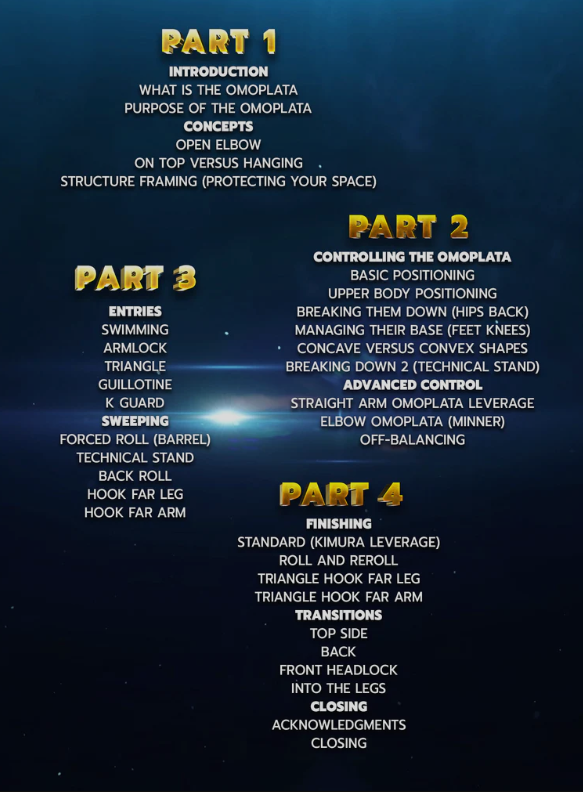
Ryan Hall uses the four volumes in this instructional to showcase his legendary open elbow concept, means of controlling the Omoplata, finishing the submission, and a whole host of different ways to enter into the position.

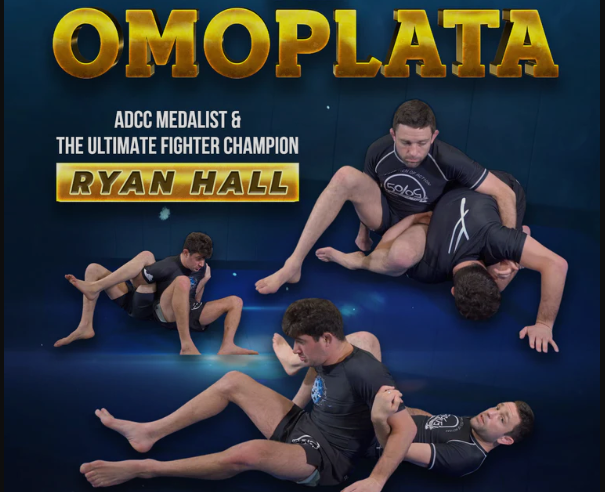
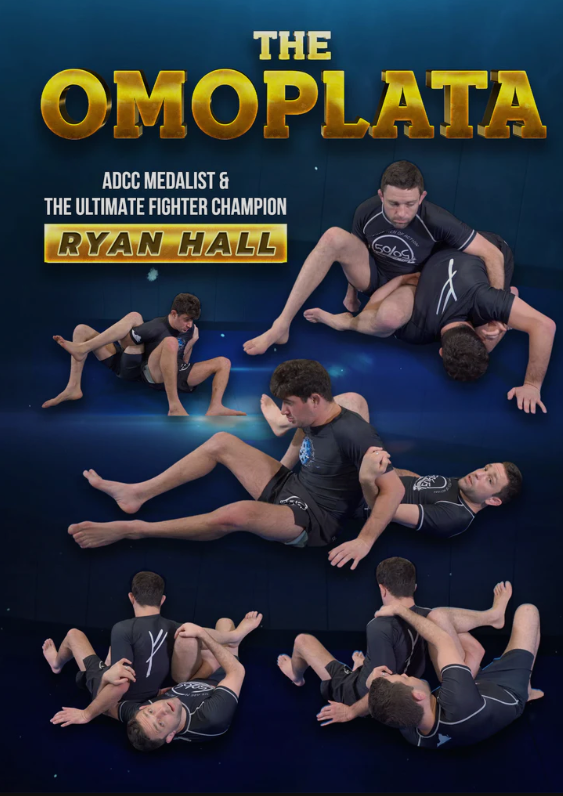
The Omoplata BJJ DVD by Ryan Hall front cover

Instructor Backgrounds

Ryan Hall is a Felipe Costa black belt and one of the best featherweights to ever compete in BJJ. Hall has a very well-rounded game with lots of experience in both Gi and No-Gi. He was one of the very early adopters and developers of the heel hook leg locking game, mostly from the 50/50 guard, which is something he spent so much time on, that his entire academy bears the name of the popular guard. 

Hall transitioned into MMA in 2012, representing Tristar Academy in the Ultimate Fighter, which he won to get a spot in the UFC and put on some impressive performances in the octagon, demonstrating slick spinning entries into heel hooks to quickly tap out legends like BJ Penn.

Subject

Ryan Hall might be popular for his leg lock prowess and crazy inverted guard skills, but he is also super well-versed in every other aspect of BJJ. The Omoplata BJJ DVD by Hall covers a position that is far more than just an armlock. It offers sweeps and chain attacks while offering lots of control in Gi, No-Gi, and MMA. 

This particular instructional covers every aspect of the Omoplata from setting it up to holding and finishing it, through a system of concepts and principles that makes a lot of sense, as opposed to just a series of techniques that are seemingly unrelated to each other.

Complexity

The Omoplata is one of the staple submissions of Jiu-Jitsu, but it is not something complete beginners pick up very early. Understanding the Omoplata requires a bit of working knowledge of the guard and the Kimura lock.   means the

The Omoplata BJJ DVD is No-Gi, which means the applications of everything demonstrated are for both Gi and No-Gi settings. Ryan is an excellent teacher, one of the very best, so everyone is going to benefit from this one, even complete beginners who have no idea how bent armlocks work.

Technical Details

The Omoplata BJJ DVD follows the gold standard set forth by BJJ Fanatics. This Ryan Hall instructional has four volumes, each lasting between 40-60 minutes. The entire length of the instructional is around 3 hours, which is lots of dedicated material to just one single position/submission.

Hall’s structure is world-class, as he presents the material in a very concise and organized manner. The first volume covers the principles and concepts that make the Omoplata work. Controlling people from the Omoplata position using the aforementioned principles is the subject of volume two before Hall goes on to explore Omoplata entries in the third part. He warps things up by breaking down the finishing mechanics of the submission aspects of the Omoplata.

The production part of the DVD (camerawork, video and audio quality, cover art, etc) are all as you’d expect from a BJJ Fanatics release.

The instructional is available in high-definition DVD format as well as a digital download.

Detailed Analysis

DVD #1

Ryan Hall begins by talking… a lot. iI you’ve ever seen an earlier instructional by him, you know what I mean. The first portion of the DVD is all about the concepts and principles behind the Omoplata.

The Open Elbow principle is something Ryan has an earlier multi-volume instructional on out. In this DVD, he covers it in one chapter, leaving space to also cover important things like frames and structure, what the Omoplat is, and why would people want to do it in the first place.

There’s also a chapter towards the end of this part that demonstrates the differences in Omoplatas from the top vs hanging from someone’s shoulder when you’re on the bottom.

DVD #2

Part two of The Omoplata BJJ DVD is all about control. The position offers a really effective pin, despite most people looking at the move solely as a submission.

Once again, the volume is a real treat, with Ryan Hall covering upper and lower body positioning separately and in great detail, as well as how to use your hips, feet, and knees to break opponents down completely.

There is also crucial information on body positioning in terms of body shape, and some advanced tips on leverage and alternative (elbow-level_ finishing of the Omoplata.

DVD #3

Before covering the finishing mechanics, Hall goes into Omolpata entries from top and bottom. He uses other submissions and positions to create chains based around the Omoplata, allowing you to form a complete game regardless of what your favorite moves or positions are.

Armlocks, Triangles, and Guillotines are the holy trio of neighboring submissions that offer easy access to the Omoplata. In terms of the guard, Hall moves away from just the closed guard and explores the X-guard and K-guard as entry points into the Omoplata.

A few sweeps make their way into this portion of The Omoplata BJJ DVD too, offering even more variety.

DVD #4

Bringing this great instructional to a close is almost an hour of braking mechanics. Hall offers a bunch of different ways to increase the pressure month shoulder by forcing motion through rolling and re-rolling, as well as by preventing motion through different hooks and traps.

This is also where Ryan Hall connects the Omoplata to the back mount, front headlock, and leg locks, creating an entire system around this versatile BJJ technique. 

Ryan Hall: The Omoplata BJJ DVD

How We Grade The Omoplata BJJ DVD by Ryan Hall 

Considering this Ryan Hall instructional DVD’s technical aspects and quality of content, we come to an overall score for this instructional that I’ll deliberate in short below.

Technical Quality: 10/10

No mistakes here, with a perfect progressive organizational system, a high standard of  technical realization of the production, and the perfect length to cover everything that is important without wasting any time 

Quality of Content: 10/10

Once again, a complete hit. Perfect for Gi and No-Gi enthusiasts of all levels, with a delivery of information suited to everyone’s skill level and understanding. A few great new and modern ways of looking at the classic Omoplata.  

Overall: 10/10

A real treat from Ryan Hall that should find its way into every self-respecting grappler’s BJJ DVD collection. Fan of the Omoplata or not, there’s so much great material here that you’ll be able to at the very least, understand how valuable a tool it can be. 

Wrap Up

I’d say yes to any Ryan Hall DVD, but this one, in particular, is one that remains on my favorites list after this review. There is untapped potential in the Omoplata that Ryan presents in such a way that it is impossible not to consider adding the move, or the entire system, to your game. 

ON SALE ON BJJ FANATICS

The Gracie Family Tree: Origins and legacy of Most Famous Jiu-Jitsu family

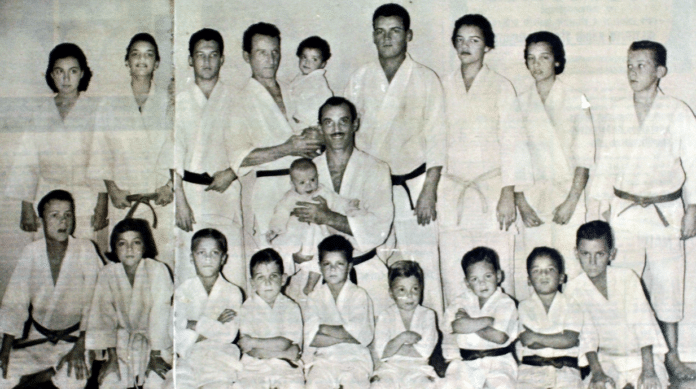
Gracie family tree

You’ve probably heard of the Gracies if you’re training in Jiu-Jitsu or just a fan. In case you didn’t know, the Gracies are the ones who founded Jiu-Jitsu and made a huge change in the world of combat sports. What I want to ask you is, do you know who the most influential and famous members of the Gracie family are? Do you know what their achievements are in BJJ and MMA? Do you know how you can trace your lineage to the Gracie family tree and why it is important to know your roots? In this article, I will answer these questions as we go through the history of the Gracies and their legacy.
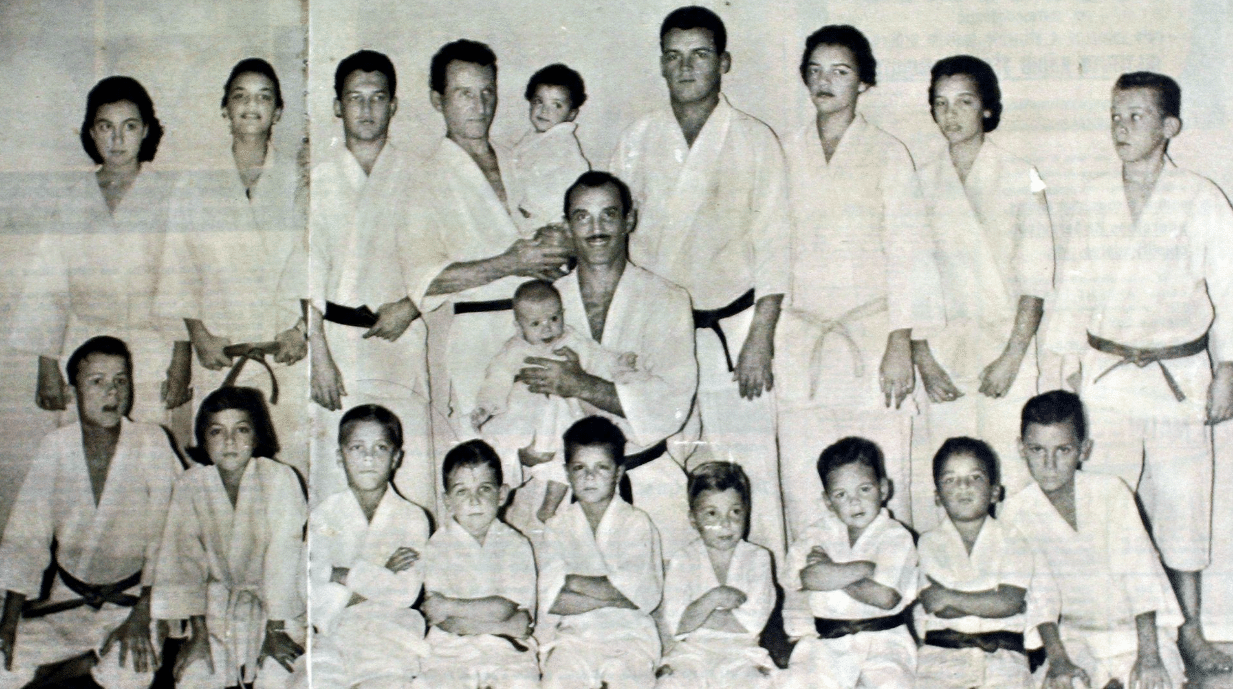
Gracie family

The First Generation Of The Gracie Family Tree

Jorge(George) Gracie

The Gracie family story begins with George, who emigrated from Scotland to Brazil in 1801 for adventure and fortune. He had no idea that his descendants would one day form the largest family of athletes in history.

Gastão Gracie

Gastao Gracie’s life was both intriguing and contentious. Gastao became a partner with the American circus in Belém, Brazil, which, among regular circus acts, featured martial arts performances as part of the show under the guidance of Mitsuyo Maeda. Carlos, Gastao’s son, developed a keen interest in Jiu-Jitsu while watching these fights.

Carlos Gracie Sr.

Gastão Gracie arranged for Carlos to study classical Japanese Jiu-Jitsu with the former Japanese champion, Mitsuyo Maeda.

Carlos was fascinated by this martial art and learned it quickly. What is important for the continuation of Jiu-Jitsu as we know it is the fact that he also taught his brother Helio Gracie, who was weak and fragile, to train in any combat sport.
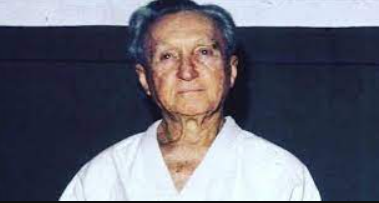
Carlos Gracie Sr.

Hélio Gracie

Helio adapted the already adjusted judo techniques to suit his smaller and weaker physique, creating a style focused on leverage, ground fighting, and submissions. He pioneered Vale Tudo (no-holds-barred) fighting and challenged many opponents of different martial arts backgrounds.

He was also the father and master of many famous BJJ fighters, such as Rickson, Royce, and Rorion Gracie. He was part of the roots of the Gracie family tree, being responsible for the technical advancements of BJJ in its earliest days.
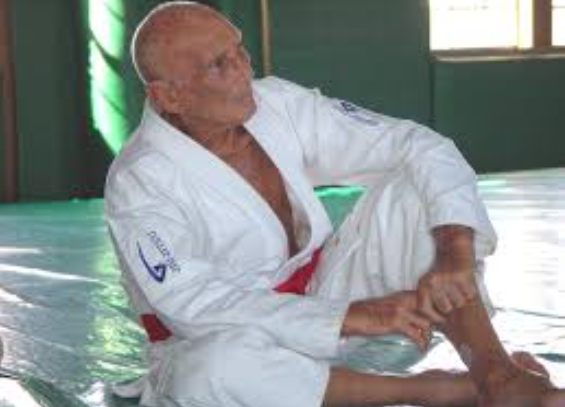
Hélio Gracie

Gastão Gracie Jr

Gastão Jr. was a man with strong spiritual beliefs who believed he could read people’s auras and heal people with hypnosis. He was one of the least competitive among the Gracie brothers, which made him a favorite instructor by many of the students.

Oswaldo Gracie

Oswaldo was one of the founding members of the first Gracie Jiu-Jitsu Academy in 1925 with Carlos. He also helped develop Luta Livre Esportiva and other forms of Brazilian grappling and catch wrestling. He became a close combat instructor for the police department until retirement.

Jorge Gracie

Jorge was the second youngest son, born in 1911, and had a reputation for being a hothead and for getting into trouble. He was nicknamed ‘Gato Ruvio’ which meant ‘Red Cat’. A name that was chosen because of his tenacity when fighting and because of his hair. Jorge was the most competitive Gracie family member, regularly competing in Vale Tudo competitions. He had the best unbeaten record in the family’s history at the time.

The Second Generation Of The Gracie Family Tree

The second generation of the Gracie family tree consists of 21 children from Carlos Gracie Sr. and 9 children from Hélio Gracie. They all learned BJJ from their fathers and uncles and continued to spread and develop their martial arts around Brazil and beyond. Most of them also competed in Vale Tudo matches or MMA events to prove the effectiveness of BJJ over other styles of fighting. Most of them founded their own schools that taught BJJ and thus spread this sport.

Some of the most prominent members of this generation are:

Carlson Gracie Sr.

He was Carlos’ eldest son and one of his best students. He had an aggressive and offensive style that made him dominant in Vale Tudo matches. Carlson Gracie Sr. won over 30 fights without losing or drawing. He also influenced many champions such as Murilo Bustamante, Vitor Belfort, Ricardo Liborio, and Mario Sperry.
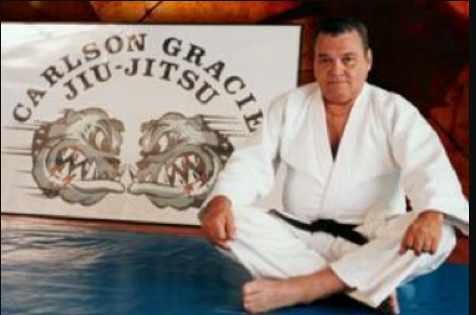
Carlson Gracie Sr.

Robson Gracie

He was Carlos’ second son and one of his most loyal followers. He had a defensive and counter-attacking style that made him successful in different weight classes. Robson Gracie won multiple world titles in BJJ and became one of the most respected instructors in the sport. He also taught many students who became champions themselves, such as Renzo Gracie, Ralph Gracie, and Roger Gracie.

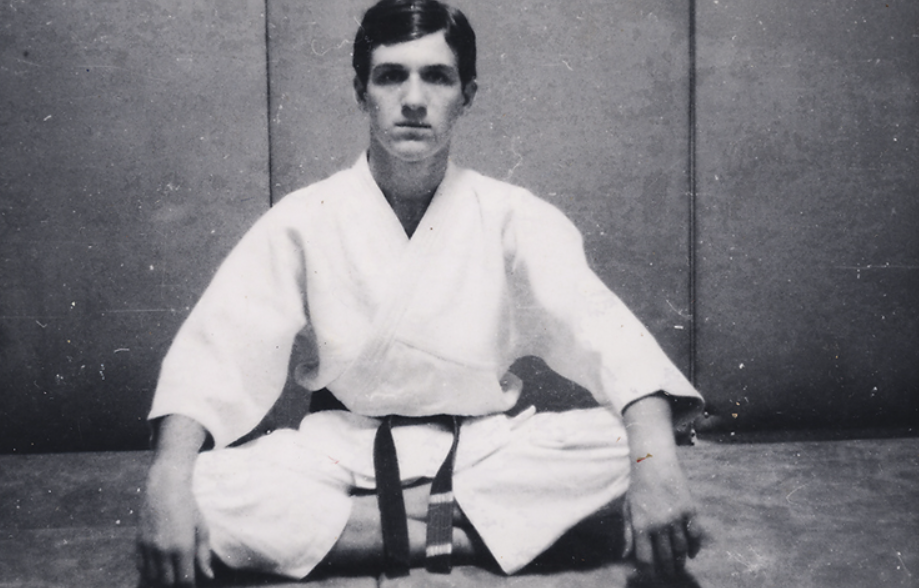
Rolls Gracie

Rolls was the third son of Carlos and one of his most innovative and eclectic students. He was known for blending all fighting styles to create his “perfect” style. This included wrestling, judo, sambo, karate, and even capoeira. Because of his ability to incorporate different styles into BJJ, he was considered the greatest grappler ever and a pioneer of modern BJJ as we know it today. Unfortunately, Rolls died in a hang gliding accident in 1982 at the age of 31.
Rolls Gracie

Carley Gracie

The fourth son of Carlos Gracie and one of his most technical and precise students. He had a style that focused on leverage and timing rather than strength and speed. He was the first Gracie to introduce BJJ to the United States in 1972. He also taught many students who became influential in BJJ or MMA, such as Steve Maxwell, Bob Bass, and Chuck Norris.

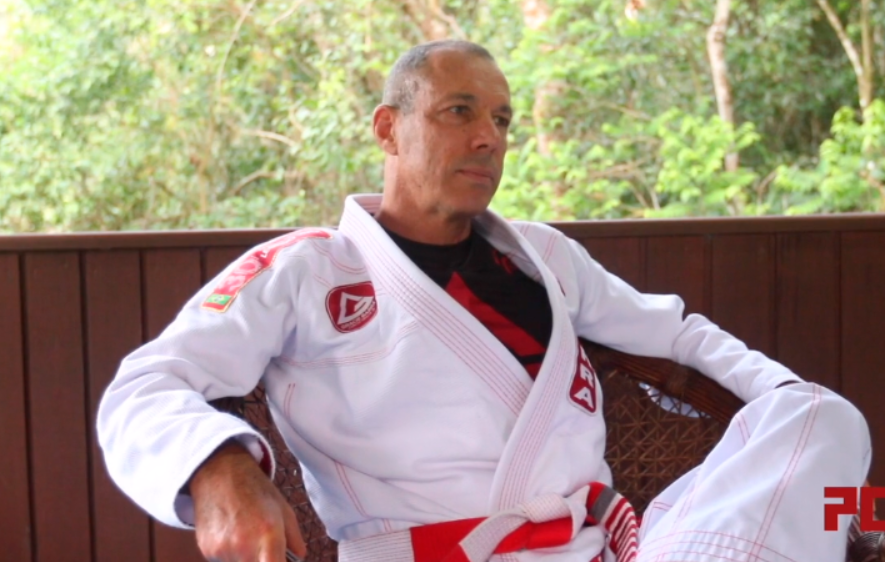
Carlos Gracie Jr

He was Carlos’ fifth son and one of his most modern and progressive students. He had a style that emphasized competition rules and sports aspects of Brazilian Jiu-Jitsu rather than self-defense or street fighting. He founded the International Brazilian Jiu-Jitsu Federation (IBJJF) and the World Jiu-Jitsu Championship, the most prestigious and recognized organization and event in BJJ.

Carlos Gracie Jr. also founded the Gracie Barra school and team, one of the largest and most successful in BJJ history.
Carlos Gracie Jr

Rorion Gracie

Hélio’s eldest son and one of his most traditional and conservative students. He had a style that preserved the original teachings of his father Hélio rather than adapting to new trends or techniques. He co-created the Ultimate Fighting Championship (UFC) in 1993 with Art Davie to showcase the superiority of BJJ over other martial arts.

Rorion also promoted BJJ in Hollywood by teaching many celebrities such as Mel Gibson, Ed O’Neill, and Jim Carrey. The Gracie Diet, the famous system of nutrition the family used was popularized by Rorion.

Relson Gracie

The most street-oriented and self-defense student of Helio, also his second son. He had a style that adapted to real-life scenarios rather than sports situations. He was successful in teaching BJJ to law enforcement agencies such as the FBI, DEA, and SWAT.

Relson Gracie also taught many students who became proficient in Brazilian Jiu-Jitsu or MMA, such as Pedro Sauer, Phil Migliarese, and Roy Dean.

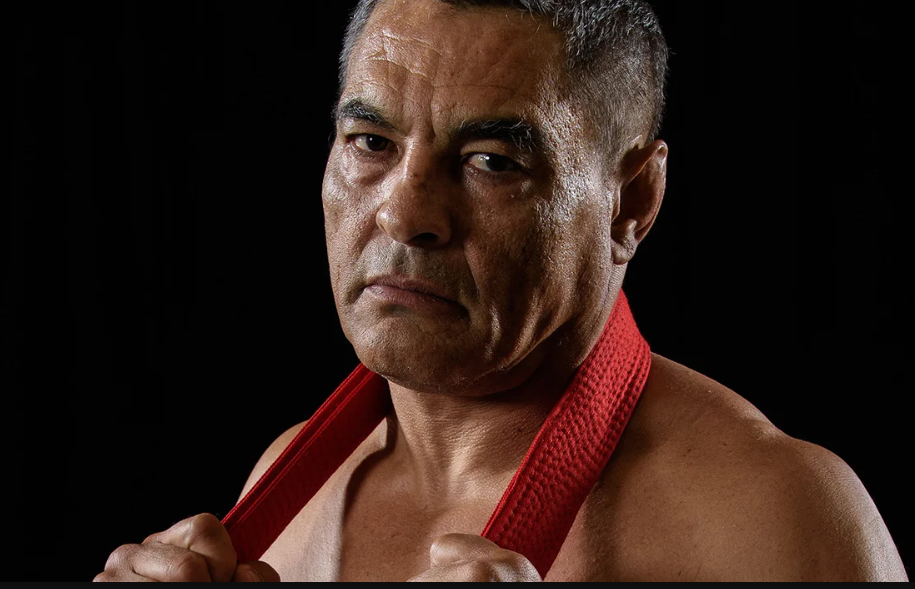
Rickson Gracie

He was Hélio’s third son and one of his most holistic and balanced students. He had a style that integrated the physical, mental, emotional, and spiritual aspects of BJJ rather than focusing on one dimension.

Rickson Gracie, to this day, is widely regarded as the best fighter in the Gracie family and one of the best fighters in MMA history. He had an undefeated record of over 400 fights in BJJ, Vale Tudo, MMA, sambo, wrestling, and judo. He also inspired many fighters and fans with his charisma and philosophy.
Rickson Gracie

Royler Gracie

Hélio’s fourth son and one of his most dynamic and versatile students. He had a style that showcased his speed and flexibility rather than his power or size. He was a four-time world champion in BJJ and one of the most decorated competitors in the sport.

Royler also competed in MMA and fought against legends such as Kazushi Sakuraba, Genki Sudo, and Eddie Bravo.

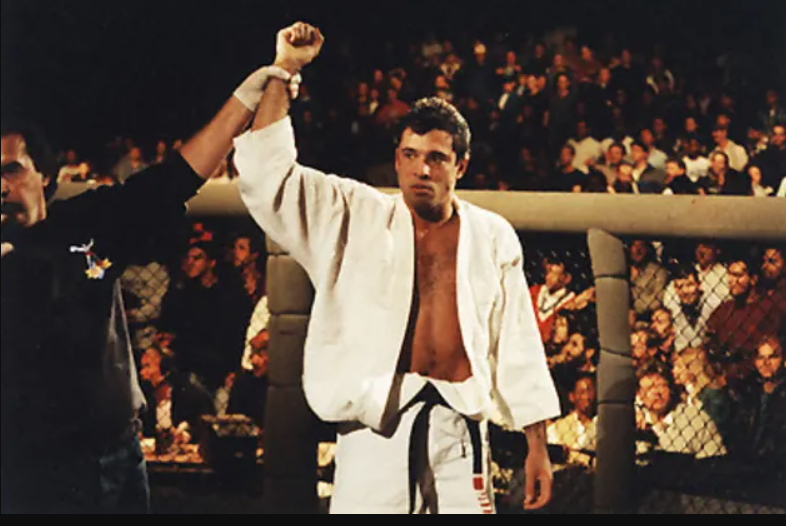
Royce Gracie

The sixth son of Helio Gracie and one of his most effective students. He had a style that proved the superiority of BJJ over other martial arts with minimal effort or technique. Royce was the Gracie family representative in the first UFCs, launching MMA as we know it in the process.

He was a three-time UFC champion and one of the most influential fighters in MMA history. He defeated opponents who were much bigger or stronger than him with his Brazilian Jiu-Jitsu skills and helped popularized BJJ around the world with his performances in the UFC.
Royce Gracie

The Third Generation Of The Gracie Family Tree

The third generation of the Gracie family tree consists of the grandchildren of Carlos Gracie Sr. and Hélio Gracie. They all learned BJJ from their fathers, uncles, or cousins and continued to innovate and spread their martial art around the world.

Some of the most notable members of this generation are:

Carlson Gracie Jr

Carlson Sr.’s son. He has a style that follows his father’s aggressive and offensive approach to fighting. He is a successful coach who has trained many top fighters such as Andre Pederneiras, Ricardo Arona, Murilo Bustamante, and Vitor Belfort. He also runs his own school and team in Chicago, Illinois.

Renzo Gracie

Robson’s son and one of his best students. He has a style that combines his father’s defensive and counter-attacking style with his uncle Carlson’s aggressive and offensive style.

Renzo was a successful fighter who has competed in MMA promotions such as Pride, UFC, One Championship, and K-1. He is also a successful teacher who has taught many famous students such as Matt Serra, Georges St-Pierre, John Danaher, and Tom DeBlass.

Renzo runs the world-famous Renzo Gracie Academy in New York City, New York.
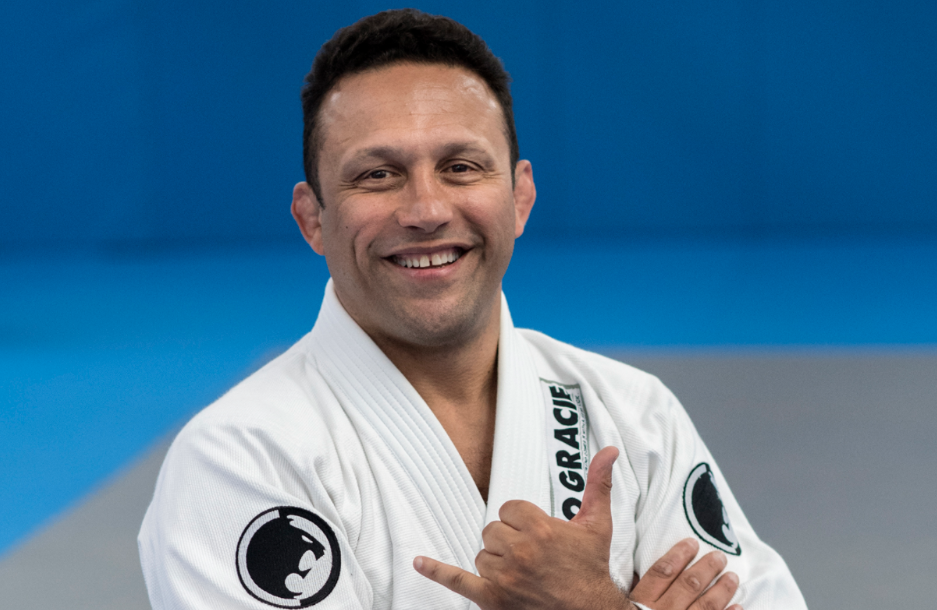
Renzo Gracie

Ralph Gracie

Robson’s son and Renzo’s brother. Ralph Gracie has a style that reflects his personality: aggressive and fierce. He is known for his intensity and brutality in fighting and training. He has competed in MMA events such as Pride, UFC, and K-1.

Many students Of Ralph became champions or contenders in Brazilian Jiu-Jitsu or MMA, such as Kurt Osiander, Dave Camarillo, BJ Penn, and Luke Rockhold.

He runs his own school and team in San Francisco, California.

Ryan Gracie

Another of Robson’s sons. He had a style that was similar to his brother Ralph’s: aggressive and fierce. He was known for his controversial and tragic life and his memorable fights with Kazushi Sakuraba and Tokimitsu Ishizawa.

Ryan died in 2007 at the age of 33 from a drug overdose while in police custody.

Rolles Gracie Jr

He is Rolls’ son. He has a style that follows his father’s innovative and eclectic approach to fighting.

Rolles has competed in top-level Brazilian Jiu-Jitsu and MMA events such as ADCC, IBJJF, UFC, WSOF, and One Championship. He is also a teacher who has taught many students who became successful in BJJ or MMA, such as Igor Gracie, Gregor Gracie, Neiman Gracie, and Khonry Gracie.

Also, he runs his own school and team in Old Bridge, New Jersey.

Clark Gracie

Carley’s son. He has a style that follows his father’s technical and precise approach to fighting. He is known for his popularity and charisma and his signature Omoplata technique.

Clark Gracie is a world champion in Brazilian Jiu-Jitsu and one of the most decorated competitors in the sport. He is also a teacher who has taught many students who became proficient in BJJ or MMA, such as Magid Hage, Brian Morizi, and Garry Tonon.

He heads his own school and team in San Diego, California

Roger Gracie

Carlos Jr.’s son and one of the best competitors in the history of Jiu-Jitsu. He is known for his dominance in BJJ and his record of 10 world titles. He is widely regarded as the greatest BJJ competitor of all time. He has also competed in MMA events such as Strikeforce, UFC, One Championship, and Bellator.

Roger Gracie is also one of the best Gracie Jiu-Jitsu instructors, having taught many students who became successful in Brazilian Jiu-Jitsu or MMA, such as Braulio Estima, Nicolas Gregoriades, and Buchecha Almeida. He also runs his own school and team in London, England.
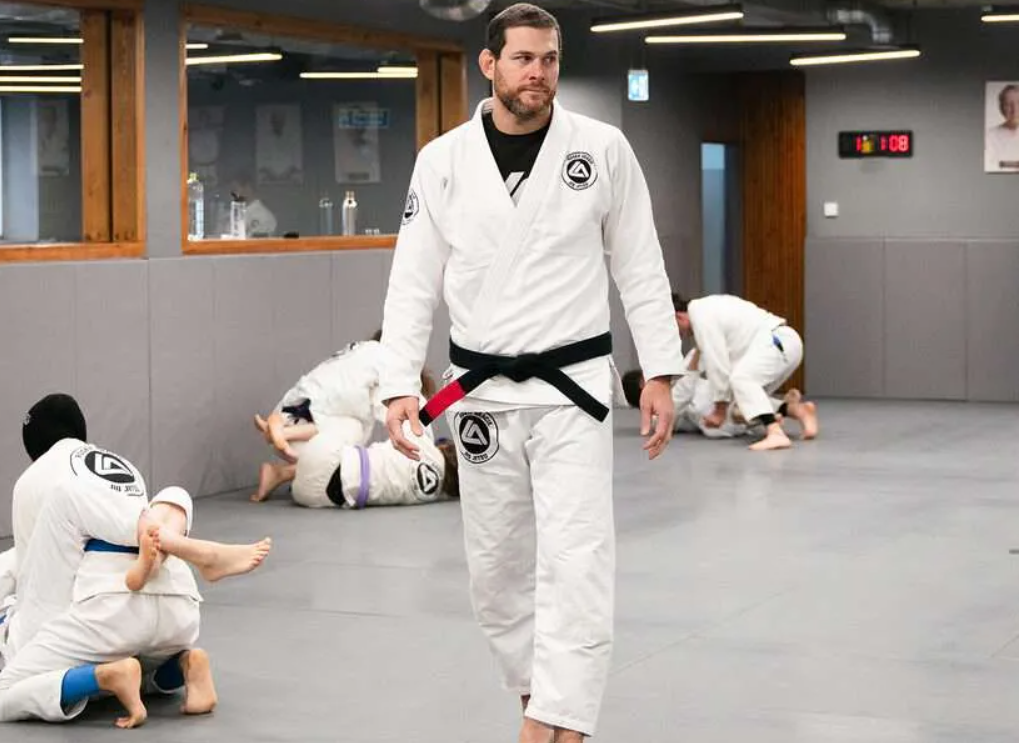
Roger Gracie

Rodrigo Gracie

The son of Rolls Gracie. He has an innovative and eclectic approach to fighting.

Rodrigo competed in BJJ and MMA events such as ADCC, IBJJF, Pride, UFC, and K-1. and also produced many famous MMA stars, such as Daniel Gracie, Ricardo Almeida, and Frankie Edgar.

He has a BJJ Academy in Rio de Janeiro, Brazil.

Igor Gracie

Known for his performances in the ADCC, Strikeforce, and Bellator, Rolls’ sone is also a world-famous coach who has trained the likes of Rolles Gracie Jr., Gregor Gracie, Neiman Gracie, and Khonry Gracie.

His school is based out of New Rochelle & Eastchester, New York.

Gregor Gracie

Gregor Gracie is not a member of the Gracie family by blood, but he is the half-brother of Rolles and Igor Gracie, both sons of the legendary Rolls Gracie. He has also competed in MMA with a professional record of 7-4-0.

He is the founder of Gregor Gracie Jiu-Jitsu Academy, which has branches in Brooklyn and Teaneck.

Ryron Gracie

Rorion’s eldest son. He adheres to the original principles of Gracie Jiu-JItsu and is the co-creator of the Gracie University online learning platform. He has also competed in BJJ and MMA events such as Metamoris, EBI, and Ralek Gracie’s Fight Night.

Ryron runs the Gracie Jiu-Jitsu Academy in Torrance, California, with his brother Rener.

Rener Gracie

Rorion’s second son is known for his innovation and creativity in BJJ and his co-creation of the Gracie University online learning platform. Not a competitor but known as a very good teacher of both professional MMA fighters and amateur practitioners alike.

He runs the Gracie Jiu-Jitsu Academy in Torrance, California, with Ryron.
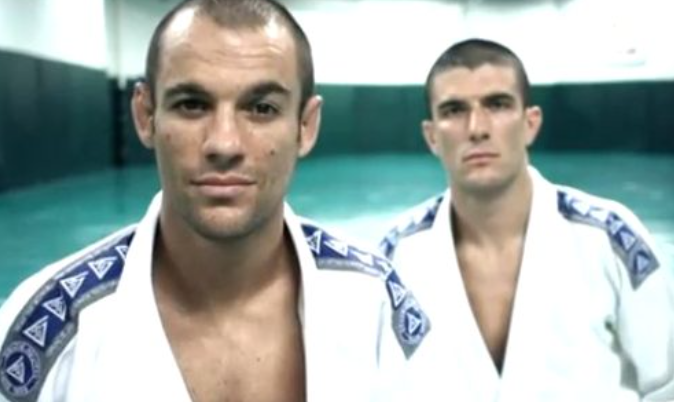
Rener Gracie

Ralek Gracie

Rorion’s third son focused on promoting and organizing Metamoris, the first-ever professional submission-only grappling event that featured some of the best grapplers in the world.

He has also competed himself, mostly in IBJJF events and in the Rizin MMA promotion.

Ralek’s Academy is in Los Angeles, California.

Cesar Gracie

A son of Rolls Gracie, Cesar is a figure of leadership and guidance in the Gracie Fighter team, one of the most successful and respected teams in MMA history.

He has trained many champions and contenders in Brazilian Jiu-Jitsu or MMA, such as Nick Diaz, Nate Diaz, Gilbert Melendez, Jake Shields, and Caio Terra.

Like his brothers and cousins, he also runs his own school out of Pleasant Hill, California.

Kron Gracie

Rickson’s son and one of the third generation’s best competitors. He has a style that follows his father’s holistic and balanced approach to fighting.

He is known for dominant victories over Otavio Sousa, Leandro Lo, Garry Tonon, Ben Henderson, and Alex Caceres.

Currently, Kron is focused on MMA, being part of the UFC roster, with a record of 5-1-0. He will face Charles Jourdain at UFC 288 on May 6, 2023, next.
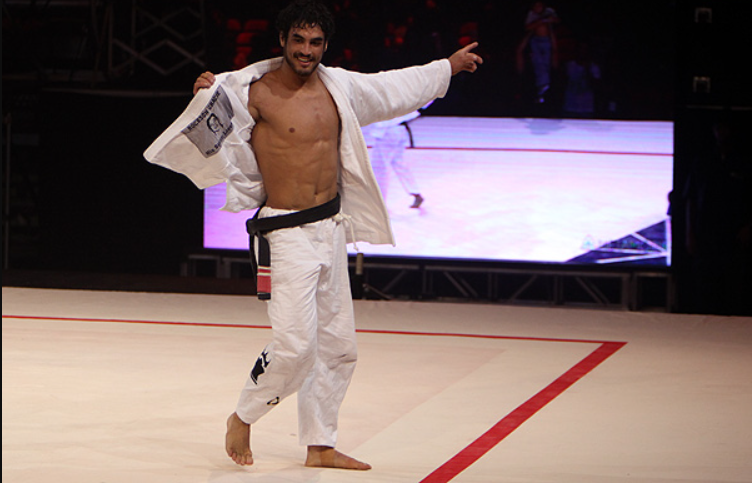
Kron Gracie

Crosley Gracie

Carley’s son. Crosley competed in MMA, grappling, and IBJJF events, winning several titles along the way.

He is the owner and head instructor of Crosley Gracie Jiu-Jitsu School in Brentwood, California.

Rose Gracie

She is Relson’s daughter known for her activism and advocacy for women’s empowerment and safety in BJJ and MMA. She is also a promoter and organizer of the Gracie Worlds and Gracie Nationals tournaments, which feature submission-only rules and no weight classes.

Reylan Gracie

Reylan Gracie is a Brazilian Jiu-Jitsu black belt and a son of Rorion Gracie, one of the founders of the UF¹. He is a third-generation member of the Gracie family and a representative of the Gracie Academy in Torrance.

Roggan Gracie

Roggan Gracie is the son of Rilion Gracie, a renowned instructor, and competitor. He started practicing Brazilian Jiu-Jitsu at a very young age and followed in his father’s footsteps to become a professional MMA fighter. His record is 3-0-0 with fights in Italy and Brazil.

He currently lives in Miami and teaches at Rilion Gracie HQ alongside his father.

The Fourth Generation Of The Gracie Family Tree

The fourth generation of the Gracie family tree consists of the great-grandchildren of Carlos Gracie Sr. and Hélio Gracie. They are the youngest members of the family and they are still learning and practicing BJJ or MMA.

Some of the members of this generation who are already practicing or competing in Brazilian Jiu-Jitsu or Mixed Martial Arts are:

Kyra Gracie

Renzo Gracie’s daughter. Kyra was a highly popular and charismatic commentator for Combate Americas, a Hispanic MMA promotion. She is also a five-time world champion in Brazilian Jiu-Jitsu (ADCC and IBJJF) and one of the most decorated female competitors in the sport.
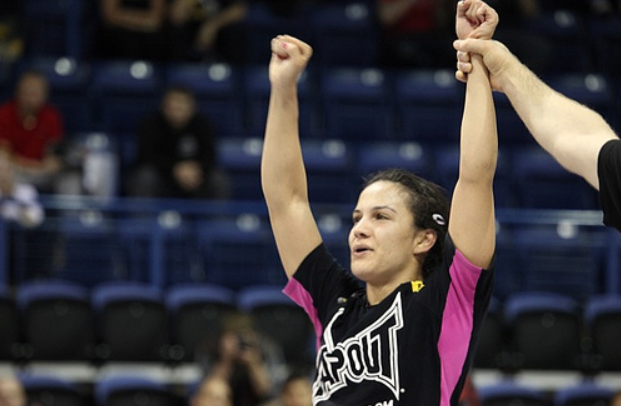
Kyra Gracie

Neiman Gracie

Rolls’ grandson, he is mostly known for his success in MMA mostly through his fights in Bellator.

Khonry Gracie

The son of Royce Gracie, Khonry Gracie is an American professional MMA fighter who currently competes at Bellator MMA in the welterweight division. He is set to make his return to MMA at Bellator 293 on March 31st, 2023

The Future Of The Gracie Clan

The fourth generation of the Gracie family faced great expectations and pressure that became an integral part of the family legacy.

They had to adapt to the changing rules and trends of Brazilian Jiu-Jitsu and MMA competitions and events, which they are often reluctant to do.

However, they also have many opportunities and advantages that their ancestors did not have because there are now a lot of resources and information available to them that they could use to adapt and embrace the way BJJ is evolving.

Conclusion

From the first generation of Carlos and Hélio Gracie, who learned judo from Mitsuyo Maeda and created BJJ as a martial art that gives smaller people an advantage over larger opponents, to the second generation of Carlson, Robson, Rolls, Carley, Carlos Jr., Rorion, Relson, Rickson, Royler, and Royce Gracie, who challenged and defeated other fighters in Vale Tudo or MMA events and founded their schools or associations to teach BJJ to their students, to the third generation of Carlson Jr., Renzo, Ralph, Ryan, Rolles Jr., Clark, Roger, Rodrigo, Igor, Gregor, Ryron, Rener, Ralek, Cesar, Kron, Crosley, Rose, Reylan, and Roggan Gracie, who innovated and spread their martial art around Brazil and beyond and created or influenced other organizations or events that promoted BJJ or MMA around the world, to the fourth generation of Neiman, Khonry Gracie and others who are still evolving and practicing BJJ or MMA and have started to compete or teach their martial art to others.

Rickson Gracie Black Belt Shows “Chill Out” Side Control (Scarf Hold)

Rickson Gracie Black Belt Shows “Chill Out" Side Control (Scarf Hold)

What is the easiest side control variation you can hold to completely and utterly pin somebody down? It is a scarf hold variation called Chill Out Side Control developed by Rickson Gracie black belt Henry Akins which not only completely pins somebody down but allows you to submit them easily while chilling on the spot. 

Henry Akins’ “Chill Out” Scarf Hold Side Control

Henry Akins is a Rickson Gracie black belt and the person who was Rickon’s head instructor for a very long time. He has a knack for making all of Rickon’s concepts and approaches to BJJ, like connection and pressure, simple to understand. 

His Chill Out Side Control pressure position is very simple for everyone to use immediately and with great success. 

The scarf holds variation works because pinning is not just based on pressure or blocking movement, but rather both, making it impossible for the other person to escape. If they manage to beat one or the other, there is always something in place to keep them pinned.

On top of that, Henry introduces immediate submissions based on the highly predictable ways in which the bottom person can move. 

Henry Akins scarf hold
Henry Akins instructional preview

Pinning Pressure

The scarf hold position is similar to Judo side control, (Kesa Gatame) with one really important distinction – the arm does not go behind the opponent’s neck but rather underhooks their far side shoulder. 

This provides a much more secure position because both shoulders are under the control of your arms. Furthermore, that far arm of yours goes around the opponent’s upper arm, as you aim to cusp your ear with your palm, essentially resting your head on your hand. 

Your near arm holds a shotgun grip on the opponent’s near arm, just like you would in Judo side control. 

The pin is due to the direct control of both shoulders. If the bottom person tries to pull either arm out, they simply pull the top person’s weight on top of them even more. 
The pressure comes from lifting everything off the ground, essentially keeping only your feet and the elbow of the far arm in contact with the mats. 

This pressure-pin combination will exhaust anyone while you simply rest in chill side control. 

Submission Attacks

There are three immediate submission attacks available from the position, without you having to risk losing control or having to transition far. You just keep chilling in the scarf hold as you get taps. 

Paper Cutter Variation

The Chill Out Side Control offers a nasty paper cutter choke without the need to hold the opponent’s collar, which makes it a viable option even without a Gi. 

All you need to do is thread the hand of your near side arm across the opponent’s neck, looking to grab the far side collar. As long as you can keep the opponent’s head looking straight up, which is easy via your palm, you’ll be able t easily choke them out by placing your elbow on the mats first and driving it towards their ear. 

Americana

When people inevitably start to try and pummel their arms around to create space or alleviate pressure, you simply take the arm they are providing you with and execute a joint lock.

When the far side arm tries to get in front of your head, you simply grab the inside of their wrist with your other arm. This puts you in a position for an immediate and brutal Americana, as your other arm is already in place to lock the figure four grip. 

Straight Armlock

Another chill submission you can do from this scarf holds variation is a straight armlock on the near side arm. 

When your opponent decides to wiggle this arm free and tries to alleviate some of that paper cutter pressure or push your head, you simply allow them. This puts their arm across their chest and in the perfect position for an armlock. 

All you need to do is step over their head with your far leg, turning your hips towards the mats. This traps the arm in place so that you can use the elbow of your far side arm to pull the trapped arm towards your hip, thus executing a very painful straight armlock.

Final Thoughts

This Chill Out Side control is extremely effective and will help you pin and submit even higher belts with relative ease once you get comfortable with it. It is like scarf hold on steroids, providing some crazy pinning pressure and inescapable submission holds.

Helena Crevar DVD Review – Best Submissions From Top Position

Best Submission From Top Position Helena Crevar DVD Review

Anyone can teach you BJJ, regardless of belt rank or age. Helena Crevar, the 16-year-old  teen BJJ prodigy is the perfect example of this, and the Best Submission From Top Position Helena Crevar DVD is the perfect learning tool to get you better at finishing people. Yeah, I am claiming that this 16-year-old pigtailed girl can make even seasoned black belts better at submissions from top positions.

ON SALE RIGHT NOW:
Helena Crevar – Best Submissions From Top Position

Overview

This Helena Crevar DVD instructional, which is surely among the first of many to come, has three volumes it, each corresponding with one of the big three top positions in Brazilian Jiu-Jitsu: side control, mount, and back control. 

The submissions Helena shares are chained together, revolving mostly around chokes, and armlocks. Triangles, Kimuras, and armbars are the common denominators although Carver does include other submissions like Darces, Americanas, and Ezekiel chokes to connect the dots.

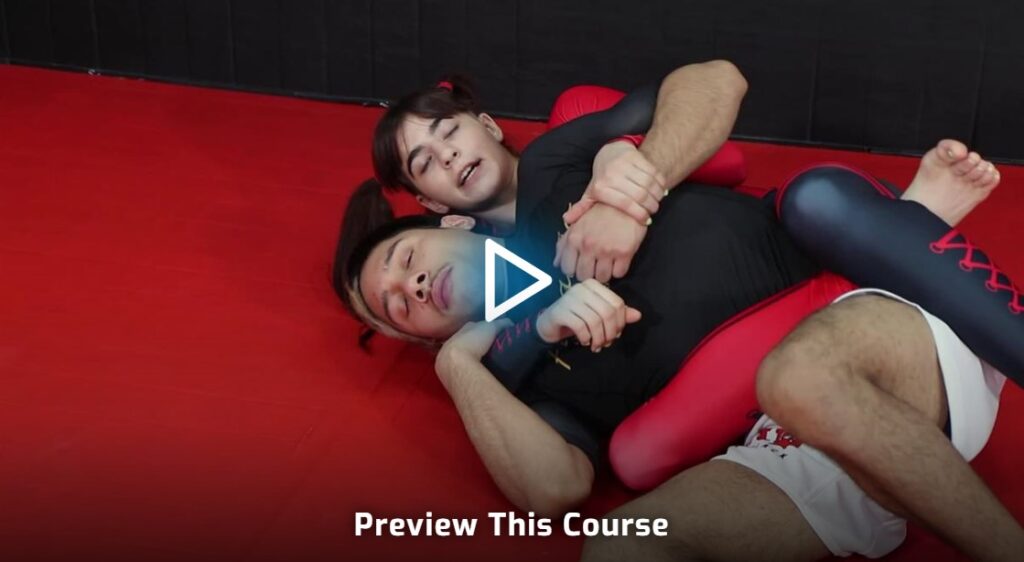
Helena Crevar instructional, best submissions from top preview

Instructor Background

While still very young, Helena Crevar has already achieved more than most people ever will in Brazilian Jiu-Jitsu. The 16-year-old, who started training when she was 8, already has an astonishing competitive record.

Crevar has 151 fights, 148 of which are wins, with 130 of those wins by way of submission. Her accolades include 5 Fight 2 Win belts and 4 NAGA belts (so far), as well as six Pans titles as a kid.

Helana started training in Cobrinha’s gym in Las Vegas Nevada, and currently holds the rank of a blue belt. That has not prevented her from ranking number 6 in the world at 145lbs and regularly taking on adult brown and black belt competitors, emerging victorious from most of those encounters.
Moreover, Helena switched gyms just last month, moving to Austin, Texas with her entire family to join New Wave Jiu-Jitsu and train and compete under the tutelage of John Danaher and Gordon Ryan.

On top of everything she does, there are also a few Helena Crevar DVD instructional produced by BJJ Fanatics, allowing even more exposure for the rising Jiu-Jitsu superstar.

Subject

The subject matter is pretty straightforward, as Helena covers submission holds from top positions (scoring positions) in No-Gi. Everything she demonstrates is legal under all rulesets and works just as well with the Gi. 

Most of the focus is on classic BJJ moves like bent and straight armlocks and chokes.
Complexity

Given that she is still a blue belt (albeit with 8 years of competitive BJJ experience) this Helena Crevar DVD instructional is great for grapplers of all levels, including juveniles. The way Helena explains things makes it clear just how vast and deep her understanding of submission grappling is. 
Technical Details

Produced by BJJ fanatics, this instructional has 3 volumes, each lasting around half an hour, which brings the total running time of this BJJ DVD to 90 minutes. Helena allocates thirty minutes per volume of methodical submission setups from side control, mount, and back control respectively, chaining together everything as she demonstrates, and providing connections between the major positions outlined in the volumes as well.

All other technical aspects, like sound quality, video quality, camera work, and final production are up to industry standards. 

The release is available in both DVD and digital formats.

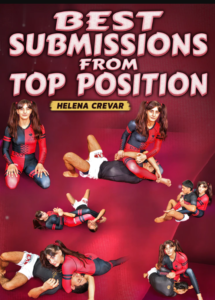
Best Submission From Top Position Helena Crevar DVD front cover

DVD #1

This Helena Crevar DVD instructional begins with side control. After a short introduction, the prodigy shares some crucial control and pin concepts that will allow you to keep a hold of your opponent in side control while setting up various submissions.

In the submission department, step-over setups of the triangle choke, Kimura, and armbar are the first finishing moves that Helena demonstrates.

She moves on to cover North-South entries building off the previously shown material, focusing on how to control the opponent’s legs while establishing the position. From the North-South, her submission attacks revolve mostly around the Darce choke, with several variations available depending on the opponent’s reactions.

The North-South choke also makes an appearance before Helena shows how to get to the mount off of her side control submissions, introducing the next volume in the process.

DVD #2

The control methodology Crevar likes is under mount, which she covers in great detail in the beginning sections of the second volume.

The first submission is the arm triangle, followed up by a very sneaky and original double armbar Dead Orchard from top. After spicing things up with an Americana, Helena goes on to explore the S-mount in great detail, throwing the well-known triangle, armbar, and Kimura into the mix.

She wraps the second part of her Best Submission From Top Position BJJ DVD with a section on the gift wrap mount and assorted finishing moves. Of course, she uses the gift wrap to expose the back, flowing right into the final portion of the instructional.

DVD #3

The back control section of this Helena Crevar DVD also starts with control.

The submissions center around the rear-naked choke but offer a lot more than just strangles. Crevar shares a Kimura trap setup of the rear-naked choke, as well as armbars, triangles, and Kimuras from the same trap position.

Moving on to the lower body,  Helena offers some neat tricks about the body triangle, pairing them with a few more rear-naked choke variations.  

ON SALE RIGHT NOW:
Helena Crevar – Best Submissions From Top Position

How We Grade The “Best Submission From Top Position” Helena Crevar DVD Instructional

Considering this “Best Submission From Top Position” Helena Crevar DVD instructional’s technical aspects and quality of content, we come to an overall score for this instructional that I’ll deliberate in short below.

Technical Quality: 10/10

The technical aspects of the “Best Submission From Top Position” Helena Crevar DVD instructional are pristine and right up there with the very best grappling video instructionals. 

 Quality of Content: 9/10

A bit short compared to what we are used to, in the form of the standard 4-volume, 4-hour DVD length but very useful in terms of information. While there are no mind-blowing new things (apart from maybe the Dead Orchard from Mount) in this Helena Crevar DVD, there’s a fresh perspective on how to set up and use things we’re all quite comfortable with using during rolls or matches. 

Overall: 10/10

We’ll go with the maximum mark here, taking into account the maturity of this instructional and Helena Crevar’s age and accomplishments to date. Everyone will find this useful. 

Wrap Up

It is refreshing to see how the new generation of grapplers, who are groomed to be professionals from a very young age approach BJJ, both in terms of understanding and teaching it. Learning from a 16-year-old girl who has more experience and understanding than most purple belts out there is certainly a new approach to learning Jiu-Jitsu and one more than worth exploring.

If you want the check the price and preview of this instructional click HERE.

All the Best Judo Instructionals and Courses

All the Best Judo Instructionals and Courses

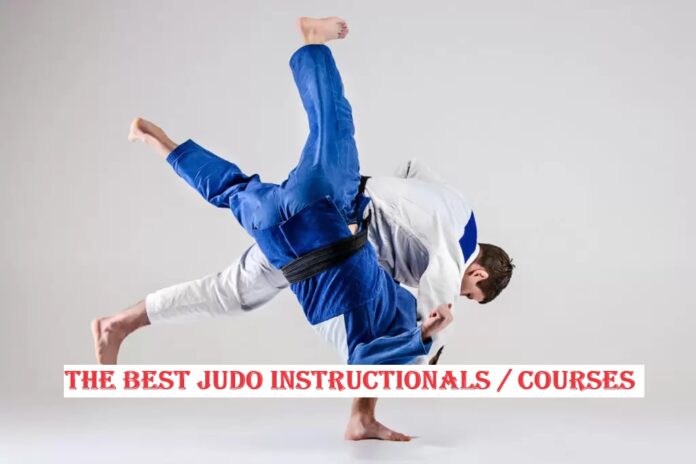
Judo stands out as a highly dynamic and effective sport that emphasizes throws, followed by locks and grappling positions. For all judo enthusiasts, beginners, and those wishing to truly advance, we have compiled a list of the very best Judo instructionals and courses that cover absolutely everything, from basic throws to the most advanced techniques.

Most of these instructionals are created by renowned judo instructors and top competitors from around the world. Whether you’re seeking ways to improve your techniques or enhance them, with these judo instructionals, you can’t go wrong.

Here is the collection of all the best Judo DVD Instructionals :

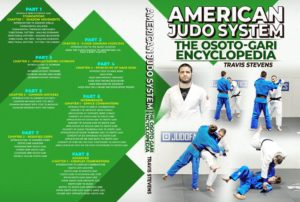
  1. American Judo System: The Osoto-Gari Encyclopedia by Travis Stevens & Jimmy Pedro
    American Judo System: The Osoto-Gari Encyclopedia by Travis Stevens & Jimmy Pedro
  2. The Takedown Blueprint by Jimmy Pedro and Travis StevensTravis Stevens DVD Digital Instructionals Collection
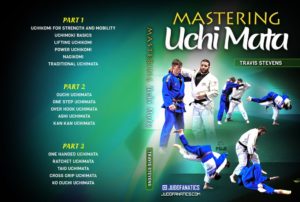
  3. Mastering Uchi Mata by Travis StevensMastering Uchi Mata by Travis Stevens
  4. The Judo Academy by Jimmy Pedro and Travis StevensThe Judo Academy by Jimmy Pedro and Travis Stevens
  5. Mastering Seoi Nage by Travis StevensMastering Seoi Nage by Travis Stevens
  6. Judo @ Home Workouts by Travis StevensJudo @ Home Workouts by Travis Stevens
  7. Ne-Waza Mastery by Travis StevensNe-Waza Mastery by Travis Stevens
  8. Mastering Osoto Gari by Travis StevensMastering Osoto Gari by Travis Stevens
  9. Mastering Sumi Gaeshi by Travis StevensMastering Sumi Gaeshi by Travis Stevens
  10. American Judo System: The Koshi-Guruma Encyclopedia by Travis StevensAmerican Judo System: The Koshi-Guruma Encyclopedia by Travis Stevens & Jimmy Pedro
  11. American Judo System: The Ouchi Gari Encyclopedia by Jimmy PedroAmerican Judo System: The Ouchi Gari Encyclopedia by Jimmy Pedro & Travis Stevens
  12. American Judo System:The Tai Otoshi by Jimmy PedroAmerican Judo System:The Tai Otoshi by Jimmy Pedro & Travis Stevens
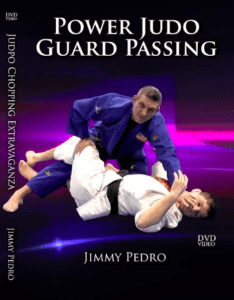
  13. The Power Judo Guard Passing by Jimmy PedroThe-Power-Judo-Guard-Passing-by-Jimmy-Pedro
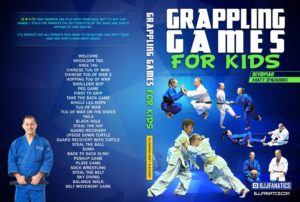
  14. Grappling Games For Kids by Matt D’AquinoGrappling Games For Kids by Matt D'Aquino
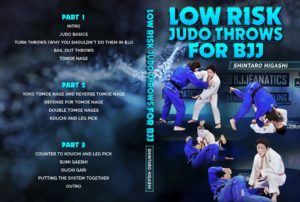
  15. Low Risk Judo Throws For BJJ by Shintaro HigashiLow Risk Judo Throws For BJJ by Shintaro Higashi
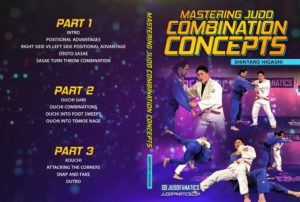
  16. Mastering Judo Combination Concepts by Shintaro HigashiMastering Judo Combination Concepts by Shintaro Higashi
  17. Basic Judo Leg Grabs by Shintaro HigashiBasic Judo Leg Grabs by Shintaro Higashi
  18. Judo Basics by Shintaro HigashiJudo Basics by Shintaro Higashi
  19. Simple Judo Takedowns For BJJ Digital Only by Matt D’AquinoSimple Judo Takedowns For BJJ Matt D'Aquino DVD Instructional Full Review
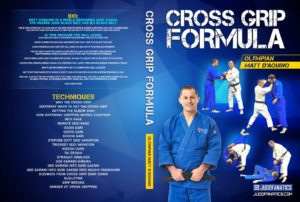
  20. Cross Grip Formula by Matt D’AquinoCross Grip Formula by Matt D'Aquino
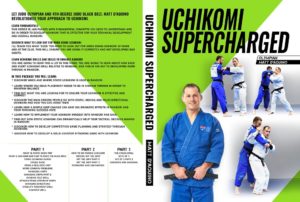
  21. Uchikomi Supercharged by Matt D’AquinoUchikomi Supercharged by Matt D'Aquino
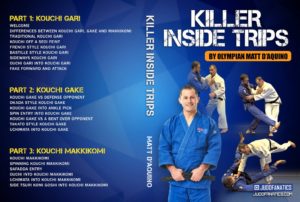
  22. Killer Inside Trips by Matt D’AquinoKiller Inside Trips by Matt D'Aquino
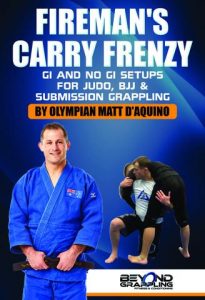
  23. Firemans Carry Frenzy by Matt D’AquinoMatt D'Aquino DVD Fireman's Carry Frenzy
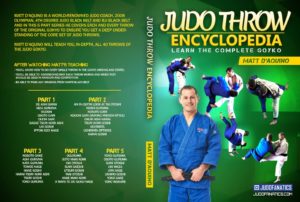
  24. Judo Throw Encyclopedia by Matt D’AquinoJudo Throw Encyclopedia by Matt D'Aquino
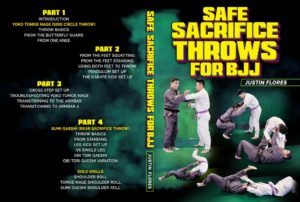
  25. Safe Sacrifice Throws For BJJ by Justin FloresSafe Sacrifice Throws For BJJ by Justin Flores
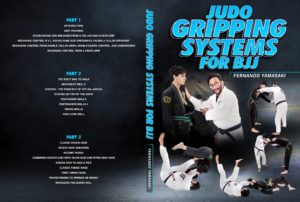
  26. Judo Gripping Systems For BJJ by Fernando YamasakiJudo Gripping Systems For BJJ by Fernando Yamasaki
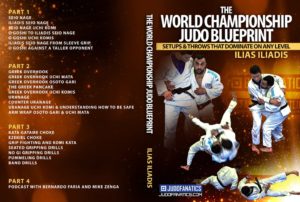
  27. The World Championship Judo Blueprint by Ilias IliadisThe World Championship Judo Blueprint by Ilias Iliadis
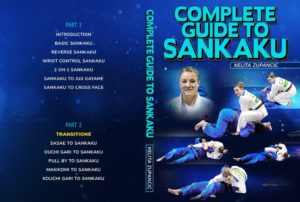
  28. Complete Guide To Sankaku by Kelita ZupancicComplete Guide To Sankaku by Kelita Zupancic
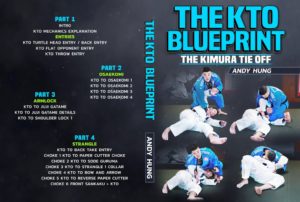
  29. The KTO Blueprint by Andy HungThe KTO Blueprint by Andy Hung
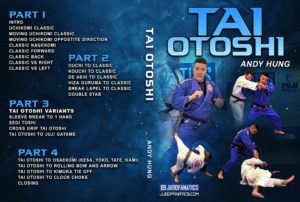
  30. Tai Otoshi by Andy HungTai Otoshi by Andy Hung
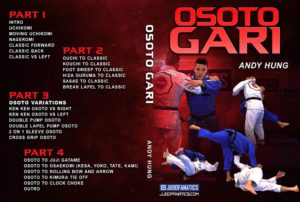
  31. Osoto Gari by Andy HungOsoto Gari by Andy Hung
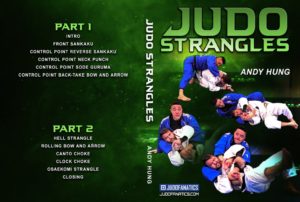
  32. Judo Strangles by Andy HungJudo-Strangles-by-Andy-Hung
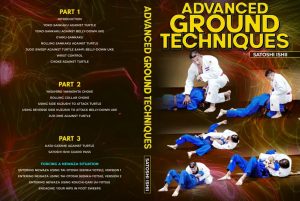
  33. Advanced Ground Techniques by Satoshi IshiiAdvanced Ground Techniques Satoshi Ishii
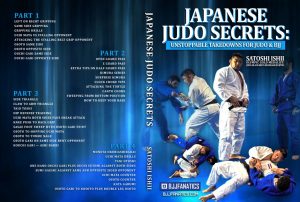
  34. Japanese Judo Secrets by Satoshi IshiiSatoshi Ishii DVD Japanese Judo Secrets
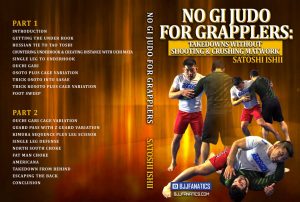
  35. No Gi Judo For Grapplers by Satoshi IshiiReview Of The "No Gi Judo For Grapplers" Satoshi Ishii DVD Instructional
  36. Secret Standing Techniques by Satoshi IshiiSecret Standing Techniques by Satoshi Ishii
  37. Tachi Waza Intensive by Satoshi IshiiTachi Waza Intensive by Satoshi Ishii
  38. Total Ippon Arsenal by Shinjiro SasakiTotal Ippon Arsenal by Shinjiro Sasaki
  39. Fundamental Judo Mastery by Yarden GerbiYarden Gerbi DVD "Fundamental Judo mastery" Complete Review
  40. Uchimata by Yarden GerbiUchimata by Yarden Gerbi
  41. Old School Judo by Garry St. LegerOld School Judo by Garry St. Leger
  42. Olympic Style Seoi Nage by Choi Min HoOlympic Style Seoi Nage by Choi Min Ho
  43. Kids Judo Blueprint by Riley McilwainKids Judo Blueprint by Riley Mcilwain
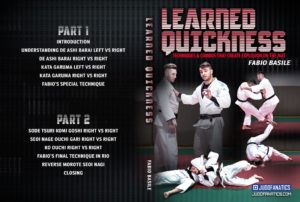
  44. Learned Quickness by Fabio BasileLearned Quickness by Fabio Basile
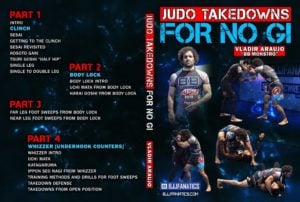
  45. Judo Takedowns For No Gi by Valdir AraujoJudo-Takedowns-For-No-Gi-by-Valdir-Araujo
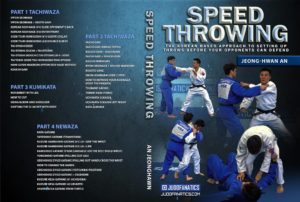
  46. Speed Throwing by Jeong-Hwan AnSpeed Throwing by Jeong-Hwan An
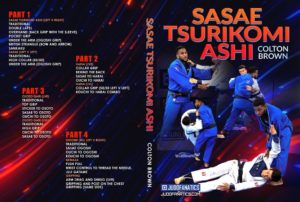
  47. Sasae Tsurikomi Ashi by Colton BrownSasae Tsurikomi Ashi by Colton Brown
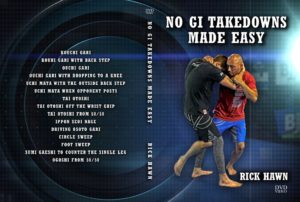
  48. No Gi Takedowns Made Easy by Rick HawnNo-Gi-Takedowns-Made-Easy-by-Rick-Hawn
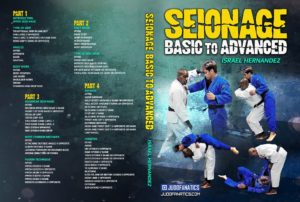
  49. Seionage Basic To Advanced by Israel HernandezSeionage Basic To Advanced by Israel Hernandez
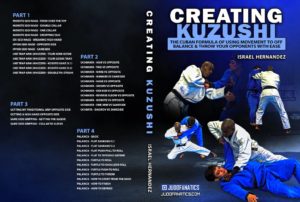
  50. Creating Kuzushi by Israel HernandezCreating Kuzushi by Israel Hernandez
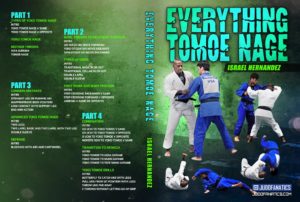
  51. Tomoe Nage Everything by Israel HernandezTomoe Nage Everything by Israel Hernandez
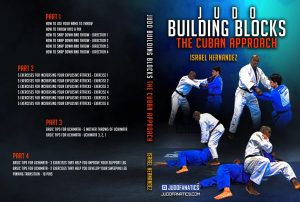
  52. Judo Building Blocks by Israel HernandezJudo Building Blocks – An Israel Hernandez DVD Review
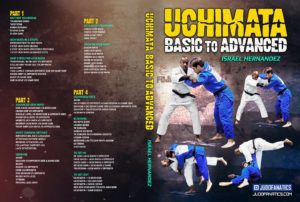
  53. Uchimata Basic To Advanced by Israel HernandezUchimata Basic To Advanced by Israel Hernandez
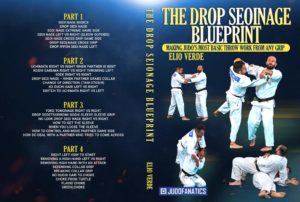
  54. The Drop Seionage Blueprint by Elio VerdeThe Drop Seionage Blueprint by Elio Verde
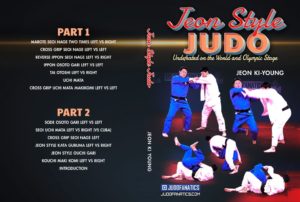
  55. Jeon Style Judo by Jeon Ki YoungJeon Style Judo by Jeon Ki Young
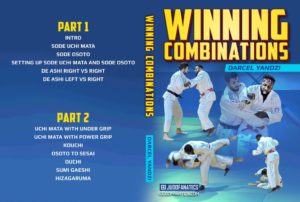
  56. Winning Combinations by Darcel YandziWinning Combinations by Darcel Yandzi
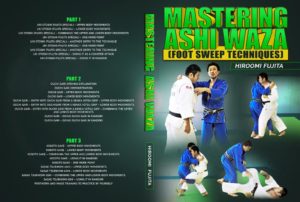
  57. Mastering Ashi Waza by Hiroomi FujitaMastering Ashi Waza by Hiroomi Fujita
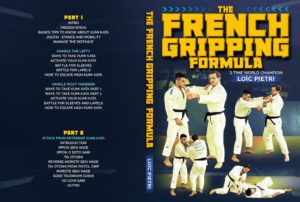
  58. The French Gripping Formula by Loic PietriThe French Gripping Formula by Loic Pietri
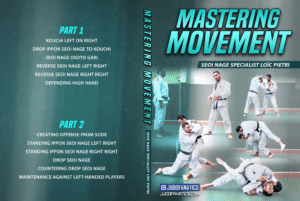
  59. Mastering Movement by Loic PietriMastering Movement by Loic Pietri
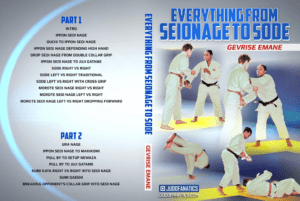
  60. Everything From Seionage to Sode by Gevrise EmaneEverything From Seionage to Sode by Gevrise Emane
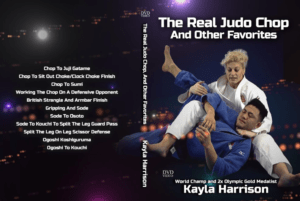
  61. The Real Judo Chop And Other Favorites by Kayla HarrisonThe Real Judo Chop And Other Favorites by Kayla Harrison
  62. Winning The Worlds by Saeid MollaeiWinning The Worlds by Saeid Mollaei
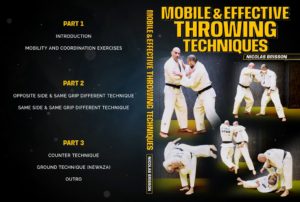
  63. Mobile and Effective Throwing Techniques by Nicolas BrissonMobile and Effective Throwing Techniques by Nicolas Brisson
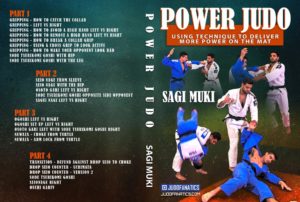
  64. Power Judo by Sagi MukiPower Judo by Sagi Muki
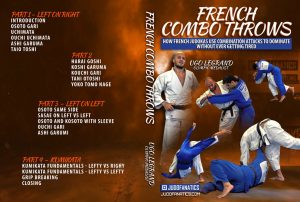
  65. French Combo Moves by Ugo LeGrandUgo le grand DVD French Combo Throws Review
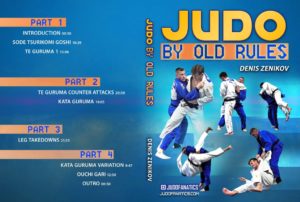
  66. Judo by Old Rules by Denis ZenikovJudo by Old Rules by Denis Zenikov
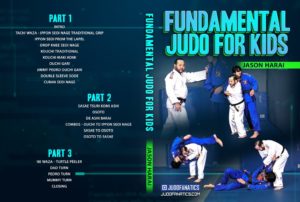
  67. Fundamental Judo For Kids by Jason HaraiFundamental Judo For Kids by Jason Harai
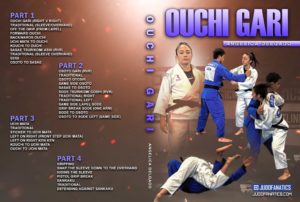
  68. Ouchi Gari by Angelica DelgadoOuchi Gari by Angelica Delgado
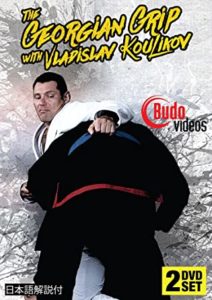
  69. Georgian Grip 2 DVD Set by Vladislav Koulikov for BJJ, Judo, SamboGeorgian Grip 2 DVD Set by Vladislav Koulikov for BJJ, Judo, Sambo
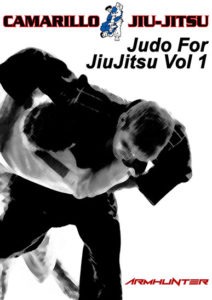
  70. DAN CAMARILLO – JUDO FOR JIU-JITSU [ON DEMAND]DAN CAMARILLO - JUDO FOR JIU-JITSU
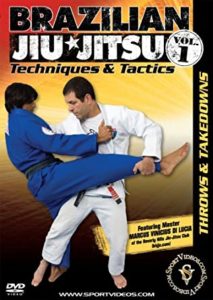
  71. Brazilian Jiu-Jitsu Techniques and Tactics: Throws and Takedowns DVD – BJJ and Judo Martial Arts LessonsBrazilian Jiu-Jitsu Techniques and Tactics: Throws and Takedowns DVD - BJJ and Judo Martial Arts Lessons
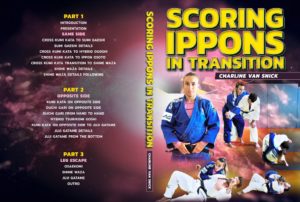
  72. Scoring Ippons In Transition by Charline Van SnickScoring Ippons In Transition by Charline Van Snick
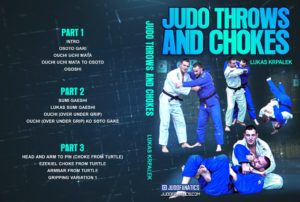
  73. Judo Throws and Chokes by Lukas KrpalekJudo Throws and Chokes by Lukas Krpalek

John Danaher Reveals the Power of Setting Traps in Competition

In competitive sports, especially in BJJ where the number of techniques is vast, knowing your opponent is of great importance.

But what happens when your opponent knows you and has the knowledge to counter every move you make? That’s a frightening scenario that surely every competitor has faced.

Just think back to the fight between Gordon Ryan and Pene and the way Pena took his back and won.

However, the strategic approach used by the majority of top-level competitors in Jiu-Jitsu is setting traps.

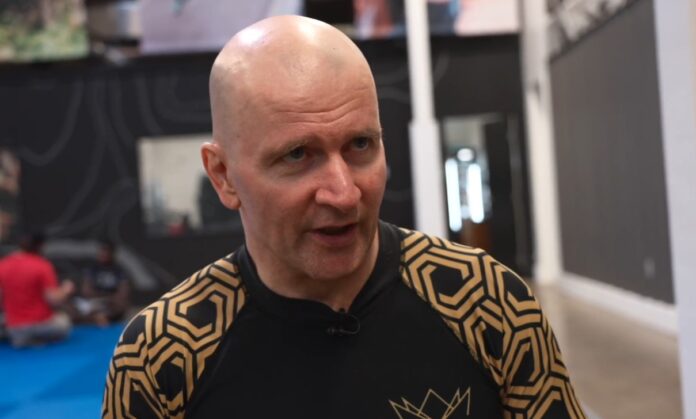
This very concept of setting traps is explained by John Danaher. He explains how setting traps is one of the most important concepts that can easily tilt the fight in your favor.

Basing the entire concept on the fact that at the pinnacle of the sport, competitors possess a very deep understanding of each other’s tactics. Often in fights, both sides are afraid to make certain moves out of fear of counters. However, Danaher reveals the key to breaking this deadlock, which is to induce the opponent to take risks.
According to Danaher, setting traps is done by feigning weaknesses and creating an illusion, thereby luring the opponent into a false sense of security, and convincing them to do something that seems like a great opportunity. It’s at that moment that they unwittingly fall into your trap, allowing you to initiate the counter-attack you’ve prepared.

This tactic is particularly effective against opponents who have a keen awareness of potential dangers. When fighting against an opponent who is very skilled in defense, you must use their attacks against them because no one can defend and attack at the same time super effectively.
Danaher emphasizes that subtlety is one of the most important aspects of this approach. Instead of relentlessly attacking your opponent, you need to use strategic deception.

This way of thinking reminds us that success in sports is not just about physical strength, conditioning, and knowledge of technique because all of that can be easily equalized at the very top.

Therefore, we conclude that setting traps is just as important as everything else and is what truly makes the difference. Try training and thinking in this way, and you will see how quickly you progress in this aspect because it is precisely by setting traps that competitors can surpass the limitations imposed by the techniques themselves.