


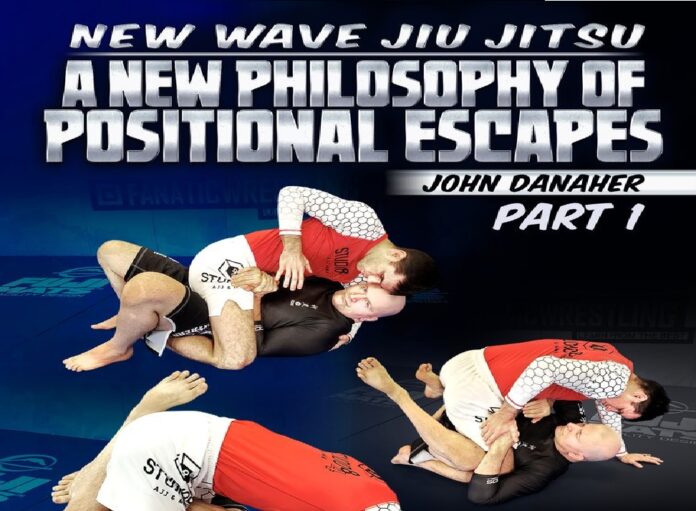
Positional Escapes John Danaher BJJ DVD Review

New Wave Jiu-Jitsu: Positional Escapes John Danaher BJJ DVD Review

After the initial No-Gi six-part “Enter the System” series focusing on submissions, the life-changing 8-part Gi bundle “Go Further Faster” and the innovative “Feet To Floor” takedown series with 4 DVD sets, it is time for something new from the one and only John Danaher. This time around, he focuses on a subject he briefly touched upon in his first Gi DVD – escapes. Check out our BJJ DVD Review of John Danaher’s latest DVD “New Wave Jiu-Jitsu: Positional Escapes”.

ON SALE HERE:
John Danaher – Positional Escapes

New Wave Jiu-Jitsu: Positional Escapes John Danaher BJJ DVD Review
Techniques List and Free Videos

Getting out of tight spots has always been a problem in BJJ, given that the nature of the sport has one person on the attack and the other on the defense during most of the exchanges. SO far, there haven’t been many people that have tried to actually systematize escapees and defensive BJJ, though. In fact, apart from Priit Mihkelson, there hasn’t been anyone that has gone down that road. That has left a pretty big gap to be filled, and it is now the evil BJJ mastermind himself, John Danaher that is stepping up to fill it with the “New Wave Jiu-Jitsu: Positional Escapes” DVD. Knowing him, we’re in for yet another multi-part collection though!

The Houdini Era 

The BJJ world is full of different instructional DVDs. The one thing they have in common, though, is that the majority of them focus on attacking. Whether it is sweeps, submissions, passes, takedowns, transitions, holding top positions, or whatever else is left, most BJJ DVDs out there focus on offense. GI or No-Gi, offense takes huge precedent over defense, at least when it comes to approaching things methodically and systematically.

The thing is that we now have an abundance of open guards, lapel guards, Berimbolos, and other spinning attacks,. leg locks and pressure passes. What we lack are ways in which we can get out of the tight spots that BJJ inevitably puts us in on a regular basis. With the modern Jiu-Jitsu game in mind, simply learning escapes from positions on their own, without connecting everything together and understanding what is going on is like trying to learn Latin- it may sound cool, but it is essentially a dead language.

Escapes are the next big thing in modern Jiu-Jitsu. Why? It is simple – they have not received the attention they deserve and as a result, the BJJ world is overly saturated with offensive techniques and tactics. That translates to a new wave of escape-oriented DVDs as the Houdini era of BJJ evolution is upon us. Filling the void means that there should be a shift of attention towards the defensive side of BJJ, which is exactly what this latest John Danaher DVD offers.  “New Wave Jiu-Jitsu: Positional Escapes” is an instructional that is long overdue. We have for you the first-ever in-depth BJJ DVD review of this brand new instructional that we certainly hope si going to be a full series.

New Wave Jiu-Jitsu: Positional Escapes John Danaher BJJ DVD Review

This new John Danaher DVD instructional is once again an 8-part set, running in excess of 10 hours. Moreover, Danaher is going back to No-Gi in this one, after issuing two series of DVDs (Feet To Floor and Go Further Faster) that were exclusively Gi-oriented. As usual, the organization and level of teaching are as high as you can expect from any BJJ DVD. In fact, the way the instructional is structured all but guarantees that Danaher will expand upon wit with further installments of the New Wave Jiu-Jitsu series.

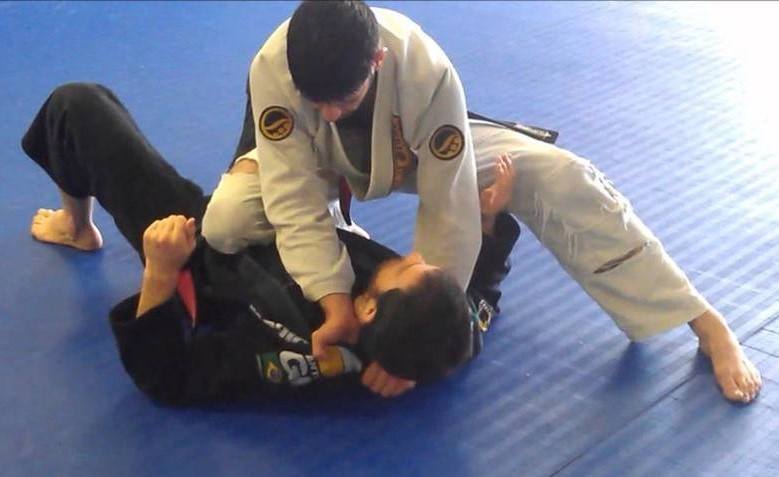
The “Positional Escapes” DVD focuses precisely on that – getting out of the major bad positions in Jiu-Jitsu. As you will see from our BJJ DVD review, Danaher covers all that major positions from a defensive standpoint – mount, back, side control, knee on belly, body triangle, and how to play the turtle position. Even more so, Danaher shares some key philosophies and concepts that tie everything together and are the reason why the entire system works. Read on for the details!

1. Introduction To Pins 

As expected, this BJJ DVD review kicks off with a look into the introduction to the entire Danaher philosophy of escapes. Before he shares his thoughts on escapes, however, Danaher covers pins and how they work, so that people can understand the escapes he demonstrates.

Speaking of escapes he goes over the traditional escapes approach first, before delivering his verdict on it and sharing his own philosophy. He has an entire gameplan based on satisficing (a decision-making strategy that aims for a satisfactory or adequate result) vs. looking to maximize results. Going over the five main pins of BJJ concludes this part of the instructional, and announces what you can expect to see in the volumes that follow.

2. Mount Escapes

The mount position is one where you will end up during most rolls and matches. As such, it can be a really difficult one to get out of, especially against skilled opponents. Danaher’s philosophy on escaping mount has to do with kipping rather than the simple bridge and roll. In fact, he has different kipping directions and motions, all with the goal of getting you out quickly and efficiently.

He also covers the elbow escapes a as solid mount defense option. This volume of “New Wave Jiu-Jitsu: Positional Escapes” will teach you all about the inside and outside variations of the elbow escape.

3. Escaping Rear Mount 

Arguably the worst position to escape in BJJ is the back or rear mount. Danaher systematizes it perfectly by offering a sequence of events: hand fighting first, and head fighting second. What he basically says is that you should address the danger of chokes first, and then look to sneak out from the bottom up, with the head being the key factor in successful rear mount escapes.

A very important aspect of back escapes is dealing with the rear body triangle. Danaher allocates half of this volume to cover this particular subject. He shares his theory of the four triangles, before introducing a fifth and then uses them to formulate the perfect escape plan. With this, our BJJ DVD review of this Danaher instructional wraps up getting out of the two worst positions in BJJ: the mount and the rear mount.

4. Knee On Belly And Side Pin Escapes

Another position that is really painful to be stuck in is knee on belly. It is very closely associated with side control, or side pins as Danaher calls it. He shares a simple two-part strategy of dealing with knee n bell,y depending on the direction that is available to you.

Half of this volume of “New Wave Jiu-Jitsu: Positional Escapes” addresses the problem of side pin escapes. In fact, this is where John covers the mechanics of the side pin and addresses the central problem in the form of the crossface. He goes on to explain how frames work and how to set up elbow escapes as he covers all the side pin variations you’re likely to encounter.

5. Side Pin Escapes 

As mentioned, side pin escapes make up almost half of this BJJ DVD Review, as Danaher really goes deep into them. the reason for this si that there are lots of variations of side pins that are used very frequently. that makes escaping quite the chore unless you can systematize things.

This portion of the DVD covers the mechanics and uses of the elbow escape, reverse shrimping, and who to integrate kipping in side pin escapes. The real gem follows, with the innovative concept of the clamp in regard to dealing with side pins. An escape into leg locks announces an interesting section that covers high leg and knee escapes to deal with most side pins.

6. More Side Pin Escapes

The third and final volume that covers side pins takes a look at several interesting escape patterns that include the ankle trap, triceps post, and the sneaky back door escape (my personal favorite).

What is arguably the chapter that most people will find extremely useful is the on north-south escapes. Danaher acknowledges the uniqueness of the position and offers several ways out in this portion of the “New Wave Jiu-Jitsu: Positional Escapes” DVD instructional.

7. A Defensive Turtle Strategy

The mother of all defensive positions in BJJ has to be the turtle. It is basically a safe spot where you can hang out, as long as you know how to proceed to safety once you get there. In that sense, Danaher talks a lot about dealing with the tight waist as the crucial problem that turtle players face.

He goes into the basic motions of turtle escapes, like shoulder rolls, body locks and seat belt escapes, and some wrestling classics like the peak out. There are even offensive options in the form of a Sumi Gaeshi variation. This portion of the DVD concludes with a general hand fighting principle from the turtle that is probably y the most important thing to learn from this volume.

8. Putting It All Together

Wrapping up our BJJ DVD Review of Danaher’s “New Wave Jiu-Jitsu: Positional Escapes” is a summary of everything that was laid out so far. Here you will learn all about the principles behind the system, which include the first frame, the role of Kuzushi, what is inside control, the primary entry principle, and the concept of the sixth step. A hugely important chapter is the one on defensive responsibilities, which is basically the starting position of the entire system.

Closing Thoughts

Any John Danaher DVD instructional has a lot to offer. This one, though, is different. It covers an aspect of BJJ that is as obscure as leg locks once were, even though everyone thinks they understand defensive BJJ and escapes. As you can see from our detailed BJJ DVD review, “New Wave Jiu-Jitsu: Positional Escapes” is different not just from any other DVD out there, but also from Danaher’s previous instructionals too. It is more than well worth checking out.

ON SALE HERE:
John Danaher – Positional Escapes
New Wave Jiu-Jitsu: Positional Escapes John Danaher BJJ DVD Review
Techniques List and Free Videos

Strength Training For Jiu-Jitsu: The 4 Best Exercises

Strength Training For Jiu-Jitsu: The 4 Best Exercises

Strength Training For Jiu-Jitsu is usually a huge puzzle for most people. Should you do bodybuilding-like exercises or opt for a powerlifting approach. How about Olympic lifting? What if you only want to do bodyweight training and you’re into gymnastic-style strength exercises?  All in all, the world of strength training is so vast that there is no simple right or wrong answer when it comes to getting stronger for BJJ. There are, however, certain exercises that will universally work for everyone. We take a look at four of them in this article. 

People that train BJJ usually train other things as well, especially when they start competing. While supplemental training is generally a good idea, it also has to be carefully programmed. This programming has to focus on the intensity and volume of training, as well as the selection of exercises that actually have a carryover effect on the sport. What I mean by that is that there’s no point in lifting some insane amount of weight with calf raises, because you’ll never have to use it in the context of BJJ. Strength training for Jiu-Jitsu should be very specific and precise.

The Secret Of Strength Training For Jiu-Jitsu: Developing A Strong Core

What is the one thing you need to focus on with your strength training for Jiu-Jitsu? Your core. And let’s just be clear about something. The core does not just refer to the abs. In fact, your abdominal muscles are just a part of the muscle groups that make up the core. The other muscle groups that “pitch-in” are the shoulders, lower back, upper back, thighs, and glutes. As you can see, this just about covers all the major muscle groups in the body.

Let me keep demystifying the “core” for you. The reason most strength coaches and fitness experts swear by the core is simple – the muscle groups that we refer to by that name all work in unison to help us with key functions which include flexion, extension, torsion, and stabilization of the trunk. In another word, when people refer to movements that make the body work as a whole, they refer to movements that include the core. The reason for this is that the core is what connects all the muscle groups in the boy, allowing them to help each other when performing athletic activities.

The only logical conclusion from there is that core training is the most important aspect of strength training for Jiu-Jitsu, and strength training in general, to be honest. When it comes to developing core muscles used to both the rigors and the movement patterns of Jiu-Jitsu, certain exercises are much better than others.

The 4 Best Exercises You Need To Be Doing

Training the core comes in many forms, and all of them are more or less helpful. However, when it comes to specific strength training for Jiu-Jitsu, there are four core exercises that won’t just make you stronger and help you learn to use your body as one unit, but they also have a direct carryover effect to grappling.

#1. The Walrus

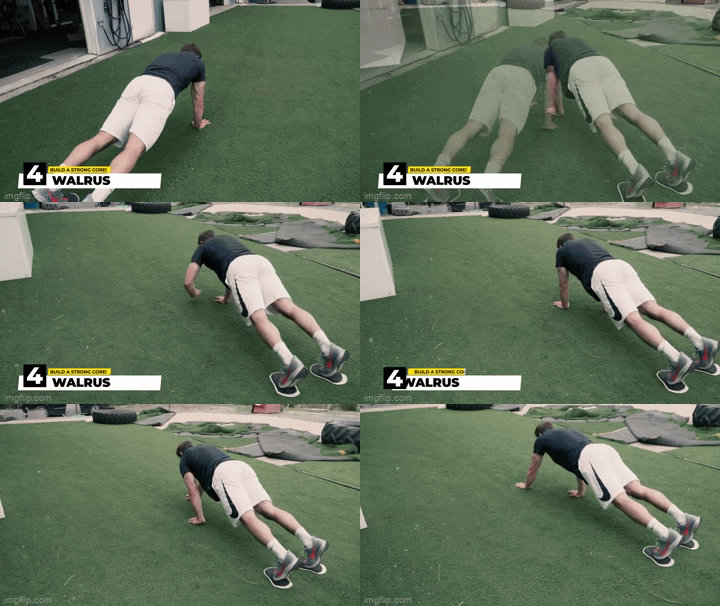
Strength Training For Jiu-Jitsu: The walrusHow It Works: You get in a pushup position with extended arms and put your toes on something that can slide effortlessly along the floor, like furniture sliders for example. From there, you only move your arms, dragging your body forward as you go arm by arm.

Benefits: This is an exercise that involves a full range of motion for the shoulders. At the same time, it teaches you how to stabilize your body, given that you’re basically in a plank position all of the time. Of course, there’s also a dynamic strength component given the movement of the arms.

Carryover effects: The overhead reaching motion is very similar to pummeling when standing, or different grip fighting situations, especially when you are in top position.

#2. Ab Wheel Rollouts

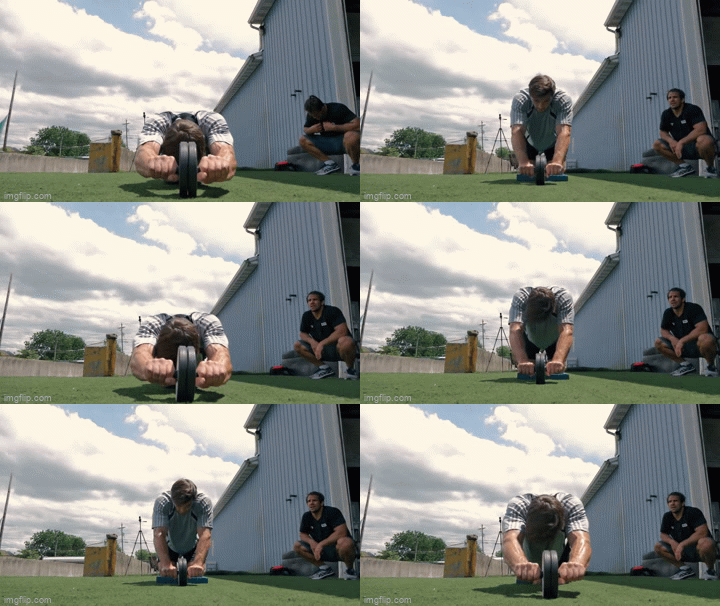
Strength Training For Jiu-Jitsu: The Ab WheelHow It Works: You will need an ab roller to execute this one. Doing the exercise is pretty straightforward. Be on your knees, keep your arms straight, your abs tight and roll out as far as you can go, before contracting your abs to get back to the starting position.

Benefits: This exercise helps lengthens the upper body via thoracic extensions. That is something not many exercises can accomplish. At the same time, it helps develop better stability of the trunk. The contraction phase means you are working both on rapid and slow contraction, providing you with lots of control over the motion.

Carryover effects: You spend a lot of time in the overhead position which is a crucial one in BJJ. Ther;’s direct translation to battling for collar ties, working off your back as well as scrambling for takedowns.

#3. Medicine Ball Slams

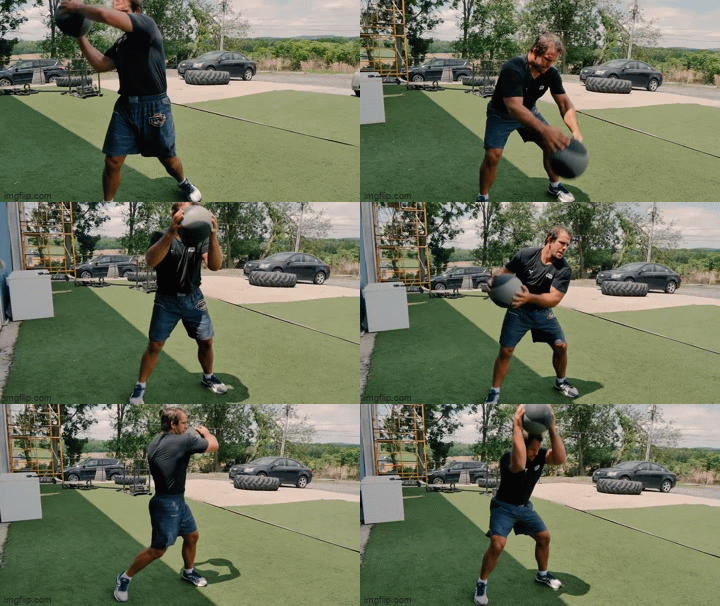
Strength Training For Jiu-Jitsu: Medicine ball slamsHow It Works: You will need a medicine ball for this one. It is an exercise often seen in strength training for Jiu-Jitsu. The weight should be appropriate to your level of physical preparedness. What you do is grab the ball with both arms and slam it to the ground for the basic, or linear version of the exercise. As it bounces back you grab it and keep doing repetition. For the rotational version of the exercise, you circle the ball from the outside in before you slam it. Repeat on both sides with the rotational method.

Benefits: Lots of shoulder involvement in three directions, helps develop dynamic control of the trunk, and develops speed-strength, a key ability for athletes.

Carryover effects: Mat control. The dynamic control you get from this exercise means you will be able to control scramble situations and improve your control in pins, especially when you’re holding someone in front of you, which, in grappling, is most of the time.

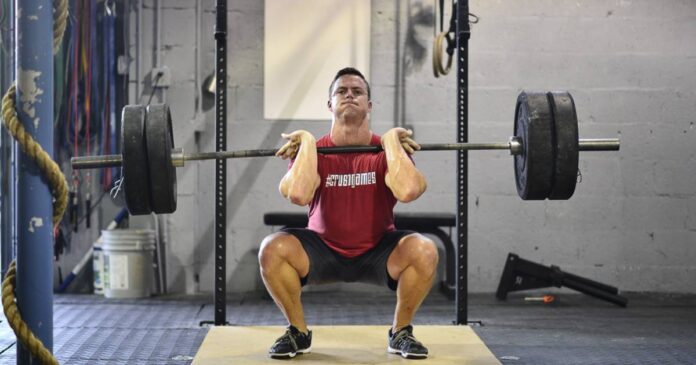
#4. Pause Front Squats

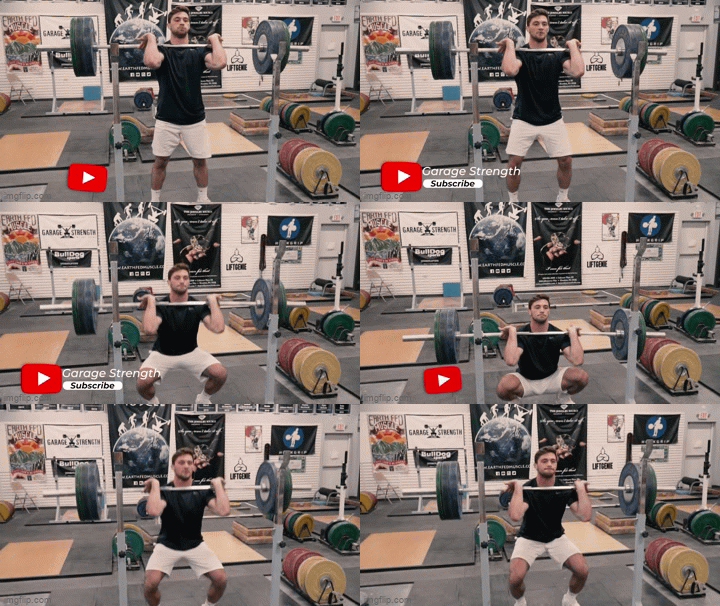
Strength Training For Jiu-Jitsu: Pause Front SquatHow It Works: You will need a barbell and a squat rack. You should hold the bar to the front of your shoulders, balancing it on them, while using the grips for support and anchoring.  The goal si to squat deep, and once you reach the bottom position of the squat to pause there. Then you explode back up to complete the repetition.

Benefits: This exercise develops extreme explosive power due to the pause effect. Pausing at the bottom removes the bounce effect which means you have to use your core to explode back up. Apart from developing overall core strength, the pause front squad also develops driving power as well.

Carryover effects: Irreplecable for developing driving power that is necessary for takedown setups and guard retention and recovery.

Putting It All Together

YOu can pretty much organize these exercises any way you want. The easiest way would be to do them on separate days, after BJJ training, if you have access to the appropriate equipment. You could also do the mas straight sets, although training them in a circuit fashion will give you the most bang for your buck. If you can stomach it.

Organizing your strength training for Jiu-Jitsu means you should be covering different athletic qualities at the same time. That means that repetitions should be kept in the 8-12 reps range, depending on the exercise. With the pause front squats, you can even go as low as 6 if you are using heavier weights. For the walrus, you should be going for distance or time. while the ab wheel and medicine ball slams are perfect when done in 8-12 reps. Anywhere from 3 to 6 sets is great, depending on your overall conditioning.

When it comes to how many times a week you should do strength training for Jiu-Jitsu, given that there are lots of muscle groups involved in these exercises, the ideal frequency is twice a week, preferably with at least two days of rest in between.

Conclusion

There is no need to overcomplicate strength training for Jiu-Jitsu. Keep it simple and focus on what matters, like the muscles of the core. With these four exercises, you work every muscle group that is important for grappling. More importantly, you get to do it in an efficient and time-saving way.

Just Roll BJJ Mentality: Is Rolling Always A Good Idea?

Just Roll BJJ Mentality: Is Rolling Always A Good Idea?

The most fun part of training BJJ also when you get to slap and bump and go for a roll. Everyone enjoys it, even when we’re on the losing end of a roll.  The thing with rolling is that it just so happens to also be the hardest part of Jiu-JItsu. While it may be fun and exciting to do, it takes atoll on both our bodies and our minds. That is precisely why these common just roll BJJ mentality can actually be detrimental both to your progress and the health of your body and mind. Sometimes, as it seems, skipping rolling might just be the best thing you can do! 

I know, I know, how dare I say that you should willingly and intentionally skip rolling. BJJ Blasphemy! Well, you can go right ahead and jump in the shark tank, but the fact of the matter is, you’ll just end up more tired, beaten up and you’ll feel like you’re hitting a plateau or even regressing. And that is not the truth. Al those times you’ve felt like you can’t accomplish anything has nothing to do with how much knowledge you have. It has to do with the I’ll just roll BJJ mentality that has you doing rounds even when your body is suggesting otherwise.

The Just Roll BJJ Mentality

Let’s take a look at this “let’s just roll BJJ mentality”, we all somehow seem to take upon the moment we step through a BJJ academy’s doors. Usually, in class, we get to warm up, work on techniques, perhaps drill or do some position sparring rounds, and then we freeroll. I have lots to say about his non-efficient model of training BJJ, but that is the subject for a future article.

I have been training Brazilian Jiu-Jitsu for 10 years and I definitely understand the draw of rolling. We all have that “itch” whenever we’re forced off the mats. However, let’s take a look at how things usually unfold when we take a vacation, for example.

The moment you stop training, and more importantly, rolling, the first few days you will miss it. You’ll think about it, talk about it and reminisce. After a few days, though, you’ll suddenly stop feeling that urge to get on the mats. That is you finally starting to listen to your body (albeit only because you have to) which has been telling you to give it a day or two off!

The just roll BJJ mentality is universal in our community. The problem with it is that as fun as rolling is, it doesn’t mean you’re learning stuff, improving yourself, or progressing in the sport. On the contrary, going for rolls just for the sake and fun of them can actually stall your progress and lead to all those pesky injuries we take for granted as BJJ athletes.

Just Roll BJJ Mentality

How To Know If You Are Ready To Roll

The best way to get around that just roll BJJ mentality is to have a system in place that will allow you to decide whether or not you roll on a given day, and if you do, how hard you go. To achieve that, you’ll need to use a grading system.

Basically, you need to develop your own personal daily grading scale. That scale refers to the answers you will give to predetermined questions which assess your mental and physical preparedness on any given day. Conversely, this assessment will provide you with realistic feedback as to whether you’re really ready to roll or not.

Example of a grading scale: Score from 1(bad) to 3(great) or a color-coded scale (green, yellow and red). 

Next, you need to formulate actual questions that will help you determine whether or not you are ready to roll. In that sense, you can use pretty much whatever you want, but there are universally accepted assessment questions that will provide you with the best insight into your current state.

#1. Assess Your Mood

The mood is a great determinant of how we go about our day. Some days are just “not our day” and that should be a factor when it comes to training. Using the scale above, make sure you assess your mood first. Are you happier than usual, or are you feeling a bit down? Are you irritable and bad tempted or laid back and chilled? Knowing what state you are in makes a huge difference in how you perform on the mats.

#2. Assess Your Body

This is probably the most straightforward assessment. Now, as BJJ athletes we do live in pain most of the time, but that is just another side effect of the just roll BJJ mentality. Do you know those days when you wake up tired, stiff, and sore? Well, instead of “pushing through” at all costs, stop and use the grading scale to assess the state of your body. Of course, it may go the other way too when you’re feeling lively, rested, and full of energy.

#3. Assess Your Energy Levels

Speaking of energy, next on our list of assessments are your levels of energy for the day. If you are trying to sleep as much as you can and can’t crawl out of bed, feeling tired, and can’t keep your eyes open, you will score the lowest on your grading scale. On the other hand, feeling joyful, waking up early feeling energetic and positive will earn you a top score!

#4. Assess Your Stress Levels

Of all the assessments, this one is the most difficult to figure out. Stress is with us constantly in the modern lifestyle and actually grading it will help you in all aspects of life, not just Jiu-Jitsu. You already know how you feel and act when you’re stressed. You could be lazy, anxious, irritable, sad, or everything else. Just make sure you’re honest in your assessment and grade your stress levels appropriately. Stress is one of the biggest reasons why the just roll BJJ mentality results in so many dumb injuries.

#5. Assess Motion And Movement

This one is a purely physical assessment. It ties in with how your body is feeling and usually works off of that assessment, which is why assessing the overall state of your body and what it is “telling you” comes first.

How do you figure out whether you’re ready to roll? Easy. Pick three movements that are specific to the sport. For example, bridge, hip escape, and a technical stand-up. Perform 5 repetitions of each and assess how you’re feeling while doing them, and how your execution is.

Is Rolling Always A Good Idea?

What If You Skip Rolling Today?

The basic idea behind using self-assessments is to make sure your mind and body are ready for the stress of rolling. The just roll BJJ mentality can only get you so far in terms of progress. If you want to keep getting better at Jiu-Jitsu all the time, you will need to make every roll count. Sometimes, that might mean going for slow/flow rolls or even skipping rolling altogether. It will all depend on the self-assessment covered above, which is something you should do every morning.

How do you come to the conclusion whether or not you are ready to roll based on the assessments? You look at the scores for every assessment and see the “average” number or color you have used. If everything is perfect, you’re ready to go all out and do competition-style rolls without any concerns. If you’re on the other end of the spectrum, one or two flow rolls should be the maximum, and an even better idea would be to just hang back and watch people roll and give yourself a rest. When you are in between, the style and number of rolling rounds should be appropriate to your score.

Lastly,. keep in mind that assessments in the morning usually give you an idea of how your day goes, but they are not always spot on. Going to BJJ sometimes results in such a significant swing in your mood and overall state that you end up feeling much better after you leave class. Going to class even on a bad day is a no-brainer. the only thing to keep in check is your just roll BJJ mentality and ego that comes with it.

Wrapping Up

All in all, assessing yourself every morning might sound like a chore. It takes literally five minutes or less to go through everything for the checklist. It will also give you a great insight into your overall state and will help you figure out how you’re going to deal with the day ahead of you. If you’re about to have a hard day, and assessments are not good in the morning, you’ll at least know that stepping on the mats with the I’ll just roll BJJ mentality is only going to make things worse.

Jessa Khan, Taking The BJJ World By Storm

Featured Grappler: Jessa Khan, Taking The BJJ World By Storm

The BJJ World has no shortage of big-name superstars. However, what is really fascinating is that even though the world is in the midst of a pandemic, new Jiu-Jitsu stars are emerging like there is nothing going on! To be honest, superstars of Gordon Ryan’s caliber are always fun to watch, but those hungry up and comers that are tearing opponents apart at the major professional grappling competitions scenes are the most exciting ones to watch if we are being honest! One such grappler is young Jessa Khan, representing the Academy Of Jiu-Jitsu academy. 

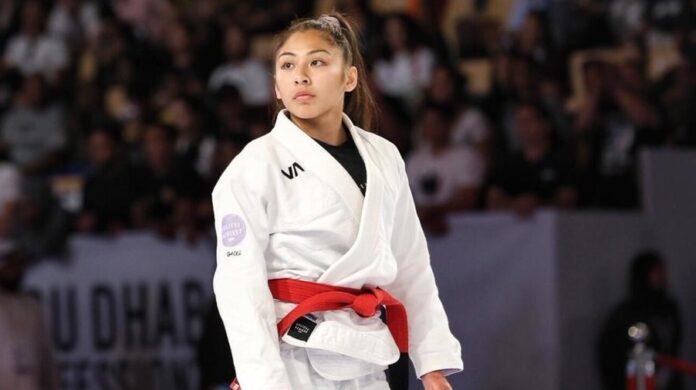
Jessa Khan is a name that is quickly emerging as one of the next big female grappling superstars. Despite having her black belt for just a few months, and being barely 19, Jessa has some huge accomplishments under her belt. Moreover, she is extremely fun to watch, and not just because of the style that you would expect from someone that has been training with the Mendes brothers their whole life. She simply has a knack for submission grappling with and without the Gi, and there are huge things coming from this young competitor.

Who Is Jessa Khan? 

Jess Khan is an American Brazilian Jiu-Jitsu black belt under the legendary Guilherme Mendes. Her full name is Jessamine Jada Khan and she was born into a military family, with her father being a Navy officer. that meant a lot of moving around as a child, which for Jess translated into a love for competitive spots.

Her pedigree before Jiu-Jitsu includes a bunch of athletic endeavors, including ballet, karate, tee-ball, and soccer. This is very impressive, considering that she was born in 2001. She liked karate a lot, starting it at the young age of 6. However, her dad’s job meant that at one point she ended up in Hawaii, where she had no option of training Karate. Instead, Jessa took up Jiu-Jitsu in 2010.

Training at the Onzuka Brothers’ O2 Martial Arts academy, Jessa Khan also started cross-training in wrestling and Judo, setting herself up to potentially become one of the greatest female grapplers of today.

Jessa’s BJJ Journey

Jessa Khan, Taking The BJJ World By StormAs mentioned, Jessa Khan began her BJJ training with the Onzuka brothers, starting off in their kids’ program. She got her yellow belt there but then had to move again. In fact, she trained at different gyms across the US as a kid, getting her next belt (orange) from Kevin Watson at KWBJJ in New Hampshire. Her next belt (green) came in Virginia from Gustavo Machado. By that time, she already had her sights set on becoming a full-time professional BJJ competitor.
With goals like that, ending up in an academy of the AOJ caliber was really a no-brainer. Jessa settled with the Mendes brothers in California as a green belt and has stayed with them ever since. Given her dedication, style, and obvious talent, it didn’t take long for Jessa to establish herself as one of the best up-and-comers in the academy. Given the number and quality of top competitors in the AOJ that is no easy feat by any stretch of the imagination.

Jessa got all her adult belts, from blue to black from the Mendes brothers. She received her black belt at the age of 18 from Guilherme Mendes in October of 2020, just a couple of days before her 19th birthday.

Grappling Style

Jessa Khan is a Mendes brothers black belt which says a lot about her inclinations. Namely, as you would expect, Jessa is a formidable guard player, with the open guard being her position of choice. She is comfortable in pretty much any variation of the guard, including closed guard, but her go-to positions are the De La Riva and 50/50 guard. Grip-wise, when competing with the Gi, collar and sleeve variations seem to be Khan’s bread and butter. Of course, the Berimbolo is also a big part of her attacking bottom game.

If I had to describe Jessa’s style in a signal sentence I’d say that she is an aggressive bottom player with a keen eye for the finish. The guard game is a given with her pedigree, so much so, that we’ve seen her even allow takedowns against her in competitions in order to establish her game, and hunt for submissions.

In the submissions department, Jess Khan does virtually everything. While her mentors are mostly known for upper body finishes, Jessa’s attacks include a wide variety of leg locks as well, including kneebars, toe holds, and heel hooks. She has quite a lot of triangle finishes as well as a host of straight armbar submissions.

The one thing that is highly impressive about Jessa is that she has patience that younger athletes rarely display, especially in combat sports. She does not seem to rush anything and especially calm and collected when on the defense. Subsequently, she is notoriously hard to submit and can work a very effective counter-attacking game, which she does.

Recent Victories And Major Accomplishments

As a purple and brown belt, Jessa Khan has some huge accomplishments. On the open tournament scene, she has gold medals in the Europeans, Pans, and the Worlds as a purple belt, and European gold as a brown belt as well. That is without counting all her juvenile accomplishments. After all, she is active in competition for the better part of a decade.

She also has so major accomplishments on the professional grappling scene, at tournaments like Who is Number One and Fight to Win. She has beaten some big names in the grappling circuit so far, like beating Vicky Hong in Fight To Win, and most recently won her black belt debut at Who is Number One against the established Danielle Kelly.

Jessa Khan also has a very impressive result at the 2018 Asia Games in traditional Jiu-Jitsu. She represented Cambodia (she is the daughter of a Mexican American mother with Cambodian American father). That medal was Cambodia’s second-ever gold medal in the Asian Games.

What’s Next For The BJJ Prodigy? 

Jess Khan competes at rooster weight, which places her in a very interesting division that features the likes of Mayassa Bastos and Serena Gabrielli, to mention just a few. Currently, Jess Khan is scheduled to face Thamires Aquino this weekend (April 3rd, 2021) in a superfight under the Evolve UR Game banner.

Conclusion

Jess Khan already made history as the youngest ever AOJ member to receive her black belt. She is also making all the right moves on the big stage as well, already going 1-0 as a black belt, and with a very impressive record of 14-1 as a brown belt. There is definitely a lot to come from young Jessa Khan, so make sure you follow her online and keep an eye out for her performance this weekend!

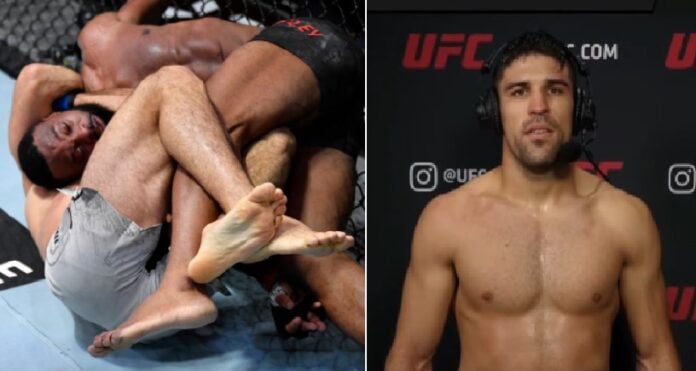
Vicente Luque submits Tyron Woodley with D’arce choke – UFC 260 Results

Vicente Luque submits Tyron Woodley with D’arce choke

Vicente Luque submitted Tyron Woodley with Darce Choke for the biggest win of his career in the UFC 260 co-main event.

It wasn’t easy for Vicente Luque to pull such an amazing victory as Tyron Woodley was very aggressive at the beginning of the fight. Tyron was aiming for the knockout very early at the start, but Luque was able to preserve the pressure and managed to take Woodley to the ground with his own series of kicks and punches followed by a powerful Darce choke.


“It was a great fight. I knew Woodley was a legend, a champ, He really hits hard. That’s what I’m going to do. If I get hard, I’m going to pushing forward, look for the knockout, looking for the finish.” – said Luque after the fight

UFC 260 Results

Main card
Weight class Method Round Time Notes
Heavyweight Francis Ngannou def. Stipe Miocic (c) KO (punch) 2 0:52 [a]
Welterweight Vicente Luque def. Tyron Woodley Submission (brabo choke) 1 3:56
Bantamweight Sean O’Malley def. Thomas Almeida KO (punch) 3 3:52
Women’s Flyweight Miranda Maverick def. Gillian Robertson Decision (unanimous) (30–27, 30–27, 29–28) 3 5:00
Lightweight Jamie Mullarkey def. Khama Worthy KO (punches) 1 0:46
Preliminary card (ESPN / ESPN+)
Catchweight (206.5 lb) Alonzo Menifield def. Fabio Cherant Submission (Von Flue choke) 1 1:11
Welterweight Abubakar Nurmagomedov def. Jared Gooden Decision (unanimous) (30–27, 30–27, 30–27) 3 5:00
Light Heavyweight Michał Oleksiejczuk def. Modestas Bukauskas Decision (split) (29–28, 28–29, 29–28) 3 5:00
Featherweight Omar Morales def. Shane Young Decision (unanimous) (30–27, 30–27, 30–27) 3 5:00
Early preliminary card (ESPN+ / UFC Fight Pass)
Middleweight Marc-André Barriault def. Abu Azaitar TKO (punches) 3 4:56

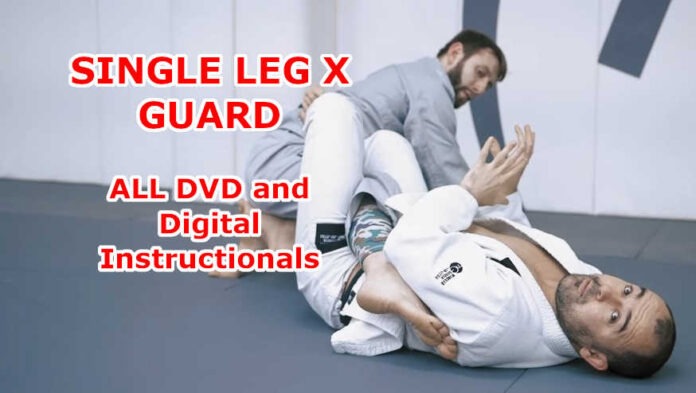
Single Leg X Guard: ALL DVD And Digital Instructionals

Single LEg X DVD and Digital Instructionals

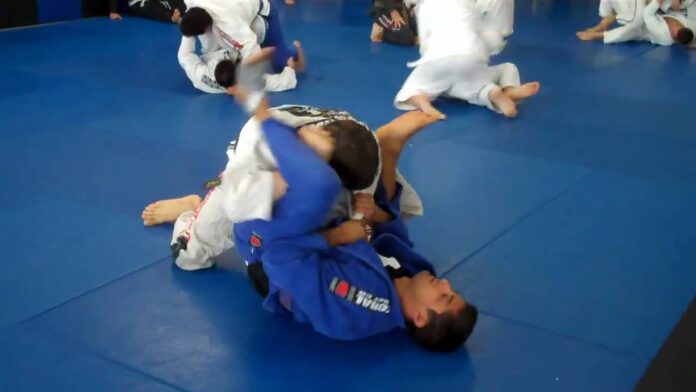
What is the most popular and effective open guard variation that you can play these days? If your answer has anything to do with the X Guard, you’re on the right track. Precisely speaking it is the Single Leg X Guard, the one guard that burst onto the scene when leg locks became the thing everyone wants to do. What people sometimes forget is that the Single Leg X is actually a very complete guard on its own, with lots of transitioning and sweeps options. Leg locks are only the cherry on top. In fact, why not look into all the Single Leg X Guard DVD instructionals we have for you here to learn more? 

These days, there are quite a few Single Leg X Guard DVD instructionals out there, which was not the case up until a few years ago. I would know, as I’ve always loved the guard, but couldn’t find a digital source to learn about it. I guess we have leg locks to thank for changing that. The good news is in the modern instructionals, you get all the leg lock information, but also all to of the other aspects of the guard, which have fallen a bit into the background in modern BJJ. Check out the complete collection below!

The Best Single Leg X Guard DVD Instructionals Collection

The Single Leg X Guard is a very popular one that seems like it’s no big deal but there’s actually a lot of little details to figure out how to hold it. Getting there is not that much of a difficult thing, but staying in the guard for a while, especially if you are the smaller grappler, does require some mechanical secrets that only seasoned players of the guard can uncover for you.

The Single Leg X Guard DVD instructionals we have for you will take care of all the technical details. There are plenty of entries in them from guards, scrambles, and even ways to pull the Single Leg X. Of course, all the sweeps you can imagine are covered in details as well as the key transitions to other guards. For example, the X Guard, the shin-to-shin guard, and pretty much any open guard are right there all extremely near to the Single Leg X. It is one of the reasons why many people at least dabble with the guard – it is so easy to get to.

With the Single Leg X Guard, the one thing you should pay a lot of attention to is how high your hips are. As long as you keep your hips above the opponent’s s knee, you’ll have a lot of luck with it. If let them drop lower, or keep them on the mats, you’re not actually in the guard at all and you’ll get smashed. This is the single most important thing about the Single Leg X Guard that you need to know. Clamping down with the legs at hip level will prevent people from breaking your guard open and if you combine this with keeping your hips high, you can pretty much get away with anything from the Single Leg X Guard position.

The TOP 3

The following instructionals are by far the best ones you can get when you’re looking to start experimenting with or specialize in the Single Leg X guard. In fact, since we couldn’t pick just one, we have the top three Single Leg X Guard DVD instructionals for you below.

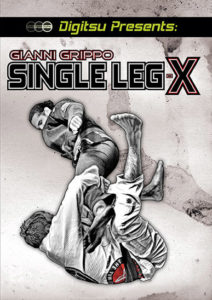
1. GIANNI GRIPPO SINGLE LEG X-GUARD [ON DEMAND]

GIANNI-GRIPPO-SINGLE-LEG X-GUARDOne of the best guard players alive, Gi or No-Gi is Gianni Grippo. The multiple-time world champion has a real diverse guard game that includes a lot of single-leg X guard. In fact, he likes to rely on it so much that he has an entire dedicated instructional on how to play it, starting with entries and ending up with passes you can connect with some of the Single Leg X Guard sweeps.


2. The Complete Butterfly Guard by Marcelo Garcia

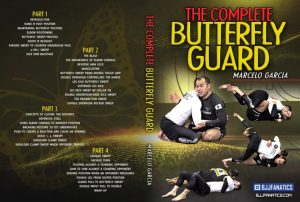
Marcelo Garcia DVD Review CoverOne of the pioneers of the position is Marcel Garcia. After all, he is the man that popularized the single leg X to a certain extent. While the name of this instructional doesn’t suggest a Single LE#eg X Guard DVD, it actually contains a lot more information on this guard, than it does on its best friend – the butterfly guard. After all, they do work in unison, so this is one of the best Single Leg X systems you can learn.


3. Single Leg X Beyond The Basics by Thomas Lisboa

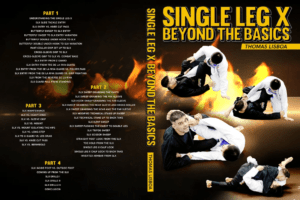
Single-Leg-X-Beyond-The-Basics-by-Thomas-LisboaThomas Lisboa also has one of the best ever Single Leg X Guard DVD instructionals. His take is a more competitive one, always thinking about gaining points and advantages over an opponent, and is one of the few modern Single Leg X instructionals shot in the Gi. While it is mostly for competitors anyone can really benefit from this one, regardless of the level of experience.


List Of All Single Leg X Guard DVD Instructionals Out There

Let’s now look at all the other Single Leg X Guard DVD instructionals that are at our disposal. There are plenty out there and each has lots to teach you about the position!

1. Systematically Attacking From Open Guard Seated Position by Gordon Ryan

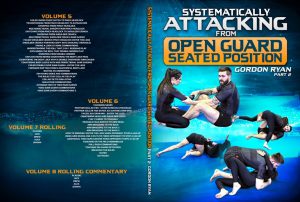
Gordon Ryan Seated Guard : Systematically Attacking From Open Guard DVDGordon Ryan’s open guard NO-Gi DVD covers a whole myriad of open guard.s Given his inclination towards leg locks though it comes as no surprise that he spends nearly half the time talking about the Single Leg and all possible variations from there.


2. How To Beat Bigger Guys by Bruno Malfacine

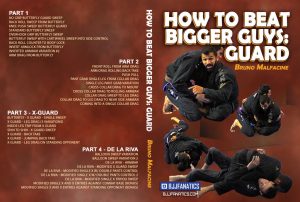
Bruno Malfacine DVD How to Beat Bigger Guys: GuardBruno is the ultimate representative of small folks in BJJ. The 10 times world champion will teach you how to deal with bigger grapplers from your guard, and in particular, the Singel Leg X Guard.


3. No Gi Fundamentals Bottom Game by JT Torres

jt-torres-bottom-gameAnother aspect of the No-Gi single leg X guard, this time from the perspective of JT Torres, means it is more geared towards IBJJF rules and requirements.


4. How To Dominate Single Leg X by Dominique Bell

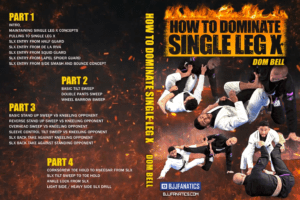
How-To-Dominate-Single-Leg-X-by-Dominique-BellThis Single Leg X Guard instructional will teach you how to dominate from a position with the Gi, and always end up on top, or get a tap.


5. The Single Leg X Manual by Jonnatas Gracie

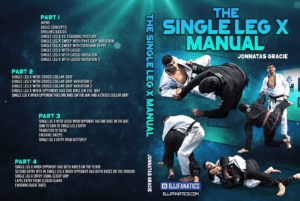
The-Single-Leg-X-Manual-by-Jonnatas-GracieA Gracie instructional on the subject of the Single Leg X, with Jonnatas Gracie as the instructor. The four volumes in this one are all about the fundamentals of the position and why and how it works. Perfect for all levels.


6. The Lo Guard & Matrix Passing by Leandro Lo

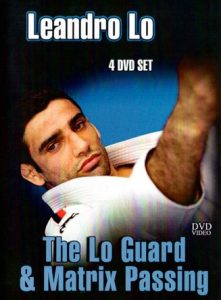
Leandro Lo Matrix PassingA name that needs no introduction, Lo’s proficiency with the Single Leg X Guard has been more than well documented. This unique instructional with not only make you better at the Single Leg X, but help you connect it with passing sequences as well.


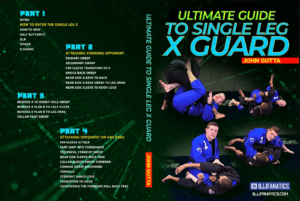
7. Ultimate Guide To The Single Leg X Guard by John Gutta

Ultimate Guide To The Single Leg X Guard by John GuttaBasics, easy to follow lessons, and in the end, an entire system that works like a charm. That is what the four volumes of this Single Leg X Guard VD contain. Once again, a Gi instructional.


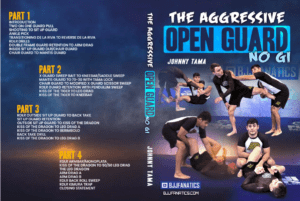
8. The Aggressive Open Guard No Gi by Johnny Tama

The_Aggressive_Open_Guard_No_Gi_by_Johnny_Tama

This instructional covers several open guard variations, but it is centered around the Singel Leg X Guard for the most part. It is aimed at people who are not interested in retention, but rather constant attacking from the guard.


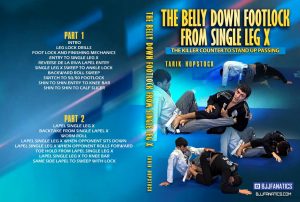
9. The Belly Down Footlock From Single Leg X by Tarik Hopstock

"Belly Down Foot Locks" DVD By Tarik HopstockTarik is one of the top competitors coming from Europe and a real wizard when it comes to certain BJJ positions and moves. the Single Leg X guard happens to be one of his favorites.


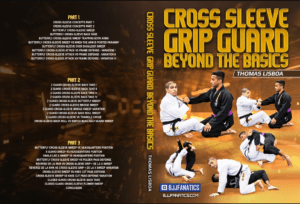
10. Cross Sleeve Grip Guard Beyond The Basics by Thomas Lisboa

thomas-lisboa-cross-sleeve

This is a very interesting instructional that I can’t recommend highly enough. It focuses on the cross sleeve grip guard and goes into explaining how it connects with the likes of the Single Leg X and shin-to-shin in a very intricate and highly effective system.


11. GIANNI GRIPPO LEG DRAG / SLX PREVIEW [ON DEMAND]

GIANNI-GRIPPO-LEG-DRAG-SLX-PREVIEWIf you’d like a preview of Gianni Grippo’s Single Leg X Guard DVD, this one will tell you everything you need to know about the full instructional.


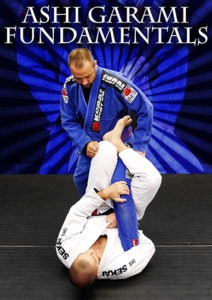
12. ASHI GARAMI BY GUSTAVO GASPERIN [ON DEMAND]

ASHI-GARAMI-BY-GUSTAVO-GASPERINFinally, a leg lock-focused version of the Single Leg X Guard with the Gi. This one focuses on a lot of ankle lock mechanics and leg lock combinations that are all legal under IBJJF rules.


In Conclusion

The Single Leg X is a mandatory guard nowadays, whether or not you subscribe to the whole leg lock madness. In that sense, take a look into any of the Single Leg X Guard DVD instructionals above in order to really understand what the position is all about. You can then use it to exploit one or all of its many benefits when it comes to rolling and competition.

The highest paid actor in the world: ‘Stipe is the greatest, but the time of Predators has started’

Dwayne the rock Johnson on Miocic

There are more and more people commenting that there won’t be another rise of Stipe Miočić.

The UFC’s APEX hall hosted a number of “celebrities” who wanted to accompany the UFC 260 event from the first rows. There were already well-known sports fans like drummer Travis Barker, Miocic’s friend, Machine Gun Kelly. Although Dwayne “The Rock” Johnson, known as a big fan of martial arts, wasn’t there, he commented on the fight between Miocic and Ngannou on Twitter.

“This was dominant. What an amazing journey the greatest of all time Stipe has had. I have nothing but respect for that guy. I would wholeheartedly congratulate my brother Francis Ngannou, the time of the Predator is over,” – Johnson wrote.


The Rock proved to be a big UFC fan when he accepted the idea of ​​awarding a “BMF” belt to the winner of the main fight of the UFC 242 event. In November 2019, he did so, putting the same around Jorge Masvidal’s dogs after he defeated Nate Diaz.

Many celebrities agree and believe that Stipe shouldn’t seek revenge, at least not as Francis’ next fight. Also, no one disputes Miocic’s greatness and the results he has achieved. With six wins in the fight for the UFC title, Stipe is already unattainable, at least for a while.

This Is Why You Suck At Jiu-Jitsu, Written By a BJJ Blue Belt.

Is Rolling Always A Good Idea?

So, coming from the legendary Renzo Gracie Academy in New York City has exposed me to dozens of the greatest minds in Combat Sports. Those great mindsets include Gordan Ryan, John Danaher, and Renzo Gracie himself.

When you speak to these coaches or pick the brains of world-class competitors, you realize they have unique mindsets that differentiate them from the rest of the pack. And more specifically, they implement this uniqueness during their sparring sessions.

If you feel like you aren’t making as much progress as you could, perhaps, it’s because your mindset is not the most conducive for maximizing your training. Here’s why.

You Need To Start Training Smarter

Contrary to popular belief, I don’t think you necessarily need a teacher to get better in Martial Arts. Nor do you need to train 2-3x per day to get good in a short period — I’ve done both.

Would it help? Yes.

Is it necessary?

No, not if you’re training effectively.

I’ve been traveling the world for the past year and a half, transitioning from gym to gym all over the world with no coach, but I am significantly better than I was a year and a half, eight months, or even two months ago.

I will also note that I have met a handful of higher-level competitors that have helped me out. I don’t want to forget them. But if I compare this to the hundreds of incompetent Martial Artists, I’ve met over the last 18 months, it’s a drop in the bucket.

Honestly, most guys (including Black Belts) you meet are not that technical, i.e., not good.

How do you gauge their level?

Well, when you start sparring or rolling with an individual, their movements, body positioning, and pace of play will indicate whether they are thinking about their techniques or simply resorting to brute strength and bad habits.

I’ve had black belts who have been training 10-15 years longer than me spaz out of my submission attempts with no technique. I’ve had the same black belts not play Jiu-Jitsu with me but jump around from side to side and use stall tactics because they were afraid of getting submitted.

There’s a big difference between being thoughtful about your techniques and mindlessly going through the motions.

If this sounds like you, stop it right now.

Go work on a new defense and let yourself get submitted hundreds of times so you can get better. Who cares if you get defeated, you are trying to deconstruct a new part of your game. And over the long term, you will help your overall improvement.

Remember, it’s instant gratification vs. deferred reward.

If You Start Training Smarter, You Can Get Good In A Short Amount Of Time.

I’m not saying I’m good, but if you analyze most world-class competitors and then look at the individuals who are the best at what they do, you will notice they tend to think a lot.

They think about what they implemented correctly or incorrectly during their training, and they do this every single day. These individuals actively work on getting better without relying so heavily on brute power.

And for me, I give up advantageous positions to my training partners. I just want to get good at this sport, but the only way to do that is to learn how to work out of bad positions.

If you can build competence in your defenses, that’s how you build confidence, just ask John Danaher or Gordan Ryan.

If you believe nobody in the world can submit you, that’s a very important skill that will lead you to take more risks in your offense. So, if you are frustrated about your progression, self-reflect about your training methods, and I guarantee you will notice an area that needs to change.

You don’t necessarily need to get taped out twenty times in a row or not use any strength. But you need to be mindful of what you are doing and always be thinking about improving your technique. Getting tapped out multiple times in a row while working on a new escape is not the worst thing in the world.

This is a side effect of skill-building. By working smarter, you will have a better comprehension of your craft, and your overall skill level will improve.

And remember, just because someone has been training for 15-20 years does not mean they are competent in Martial Arts. It just means they’ve been training a long time.

Don’t let them scare you.

By Max Takaesu

After graduating in May 2018 with a B.S. in Cyber Security, Max Takaesu Hsu decided to pursue Martial Arts as his path. He began training at the legendary Renzo Gracie Academy.

Two years later after spending countless hours on the mats with numerous high-level competitors and world champions, like the Danaher Death Squad, he decided to travel the world.

This digital nomad goes by the nom de plume, the Wandering Warrior Poet, and is currently working from Kyiv, Ukraine. Over the past 18 months, he has trained and lived in Turkey, Japan, Honolulu, and Serbia.

You can follow the Wandering Warrior Poet on YouTube, Instagram, and Twitter

The Standing No-GI Baseball Bat Choke You Need To Learn

The Standing No-GI Baseball Bat Choke You Need To Learn

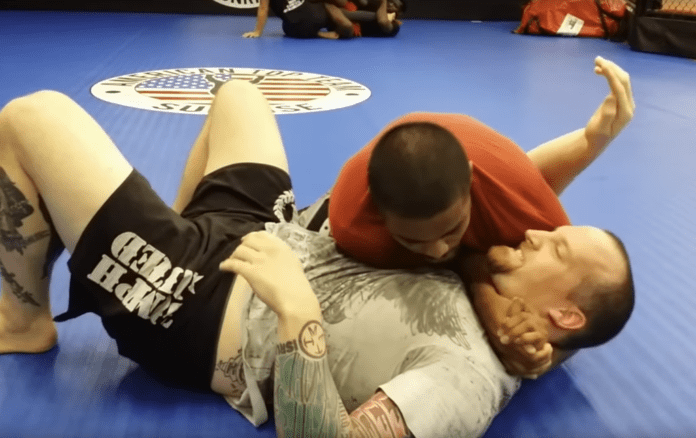
One of the most fun and efficient chokes you can do in BJJ is the Baseball bat choke. It is predominantly a Gi choke, involving either the collar or lapel. It works for two main reasons – sneakiness and superior mechanics. Each of these on its own will make a BJJ move high percentage, but both together are behind some of the nastiest submissions in the sport. The standing No-Gi baseball bat choke is a version of the baseball that takes the sneakiness factor through the roof! Read on. 

It is always great when you surprise people with BJJ moves. The squirrel lock is my favorite example – they think they have you in side control and you do a Kimura lock with your legs that they do not expect at all. The baseball bat choke works similarly, from both side control, half guard bottom, and even the closed guard. It is even sneakier, in fact, because you let the top person think they are passing when they’re actually going deep inside a trap that will end up with the good old tap or nap!

The Baseball Bat Choke

The baseball bat choke is really a thing of beauty. It involves many BJJ principles which is why it works so good, on the mechanical side of things. Speaking of mechanical, I mentioned that the main reasons behind the choke’s proficiency are mechanical superiority and sneakiness. let’s look at both, as well as the slight difference between the Gi and No-Gi setup of this choke.

In mechanical terms, the baseball bat choke involves pressure on the neck via the forearms of both your arms, which means there’s really no leeway if you set it all up correctly. Another huge mechanical advantage is the anchors of your arms, which are usually in the gi, be it the collar or the lapels, or a combination of both.

To get the choke, usually from knee on belly, you slide the far arm into the collar, grabbing with four fingers in. The goal is to do the same on the other side but grab with a thumb-in grip.  The goal from m here is to go to north-south.  The arms, holding on like you would a baseball abt will get crossed in the process, delivering a panic-inducing choke in the process.

The sneakiness factor comes in when you’re on the bottom. Imagine how easy it is to establish the baseball bat choke grips from bottom side control, or even closed guard. All you need to do is turn away from the opponent and you’ll have them tapping or sleeping on top of you.

Baseball Bat Choke

The Reasons Why The Standing Baseball Bat Choke Will Work For You

The baseball bat choke will work in No-Gi as well, but it will require a grip change (obviously) that takes some getting used to. The one drawback about this choke is that it works better for people with longer limbs. namely, the grip is a bit strange, as you need to go for an S-grip kind of configuration behind the opponent’s neck in order to get the baseball bat choke mechanics without a Gi. It still works like a charm, though, even if you decide to set it up from standing, which is a whole new level of sneakiness.

Speaking of the standing No-Gi baseball, let’s take a look at three main reasons why it will work for everyone.

1. The Setup

Setting the baseball bat choke up from standing is better done in No-Gi than with the Gi simply because you can sneak in the grips easily. Gi grips usually make people wary, and they try to break them, especially if they are different than the usual one s ( which, in the baseball bat chokes case, are). So, the fact that you’re No-Gi increases your chances of setting the choke up from the get-go

Next, you work from that clinch, which is basically halfway to the choke. If, or better said, when you get a double collar tie, you’re all set to go for a No-Gi baseball choke. Staying in the double collar tie clinch will give you control, and if you threaten a couple of dropdowns along the way, you’ll be able to get the choke effortlessly.

2. The Grips

Here is where things get interesting. As mentioned, the No-Gi version of the baseball bat choke has a slightly specific grip. Getting it from standing, though, is much easier compared to getting it on the ground, whether it is top or bottom. The double collar tie pretty much guarantees you’ve got enough depth to establish the grip regardless of the length of your arms, which is both a mechanical and sneaky advantage of this particular setup.

3. Managing Risks

The one thing that will happen with the standing No-Gi baseball bat choke is that you will end up being the person on the bottom. If you’re intending to use it as a takedown, you’re better off trying something else. However, the fact that you get an easy setup (clinch and grip) means that you get the element of surprise by dropping to the ground and twisting away from your opponent.

The one thing to keep in mind is not to give mount away. In fact, going for a half guard / deep half guard follow-up, wi your best bet of managing the risk of the choke not working, or you messing something up along the way. Take e a look at the video below to see what I mean.

Standing Chokes

In essence, going for chokes from standing is quite an unusual way of attacking in BJJ. That means that whatever you do, will work, given that you have realistic expectation s out of the exchange, What I mean by that is that not many people expect you to choke them from standing for a good reason – not many standing chokes work. However, they will help open up other attacks for you, whether it is attacking the back, or looking for takedowns.

If you are dead set on submitting someone with a standing coke, understand this – the setup can be standing but the actual finish is much more reliable on the ground. So whether it is a baseball bat choke (Gi or No-Gi) or any other choke attempt you do, setting it up standing is a great idea. If you want to finish it, though, you better make sure you figure out a way to get the fight to the ground.

Summary

The standing No-Gi baseball bat choke is a great thing to surprise anyone with. It will work for you if you understand the mechanics and sneakiness behind it. And, no, the length of your arms won’t matter, especially in the standing setup, given the reach that the double collar tie secures. have fun with this one!

Starting BJJ: Expectations, Reality, Goals And Experiences

Starting BJJ: Expectations, Reality, Goals And Experiences

Thinking about starting BJJ? That friend of yours finally convinced you to come to training, or perhaps you finally summed up the courage to follow your crush on the mats. In any case, you’re not just one of those people that are going to wander into something new without preparation. That is a great mindset to have. This article is for everyone that is thinking about starting Brazilian Jiu-Jitsu or have just started. You’re in for a wild ride, and these are the main things you need to know about what lies ahead. 

Starting BJJ is a big thing. I kid you not, it is one of the biggest things you will do in your life, especially if you end up being serious about it. But, then again, you wouldn’t be reading this if you’re not. The “Gentle Art” has a unique way of reeling you in and keeping you obsessed for years, if not decades. It will change your life, but whether it will be for the better or worse is going to be up to you. That said, taking up Jiu-Jitsu is different than anything else you’ve done in your life. So let’s start with baby steps here: manage your expectations, reality, goals, and your experiences.

Starting BJJ: Making the Decision

The hardest thing when it comes to starting BJJ is making the decision to do so. It was a big one, to begin with, back when things were normal. In this crazy pandemic-ridden world we live in now, it is even crazier to start training in a contact sport that has what is probably, the closest possible contact between two human beings. And still, as a gym owner, I am seeing crazy numbers when it comes to people taking up Brazilian Jiu-Jitsu nowadays. In fact, they surpass the interest people had back when we had no Covid pandemic.

The one thing to know about BJJ people is that they are extremely analytical. I say this because I want to take the biggest fear away from the get-go. When it comes to training in extremely close quarters, hygiene is everything. That simply means that BJJ folks were already doing everything that is now considered normal way before we had a pandemic. Training on the ground in close contact with multiple different people for hours on time requires very high levels of hygiene. So, rest assured, BJJ was safe to train before, and is even safer now, despite the close contact, simply because the people running the classes are very aware of the dangers and risks, and have established ways of managing them.

That just leaves us with you. If we remove the most obvious reason why people don’t do things these days – Covid, your rally left with nothing but your own inhibitions and excuses. IF you make the decision of starting BJJ, stick by it. Unless you give the sport a try for at least some period of time, anywhere from a couple of week s to a month, you can’t really know if it is for you or not. No amount of articles you read online, YouTube videos, or experiences that others share will help you figure that out. If you want to start, just get on the mats, and have in mind what to expect.

Starting Brazilian Jiu Jitsu

  • Expectations

This is where things can get tricky. When people start training Jiu-Jitsu they come in with different expectations. it is also the one department where everyone, regardless of their goals is going to be surprised.

Brazilian Jiu-Jitsu is different from anything else. Different academies have a different approach to new members, ranging from “holding their hand” for a month, to throwing deem directly among the sharks. All of these approaches work, but the experiences are different.

Basically, if you expect to train something along the lines of Karate, Aikido, or whatever else, you’re in for a surprise. BJJ is real, raw, and will make you struggle and fight for your life, albeit in a safe environment. That said, one thing you can expect is to come to terms with how vulnerable you are and how easy it is for someone that is trained to toss you around at will.

Furthermore, for those expecting MMA-like experiences when starting BJJ, once again, you’ll be surprised. BJJ has a slow and gentle side to it – you cant just embrace the chaos and think that cardio or explosiveness will take you far. You better be ready to solve riddles and sudokus while hanging off a cliff- that is how every roll will feel. that is also what we’ll keep you hooked and make you better in every aspect of life.

  • Reality

The reality of starting BJJ is that you’re about to do something that will challenge you in every possible way. It is not just about fitness levels or the shape you’re in. It is not just about knowledge of techniques or speed or flexibility. You will need to develop the ability to use your physicality, your mind, tactics, become comfortable in the uncomfortable, and many more things you have never thought of, in order to succeed in BJJ.

The reality of training BJJ is this: you are in for a surprise test every time you step on the mats, and you have no idea what the questions are going to be. Another reality is that you will love every second of it!

Things to know before starting Jiu Jitsu

  • Goals

I could probably write an entire book on the goals that people have when they start Jiu-Jitsu. The goals people have are highly individual, and it is hard to sum them up in a way that will make sense for everyone.  However, I can give you an idea of how to manage your goals.

Whether you are looking to be a competitor, recreation athlete or train to become a coach one day, I can tell you this. You will probably never be a world champion coach or competitor. It is not that it is impossible, it is just a goal that is extremely difficult to reach. Apart from having this goal of being the best in the world (which is far from impossible, just way out of touch from most of us), everything else is up for grabs. You just need to understand that you have to manage your expectations and face reality when you set your BJJ goals.

IF your goal is to go through the belts as fast as possible, you’re still in for nearly a decade of work, no matter how much you put into it. If you’re into it for the medals, expect that you will get lots of them, but you’ll also lose fights, and that is a guarantee. Basically, every romantic goal you have of starting BJJ is going to get crushed quite quickly. And that is alright because you will find new goals throughout the journey some small and some huge. Embrace that.

Experiences

This is the one thing about starting BJJ that you should look forward to. If there was ever an activity that will offer you a wide range of experiences that you would otherwise not have access to, it is BJJ. Starting BJJ pretty much guarantees that you will have experiences ranging from awesome to highly introspective, taking you on a wild ride to get to know yourself, others, and everything that is going on around us.

Very often people talk about the community of people in BJJ and how awesome it is. That is because of the shared experiences people have. O the mats, on rad trips, on tournaments, seminars, camps… You name it. Brazilian Jiu-Jitsu will provide you with new experiences in every aspect of life and it will make you a better person for it, whether you stay into the BJJ world for a lifetime, or you’re just a casual passer-by.

Four key things to know before starting BJJ

Conclusion

Starting BJJ shouldn’t really be something you’re wondering about. IN fact, I believe everyone should try training BJJ for at least a month. If it turns out it is not something you like, fine. Not everyone will like it or do it for long periods of time. However, it will still teach you a lot about things you never thought you can learn by rolling around on the ground with sweaty people. Don’t believe me? Try it!