How Masahiko Kimura Beat Up Four Military Policemen Who Were Attacking Civilians

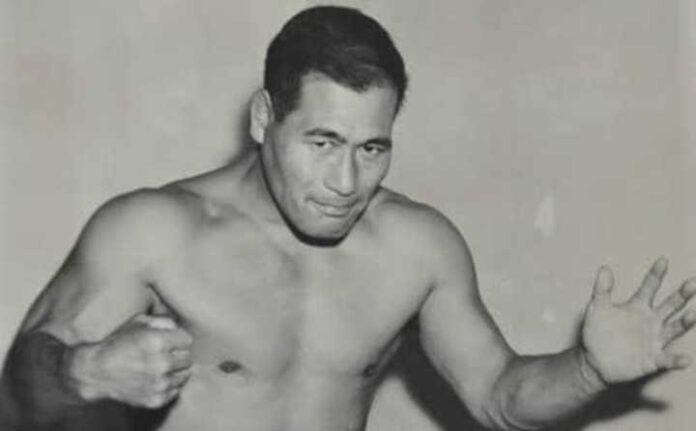
Masahiko Kimura

Masahiko Kimura’s life is nothing but amazing. It’s filled with Judo Competitions, personal life events, and lots of fights. What we bring you today is another fight in Kimura’s life.

In the summer of 1946, Kimura was standing at the end of a line of 60 or 70 people waiting for the train in the “Mukae-Machi” station, near Kumamoto city.

Suddenly 4 policemen broke through the entire line. One of them grabbed the man at the front of the line and struck him in the nose. The man dropped down to the floor from the pain.

The policemen did the same thing to everyone, even women.

Kimura was standing in the line and his turn came up. One of the policemen tried to grab him, but Kimura struck him in the hand.

Immediately all four policemen surrounded him and took him to the “Nagaroku” bridge near the station.

For Kimura, this wasn’t an ordinary fight. His main intention was to defend the honor of Judo.

The first policeman threw a right hand at Kimura, but kimura blocks it and kicks him straight in the groin. The policeman collapsed on the spot.

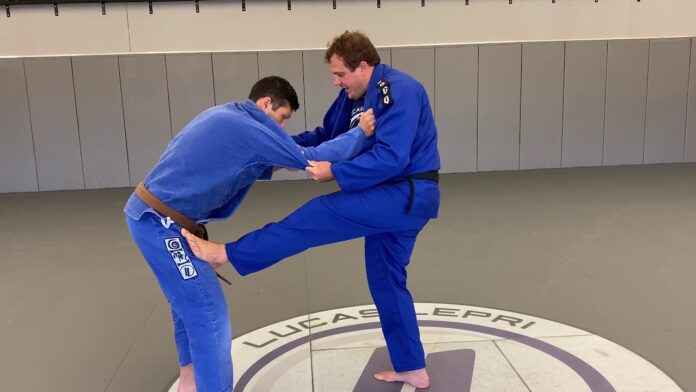
The second policeman attempted to grab him from behind, extending his arm, but Kimura’s quick reaction while using “Seoi-Nage” throws the policeman to the river.

Soon after that Kimura delivers a head butt to the third policeman knocking him out as well.

The 4th policeman was eliminated when Kimura grabbed his balls and squeezed with full force.

In junior high school, Kimura earned the nickname “Master Groin Squeezer”, so he was pretty confident with this technique.

Kimura was later congratulated and thanked by the police headquarters as these policemen had a history of assaulting women, eating and drinking without paying, and several other crimes. They were even looking for a way to punish them.

The main thing that Kimura was preaching is that Judo is not just a set of techniques. For him, Judo is a way to defend one’s self and the weak, and rectify society through its moral and intellectual education.

Fortunately, Kimura was in the right place and at the right time that day. He managed to defend the honor of Judo and taught us all that when you’re in a position of power you have a responsibility towards the people you live with.

Judo’s, and other martial arts moral education is so crucial because power in the hands of the immoral will only create a dystopian world for all of us.

Masahiko Kimura vs Helio Gracie – Kimura’s Review Of The Event

The Best BJJ Arm Attacks DVD and Digital Instructionals

The highest percentage submission in BJJ is the armbar. It is probably the same, or similar in terms of MMA and submission grappling as well. Factor in the Kimura, Americana, Omoplata, and all other arm locks, and you definitely have the highest percentage submission holds of any grappling martial art and/or combat sport in the form of arm locks. Learning all the ins and outs of arm attacks in BJJ is not easy, given the numerous variations on the subject. However, there are arm attacks DVD instructionals that can really help you master the highest-percentage submission moves in any sport. They are all listed below! 

Not everyone loves arm attacks in grappling, but everyone uses them. They’re too reliable and available not to. Given that you can do them with and without the Gi, on a straight or a bent arm, from virtually any position imaginable and against opponents of all sizes and levels, it comes as no surprise that they’re so effective. If you are interested in becoming a true arm lock aficionado, you’ll need to get through lots of material, though. There’s an extreme amount of information out there, and not all of it is going to come in hand. Every arm attacks DVD below has been proven effective and does bring something to the table that will improve your arm attacks.

The Best BJJ Arm Attacks DVD Instructionals Collection

What is your favorite arm attack in BJJ? As you probably know by now, Brazilian Jiu-Jitsu arm attacks come in two major categories. They are either straight arm attacks, usually targeting the elbow or bent arm locks, that focus on the shoulder joint. In terms of attacks on the arm there are also wristlets and muscle slicers (mostly on the biceps), but, we’ll leave those for different articles.

The one main principle all arm attacks share si that you use your body to entangle and arm, control it and force a joint to bend in a direction it is not meant to, by applying mechanically superior force. IN simple terms, you isolate an arm and put pressure on a single joint until lit “breaks”. You don’t really break an arm with BJJ arm attacks, but rather destroy the soft tissues in a joint (ligaments, tendons, joint capsule, cartilage, etc.). This can end up being much more devastating than a break to the bones.

A major principle behind arm attacks that I like to teach is the control of two neighboring joints. regardless of what type of armlock you’re going for, if you control the joint above and below the one you’re attacking, you’ll be able to stay in a position long enough to set up a devastating lock. This is a principle you’ll recognize in every one of the arm attacks DVD instructionals we have complied for you in our ultimate arm-locking collection.

The Top 10 

Let’s start by looking at 10 arm attacks DVD instructionals that among them, provide the ultimate break down of any and all BJJ arm locks.
1. Kimura Hunting by Kazushi Sakuraba

A Review Of The Kimura Hunter DVD by Kazushi SakurabaKazushi Sakuraba is the man who broke Renzo Gracie’s arm with a Kimura. As if that’s not enough he also used the Kimura to beat several other Gracie members as well. Sakuraba has one of the most unique takes on this old-school bent arm lock. IT just so happens, his take is a highly effective one, and it works perfectly well for modern BJJ.


2. Fundamental Armbar Mechanics by Karel “Silver Fox” Pravec

Fundamental-Armbar-Mechanics-by-Karel-Silver-Fox-PravecKarel Pravec, AKA the Silverfox is a Renzo Gracie black belt and one of the best BJJ professors in the world. Whatever he explains is certain to become crystal clear. However, he does have a fascination with arm locks, and his DVD on armbar mechanics is the proof o that. Simply put, if you fancy yourself as an armbar hunter, you have to get this instructional.


3. Omoplata Everyone by Bernardo Faria

Bernardo Faria DVD Omoplata EveryoneBernardo Faria needs no introduction, as the multiple-time world champion is a household name in the BJJ world. His instructionals are really setting the pace for every other instructional out there, but nobody has quite matched his DVD on Omoplatas. This arm attacks DVD is a title that every Gi grappler should have at home. Just in case.


4. The Buchecha Arm Bar by Marcus “Buchecha” Almeida

Marcus Almeida Buchecha DVD Review: “The Buchecha Armbar” CoverBuchecha is yet another superstar of Brazilian Jiu-Jitsu that everyone knows about. In this four-part instructional he uncovers some of the key secrets behind his unique version of the straight armbar. With this one, you’ll get details on finishing the armbar from everywhere without any chance of the opponent defending.
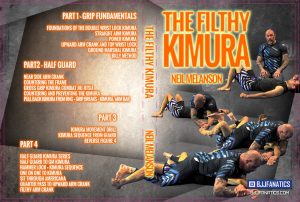

5. The Filthy Kimura by Neil Melanson

Filthy Kimura DVD by Neil MelansonNeil Melanson is arguably, the most unorthodox grappler alive. He has a very unusual grappling system combining Judo, Sambo, Catch wrestling and BJJ. he is also highly creative, often coming up with moves that are just as effective as they’re unusual. His “filthy” Kimura is just one such example. This one works like a charm in both Gi and no_Gi and might just be the most brutal Kimura lock variation in existence.
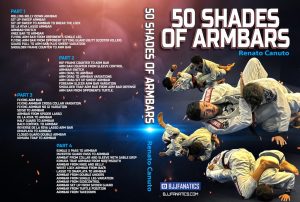

6. 50 Shades Of Arm Bar by Renato Canuto

Renato Canuto - 50 shades of ArmbarsA true classic in terms of arm attacks DVD instructionals. As the title suggests, you get over 50 different ways of finishing a match via an armbar, courtesy of Renato Canuto. This four-part instructional is a real armbar bonanza, and while some techniques might seem a little out there, they are all tired and tested at the highest levels of the sport.
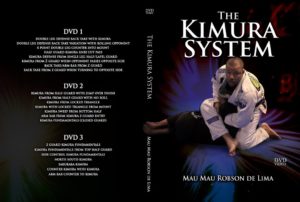

7. The Kimura System by Robson “Mau-Mau” Lima

The-Kimura-System-by-Robson-Mau-Mau-LimaAnother highly creative Kimura variation, this time by the charismatic Mau-Mau Lima. His take on the Kimura actually bears his name and is one of the most underrated Kimura variations in existence. It works, though, and is something you can use to surprise even black belts.
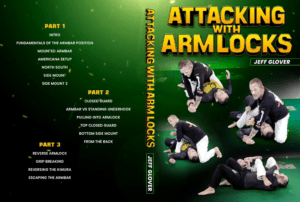

8. Attacking With Arm Locks by Jeff Glover

Attacking-With-Arm-Locks-by-Jeff-GloverGlover is hands down one of the best grapplers in the world. He has a really crazy style of grappling, which is in big part, a result of his crazy setups and entries into moves we already know. that is exactly what you get in this Jeff Glover arm attacks DVD instructional. In three-volumes, he covers all the major arm locks of BJJ and offers plenty of original setups and entries.
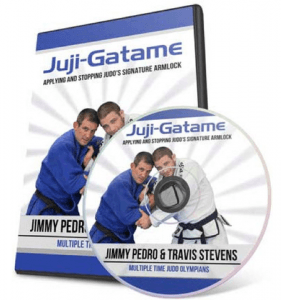

9. Arm-Lock Series (Juji-Gatame) by Jimmy Pedro and Travis Stevens

Travis Stevens DVD Digital Instructionals CollectionThe armbar is actually considered to be a Judo move, originally. Known as the Juji Gateame, it is one of the most used submissions ins Judo as well. In this incredible instructional, Judo and BJJ black belts Travis Stevens and Jimmy Pedro team up to teach you the secrets of the Judo armbar for BJJ.


10. Wrist Lock The World by Pete Letsos

Wristlock The World - Pete The Greek DVD ReviewWrapping up our top 10 arm attacks DVD instructionals is a bonus DVD on wristlocks. In it, Pet “The Greek” Lestos shares an incredible amount of information on some of the sneakiest submissions in Brazilian Jiu-Jitsu.


List Of Every BJJ Arm Attacks DVD Instructional Out There

The above instructionals might be our pick for the top ten arm attack DVD instructional in BJJ, but they’re far from the only ones! Check out dozens of more high-quality instructionals on everything about armlocks below:
1. Systematically Attacking The Back by Gordon Ryan

Gordon Ryan Instructional: Systematically Attacking The Back REviewGordon Ryan’s instructional about back attacks actually feature to of Kimuras and armbars with a crazy amount of details.

2. Systematically Attacking the Turtle Position by Gordon Ryan

Systematically Attacking The Turtle Gordon Ryan DVD ReviewSimilarly to the back attack instructional, but obviously, with even more arm attacks. the turtle position is one that offers direct routes to arm locks, and Ryan doesn’t shy away from them.


3. Strangles & Turtle Breakdowns: BJJ Fundamentals – Go Further Faster by John DanaherJohn Danaher BJJ DVD Review – Strangles And Turtle Breakdowns CoverDanaher’s turtle DVD is a Gi instructional that covers mostly strangles in terms of the turtle position. There are, however, plenty of armbars among the many chapters of this 8-volume DVD that are more than worth looking into.
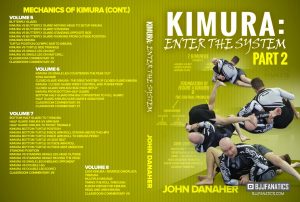

4. Kimura: Enter The System by John Danaher

Enter The System: Kimura John Danaher DVDSpeaking of Danaher and arm attacks DVD instructional, he also has highly specialized ones on bent and straight armlocks. this particular one covers the Kimura, and everything related to it in Danaher’s unique style.
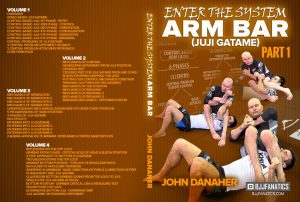

5. Arm Bars: Enter The System by John Danaher

Review Of Enter the System: Armbars John Danaher DVD InstructionalAnother of Danaher’s specialized arm attacks DVD instructionals, this time on the straight armbar. This one will help you understand even the smallest details in regard to anything armbar related. It is, however, an 8-part instructional that will take a lot of time to go through.

6. Unifying The Systems: Navigating Between The DDS Submissions Systems by Garry TononGarry Tonon Unifying the Systems DVD Review

Tonon has pretty interesting DVD instructionals. He likes to cover broad subjects and go into detail about different stuff in different volumes. This instructional helps you connect all the attacks Danaher explains in his own specialized instructional into a meaningful system.
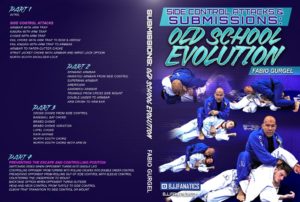

7. Side Control Attacks & Submissions: Old School Evolution by Fabio Gurgel

Side-Control-Attacks-Submissions-Old-School-Evolution-by-Fabio-GurgelFabio Gurgel is a true representative of old-school Jiu-Jitsu, and this side control instructional proves that once again. An entire section of it is all about armbars, and you’ll get some crazy old-school tips and trick in this one.
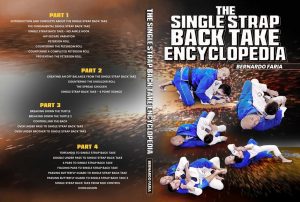

8. The Single Strap Back Take Encyclopedia by Bernardo Faria

Bernardo Faria DVD Review: The Single Strap Back Take Encyclopedia coverFaria’s one strap back take system si crazy enough to want to learn it on its own. In terms of the armbar options it offers, though, it is a must for any arm lock fan out there.
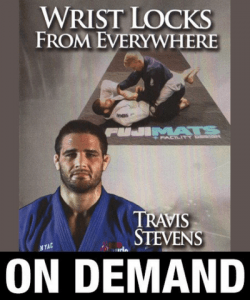

9. Wrist Locks From Everywhere by Travis Stevens

Travis Stevens DVD Digital Instructionals CollectionThis DVD is all about the sneaky ways in which you can use BJJ/Judo wristlocks to surprise and tap anyone.
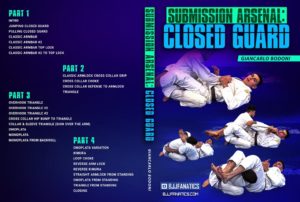

10. Submission Arsenal: Closed Guard by Giancarlo Bodoni

Submission-Arsenal-Closed-Guard-by-Giancarlo-BodoniThe closed guard is a position usually associated with lots of arm locks: Kimuras, Omoplatas, straight armbars. that is exactly what you get with this instructional.
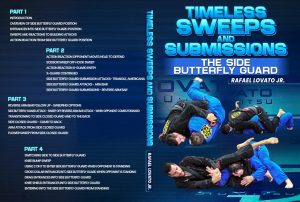

11. Timeless Sweeps And Submissions: The Side Butterfly Guard by Rafael Lovato

The Side Butterfly Guard Rafael Lovato DVDLovato has an interesting guard variation in his side butterfly guard. Conversely, there are a lot of arm locks that become available, as you’ll learn from this DVD.
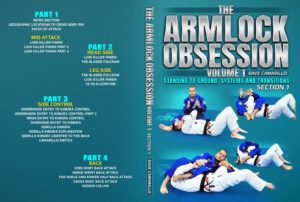

12. The Armlock Obsession by Dave Camarillo

Armlock-Obsession-by-Dave-CamarilloAn arm attacks DVD covering all types of arm locks imaginable. The DVD has 8 volumes, covering every aspect of arm locking people with the Gi.
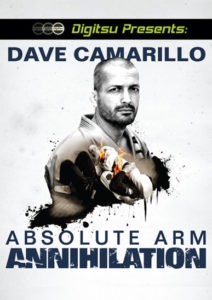

13. DAVE CAMARILLO: ABSOLUTE ARM ANNIHILATION [ON-DEMAND]

DAVE-CAMARILLO-ABSOLUTE-ARM-ANNIHILATIONOne more Dave Camarillo instructional, this time focusing on how to finish armlocks in extreme detail, rather than covering all the various ways of setting them up.
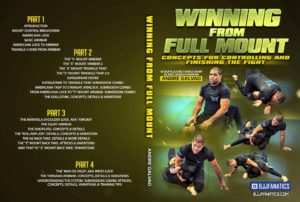

14. Winning From Full Mount by Andre Galvao

Winning-From-Full-Mount-by-Andre-GalvaoGalvao is a name that needs no introduction. While this title is not a specific arm attacks DVD, it does offer plenty on the subject, given that it is all about the mount position.


15. High Percentage Submissions by Bernardo Faria

High Percentage Submissions by Bernardo FariaFaria’s four-volume instructional on the highest-percentage submissions in Jiu-jitsu is mostly about arm locks, as you might expect.
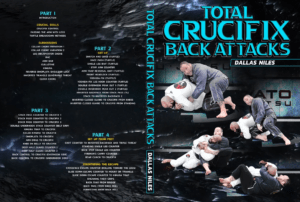

16. Total Crucifix Back Attacks by Dallas Niles

Total-Crucifix-Back-Attacks-by-Dallas NilesOne position that offers a really unique and brutal arm attacks is the crucifix. Learn all about them as well as several chokes that work perfectly with the arm locks.


16. Wrist Lock The World Volume 2: No Gi by Pete Letsos

Wrist-Lock-The-World-Volume-2-No-Gi-by-Pete-LetsosPete Lestos has so much to say on the subject of wrist locks that one 3-part instructional wasn’t enough. So, he shot three-more volumes, expanding on everything he taught in the first instructional.
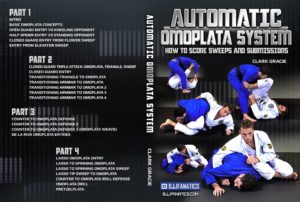

17. Automatic Omoplata System by Clark Gracie

Automatic-Omoplata-System-by-Clark-GracieClark Gracie is known as the Omoplata guy, with nobody calming the move as their own more than him. That said, he has a lot to teach on the subject, as his four-part arm attacks DVD has to show.
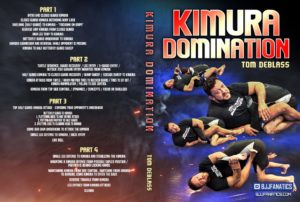

18. Kimura Domination by Tom DeBlass

Kimura-Domination-by-Tom-DeBlassTom DeBlass knows a thing or two about arm attack,s given how keen on submissions he is. Simply put, there is no better name for this instructional than Kimura Domination – that is exactly what you get.
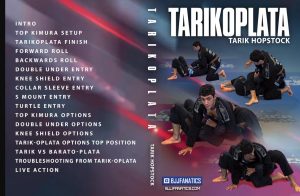

19. Tarikoplata by Tarik Hopstock

A Complete Review Of The Tarikoplata DVD by Tarick HopstockHere one that narrowly missed out on the top ten. Tarik Hopstock has a crazy Kimura / Omoplata variation he does with his legs that have proven to be highly effective. This instructional will teach you all about it.
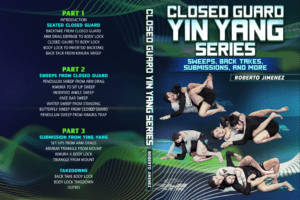

20. Closed Guard Yin Yang Series by Roberto Jimenez

Closed-Guard-Yin-Yang-Series-by-Roberto-JimenezRoberto Jimenez is one of the top up and coming competitors of today, and he is a true specialist in certain areas, like that back and the guard, for example. In this instructional, you get to learn all about the guar,d with lots of arm attacks from the position, of course.
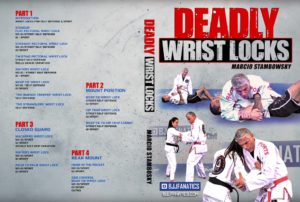

21. Deadly Wristlocks by Marcio Stambowsky

Deadly-Wristlocks-by-Marcio-Stambowsky As the name suggests, lots of extremely painful wrist locks in this arm attacks DVD.
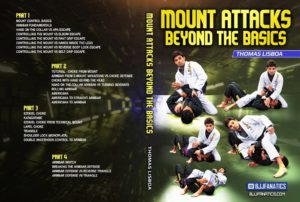

22. Mount Attacks Beyond The Basics by Thomas Lisboa

Mount-Attacks-Beyond-The-Basics-by-Thomas-LisboaThomas Lisboa will show you extremely detailed setups of armbars and Americanas from the mount in the four instructional of this DVD.
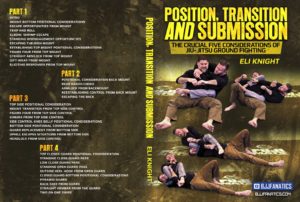

23. Position, Transition and Submission by Eli Knight

Position-Transition-and-Submission-by-Eli-KnightEli Knight has one of the best overall instructionals out there in this one. it is all about positioning, transition, and finishing from all over. As you’d expect arm locks play a huge part in this instructional.
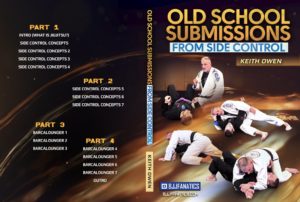

24. Old School Submissions from Side Control by Keith Owen

Submissions-from-Side-Control-by-Keith-OwenKeith Owen refreshes us with some long-forgotten and heavily underused old-school submissions options that are perfect to catch people off guard.


25. Finishing Finishers by JM Holland & Zach Maslany

Finishing-Finishers-by-JM-Holland-&-Zach-MaslanyThis DVD offers a 10th Planet Jiu-Jitsu submission Party, including lots of No-Gi armlocks, most of which are far from ordinary.


26. Obnoxious Omoplatas by Jeff Glover

Obnoxious-Omoplatas-by-Jeff-GloverJeff Glover strikes again, this time exploring the world of Omoplatas, with lots of setups from positions you’ve probably not considered before.
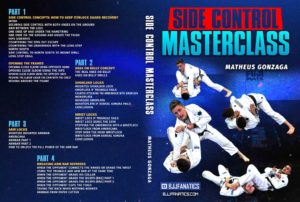

27. Side Control Masterclass by Matheus Gonzaga

Side-Control-Masterclass-by-Matheus-GonzagaMatheus Gonzaga’s instructional covers side control from an offensive standpoint, which, among other things, means having fun with lots of bent and straight armlocks.
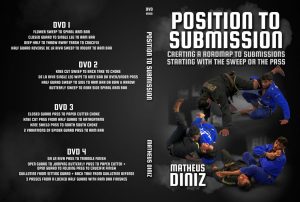

28. Position to Submission by Matheus Diniz

BJJ Deals BJJ Cyber Monday

Matheus Diniz gives tribute to the old “position before submission” mantra, from the standpoint of mechanical superiority that makes submissions work.
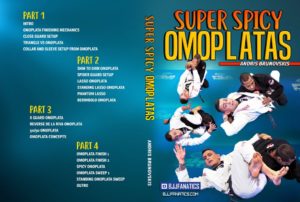

29. Super Spicy Omoplatas by Andris Brunovskis

Super-Spicy-Omoplatas-by-Andris-BrunovskisHow do you like your OMoplatas? Andris Brunovskis likes them spicey, and that’s exactly how he delivers them in this arm attacks DVD.
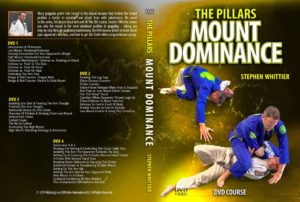

30. Pillars: Mount Dominance by Stephen Whittier

Pillars-Mount-Dominance-by-Stephen-WhittierStephen Whittier is one of the best coaches alive, and his mount dominance DVD will not only teach you how to stay in the mount indefinitely but also how to finish most people with chokes and arm locks.


31. Mirroring Principle: End Game Finishers by Wim Deputter

End-Game-Finishers-by-Wim-DeputterI have no idea why Wim Deputter’s mirroring instructionals are so underrated, but I don’t mind as they are a real secret weapon. HIs mirroring principle applied to submissions is high-level JIujitsu that is now accessible for everyone.
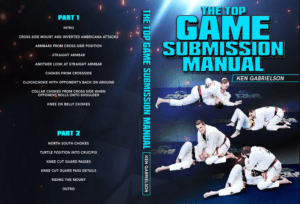

32. The Top Game Submission Manual by Ken Gabrielson

The Top Game Submission Manual by Ken GabrielsonWhile you can get arm locks from anywhere, getting them from top positions is a much more reliable option. The Top Game Submission Manual will teach you how.
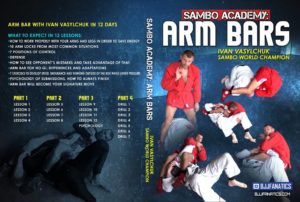

33. Sambo Academy: Arm Bars by Ivan Vasylchuk

Sambo-Academy-Arm-Bars-by-Ivan-VasylchukA different take on arm locks. Ivan Vasylchuk offers decades of Sambo knowledge, uncovering even more secrets behind the mechanics of arm attacks.
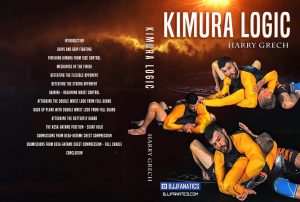

34. Kimura Logic by Harry Grech

Kimura Logic DVDQuite originally named, this arm attacks DVD instructional explores the why behind one of the most devastating and common BJJ submissions – the Kimura.

35. Kimura System by Marcelo Cohen

Kimura-System-by-Marcelo-CohenOnce again a Kimura DVD, but this time, offering a system that revolves around the grip and traps that this arm lock offers.
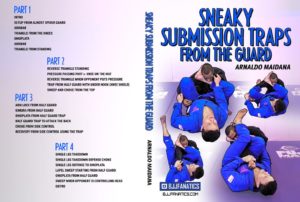

36. Sneaky Submission Traps From Guard by Arnaldo Maidana

Submission-Traps-From-Guard-by-Arnaldo-MaidanaSpeaking of traps, you can use arm locks to force your opponents into plenty of mouse traps from the guard. This instructional is all that you’ll need.
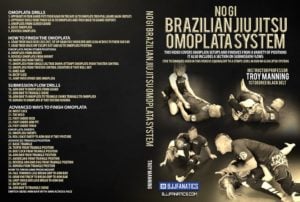

37. No Gi Brazilian Jiu Jitsu Omoplata System by Troy Manning

Omoplata-System-by-Troy-ManningThe Omoplata works perfectly in both Gi and No-Gi, but this instructional goes really deep into the world of the latter, especially in terms of grips and finishing mechanics.
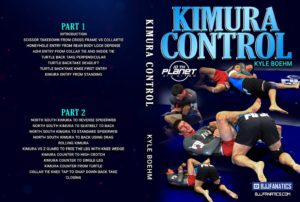

38. Kimura Control by Kyle Boehm

kimura-control-kyle-boehmThe best positions to control someone are the same positions where you submit people from. The Kimura happens to be one such position of incredible control.
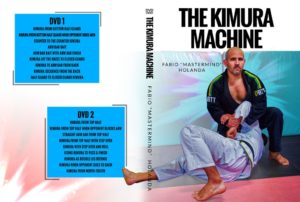

39. The Kimura Machine by Fabio Holanda

Kimura-Machine-by-Fabio-HolandaBecome a real arm locking machine with the help of this incredible instructional by Fabio Holanda.
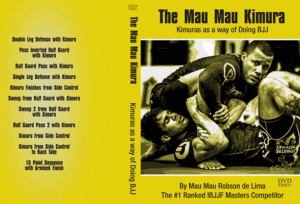

40. Kimuras as a way of Doing BJJ by Robson “Mau-Mau” Lima

Kimuras-as-a-way-of-Doing-BJJ-by-Robson-Mau-Mau-LimaIf you’re interested in the Mau-Mau Kimura we covered in the “top ten” portion, then you’ll absolutely love this one. Mau-Mau goes even deeper into how he sets up and finishes his recognizable variation of the Kimura lock.
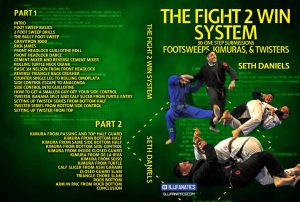

41. Fight 2 Win System by Seth Daniels

Seth Daniels DVD The Fight 2 Win SystemSeth Daniels is the man behind Fight2Win and he also happens to be a high-level black belt. He outlines his entire system in this instructional, which, as you’ll notice, has lots and lots of armbars.
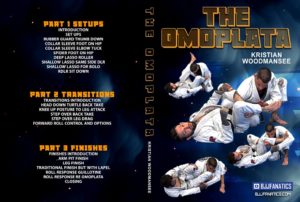

42. The Omoplata by Kristian Woodmansee

The-Omoplata-by-Kristian-WoodmanseeKristian Woodmansee is another Onoplata aficionado who seems to have the uncanny ability of slapping it on from everywhere. After watching this arm attacks DVD, you will have the same ability too.
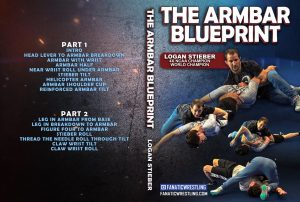

43. The Armbar Blueprint by Logan Stieber

Logan Stieber DVD: “The Armbar Blueprint”As the name suggests this two-part instructional will provide you with a blueprint of setting up and finishing straight armbars.
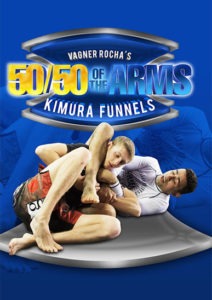

44. VAGNER ROCHA – 5050 OF THE ARMS [ON DEMAND]

VAGNER-ROCHA-50-50-OF-THE-ARMSVagner Rocha’s 50/50 of the arms is an arm pummeling system that will always keep you in control of the upper body. that, in turn, means arm locking options whenever you decide to wrap u pa match or roll.
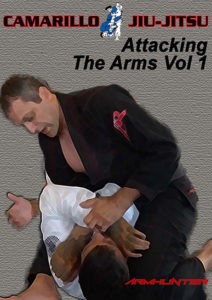

45. DAN CAMARILLO – ATTACKING THE ARMS [ON DEMAND]

DAN-CAMARILLO-ATTACKING-THE-ARMSDan Camarillo has yet another instructional on attacking the arms in Brazilian Jiu-Jitsu.
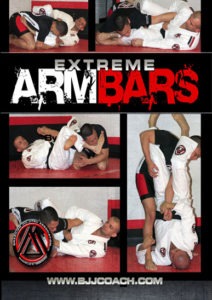

46. MARCELLO MONTEIRO EXTREME ARMBARS [ON DEMAND]

MARCELLO-MONTEIRO-EXTREME-ARMBARSThe title promises extreme armbars, and that is exactly what you get in this crazy arm attacks DVD instructional.
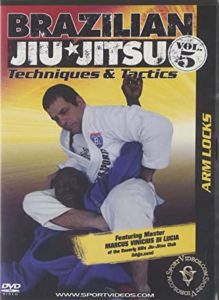

47. Brazilian Jiu-Jitsu Techniques and Tactics: Arm Locks DVD – BJJ Martial Arts Lessons

Arm-Locks-DVD-BJJ-Martial-Arts-LessonsAn old school DVD on arm locks that includes not just techniques and setups, but also tactics when hunting for them.
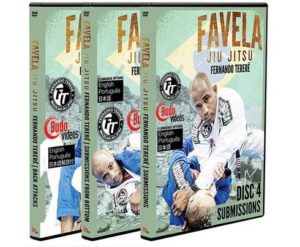

48. Fernando Terere – Favela Jiu Jitsu Submissions 3 DVD Box Set

Fernando-Terere-Favela-Jiu-Jitsu-Submissions-3-DVDTerere’s “Favela Jiu-Jitsu” DVD is one that you can use to learn more about every aspect of BJJ. That of course,  includes bent and straight armlocks.
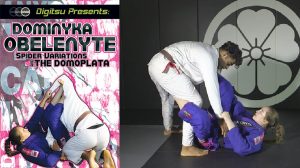

49. DOMINYKA OBELENYTE – SPIDER VARIATIONS AND DOMOPLATA [ON DEMAND]

Dominyka Obelenyte "Spider Variations And Domoplata" DVD ReviewDomynika is one of the best female competitors in the world of Jiu-Jitsu and a real wizard from that guard. She also has a unique variation of the Omoplata she developed herself, which later became known as the Domoplata. In this DVD, she uncovers how ti works.


50. THE SUBMISSION HUNTER BY JEREMY HENDERSON [ON DEMAND]

SUBMISSION-HUNTER-BY-JEREMY-HENDERSONThe perfect instructional for submission hunters, especially if you’re leaning mostly towards arm locks.


51. THE CAPIZZI LOCK BY JOSEPH CAPIZZI [ON DEMAND]

Joseph Capizzi DVD review– The Capizzi LockAn interesting arm lock submission is an original one. The Capizzi locks will give you an upper hand over anyone when it comes to finishing with arm locks.
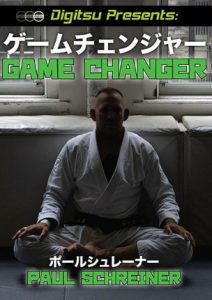

52. PAUL SCHREINER: GAME CHANGER [ON DEMAND]

Paul is one of the OG crew as well, and he has a really brutal and simple style of BJJ.  Exactly what you want to introduce to your game.
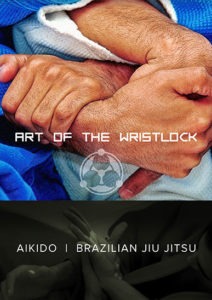

53. ART OF THE WRISTLOCK BY ROY DEAN [ON DEMAND]

ART-OF-THE-WRISTLOCK-BY-ROY-DEAN The only time an Aikido black belt might come in handy is if you also have a black belt in BJJ and like to explore wristlocks. Roy Dean fits this description to a “T”.
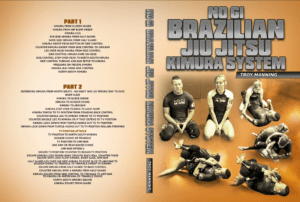

54. No Gi BJJ Kimura System by Troy Manning

No-Gi-BJJ-Kimura-System-by-Troy-ManningThe Kimura is perfect to control people with, especially if there’s no Gi to grab on to. This instructional will not only teach you how to submit people with it but also keep them where you want them.


55. Sneaky Submissions by Kaelum Kalista

Sneaky-Submissions-by-Kaelum-KalistaBeing advanced in BJJ is all about being sneaky with what you do. This instructional will provide you with the building blocks of BJJ sneakiness, especially when it comes to arm lock submissions.
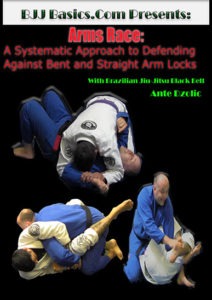

56. ANTE DZOLIC – ARMS RACE [ON DEMAND]

ANTE-DZOLIC-ARMS-RACEThe originally named “Arms Race” arm attacks DVD instructional will teach you how t obe the first one that sets up an armbar with lightning speed.
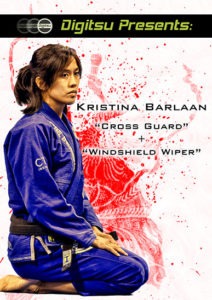

57. KRISTINA BARLAAN CROSS GUARD & WINDSHIELD WIPER [ON DEMAND]

KRISTINA-BARLAAN-CROSS-GUARD-WINDSHIELD-WIPERIf you want to learn a unique Gi guard, and all the associated armadas that come with it, this Kristina Barlaan DVD is exactly what you need.
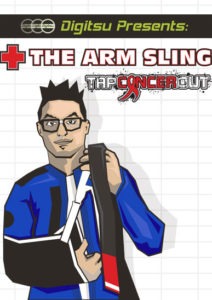

58. THE ARM SLING – CHARLIE LIU / TAP CANCER OUT [ON DEMAND]

THE-ARM-SLING-CHARLIE-LIU-TAP-CANCER-OUT

This instructional will not only teach you how to tap people out with armbars but also raises awareness about cancer. You simply have to have it.
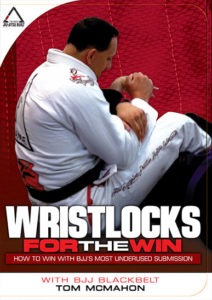

59. WRIST LOCKS FOR THE WIN BY TOM MCMAHON [ON DEMAND]

WRIST-LOCKS-BY-TOM-MCMAHONWrapping up our collection of all the best arm attacks DVD instructional is one more title covering wristlocks, this time by Tom Mcmahon. Highly recommended.


In Conclusion

The above collection of arm attacks DVD instructionals is quite an extensive one, but then again, we did say we’ll list ALL the best instructional on the subject Reagedlessof how many, or which, of the reviewed instructional you pick up, you can bet that you will become better at certain aspects of submitting people with armlocks, or all fo them. Happy hunting!

Learn The Heel Hook BJJ Escapes Used By The Best

Eddie Cummings Heel Hook BJJ Escapes

Afraid of heel hooks? Tapping too soon? Well, let’s work on fixing that once and for all. In essence, there are two ways of becoming good at defending heel hooks. The first is to become an experienced leg locker yourself, which will allow you to recognize and deflect attacks before they even happen. The other is to use a proven system of heel hook BJJ escapes developed by the original DDS leg lock master Eddie Cummings and never worry about tapping to leg locks again!  

Understanding The BJJ Heel Hook

Where is the power of the heel hook coming from? Is it the twist of the heel? Is it the grips? Oh no, wait, it has to be the Ash Garami positions Danaher put together. While all of these help, none of them are directly responsible for the catastrophic damage the knee endures during heel hooks, particularly inside heel hook variations.

Similar to most things in Jiu-Jitsu, it is the hips that are responsible for the success of heel hooks. In fact, if you look at a heel hook similarly to how you look at an armbar or a kneebar, you’ll actually have a lot more success with it. Simply put, the “break” in the knee during a heel hook comes from projecting your hips to either side of the knee, depending on the variation you’re using.

Imagine you’re in a very tight Honeyhole position, heel hook grips wrapped up and everything in order. You can twist as much and eventually, you’ll get someone to tap out just before you feel like you’re at your end range of motion and your control is about to fall apart. What would happen if instead, you focused on getting the grip, twisting a bit, and then projecting your hips into the knee? A very efficient and very quick tap, that’s what.

Think about it this way. We talk about applying twisting motions to all straight submissions, like armbars, kneebars, and ankle locks. Why wouldn’t we apply straight pressure to twisting submissions to accentuate the pressure on the joint we are attacking? That’s precisely why heel hook BJJ attacks work so well, and exactly what you need to prevent/defend in order to escape them.

Heel Hook BJJ Escapes: Timing

When you’re looking to perfect heel hook BJJ escapes, your focus should be on remaining calm enough to know when to move and when to stay put. Timing is everything in leg lock defense and you can really mess up epically if you miss your window. And by mess up, I mean end up injuring yourself.

First things first – forget about trying to break their grips with your hands. No amount of grip fighting will get you out of a tight heel hook grip done from a solid Ashi Garami. Instead, think about what makes heel hooks strong and take it away from your opponent. before we go into the nuts and bolts of it, though, let’s talk about when you need to go for your heel hook escapes.

Your first checkpoint for escaping should be the moment you use someone going for an Ashi Garami. This is when you’re going to look for early ways out i.e. preventing the Ashi Garami from becoming a controlling position for your opponent.

The second checkpoint is when you’ve missed out on early defense, and now have to be content with getting out really really late. By late, I mean the moment they start applying breaking pressure. This is when you’ll use the power of heel hook mechanics against the submission, thus forcing a safe and reliable way out for yourself.

In both cases, you have chances to go immediately into counter leg locks once you’re safe. If you’re a leg locker yourself, that is.

Early Heel Hook Defense

Speaking of dealing with heel hooks BJJ attacks early, you should never let anyone grab a heel hook grip (or any leg locking finishing grip) from a solidified Ashi Garami position. Dealing with the Ashi Garami early is a lot easier than you might imagine – simply hold on to the knee of the leg under attack with the same side arm. Seriously, just hug your knee and watch as your partner effortlessly attempts to do any sort of leg lock.

The reasoning behind this type of defense is simple – no hip control means no breaking mechanics. Given that many people are too eager when they hunt leg locks and focus more on trying to grip a heel hook grip first and then find an Ashi Garami, this type of defense is extremely easy to set up and will annoy even seasoned leg lockers.

The only catch is that you need to time it right. The moment someone locks a tight Ashi around your hip, if your arm is not already threaded you won’t get a chance to do so and you should shift your attention to late-stage defense instead.

Preventing leg locks

Eddie Cummings Approved Late Heel Hook Escapes 

Back in the day when the Danaher Death Squad popularized heel hooks, Eddie Cummings was unbeatable in the department. He did not only fight a bunch of people who were thought to be leg lockers and submit them but never tapped himself. the secret to his success was understanding the mechanics of the Ashi Garami position and its relation to heel hooks.

The way the “Wolverine” approached heel hook BJJ escapes was to remove the knee of the leg under attack away from the opponent’s hips. There are a couple of very important things to know before you attempt this, though.

The first is that you actually need to wait for your opponent to establish a heel hook grip. Don’t worry, you’ll have time to get away, although not too much (after all, it is a late escape). The second is that you can’t just get the knee away from them in a simple motion.

Danaher Death Squad Heel Hook defense

Let’s analyze the position of your leg. Whether it is an inside or outside heel hook, your knee needs to be close to the opponent’s hips. If you draw an imaginary line from your ankle to your hip, your knee is not going to be on that line, but rather to one side of it. Your goal with late-stage heel hook BJJ defense – get it to the other side.

Simply trying to move the knee across this imaginary line will blow your knee out. However, if you get your butt near to your opponent and then shift (do a small hip escape) so that the leg under attack is not on the bottom, the knee will safely end up on the opposite side of the line. In other words, it’ll be very far away from the reach of the opponent’s hips, and you’ll be safe(ish).

In order to completely get away, you’ll need to straighten your foot (like a ballerina) and use a small land repeated see-saw motion to do a “heel slip”. The moment the heel is out of danger, you don’t have to actually escape the position. You can turn to your favorite heel hook BJJ counterattacks instead.

https://www.youtube.com/watch?v=HEUk2K1QgaE

In Conclusion

Heel hook BJJ escapes do not have to be complicated. It does not take a different way to escape every heel hook variation out there. All you need is one battle-tested way to beat the most feared submission in BJJ history. And who better to learn from than the original modern heel hook master himself – Eddie Cummings?

UFC Featherweight Champion Alexander Volkanovski Promoted To BJJ Black Belt

Alexander Volkanovski Promoted To BJJ Black Belt

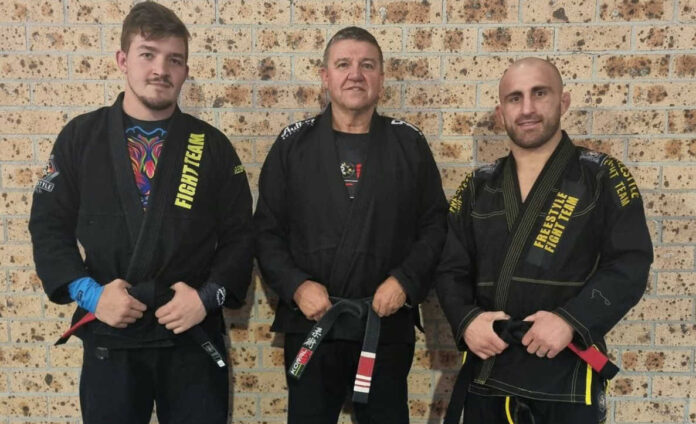
This weekend, 33-year-old Australian MMA fighter and UFC Featherweight champion, Alexander Volkanovski was promoted to BJJ Black Belt

He was promoted to Black Belt by Joe Lopez, the owner and head coach of Freestyle MMA gym in Windag, Australia.


View this post on Instagram


A post shared by FREESTYLE MMA (@freestyle_mma)

Since making his debut in pro MMA fights in 2012, Vokanovski has lost only one fight in 2013. Since then he’s on a winning streak of impressive 20 fights and he holds a record of 23 wins and 1 loss.

In 2016 he entered UFC with 10 wins streak and he still didn’t lose a fight. He won the UFC belt in 2019 against Max Holloway and since then he’s had two successful title defenses against rematch fight with Max Holloway and Brian Ortega.

In his career, most of his wins came by knockouts and decisions. He managed to finish fights with three submissions, Guillotine choke, Triangle choke, and Rear naked choke.

As the number of submission finishes in his MMA career seems low for someone with a black belt, Volkanovski is showing his Jiu-Jitsu skills in almost every fight.

His last fight against Brian Ortega, Grace Jiu-Jitsu Black Belt, and the fighter known for his grappling skills, showed us some great defense by Volkanovski. Ortega put him in a few submissions, but Volkanovski managed to escape all of them and win the fight.

What we can say is that we congratulate Volkanovski on his BJJ Black Belt as it is very well-earned.

We hope to see more of his Jiu-jitsu skills in the upcoming matches and title defenses.

(VIDEO) Ryan Hall’s Jiu-Jitsu Was Just Too Much For His Opponent at UFC 269

Ryan Hall vs Darrick Minner

Ryan Hall wins a fight against Darrick Minner at the UFC 269 via unanimous decision.

Round 1:

Round 2:

Round 3:

Charles Oliveira vs Dustin Poirier Full Fight Video Highlights

Charles Oliveira vs Dustin Poirier Full Fight Video Highlights

Watch Charles Oliveira vs Dustin Poirier Full Fight Video highlights

UFC 269 took place on Dec. 11 at T-Mobile Arena in Las Vegas. The main fight of the evening of the UFC 269 event, for the lightweight championship belt, was led by Charles Oliveira (32-8-1) and Dustin Poirier (28-7-1).

Dustin Poirier was a challenger while Charles Oliveira was defending the UFC Lightweight Title.

The fight was aired on ESPN as a pay-per-view and with the courtesy of UFC, we bring you the Full fight video highlights between Charles Oliveira and Dustin Poirier below.

Charles Oliveira Chokes Poirier With Standing RNC to Retain Lightweight Title at UFC 269

Charles Oliveira Chokes Poirier With Standing RNC to Retain Lightweight Title at UFC 269

The main fight of the UFC 269 event confirmed who is currently the best lightweight fighter in the world, and that is Charles Oliveira. The man who entered the Octagon as a UFC champion and then came out like that. But with a lot more respect and recognition from the martial arts community. The Brazilian has done what he announced and there simply should be no longer any doubt about how good he really is. And he did it once again with a break.

They both entered this fight full of desire and motivation, and immediately in the first attack, Dustin hits well and sends a warning to Oliveira. The Brazilian has not given up on his aggressive and offensive style, so he continues to attack, but at the beginning of the fight, the challenger is the one who hits more. Sometime before the end of the second minute of the fight, Oliveira got into a clinch and started looking for demolition. He succeeded briefly in this, but they were immediately back on their feet, where Dustin felt the distance better. The distance champion is too open to trying to get into the clinch all the time, but Poirier was moving well and wouldn’t let him. In the fourth minute of the fight, Oliveira suffered the first serious damage after Poirier’s right hook. The Brazilian fell on his back, but recovered quickly and returned to his feet. Dustin continues to find the face of his opponent as his target and thus very convincingly brings the first round to an end.

Oliveira shows a desire to change something and manages to get to the clinch at the beginning of the second round and works on demolition. Dustin defended himself from that and he registered his demolition, but Oliveira grabbed him by the legs and dragged him to the floor, and then with a quick transition he reached the upper position. Well, Dustin closed the guard and pressed the Brazilian with his hands, thus avoiding more damage. He held Oliveira’s top position until the end of the round, doing the maximum amount of damage that Dustin allowed him. He managed to work the elbows the most and in the end, he did not do any visible damage, but he undoubtedly spent his opponent extremely.

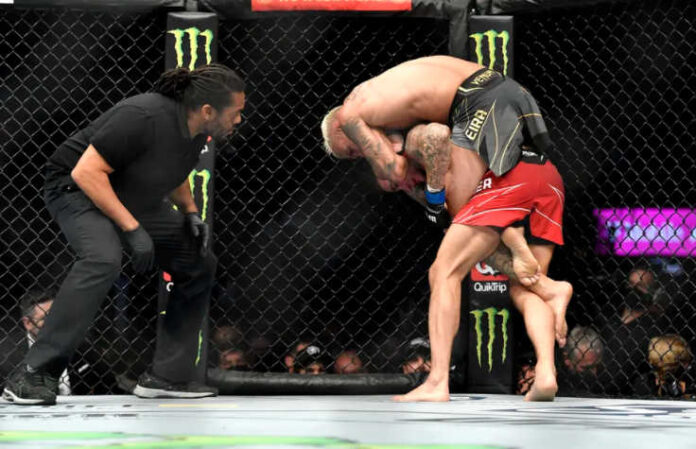
The start of the third round brings nothing different than the start of the round earlier. Oliveira is aggressive again, but now after reaching the fence he climbs on Poirier’s back and puts his arms around his neck. It took him about half a minute before he adjusted his arms as he wished, then the suffocation he was working on and closed, and at the end of the first minute of the third leg forced Poirier to tap. It could have been a celebration of a Brazilian whom no one should or should doubt after this.

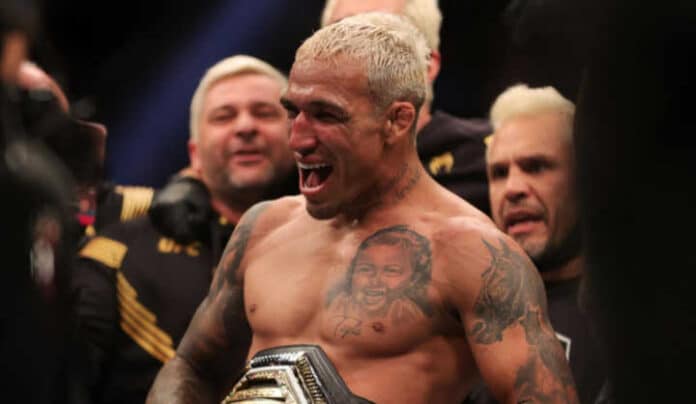
Oliveira thus defended the title he won this spring in a fight that many thought he should have done then. This is his tenth victory in a row, and he achieved as many as nine with a break. Truly a champion and no one has the right to challenge his current status and the belt he owns.

As for Dustin Poirier, he is likely to show the same as after the defeat by Khabib Nurmagomedov. The way his heart hurts the most. But it will also give the impression that he had to show more heart in this fight. Today it was clear who the champion was and it was absolutely deserved that Oliveira stayed. Having confirmed that he is the best, his reign can now begin. And he announced that it would take a long time.

In the title fight of the show, Amanda Nunes was surprisingly defeated by the new champion of the bantamweight category, Julianne Pena, and you can read more information about that fight by clicking on the article. Also check out what Sean O’Malley has done to make his “hype” even stronger, as well as how former champion Dominick Cruz has returned.

Take a look at the Charles Oliveira vs Dustin Poirier Full Fight Video Highlights.

How To Pull Guard Quickly And Safely In Jiu-Jitsu

How To Pull Guard Quickly And Safely In Jiu-Jitsu

Afraid that pulling guard will get you labeled as a wimp? Before you give in to the pressure of meme culture, ask yourself whether you would rather win a match and fight smart, or care more about gym banter. Learning how to pull guard in Jiu-Jitsu is one of the things that will actually help you develop a better takedown game and make you crazy efficient with your attacks while providing a safety net at the same time. Rethinking your approach to pulling guard? 

The Unique Environment Of BJJ Standup Fighting

Brazilian Jiu-Jitsu is a martial art that mostly takes place on the ground. As such, people dedicate immense amounts of time to figuring out the tiniest possible details about positioning, leverage, pressure, movement in terms of ground fighting. However, you then go to a BJJ competition and you’re asked to start standing and get the match to the ground. This standing aspect of the sport, which is a precursor to everything that happens on the ground is very often largely overlooked.

Getting a fight, whether it is a sports match or a violent street encounter is no easy feat to accomplish. Even though many fights go to the ground eventually, you’d be surprised how reluctant people are there to allow you to get them there when they realize what is happening. When those people are also trained in Jiu-Jitsu, that task becomes even more difficult.

With all the focus on ground exchanges, BJJ has taken the lazy way out when it comes to taking a fight to the ground – borrowing techniques from other proven grappling arts like Judo, wrestling, and Sambo. The only problem is that people trained in these arts prepare for years until they’re able to pull off a successful takedown or throw against a trained opponent.

The only BJJ-specific way to get a fight to the ground is to pull the top person on top of you, aiming to get them in your guard. It is a source of much controversy in Jiu-Jitsu which I find to be completely needless. If you truly want to be able to do Jiu-Jitsu, you need to do everything: leg locks, lapel guards, neck cranks, and yes, how to pull guard.

What You Need To Know Before Pulling Guard

Guard pulls are a powerful weapon in Jiu-Jitsu. While you can’t score any points when pulling guard, you can get into a position that will allow you to submit opponents directly, or to look for points by sweeping. Given that the guard is a staple of Jiu-Jitsu, going to that position on purpose should be a no-brainer.

However, it is the approach most people have to pulling guard that complicates things, especially for those that are new to BJJ. The reason is simple – people learn to pull guard first, and what the guard is second. Of course, they’re going to have a difficult time with it and will fail more times than they succeed.

The first thing people need to learn is what a guard is. The closed guard is the perfect example, given that it is the guard most people pull most of the time. So the first thing to learn if you want to effectively pull guard is how to maintain the guard. In the case of the closed guard, it means how to move your torso, how to control the opponent with your legs, where to grip, etc. If you’re not comfortable staying in guard, then you’re not ready to learn how to pull guard.

But wait, there’s more. It is not enough to know how to hold a guard, you also need to have the next step sorted out. Will you sweep, submit or try both? Remember, staying in guard is not enough, there are no points and you can only fight off passing attempts for so long. So, once you know your guard, and how to hold it, you need to pick an attack and get good at it.

Only when you know how to hold a guard and how to attack from one, you can start learning how to pull guard.

Pull Guard In the Gi

How To Pull Guard Safely In Competition

When it comes to pulling guard, there are two key things to keep in mind. The first pone is to pull the guard so that the opponent has no time to react and adjust their position so they start passing the moment you reach the ground. The second one is sport-specific and involves you thinking about grips. If an opponent is holding your leg to attempt takedowns, and you pull guard, the takedown will still be awarded to the other person. As you can see, pulling guard is not as easy as some people think.

Guard Pulling In The Gi

How to pull guard in the Gi? Adhere to 3 key principles and you’ll have the easiest time ever. Skip any one of them, and your chances will greatly subside. It doesn’t matter if you’re pulling an open, closed, or inverted guard. If you complete all three of the following steps you’ll pull guard effortlessly…and then some!

Step 1: Grab something. The best grip combination is holding a sleeve and a collar. it won’t make too much of a difference which collar you’re holding, but the bottom line is that you need a connection to your partner before you decide to pull guard. You can do it by holding just one (collar or sleeve) but having both is preferable.

Step 2: Make sure you use one of your legs to keep the opponent at a distance. You should make sure that the sole of one of your feet is propped somewhere on the opponent’s hips as you are going to the ground. It is not advisable though to grab the grips, put the leg on the hip and try to pull guard by lying straight to your back. Instead, you’ll need to combine this step with step number 3 in order to get the most out of your guard pull.

Step 3: Momentum. There’s no way to pull guard safely and effectively if the opponent is aware of your intentions. Instead, grab the grips, turn your hips so that you lead the opponent to one side, and then use the far leg to post on their hip as you’re twisting your hips to get you to the ground at an angle to the opponent.

This is not just a proven way of pulling guard effectively, but it can also give you the momentum to turn your guard pull into an immediate takedown by ending up on top of your opponent. Moreover, you can pull any guard, closed or open, using these principles. IN fact, you can even jump guard with this setup.

No-Gi Guard Pulls

Pulling guard in No-Gi is a little bit trickier given the lack of grips. Conversely, that is the one thing you need to solve when learning how to pull guard without the Gi. The principles to use are similar to those above, with some slight modifications to take into account the No-gi setting.

Step 1: Establish grips. The grip you want is any variation of the 2 on 1:  wrist grab, arm drag, Russian tie, or anything that you find works for you. The goal is to make sure your opponent can’t pull that arm out so that you can force them into your guard. IT also makes fighting for takedowns very uncomfortable given that they’ll need both arms to set up anything that makes sense.

A key point to remember when gripping in No-Gi is to keep your elbows close to your body once you establish the grips.

Step 2: The best way to go to guard in No-Gi is actually sitting down. Do not lie down immediately, but rather focus on sitting down after you establish the grips. As you do, keep pulling your opponent towards you. This makes them try and keep their hips away, which will provide you with plenty of space to get a leg in between you and start implementing your game.

Flying Guard Pull(s)

I am not a big fan of doing crazy stuff on the feet, but there is a flying guard pull variation out there that I like and have done in tournaments: the web guard pull.

The idea behind this is that you’re pulling closed guard, but aligning the front of your hips to the side of the opponent’s, rather than square with them. It requires a collar tie/deep collar grip and depends on you having your gripping arm positioned over the opponent’s arm.

The goal is to jump to a side guard-like position while the opponent is standing. You then take your head below their knees, grab behind the knee and use your weight to topple an opponent forward (force them to do a front roll) ending up in the Spiderweb position. It is a very impressive-looking guard pull that is legal at all levels and works in Gi and No-Gi.

Common Mistakes When Pulling Guard

There are many things people get wrong when they’re trying to figure out how to pull a guard. However, a couple of mistakes that usually prove to be very costly have to do with how you go to the ground, and what you do with your legs once you’re there. After all, the idea is to pul people in guard, not to let people pass.

Mistake #1: Do not fall directly to your back. Instead, look to sit first, or if you go down, do so turning on your side rather than going flat with your back. it makes it really difficult to move when you put both your shoulder blades and buttocks on the ground. Sitting down is the preferred way in which you make contact with the ground when pulling guard in both Gi and No-Gi.

Mistake #2: Not putting your legs between you and the opponent. I already went over this several times, but I’ll stress it again: at least one of your legs needs to be between you and your opponent, preferably with a foot on their hip. However, if you’re pulling an open guard variation, or things are moving extremely fast and you’ve been forced with your back to the ground, make sure both your feet are pointing towards the opponent. This will get you out of most trouble associated with pulling guard in Jiu-Jitsu.

What Comes Next? 

So you managed to pull guard. What’s next? Well, that is a question I can only answer in a general fashion – you’ll have to find specific answers on your own. The usual options include sweeping and/or submitting. However, I want to touch on a couple of other subjects that also fall under the “what next” category.

The first one I’d like to mention is the type of guard you decide to pull. In many cases, this will dictate exactly what comes next, whether it is a sweep, submission, or transition to another guard. That said, you can pull pretty much any guard, from closed guard, through half guard, to all the open guards you know of. If your preferred guard is De La Riva, for example, you can pull directly into it and proceed with your usual game. or you could pull closed guard and then transition.

Another thing to keep in mind when pulling guard is momentum. I already touched on it, but let’s expand a bit more. Since you can’t get any points from the bottom, why not use the pull to score a takedown? in many cases, the act of pulling guard can help you off-balance the top person and you can end up getting on top. It goes contrary to what you might picture as pulling guard but it is an opportunity. In fact, it is the best option out there apart from pulling someone directly into a submission.

Final Words

Learning how to pull guard in Jiu-Jitsu is just as important as learning throws and takedowns. It may even be more important as it is actually the only pure BJJ way of taking a match or a fight to the ground. As long as you’re aware of your goals and some key principles, you should have no trouble making the most out of guard pulls.

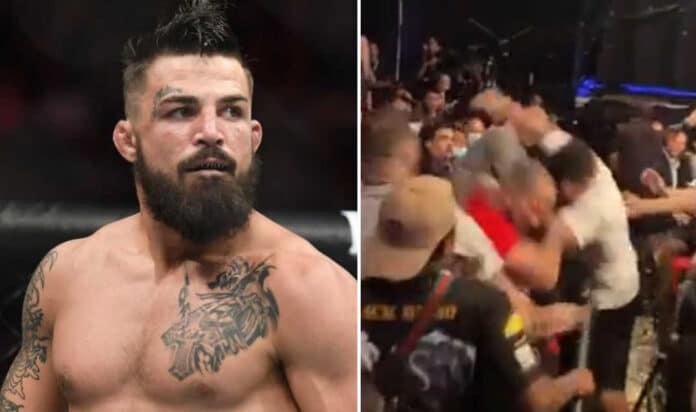
(VIDEO) Mike Perry Brawls At BKFC Tampa With a Fighter We All Remember

(VIDEO) Mike Perry Brawls With a Fighter We All Remember At BKFC Tampa

Recently, Mike Perry left the UFC after five years in the promotion, where he was one of the most active fighters, with 15 fights in the Octagon. The next step in his career was the BKFC, which knowing his martial habits seemed like some natural sequence. It is not yet known exactly when he will debut in their ring, but he had his first fight as a BKFC fighter at their show.

The BKFC held a small event in Tampa, Florida, where Perry was among the guests. So he was invited to the commentary booth, where he was supposed to talk about his plans in the promotion. At one point he was hit by an object from the audience, which was apparently directed by another BFKC fighter, Julian Lane. Lane had verbally thrown something at Perry several times before that.

We know Perry doesn’t need much for any reaction so we’re not surprised he took off his headphones and went to the auditorium to do it his way. Of course, there was a brief skirmish with the fists, before the fighters were separated. Some cameras also managed to capture what happened.

Is that BKFC’s way of promoting the obviously inevitable fight between these two welters? Seeing that similar methods are obviously not foreign to them, anything is possible. But we won’t argue without evidence, especially since we know Lane isn’t a man known for controlling his emotions either.

Yes, this is the fighter from the 16th season of “Ultimate Fighter” who could not wait for his turn to fight, so one evening he decided to start a fight in the house with the fighters. “Let me bang bro” we all remember very well, and he became famous for that sentence and for the most part he got various engagements at her expense, including this one in BKFC. He is currently in the promotion for three wins and four defeats and has a contract appearance for January 29.

Of course, if someone doesn’t remember what we’d actually find strange to think about, below the text you can see footage of what Lane is known for. If anyone is watching for the first time, congratulations, we envy you!

Rockson Gracie: The Life And Death Of Rickson’s First Son

Rockson Gracie

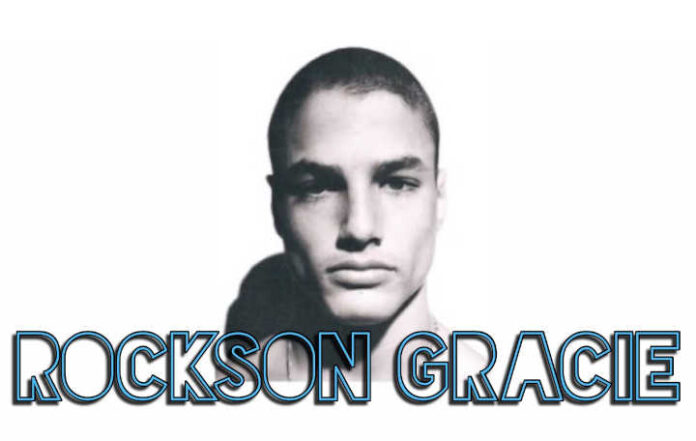
Rockson Gracie is a name that people in the BJJ community know, albeit vaguely at best. He was the firstborn son of the legendary Rickson Gracie, and had a very promising grappling career, easily standing out over contemporary Gracie family members – he was already a 3x Pans Champion at the age of 19  Unfortunately, Rockson did not get the chance to showcase all his Jiu-Jitsu potential, as when was found dead of an overdose in a hotel room in 2000, a tragedy that greatly impacted the world of martial arts and in particular, Rickson.

Today, we’ll tell the story of Rockson Gracie, how he lived, grappled, and tragically died.

Rockson Gracie Biography

Early Life

Rockson was the firstborn son of Rickson Gracie, one of the best fighters to ever live. He was born on November 25th, 1981 in Rio de Janeiro, Brazil to father Rickson and mother Kim Gracie who was a former model.

An interesting fact is that Rockosn was born while Rickson was in the middle of the tournament. He had just won when the baby came and had barely slept before having to fight again the other day (he finished the match against Sergio Penha with a choke). It seems Rockosn was designed for grappling from the moment he was born.

Rockson Gracie started following in his father’s footsteps from a very early age, being exposed to a young Rickon on the rise to his prime. They were often basically sparring on the ground while playing, and even though there was no real pressure, Rockosn Gracie was said to have had an immense understanding of offense and defense and was natural at movement and timing. Not really surprising for a Gracie.

As Rockson Gracie grew up, Rickon was a bit worried at one point about his height, as he was short for his age. Later on, though, with all the training and physical activity associated with being a Gracie, Rockon not only grew but developed into an impressive specimen, even landing a few modeling jobs for the likes of Calvin Klein.

He has three younger brothers in Kauan, Kaulin, and Kron. He also had many friends and was a popular young man, often treating his friend when they went out with the money he made from modeling.

Competitive Career

As a grappler, Rockson got to the rank of the purple belt before his untimely death. He was competing as a featherweight representing Rickson Gracie Jiu-Jitsu and Gracie Humaita. As a grappler, he was very intense, quite reminiscent of his father. Rockson Gracie managed to win 3rd Place at the IBJJF Pan Ams in 1997 as a blue belt announcing himself to the BJJ world.

Following up on that, he won the Pan Ams as a blue belt in the following two years (1998 and 1999) and did the same as a purple belt in 2000. With a shaved head, tattoos, and Rickson in his corner, he was not someone opponents took lightly. Moreover, growing up with Rickson in his prime, and sharing a special connection with him, as can be seen in the documentary “Choke”, Rockosn Gracie was regarded not just as Rickon’s successor, but someone that would surpass his father’s legacy.

Rockson Gracie Jiu-Jitsu Style

Rockon Gracie’s style of Brazilian Jiu-Jitsu was similar to his father’s. He appeared very intimidating, calm, and focused, traits associated with just about every fight Rickon had. In terms of tactics, Rockson was extremely disciplined, but still creative. He did not just emulate his father’s game and the Gracie Jiu-Jitsu principles but added his own flair to stuff.

Rockon worked the basics of Gracie BJJ, never going backward once he won a position, looking to mount or achieve back control, and constantly hunting for the finish. While appearing calm and collected, he was relentless, constantly pushing the pace, not afraid to enter a scramble and comfortably win most of them.

The only fights he had were Jiu-Jitsu matches, and the question definitely remains to linger, how he would have fared in MMA, with the sport booming at the time by way of the UFC’s success in the USA.

Rockson Gracie Death

Having lots of success with his modeling jobs, Rockon decided in 2000 that he would try his hand at being a professional model in New York, moving away from his parent’s house in L.A. and settling into an apartment with his girlfriend. In the months to follow, Rockson became distant from his family, eventually falling completely out of touch.

After a month of no news, Rickson sent his brother Renzo, who lives in NYC to check on Rockson. Renzo did not have an easy time locating Rockosn, eventually discovering his girlfriend in Miami, only to learn they were no longer together. Renzo then started asking around police stations in New York, eventually identifying Rockson’s body through his tattoo. The police had found him dead in the Providence hotel in Manhattan a couple of months before.

So, how did Rockson Gracie die? 

According to the official medical report, his death was the result of a drug overdose, despite rumors spreading for a while that he died in a motorcycle accident. The specific circumstances of his death are still not clear to the public, and perhaps not even to the Gracie family.

After he was identified, Rockon’s body was exhumated and was cremated before his ashes were spread at his favorite beach in Malibu.

The Impact of Rockson’s Death On The Gracie Family

The tragic and early death of Rockson shook the Gracie family to its foundations. Rickson, in particular, found it extremely difficult to process his son’s passing. It took him the better part of three years to process the tragedy, during which time he meditated a lot, withdrew to the woods on numerous occasions, and had no desire to do anything, before he managed to pull himself together again, with the help of his family.

In an interview with Ragga magazine, Rickson said “When you lose something truly profound, you have to sit, cry, and accept that you’ve hit rock bottom.”

While Rickson did eventually recover from the death of Rockson, he never fought again. Just prior to his son’s death, he was set to fight the “Gracie Hunter” Kazushi Sakuraba in what was supposed to be one of the greatest MMA fights of all time. Not only did that fight never materialize, but Rickon never got back to fighting ever again.

“When you lose something very important, you die with it” Rickson declared in an interview with “Conversa com Bial” on TV Globo in Brazil.

Rockson Gracie Legacy

Rockson Gracie was a very important figure in the world of martial arts, particularly in Brazilian Jiu-Jitsu. His untimely passing affected everyone in the family, but especially hit Rickson really hard. After grieving for a very long time, Rickon now looks at the experience from a different perspective. 

“There’s no way you want to have a moral, or balanced, or rational attitude over a loss that breaks your heart. But it doesn’t represent my reality. I don’t think in Rockson and crying. I think about Rockson and I laugh, I’m happy because he left me a great message,” Rickson shares.

One thing that Rickon now runs as part of his son’s legacy is the Rockson Gracie Foundation, a non-profit that tries to reach disadvantaged youths and teach them about non-vieolence through Jiu-Jitsu classes. 

Other Tragic Deaths In The Gracie Family 

The Gracie family has had its fair share of tragedical deaths in addition to the demise of Rockson Gracie. Ryan Gracie, the son of Robson Gracie and brother of Ralph and Renzo also died tragically at the age of just 33. He died in a prison cell in Sao Paolo, after being arrested for stealing and crashing a cat. While incarcerated, his wife send a psychiatrist to tend to Ryan, who had his fair share of trouble before. The doctor was later charged with medical negligence, as it appears he gave Ryan the wrong dose of medication, causing his death. He was already a black belt and an accomplished grappler and MMA fighter at the time. 

Another big tragedy in the Gracie family was the passing of Rolls Gracie, son of Carlos Gracie Sr. He died in 1983, at the age of 31 in a paragliding accident. Before the accident, Rolls was the most feared fighter in the Gracie family, setting about a completely new era of Jiu-Jitsu competitors that still lasts these days. 

In Conclusion

The death of Rockson Gracie was a huge tragedy in the world of Brazilian Jiu-Jitsu, and combat arts in general. The world lost a huge prospect in Rockson, and the effects of his death sidelined his father, arguably the most successful and legendary Gracie fighter of all times, for good. Remembering Rockson and his legacy is the least we can do to honor him and the Gracie family.