




Ethan Major 106–0 BJJ Match Turns A Local Bracket Into A Tape-Study

Ethan Major 106–0 BJJ Match Turns A Local Bracket Into A Tape-Study
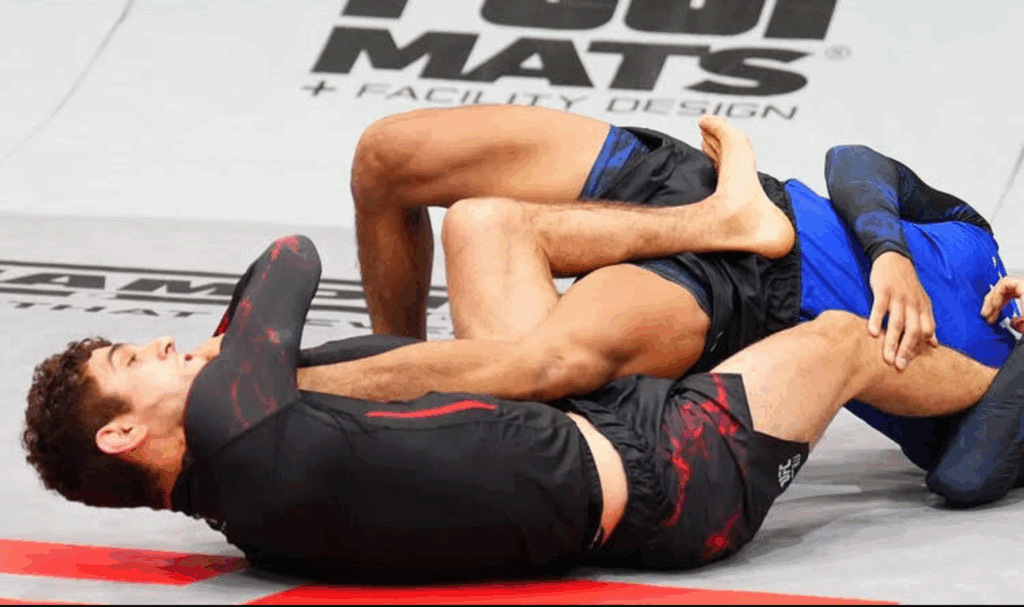
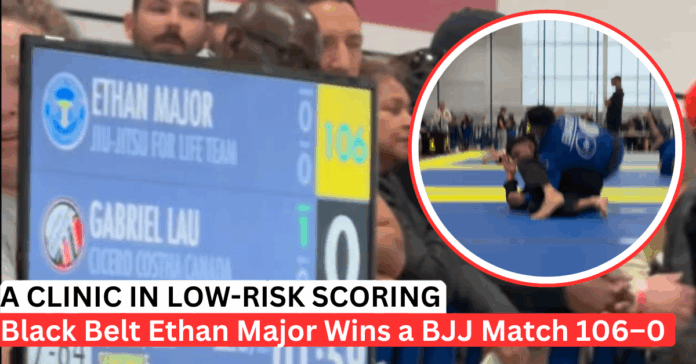
  • A Canadian black belt, Ethan Major, authored a viral blowout—an Ethan Major 106–0 BJJ match that piled points before the finish (some posts later cite 113–0 at the tap).
  • The scoring avalanche came from repeatable sequences: takedown → pass → mount/knee-on-belly → reset/control cycles, not reckless sub-chasing.
  • It happened at a local BJJ  tournament in the brown/black bracket; spectacular, but context matters—BJJ has no central “world record” ledger.
  • The value here isn’t the number, it’s the blueprint competitors can copy: safe pressure, disciplined resets, and “bankable” scoring chains.

Ethan Major 106–0 BJJ Match Victory — Yes, You Read That Right

The viral reel shows a clinic in point stacking—an Ethan Major 106–0 BJJ match built on high-percentage sequences repeated under control.

The pattern is familiar to coaches but rare to see executed at this scale: clean entries to the mat (takedown or snap-down reactions), immediate hip-line control to freeze scrambles, then methodical passes into stable scoring positions.

From there, he cycled between mount, knee-on-belly, and re-established control rather than forcing a low-percentage finish early.

Every cycle added points without opening the door to reversals. That’s why the referee kept the clock moving: no stalling, continuous improvement, continuous scoring.

Before You Shout “World Record,” Add Context

BJJ doesn’t maintain an official, centralized database of single-match scoring records across all promotions and rulesets.

This Ethan Major 106–0 BJJ match is extraordinary—and it should be celebrated accordingly—but it happened in a local brown/black heat, not on an IBJJF Worlds center mat. Different events score advantages, restarts, and knee-on-belly durations differently.

That variability is why serious analysts label it “viral-record-caliber” rather than “the” world record. The smarter takeaway isn’t a crown; it’s the craft that made triple-digit scoring possible in the first place.

Scoring Discipline Beats Chaos

Three habits jump off the screen and explain how an Ethan Major 106–0 BJJ match exists at all:

  • Ride before risk. Major prioritized chest-to-hip connection, head position, and underhook frames that kill escapes before they start. You can’t rack points if you’re getting bucked off.
  • Knee-on-belly cycling with purpose. Short, controlled KOB phases create repeatable scoring ticks while exposing almost no counterplay if your hip line stays heavy and your inside knee tracks the opponent’s near hip.
  • Submissions as endgame, not coin-flip. He didn’t “hunt” the finish until the opponent’s frames looked taxed and predictable. That’s why the eventual tap felt inevitable, not lucky.

A Replicable Blueprint?

The number is fun; the method is useful. If you’re coaching or competing, here’s how the Ethan Major 106–0 BJJ match scales down to regular rooms:

  • Script your first two minutes. Pick a high-percentage takedown (snap-down to front headlock, collar-drag to chase) and a Day-1 pass you can hit under fatigue. Memory beats improvisation under adrenaline.
  • Own the hip line. Your knee nearest the hips is your seatbelt; staple it and the opponent’s escape options shrink to low-yield bridges and side-to-side shrugs you can ride through.
  • Score in loops. Mount → knee-on-belly → back to mount or side with shoulder pressure. Each loop is small risk, real points.
  • Delay the heroics. Threaten submissions to force predictable frames, then return to scoring positions when the defense is still sharp. Go for the finish only when the frames slow and the chin/arm path is clean.
  • Manage optics for refs. Keep advancing, keep grips active, keep hips moving. You’ll get the benefit of the doubt on activity calls and accumulate without warnings.

Why The Finish Arrived Late

Fans ask why he didn’t submit earlier. Because the quickest submission attempts often carry the highest reversal risk.

In a bracket where one scramble can flip a match, stacking an unanswerable lead is the safest path to both outcomes: victory now and preservation for later rounds.

The Ethan Major 106–0 BJJ match shows that “mercy” isn’t the opposite of BJJ scoring—math is. He removed variance first, then closed the show when the margin for error was zero.

As a viral moment, the Ethan Major 106–0 BJJ match is a spectacle. As a lesson plan, it’s a gift: build a round on repeatable, low-risk cycles; keep the ref convinced you’re working; and save the kill shot for when the defense is tired and readable.

Whether or not anyone certifies it as a “record,” the tape already certified the approach.
The Price Of A Shortcut: BJJ Blue Belt After One Month for $800?

The Price Of A Shortcut: BJJ Blue Belt After One Month for $800?
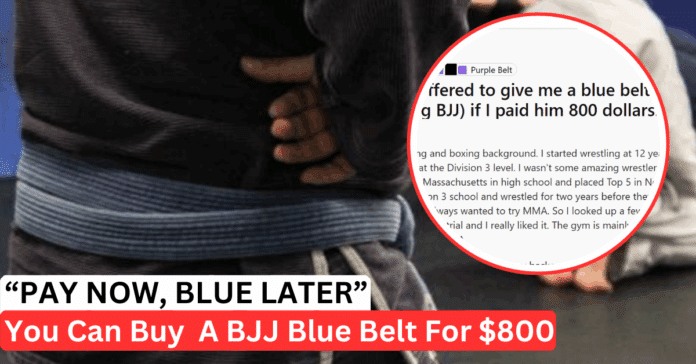
  • A new student says a coach pitched a BJJ blue belt after one month—for $800—because the student had a wrestling background.
  • The student claims he declined and left; the story reignites the belt-mill debate: testing fees vs. selling rank.
  • We break down why a transactional BJJ blue belt after one month is a red flag, what real first-belt standards look like, and how to vet a gym in a single drop-in.

Wrestler Offered BJJ Blue Belt After One Month for $800

A first-month student says a coach offered him a BJJ blue belt after one month of classes—if he paid $800 up front.

The allegation, shared publicly by the student and picked up by BJJ outlets, has ignited a familiar debate inside jiu-jitsu: where legitimate testing fees end and selling rank begins.

According to the student, the pitch leaned on his past as a wrestler, framing the fee as a fast track beyond the white-belt grind and into a BJJ blue belt after one month. He says he initially laughed, thinking it was a joke, before realizing the offer was serious.

“He told me that given my wrestling background he can just promote me to blue belt if I pay him 800.”
– Student account –
BJJ Blue Belt After One Month for $800

Testing Fee Or Rank For Sale?

On paper, jiu-jitsu’s promotion culture varies widely. Some gyms schedule formal evaluations and charge modest administrative fees to cover belts, certificates, and event logistics.

Others promote organically—no test, no fee—when coaches are convinced a student consistently rolls at the target level.

What touched a nerve here is that the outcome, a BJJ blue belt after one month, was allegedly tied to a lump-sum payment and a calendar date rather than demonstrated, BJJ-specific competence.

“At first I laughed… then I realized he was serious. I said no and left.”
– Student account –

Coaches who weighed in online were blunt: the distinction between an admin fee and a purchased belt isn’t semantic, it’s structural.

One pays for a process; the other pays for a result. When the result—BJJ blue belt after one month—is promised in advance, the signal that rank is supposed to send to training partners becomes unreliable.

Wrestling Helps. It Doesn’t Replace BJJ.

Part of the controversy is the “wrestler exception.” A strong wrestling base does accelerate certain pieces of jiu-jitsu: entries, balance, top pressure, and pacing under contact.

But blue-belt competency lives in BJJ-only zones—guard work, submission defense, and positional escapes that wrestlers don’t learn by default.

A brand-new wrestler can dominate from top and still gift their arms and neck to basic attacks. That’s why credible programs insist on seeing live rounds that stress BJJ-specific defense before a promotion enters the conversation.

The student at the center of this story echoed that logic himself, saying he didn’t want a shortcut that would crumble the first time he rolled hard with established blues.

“I don’t want a belt I didn’t earn. I want to roll with blues and know I belong there.”
– Student account –

What Legit BJJ Promotions Usually Look Like

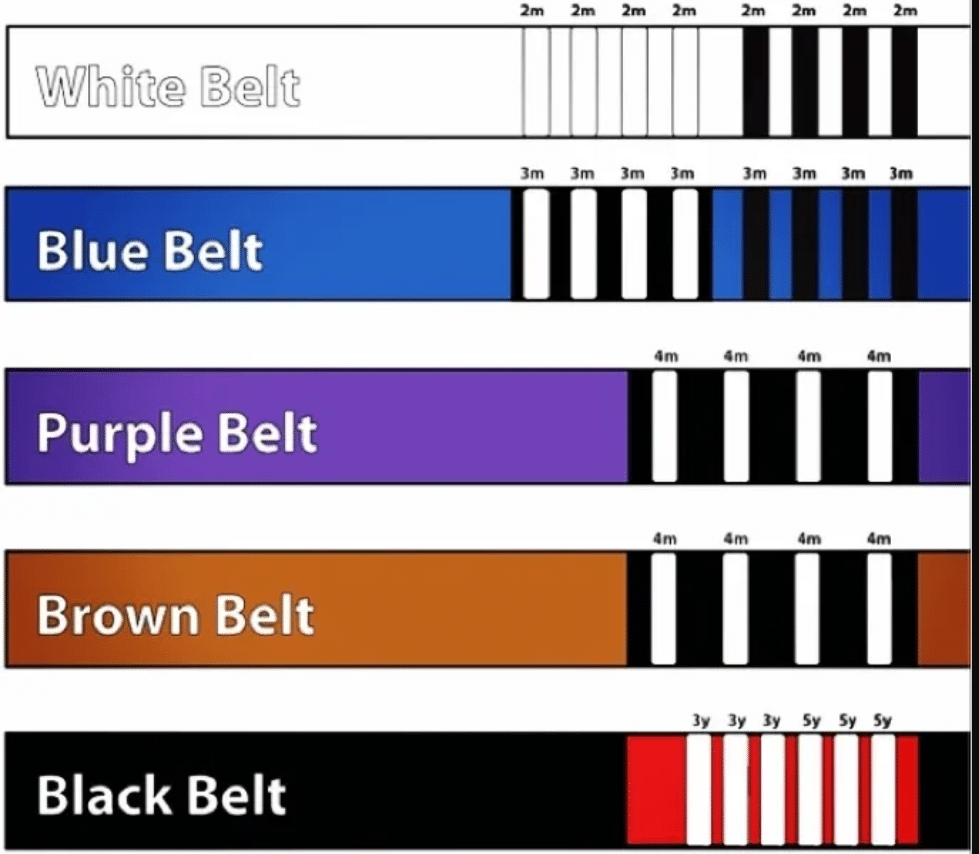
Talk to a dozen reputable academies and you’ll hear similar themes delivered in different ways. Coaches look for months of consistent mat time, not weeks.

They want to see safe habits—clean taps, no cranking, control under fatigue—alongside technical thresholds: retaining and passing guard on both sides; escaping mount, side, and back with intention; defending common submission chains when tired.

Some gyms formalize that audit on a designated test day; many conduct it informally across regular sessions. Fees, if they exist, are transparent and modest—and never a pay-to-pass gate.

That is why a prepaid, guaranteed BJJ blue belt after one month landed as more than a tacky upsell.

It undercuts the shared trust that lets partners roll hard without hurting each other. If a belt stops meaning “this person reliably operates at X level,” the room gets more dangerous, and the good students leave.

BJJ Blue Belt After One Month

After The Post Went Viral, What Now?

The student says he declined and switched gyms. That’s one way these stories often end: quietly, with a different room and a different set of standards.

The fallout for the original academy—if any—tends to hinge on local reputation. In tight-knit scenes, word travels faster than marketing copy, and “calendar + cash” promotions are hard to hide.

The broader lesson is less about internet outrage and more about due diligence. New students can ask straightforward questions without being combative: how does promotion work here? What do you look for before a blue belt?

If there’s a test, what’s on it? How much is the admin fee, and what does it cover? The answers don’t need to be identical from gym to gym, but they should be anchored in skills rather than schedules.

The Price Of A Shortcut

Even in a sport with wildly different promotion cultures, a guaranteed BJJ blue belt after one month tied to an $800 payment crosses a line most coaches recognize.

Wrestling experience is an asset; it isn’t a substitute for BJJ defense under live pressure. Belts are a trust contract—between the student who wears them and the partners who take the risk of rolling with them.

When a rank can be bought on a timetable, that contract breaks, and so does the room. If you’re ever offered a shortcut like this, the play is simple: decline, walk, and find a mat where rank reflects repeatable reality.

The promotion will come when your jiu-jitsu—under pressure—leaves no doubt.


“Protect Your Body First”: Mikey Musumeci on Saying No to Rolling

“Protect Your Body First”: Mikey Musumeci on Saying No to Rolling
  • Mikey Musumeci on saying no to rolling: he argues it should be normal—and expected—to decline rounds with partners who feel unsafe, reckless, or vindictive.
  • He frames the choice as performance-enhancing: safer rounds = more experimentation, more mat-time, fewer layoffs.
  • The message pairs with his efficiency-first training philosophy (he’s said he improved when he stopped lifting) and a simple litmus test for partners.
  • Coaches can hard-wire consent into class culture with posted policy, opt-out language, and mid-round partner swaps.

“I’m Not Here To Please The Room—I’m Here To Improve”

Musumeci’s position is blunt and practical. He says the social pressure to accept every round is hurting athletes and shortening careers. The heart of Mikey Musumeci on saying no to rolling is the reminder that agency is a skill:

“I think that’s so important that you get used to saying no and having self respect for yourself, not just trying to fit in with the people around you and trying to please them.”
– Mikey Musumeci –

The calculus is simple: one bad round can wreck a month of training. That’s why he keeps telling students to reframe “no” as a performance decision, not an insult.

“Again it can be uncomfortable to say no to someone, but just think in your mind the hassle you have to go through if you get injured from that [round].”
– Mikey Musumeci –
“Say No And Train Longer”: Mikey Musumeci on Saying No to Rolling

BJJ Rolling Consent Isn’t A Trend—It’s Risk Management

Call it “partner selection” or call it consent; the result is the same. You protect your body so you can train more.

Musumeci’s boundary list is common sense: skip the BJJ training partners who cranks after the tap; pass on the person who treats every round like a grudge match; say no when you’re returning from injury or a heavy camp day.

None of this is about ducking hard training. It’s about building the kind of rounds that compound: positional starts, clean pace, controlled finishes, and agreed-upon focus (e.g., guard retention, passing, back-takes) that let both partners explore without gambling tendons.

What does that buy you? More attempts at the moves you actually want to sharpen; fewer survival scrambles that teach bad habits; and far more continuous mat-time across weeks and months.

In Musumeci’s framework, saying no is the prerequisite to saying yes to the kind of purposeful training that moves the needle.

Efficiency Over Ego (Yes, Including The Weights Debate)

Musumeci’s boundary talk dovetails with the broader philosophy he’s repeated for years: prioritize efficiency over optics. He even links that idea to physical prep, arguing he improved once he stopped lifting and redirected energy to mechanics and timing:

“When I stopped lifting weights and doing conditioning I actually got stronger in training because I started learning how to become more efficient with how I use my body.”
– Mikey Musumeci –

Agree or disagree on strength work, the logic matches his rolling boundaries: trade volume that risks breaking you down for work that builds capacity to train more. For high-level technicians, efficiency and availability often beat raw output.

A Litmus Test You Can Use Tonight

Here’s a dead-simple filter, straight from the spirit of Mikey Musumeci on saying no to rolling:

Would you experiment with this partner? If the answer is “no,” because you’re bracing for payback or panic scrambles, decline the round.

Are you fresher afterward? Good partners give you room to build patterns. If every round feels like a final, you’re not developing—you’re surviving.

Did you both stick to the brief? If you agreed on pace/positions and still got whiplashed by ego, change partners. Boundaries are only as real as your willingness to enforce them.

None of this absolves coaches. Class culture either rewards partner choice—or quietly punishes it. Musumeci’s point lands hardest in rooms where “no” still gets side-eye. The fix is leadership.

Your Rounds, Your Rules

The endgame of Mikey Musumeci on saying no to rolling isn’t a softer sport—it’s a smarter one. Boundaries protect bodies, which protects time, which protects progress.

If “no” helps you train tomorrow, it’s the most pro-team choice you can make. Treat it like a technique: practice it, deploy it, and defend it when it’s tested.

“Seven Figures Is On The Table”: Mikey Musumeci UFC Contract Money

“Seven Figures Is On The Table”: Mikey Musumeci UFC Contract Money
  • Mikey Musumeci UFC contract money talk just got real: he says his deal expired, he’s meeting UFC about a new offer, and he’s “on the path” to seven figures a year.
  • Why he has leverage now: UFC BJJ champion status without a champion clause, crossover star power, and UFC BJJ scaling up.
  • Expect a structure built on appearance, win/finish uplifts, content bonuses, and brand integrations—plus upside if the 2025 calendar expands.
  • If negotiations stall, free-agency suitors (grappling promotions, brand sponsors) make the floor higher than last time.

The Number On The Table: “Seven Figures A Year”

The headline figure is the line everyone will remember: Musumeci says he’s on track for seven figures per year under his next agreement—if the new deal lands.

That’s not just belt-talk; it implies a package beyond a flat show purse.

Read practically, it’s base + performance uplifts + media/integration bonuses, anchored to a busier calendar and bigger platforms. For Mikey Musumeci UFC contract money, the timing is perfect: his prior contract ran out, he’s negotiating from a champion’s seat, and he’s already built the audience the promotion wants to monetize.

“My contract expired… I’m meeting with them on Monday. I’m on the path to making seven figures a year.”
– Mikey Musumeci –
Mikey Musumeci UFC Contract

Belt In Hand, Clause Off The Board

What changed since the last negotiation? Leverage. Musumeci’s earlier deal predates the current belt era and—crucially—didn’t lock him with a champion-style clause.

That makes him a rare commodity: a reigning star who can sit across from the UFC with options and receipts.

Add a scheduled sit-down with the brass and you can sketch the posture of the meeting: he brings a title, a fanbase, and growing mainstream awareness; they bring broadcast muscle and a 2025 slate that needs appointment names.

Mikey Musumeci UFC contract money – the talk of the day.

“There’s no champion clause in the old deal… I’m a free agent.”
– Mikey Musumeci –

What UFC BJJ Can Offer Next Year

Volume matters. A calendar rumored at ~10 events in 2025 changes the math for everyone—especially a champion who drives shoulder content and shoulder-to-shoulder ticketing with MMA cards.

More dates = more appearance fees, more back-end chances (finish/OT bonuses, locker-room incentives), and more inventory for brand integrations. It also means more owned media: embedded reels, behind-the-scenes pieces, crossover interviews—the assets that turn a specialist into a household name.

If those events hit the cadence the promotion wants, Mikey Musumeci UFC contract money has room to scale through activity, not just rate.

“They’re looking at a bigger schedule… more events next year.”
– Mikey Musumeci –
 Mikey Musumeci UFC BJJ Money

The Likely Deal Shape: How “Seven-Figure Deal” Adds Up

Strip the hype, and elite combat deals tend to rhyme. Expect a tiered structure something like this:

  • Base appearance per event with an escalator tied to title status and viewership tiers.
  • Win/finish uplifts (submission bonuses are the obvious fit for a BJJ headliner).
  • Content/shoulder media bonuses for documentary features, studio hits, and cross-promos that outperform baselines.
  • Brand integrations (broadcast reads, social assets, training-camp features).
  • Merch/special drops on the side—capsule collabs and limited tees that spike around fight week.

Hit that bundle across an active year and the Mikey Musumeci UFC contract money claim starts to look realistic—especially if the schedule delivers multiple headliner slots and premium shoulder content.

“When I fight, I want to submit—make it exciting—and build something bigger than just one match.”
– Mikey Musumeci –

If Talks Stall, The Floor Is Higher Than Last Time

What if Monday’s meeting doesn’t close it? Musumeci’s position is still strong.

Grappling promotions want champions who move subscriptions; streaming platforms want personalities who cut clean in short-form; sponsors want a consistent content engine, not just a single walkout.

That combination means his floor—even outside the Octagon logo—is higher than it was under his last deal. The upside for the UFC is obvious: keep a proven finisher in-house as the category scales.

The upside for Musumeci is leverage now and later—Mikey Musumeci UFC contract money as a living, renewal-friendly framework tied to output.

“I’m grateful for every opportunity—but I want terms that match the work I’m putting in.”
– Mikey Musumeci –


Mackenzie Dern Poker Habits She Says Show Up On Fight Night

Mackenzie Dern Poker Habits She Says Show Up On Fight Night
  • Mackenzie Dern poker claim isn’t a quirky side note this week—it’s part of how she says she’s preparing for a vacant UFC strawweight title fight vs. Virna Jandiroba at UFC 321.
  • Dern says poker taught her to control impulses, read opponents, and pick spots—skills she believes now show up in her pacing, entries, and submission chains.
  • The title is vacant after Zhang Weili moved to flyweight; Dern and Jandiroba meet in a rematch of Dern’s 2020 unanimous-decision win.
  • Weigh-ins are complete and the fight is on; not everyone loves the matchup, but the winner walks out champion.

Fight Week Reality: Not A Hobby, A Framework

Mackenzie Dern didn’t bring up cards for a headline—she brought them up as a system. In the run-up to UFC 321, she’s framed poker as a training partner for her fight IQ: bank information, regulate risk, and act only when the odds are right.

It’s the Mackenzie Dern poker lens—“fold” bad looks early, “check-raise” after a read, then shove when the opening’s clean.

“Poker’s helped me control my emotions. I’m very impulsive, but in poker you have to be patient—folding, reading people, waiting for the right moment. It’s helped me become a better fighter.”
– Mackenzie Dern –

That’s not theory. The composure shows when she bails on low-percentage shots instead of plowing into a sprawl, when she accepts a steady half-guard to keep top rather than chasing chaos, and when she hits two- and three-move chains once she sees a repeatable mistake.

Mackenzie Dern Poker For MMA

A Look at UFC 321 – Vacant Belt, Old Dance Partner

This isn’t just a style essay. The UFC strawweight title is vacant after Zhang Weili moved to 125 to face Valentina Shevchenko, and the promotion tapped Dern vs. Virna Jandiroba to crown a new 115-pound champion.

History matters here: Dern beat Jandiroba by unanimous decision at UFC 256. Since then, both evolved—Jandiroba hardened into a five-win tear; Dern rebuilt around measured pressure and cleaner mat decisions.

It’s a co-main with real consequences: the winner becomes champion and, realistically, first in line if Weili returns to reclaim what she left.

“I may not have been ready for Weili before, but with the belt I’ll be way more prepared for that challenge.”
– Mackenzie Dern –

Mackenzie Dern Poker Makes Me Better at MMA

If you’re testing the Mackenzie Dern poker thesis in real time, three checkpoints tell the story:

Entry discipline. Early rounds are for sampling reactions—feints, level changes, hand fighting. If the read turns red, she aborts and resets center.

Pot control on the mat. She secures grips before advancing, accepts incremental wins, and bails on low-percentage finishes to keep position.

Timed shove. When a pattern repeats—lazy pummel, neck exposure—she jumps two moves ahead to the back or a tight armbar. That’s a range read translated into a finish.

Dern’s own bottom line is simple: she wants to bank minutes with low risk so her submission game hits with full power later.

“Reading people, staying calm, picking the right moments—that’s what I bring from poker.”
– Mackenzie Dern –

Noise Around The UFC 321 Co-Main—And Why It Misses The Point

Some analysts have shrugged at the optics of a vacant-title rematch in the co-main.

But the sport wrote this reality: the champion left, the top contenders present their cases, and the winner carries the division forward. Dern spent fight week swatting away the narrative that this belt is somehow “less than.”

The truth is more practical: someone has to set the standard the next wave must beat. Dern’s pitch is that a cooler decision tree—born from the cards—makes her that standard.

The River Card Comes Saturday

The first fight was competitive on the margins; this one likely hinges on pace and fence work.

If Dern uses the poker lens to herd instead of chase, she’ll get cleaner clinch entries and earlier mat control.

If Jandiroba can make it ugly—interrupting reads with steady pressure and inside trips—Dern’s patience gets stress-tested.

The finish window is real on both sides; so is the chance this is a late-rounds decision built on minute-to-minute choices. That’s why the details—folding a bad shot, bailing on a risky scramble—matter as much as any single highlight.

Fight week framed Mackenzie Dern poker as more than a catchy phrase. It’s a way to talk about title-fight maturity: stack small edges, keep emotion out of the pot, and cash in when the opening is honest.

The belt is vacant, the dance partner is familiar, and the habits she’s been talking about get their hardest audit under bright lights. If the decisions are as clean as the talk, this deck has a champion’s hand in it.

“This Isn’t Culture—It’s Harm”: Disturbing Carina Santi BJJ Harassment Story

“This Isn’t Culture—It’s Harm”: Disturbing Carina Santi BJJ Harassment Story
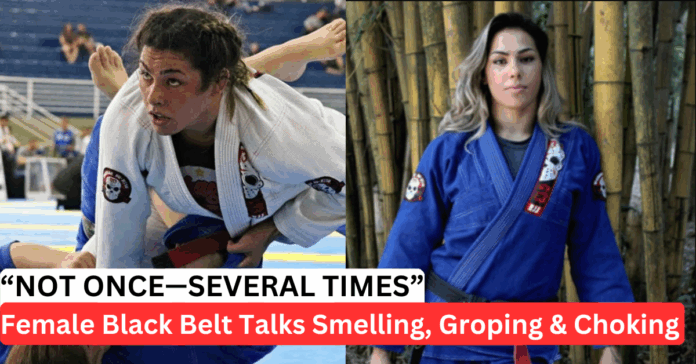
  • Carina Santi BJJ harassment claims include unwanted smelling near the neck, groping, and being purposefully choked unconscious—described in a recent interview.
  • The female black belt says the behavior was normalized as “hard rounds,” with women outnumbered and pressured into silence.
  • The story mirrors wider data showing harassment is widespread in BJJ; gyms need clear rules, reporting paths, and coach enforcement now.
  • This piece lays out what Santi alleges, how it hides in plain sight, and the specific fixes that protect students without killing intensity.

Carina Santi BJJ Harassment Story: “That’s Not Grit—That’s Crossing The Line”

At the center of the Carina Santi BJJ harassment story are boundary violations disguised as culture.

Santi says partners leaned in to smell her neck, groped during rounds, and even “slept” her on purpose in chokeholds—incidents she says happened more than once and were brushed aside as part of training.

“Not just once—several times… smells on the neck, groping. I suffered prejudice, I was purposefully slept in chokeholds due to machismo. I suffered several things.”
– Carina Santi –

In a recent podcast, she also describes the shock that trails after the first incident—then the second—when the room’s reaction teaches you to keep quiet.

“I didn’t know what was happening.”
– Carina Santi –

Who is Carina Santi?

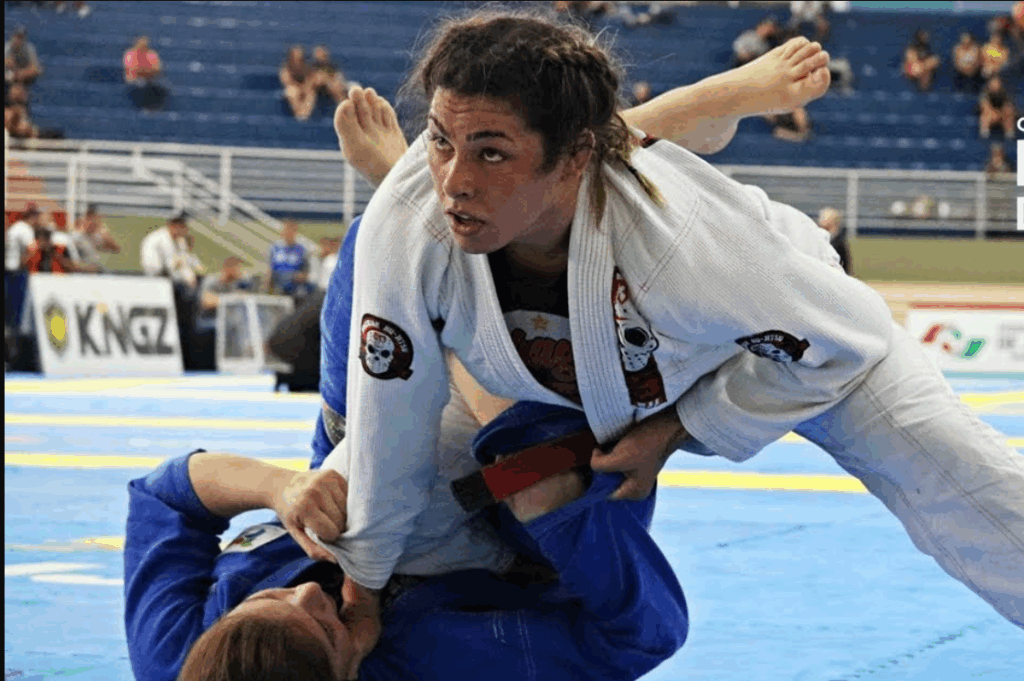
Carina Santi is a Brazilian jiu-jitsu black belt under Júlio Pinheiro and longtime member of G13 BJJ, recognized for podiums at major events including the IBJJF European and South American Championships, Brazilian Nationals, and São Paulo International Open.

She earned her black belt in 2014 and has remained active on the AJP/UAEJJF circuit; official athlete profiles list her nationality as Brazilian and age 35.

Santi has faced elite opposition (e.g., ADCC and top IBJJF brackets) and briefly withdrew from ADCC 2022 due to circumstances later replaced on the card. Beyond the mats, she has recently competed in bodybuilding, picking up prizes in her debut show.

Carina Santi BJJ Harassment

The ‘Just Training’ Excuse That Lets Creeps Skate

The problem Santi flags—and many women recognize—is the cover story. In crowded rooms, “go harder” becomes a handy alibi.

Pressure passing masks intentional lingering; a “competition pace” roll excuses hands that don’t belong; a “just a training nap” choke reframes domination as a joke. When the coach shrugs or isn’t watching, the message to targets is clear: toughen up, or leave.

The cost, Santi suggests, isn’t just bruises—it’s opportunities that vanish, seminars that stall, and reputations sanded down by whispers after you speak up.

“It was a training match, like a world championship final every time we trained.”
– Carina Santi –

It’s Not Just ‘One Gym’

The reaction to Carina Santi BJJ harassment tapped a nerve because it maps onto patterns the community already knows: women are outnumbered on the mat; power often sits with male coaches; and female harassment in Jiu-Jitsu frequently gets mislabeled as “accident” or “intensity.”

Surveys and reporting over recent years have consistently found a majority of women in Jiu-Jitsu have experienced harassment, with significant shares pointing to training partners and instructors as the source.

Those numbers explain why Santi’s account traveled so fast—and why many readers didn’t need extra context to believe it.

“What others say about you does not define you… You are not what they say. You are what you want to be.”
– Carina Santi –

Rules On The Wall, Consequences On The Mat

“Culture change” is abstract; policies are not. If a gym wants to keep its intensity and its people, here’s the playbook that works in rooms that already run clean:

  • Publish the rules where people roll. Spell out banned conduct (groping, “playful” choking, post-tap contact, sexual comments), plus exact consequences.
  • Name a reporting path that isn’t a dead end. Options should include a female staff contact and an anonymous channel. Promise no retaliation, then enforce that promise.
  • Give coaches removal authority—and back them. If someone crosses a line, that round ends now. Repeat offenders sit or are expelled, not “talked to” indefinitely.
  • Tighten the gray areas. No “jokes” with chokes. No lingering chest or hip pressure once a position is won. Reset positions after taps—every time.
  • Audit the room. Keep incident logs, clean mats between classes, require fresh kit per session, and post the standards for all to see. The point isn’t optics; it’s basic BJJ gym safety.
Disturbing Carina Santi BJJ Harassment Story

Train Hard, Not Dirty

The lesson from Carina Santi BJJ harassment isn’t to sanitize sparring—it’s to remove the excuses that let predatory behavior blend into sparring.

High intensity and high standards can—and must—coexist. When a gym posts rules, teaches them during fundamentals, and enforces them on a Tuesday at 7 p.m., students feel it.

When leaders treat violations like technical mistakes to correct immediately, the room recalibrates. That’s how you keep the nastiest behavior from hiding in the space between “roll harder” and “you’re overreacting.”

Santi has handed the community a clear decision point. We can wait for the next viral story—or write, teach, and enforce a standard that makes the next story less likely.

That means telling the brand-new white belt and the room’s best purple belt the same thing: consent and respect are techniques you drill like guard retention. The rest—hard rounds, sharp pacing, real fight prep—gets better, not worse, when everyone knows where the lines are.

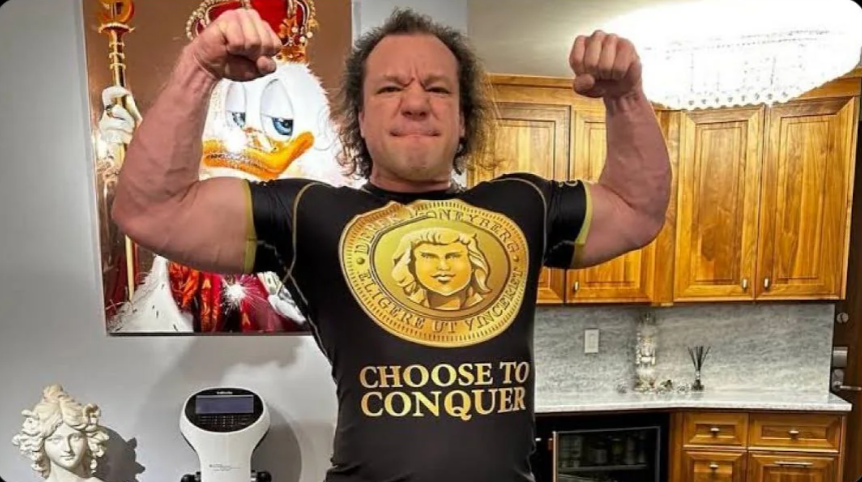
Helwani Turns Up The Heat On The Derek Moneyberg Black Belt Controversy

Helwani Turns Up The Heat On The Derek Moneyberg Black Belt Controversy
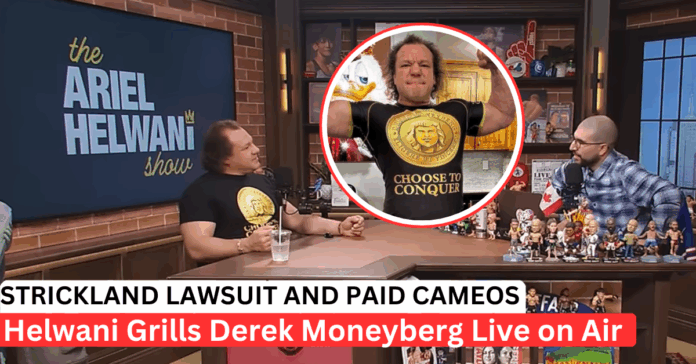
  • The Derek Moneyberg black belt controversy hit mainstream air as he defended his 3.5-year promotion to Ariel Helwani, said he’s suing Sean Strickland, and addressed “bought views” chatter.
  • Moneyberg acknowledged paying Jake Shields “a few hundred thousand” over four years and said fighters on his channel are paid and wear his merch.
  • Mikey Musumeci reframed the backlash as a gi-community fight more than a timeline scandal.
  • The receipts and the rhetoric only sharpened the question: earned rank or engineered optics?

Inside The Derek Moneyberg Black Belt Controversy—On Air And Under Fire

Moneyberg—who received a BJJ black belt in roughly 3 years, 7 months—leaned all the way in. He publicly claimed he’s taking legal action against UFC champion Sean Strickland, and he rejected the idea that his jiu-jitsu needs the internet’s approval.

“I’m not a professional fighter… I started in my 40s. I trained for self-defense.”
– Derek Moneyberg –

On the lawsuit: he says a grappling match with Strickland is off the table until the case is resolved.

“He said a lot of very nasty things that are false that hurt my reputation and hurt my brand.”
– Derek Moneyberg –
Ariel Helwani Derek Moneyberg

Buying Views, Belt Timeline, And The Flashpoints

Pressed about social metrics and “inflated” engagement, Moneyberg didn’t blink.

“Marketing is marketing… I have marketing agencies that help me… if the results are shown, then I’m good with whatever they do.”
– Derek Moneyberg –

He also confirmed the money flows around his orbit: paid appearances on his channel, brand-wear requirements, and a significant outlay to his primary coach.

“A few hundred thousand.”
– Derek Moneyberg, on what he paid Jake Shields over four years –

That number—and the broader “pay-to-appear” model—fuels the skepticism at the core of the Derek Moneyberg black belt controversy: when the talent is on your payroll, do their vouches pass the smell test?

“The people that trained with me know where my skills are. I don’t spend my life trying to satisfy random people on the internet.”
– Derek Moneyberg –

Mikey Musumeci Reaction: Not About 3.5 Years—About Tribal BJJ Politics

Musumeci’s latest take poured gasoline on a different fire.

He argues the backlash isn’t primarily the “3.5-years-to-black-belt” stat, but a culture war between Gi traditionalists and a self-defense/No-Gi-leaning path that doesn’t revolve around competition.

“I’m from the gi community… when we think Brazilian jiu-jitsu, I instantly think of people wearing gis… I think that that’s what like infuriated everyone.”
– Mikey Musumeci –

He also clarified what he meant in earlier critiques of Moneyberg’s training habits.

“When I said he doesn’t train… I mean roll. He doesn’t spar a lot because he’s not focused on doing competition.”
– Mikey Musumeci –

Why The 3.5-Year Black Belt Keeps Setting The BJJ World On Fire

Strip the personalities and the beats repeat: ultra-compressed timeline, no tournament résumé, paid relationships with elite coaches, and a media machine framing “proof” via curated footage and testimonials.

Supporters say concentrated private instruction and thousands of mat-hours can compress time; critics counter that belt culture is built on open rooms, open scoring, and pressure-tested results—not black-box privates and sponsored content.

The Derek Moneyberg black belt controversy sits squarely in that tension.

Just Roll Derek! 

If the goal is to end the cycle of clips, interviews, and hashtags, there’s a simple next step: transparent, third-party tests.

Roll in public rooms with neutral referees, accept open-mat challenges at set weights, or enter a reputable event—win or lose, the tape settles more than a thousand promos.

Until then, the Derek Moneyberg black belt controversy is the product: lawsuits, payouts, and quotes good enough to keep this story at the top of every BJJ feed.

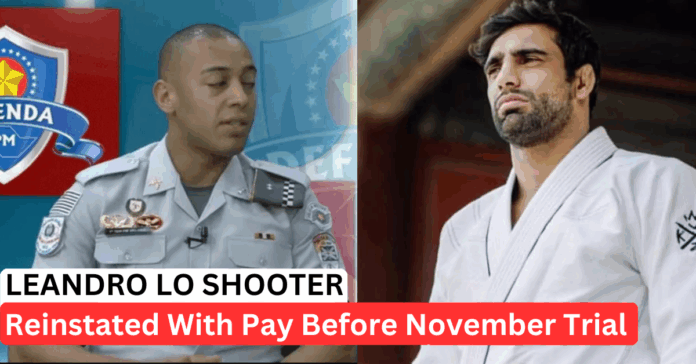
Leandro Lo Killer Reinstated With Pay While Facing Triple-Qualified Homicide

Leandro Lo Killer Reinstated With Pay While Facing Triple-Qualified Homicide
  • A São Paulo appellate ruling has Leandro Lo killer reinstated to the Sao Paulo Military Police rolls with salary restored while appeals play out.
  • The order suspends a prior dismissal and keeps the accused housed at the Romão Gomes military facility; preventive detention continues.
  • The criminal case for triple-qualified intentional homicide tied to the Aug 7, 2022 shooting of Lo moves toward a jury trial currently slated for Nov 12–14.
  • The decision is administrative, not a finding of innocence; the homicide charges and detention remain in force.
  • Below is the complete arc: the nightclub incident, charging decisions, prison status, dismissal attempt, appeal win, and what to watch next.

Leandro Lo Killer Reinstated After Appeal

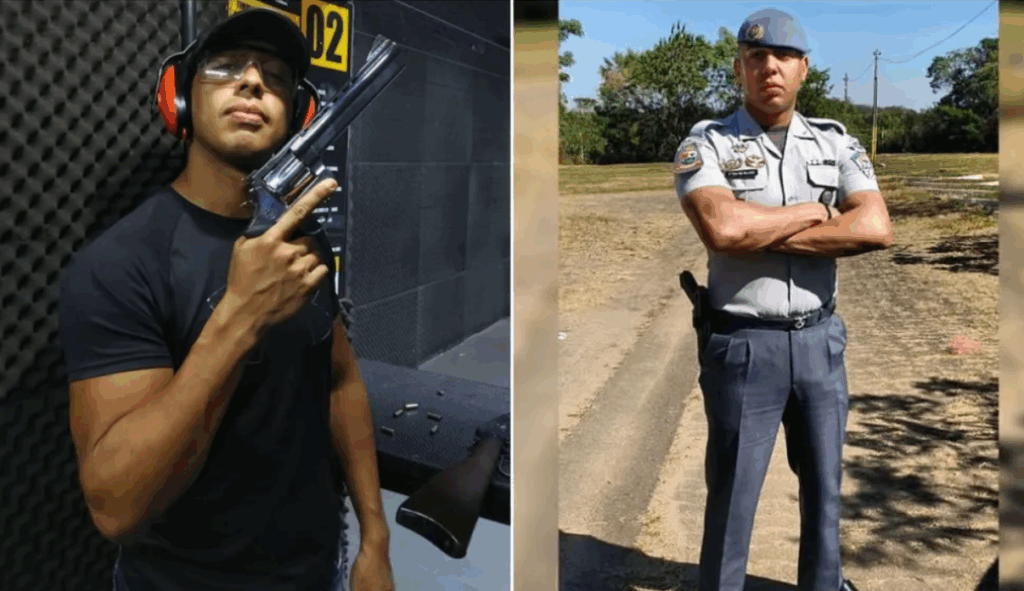
A São Paulo court granted an appeal that reinstates former lieutenant Henrique Otávio Oliveira Velozo to the Military Police and restores pay pending the outcome of ongoing appeals.

Practically, the injunction freezes the effects of a recent dismissal decree and halts a planned transfer from Romão Gomes (the Military Police custodial facility) to a civilian prison.

The accused remains in preventive detention; no release was ordered, and the criminal case continues unchanged. The court leaned on due-process principles that bar permanent administrative penalties before a conviction becomes final.

Leandro Lo Killer Reinstated While Facing Homicide Charges

How We Got Here: Dismissal, Transfer Push, Then A Legal U-Turn

The ruling does not touch the homicide indictment. It simply pauses the employment penalty so long as appeals are active.

  • Sept 2025 — Dismissal: Following internal proceedings, state authorities moved to dismiss the officer for conduct deemed incompatible with the force.
  • Early Oct 2025 — Transfer Bid: Prosecutors sought to move him from Romão Gomes to a civilian penitentiary, arguing the military facility was no longer warranted post-dismissal.
  • Mid-Oct 2025 — Appeal Granted: The defense filed a writ seeking to suspend the dismissal’s effects until higher-court review. The appellate panel agreed, ordering the Leandro Lo killer reinstated administratively and maintaining his custody at Romão Gomes while litigation continues.

The 2022 Shooting That Resulted in the Death of BJJ Legend Leandro Lo

The criminal case stems from events on August 7, 2022, at the Clube Sírio (Sírio Club) in São Paulo. According to the case record summarized in public reporting:

  1. An altercation began on the dance floor after a man approached Lo’s table and allegedly acted aggressively while holding a bottle.
  2. Witness accounts and security footage described Leandro Lo (one of Brazil’s most decorated BJJ athletes) subduing the man with a takedown/control to neutralize the situation; bystanders separated the parties.
  3. Moments later the man returned, reportedly drew a firearm, and shot Lo in the head at close range before leaving the scene.
  4. Lo, 33, was transported to hospital and pronounced dead soon after.

Prosecutors charged the accused with triple-qualified intentional homicide (aggravating factors typically include a futile motive, surprise/ambush, and means preventing defense).

He has been held under preventive detention during the pre-trial phase. The defense contests the characterization of the events; those claims will be weighed by a jury.

Detention, Delays, New Leandro Lo Trial Dates

Brazil’s tribunal process has produced multiple scheduling changes since 2022. Earlier hearing windows slipped amid procedural disputes and defense motions.

Current reporting indicates jury proceedings are set for Nov 12–14, with the accused remaining in preventive detention unless an intervening order says otherwise.

Nothing in the Leandro Lo killer reinstated decision shortens the criminal timeline or alters the charges; that order lives in the administrative lane only.

What Reinstatement Does — And Doesn’t — Mean

The ruling restores the officer’s functional and remunerative status, putting him back on the payroll and pausing the effects of his dismissal while appeals run their course.

It also keeps him housed at Romão Gomes, blocking an immediate transfer to a civilian prison. None of this touches the criminal case. The homicide charges remain, preventive detention continues, and there is no return to street duty or command.

In plain terms, this is a due-process measure, not an exoneration—which is why the headline “Leandro Lo officer reinstated” lands with a jolt in the BJJ community while remaining legally narrow. The center of gravity is still the courtroom; the administrative sanction is merely on hold, not erased.

The BJJ World is on Notice

For athletes, fans, and Lo’s family, the case is more than docket entries: it’s the aftermath of a superstar’s killing, now entering its most consequential phase.

The reinstatement order will likely spark new motions—on detention conditions, admissibility of evidence, and the scope of aggravating factors. Expect the defense to lean hard on procedural safeguards, while prosecutors focus on the forensic record and witness accounts from the club.

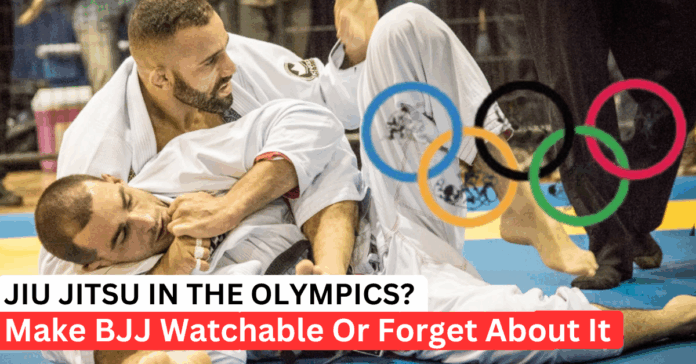
Can BJJ Olympic Sport Ever Happen? Here Is What’s Blocking It

  • The road to BJJ Olympic sport status is blocked by governance fragmentation, inconsistent rules, and broadcast-unfriendly pacing.
  • IOC entry demands a recognized international federation, global youth pipeline, standardized divisions, and anti-doping compliance.
  • Stalling, unclear scoring, and slow bouts are TV poison without format fixes.
  • A realistic roadmap exists: unify under one ruleset, lock weight classes, prove broadcastability via World Games-style trials.
  • Hope isn’t a plan—standardize it, sell it, or stop promising timelines.

What’s Actually Blocking BJJ Olympic Sport Status Right Now

Fans love to say BJJ is “next,” but the structural hurdles are not vibes—they’re paperwork and product. The first brick wall is governance: multiple powerful organizations, each with its own incentives and rules, dilute the case for a single, IOC-ready authority.

The second is rules fragmentation: different scoring systems, penalty philosophies, legal/illegal technique lists, and bout lengths. Add inconsistent weight classes and you get a sport that looks different event to event.

Then there’s participation and pathways. The IOC wants a true global footprint—national federations, junior development, and consistent continental championships.

BJJ has depth in hotspots, but uneven federation infrastructure elsewhere. Finally, the product problem: slow tempo, stalled positions, and opaque ref calls make casual viewers change the channel.

Put simply, BJJ Olympic sport applications fail when the sport can’t present one face, one book, one show.

Why Isn’t BJJ In The Olympics? The Non-Negotiables The IOC Demands

To even knock on the door, you need an IOC-recognized international federation with national members, elections, statutes, anti-doping enforcement (WADA code), and junior pathways.

That federation has to present standardized weight classes and a ruleset the whole ecosystem honors—not just one tour. Venues and logistics must scale: mats per session, medical, officiating crews, and live data feeds for scoring and TV.

Anti-doping isn’t optional or “community policed.” It’s funded testing, whereabouts compliance for targeted athletes, independent adjudication, and real sanctions. For BJJ Olympic sport consideration, that box must be checked before anyone talks formats or highlight reels.

Spectator Problem: Pace, Stalling Calls, And TV Windows

The modern Olympic program privileges sports that can deliver crisp outcomes inside tight broadcast windows.

BJJ’s biggest TV liabilities are long static phases, slow resets, and scoring that requires insider literacy. When neutral viewers can’t tell who’s winning—or why a ref has stopped a sequence—the product loses them.

That’s fixable. Shot-clock style passivity rules, mandatory stand-ups after prolonged inactivity, clear advantage/score graphics, and set bout lengths (e.g., 6–8 minutes) keep the action moving.

Referee mic’d explanations—short and standardized—teach viewers in real time. If BJJ Olympic sport advocates want a seat at the table, they must package the action so a new audience “gets it” by the second exchange.

From World Games Traction To Unified Rules

Here’s the path that could actually work within a few cycles:

  • Unify the book. Convene leading bodies to codify a single, Brazilian Jiu-Jitsu Olympics-bid ruleset: scoring, penalties, legal technique matrix, bout length, overtime. Publish once; honor everywhere.
  • Lock divisions. Standard male/female weight classes that mirror existing Olympic combat weights where possible, plus a streamlined bracket size.
  • Governance first. Stand up (or empower) a truly international federation with national members, elections, and WADA compliance.
  • Prove it live. Pilot the ruleset at major multi-sport showcases (World Games, Continental Games) with full broadcast treatment and independent officiating.
  • Junior pipeline. Require national federations to run age-group championships under the same rules—feed the Olympic-style ladder.

None of this is romantic, but all of it is doable—and it beats another decade of “maybe next Games” threads. If the community wants BJJ Olympic sport status, it must behave like an Olympic sport before it becomes one.

From Concept To Mat-Time

Stop debating and show it. Run a two-day test event that a TV director can love: eight-minute bouts, visible shot-clock for passivity, instant advantage/score overlays, and mandatory restarts after defined inactivity.

Keep brackets tight, rotate mats on a schedule, and mic refs for one-sentence calls. Deliver clean storylines—contenders, national jerseys, medal table—and publish a transparent anti-doping summary post-event.

That’s how BJJ Olympic sport moves from message-board prophecy to application paper.

Make the sport legible at a glance, make the governance unimpeachable on paper, and make the product sing on television. Until then, the IOC isn’t the obstacle—our lack of one playbook is.

“He Didn’t Want To Fight Me” — Mikey Musumeci vs Diogo Reis Explodes Over Ducking Claims

“He Didn’t Want To Fight Me” — Mikey Musumeci vs Diogo Reis Explodes Over Ducking Claims
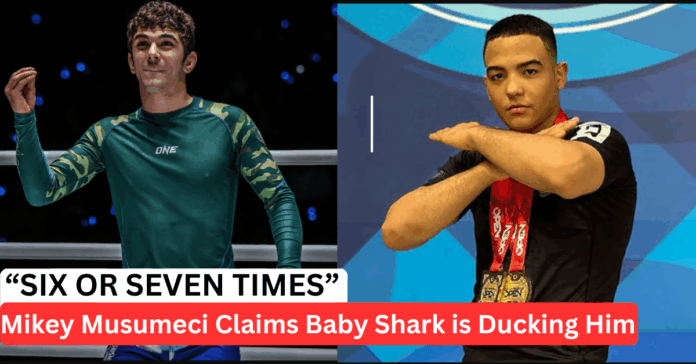
  • Mikey Musumeci vs Diogo Reis escalated this week: Reis denies “ducking,” says an injury and rehab blocked the match; Mikey insists he tried to book it “six or seven times.”
  • Reis: he signed to face Mikey at ONE before getting hurt; focused on defending his ADCC title and rehabbing instead of taking the bout.
  • Mikey: when they were both in ONE, Reis wouldn’t accept; after Mikey moved to UFC BJJ, Reis cited exclusivity.
  • PED talk from prior months still shadows the feud—and sharpened the tone on both sides.

Baby Shark’s Rebuttal Lands: “I Didn’t Duck Mikey

The newest volley in Mikey Musumeci vs Diogo Reis came from the ADCC champ himself. Reis says there was a window when the match was real—and that it closed because he was injured, then rehabbing, and ultimately laser-focused on ADCC.

“When I signed with ONE Championship, I was supposed to face Musumeci… I had already signed to grapple Mike. And then I got injured against Pato.”
– Diogo “Baby Shark” Reis –

Reis adds that the layoff wasn’t a smokescreen; it was months of PT and strength work while keeping an eye on his weight and knee.

“It was six months of physical therapy… I had to gain more muscle mass to get stronger and support my knee… I focused solely on ADCC to defend my title.”
– Diogo “Baby Shark” Reis –

He also downplays the “mystery” of a meeting with Mikey—and takes a shot at Mikey’s tendencies.

“There’s no mystery to me… It would be that match between passer and guard player… I wouldn’t be surprised by Mike because his game is already predictable.”
– Diogo “Baby Shark” Reis –
Mikey Musumeci vs Diogo Reis Explodes Over Ducking Claims

He Didn’t Want To Fight Me”: Mikey’s Side Of Mikey Musumeci vs Diogo Reis

Mikey’s recounting flips the script: he says the matchup died on Reis’s side of the table—both when they shared ONE and after Mikey switched to UFC BJJ.

“He was exclusive to ONE when I was there, but he didn’t want to fight me when I was at ONE… I tried to fight him six, seven times last year. Every other month, I tried to have a match with him.”
– Mikey Musumeci –

The kicker is that, for Mikey, Mikey Musumeci vs Diogo Reis isn’t just a booking—it’s the one fight that still lights a fire.

“That’s the only guy that gives me that fire to fight someone… I don’t get that fire with anyone else, just him.”
– Mikey Musumeci –

PED Allegations Resurface—And The Sharpest Clapbacks Yet

This rivalry’s sting didn’t start this week. In midsummer, Mikey publicly alleged PED issues around a proposed bout—claims Reis mocked and blasted back at in equally sharp language.

“Baby Shark canceled the match about 4 times because he sent them all the steroids he’s on… He said he can’t pass the d*ug test.”
– Mikey Musumeci –

Reis’s counterpunch? Part insult, part challenge.

“It seems he forgot to take his medicine… If you want to fight me, join the ADCC. I’ll talk to Mo and ask him to match us in the first round.”
– Diogo “Baby Shark” Reis –

What Would Decide It In 2025?

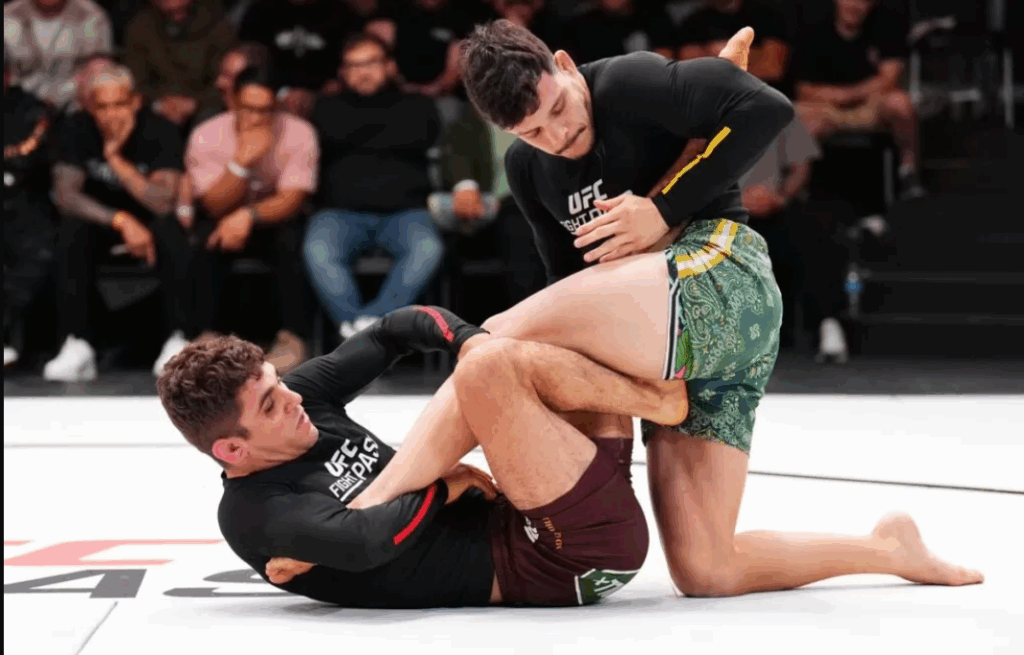
Strip the noise and Mikey Musumeci vs Diogo Reis is a classic: precision guard vs pressure passer. Mikey’s entries and leg-lock sequencing punish hesitation; Reis’s hand-fight, pace, and back-take pressure smother space.

The rule-set is the swing vote: heel-hook friendly, submission-only parameters accent Mikey’s lanes; points and tighter pass/back control windows accent Reis’s. Either way, the tape study would be vicious.

The feud’s value isn’t just heat—it’s clarity. We now have both sides, on record, saying why Mikey Musumeci vs Diogo Reis didn’t happen and why each thinks the other blinked.

Add months of PED barbs and public callouts and you’ve got the rare rivalry that sells itself: a passer vs a guard player, a two-time ADCC king vs a UFC BJJ champion, both insisting they’re the one who’s been ready all along.

Book it and let the Internet argue in the replays!