





Gordon Ryan Mother And B-Team Unite To Pay BJJ Athletes’ Medical Bills

Gordon Ryan Mother And B-Team Unite To Pay BJJ Athletes’ Medical Bills
  • In a surprise crossover, Gordon Ryan mother and B-Team launched a fundraiser to cover BJJ medical expenses.
  • The initiative spotlights a grim truth: broken bodies aren’t covered by standard benefits in a sport built on small purses and bigger co-pays.
  • Early messaging urges athletes to apply with proof of injury and bills; social posts ask the community to boost, donate, and nominate cases.
  • It’s a truce with teeth—clout pointed at a problem money can actually solve.

Gordon Ryan Mother And B-Team Shock Everyone—To Help Injured Athletes

You didn’t have this on your bingo card. After years of chirps and callouts, Gordon Ryan mother and B-Team are sharing the same mission: raise cash to pay for grapplers’ surgeries, scans, and rehab when the insurance cliff shows up.

The announcement landed like a flying triangle on the discourse—sudden, clean, and impossible to ignore.

“Ezekiel is friends with Trish Ryan, mother of Gordon and Nicky, and she suggested an open mat to help raise money for Ezekiel.”
– Danaher –
Danaher, Gordon Ryan Mother And B-Team Unite To Pay BJJ Athletes’ Medical Bills

When Rivalries Pause Because Hospital Bills Don’t

No-Gi’s biggest story line since 2021 has been the No-Gi rivalry between Gordon Ryan and B-Team Jiu-Jitsu (the Craig Jones–Nicky Rod–Nicky Ryan axis).

The content was fun; the receipts weren’t—MRIs, ACL repairs, busted hands, chronic GI issues, you name it. Meanwhile, athletes outside the elite tier juggle part-time coaching, tiny purses, and American healthcare math that makes a meniscus tear feel like a mortgage.

That’s the context that turns Gordon Ryan mother and B-Team from a shock headline into a necessary coalition. When the ambulance ride costs more than the appearance fee, enemies start to look like co-signers.

“Let’s get together: Ezekiel Eze Zurita @buba_bjj is a jiu jitsu athlete from South America who has lived and trained here in Austin the last five years. He was a real fixture in local Jiu-Jitsu and helped us and other schools a lot as a training partner. Our ADCC camps would not have been the same without him.”
– Danaher –

This Sunday, One Roof, One Cause: Austin Rallies For Eze

On Sunday, October 12, two rival lineages share the same mats for something bigger than bragging rights. The seminar-style fundraiser will be hosted at Simple Man Martial Arts (formerly B-Team) in Austin

John Danaher’s New Wave team and Nicky Ryan’s Simple Man crew will train side-by-side to raise money for Ezekiel Zurita—a South American Jiu-Jitsu athlete and long-time Austin training partner who has fallen gravely ill.

The outpouring around Eze’s situation has turned private concern into public action, and the organizing engine behind it is Trish Ryan, better known to most of the scene as Gordon Ryan’s mother.

“Sadly he has fallen gravely ill with a brain tumor which has been operated on over the last week. He has racked up considerable medical expenses as a result.”
– Danaher –

What to expect from the day:

  • Unified mats: coaches and athletes from both rooms sharing instruction and rounds—no scorecards, just support.
  • Direct aid: proceeds earmarked for Eze’s medical needs (imaging, treatment, and recovery costs), with the goal of getting help to him quickly.
  • Community first: students, hobbyists, and pros invited to contribute—whether by training, donating, or simply showing up to amplify the effort.

Symbolically, it’s a full-circle Austin moment: the place once synonymous with rivalry becomes neutral ground for solidarity. Practically, it’s exactly what the sport needs more of—high-profile people turning attention into assistance when one of their own needs it most.

Danaher Booked to Teach at B-Team for Eze 

The Instagram announcement made it official: John Danaher is lending his brain—and mat time—to the effort.

In a move that would’ve sounded impossible two years ago, he’s scheduled to teach at B-Team as part of the medical-expenses fundraiser, with proceeds directed to injured grapplers who submit verified bills.

The post highlights a seminar-style session hosted at B-Team’s facility, plus donation and application details for athletes needing help.

Beyond the symbolism, it’s practical: Danaher’s draw means a packed room, bigger receipts, and faster payouts for imaging, surgery, and rehab. It also sets a precedent the scene has needed for a while—rivals can collaborate when the objective is athlete health.

In the end, the headline matters because it bends an old storyline into a new shape. Gordon Ryan mother and B-Team didn’t fix healthcare, but they did something that cashes today. In a sport where every scramble risks a bill, that’s not kumbaya—it’s triage.
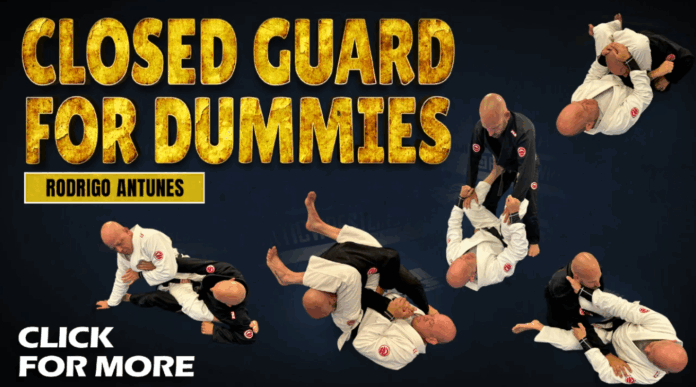
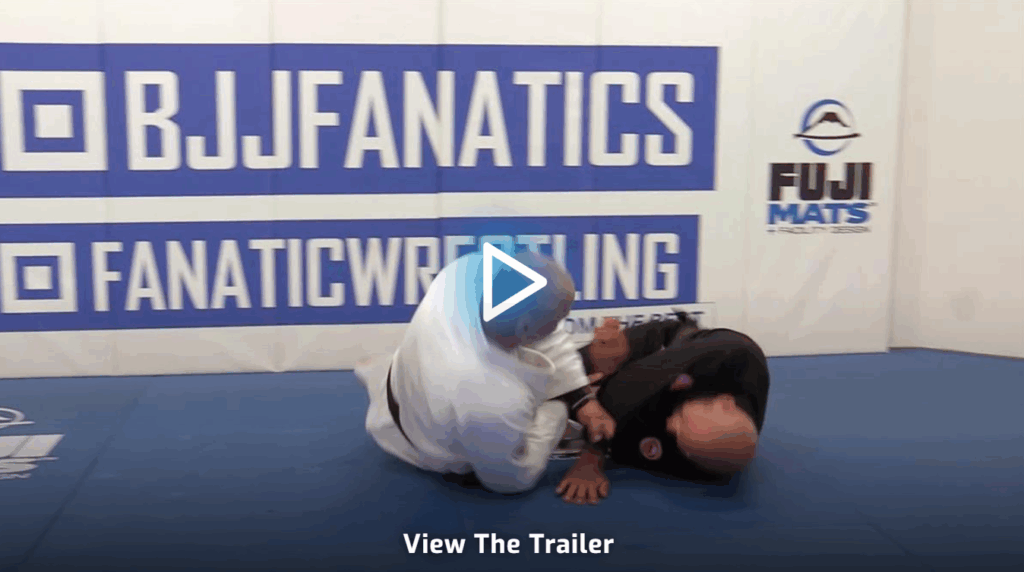
Closed Guard for Dummies Rodrigo Antunes DVD Review [2025]

Closed Guard for Dummies Rodrigo Antunes DVD Review

Key Takeaways

  • Gi BJJ DVD focusing on the most effective applications of the closed guard that work.
  • Includes a submission system against kneeling opponents and versatile sweep combos against standing ones.
  • Features a self-defense volume that covers old-school Gracie moves, but with a modern twist.
  • BJJ World Expert Rating: 8.5 out of 10.

CLOSED GUARD FOR DUMMIES RODRIGO ANTUNES DVD GET HERE

Closed guard instructionals are more numerous than beginners in your gym, and that’s saying something. Just like with BJJ newbies, every now and again, a closed guard BJJ DVD will turn out to be good. Some are so good that they’re even helpful to more experienced grapplers.

This Rodrigo Antunes DVD is one such instructional. The self-defense portion is actually what’s going to be most helpful for more advanced people—try rolling with strikes (okay, slaps) and use the info. The rest is good for everyone, but the sweeps portion is a real lifesaver for beginners. Read on to find out why.

Closed Guard Gi Game Basics

Most people who have been training for a few weeks at least know what the closed guard looks like. They’re even okay at getting to it. What they don’t know is how to use it after they wrap their legs around the opponent’s waist.

A few quick-fire pieces of advice that will surely change your guard game (they’re super basic):

  1. Only hold grips if they’re helping you sweep or submit. Death grips only tire you out and open you up for passes.
  2. If you don’t know where to hold, go for the sleeves. Try to get on top or submit without letting them go.
  3. Aim to force the top person to touch the mats with their butt and/or shoulders. That’s where most sweeps happen.
  4. Go for triangles. Having your legs around an arm and a head offers all the upper-body submissions you’ll ever need from the closed guard.
  5. Don’t open your legs too often.

There you go—now you’re ready to play closed guard forever. All these points are covered in much more detail, and with lots of options, in the Closed Guard for Dummies Rodrigo Antunes DVD. This is a good one, and not just for dummies.

Old-School BJJ Black Belt Rodrigo Antunes

Rodrigo Antunes is a sixth-degree Brazilian Jiu-Jitsu black belt and the owner/head instructor of Six Blades South Denver, where he leads programs for kids, hobbyists, and competitors alike. In July 2023, he was promoted to 6th degree by Grand Master João Alberto Barreto (Helio Gracie’s first black belt), reflecting more than two decades of teaching and competing at a high level.

As an athlete, Antunes has collected major titles across federations and eras. Highlights include IBJJF Pan American championships (Gi and No-Gi), an IBJJF No-Gi Worlds title, multiple IBJJF European crowns, American Nationals wins, and SJJF/JJWL world titles.

Antunes also holds a black belt in judo and is certified in Ginástica Natural, rounding out a coaching profile that blends technical precision with athletic conditioning. His coaching career has been global, with stints teaching and running programs in Brazil, the United States, and the UK, as well as guest seminars that regularly draw packed mats.

Rodrigo’s approach blends classic Gracie-lineage fundamentals with modern competition tactics and a strong emphasis on mindset and consistency. Today, beyond developing athletes in Colorado, Antunes also produces instructional material, like the Rodrigo Antunes Closed Guard DVD, while actively doing seminar tours.

Detailed Closed Guard for Dummies Rodrigo Antunes DVD Review

The Closed Guard for Dummies Rodrigo Antunes DVD is a three-part instructional that contains about an hour and a half of material. Rodrigo uses a super clear structure to deliver it and doesn’t complicate anything—it’s straight to the point with this OG.

Part 1 — Closed Guard for Self Defense

Rodrigo starts the Closed Guard for Dummies Rodrigo Antunes DVD like an old Gracie Jiu-Jitsu instructional. He talks about preventing punches from the closed guard using biceps blocks and delivers head grabs and wrist locks that probably won’t help you in an IBJJF tournament.

There is value to this material, though—particularly the armbar and shoulder lock finishes, and the scissor sweep variation that takes all the fluff away in favor of efficiency. Granted, you’ll likely never armbar anyone trying to choke you with both hands on your neck from your guard, but the mechanics are helpful. Plus, it’s fun to watch.

Part 2 — Submissions

I enjoyed this part of the Rodrigo Antunes Closed Guard DVD the most. It is a Gi-only instructional (no surprise for a 6th-degree black belt from Helio’s lineage) but filled with tons of super useful tricks.

Antunes covers the cross choke, supplementing it with a very nasty-looking punch choke, as well as plenty of triangle applications. Armlock-wise, he presents even more applications of the straight armbar, tying it in with bent options, mostly Kimuras and Omoplatas.

A short overview of the hip bump is meant more as a movement practice than a sweep—Rodrigo uses it to set up and finish guillotines and Kimuras. Beginners will find this part useful, but it’ll answer more questions brown and black belts usually have.

Part 3 — Sweeping Standing Opponents

The final part of the Closed Guard for Dummies Rodrigo Antunes DVD goes over sweeps, providing an interesting overall closed guard tactic in the process. Namely, Rodrigo uses the position to attack submissions on kneeling opponents and sweeps on standing ones. Solid, if you ask me.

The opportunities to get on top revolve around the usual fundamentals: tripod sweep, ankle pick, and trips. I liked the cross-arm sweep a lot, although it may prove difficult to set up against people who’ve fallen for it once.

There’s a lapel attack section wrapping this DVD up (pun intended), featuring a cool sweep-choke combo.

The Lazy Fallback for Dummies of All Levels

Beginners will struggle with the closed guard. Listen to Rodrigo, stick to simple attacks that chain together easily, place emphasis on not allowing passes over attacks, and you’ll do just fine—until you get bored.

That’s the main problem with the closed guard—people get bored with it quickly and try to figure out more complicated (and less effective) stuff. One thing that’ll happen more times than not is that those who remain on the mats for more than a few years eventually go back to the closed guard.

Not because they’re smarter or better at BJJ (for some), but because it works great without getting you tired. It’s dummy-proof because it’s super hard to just pass for the top person (they have to open the legs first) and it’s also very versatile with attacks.

As a beginner, this won’t matter—you’ll get tired in any position. But paying more attention to the closed guard before it inevitably becomes too boring (at least for a while) is a great way of having a super solid fallback. The Closed Guard for Dummies DVD has everything you need.

DOWNLOAD: CLOSED GUARD FOR DUMMIES RODRIGO ANTUNES DVD

Dummy-Proof Guard!

You can’t dummy-proof your guard against people who do weird stuff from the top and end up smashing you until you feel like a meme. However, you can dummy-proof against yourself and eliminate all the stupid mistakes that leave you guardless.

The Closed Guard for Dummies Rodrigo Antunes DVD will help you with the latter and might even make a good guard player out of you. We’ll see.

Why Is Everyone Hating On Mikey Musumeci After Another Lightning-Fast Win?

Why Is Everyone Hating On Mikey Musumeci After Another Lightning-Fast Win?
  • The UFC BJJ 3 clip that blew up: a quirky stance, a baited single, and a Mikey lock finish in minutes—fans ask why is everyone hating on Mikey Musumeci when he’s doing exactly what wins.
  • Style beef: critics hate the guard-pull bait and “butt scooting”; supporters call it optimal under the rules.
  • Matchmaking beef: even executives say it’s “very hard” to find him credible opposition.
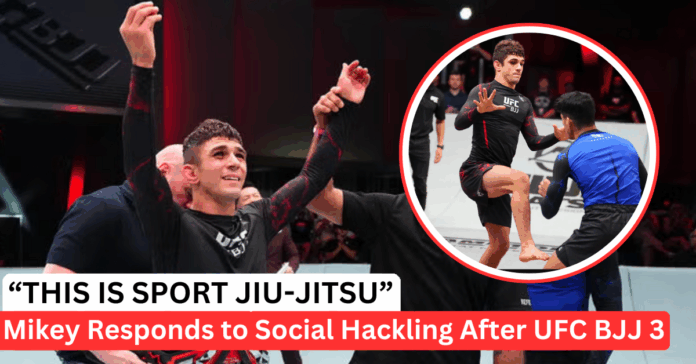
  • Mikey’s rebuttal: this is sport Jiu-Jitsu—submissions over hand-fighting for optics.

Why Is Everyone Hating On Mikey Musumeci Right Now?

Because he keeps making elite grapplers look like day-one white belts—and does it with a style some fans find… aesthetically offensive.

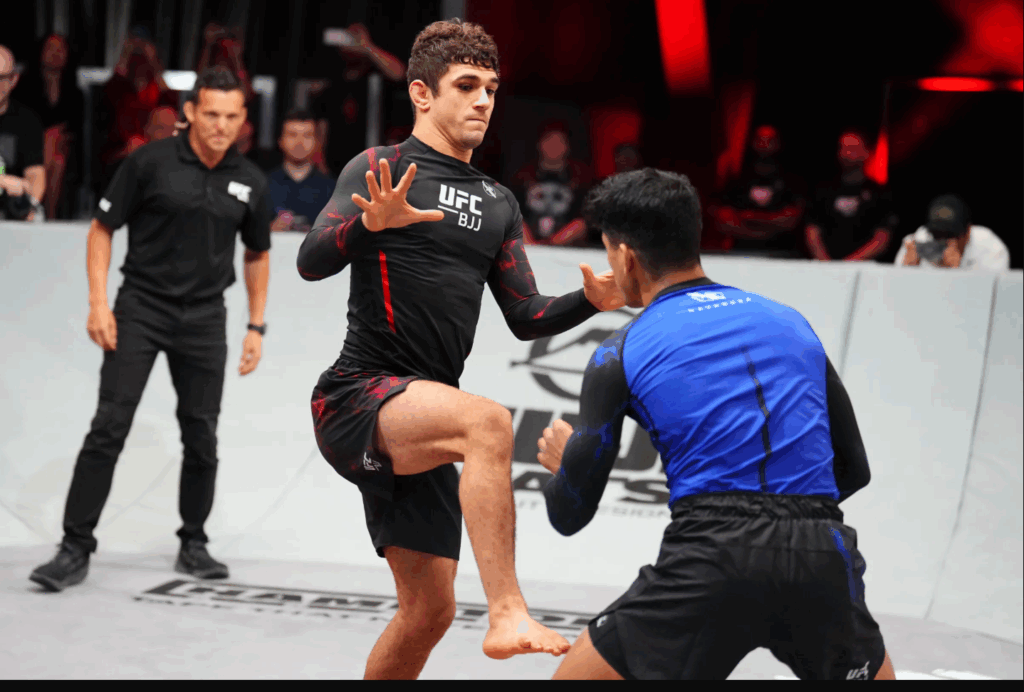
The latest title defense lasted minutes. He literally pogoed toward his opponent, baited a leg, sat to his wheelhouse, and finished.

Cue the comment-section riot: why is everyone hating on Mikey Musumeci when he’s the only one solving the scoring system like a math problem?

Why Is Everyone Hating On Mikey Musumeci After Another Submission Victory?

The Flashpoint: A Karate-Kid Stance, A Guard Pull, And The ‘Mikey Lock’

The sequence was meme-ready. Hop in, show the leg, pull guard, and spike the algorithm with a signature finish.

That finish—dubbed the Mikey lock—arrived with ruthless efficiency. Fans who want collar-tie shootouts cried “stalling;” technicians shrugged and pointed to the scoreboard. The Mikey and UFC BJJ criticism isn’t new, but the speed of this defense poured gas on it.

Behind the memes is the gap: if you’re asking why is everyone hating on Mikey Musumeci, it’s because he wins so clinically that the entertainment crowd feels short-changed while the nerds applaud the calculus.

And that tension keeps surfacing every time the belt stays put in under a round.

“Find Him A Challenge”: Even UFC BJJ Admits The Pool Is Shallow

Another accelerant: matchups. When a champion laps his field, the narrative sours from “dominant” to “protected” in about two weekends. That’s why a post-event admission landed like a thud:

“We try to pair him against the best. It’s very hard because he is probably the best pound-for-pound jiu-jitsu athlete in the world and it’s very hard to find him good matches.”
– Claudia Gadelha –

It wasn’t just a one-liner. The exec spelled out the dynamic that feeds the “ducking” accusations and the why-won’t-they-book-him gripes:

“A lot of people want to go against him but also at the same time a lot of people don’t want to go against him… When you look at the best, they know how good Mikey is.”
– Claudia Gadelha –

And the champion himself? He didn’t exactly shy away from the résumé talk:

“Well, I’ve been undefeated in my division for over eight years. I think nine years almost now… I’ve been consistently at the top. And that’s a good problem.”
– Mikey Musumeci –

When even the promotion admits it’s tough to find a worthy opponent, the algorithm turns cruel.

The same dominance that should make you beloved can boomerang into “he’s boring” or “he’s cherry-picking”—especially from fans who equate excitement with risk.

Mikey Fires Back: “This Is Sport Jiu-Jitsu”

If you’re wondering why is everyone hating on Mikey Musumeci over guard pulls specifically, he’s answered that—loudly. In a now-famous riff, he laid out the sport-vs-spectacle argument:

“The first thing that I’m going to say is – this is sport Jiu-Jitsu! There’s no striking in sport Jiu-Jitsu… Obviously, in a real fight in the street, on concrete, you’re not going to pull guard. But in sport Jiu-Jitsu, the goal is to be able to submit the person as fast as you can.”
– Mikey Musumeci –

Then he took a very specific swing at the thing his style tries to avoid—slow-motion wrestling cosplay:

“You’ll constantly see two guys wrestling in Jiu-Jitsu and, let’s be honest… Jiu-Jitsu people suck at wrestling… you’ll see two Jiu-Jitsu guys hand fighting, nobody is shooting… you’re just hand fighting and just wasting time… Guard pullers are trying to get the submission… to submit the person as fast as you can.”
– Mikey Musumeci –

Agree or not, it’s an internally consistent thesis: if the rule set rewards submissions, engineer the fastest path to them. A pogo-leg feint into a leg-entanglement isn’t trolling; it’s speedrunning.

So… Why Is Everyone Hating On Mikey Musumeci? 

Because three currents collided at once:

  1. Aesthetic mismatch. Fans raised on wrestling-heavy openers want shots and scrambles. Mikey optimizes for submissions per minute, not highlight-reel hand-fighting.
  2. Dominance fatigue. When the belt never looks threatened, viewers project blame onto style or matchmaking—especially after public acknowledgments that it’s “very hard” to find him tests.
  3. Rules literacy gap. He’s min-maxing a rule set many casuals don’t fully understand. To them, the hop-in guard pulling reads like evasion; to specialists, it’s the doorway to danger.

Here’s the twist: those same currents are why he’s valuable. He’s a systems guy in a sport that often sells chaos; he’s a finisher who’d rather be booed and win than pander and stall.

The fairest reading is simple: if you want the hate to stop, change one of two things—the opponents or the rules. Until then, expect more quick taps, more think-pieces, and more threads asking why is everyone hating on Mikey Musumeci after he does exactly what champions are paid to do.

The “Quit Your Job” Dare: Can You Live From Jiu-Jitsu?

The “Quit Your Job” Dare: Can You Live From Jiu-Jitsu?
  • Chris Wojcik’s viral advice—quit your job and just do Jiu-Jitsu—raises the real question: can you live from Jiu-Jitsu without a day job?
  • Liftoff routes exist (coaching salaries, prize purses, seminars, instructionals, content), but most require audience, results, or location leverage.
  • Going pro means swapping one grind for five side hustles; passion helps, spreadsheets decide.
  • The honest answer: can you live from Jiu-Jitsu—yes, but only with a plan; “train all day and vibes” is a fast way back to a W-2.

Can You Live From Jiu-Jitsu Without A Day Job?

The internet loves a shortcut. Saying the quiet part—can you live from Jiu-Jitsu if you ditch the 9-to-5—turns a mat-room dare into a mortgage question. The truth lands between highlight reels and rent receipts: some athletes do fine, a tiny elite do great, and many discover that “full-time Jiu-Jitsu” is really five part-time jobs in a Gi.

The Dare: “Quit Your Job And Just Do Jiu-Jitsu”

Chris Wojcik delivered the line that detonated group chats:

“The way that you get better at Jiu-Jitsu faster is quit your job and just do Jiu-Jitsu.”
– Chris Wojcik –

Deadpan? Sure. But he’s not trolling. Wojcik has been public about burning the boats—setting a deadline to leave traditional work and follow the mats full-time.

“I said I’d quit my job in 6 months — I did it in 3.”
– Chris Wojcik –

And the pro life wasn’t all posters and podiums:

“Pro Jiu-Jitsu isn’t always pretty… I took my favorite hobby and decided to make it my full-time job.”
– Chris Wojcik –

The message is two-sided: obsession will rocket your skill, but the bill arrives. Which brings us back to: can you live from Jiu-Jitsu?

Real Math: Can You Live From Jiu-Jitsu After You Quit Your Job?

The Math: Prize Money, Coaching Pay, Seminars and Instructionals

Strip the romance; count the revenue streams.

  • Tournament purses. Invitationals and showcase events can pay top winners five figures on a good night, while mainstream circuits offer published purses that are meaningful for champions and modest for everyone else. Great if you’re winning; invisible if you’re out in round one. A realistic season requires travel budgets and the humility to treat prize money as bonus, not base.
  • Coaching salaries. Full-time academy roles span a wide range depending on city and brand. Mid-market wages can cover a modest lifestyle; big-city roles or head-instructor spots push higher—especially when paired with revenue share or kids programs you actually fill. Private lessons (priced per hour or per head) change the math quickly if your schedule stays full.
  • Seminars. Once your name means something, weekends become mobile ATMs: flat fees + door splits + merch. The ceiling tracks your competitive relevance and social reach; a cold Instagram is a cold seminar.
  • Instructionals & online content. The quiet giant. Well-produced systems, clever funnels, and consistent content can outrun competitive Jiu-Jitsu income—if you’ve got a niche the market wants. “Beating everyone” isn’t required; teaching something distinct is.
  • Sponsorships/affiliates. Gear, supplements, platforms. Credible brands pay in cash + product; niche brands pay in hopes and hoodies. Conversion matters; so does clean, regular content.

Add it up and the rule emerges: to answer can you live from Jiu-Jitsu, you need stacked income streams. One lane is luck; three lanes is a plan.

Wojcik’s Leap: Leaving The 9-To-5 And What He Learned

Wojcik’s timeline reads like a blueprint for anyone tempted to jump. Set a date, build audience, and accept that the “job you quit” gets replaced by six new ones.

He talks about the psychological shift as much as the financial one—turning a beloved escape into labor you track, measure, and optimize.

“Every time I’ve worked for someone else, the working relationship has gone up in flames… I hated being told what to do.”
– Chris Wojcik –

The hard truths he’s shared since going pro sound less like hype and more like hazard labels for dreamers: expect weird hours, inconsistent cash flow, and stretches where competing actually costs you money unless you’re building something around the medal chase.

Becoming “full-time” at Jiu-Jitsu is not just rolls on repeat—it’s camera setups, editing sprints, DMs, emails, class plans, and flights you booked wrong at 2 a.m.

“Doing Jiu-Jitsu for a living is weird.”
– Chris Wojcik –

That candor is why his punchline—quit your job and just do Jiu-Jitsu—lands like a dare and a disclaimer at the same time.

The Wojcik Effect: Can You Live From Jiu-Jitsu

So… Can You Live From Jiu-Jitsu? A Brutally Honest Close

Here’s the straight answer to can you live from Jiu-Jitsu:

  • Yes, if you treat the art like a business: build community, post consistently, coach with intention, and carve a teaching niche people will actually buy. Win when you can, but sell what you know.
  • Maybe, if you rely on purses alone. Even big-night payouts are lumpy; one injury or early exit wrecks the month.
  • No, if your plan is “train all day and hope.” The rent doesn’t accept highlight reels.

Wojcik’s “secret” still has teeth. Pouring every hour into the craft will level you up faster than a split focus ever could. The trick is surviving the climb.

Stack revenue, keep receipts, and treat your audience like students you serve, not followers you farm. Then the question can you live from Jiu-Jitsu stops being a thread title and becomes a line item—one you balance on purpose.

“The way that you get better at Jiu-Jitsu faster is quit your job and just do Jiu-Jitsu.”
– Chris Wojcik –

If you’re going to do it, do it with both eyes open—and both hands on your own ledger.

Takedowns Aren’t Romance: The Countries Where Men Try To Wrestle A Bride Into A Van

Takedowns Aren’t Romance: The Countries Where Men Try To Wrestle A Bride Into A Van
  • There’s a place where “marriage shots” are literal: some men still try to wrestle a bride into a van as part of a so-called tradition.
  • Joe Rogan’s on-air reaction made the clip go nuclear, but the practice—known as ala kachuu—is illegal and widely condemned.
  • Reports and testimonies describe abductions, family pressure, and rare enforcement—alongside activists fighting to end it.
  • Bottom line: you don’t “earn” a spouse with a double-leg; you earn a criminal charge—and a global dunking online.

Yes, People Still Try To Wrestle A Bride Into A Van

It reads like a sick joke until you realize it’s not: in parts of Kyrgyzstan, men have abducted women to force marriages—literally attempting to wrestle a bride into a van and rush her to a family house where pressure begins.

The internet heard that phrase and did what it does—memed it—while locals and human-rights groups kept repeating the unfunny fine print: it’s illegal, it’s contested, and it harms real people.

“You got to get this lady in the van against her will and then once she gets in the van she’s so ashamed that she marries you.”
– Joe Rogan –

That stunned line launched a thousand timelines, but the practice predates podcasts—and so does the push to end it.

Ala Kachuu - Tradition Where Men Try To Wrestle A Bride Into A Van

Rogan’s “Wait—What?!” Moment Meets Kyrgyzstan’s Reality

What turned the global spotlight into a stadium floodlight was the contrast: a mega-platform hearing, for the first time, that some men still try to wrestle a bride into a van—and reacting with pure disbelief.

The clip set up an irresistible (and queasy) juxtaposition for fight fans: you spend years sharpening takedowns; somewhere else, a “takedown” is misused as a marriage tactic.

And then comes the part the memes miss. Accounts from Kyrgyz women describe being grabbed off the street, hustled into cars, and isolated in homes where relatives push a headscarf on them as symbolic “acceptance.”

Others recount elopements mislabeled as kidnappings and family-arranged drama that blurs lines, which makes the data messy—but doesn’t change the bottom line: force is not culture; consent isn’t optional.

“Walking proudly down a catwalk… seemed like a lifetime away from [her] nightmare ordeal… grabbed off a Kyrgyzstan street by a group of men wanting to marry her to an uninvited suitor.”
– Survivor account –

Ala Kachuu 101: The Bride Snatching Tradition That’s Illegal (And Still Happens)

If you’re hearing about this for the first time, here’s the quick primer. Ala kachuu (roughly “grab and run”) is the umbrella term—sometimes used for consensual elopements, but also (and notoriously) for non-consensual abductions.

During the Soviet period the practice was suppressed; after independence, reports say it resurged in some regions. Today, it’s criminalized under national law.

The problem? Laws on paper don’t always jump off the page.

Multiple investigations and features describe a gap between statute and street: community elders who treat abductions as “custom,” families who pressure victims to avoid scandal, and uneven enforcement in rural areas.

That’s how you end up with an illegal practice that still generates headlines—and why the phrase wrestle a bride into a van can go viral in 2025 without being historical fiction.

One longform summary captured the shock value in one line:

“In 21st-century Kyrgyzstan, it’s as common to have kidnapped your future wife as it is to have met her on a dating app in 21st-century America.”

Is that literally, statistically true nationwide today? Researchers debate prevalence, especially distinguishing staged elopements from abductions. What isn’t debated: non-consensual bride-kidnapping is a crime—and activists want it gone yesterday.

Takedowns Aren’t Romance: The Women Fighting Back

Here’s the part where the script flips. For every dude who thinks you can wrestle a bride into a van and call it heritage, there’s a Kyrgyz woman proving that combat sports and civil courage rhyme.

Survivors model in public campaigns, lawyers shepherd cases, and organizers run hotlines and protests. Some of the most compelling stories feature women treating the whole apparatus—uncles, elders, gossip—as an opponent to be off-balanced and submitted with cold, boring persistence: filings, witnesses, court dates, repeat.

“[She is] one of thousands of women abducted and forced to marry each year… Bride kidnappings continue, particularly in rural areas.”
– Report on survivor activism –

Another blunt description from a field piece—part dispatch, part alarm bell:

“Men still marry their women the old-fashioned way: by abducting them off the street and forcing them to be their wife.”
– On-the-ground report –

So if you’re about to crack a “single-leg to ceremony” joke—don’t. We can clock the absurdity of the phrase without trivializing the violence behind it.

The last word: if a podcast clip made you Google “do people really wrestle a bride into a van,” good. Now use the same curiosity to learn what Kyrgyz women are doing to end it—and why the only legit takedowns in this story happen in a wrestling room, not on a sidewalk.


New Gracie Merch Drop: Ryron Gracie Selling Silver Coins

New Gracie Merch Drop: Ryron Gracie Selling Silver Coins
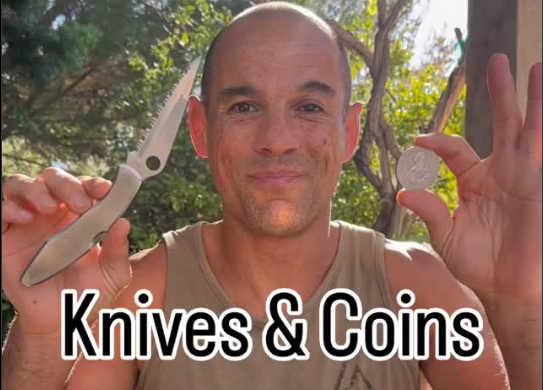
  • Ryron Gracie selling silver coins—limited-edition rounds stamped with Gracie family names—goes viral for its luxury price tag vs. 1 oz .999 fine silver content.
  • Promo clips tout heritage and “collector value,” while fans zero in on spot price and accuse the campaign of last-name monetization.
  • The marketing highlights a commemorative “100 years of Jiu-Jitsu” angle and a U.S. minting partner.
  • The debate: memorabilia or markup? The brand defense leans on scarcity and legacy; the pushback leans on math.

Ryron Gracie Selling Silveр Using the Family Name

The newest Gracie product isn’t a gi, a seminar, or a subscription—it’s bullion with the Gracie family crest. Within hours, Ryron Gracie selling silver had the internet arguing whether a coin set honoring the clan’s lineage is a classy commemorative or a cash grab with a heavy premium over spot.

The reels show polished rounds, heritage language, and a countdown vibe aimed at die-hard collectors.

“This unique set of 1 oz fine silver rounds celebrates the Gracie family and their incredible impact on Jiu-Jitsu over the last century.”
– Promo video –
Ryron Gracie Selling Silver Coins

What’s In The Box:  Fine Silver, Family Names, Limited Run

Strip the hype and you get a simple spec sheet: each round in the Gracie legacy coins set is 1 oz .999 fine silver, struck by a U.S. minting partner and themed around the Gracie lineage.

The sales pitch stresses both purity and provenance—bullion weight for the metals crowd, family branding for the BJJ faithful.

“Each coin contains 1 ounce of .999 fine silver.”
– Product pitch –

The heritage hook is unmistakable—centennial framing, family names, and a narrative that invites fans to “own a piece” of the story.

“The price of silver has gone up since I recorded this video… Thank you to everybody who has purchased a set.”
– Ryron Gracie –

That line sets up the clash that followed: if silver’s up, does that justify the sticker? Or is scarcity doing the real work here?

The Pitch Vs. The Price: Melt Value, Collector Spin, And Fan Backlash

Here’s where the temperature spiked. Spot silver sets a melt value floor; commemoratives add a collector premium. In this case, critics argue the gap is wide, accusing Ryron Gracie selling silver of leaning on the surname to float a luxury markup.

Supporters counter that signed, themed, low-run bullion always commands a premium—and that’s the point of collectibles.

The discourse wrote itself in comment sections and forums—equal parts sarcasm and side-eye:

“Merch isn’t anything new, lol.”
– Fan reaction –
“Oh nice. This will go great with my Gracie Legacy NFT.”
– Fan reaction –

Meanwhile, the marketing copy doubles down on the investment-meets-keepsake angle: purity, heritage, scarcity—three levers designed to justify the price beyond the scale.

“With silver currently trading around [spot] per ounce, the melt value alone establishes a strong baseline… plus collector’s value.”
– Product pitch –

Depending on which crowd you belong to, that reads like reassurance—or salesmanship with extra steps.

More Gracie Family Antics or a Crisis?

Zoom out and this is bigger than bullion. The Gracie surname has monetized knowledge (instructionals), access (seminars), and affiliation (schools).

Ryron Gracie selling silver extends that strategy into hard goods that trade on memory and myth. Done well, it cements a museum-piece aura around the family story; done poorly, it looks like squeezing a famous logo onto whatever will sell.

Either way, the move forces a conversation about what legacy should cost—and who gets to set that price.

If future drops foreground transparent mintage numbers, serialized COAs, and clearer pricing logic tied to spot, the premium will feel like curation, not extraction. If not, expect the next commemorative to meet the same headwinds.

The bottom line is the headline: Ryron Gracie selling silver turned a century of mat stories into metal—and lit up the community’s oldest argument about the Gracie brand. Is it heritage, or is it hustle? The market will decide—one round at a time.

“Tear Up The Check” Wife Pays $5k to Cancel Jiu-Jitsu Membership of Husband

“Tear Up The Check” Wife Pays $5k to Cancel Jiu-Jitsu Membership of Husband
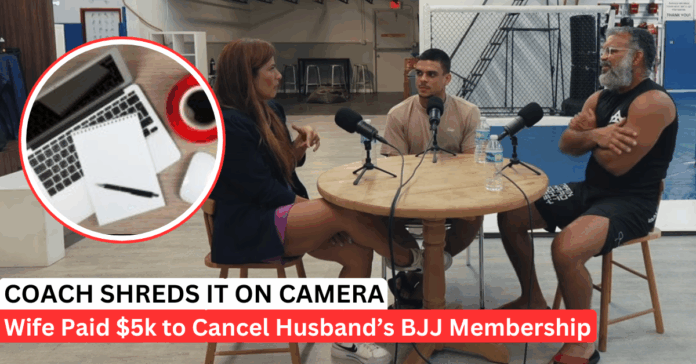
  • A spouse mailed a $5,000 check begging a coach to cancel her husband’s training—”Wife Pays $5k to Cancel Jiu-Jitsu Husband’s Membership” became an instant viral headline.
  • The instructor refused on principle, ripping up the check and sending a photo back.
  • Weeks later, a locker room incident with the 70-year-old student forced the gym to end the membership anyway.
  • The saga spotlights obsession, consent, and what small academies should do when family and fighter collide.

Wife Pays $5k to Cancel Jiu-Jitsu Membership of Husband—And That Wasn’t The Wild Part

It reads like satire until you see the handwriting: a pleading note and a cashier’s check for five grand, begging a coach to cut off a 70-year-old blue belt who reportedly couldn’t stay off the mats.

The story—wife pays $5k to cancel Jiu-Jitsu membership of her husband—isn’t just meme fuel. It’s a case study in addiction-adjacent passion, gym ethics, and the thin line between a hobby and a household crisis.

“Please cancel the membership of my husband. He’s not staying with me here at home. He can’t train. The doctor said he doesn’t have it. He has to go home. You can deposit. Just cancel his membership,”
– Wife’s letter –
Wife Pays $5k to Cancel Jiu-Jitsu Membership of Husband

The Letter, The Check, And The Instructor’s Decision

The coach says the envelope came out of nowhere: a $5,000 check and a plea to ban the student.

The gym’s first reaction turned the story on its head—they refused the money and shredded the check on camera, telling the family there was no “pay-to-ban” clause and no contract that let third parties cancel another adult’s membership.

“[We] decided to tear up the check and send a photo of the destroyed payment back… we didn’t have a contract where someone could pay to force another person to leave the gym.”
– Coach’s account –

For a minute, that looked like the moral of the tale: coaches aren’t bounty hunters, and spouses don’t get veto power over grown-ups with hobbies—no matter how disruptive those hobbies become. Then the story took a hard left.

Where The Line Got Crossed

By the coach’s telling, devotion turned into disruption. The elderly student—already training against medical advice for leg problems—allegedly started acting inappropriately in the locker room, making other members uncomfortable. Warnings followed.

The family-friendly culture line got drawn. And the membership ended—not because wife pays $5k to cancel Jiu-Jitsu membership of husband, but because the student’s conduct finally crossed a bright red line.

“[He] began exhibiting inappropriate behavior in the locker room that made other members uncomfortable… This crossed a line… leading to multiple warnings.”
– Coach’s account –

When the coach delivered the news, he brought up the irony that no one could miss.

“I could have won $5,000 and I got it. You could have won $5,000.”
– Coach to the student –

If you coach long enough, you meet this archetype: the late-life diehard who finds meaning on the mat and refuses to go home, even when doctors and family set limits. Most gyms can absorb that energy. This one couldn’t—because the behavior, not the passion, broke the room.

The $5,000 Question: What Should A Gym Do Next Time?

Strip away the viral sheen and you’re left with policy problems every small academy will face. The headline wife pays $5k to cancel Jiu-Jitsu membership of husband isn’t really about money—it’s about consent, safety, and where a coach’s duty of care begins and ends.

  • No “pay-to-ban” policy. Keep it that way. Adults control their own memberships; third-party money can’t substitute for consent.
  • Health disclosures with boundaries. Encourage doctor’s notes, but don’t become the family’s enforcement arm. You’re a coach, not a clinician or a cop.
  • Locker room code, zero wiggle room. Post it. Enforce it. Behavior gets people banned, not spouses.
  • Elder athlete protocol. Offer modified rounds and ask about red-flag meds or conditions before live rolls—privately and respectfully.
  • Document warnings. If it escalates, you’ll wish you had timestamps.

In the end, this saga works as a parable precisely because the gym tried to do the right thing twice: first by refusing the cash, then by protecting members when the situation turned.

The lesson isn’t that jiu-jitsu ruins marriages or that spouses should buy bans; it’s that passion without boundaries eventually writes its own ending—and sometimes it costs more than $5,000.

If the sport wants fewer stories like wife pays $5k to cancel Jiu-Jitsu membership of husband the answer isn’t a bigger shredder. It’s a grown-up policy, enforced early, before a love for the art turns into a liability for the room.

Andrew Wiltse Says Daisy Fresh Is A Cult In Latest Video Rant

Andrew Wiltse Says Daisy Fresh Is A Cult In Latest Video Rant
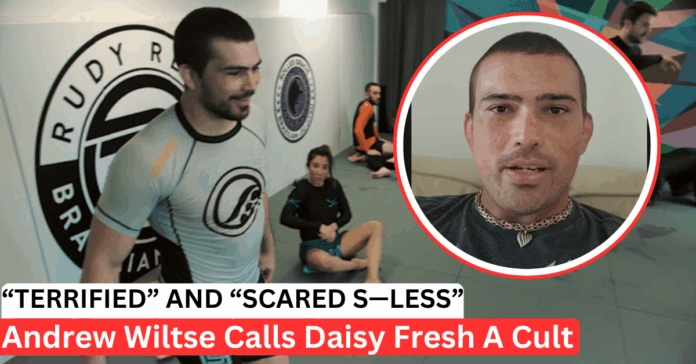
  • In a new on-camera testimony, Andrew Wiltse says Daisy Fresh is a cult, alleging coercion, fear, and even criminal pressure tied to leadership.
  • He uses phrases like “cult of personality,” describes teammates as “terrified,” and credits “Nicole” with getting him out.
  • Wiltse claims no journalists have probed the accusations and publicly calls out prominent figures for staying quiet.
  • These are allegations; as of publication, there’s no official response from those named. We’re covering what he said—verbatim—while noting his history of bipolar struggles that some raise when judging credibility.

Andrew Wiltse Says Daisy Fresh Is A Cult

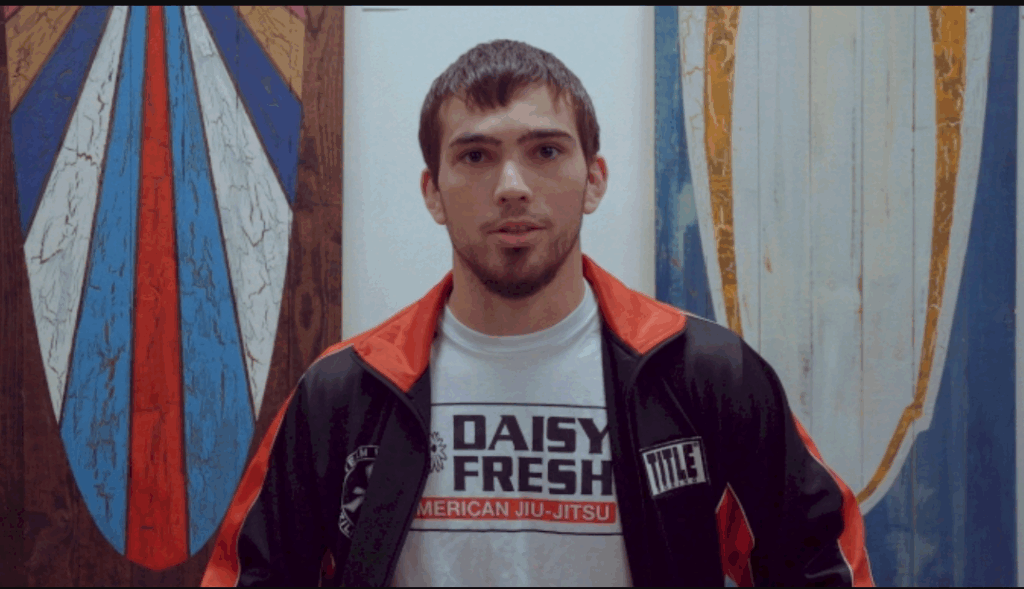
Andrew Wiltse says Daisy Fresh is a cult, and you can’t just disregard him – he knows team Pedigo inside out. Not metaphor, not exaggeration—he repeatedly uses the word cult and lays out what he says are specific harms. The language is scorching and unmistakable.

“If you don’t realize it’s a cult of personality, you’re s—id.”
– Andrew Wiltse –

Wiltse’s allegations go well beyond gym beef. He paints a picture of pressure, intimidation, and conduct he believes belongs in investigations, not training rooms. Central to the clip: the claim that members lived in a constant state of panic.

“terrified” and “scared s—less at all times”
– Andrew Wiltse (describing team members) –

He also alleges criminal pressure tied to the gym’s orbit, using stark wording on camera:

“They sell d—s out of it. They pressure people into selling d—s.”
– Andrew Wiltse –

And he frames his exit as a rescue, crediting a partner by name:

“Nicole broke me out of the cult.”
– Andrew Wiltse –

Throughout, he insists issues (including SA concerns) were raised internally and mishandled—claims that, if substantiated, would escalate this far beyond community drama.

That’s the core of why Andrew Wiltse says Daisy Fresh is a BJJ cult detonated across feeds: the accusations land in the realm of policy, law, and athlete welfare.

Before The Blast: The Daisy Fresh Split And A Recent Manic Spiral

Well before the video where Andrew Wiltse says Daisy Fresh is a cult, he’d already described a widening rift with the team and coach Heath Pedigo—saying he and his brother were being phased out of content and activities, and even blocked from filming in the room.

“Even when I was there all day, every day, I was phased out of Daisy Fresh YouTube videos… I wasn’t invited on trips to camps, and I wasn’t informed about local tournaments or basically anything that everyone else knew.”
– Andrew Wiltse –

More recently, Wiltse was involved in a widely discussed incident with police that he and coverage around it described as connected to a manic episode.

The footage and reports framed it as a mental-health crisis rather than a standard “beef,” and it has since colored how parts of the community assess his public statements—fueling calls for third-party verification of any new claims even as others emphasize compassion and due process.

This context—first, the split; then, a high-profile manic spiral intersecting with law enforcement—forms the backdrop to this week’s allegations and the debate over credibility, evidence, and next steps.

Where Are The Answers?

Another through-line is Wiltse’s frustration with what he calls a wall of silence—both from alleged principals and from prominent peers. He also claims the media hasn’t done its job.

“No journalists have investigated… obvious red flags.”
– Andrew Wiltse

He singles out well-known figures for keeping quiet, sharpening the spotlight on why Andrew Wiltse says Daisy Fresh is a cult but the wider scene isn’t publicly engaging.

The pushback he anticipates—given his documented bipolar battles—is baked into the discourse. Even so, the standard here is evidence: either the claims are backed by receipts, or they aren’t. Diagnosis isn’t adjudication.

Andrew Wiltse Says Daisy Fresh Is A Cult

If Receipts Surface vs. If They Don’t

If corroboration surfaces (messages, documents, sworn statements), expect an immediate shift: formal inquiries, sponsor pressure, and real consequences.

If not, reputations are still altered—because a high-profile insider said “Daisy Fresh is a cult” on camera and the internet never forgets. In either case, the next chapter belongs to verification and replies.

Until then, the only thing that’s clear is the quote itself—repeated, emphatic, and now in the public record:

“People were upset that me and Bird had our own YouTube channel… We were flat-out told we were not allowed to record in the gym anymore.”
– Andrew Wiltse –

For now, Andrew Wiltse says Daisy Fresh is a cult, those named haven’t answered, and the sport is left with a hard question: who investigates, who responds, and how soon?

Freakazoid Bows Out: Geo Martinez Retires After Decades Of No-Gi Chaos

Freakazoid Bows Out: Geo Martinez Retires After A Decade Of No-Gi Chaos
  • Geo Martinez retires from high-level competition, citing the endless grind and a pull toward coaching.
  • The 10th Planet ace emphasized age, injuries, and full-time gym duties in plainspoken remarks.
  • Freakazoid leaves with EBI titles, an ADCC 2015 fourth place, and a decade of innovation that bent no-gi style lines.
  • The next chapter is mentorship—proof that charisma and system-building can outlast the bracket.

Geo Martinez Retires—But Says The Grind Never Stops

The headline is simple and seismic: Geo Martinez retires. The delivery is pure working-class athlete—no mythologizing, no dramatic swan song.

Just a straight admission that the meter never stops ticking for elite grapplers, and that the smarter play at this stage is pouring into students and a growing room.

“I’m running a gym full-time, and I’ve been competing for a long time. I’m getting older, and I have some injuries here and there. I think it’s just time for me to focus on my gym and my students.”
– Geo Martinez –

The candor is the story. Geo Martinez retires not with a victory lap, but with a nudge to everyone stuck on the hamster wheel.

Geo Martinez Retires After A Decade Of No-Gi

Freakazoid’s Last Word: “There’s Never A Rest Time

For a decade, Freakazoid made chaos look choreographed. The exit line that will follow him is grimmer—and truer—than any highlight.

“When you’re a competitor, it’s like you’re always on the grind. There’s never a rest time. You’re always getting ready for another tournament.”
– Geo Martinez –

And he made sure to explain what remains when the calendar clears:

“Now it’s more about just the passion and just the love of the game.”
– Geo Martinez –

That’s the part that lands for anyone who ever taped a finger and limped into rounds. Geo Martinez retires but the love doesn’t.

From Breakdancer To No-Gi Legend

Before the memes and the mouthpiece, there was a body that moved different. A professional breakdancer turned 10th Planet Jiu-Jitsu black belt, Geo’s spatial awareness and balance produced a style that felt imported from a future rulebook.

The résumé isn’t just trophies—it’s texture:

  • EBI champion (x3): a ruleset built for daring finishers fit Freakazoid like a custom rashguard.
  • ADCC 2015 (4th place): the world’s hardest bracket met maximal creativity—and remembered it.
  • Signature wins & moments: from the Jeff Glover upset to years of West Coast no-gi theater, his brand became shorthand for “try the thing no one else will.”
  • One of the fastest promotions in BJJ history: It only took the Freakazoid three years to earn his black belt from Eddie Bravo.

If you trained in the 10th Planet orbit, you stole something from him—an entry, a grip, a willingness to live in the weird.

That’s the point. When Geo Martinez retires, the ideas he mainstreamed don’t quit; they sink deeper into the rooms he runs.

What Changes Now That Geo Martinez Is Retired?

First, the calendar. Expect fewer poster stare-downs and more packed classes where the owner is the most excited person in the room. The way he talked about the switch makes the path obvious: the grind kept taking; the gym keeps giving.

Second, the pipeline. 10th Planet thrives on personality-driven innovation. A full-time Freakazoid means more system kids—athletes fluent in the unorthodox—and more content from a coach who can demo, troubleshoot, and sell the style in plain English.

Third, the myth. The sport loves definitive endings; this isn’t one. It’s a pivot. Legends who coach full-time often shape eras more than they shaped brackets. If “Freakazoid” becomes a coaching tree instead of a fight card name, the story gets bigger, not smaller.

Above all, the tone he set on the way out matters. No bitterness. No “one last run” bargaining.

Just a clear decision and the kind of quotes that hit like a caution sign for the next wave.

“I’m running a gym full-time… I think it’s just time for me to focus on my gym and my students.”
– Geo Martinez –

If you needed a final reel, you’ve already got one: a decade of audacity stitched to an ethos that says the love of the game is the only part worth guarding with both hands. Geo Martinez retired from the lights to keep that love alive—louder—in the room that built him.

Gordon Ryan Arm Wrestling With The GOAT Devon Larratt

Gordon Ryan Arm Wrestling With The GOAT Devon Larratt
  • Gordon Ryan arm wrestling with the sport’s most famous teacher lit up timelines after a hands-on session at the table.
  • Ryan called the discipline “way more technical” than expected and said it was “fun,” sharing multiple clips and captions.
  • The No-Gi king even joked that amid his well-documented stomach issues, “my belly can handle arm wrestling.”
  • The crossover moment shows a dominant grappler choosing to be a beginner—on camera—with a legend guiding him.

Gordon Ryan Arm Wrestling With Devon Larratt

It wasn’t a gimmick. It was a sit-down with the sport’s standard-bearer and a crash course in a ruleset where the hand is the whole fight. In the viral session, Gordon Ryan arm wrestling under a legend’s eye became the rare crossover that felt like news, not novelty.

The ADCC megastar—more at home choking out world-class rivals—parked his elbow on a pad and let a master rewire his grip strength in real time.

Ryan’s own captions set the tone for the moment.

“Weekend of shenanigans with @devlarratt. Arm wrestling is way more technical than you’d think. Arm wrestling is fun.”
– Gordon Ryan –

The surprise in the footage isn’t just that Gordon Ryan arm wrestling looks natural—it’s that he insists it isn’t. He underlined the micro-mechanics that make even elite athletes feel like rookies at the table, and he did it with the same plain-spoken tone that built his following.

“Arm wrestling is way more technical than you’d think.”
– Gordon Ryan –

The other line that caught fire was a wink at his well-known gastrointestinal battles—an ongoing subplot to every conversation about his competition schedule.

“My belly can handle arm wrestling.”
– Gordon Ryan –

And, speaking more broadly about how his health frames all training right now, Ryan spelled out what he’s trying to solve day to day.

“I always have a belly ache… you’re just trying to get that back to normal.”
– Gordon Ryan –

A Different Kind Of Flex

Plenty of stars “try” new sports on camera. What made Gordon Ryan arm wrestling land was who was standing across from him and how seriously he treated the lesson.

With a decorated icon walking him through setups and hand positions, Ryan leaned into being corrected—on film—while admitting the nuances went way deeper than he imagined.

That tone—curious, not performative—turned a 15-second clip into a day-long headline. It reframed the session as apprenticeship, not clout: the best grappler of his era borrowing a page from a different book and giving the teacher full credit.

The Hand Is The Fight

For a fanbase used to seeing him dominate with back takes and pressure, Gordon Ryan arm wrestling offered a clean, tangible twist: here, your elbow is fixed, and your wrist position is everything.

That constraint makes the learning curve obvious even to casuals—and it explains why Ryan’s “way more technical” line traveled. When the greatest no-gi closer says a different discipline out-tech’d his expectations, people click.

It also explains the smile in the footage. If grappling is a chessboard, the table is speed chess with one piece: your hand. The mechanics are visible, the feedback is instant, and Ryan’s reaction read like a guy who found a new puzzle worth solving.

Gordon Ryan Arm Wrestling With Devon Larratt

Ryan’s Next Competitive Sport? 

There’s no suggestion that Gordon Ryan arm wrestling signals a competitive pivot. But as a moment, it checks every box: a champion learning in public, an all-time great teaching, and quotes that underline respect for a parallel craft.

“Arm wrestling is fun.”
– Gordon Ryan –

Whether it stays a one-off training day or becomes a recurring grip lab, the clip did its job: it showed the No-Gi king choosing humility—and made a niche sport look cool to fans who might never have watched it otherwise.

And for a guy whose every move gets scrutinized through the lens of recovery and schedule, one line summed up the mood as cleanly as the pin pad ever could:

“My belly can handle arm wrestling.”
– Gordon Ryan –