




Key Takeaways
- Comprehensive 4-volume instructional covering the leg drag as both a guard passing system and submission setup platform
- Excellent for intermediate to advanced practitioners seeking to add a versatile BJJ passing technique to their arsenal
- Covers leg drag applications against all major guard styles including De La Riva, spider guard, and lasso
- Features unique transition sequences from failed sweeps directly into leg drag positions
- Includes complete submission chains with arm bars, back takes, foot locks, and ezekiel chokes from leg drag control
- Rating: 7/10
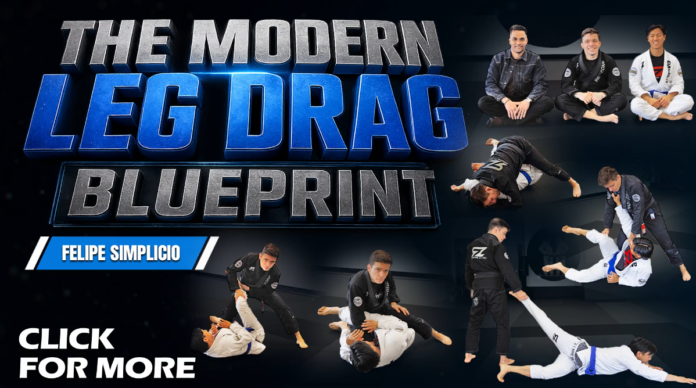
MODERN LEG DRAG BLUEPRINT FELIPE SIMPLICIO DVD AVAILABLE HERE
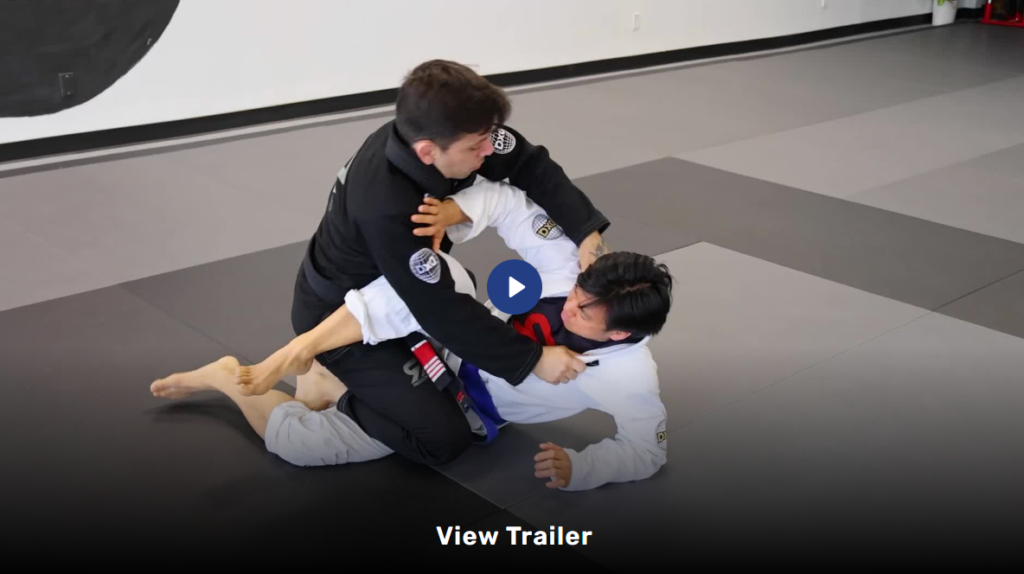
The leg drag has evolved from a simple guard passing technique into one of modern Brazilian Jiu-Jitsu’s most versatile positional systems. Felipe Simplicio’s The Modern Leg Drag Blueprint Felipe Simplicio DVD presents a comprehensive approach to mastering this essential technique across four detailed volumes.
With applications ranging from guard passing against every major bottom system to submission chains and counter-attacking from defensive positions, this instructional promises to transform the leg drag from an occasional technique into a complete strategic framework.
The Pass That Everyone Uses
The leg drag occupies a unique position in contemporary Brazilian Jiu-Jitsu as both a foundational guard pass and an advanced positional system. Unlike traditional pressure passing methods that rely on weight distribution and grinding control, the leg drag emphasizes timing, leverage, and positional manipulation to bypass guard structures entirely.
What distinguishes the leg drag from other passing systems is its ability to simultaneously neutralize opponent mobility while creating multiple attacking opportunities. By controlling the opponent’s leg and hip positioning, the passer eliminates most defensive options while maintaining access to both submission opportunities and positional advancement.
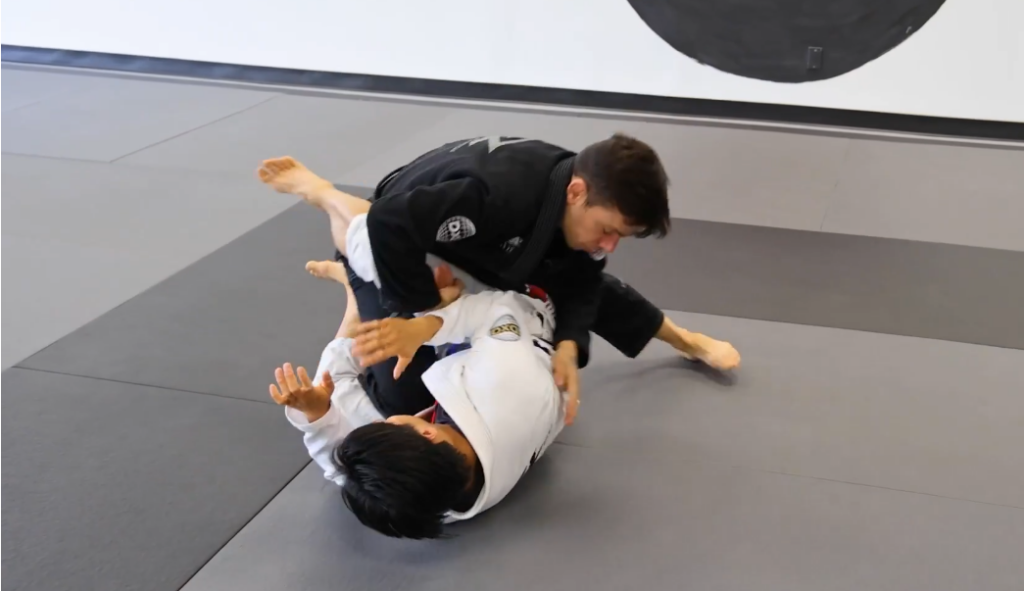
The technique’s effectiveness stems from its fundamental disruption of guard mechanics. Most guard systems rely on leg and hip mobility to create angles, establish grips, and generate defensive frames. The leg drag systematically eliminates these options by controlling the opponent’s lower body positioning while maintaining top position leverage.

Professor Felipe Simplicio
Felipe Simplicio represents the modern generation of Brazilian Jiu-Jitsu instructors who have successfully bridged traditional training with international competition experience. Born on January 10th, 1992, in Ponte Nova, Minas Gerais, Simplicio began his Jiu-Jitsu journey at 16 years old in Guarapari, Espírito Santo, under the guidance of Thiago Oliveira from Striker Jiu-Jitsu.
Simplicio’s path to black belt demonstrates the dedication required for high-level Brazilian Jiu-Jitsu development. His early training under Thiago Oliveira provided the technical foundation that would later support his international competition career. The decision to pursue his Jiu-Jitsu dreams in the United States reflects the global nature of modern grappling development, where practitioners often train across multiple countries and affiliations.
His current training relationship with JT Torres at Essential Jiu-Jitsu in White Plains, New York, provides insight into his technical approach and competitive philosophy. Torres’ influence on modern No-Gi grappling and systematic approach to position development likely contributed to Simplicio’s methodical instructional style. As a multiple-time IBJJF medalist and certified referee, Simplicio brings both competitive experience and rule-set expertise to his technical instruction.

Full Modern Leg Drag Blueprint Felipe Simplicio DVD Review
The four-volume structure provides comprehensive coverage without overwhelming complexity, making it accessible for serious intermediate practitioners while offering advanced concepts for competitors.
The instructional’s greatest strength lies in its versatility and systematic approach to technique development. Rather than presenting isolated applications, Simplicio creates a cohesive system where guard passing, counter-attacking, and submission sequences all support each other:
Volume 1 – Setting it Up
The opening volume establishes the fundamental concepts and mechanics that support the entire leg drag system. Simplicio’s introduction covers the essential positioning elements, explaining how proper leg drag setup creates the control necessary for successful execution.
The emphasis on securing the leg drag reveals his systematic approach, focusing on control establishment before advancing to more complex applications. The section addressing common mistakes provides valuable insight into why many practitioners struggle with leg drag execution. Rather than simply demonstrating correct technique, Simplicio identifies specific errors that compromise position effectiveness.
Volume 2 – Beating Outside Guards
This volume demonstrates the leg drag’s versatility against modern guard systems. The = De La Riva guard counters showcase how leg drag mechanics can neutralize one of contemporary Jiu-Jitsu’s most dynamic guard systems. The spider guard counters reveal tactical understanding of grip-dependent guard structures and how the leg drag disrupts their fundamental mechanics.
Crab ride transitions demonstrate advanced positional flow concepts, showing how the leg drag connects to other control systems. The stacking back take sequence illustrates submission-oriented applications, transforming passing position into finishing opportunities.
Finally, the HQ smash pass connection reveals systematic thinking about passing chains, while the leg weave pass transition shows how multiple passing systems can work together cohesively.
Volume 3 – Sweeping to Leg Drags
Part three addresses one of the leg drag’s most innovative applications: counter-attacking from defensive positions. The De La Riva sweep counter demonstrates how failed bottom attacks can transition directly into top position advantages. This concept represents advanced tactical thinking that transforms defensive scenarios into offensive opportunities.
The baby bolo counter showcases understanding of modern berimbolo systems and how the leg drag can neutralize these dynamic attacks. Failed berimbolo counters provide more practical solutions for defending against one of sport Jiu-Jitsu’s most common attacking sequences.
Volume 4 – Submission Hunting
The final volume focuses entirely on finishing sequences from leg drag control. The head and arm choke demonstrates basic submission applications, while the spinning arm bar showcases more dynamic finishing options. The jump arm bar sequence reveals advanced submission mechanics that capitalize on the leg drag’s unique positioning advantages.
The back take applications show how the leg drag serves as a stepping stone to the most dominant position in Jiu-Jitsu. The footlock applications demonstrate lower body submission integration, while the ezekiel choke provides an unexpected finishing option that most opponents won’t anticipate from this position.
Systematizing Leg Drags
Implementing The Modern Leg Drag Blueprint Felipe Simplicio DVD requires systematic approach that progresses from basic mechanics to advanced applications. You should begin with Volume 1’s foundational concepts, ensuring proper leg drag setup and control before advancing to specific guard passing applications.
The instructional works particularly well for practitioners with existing guard passing experience who want to add a versatile technique to their arsenal. The leg drag complements other passing systems by providing solutions for specific guard styles that pressure passing might struggle against. Integration with existing techniques creates a more complete passing game rather than requiring complete tactical overhaul.
For competition application, the leg drag offers significant advantages in point-based rulesets where passing advantages and submission attempts both contribute to victory. The counter-attacking applications provide defensive solutions that can shift match momentum from disadvantageous positions.
Training partners will need time to adjust to the leg drag’s unique control mechanics, making it effective against opponents unfamiliar with proper defensive positioning. However, experienced competitors will recognize the threats and adjust their guard retention accordingly, requiring mastery of the advanced applications and transition sequences.
DOWNLOAD MODERN LEG DRAG BLUEPRINT FELIPE SIMPLICIO DVD
Who Is This For?
This instructional targets intermediate to advanced practitioners with solid guard passing fundamentals who want to expand their tactical options. Blue belts with competitive experience will find the basic applications accessible, while purple and brown belts can immediately implement the advanced counter-attacking and submission sequences.
The system particularly suits practitioners who prefer technical approaches over strength-based passing games. Those who struggle against flexible guard players will find the leg drag offers mechanical advantages that reduce reliance on physical attributes. The technique works especially well for competitors who need versatile solutions against diverse guard styles.
Gi competitors will benefit most from the comprehensive approach to grip-dependent guard systems. The systematic coverage of De La Riva, spider guard, and lasso applications addresses the most common guard styles in sport Jiu-Jitsu competition. Submission integration makes this Felipe Simplicio instructional super-valuable for both points-based and submission-only formats.
Pros & Potential Drawbacks
Pros:
- Comprehensive coverage of leg drag applications against all major guard styles with systematic progression from basics to advanced concepts
- Excellent instruction quality with clear demonstrations and logical sequence organization across four focused volumes
- Unique counter-attacking applications that transform defensive scenarios into offensive opportunities
- Complete submission chains that maximize position value beyond simple guard passing
- Proven techniques from experienced competitor and instructor with clear tactical understanding
- Addresses common mistakes and troubleshooting scenarios based on real teaching experience
Potential Drawbacks:
- Heavy emphasis on Gi applications with limited No-Gi adaptation for grip-dependent techniques
- Requires significant drilling time to develop timing and coordination necessary for smooth execution
- May be too technical for beginners without solid guard passing foundation already established
Drag it Out!
The Modern Leg Drag Blueprint Felipe Simplicio DVD delivers a thorough system that transforms a fundamental passing technique into a complete positional framework. Simplicio’s teaching experience and competitive background translate into systematic instruction that addresses both offensive applications and defensive solutions with equal depth.