










Key Takeaways
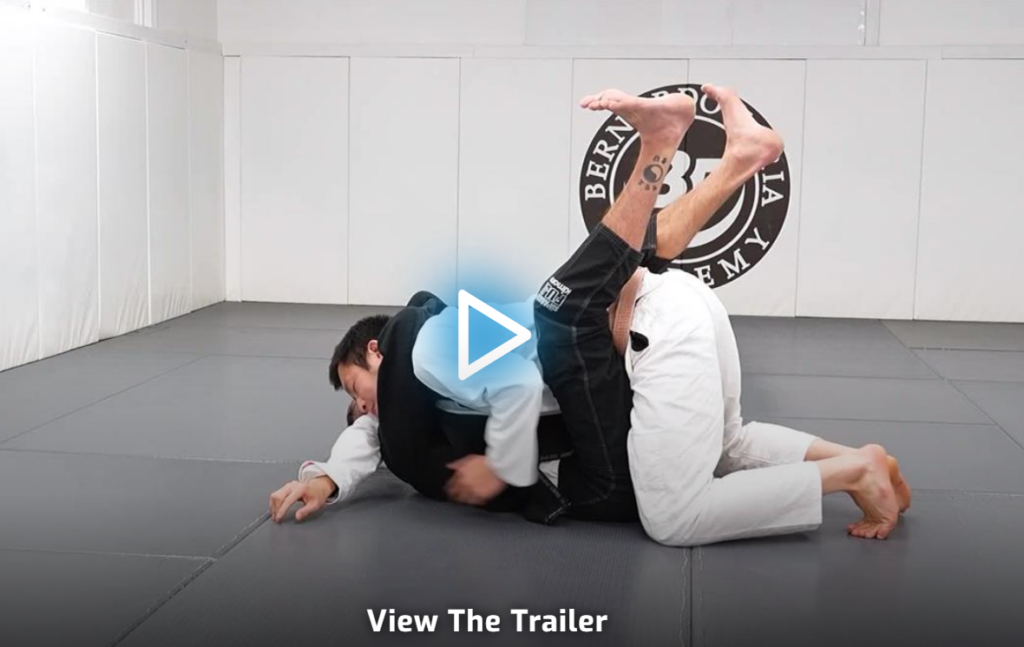
The Fix Your Fundamentals Submissions Jared Welman DVD is a fundamentals-first submission course that refuses to chase trends. Instead, it leans into the positions you end up in every round—mount, back control, side control, and the classic guards most gyms build around.
The premise is simple: submissions don’t need to be flashy to be reliable. They need clean mechanics, good positioning, and enough control that your opponent can’t just “wiggle out” the moment you commit.
That framing matters for anyone trying to build a functional finishing game. If you’ve ever hit the armbar position and still watched someone survive because your legs slipped, your hips drifted, or your grips were sloppy, you’re exactly who this series targets. The Fix Your Fundamentals Submissions Jared Welman DVD is meant to make your core finishes feel repeatable under pressure—not just in compliant drills.
Making Submissions Work
Fundamentals submissions are the ones you can finish when you’re tired, when grips aren’t perfect, and when your opponent is defending with intent. That’s why the Fix Your Fundamentals Submissions Jared Welman DVD sticks to classic, high-percentage finishes instead of niche variations. In practice, that usually comes down to a short list: armbars, kimuras, head-and-arm pressure, triangles, and a handful of Gi chokes that punish bad posture.
What makes them “fundamental” isn’t the move name—it’s the process: isolate the limb, win the angle, keep your base, and remove the opponent’s best defensive grips and frames. The Gi is a great teacher here, because collars and sleeves punish sloppy positioning; if you rush, your opponent literally has handles to survive.

Get those basics right and chaining becomes simple: defended collar chokes open armbars, defended armbars expose triangles, defended kimuras become controls that lead back to posture breaks. You don’t need 40 submissions—you need a handful you can repeat against real resistance.
Jared Welman – Combining Movement and Jiu-Jitsu
Jared Welman is a Brazilian Jiu-Jitsu black belt and instructor at Bernardo Faria Academy, known for pairing classic Gi fundamentals with mobility-first training. He’s also a 2nd-degree black belt in Taekwondo and has built a following around the idea that better movement quality leads to better Jiu-Jitsu—especially as athletes get older and can’t rely on pure speed.
That combination—fundamentals plus longevity-minded coaching—fits perfectly with a submissions instructional, and it’s the lens Welman uses throughout the Fix Your Fundamentals Submissions Jared Welman DVD.

Welman’s teaching style tends to favor clear positional definitions, straightforward mechanics, and small adjustments that remove the need to “muscle” finishes. If you’ve been looking for a Jared Welman BJJ instructional that keeps things practical and pressure-tested, his broader approach makes sense as a foundation for submissions.
Detailed Fix Your Fundamentals Submissions Jared Welman DVD Review
This is a four-volume set, and the organization is the real selling point. In the Fix Your Fundamentals Submissions Jared Welman DVD, that structure keeps you focused on finishes that show up in everyday rounds.
Total runtime is a little over two hours, and the chapters are broken into short, time-stamped segments. That makes it easy to study in mat-sized doses: pick one finish, drill it for a week, then come back and troubleshoot the exact chapter that matches where your attempt is breaking down (grips, angles, or control).
Volume 1 – Position And Definitions
Volume 1 starts with definitions and positioning, then builds from mount. The progression is what you’d expect from a fundamentals course: a traditional armbar, a faster named variation, and S-mount as the stabilizing pathway many beginners struggle to hold. From there, Welman addresses finishing against grips—a real Gi problem once opponents learn how to grab sleeves and collars to buy time.
The volume rounds out mount with a cross collar choke and a couple of labeled variations, then moves into familiar pressure finishes: Americana and arm triangle. It finishes by tying in upper-body control via gift wrap and a kimura grip concept, which helps connect finishing to controlling rather than treating them as separate skills. As far as mount submissions BJJ players actually hit under resistance, this is a clean, drillable baseline.
Volume 2 – Back Mount
Volume 2 is the most everyday section: back control, side control, north-south, and knee on belly. From the back, Welman covers the rear naked choke and Gi options like double collar and bow and arrow, plus an armbar to keep the theme consistent.
This is solid back control submissions material for anyone who gets the seatbelt but struggles to convert. Side control focuses heavily on armbars (far side and near side) and the classic partners to those attacks: Americana variations and the kimura.
A Canto choke chapter shows up here as well, leaning into the Gi’s ability to create finishing angles without needing explosive movement. The final stretch includes north-south and knee on belly, featuring a one-arm choke from north-south and a dedicated knee on belly armbar—two high-percentage options that reward good weight distribution.
Volume 3 – Closed Guard
Part 3 is closed guard, and it’s packed with the submissions most teams consider mandatory: cross collar choke, big wave (a named variation), arm triangle, kimura (plus variation), armbars (speed and traditional), triangle, and omoplata (plus variation). The way it’s laid out encourages simple chaining rather than complicated decision trees.
The practical takeaway for closed guard submissions is that Welman treats each finish as a posture-and-angle problem. You’re not just “throwing up a triangle”—you’re managing posture, creating the right angle, and choosing the finish that fits the reaction you get. The inclusion of a shoulder climb/lock chapter and a double armbar chapter reinforces that chaining can stay fundamental: you can layer options without turning your guard into chaos.
Volume 4 – Half Guard And Butterfly
The final piece of this DVD is a compact finishing unit for half guard and butterfly. Instead of trying to teach an entire guard system, it stays submission-focused: a kimura from half guard bottom, then Gi chokes like cross collar and loop choke. From butterfly, Welman continues with loop choke material (including a hip heist variation) and adds a shoulder crunch chapter before wrapping up.
This volume is best viewed as a supplement—useful if you routinely end up in half guard or butterfly exchanges and want a couple of reliable “threats” that force reactions. It’s not meant to replace a full half guard or butterfly curriculum, but it does give you enough to turn those scrambles into finishing opportunities, especially in the Gi.
Getting The Tap – Every Time
To get real value from the Fix Your Fundamentals Submissions Jared Welman DVD, treat it like a troubleshooting manual rather than a move-collection. Pick one position you reach constantly (mount, back, side control, or closed guard), and commit to one primary finish plus one secondary option that naturally pairs with it.
Use a simple loop: watch one chapter, drill 20–30 clean reps, then add progressive resistance (partner defends at 30%, then 60%, then “realistic but controlled”). Spend a week forcing that position in sparring, even if it means “losing the round” to get more reps. Between sessions, rewatch the exact segment and write down one or two cues you want to feel (hip angle, head position, grip placement).
If you want a quick structure: Session 1 work on mount amd grip defense. In session 2 focus on the back and side control, before moving on to the closed guard two-attack chain in session 3. Finally, session 4 is all about exploring the half guard/butterfly threat. If you train both Gi and No-Gi, prioritize the shared mechanics and treat lapel-driven chokes as Gi-only upgrades.
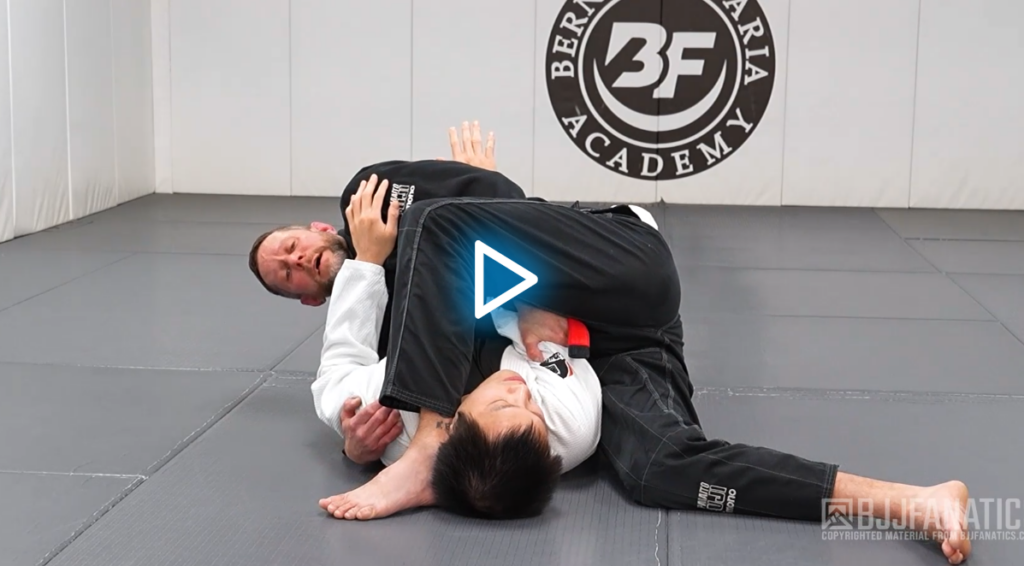
WATCH: FIX YOUR FUNDAMENTALS SUBMISSIONS JARED WELMAN DVD
Who Is This For?
This course is best for grapplers who want repeatable, control-first finishes—especially in the Gi. The Fix Your Fundamentals Submissions Jared Welman DVD gives beginners a clear positional roadmap, while intermediates tend to get the biggest payoff because small fixes in grip management and angle often turn“almost into tap.
It’s also useful for coaches who want a simple submissions curriculum they can assign by position, and for advanced students who like a periodic fundamentals reset.
It’s less ideal for No-Gi-only athletes (you’ll skip the lapel-driven material) or anyone hunting a modern, niche submission meta. You’ll still learn mechanics, but you won’t use every chapter.
Pros & Potential Drawbacks
No fundamentals instructional is perfect for everyone. The upside here is clarity and transferability: a small set of submissions you can sharpen for years. In the Fix Your Fundamentals Submissions Jared Welman DVD, that clarity comes from position-based organization and repeatable mechanics.
Pros:
- Curriculum-style organization by position makes it easy to study and drill with purpose.
- Strong control-first emphasis that helps remove strength dependence from your finishes.
- Broad coverage of classic submissions without turning into an overwhelming encyclopedia.
- Gi-specific options are included where they actually matter (grips, posture, collar-and-lapel finishing).
- Short, time-stamped chapters make it easy to revisit problem areas between training sessions.
Potential Drawbacks:
- The Gi emphasis is real; No-Gi-only athletes will skip some grip-dependent material.
- Half guard and butterfly content is a finishing supplement, not a full guard system.
Transform Your Submissions
The Fix Your Fundamentals Submissions Jared Welman DVD succeeds because it stays disciplined: core finishes, taught from core positions, with a control-first mindset that actually improves your conversion rate. The four-volume structure gives you a clean path through mount, back, side control, closed guard, and a compact half guard/butterfly supplement, all without drifting into trend-chasing.
Its biggest strength is clarity. You can pick one position, drill one finish, and immediately pressure-test it in sparring. The main limitation is the Gi-forward focus—perfect for collar-and-sleeve players, less essential for No-Gi-only athletes.