






Key Takeaways
- Master The Move Toehold John Danaher DVD review — a six-volume digital instructional that turns the toehold from an occasional catch into a complete leg lock system.
- Danaher frames the toehold as the “knight on the chessboard of leg locks” — fast to apply and legal in far more divisions than the heel hook.
- Six volumes run from figure-4 mechanics and entries through kneebar combinations, 50/50, ashi garami counters, Estima locks and reverse closed guard.
- Expands the single toehold chapter from his 2018 Leglocks: Enter The System into roughly four and a quarter hours of dedicated study.
- Best for brown belts and above building a Gi and No-Gi leg lock game; too narrow and too costly for lower belts who cannot use it in competition.
- BJJ World Expert Rating: 9 out of 10.
FULL DOWNLOAD: Master The Move: The Toehold John Danaher DVD
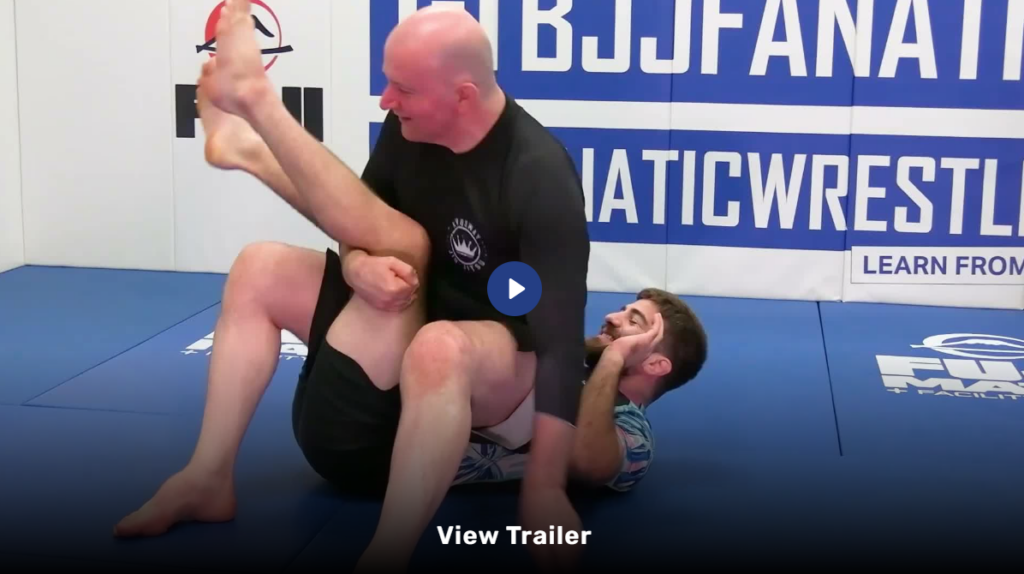
John Danaher has spent a decade convincing grapplers that leg locks are a science rather than a shortcut. The toehold has always occupied a strange middle seat inside that science — older and more widely known than the heel hook, legal in more rulesets, and still chronically under-coached relative to the depth of the position. Master The Move: The Toehold is his attempt to correct that, and he gives the submission a framing that is hard to shake:
The toehold as the knight on the chessboard of leg locks.
–John Danaher, The Bernardo Faria Podcast –
It is not marketing fluff. In chess, the knight is the piece that jumps over everything, forks two targets at once, and attacks and defends with equal ease — which is exactly how a well-built toehold behaves inside a leg lock game. The question the sales page cannot answer is whether that framing justifies a full six-volume course at $197, and this is the first independent review to actually work through it.
Why The Toehold, And Why Now
The toehold sits in a strange legal niche that quietly makes it one of the most useful leg locks for the average competitor. Under current IBJJF rules it is permitted for adult and Masters brown and black belts in both the Gi and No-Gi, while the heel hook stays confined to adult brown and black No-Gi divisions.
For a Gi competitor or anyone in a Masters bracket, the heel hook is simply not on the table — but the toehold is. Add in the kneebar, which unlocks at the same brown and black level, and the toehold becomes the connective tissue of a leg lock game that works across rulesets.
That versatility is the real engine of the course. Where the heel hook is a committed, high-stakes finish, the toehold can be hunted from top or bottom, used as a genuine threat or a way to force a reaction, and chained into kneebars and heel hooks when the grip fails.

Danaher has taught versions of all of this before — the toehold appeared as a single chapter in his 2018 Leglocks: Enter The System — but never as its own system, and never with this much room to breathe. Fans of the series will recognise the treatment from his omoplata and American lock releases: one move, taken seriously enough to become a full position.
The Coach Behind The System
John Danaher is a Renzo Gracie black belt who never competed but became one of the most influential coaches the sport has produced. A philosophy graduate of Columbia University, he built his reputation in the blue basement of the Renzo Gracie Academy, then turned a group of unknown young athletes — Gordon Ryan, Garry Tonon and Eddie Cummings among them — into the Danaher Death Squad, the most feared submission team of the modern No-Gi era. After that squad split, he co-founded New Wave Jiu-Jitsu in Austin and immediately led a largely inexperienced team to the most medals of any camp at ADCC.
The interesting tension for this particular release is that Danaher’s own favourite technique, by his BJJ Heroes profile, is the heel hook — not the toehold. So why devote six volumes to the toehold now? The answer is the same legal logic above: the heel hook is the crown jewel of the leg lock game, but the toehold is the leg lock that travels further. It is the version of the system a Gi competitor or a Masters grappler can actually take to the mat, and Danaher has clearly decided that gap is worth closing properly.

Master The Move Toehold John Danaher DVD Review
The course is roughly four and a quarter hours split across six volumes, streamed or downloaded through the BJJ Fanatics platform. It is structured the way all of Danaher’s best work is structured: a mechanics and problems volume up front, then a position-by-position build that keeps referring back to those first principles.
Volume 1: Mechanics And Entries From Top And Bottom
Danaher opens with the main mechanical principles of the figure-4 toehold and the three problems that kill it in live rolling before any entry can work. From there he moves to entries, and this is where the volume earns its place: the spin entry and the back step from top and a path in from bottom. The message is that the toehold should not be a move you hunt from one spot — it should be reachable from everywhere the foot becomes available.
Volume 2: Kneebar And Toehold Combinations
This is the volume that most directly answers the “full game” claim on the sales page. The toehold and the kneebar attack the same leg from opposite directions, and Danaher builds the connection into the Double Trouble kneebars and a kneebar-toehold dilemma that forces the opponent to choose which joint to defend. It closes with the relationship between toeholds and heel hooks, which is the bridge into the rest of the leg lock system.
Volume 3: 50/50 Toeholds
The 50/50 position is where the toehold quietly thrives, because the grip is available in both directions and the finish does not depend on winning a heel-slipping battle. Danaher splits the material into proactive and reactive 50/50 toeholds — hunting the grip on your terms, and answering when the opponent gives you the position on theirs.
Volume 4: Toeholds Versus Ashi Garami
Here the course turns defensive in the most useful way. Against the ashi garami entanglements that dominate modern No-Gi, the toehold becomes a counter-attack: the 10 finger toehold, and the palm to palm finish used against inside ashi, outside ashi and cross ashi garami. This is material that will resonate with anyone who spends time stuck in leg entanglements and wants a way to turn the tables without abandoning the position.
Volume 5: Outside, Inside And Clavicle Toeholds And Estima Locks
The fifth volume is where the grip variations multiply, and it is the clearest evidence for the “more variations than the figure-4” argument. Danaher covers the outside, inside and clavicle toeholds, then moves into the Estima lock family. This is the most broadly applicable volume for Gi players, since these grip changes translate cleanly to lapel grips.
Volume 6: Reverse Closed Guard
The final volume builds the reverse closed guard as the home base of the system: how to enter it, how to get between the knees, how to answer the leg extension that threatens the position, and how to roll the opponent through to the finish. It ends where it began, with the path from reverse closed guard to heel hooks — the toehold as a doorway into the rest of the leg lock game rather than a dead end.
This is not a course to binge. The sensible way to absorb it is to take Volume 1, drill the entries until they are automatic, then work the kneebar and 50/50 volumes in parallel as a live attack-and-counter pair. The ashi garami and reverse closed guard material pays off only after the base entries are in place, so expect to revisit those volumes weeks later as the game starts to click in rolling.
The realistic time investment is substantial — turning a single submission into a position you genuinely play takes a season of focused work, not a weekend. But for a grappler who already has a leg lock foundation, the return is a toehold game that works in the Gi, in No-Gi, and in the Masters divisions where the heel hook never will.
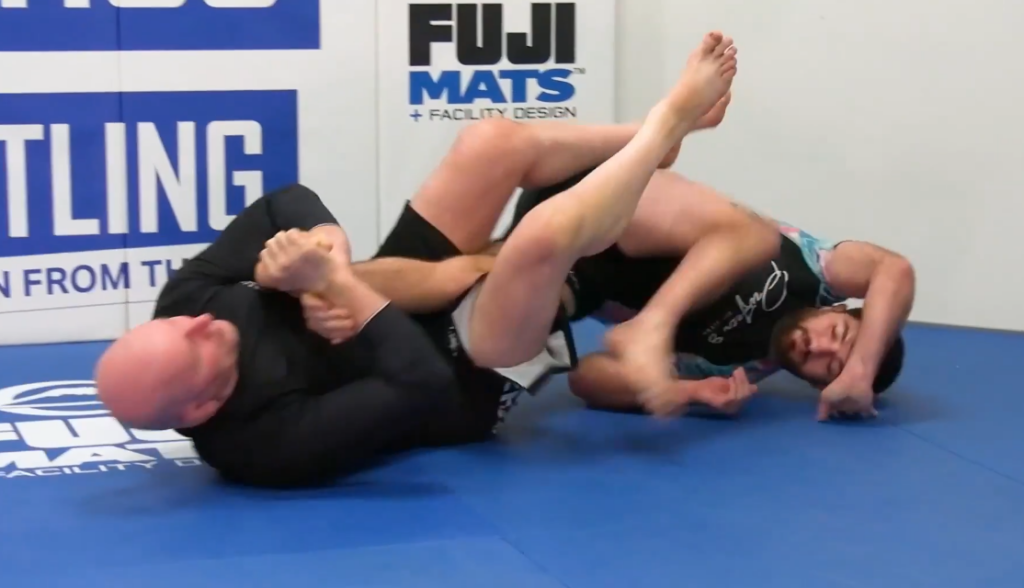
Master The Move: The Toehold John Danaher DVD – STREAM IT HERE
Who Is This For?
This is a course for brown belts and above, or experienced purple belts who compete in rulesets that permit the toehold. It fits two profiles best: the Gi competitor who wants a legal leg lock game, and the No-Gi grappler who already attacks heel hooks and kneebars and wants the toehold as the third threat in the chain.
Complete beginners should stay away — the density assumes a working knowledge of leg entanglements. And anyone who owns Leglocks: Enter The System and is happy with the toehold as a single chapter will find this largely an expansion of familiar material rather than a new frontier. That is the honest trade-off of the whole series.
Pros And Potential Drawbacks
Pros:
- The most complete toehold resource on the market. Six volumes take the submission from grip mechanics to a full attacking and counter-attacking system, with the kneebar and heel hook connections built in.
- The legality angle is genuinely valuable. By centring a leg lock that works in Gi and Masters divisions, the course serves a market most leg lock instructionals ignore.
- The ashi garami counters are a standout. Turning the dominant No-Gi entanglements into toehold threats is material almost nobody else teaches in this depth.
- The Estima lock coverage. A whole family of finishes that most grapplers have seen in competition but never learned in sequence.
- Danaher’s teaching clarity. Every technique is tied back to the mechanics and problems of Volume 1, which makes the six volumes cohere as one system.
Potential Drawbacks
- Overlaps with existing leg lock material. Buyers who already own Leglocks: Enter The System will recognise a good portion of the surrounding entanglements and heel hook transitions.
- No live-roll validation. As with the rest of the series, the material is taught in the controlled Danaher format rather than demonstrated against resisting opponents.
Toe Holds are Awesome!
As this Master The Move Toehold John Danaher DVD has argued, the toehold has been the most under-served submission in the leg lock family — legal in more places than the heel hook, and taught to nowhere near its mechanical depth. Danaher closes that gap with a course that is dense, well-sequenced and genuinely useful for the right buyer.