







Key Takeaways
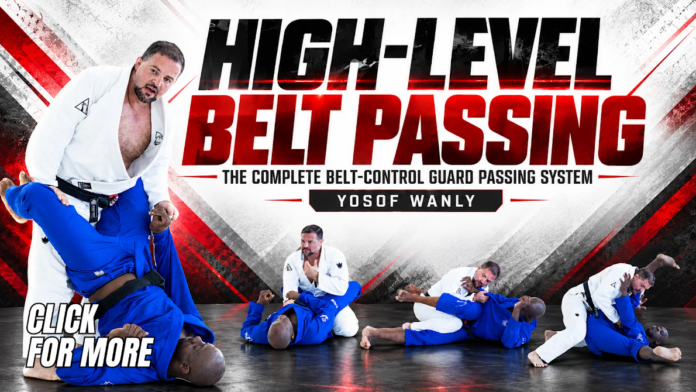
- High Level Belt Passing Yosof Wanly DVD Review — an eight-part, Gi-focused system that runs a single belt grip through closed guard, shin shield, toreando, De La Riva and lasso passing.
- Best for white-to-purple passers who want one repeatable grip as the spine of their top game.
- The hook is singularity: every pass ties back to the same belt control, so you drill one idea instead of eight disconnected moves.
- Strictly a Gi system — the belt grip disappears in No-Gi, and the belt knee cut material overlaps Wanly’s earlier knee cut course.
- BJJ World Expert Rating: 8 out of 10.
DOWNLOAD HERE: High Level Belt Passing Yosof Wanly DVD
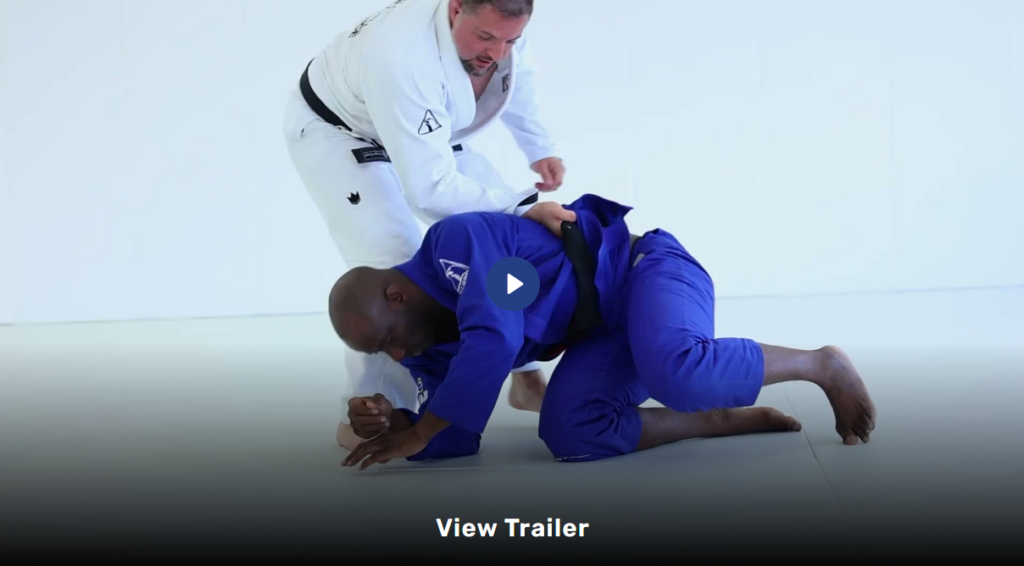
With High Level Belt Passing, Yosof Wanly completes a passing trilogy that began with High Level Knee Cut Passing and branched into the guard offence of High Level Lapel Wrestling. The knee cut course drilled one pass to death; the lapel course built a guard game out of Gi grips. This third release attempts something harder — a single grip that opens the closed guard, beats the shin shield, and then passes toreando, De La Riva and lasso guard without ever changing the plan.
The premise is that belt control is the most under-used handle in Gi passing. Grab the belt and you steer the hips; pin the hips and the legs have little left to work with. Wanly’s argument is that one grip can carry an entire passing game, and the eight volumes are arranged to prove it rather than merely assert it.
One Grip To Run The Whole Pass
Belt control gets less attention than collar, sleeve and lapel grips, which is strange, because the belt is the closest thing a passer has to a handle on the centre of an opponent’s body. A sleeve grip lets you steer an arm; a belt grip lets you steer the hips, and hip control is what separates a clean, settled pass from a scramble that gets re-guarded. That organising idea drives the whole course, and it is a strong one: instead of collecting a different entry for every guard, the student learns one connection and a menu of follow-ups that branch from it.
Readers who know Wanly’s knee cut release will recognise the territory, because belt control already appeared there as one grip among several. What changes here is promotion — the belt grip moves from an option to the spine of the system, and it is extended into material the knee cut course never touched, most obviously opening the closed guard. The contrast with the lapel wrestling set is just as clean: that was guard offence built on the opponent’s lapel, while this is top-game pressure built on the opponent’s belt.
Meet Yosof Wanly
Yosof Wanly is a Brazilian Jiu-Jitsu black belt and the head instructor of Via Jiu Jitsu in Corvallis, Oregon, a school in the Lucas Lepri association where he is mentored directly by Lepri and carries a Team Alliance lineage. Off the mats, Wanly’s background is unusually real-world for an instructional coach: a doctoral academic and published instructor who taught at the college level, a former law enforcement officer with the Corvallis Police Department, and a community chaplain.

That mix shows up in his teaching, which is calm, methodical and built on repeatable mechanics rather than athletic flash. A competitive black belt, Wanly established the systematic, pressure-first voice of this course across his two earlier BJJ Fanatics releases.
Full High Level Belt Passing Yosof Wanly DVD Review
The course runs eight volumes from opening the closed guard to passing the open guards, and every section returns to the same belt grip. That is the core of Wanly’s belt control passing system: one connection, forty-one chapters of follow-ups. The risk across that much material is overload rather than thinness, and the structure does the work of keeping it organised.
Volume 1: Introduction and Fundamental Principles
Three chapters set the frame before any technique: controlling the hips during a pass, the common problems passers run into, and why pins collapse. It is short, but it establishes the why that the rest of the course leans on.

Volume 2: Belt Control and Breaking the Closed Guard
The most important material in the set. Wanly shows how to establish belt control against the seated closed guard, then how to break it open from seated and standing positions using the T-method, walk-out method, sleeve control and the knee-piercing method. This is genuinely new territory for his catalogue — the knee cut course assumed you could already reach the pass, while this one starts a step earlier at opening the closed guard.
Volume 3: Combat Base and Shin Shield Passing
Here the belt grip becomes a weapon. Belt-control combat base forces half guard and counters the shin shield, and the shin shield passing series works the belt-weave chest-to-chest pass, the belt-weave leg drag and belt ears.
Volume 4: Toreando Belt Passing System
A seven-part toreando belt passing series that treats the most common open-guard grips as problems to solve: shallow lasso, sleeve, collar and scoop grips, plus dynamic entries and foot-stomping techniques.
Volume 5: Belt Knee Cut and Belt Leg Trap Passing
The closest overlap with the earlier course sits here in the belt knee cut chapter, but the volume quickly expands into a seven-part belt leg trap series with chest-to-chest, leg drag and belt drag finishes.
Volume 6: Belt Scoop Grip Passing System
The belt scoop grip powers the under pass, side-to-side passing, the stack pass and the low stack pass — a compact set of answers for when the opponent flattens out and refuses to open.
Volume 7: De La Riva Belt Passing System
Six parts on De La Riva passing: the system overview, the leg-between-the-legs pass, clearing the leg from the hip, the leg-off-hip stack pass, the leg extension pass and countering sleeve control.
Volume 8: Lasso Guard Passing and Conclusion
A lasso guard passing overview with belt control, then a closing segment that stitches the entire system into one game plan rather than leaving forty-one chapters to float on their own.
Building A Belt Passing Game
The course rewards a narrow training loop more than a binge-watch. Pick the belt grip, drill the closed guard opening until it is boring, then add one open-guard problem per week — shin shield, then toreando, then De La Riva, then lasso. Positional sparring with a rule helps: start in a specific guard, give the bottom player one goal, and apply the matching volume until the answer feels automatic.
The main trap across eight volumes is drowning in options, so the discipline is to pick the passes that fit your body type and your gym’s guard meta rather than trying to collect every chapter at once.
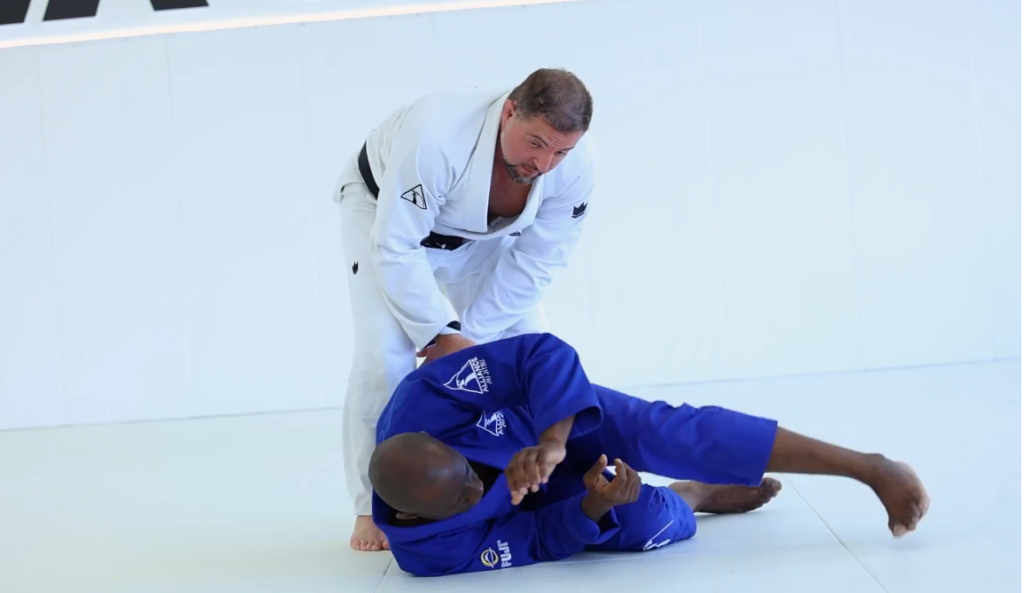
High Level Belt Passing Yosof Wanly DVD – AVAILABLE TO STREAM
Who Is This For?
This is a white-to-purple belt course wearing a “high level” title — the level refers to the cohesion of the system, not a black-belt-only audience. Solid Gi passers who already understand base and posture will get the most from it, especially pressure passers who like pinning the hips and making opponents carry weight.
It suits competitors who face modern Gi guards such as De La Riva and lasso and want one grip to answer them all. It is not for No-Gi purists, since the belt grip vanishes without the Gi, and anyone who already owns the knee cut course should know there is real overlap in the belt control and belt knee cut material.
Pros & Potential Drawbacks
Pros:
- A genuinely cohesive system: one belt grip runs through every pass, so the material reinforces itself instead of feeling like a technique dump.
- Covers the whole passing chain: it starts at opening the closed guard, which the earlier knee cut course skipped, and carries through to open-guard passing.
- Specific answers to modern Gi guards: shin shield, toreando, De La Riva and lasso each get a dedicated section.
- Matches its audience honestly: white-to-purple passers get repeatable mechanics rather than flashy, low-percentage finishes.
- Clear, methodical teaching: the sequencing makes the decision trees easy to follow.
Potential Drawbacks:
- Strictly a Gi system: without the belt grip, the framework does not transfer to No-Gi.
- Overlaps the knee cut course: belt control basics and the belt knee cut chapter repeat ground already covered in his first release.
A Belt Grip Worth Building Around
The verdict of this High Level Belt Passing Yosof Wanly Review is 8.0 out of 10. The belt grip is a genuinely cohesive spine rather than a marketing wrapper, and the closed guard and shin shield material fills a real gap in Wanly’s earlier passing work. Gi passers who want one grip to organise their whole top game will find the system worth its $79 price tag, even with the No-Gi limitation and the overlap with the knee cut course. For No-Gi-only grapplers and owners of that earlier release, the case is weaker.