




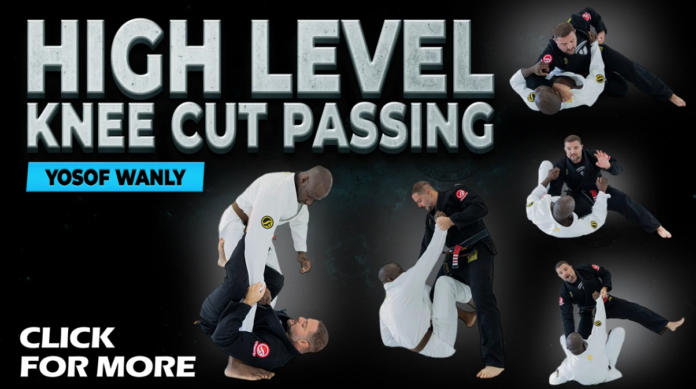

Key Takeaways
- A Gi-first knee cut system that spends real time on grips, hip control, and pinning mechanics—not just step here-fall there.
- Six volumes with lots of scenario coverage (knee shield/shin shield, De La Riva variations, lasso/lapel entanglements) and plenty of “what if they do this?” branching.
- Strong for intermediate passers who already find knee cut positions but want cleaner entries, better pressure, and more reliable finishing angles.
- If you’re strictly No-Gi, you’ll have to translate a chunk of the gripping material into underhooks, wrist control, and head positioning.
- Rating: 7.5/10
HIGH LEVEL KNEE CUT PASSING YOSOF WANLY DVD DOWNLOAD
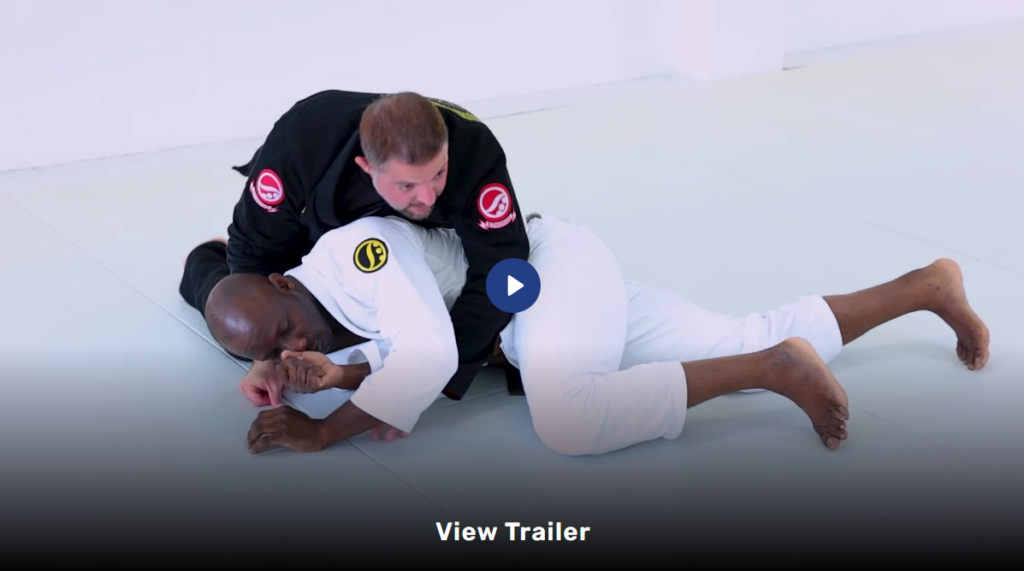
The knee cut is one of those passes that never goes out of style because it scales: you can hit it as a tired blue belt, and you can still build an elite top game around it at black belt. The difference isn’t knowing the move so much as knowing how to live in the knee cut position—how to win the grip battle, pin the hip, and choose the right finish when the guard player starts layering frames and hooks.
That’s the promise of the Knee Cut Passing Yosof Wanly DVD: a full system built around precision and pressure, with a clear emphasis on Gi details like collar, belt, lapel, and lasso problems—plus enough core mechanics to make the pass feel repeatable instead of lucky. After going through the structure, this release reads like a make-my-knee-cut professional course more than a highlight reel of flashy finishes.
Three Reasons Your Knee Cut Pass Fails
The knee cut is deceptively simple: your knee slices across, you turn the corner, you settle. In reality, most people fail in one of three places. First, they enter without winning alignment—meaning their hips are too far away, their head is on the wrong side, or they’re trying to cut through a strong knee shield with zero upper-body control.
Second, they cut but don’t pin, so they land in a half-pass where the bottom player is still framing, re-guarding, and making the exchange feel like a coin flip. Third, they chase the finish in a straight line when the guard player is forcing a rotation, and they end up getting stuck in the classic knee cut purgatory.
A solid knee cut system fixes those problems by treating the pass like a sequence of phases: establish control (grips plus hip management), force predictable reactions (shield, frames, underhooks), then finish with a tight angle and a stable pin.

When a course is well-structured, you should feel like you’re not just memorizing steps—you’re learning decision-making. That’s where the Knee Cut Passing Yosof Wanly DVD is most useful: it’s less about discovering a secret pass and more about making a very old pass hard to stop.
Officer and Black Belt Yosof Wanly
Yosof Wanly is a Brazilian Jiu-Jitsu black belt and an active competitor who also runs a Lucas Lepri affiliate academy in Oregon, with an Alliance connection through that lineage. Outside the mats, he’s got a background that’s unusually “real world” for an instructional coach: work in community service, experience as a police officer, and an academic career that includes teaching and chaplaincy work.
Why does that matter for a passing instructional? Because the way someone teaches often mirrors how they think. Wanly’s background suggests a methodical communicator—someone comfortable organising information and delivering it in a way that people can actually apply.
In the Knee Cut Passing Yosof Wanly DVD, which shows up as a heavy emphasis on repeatable mechanics (grips, hip pinning, angle choices) rather than just being explosive and it’ll work.
Full Knee Cut Passing Yosof Wanly DVD Review
The Knee Cut Passing Yosof Wanly DVD is broken into six volumes with a clear progression: establish the position and grips, build a core passing sequence, then expand into common guard problems (shin shields, De La Riva, lasso/lapel tangles). It’s also long enough to feel like a real system—roughly three hours and change—without turning into an endless encyclopedia.
Volume 1 – Basic Position & Core Grips
Volume 1 is a fundamentals-heavy start, but in a good way: it covers what the knee cut position is, and this is how you hold people there. Wanly spends a lot of time on gripping options—collar grip variations, open-palm concepts, and belt control—then ties those grips to hip pinning.
The theme here is stability: you’re not learning a pass yet so much as learning how to stop the guard player from constantly resetting you. If you’ve ever felt like your knee cut slides but doesn’t land, this volume is meant to fix that. The emphasis on hip pinning and grip transitions sets up the rest of the course, because a knee cut without meaningful hip control is basically a scramble invitation.
Volume 2 – Underhook Options
Volume 2 starts giving you the bread-and-butter sequence: underhook options, controlling the outside leg and arm, and then unifying the techniques so the pass feels like a connected chain. This is where this knee cut pass instructional begins to resemble real rolling—your opponent isn’t staying still, so you need a consistent way to keep your advantage as they turn, frame, or hunt for underhooks.
A standout idea is how Wanly addresses rotation and reverse half guard situations. A lot of knee cut instructionals pretend those reactions don’t exist, but in modern Gi rounds, people will happily twist and invert their hips if it keeps them safe. This volume treats that as normal and gives you routes for forcing the exchange back into a chest-to-chest half-guard finish—basically, if they won’t let you pass clean, pin them and finish the job anyway.
Volume 3 – Beating The Shin Shield
If Volume 2 is the core mainline, Volume 3 is where things get adaptable. The shin shield material is practical because that’s the first speed bump many passers hit: the bottom player is framing with a knee shield, you try to cut, and you get stuck with your posture broken.
Wanly’s answer is layered. He addresses the shin shield directly, then introduces a rocking the boat concept that leads back into hip pinning. After that, he expands into low knee cut entries and starts connecting them to other passing tools—like switching to a Torreando-style movement when the cut isn’t the best choice.
Volume 4 – Shin Cut and De La Riva
Volume 4 continues the low knee cut thread but adds a shin cut series and—importantly—specific entries from reversed De La Riva and standard De La Riva. This matters because a lot of knee cut systems fall apart when the bottom player gets a strong DLR hook and starts building the classic Gi guard structure.
Wanly’s approach here is about stapling and pummeling: you’re repeatedly shown ways to control and limit the guard player’s leg mobility so your knee cut can actually travel. He also gives multiple versions of the De La Riva stapling idea, which is useful if your body type or flexibility doesn’t match one exact pin.
Volume 5 – Lapel Wrestling and Shallow Lasso
This is where the Gi-first nature of the instructional becomes very obvious—in a good way if you train Gi. Volume 5 is basically a troubleshooting guide for three common ways the bottom player ruins your day: underhooks, lapel wrestling entanglements, and shallow lasso structures.
What I liked here is the focus on sequences rather than isolated hacks. Instead of do this one grip break, you get a set of answers that keep you within the knee cut framework. That makes the Knee Cut Passing Yosof Wanly DVD feel consistent: you’re not abandoning the system every time the guard player gets clever—you’re steering them back into your preferred passing lane.
Volume 6 – Systemizing The Pass
Volume 6 doubles down on the lasso theme, with multiple chapters dedicated to full leg lasso scenarios. Whether you love or hate lasso guard, it’s a reality for Gi passers, and it’s often the difference betweenwhat works in the gym and what works on the lasso nerds too.
The end of the volume shifts into a systemizing segment and closing thoughts. This is useful as a final pass (pun intended) through the course: it helps you see how the pieces connect, and it encourages you to think in terms of decision trees rather than random techniques. If you’re the kind of learner who likes a recap that turns content into a game plan, this last volume will land well.
Developing a Nasty Knee Cut Pass
The fastest way to get value from the Knee Cut Passing Yosof Wanly DVD is to build a small training loop instead of trying to learn everything at once:
- Pick one entry and one pin. For example: your preferred grip setup (collar/belt or underhook-based) plus one hip pinning variation.
- Add one problem per week. Week two might be shin shield. Week three might be De La Riva. Week four might be shallow lasso. That way, you’re turning the course into a living checklist.
- Use positional sparring with a rule. Start in a knee cut position and give the bottom player one specific goal (recover knee shield, get an underhook, establish lasso). Your job is to apply the exact answers from the relevant volume until it feels boring.
Also, don’t ignore the unifying and systemizing parts. That’s where you’ll stop feeling like you’re collecting techniques and start feeling like you’re running a pass. The course is long enough that you can easily drown in options; your job is to pick the options that match your body type and your academy’s guard meta.
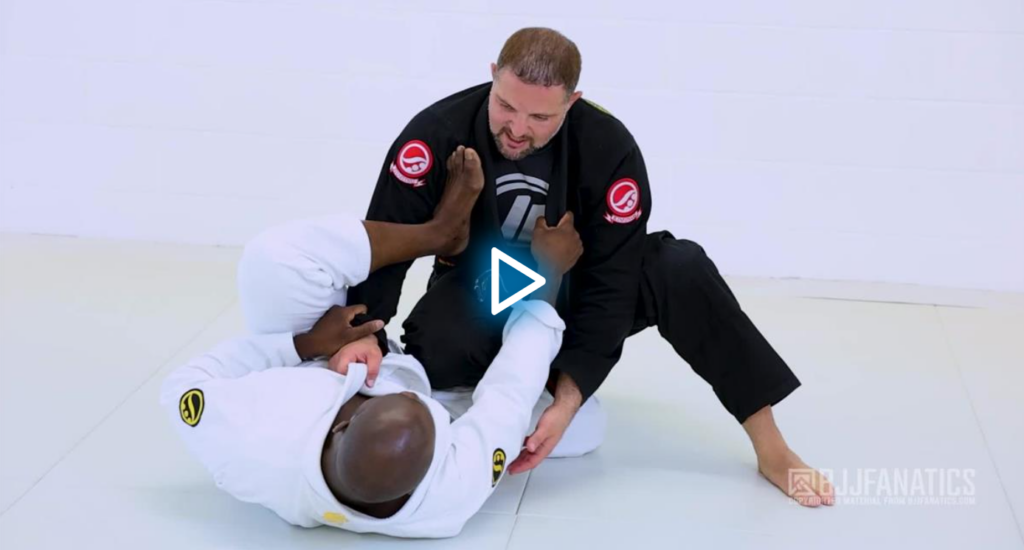
GET IT HERE: KNEE CUT PASSING YOSOF WANLY DVD
Who Is This For?
The Knee Cut Passing Yosof Wanly DVD fits best for solid white belts through purple belts who already attempt knee cuts and want a clearer structure and more reliable finishing mechanics. Gi passers dealing with modern guard layers (shin shield, De La Riva, lasso/lapel problems) will love the specific answers without abandoning pressure passing.
Competitors who want a pass that translates well under stress—because the knee cut is hard to completely turn off when you’re tired, and the grips are fighting bac,k will be swearing by this release.
I expect you might not love it if you’re a purist No-Gi grappler who doesn’t want to translate Gi grips into No-Gi controls. There’s still value, but it won’t feel like a No-Gi-focused knee cut course. Noobs who don’t yet understand passing posture, head position, and base can still learn from it, but you’ll need a coach’s guidance, or you’ll miss why the details matter.
Pros & Potential Drawbacks
Pros:
- Clear emphasis on grips and hip control: The course doesn’t pretend you can knee cut without winning the connection first.
- Practical troubleshooting for common Gi guards: Shin shield, De La Riva, and lasso/lapel situations get real attention.
- System feel rather than random techniques: The unifying and systemizing approach helps you build a decision tree.
- Multiple passing angles and related transitions: The low knee cut material and pass-switching keeps you from becoming predictable.
- Good fit for pressure-oriented passers: If you like pinning and making people carry your weight, the material aligns with that style.
Potential Drawbacks
- Assumes you can already reach knee cut positions: If your biggest issue is getting into the position, you may need complementary study.
- A lot of variations: Useful, but it can feel wide unless you actively narrow it into your own A-game.
Systematize the Knee Cut
If you want a knee cut instructional that treats the pass like a system—grips, hip pinning, angle choices, and solutions for modern Gi guard problems—the Knee Cut Passing Yosof Wanly DVD delivers more often than not. It’s especially valuable for intermediate grapplers who already try knee cuts but don’t yet own them.
That said, the Yosof Wanly knee cut pass system not a perfect universal course. The Gi emphasis is real, and if you’re strictly No-Gi you’ll be translating material rather than copying it. And while the course does a strong job once you’re in knee cut range, it’s not primarily an entry from everywhere passing blueprint.