




Key Takeaways
- A six-part, step-by-step system that treats the knee cut as a connected passing method—not a single “move.”
- Best for grapplers who already knee cut sometimes, but lose the pass in the messy middle (frames, hip escapes, re-guarding).
- Strong emphasis on starting position, diagonal control, and recovering your base so you can finish clean instead of stalling in half-pass purgatory.
- The later sections expand the pass into a broader passing hub (Toreando links, North-South routes, headquarters/split squat passing).
- Rating: 8/10
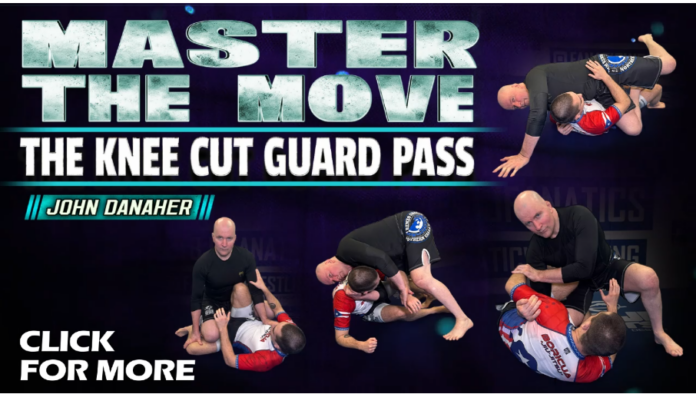
KNEE CUT GUARD PASS JOHN DANAHER DVD DOWNLOAD
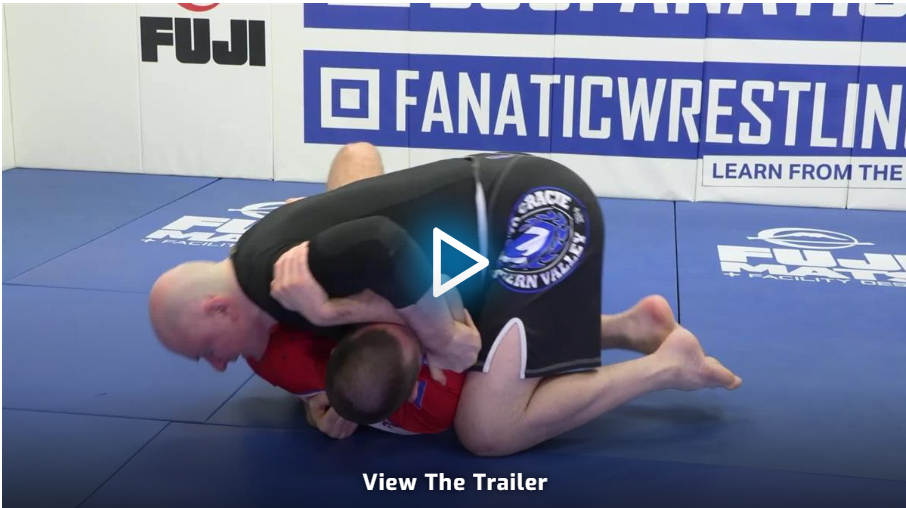
The knee cut is one of those passes that looks simple until you try to land it on someone who actually knows how to play guard. One moment you’re slicing through the knees; the next, you’re stuck in a half-guard glue trap, your posture is broken, and you’re eating frames while the bottom player rebuilds everything. That’s the real problem most people have with this pass: not knowing it, but finishing it.
That’s exactly the lane Knee Cut Guard Pass John Danaher DVD aims to occupy. Instead of treating the knee cut like a highlight-reel slide, this instructional frames it as a system of starting positions, controls, angles, and recovery mechanics—so the pass doesn’t fall apart the second the guard player starts doing guard-player things. If you’ve ever felt like your knee cut is almost there, this is designed to turn that almost into something you can rely on.
The Sweet Spot Pass
The knee cut sits in that sweet spot between pressure passing and mobility passing. It’s not pure smash—because you still need angle, timing, and a clean line through the legs—but it’s also not the kind of passing where you’re constantly disengaging and sprinting around ankles. The best knee cutters feel like they’re always one step ahead: they win inside space, pin shoulders and hips, and force the bottom player to carry your weight at the exact moment they want to rotate.
In practical terms, a high-percentage knee cut usually comes down to three ideas:
- You begin from a position where your hips are stable and your posture is recoverable.
- You control the far-side upper body enough that frames don’t reset the guard.
- You dominate the near-side hip/leg line so the guard player can’t freely reinsert knees and shins.
If any one of those is missing, the knee cut tends to turn into a slow-motion stalemate. That’s why the best passers don’t treat it as “knee across, done.” They treat it as a decision tree: if the underhook is there, you slice and flatten; if it isn’t, you change connection and posture; if the guard changes shape (shield, half, transitional frames), you still keep the same passing logic.

The Knee Cut Guard Pass John Danaher DVD leans hard into that systemic viewpoint, which is exactly what this pass demands if you want it to work beyond friendly rounds.
John “Rashguard” Danaher
John Danaher’s reputation in Jiu-Jitsu isn’t built on flashy competition moments—it’s built on building monsters who win with repeatable mechanics. With an academic background in philosophy and years spent training and teaching under Renzo Gracie’s lineage in New York, Danaher became known for an unusually analytical teaching style: he breaks positions into problems, then solves them with structure, constraints, and “if-then” clarity.
His influence is often associated with elite submission systems, but the larger pattern is that he tends to systematize fundamentals until they become brutally consistent. When he says something is “high percentage,” he usually means it can be made reliable under resistance if you respect the details.
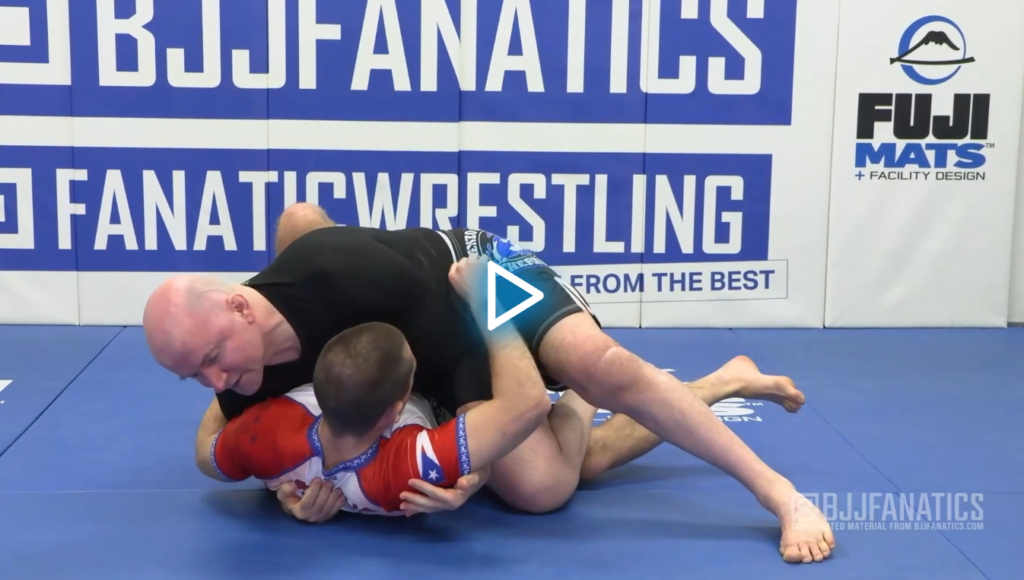
The knee cut is the kind of pass that rewards exactly that mindset. It’s not rare. It’s not mysterious. It’s just a pass where small positional errors get punished immediately. Knee Cut Guard Pass John Danaher DVD is Danaher applying his usual “make it inevitable” approach to a classic passing staple that many grapplers half-know and half-finish.
The Details: Knee Cut Guard Pass John Danaher DVD Review
The early structure (starting position, diagonal control, recovery to base) gives you a practical checklist, and the middle volumes add layers that help you scale from “I can hit this sometimes” to “I can force this often.”
The later material—especially the headquarters-based section—does a good job turning the knee cut into a passing hub, which is how high-level passers actually use it.
Volume 1 – The 3 Step System
The first section lays out the backbone of the instructional: a clearly defined, three-step framework that organizes the knee cut into phases rather than moments. The emphasis is on creating an advantageous starting position, establishing diagonal control (anchored around underhook mechanics and opposite-side knee penetration), and then recovering back to a stable base while controlling the outcome.
What’s useful here is the order of operations. A lot of people try to “win” the pass with the slice itself, and then panic when the bottom player disrupts posture or clamps half guard. By treating recovery-to-base as a formal step, the knee cut guard pass instructional highlights something experienced passers feel instinctively: finishing the knee cut often depends more on your ability to stabilize after the slice than the slice itself. This volume sets expectations that the knee cut is a process—one you can repeat—rather than a gamble.
Volume 2 – Collar and Underhook Knee Cut
The second volume narrows in on what Danaher describes as the first type of knee cut you must master: knee cuts with minimal connection, organized around collar/underhook relationships and specific hand positioning themes.
In practice, this portion is about learning to knee cut without needing perfect “chest-to-chest dominance” first. That’s realistic for most training environments: the guard player is framing, moving, and denying the clean underhook, so the passer needs a version of the knee cut that still functions when connection is lighter.
Volume 3 – Underhook Knee Cuts
This is where the instructional shifts from entry-level reliability to the grinding, higher-control version that pressure passers love: knee cut passing with greater connection, centered on fighting your way to an underhook through reactive and proactive methods. Danaher also includes a recap to keep the system coherent, and then contrasts two distinct finishing styles—chest-to-chest/ear-to-ear knee cuts versus higher-head, post-oriented knee cuts.
This volume does a good job of explaining why some knee cuts feel unstoppable while others feel like you’re sliding into danger. Increasing connection is not just about weight; it’s about denying the bottom player’s defensive cycles by controlling the lanes they need to rotate, frame, and reinsert knees.
The comparison between tighter chest alignment and a more post-driven posture also helps different body types find their version: some grapplers pass best by smothering; others pass best by staying tall enough to keep their hips mobile and their balance recoverable.
Volume 4 – Combining Knee Cuts
Volume four expands the knee cut into a broader passing network by explicitly pairing it with other passes and transitions: knee cut to Toreando, North-South passing, half guard passing to knee cut, plus themes like timing, misdirection, body lock knee cut variations, and even passing without inside foot position.
This section is where Knee Cut Guard Pass John Danaher DVD becomes more than “a knee cut tutorial.” It turns the knee cut into a hub: you threaten one direction to force a reaction, then take the pass the guard player gives you.
The emphasis on misdirection and timing is especially important because the knee cut is often less about overpowering and more about catching the guard player mid-adjustment. If you’re the kind of passer who likes to chain attacks instead of forcing one, this volume will likely be where the instructional starts paying off fast.
Volume 5 – Headquarters
The fifth volume is a special topic: headquarters position and knee cut passing. Danaher introduces the headquarters position, then covers practical problems that frequently derail passers—like clearing a hand off your ankle and controlling the top knee position—before layering in a sequence of attacks from headquarters: knee cut pass, smash passing, knee hike guard passing, and the skip step pass.
This is a very coach-friendly section because headquarters is one of the most teachable passing hubs in Jiu-Jitsu. It gives structure to the chaos of open guard: you’re not just reacting to grips and shin frames, you’re building a stable base from which multiple passes branch. It also helps clarify when the knee cut is the right choice versus when another branch (smash, hike, skip) is simply higher percentage in that moment.
Volume 6 – Split Squat Passing
The final section looks at knee cut passing from a split squat configuration, including a wrist pass to knee cut and a two-handed pass option. It also addresses a very real-world scenario: what to do if you cannot secure underhook control.
Instead of pretending that problem doesn’t exist, Danaher routes into alternative outcomes, including knee cut transitions into a Darce strangle or a T Kimura. Conceptually, this volume is about not freezing when the guard player wins a key battle (like denying the underhook). A lot of failed knee cuts fail because the passer becomes single-track minded:
if the underhook isn’t there, they still try to slice the same way and end up stuck. By presenting structured alternatives—both passing and submission-based—this section makes the system feel complete.
The Best Way to Use Danaher Instructionals
To get real value out of this, treat it like a short-term project rather than a “watch once and hope” instructional. Start by picking one primary entry (for most people, the headquarters-based approach is the most repeatable), then isolate the three-step framework from volume one as your checklist.
In live rounds, your goal is not “hit the knee cut.” Your goal is: start in the right place, establish diagonal control, recover to base while controlling the outcome. If you can reliably do those three things, the knee cut starts finishing itself.
A simple training plan is to build positional rounds around the problem phases. Begin in headquarters or split squat, and give the bottom player one job: deny underhooks and reinsert knees.
Give the top player one job: progress through the system without rushing. Once you’re consistently getting to half-pass situations, start from there and work only on the recovery-to-base portion—because that’s where most knee cuts die.
This is also an instructional that rewards filming your rounds. The “micro-detail” promise is real in the sense that small posture errors—head position, knee angle, hip distance—are usually the difference between pressure and stalemate.
GRAB HERE: KNEE CUT GUARD PASS JOHN DANAHER DVD
Who Is This For?
This is best for grapplers who already understand what the knee cut is and have at least a basic passing vocabulary. A solid white belt who can name positions and isn’t still drowning in open guard chaos can absolutely benefit, but the biggest payoff starts at blue belt and above—when you’ve tried knee cutting on competent guard players and realized it’s not as automatic as it looks.
It’s also a strong fit for pressure passers who want a clean, repeatable “main pass” that links naturally to other passes and coaches looking for a structured way to teach knee cutting without turning it into a random collection of grips and finishes.
Pros & Potential Drawbacks
Pros:
- True system framing, not a one-off technique. The three-step organization gives you a repeatable template instead of a “try this grip” vibe.
- Clear distinction between minimal vs greater connection knee cuts. That’s a real-world passing problem, and the John Danaher knee cut pass DVD treats it seriously.
- Excellent linking between passes. The knee cut-to-Toreando/North-South/two-handed connections make the knee cut a hub rather than a dead end.
- Headquarters focus adds teachability and consistency. For many grapplers, headquarters is where the knee cut becomes a dependable A-game option.
- Addresses the underhook-denial problem directly. The final section’s alternative routes help prevent the common “I’m stuck because Plan A failed” stall.
Potential Drawbacks:
- Detail density can feel heavy if you don’t already knee cut. Beginners may need to build basic passing comfort before the micro-details stick.
- If you dislike structured, concept-driven teaching, you may want more “just show the move” pacing. This is not a quick-hits highlight format.
- Some branches may be more relevant than others depending on your ruleset/style. Not everyone will prioritize submission follow-ups from the knee cut, for example.
Master The Move – Knee Cut Pass
If your knee cut already exists in your game but collapses under resistance, this is a strong upgrade. The biggest value in Knee Cut Guard Pass John Danaher DVD isn’t that it shows the knee cut—it’s that it shows how to make the knee cut survive contact with real guard defense.
Instead of betting everything on one slice, you threaten the knee cut to open other passes, and you use other passes to funnel back into the knee cut. That’s where the system starts to feel like it belongs in an A-game.