




Key Takeaways
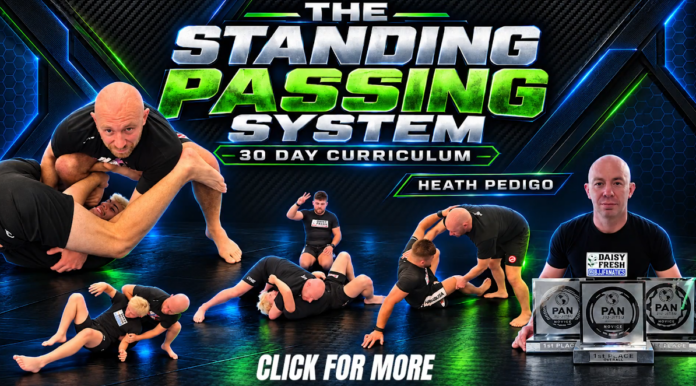
- Standing Passing System Heath Pedigo DVD review — a four-part, 24-chapter course on passing the seated guard from standing, packaged as a 30-day curriculum.
- Built for white and blue belts who stall out in front of seated guards, and for No-Gi grapplers who want a top game founded on distance, hand fighting and head control.
- The sequencing is the real strength: distance management and paw passing feed into knee taps and upper-body passes, then knee cuts and guard spins, then head lifts and inverted-leglock counters.
- The “30 Day Curriculum” framing is grouping, not a calendar.
- BJJ World Expert Rating: 8.5 out of 10.
Standing Passing System Heath Pedigo DVD – STREAM IT HERE
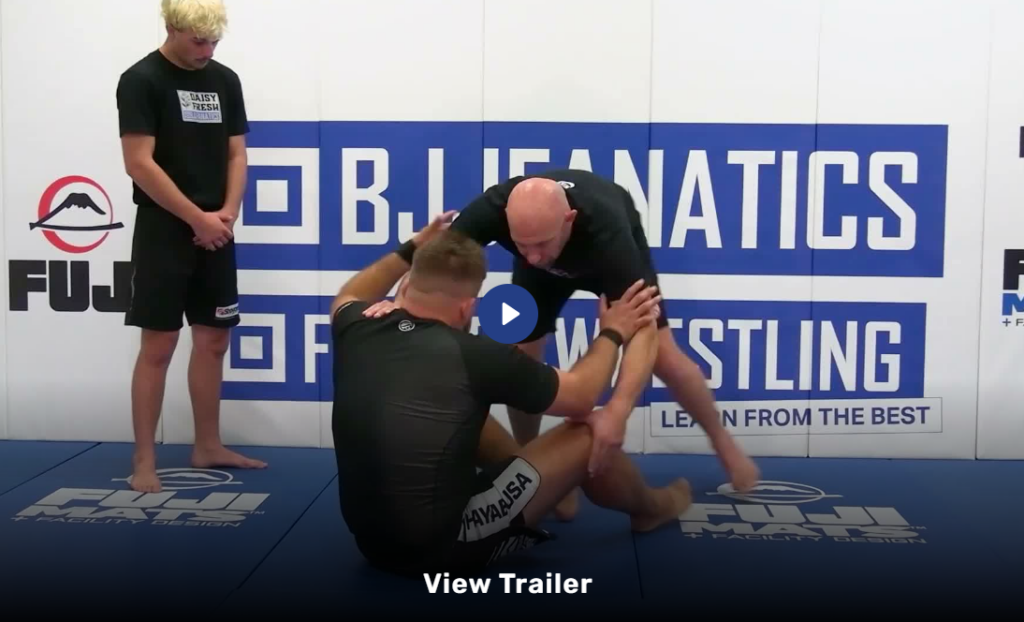
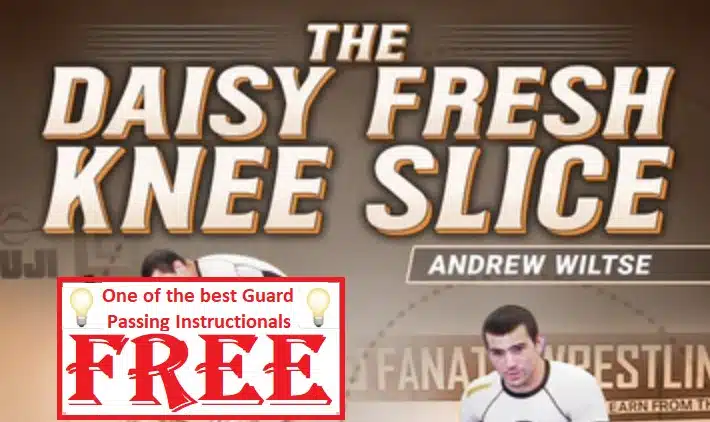
Passing seated guard from your feet is one of the most frustrating problems in the gym, and few coaches have turned it into as clean a system as Heath Pedigo. The head of Pedigo Submission Fighting in Mt. Vernon, Illinois — the team better known as Daisy Fresh — has spent years turning a low-budget room above a laundromat into a pipeline of successful lower-belt competitors.
The Standing Passing System: 30 Day Curriculum is his attempt to bottle the Daisy Fresh passing system into a single course. Priced at $197 and split across four parts totalling roughly two hours, it moves from distance management and hand fighting into a sequence of standing passes before closing on head lifts and inverted-leglock defense. This review assesses whether the curriculum framing is real structure or just packaging, and who should actually spend the money.
Movement-Based Passing
Standing guard passing has become one of the most studied skills in modern Jiu-Jitsu. The instructionals shelf is now crowded with deep dives: tripod passing from Jozef Chen, higher tripod passing from Craig Jones, split squat passing from Jason Rau, and outside passing work from Ariel Tabak and Marcos Tinoco. Most of those courses share a focus on the moment the pass actually happens — the posture, the legwork, the finish.
Pedigo’s course starts earlier. The first part is spent on distance management, hand fighting and balance — the paw passing layer that decides whether you ever get a clean entry in the first place. That is a meaningfully different emphasis. Where a tripod passing course assumes you are already in position, this one treats the approach, the grip fight and the off-balancing as the technique rather than the warm-up.
For a grappler who keeps getting tangled up in front of a seated opponent, that reframing is what is missing from most standing guard passing material — and it is why the course earns a place on a crowded shelf.

Daisy Fresh Heath Pedigo
Heath Pedigo is a black belt under Rodrigo Vaghi, with a lineage that runs through C. Gracie, H. Gracie and Rickson Gracie before reaching Vaghi. He founded Pedigo Submission Fighting in a former Daisy Fresh laundromat in Mt. Vernon, Illinois, and built it into one of the most respected lower-belt programs in the sport, winning the novice division team title at the IBJJF Pan Championship in both 2017 and 2019.
The team was the subject of the FloGrappling docuseries “Daisy Fresh: An American Jiu-Jitsu Story,” and has produced competitors such as Andrew Wiltse, Jacob Couch and Dante Leon. That record matters here: this is a coach whose whole method is built on turning limited resources into structured, repeatable progress for beginners and blue belts, and who has already released instructionals alongside Jacob Couch and Michael Pixley.
Standing Passing System Heath Pedigo DVD Review: The Four-Part Breakdown
The course is organized into four parts that deliberately stack on top of one another. There are 24 chapters in total, and each part closes with a drill or game that turns the technique into something you can use in live rounds.
Part 1: Distance, Hand Fighting and Balance
The opening section is the most distinctive thing about the whole course. Rather than jumping straight to a pass, Pedigo spends six chapters on distance management, hand fighting and paw passing. He gauges balance and posture, and his “green zone” concept for angling a seated opponent is truly impressive.
The standout idea is that circling without pawing is stalling — a line that reframes movement as something that has to earn its place. This is the material most standing-passing instructionals skip, and it is where a lot of the value lives.
Part 2: Knee Tap, Front Headlock and Upper Body Passes
From the hand fight, Pedigo moves into the standing knee tap pass, forcing a front headlock, the underhook pass and the reverse body lock. The connecting logic is clear: the upper-body controls built in Part 1 now create the entry. The front headlock chapter doubles as a passing route and a submission threat, which fits the pressure style Pedigo’s team is known for.
Part 3: Knee Cut, Guard Spin and Sniper Passes
The third part shifts to leg-focused entries: knee cuts, the traditional guard spin, knee staples and the bench press sniper. These are more familiar techniques to anyone who has studied modern passing, but Pedigo’s versions are tied back to the same off-balancing logic, so they read as a continuation of the system rather than a grab-bag.
Part 4: Head Lift and Inverted Leglock Defense
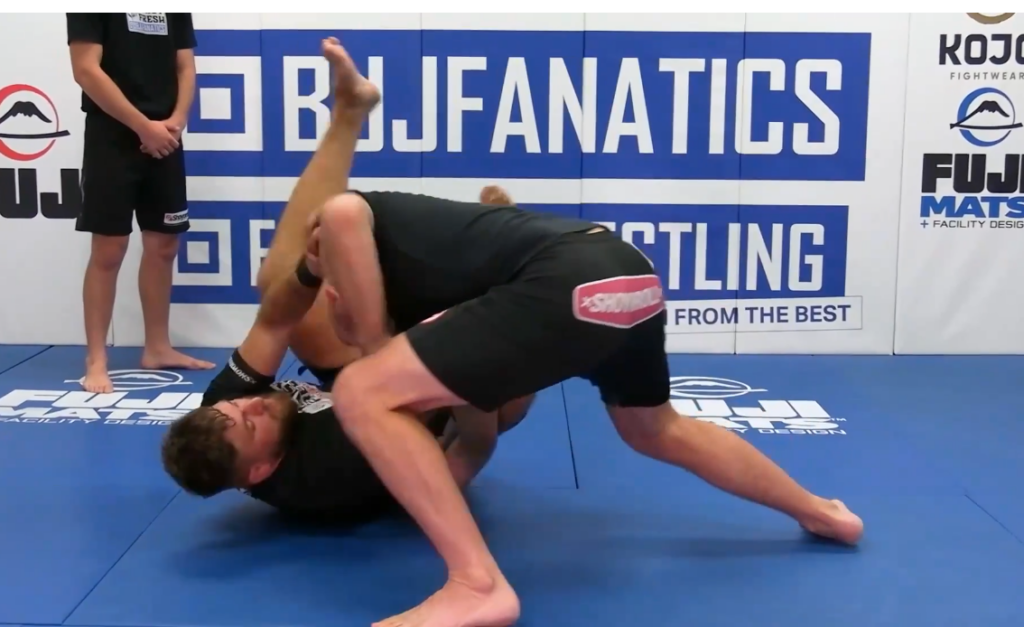
The final part is the most No-Gi-specific, and the most useful for competitors. Pedigo teaches the head lift as a way to break a seated opponent’s structure and shut down inverted leglock attacks. It includes chapters on the killer, a defense drill, the knee vice, and replacing the head lift with the knee. It closes with getting behind a seated opponent, which is the natural endpoint of the whole system.
How to Stay Standing While You Pass
The realistic way to use this course is to work one part at a time in live rounds, letting the drills build the entries before you chase the finishes. A grappler could spend a week or more on the distance and hand fighting layer alone, because that is where most people lose the pass before it starts.
The roughly two hours of footage is dense, and the games — the advantage game, the sniper pass drill, the green zone head lift drill — are what make it repeatable. Expect to rewatch the first part more than the others; the passing guard mechanics later on are the payoff for the posture and balance work up front.
DVD DOWNLOAD: Standing Passing System Heath Pedigo
Who Is This For?
This is squarely aimed at white and blue belts who get stuck in front of seated guards, and at grapplers who want a cleaner top game. As a No-Gi guard passing course, it assumes a game built on underhooks, collar ties and head control rather than sleeve and lapel grips. Because the material is No-Gi-coded — paw passing, head lifts and inverted-leglock defense are all No-Gi concepts — Gi-only players will get less out of it, even though the distance and balance ideas transfer.
Upper belts who already have a standing pass they trust will find much of Parts 2 and 3 familiar, and will likely only want the head-lift and leglock-defense material in Part 4. Anyone expecting a literal 30-day schedule will be disappointed: the label describes a structure, not a calendar.
Pros And Potential Drawbacks
Pros:
- The sequencing is real. Distance, hand fighting, passes, then counters is a logical build, not a technique dump, and each part feeds the next.
- The first part fills a genuine gap. Paw passing, the balance gauge and the green zone concept cover the entry work most standing-passing instructionals skip.
- Drills and games are built in. Nearly every part closes with a live-round drill, which is rare and makes the material actually usable.
- Pedigo’s teaching is credible. The Daisy Fresh track record of producing successful lower-belt competitors backs up the method.
- The leglock-defense block is a differentiator. Addressing inverted leglock attacks from the pass is a modern, competition-relevant touch most passing courses ignore.
Potential Drawbacks:
- Price to scope. At $197 for roughly two hours, it is expensive per minute compared to longer instructionals at the same price point.
- “30 Day” is packaging as much as plan. There is no actual calendar, so the framing promises more structure than the DVD delivers.
A Working System
The Standing Passing System Heath Pedigo DVD is a well-sequenced, honest No-Gi course on passing the seated guard from standing, with an unusually strong opening on distance and hand fighting and a genuinely useful closing block on head lifts and inverted-leglock defense. White and blue belts stuck in front of seated guards — and No-Gi competitors who want a cleaner top game — will get the most from it.
Reviewed by: Ognen Dzabirski, BJJ black belt, full-time coach and gym owner. The views expressed by the author do not necessarily reflect the views of the publication