







- Mica Galvao PEDs story has re-ignited debate after the prodigy framed his failed test around guidance he received from people in his circle.
- The framing shifts attention from individual responsibility to coaching, medical, and managerial oversight in elite BJJ.
- Even with a USADA sanction in the rearview, the sport is still grappling with how to educate young stars and prevent repeat outcomes.
- The conversation now centers on safeguards, not scapegoats—and what accountability looks like for athletes and teams alike.
A High-Profile Defense, With The Spotlight On Others
When a generational talent speaks, the room listens. That’s why the renewed attention on Mica Galvao PEDs matters: he’s not simply rehashing a suspension; he’s characterizing the misstep as an outcome influenced—at least in part—by those around him.
For fans, the framing lands like a plot twist. For coaches and managers, it’s a reminder that advice given to a 19- or 20-year-old phenom carries enormous consequence. For the athletes who idolize him, it’s a cautionary tale about the blurry line between trust and due diligence.
“When I went to [the] US, they told me that my testosterone level was very low. They said that they could help me up just to bring it back to normal. For me, I didn’t understand a lot. I was 17. I was just trying to compete and I put my trust in into the doctor at that time and I think it was a mistake.”
– Mica Galvão, in “The Year of Mica”
Whether you see the comments as context or deflection, the hard truth doesn’t change: anti-doping rules put the final responsibility on the athlete. That’s not just legal boilerplate—it’s the foundation of competitive integrity.
And yet, Mica Galvao PEDs discourse now forces the sport to interrogate the ecosystem: Who’s vetting supplements?
Who’s educating prospects on strict-liability? Who’s tracking paperwork and therapeutic exemptions—if any exist?

A star’s confession that “others” played a role resonates because everyone in BJJ recognizes the informal networks that shape careers long before the bright lights of a world final.
Mica Galvao PEDs And The Question Of Accountability
There’s a reason the phrase Mica Galvao PEDs keeps ricocheting across the community: it sits at the intersection of agency and influence.
Young grapplers often operate inside tight inner circles—coaches, S&C staff, teammates, sponsors—where the line between mentorship and management blurs. If that circle even hints that a gray-area shortcut is normal or necessary, the slope is greased.

Still, accountability can’t be a moving target. If an athlete embraces the benefits of a professionalized team—travel managed, camps programmed, nutrition curated—he also inherits the burden of asking hard questions.
“When I went to [the] US, they told me that my testosterone level was very low. They said that they could help me up just to bring it back to normal. For me, I didn’t understand a lot. I was 17. I was just trying to compete and I put my trust in into the doctor at that time and I think it was a mistake.”
– Mica Galvão, in “The Year of Mica”
What’s in the bottle? What’s the batch number? Has this specific compound ever triggered an adverse finding?
The most uncomfortable part of the Mica Galvao PEDs narrative is that it challenges every aspiring champion to become a skeptic, not a passenger, when the stakes are career-defining.
What The USADA Sanction Still Means
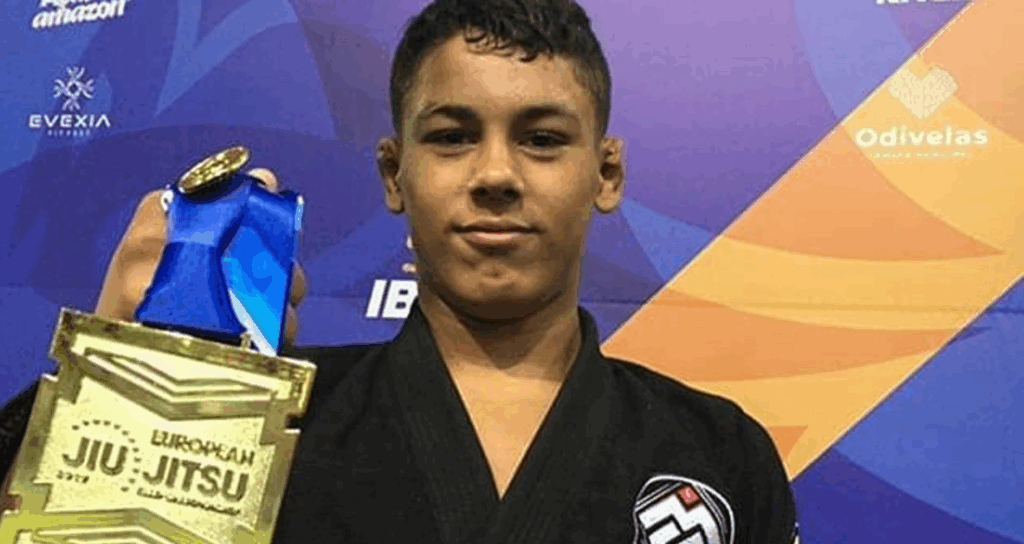
USADA sanctions are more than dates on a calendar. It lingers in the metadata of a career—Google results, broadcast mentions, the quiet second glance from a future sponsor.
That’s why the current focus on Mica Galvao PEDs doesn’t just revisit a timeline; it underscores how a single result reshapes public trust.
In practical terms, the sanction forces a reset: clean testing, transparent protocols, and a return to competition where every dominant exchange is viewed through a newly skeptical lens.
This is also a teachable moment for organizers and gyms. Anti-doping in BJJ isn’t a switch you flip at elite events; it’s an education pipeline. Seminars for junior belts, standardized supplement policies at major academies, and documented sign-offs for anything ingested or injected—all of it reduces risk.
If the sport doesn’t want the next Mica Galvao PEDs-style headline, then safeguards must become culture, not crisis management.
The Ecosystem Problem: Young Stars, Big Pressure, Bad Information
The youngest breakout names are also the most vulnerable to bad guidance. They’re asked to be full-time athletes before they’ve had a full semester of anti-doping literacy.
That’s how the pressure cooker creates rationalizations: “Everyone’s doing something,” “This stack is safe,” “You’ll be fine by test day.”
The Mica Galvao PEDs discussion exposes how quickly that logic can warp priorities. The antidote is unglamorous: third-party tested supplements only, a named compliance lead in every camp, and independent medical advice that isn’t filtered through incentives.
For teams, the cost of discipline is far cheaper than the cost of scandal. One flagged product can unravel a decade of careful brand-building.
And for athletes, a single mistake can become the asterisk that chases them from Abu Dhabi to Las Vegas.
How The Message Lands With The Next Generation
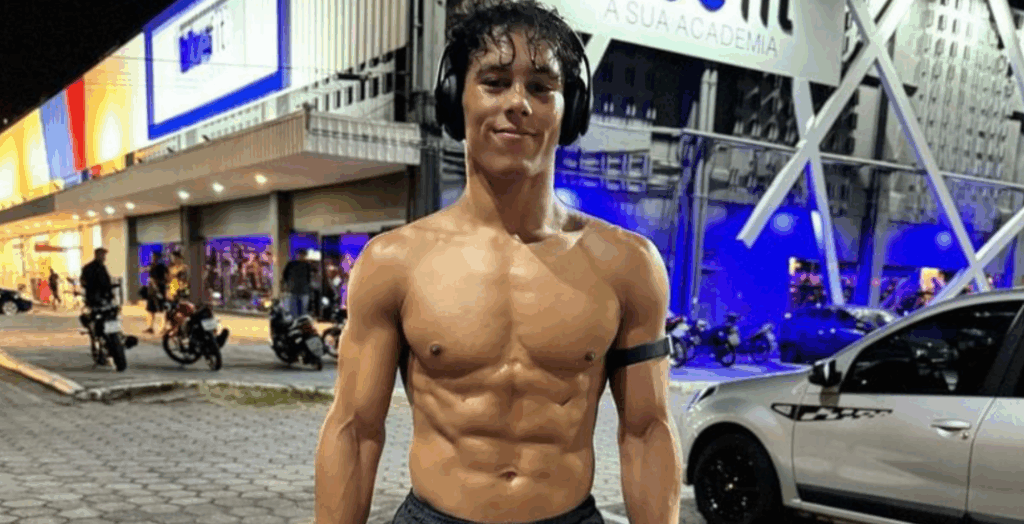
Here’s the twist: even as he points to external influence in one of the most high-profile cases of doping in Jiu-Jitsu in 2025., Galvão is also telling kids not to repeat the mistake. That duality matters.
The safest interpretation is the most useful one—treat Mica Galvao PEDs not as a pass, but as a warning label.
“People think that it’s kind of normal for you to use stuff on jiu-jitsu. And I don’t want kids to grow up thinking about it.”
– Mica Galvão, in “The Year of Mica”
If you’re 16 and on a rocket ship to the black-belt ranks, assume every supplement is suspect until proven otherwise.
If you’re a coach, assume your advice will be treated as gospel and documented like a prescription. If you’re a parent, ask for the paper trail. This is the boring, meticulous work that prevents careers from detouring into arbitration and press releases.
The Comeback Starts When The Blame Stops
At some point, the conversation has to pivot from explanation to example. If the Mica Galvao PEDs saga ends with an athlete who competes clean, advocates loudly, and helps install guardrails for the next wave, then the legacy of this moment changes.
That won’t erase a sanction, but it can outgrow it—and in a sport that prides itself on solving problems under pressure, that’s the only win that matters.