








- Two separate accounts—one from 1999 and one from ADCC 2001—have renewed attention on ADCC match fixing allegations.
- South African champion Mark Robinson says he was offered $65,000 to lose an ADCC 1999 bout to Sean Alvarez and walked away from the bracket.
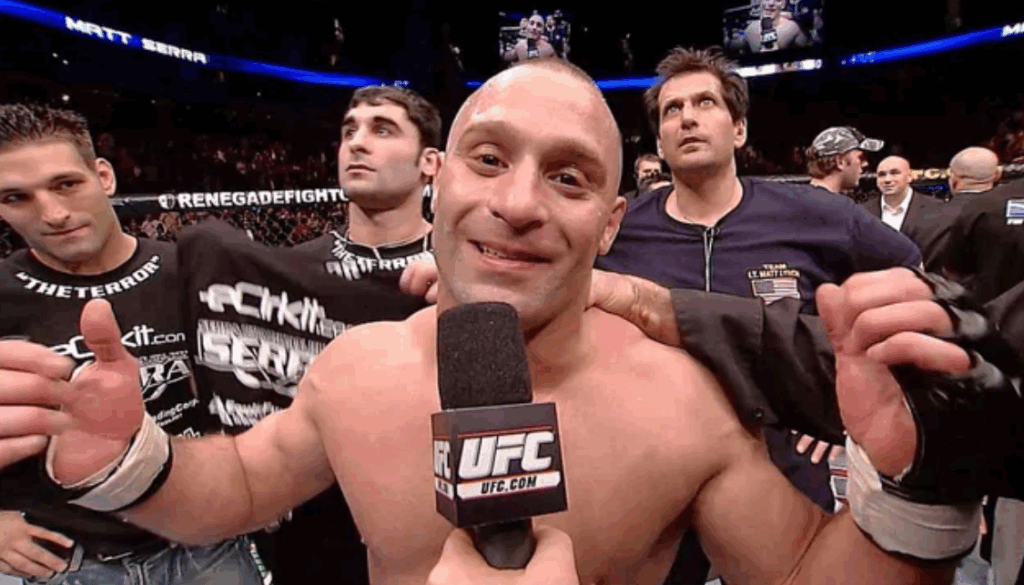
- Matt Serra says he was told to “take a dive” in the ADCC 2001 -77 kg final against Marcio Feitosa; he forfeited and took silver.
- The two accounts reignite scrutiny around ADCC match fixing allegatioins and the sport’s uneasy history with behind-the-scenes pressure.
Two Stories, One Shadow Over A Showcase
For a sport that prides itself on meritocracy, few phrases sting like ADCC match fixing allegations. Two accounts—years apart—are driving a new round of soul-searching.
One involves an alleged $65,000 offer in 1999 to throw a bout.
The other centers on ADCC 2001, where Matt Serra has said he was told to take a dive and refused.
Neither episode has resulted in formal findings tied to those editions, yet both persist in the discourse because they challenge the foundational belief that the mats are where truth gets told.
What gives these stories staying power isn’t just the names or the numbers; it’s the reminder that grappling, like any high-stakes arena, has to constantly prove its integrity.

The Matt Serra allegations and the 1999 bribery claim bookend the sport’s transition from niche spectacle to marquee stage. They also underline a simple truth: transparency isn’t a destination—it’s a practice.

A Veteran Says No: Mark Robinson’s 1999 Walk-Off
South African grappling great Mark Robinson says his first ADCC run in 1999 derailed the moment a “representative” approached before his scheduled bout with Sean Alvarez.

According to Robinson, the pitch was simple: take the loss, pocket $65,000, and move on. He says he left the warm-up area, furious, and reported it to a liaison—then packed his things and headed back to the hotel.
“One of the Sheikh’s guys came to me and tried to bribe me to lose that fight. Offered me $65,000… This is exactly what happened.”
– Mark Robinson –
What happened next, Robinson claims, only hardened his stance.
“The next morning [the liaison] came to my room with a briefcase with a million dollars in it and said to me ‘here’s $10,000, which is the winning prize money. We’re sorry for what happened.’ … I left, I did not fight.”
– Mark Robinson –
Robinson says the promotion replaced him in the bracket with a previously eliminated athlete. He wouldn’t compete that weekend—choosing to make a stand instead.
The allegation cuts to the core of ADCC match fixing allegations: whether competitive outcomes have ever been steered by influence rather than skill.
From Controversy To Gold: Robinson’s Redemption Arc
Robinson did come back. After returning the following year and again in the early 2000s, he captured the ADCC +99 kg title in 2001, becoming the first—and to date only—South African champion at the world’s most prestigious submission-grappling event.
That achievement sits in sharp relief against his account from 1999, underscoring how his stance against an alleged payoff didn’t derail his career trajectory. If anything, it amplified the legacy: a veteran who refused a back-room deal and still climbed to the top.
“Take The Dive”: Matt Serra On The 2001 Final
The second allegation is from a name familiar to every MMA fan: Matt Serra.
The future UFC champion has said that, ahead of the ADCC 2001 -77 kg final versus Marcio Feitosa, he was instructed by his mentor Renzo Gracie to “take a dive.”
Serra ultimately forfeited—Feitosa took gold, and Serra accepted silver.
“He told me to take a dive.”
– Matt Serra –
Serra’s account revives an older, uncomfortable conversation about intra-team dynamics, unwritten hierarchies, and the line between gym loyalty and competitive integrity.
In a sport that prides itself on meritocracy, the idea that a finalist could be asked to stand down—regardless of the reasons—lands with force. It also adds another modern layer to ongoing media and community scrutiny around ADCC match fixing allegations.
Why ADCC Match Fixing Allegations Still Land Today
Modern ADCC looks nothing like the turn-of-the-century circuit. The show is a stadium-filling, globally streamed event with deep media coverage, greater referee standardization, and a talent pipeline that runs year-round. That evolution raises the bar for credibility.
At the same time, bigger money and visibility can amplify pressure points. That’s why ADCC match fixing allegations—old or new—still punch through.
Three dynamics keep the topic alive:
- Historical Ambiguity: Early tournaments didn’t benefit from today’s ubiquitous cameras or digital record-keeping, leaving some stories unresolvable.
- Personality-Driven Narratives: When respected names recall sensitive moments, the discourse doesn’t fade—it multiplies.
- Guardrails vs. Gray Areas: Invitations, brackets, and matchmaking are cleaner now, but transparency around criteria and oversight will always be scrutinized in a prestige event.
The pragmatic takeaway isn’t to litigate the past by rumor; it’s to recognize that the best antidote to suspicion is radical clarity—clear selection processes, documented rules, and consistent officiating.
That’s how you inoculate a brand against doubts that linger from ADCC 2001 or the 1999 bribery claim.
The Sport Moves Forward Only If It Confronts Its Myths
Every fast-growing sport inherits messy origin stories. Grappling is no different. The way to honor the present is not to pretend the past didn’t happen—it’s to build systems that make repetition impossible.
Whether you believe every detail or not, the renewed spotlight on ADCC match fixing allegations should motivate organizers and athletes alike to prioritize sunlight over whispers, documentation over anecdotes, and accountability over assumptions.