





Key Takeaways
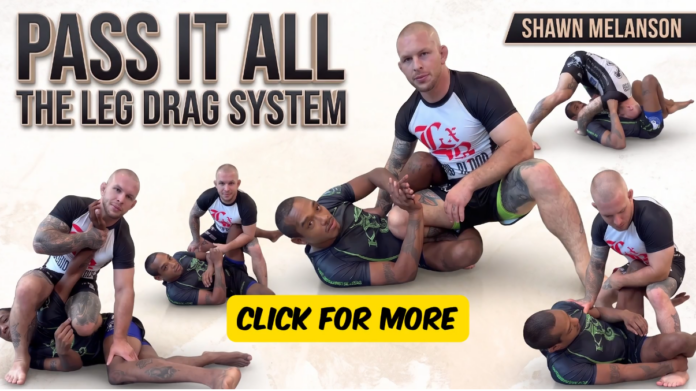
- A focused two-volume, 33-technique No-Gi passing system built around the leg drag position, from black belt and PGF competitor Shawn Melanson.
- Treats the leg drag not as a single pass but as a control hub to “camp” in, with counters, back-takes and multiple pass routes branching off it.
- Strong on the modern No-Gi passing meta: K guard prevention, headquarters, toreando, knee slice, body lock and a quick heel hook threat.
- Best suited to No-Gi players, passers, and anyone who wants a structured, competition-tested leg drag game rather than a grab-bag of passes.
- No-Gi specific and light on Gi considerations; limited Gi and submission-depth material.
- Rating: 7.5/10
GET IT HERE: The Leg Drag System Shawn Melanson DVD
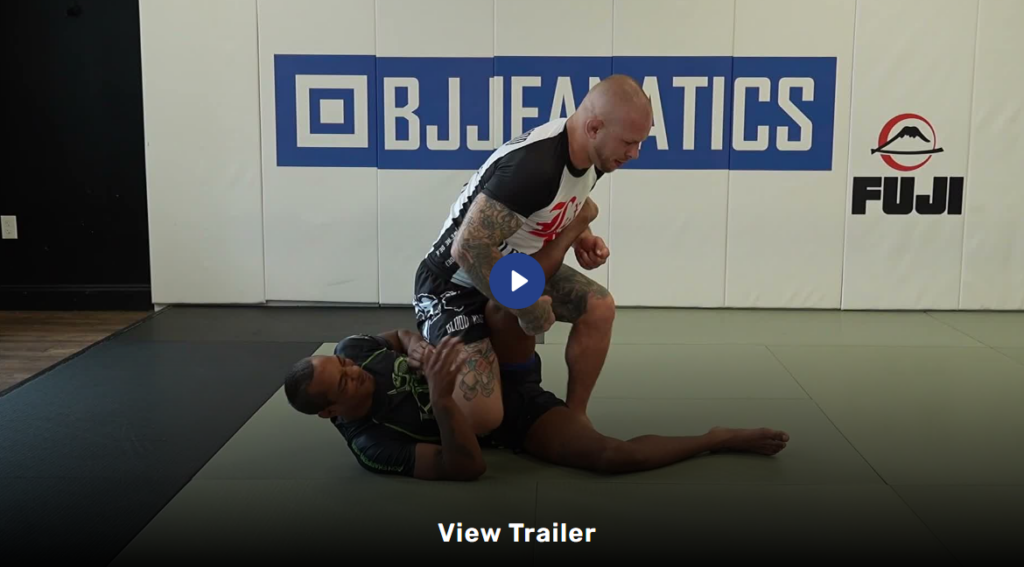
The leg drag went from a niche technique to one of the defining positions of modern No-Gi passing in a single generation, and Pass It All The Leg Drag System is Shawn Melanson’s attempt to turn it into a complete, self-contained game. Rather than teach the leg drag as one move on a list, Melanson builds an entire passing framework around it — a position you sit in, attack from, and use to funnel the opponent into predictable reactions.
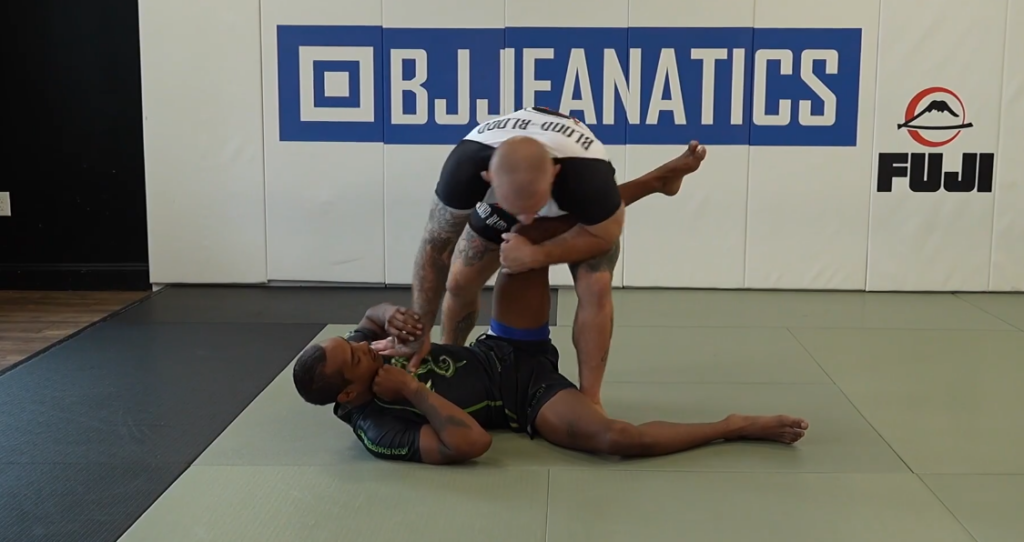
That is the key distinction the title makes. Most passing instructionals present the leg drag as a single, explosive transition. Melanson treats it as a “camp” — a control hub you can hold, where every reaction from the opponent feeds one of 33 techniques. For a modern No-Gi passer, that is a far more useful mental model, because it turns a fast pass into a position with options.
A No-Gi Specialist’s Resume
Melanson’s competitive path runs through the exact environments where the leg drag lives. His IBJJF coloured-belt results skew No-Gi — bronze at the 2021 Pan No-Gi and the 2021 American No-Gi at brown belt, plus gold at the 2020 Kansas City Open and the 2018 New York Spring No-Gi as a purple belt. That record matters because it is all middleweight, all No-Gi, and all against the kind of athletic guard players who force a passer to earn every inch.
Shawn’s PGF run is even more instructive. Competing for the Philadelphia Phenoms, Melanson has logged quick finishes — an armbar in 41 seconds, a kneebar in under two minutes, an arm lock in 17 seconds — built on the same pressure-and-recover passing he teaches here. The connection between his competitive style and the instructional is unusually direct: the leg drag camping, the headquarters sequences and the front headlock answers are all visible in his matches. This is a pressure-tested system in the literal sense.

Detailed Leg Drag System Shawn Melanson DVD Review
Two volumes, 33 techniques, one coherent map. Volume 1 establishes the position; Volume 2 branches out into passes and attacks from everywhere the leg drag leads.
Volume 1: Building the Leg Drag Camp
Melanson opens with the fundamentals most instructionals skip: how to get an opponent supine and establish the leg drag camp in the first place. He then differentiates between reactive and non-reactive (or tired) opponents, which is a rare and valuable framing — a technique that works on a scrambling athlete often falls apart on a stalling one.
The meat of the volume is defensive and counter work: preventing the high leg, the thigh drag, stopping K guard before it starts, the Rau drag, a cartwheel pass, taking the back from the wrestle-up, and countering the Choi bar. This is the modern leg drag meta, taught as a connected sequence rather than disconnected defences.

Volume 2: Passing and Attacking From the Hub
The second volume is where the system pays off. From the leg drag, Melanson shows a quick heel hook threat, the toreando, step-through and knee-tap passes, and a back-spin pass — a full menu of finishes off the position. He then expands to seated opponents and the front headlock, including the ten-finger choke and using the front headlock to beat the knee shield.
The headquarters material — stack pass, knee slice, body lock, split-squat shin-staple pass and the split squat back into the leg drag — ties the system together and gives it a Gi-transferable foundation. The closing chapter, on forcing the opponent to continuously recover, is the clearest statement of the whole philosophy.
Pass It All!
This is a genuinely usable system, and the path to installing it is straightforward. Volume 1’s camping and K guard counters can be drilled in a single session and applied the same week. The real payoff comes from treating the leg drag as a hub rather than a finish — spend a few open mats passing from the camp with a resisting partner and the branch points start to feel automatic. It is No-Gi-first throughout; Gi players will find the headquarters and body lock sections translate, but the system as a whole is built for shorts-and-rashguard pace.
The Leg Drag System Shawn Melanson DVD: DIRECT DOWNLOAD
Who Is This For?
The ideal student is a No-Gi grappler — blue belt through black belt — who wants a structured passing game instead of isolated passes. It fits aggressive passers who prefer pressure and pace, and it is especially useful for competitors who face athletic guard players and leg-lock threats.
The K guard and Choi bar material alone will justify the price for many. Who won’t benefit: Gi specialists looking for collar-and-sleeve passing, and anyone who wants a balanced curriculum with a submission or bottom-game focus — this is a passing system, and it does not pretend to be anything else.
Pros & Potential Drawbacks
Pros:
- A real system, not a move list. The leg drag camp model turns one technique into an entire passing philosophy.
- Modern No-Gi meta covered. K guard, Choi bar, heel hook and headquarters answers make it current rather than dated.
- Pressure-tested by a competitor. The techniques mirror what Melanson actually does in PGF matches, not theory.
- Reactive vs. non-reactive framing. The distinction is genuinely useful and rarely taught this explicitly.
- Fast finishes and counters. The back-takes and quick submissions give the passing game teeth.
- Well-organised two-volume structure. Nothing padded; 33 techniques is substantial for the price.
Potential drawbacks:
- No-Gi specific. Gi passers will only partially benefit; the grip-fighting context is absent.
- Narrow focus by design. There is no bottom game, little guard work and only light submission depth beyond the passing connections.
- Less decorated than marquee names. Melanson’s credentials are solid but regional-to-national rather than world-level, which some buyers will weigh.
The Verdict: Is the Leg Drag System Worth It?
Pass It All The Leg Drag System is a focused, modern and genuinely usable No-Gi passing course from an instructor who teaches what he competes with. It earns its place by treating the leg drag as a position with branches rather than a single move, and by covering the exact guards and counters that define the current No-Gi passing meta.